Slightly to the side
Did you know that Earth's tilt affects the school year?
Published on March 2, 2026
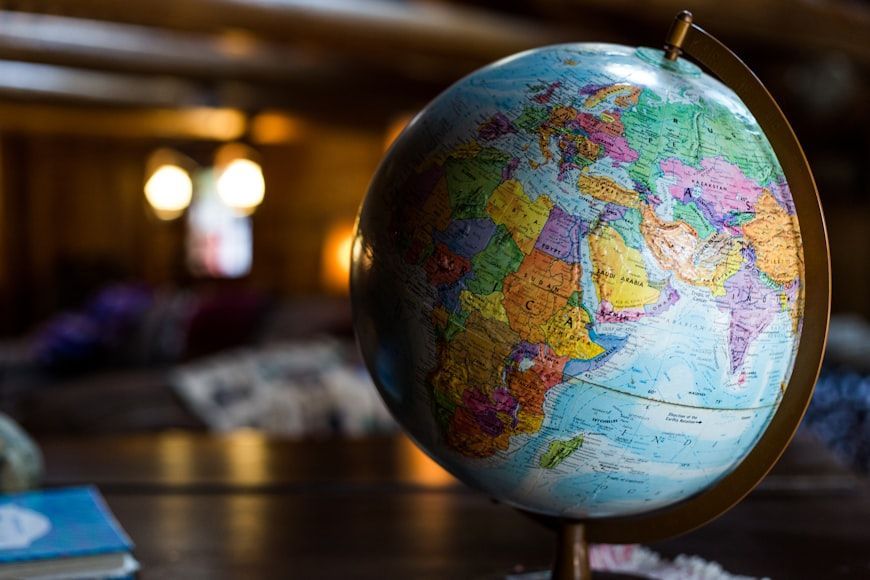
We might refer to Planet Earth as ‘the globe’, but we know it is more like a slightly flattened sphere —experts would say it’s an oblate spheroid— that is also askew. These two details have major consequences for the climate, the night sky, the way we register locations, and even the way schools plan their academic year. How much does the Earth's being at an angle affect us? Let’s find out!
The axial tilt

Why is Earth’s axis tilted? The most widely accepted theory is that, millions of years ago, a young planet Earth collided with another celestial body and was left permanently askew. Earth’s axis, supposedly straight before, now has a tilt of 23.5 degrees. It is also believed that the Moon is a product of this collision.
Will it keep moving?
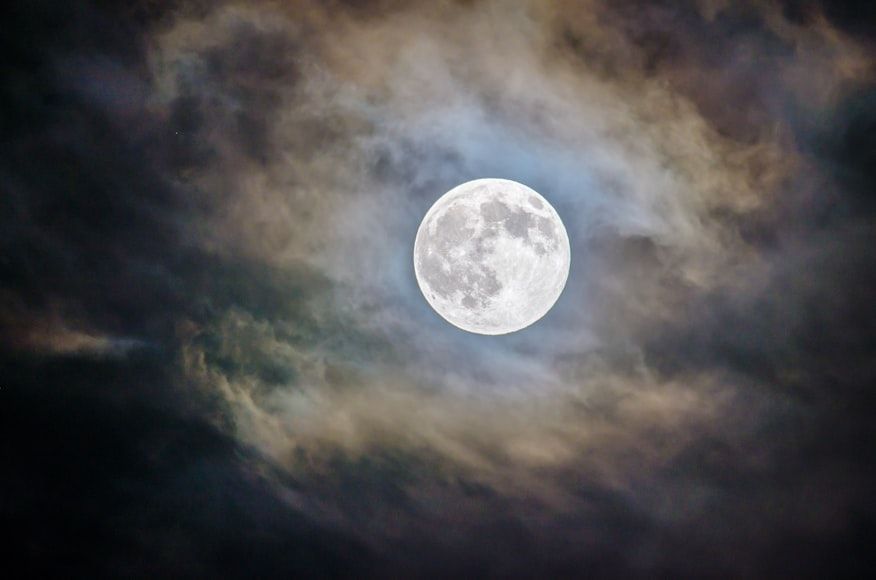
The Earth is permanently tilted, but it’s not static. The degree of the tilt varies slightly across a cycle of thousands of years, which would explain why seasons were harsher or milder across history. But what keeps the Earth from having a more extreme shift? The Moon. All celestial bodies have their own gravity, and they can affect each other. Moon’s gravity has a pull on the equatorial bulge (Earth’s widest part) and prevents it from being affected by other surrounding planets, while also keeping the axial tilt stable.
The seasons

The different seasons are the first major consequence of the axial tilt. As the Earth orbits around the Sun, it remains tilted in the same direction, which means that, for half of the orbit, one pole is directly facing the Sun, while the other is directly away. For the next half of the orbit, the positions are reversed. The pole closer to the Sun experiences Summer, while the opposite pole goes through Winter (which means that yes, the Southern hemisphere celebrates Christmas during Summer).
North vs. True North
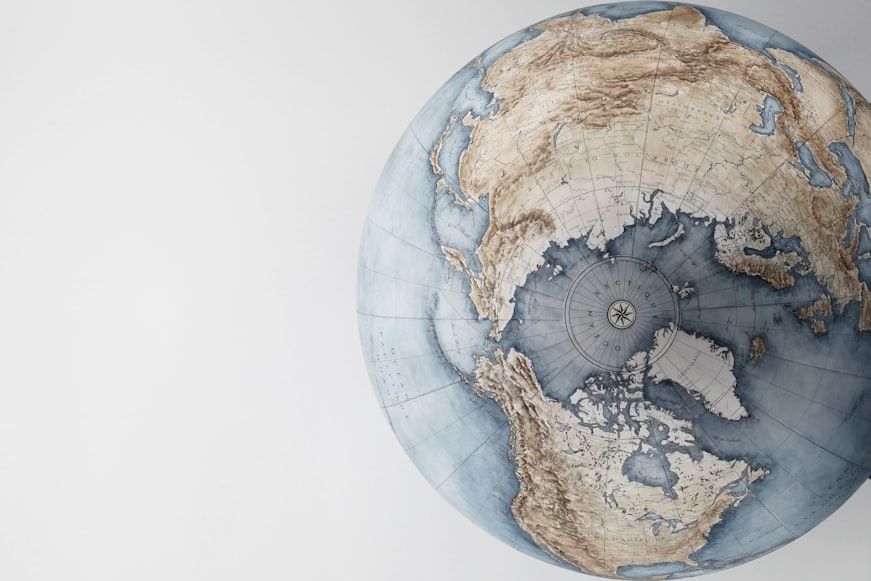
When a compass signals North, what is it pointing towards? Spoiler: not the North Pole. The North Pole (also known as True North, or Geographic North) it is a fixed point in the Arctic Ocean intersected by the rotational axis. Maps and coordinates use this point as a reference for the North. A compass, however, points towards the North of the Earth’s magnetic field, which is constantly shifting. The difference between the two Norths is called declination, and is essential for navigation and map reading.
The Mercator projection
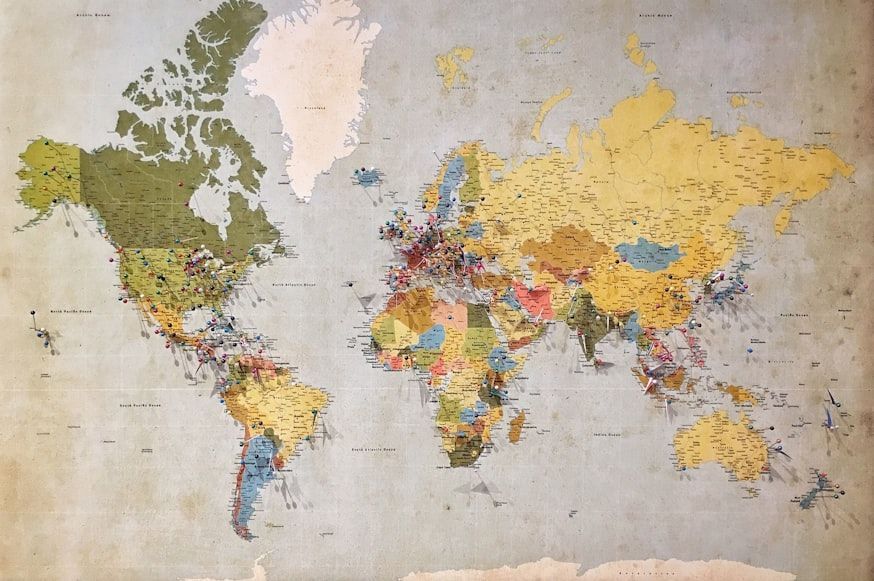
The Earth is a sphere, but most maps are flat. Something is not adding up, and it’s all the fault of a man called Gerardus Mercator, who, in the 16th century, mapped the Earth in a way that represented the meridians and parallels as straight lines. While this was excellent for navigation, it had its negatives: a size distortion. The farthest land masses are from the equator and closest to the poles, the most inflated in size they appear. For example, in the Mercator projection, Greenland appears close in size to the entire African continent, when in reality it is closer in size to the Democratic Republic of Congo.
The four hemispheres
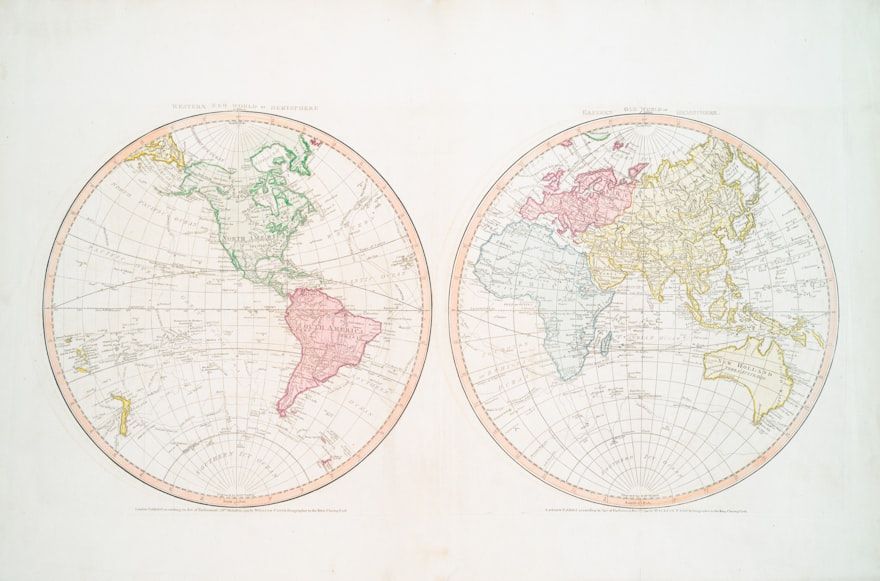
We all know the difference between the Northern and the Southern hemispheres, but did you know the difference between the Eastern and Western ones? Unlike North and South (which are divided by the equator and experience opposite seasons), the Eastern and Western hemispheres are more of a cultural division, even though they are separated by the Prime meridian and antimeridian. The Eastern Hemisphere is commonly associated with "the Old World" (though it includes Australia), and the Western Hemisphere is "the New World".
Land vs. Water

Hemispheres split the world equally in size, but not in content. The Northern Hemisphere contains the majority of the Earth’s land mass (around 68%), while the Southern Hemisphere holds the majority of the water (around 80%). As the Northern side has more land, it also houses the majority of the world’s population, around 90%.
Opposite sides
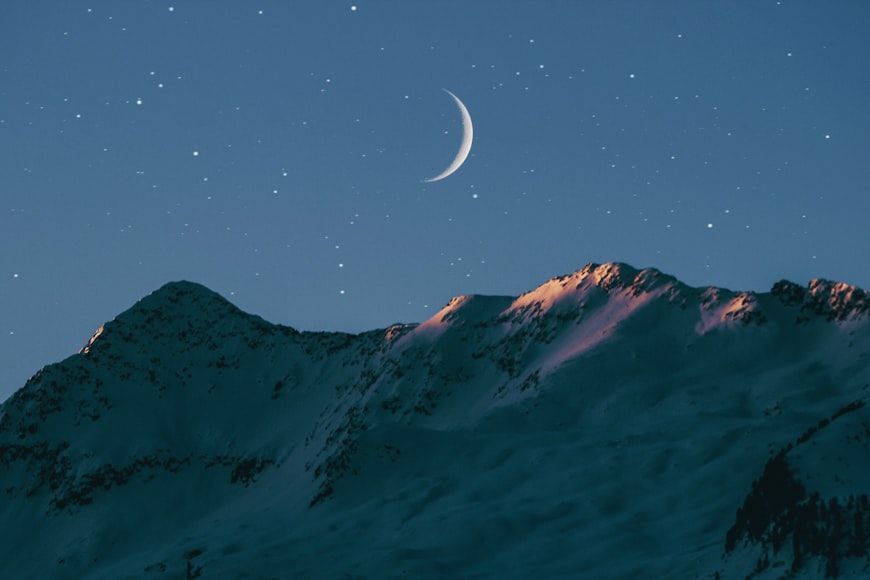
North and South experience opposite seasons, but what else is opposite? Storms and whirlpools spin depending on their location—clockwise in the South, counterclockwise in the North—, and the shape of the crescent moon is perceived inverted —a waxing crescent looks like a D from the North and a C from the South.
Different skies
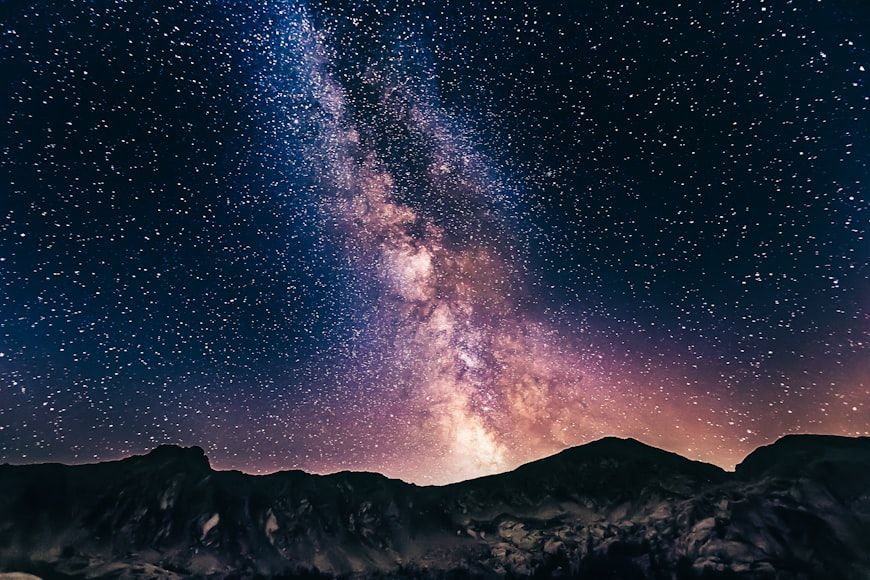
While bigger celestial objects, such as the Sun or Moon, are visible from any point on Earth, some can only be seen depending on your location. Constellations that are located closer to the Poles are only visible from that hemisphere, and have traditionally been used for navigation and orientation. In the Northern hemisphere, the main examples are Polaris (the north star), Ursa Major (a constellation that contains the Big Dipper), Ursa Minor, Cepheus, and Cassiopeia. For the Southern Hemisphere, the main examples are Crux (the Southern Cross), Centaurus, and Carina.
Calendar year vs. Academic year

Most institutions plan their year around Summer, which means that in the Northern Hemisphere, the Academic year usually starts around September and ends in May or June of the following calendar year, while there’s a Winter break in time for Christmas and New Year. In the Southern Hemisphere, the calendar and academic years are matched: the academic year usually begins in March and ends mid-December, right before the Holidays, while Winter break usually falls in July.