If it rhymes, it must be true

We made a list of the 10 best replies in the history of Mankind. Agree?


Published on August 29, 2026


Image: Daniel Prudek

History is full of memorable questions, but every so often, someone answers in a way that outlives the question itself. Whether spoken on a mountain, a battlefield, in a prison, or in the halls of government, these replies became famous because they condensed courage, wit, conviction, or wisdom into just a few unforgettable words. Discover 10 real exchanges in which a simple answer became part of history because of the beautiful way in which it was expressed.

1

"Because it's there." — George Mallory

Image: MBS ID

British mountaineer George Mallory offered this famously concise reply during a 1923 interview before another attempt on Mount Everest, then the only major summit that had never been conquered, to the question "Why do you want to climb Mount Everest?" His three words expressed the human desire to explore simply because something remains unexplored.

Mallory disappeared on Everest with fellow climber Andrew "Sandy" Irvine in June 1924, and historians still debate whether they reached the summit before dying. His answer became one of the defining quotations of exploration and later inspired John F. Kennedy's case for going to the Moon.

2

"The report of my death was an exaggeration." — Mark Twain
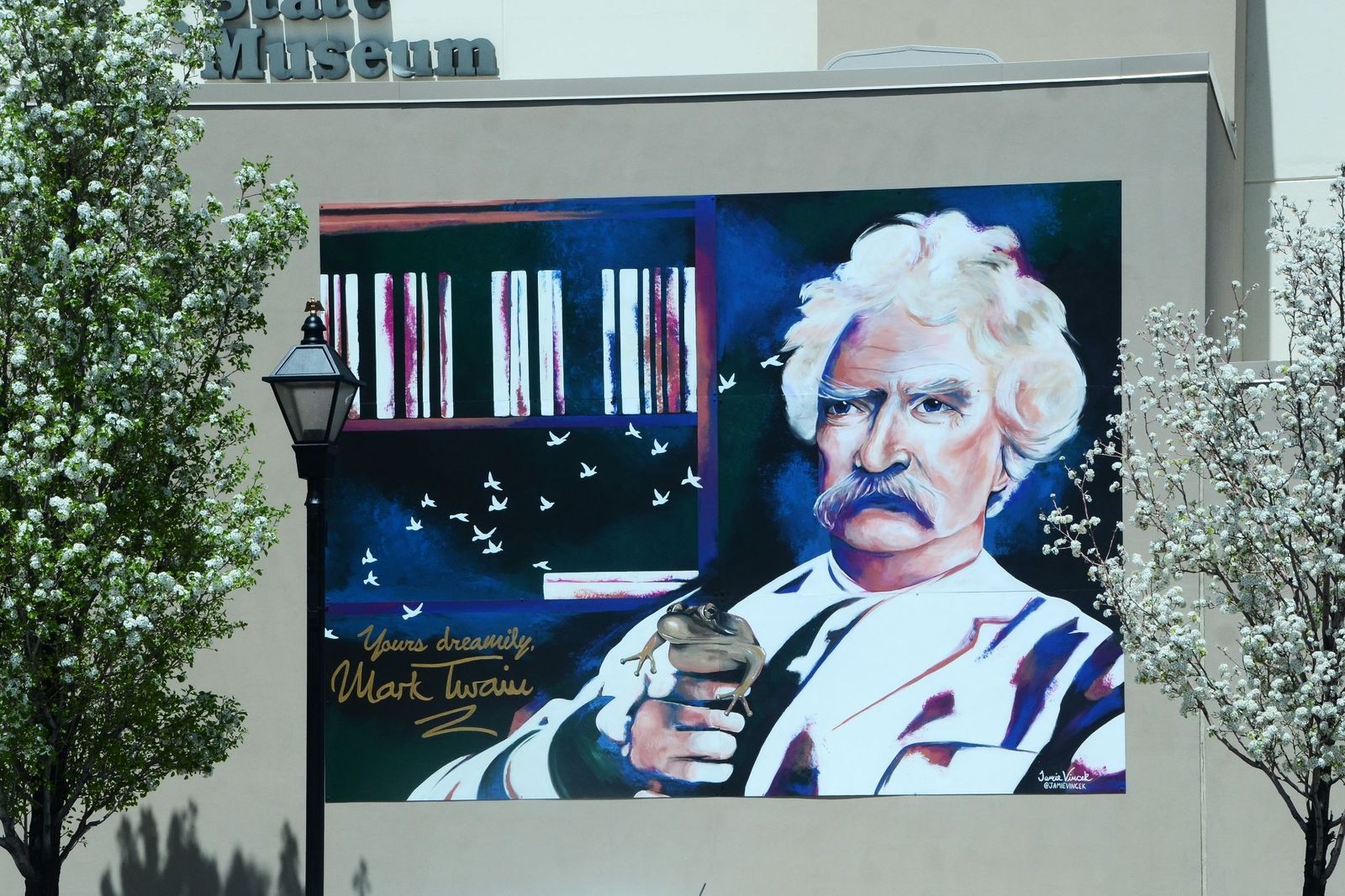
Image: Daniel L. Locke

In 1897, newspapers mistakenly reported that Mark Twain had died while he was living in London. When a reporter contacted him to verify the rumor, the celebrated author responded with the dry wit that had made him America's best-known humorist.

Although the exact wording varies slightly among contemporary accounts, the sentence quickly became one of the most quoted lines in English. More than a century later, it remains the perfect comeback whenever rumors spread faster than the truth.

3

"Not because they are easy, but because they are hard." — John F. Kennedy
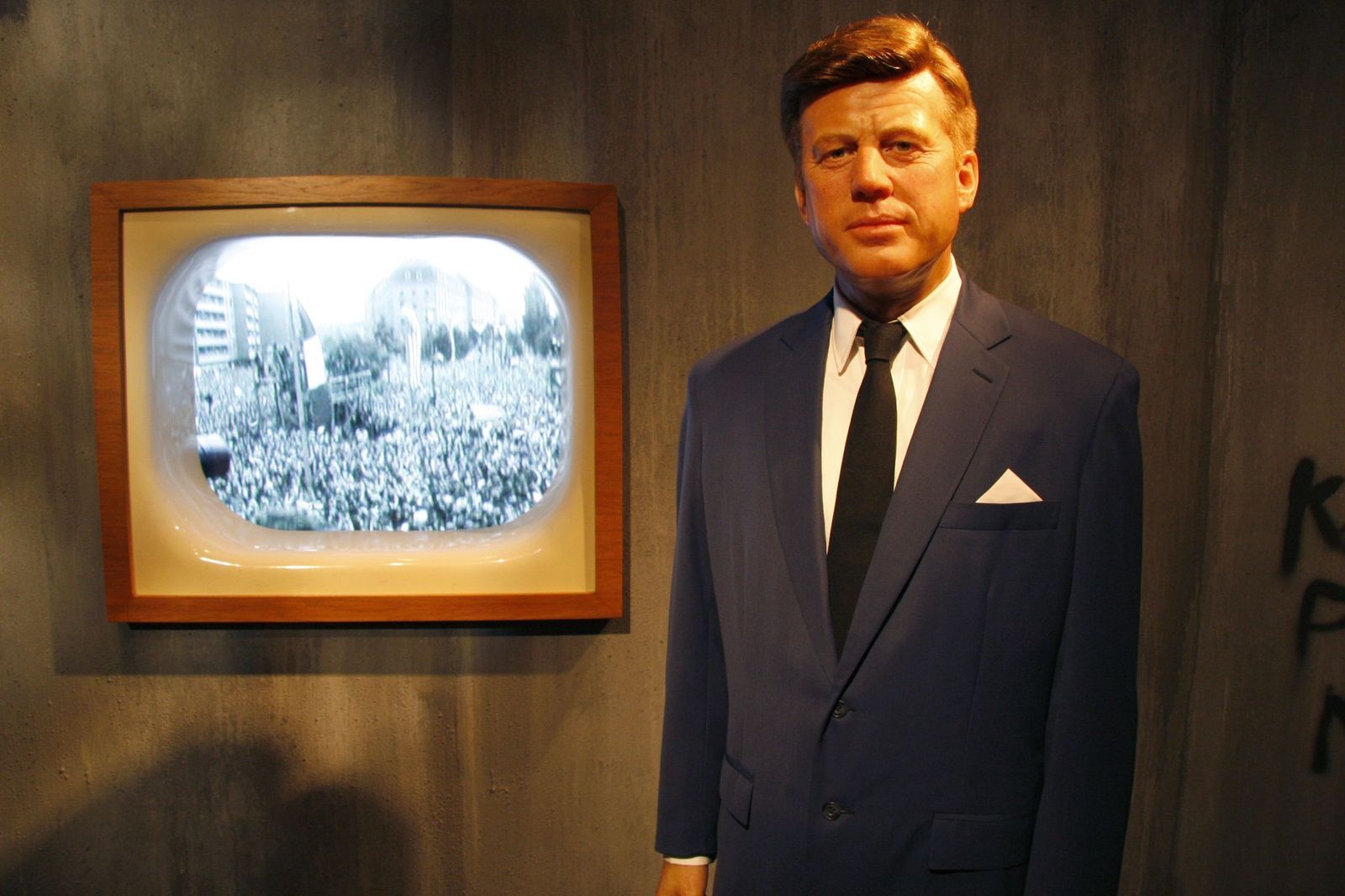
Image: 360b

President John F. Kennedy answered the question "Why go to the Moon?" during his celebrated speech at Rice University in Houston on September 12, 1962. Rather than emphasizing technology or national prestige, he argued that difficult goals reveal the best qualities of a nation.

In the same address, Kennedy even referenced George Mallory's explanation for climbing Everest, linking mountaineering with space exploration. Seven years later, Apollo 11 fulfilled the challenge by landing the first humans on the Moon.

4

"Am I not destroying my enemies when I make friends of them?" — Abraham Lincoln
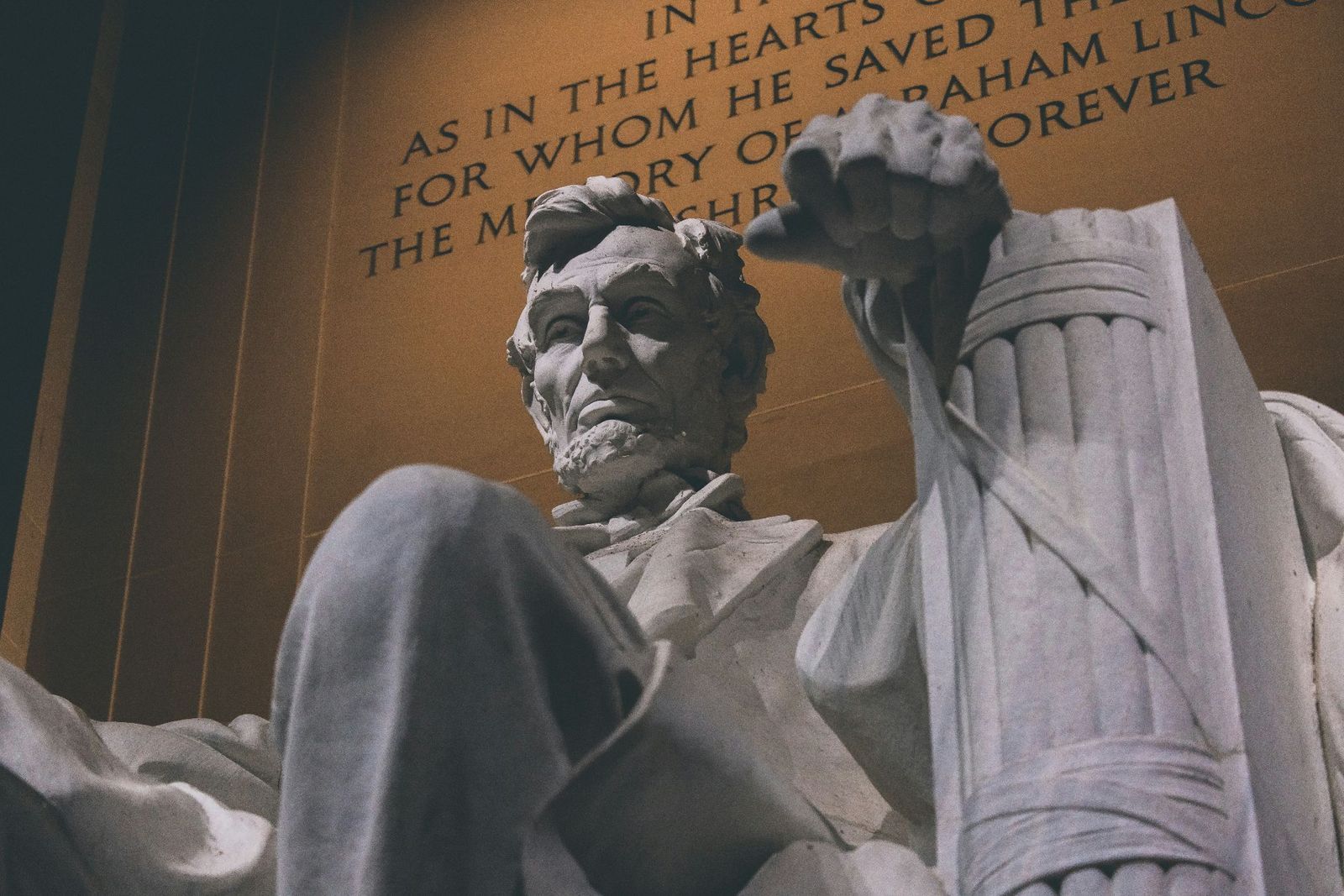
Image: Caleb Fisher

Abraham Lincoln was frequently criticized during the Civil War for showing compassion toward former enemies instead of seeking revenge. Rather than defending himself with a lengthy argument, he replied with a rhetorical question that completely reframed the criticism.

The answer reflected Lincoln's belief that reconciliation could achieve what military victory alone never could. It has endured as one of history's most elegant expressions of forgiveness, leadership, and political wisdom.

5

"What else should one do?" — Sir Edmund Hillary
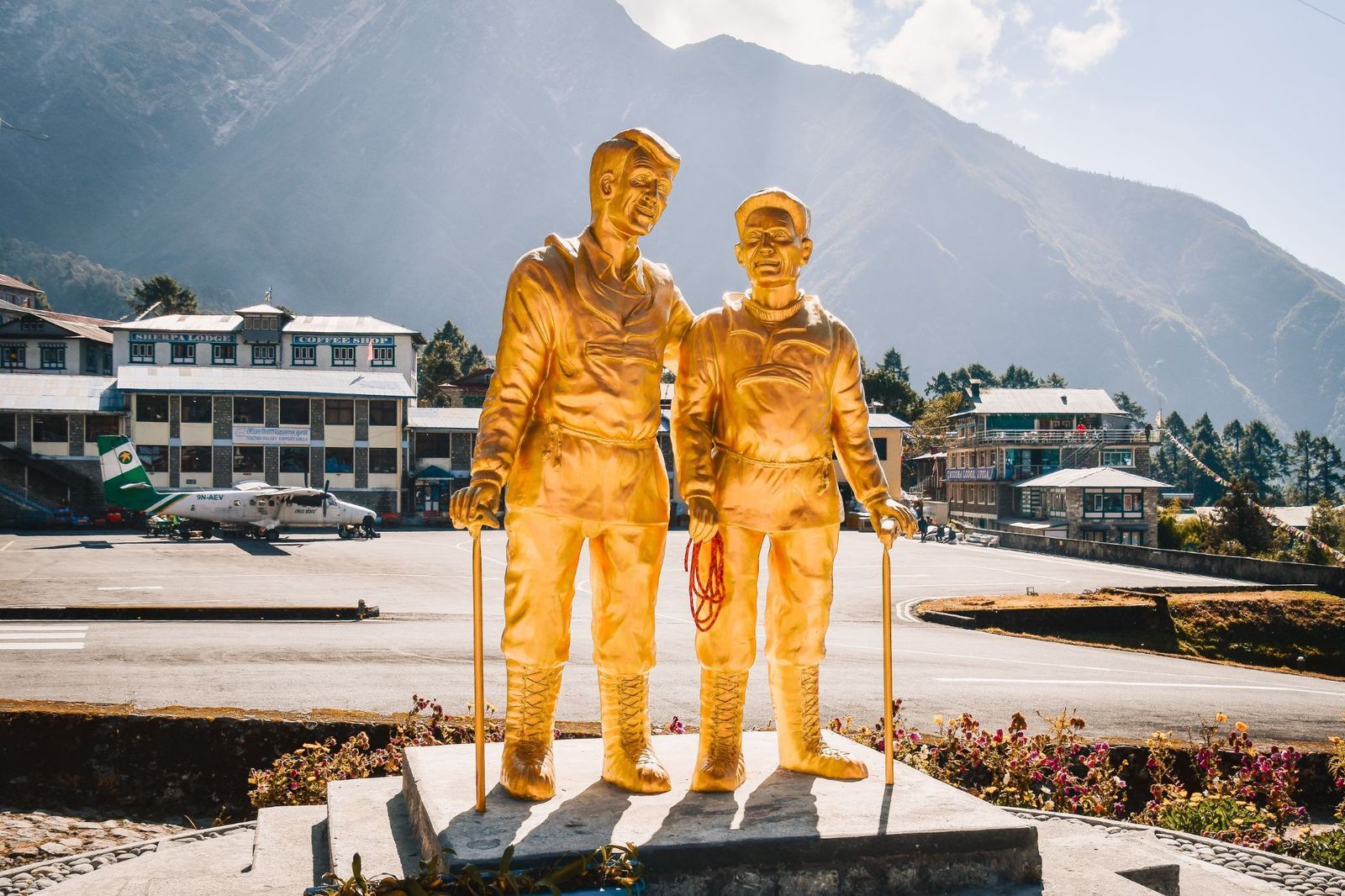
Image: EvaL Miko

After becoming, with Tenzing Norgay, the first confirmed climber to reach the summit of Mount Everest in 1953, Edmund Hillary continued exploring some of the world's most remote places. His curiosity never disappeared simply because one great goal had been achieved.

When asked why he kept climbing, Hillary's understated reply reflected the modest personality that made him admired far beyond mountaineering. Like George Mallory before him, he suggested that true explorers climb because exploration itself is the reward.

6

"I have not yet begun to fight!" — Captain John Paul Jones
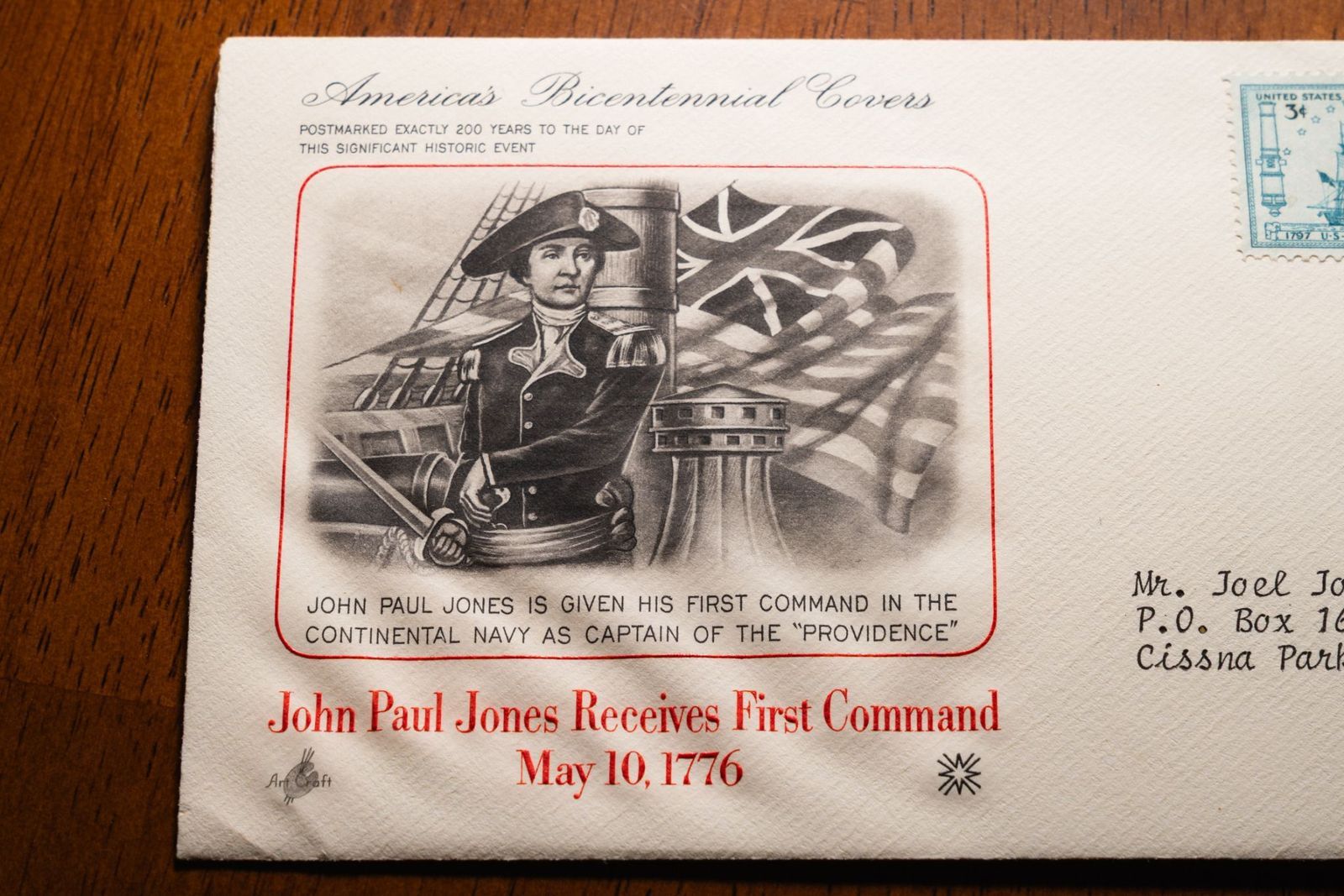
Image: Logan Bush

During the Battle of Flamborough Head in 1779, Captain John Paul Jones commanded the badly damaged Bonhomme Richard against the British warship Serapis. With his vessel burning and close to sinking, the British demanded that he surrender.

Jones's refusal instantly rallied his crew, who fought on and eventually captured the enemy ship. Whether recorded word for word or slightly embellished over time, the reply became one of the most celebrated declarations of courage in naval history.

7

"Yes. Stand out of my sunlight." — Diogenes of Sinope
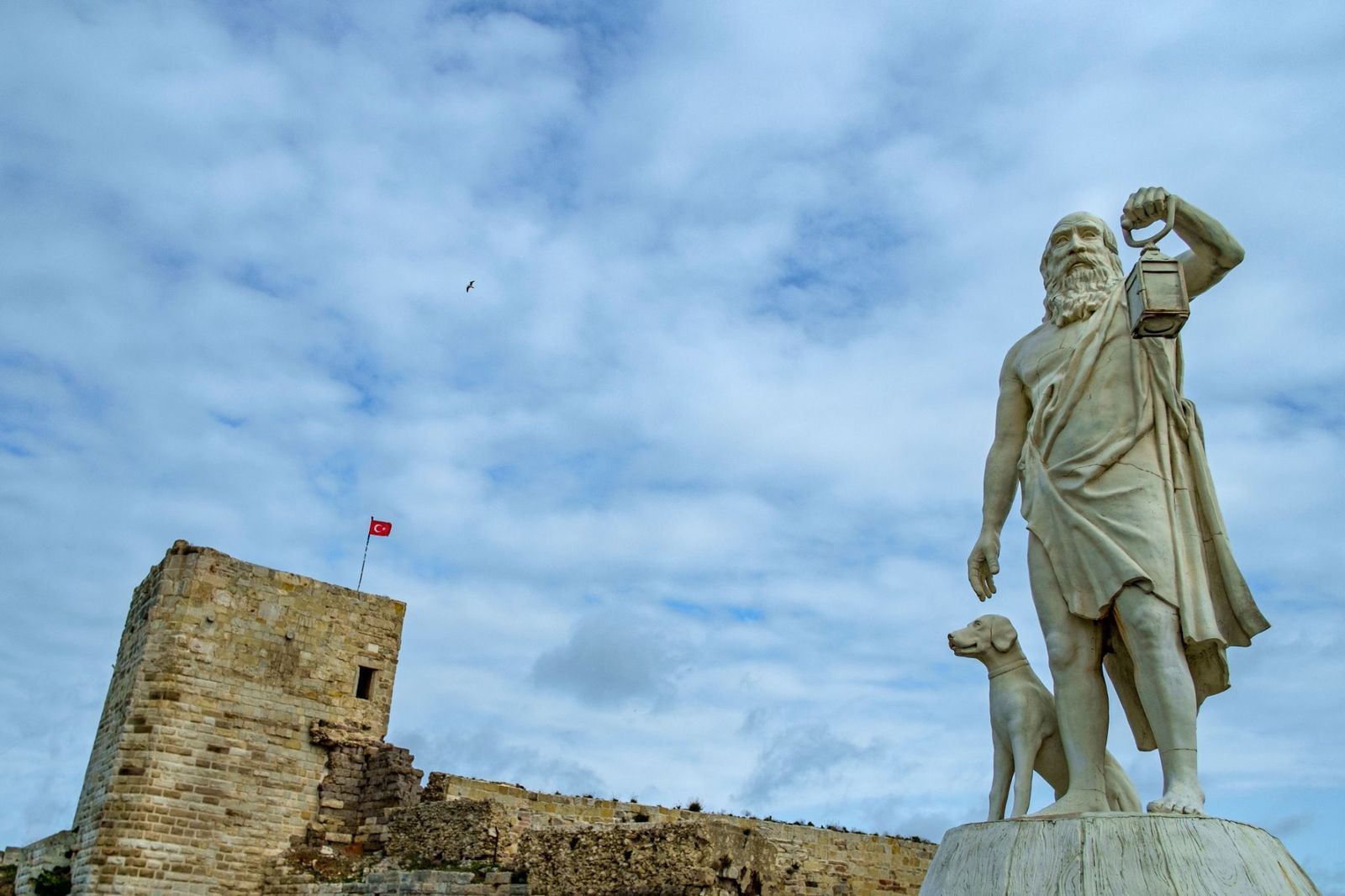
Image: huseyinturk_photograph

Ancient writers tell that Alexander the Great visited the philosopher Diogenes in Corinth and generously offered to grant him any wish. Instead of requesting wealth, power, or honors, Diogenes simply asked the conqueror to stop blocking the sunshine.

The exchange became one of antiquity's most enduring philosophical anecdotes. In a single sentence, Diogenes demonstrated that a person who desires almost nothing cannot easily be controlled, even by the most powerful ruler on Earth.

8

"To the strongest." — Alexander the Great
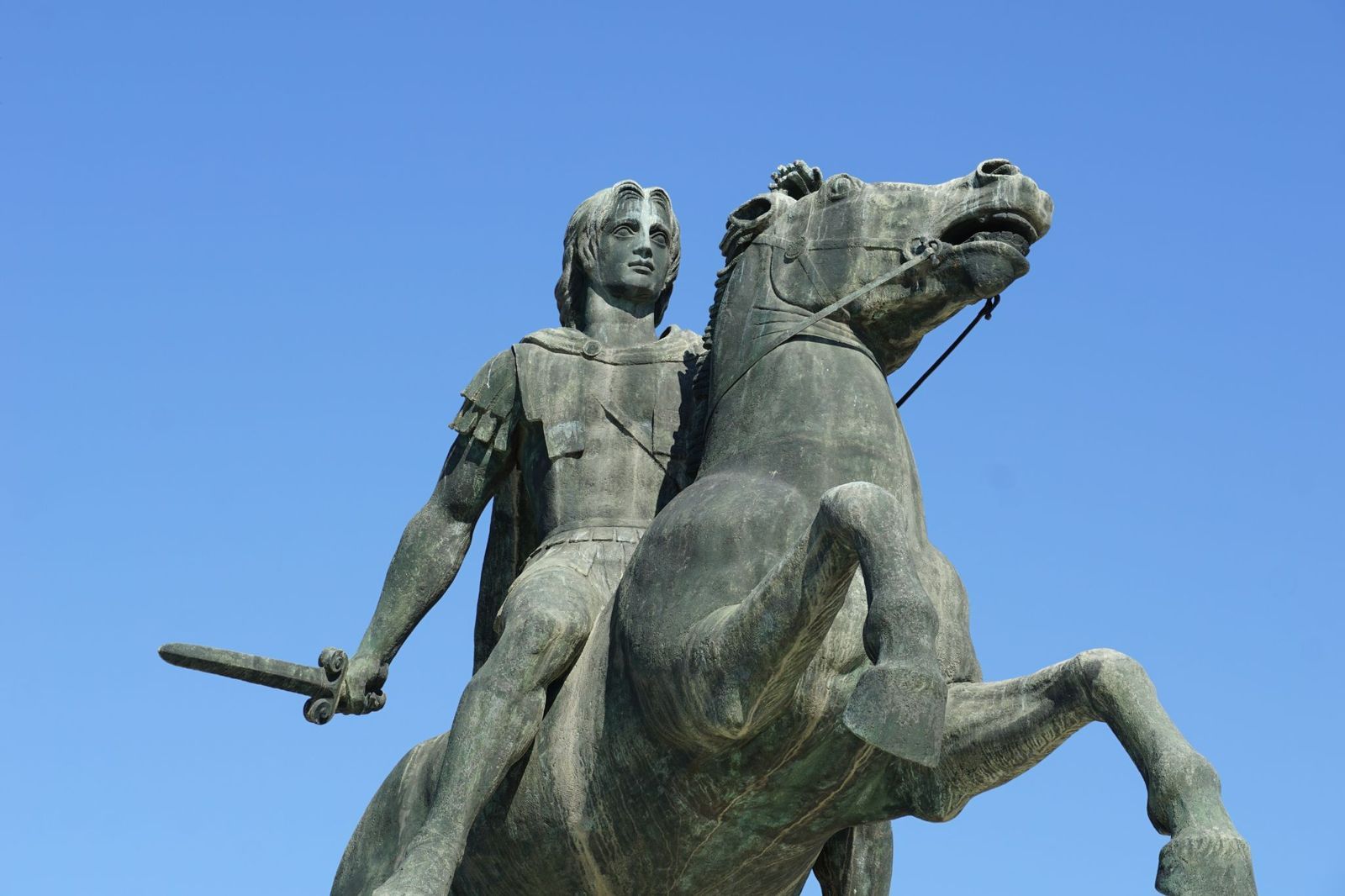
Image: Happy window

According to one ancient tradition, Alexander the Great was asked the question "To whom do you leave your kingdom?" as he lay dying in Babylon in 323 BC. Rather than naming a specific heir, he reportedly answered with two words that left the future of his empire completely uncertain.

Whether historically exact or not, the reply became inseparable from Alexander's legend. Without an undisputed successor, his generals fought for decades in the Wars of the Diadochi, dividing one of history's greatest empires into rival kingdoms.

9

"I am the master of my fate, I am the captain of my soul." — Nelson Mandela, quoting Invictus
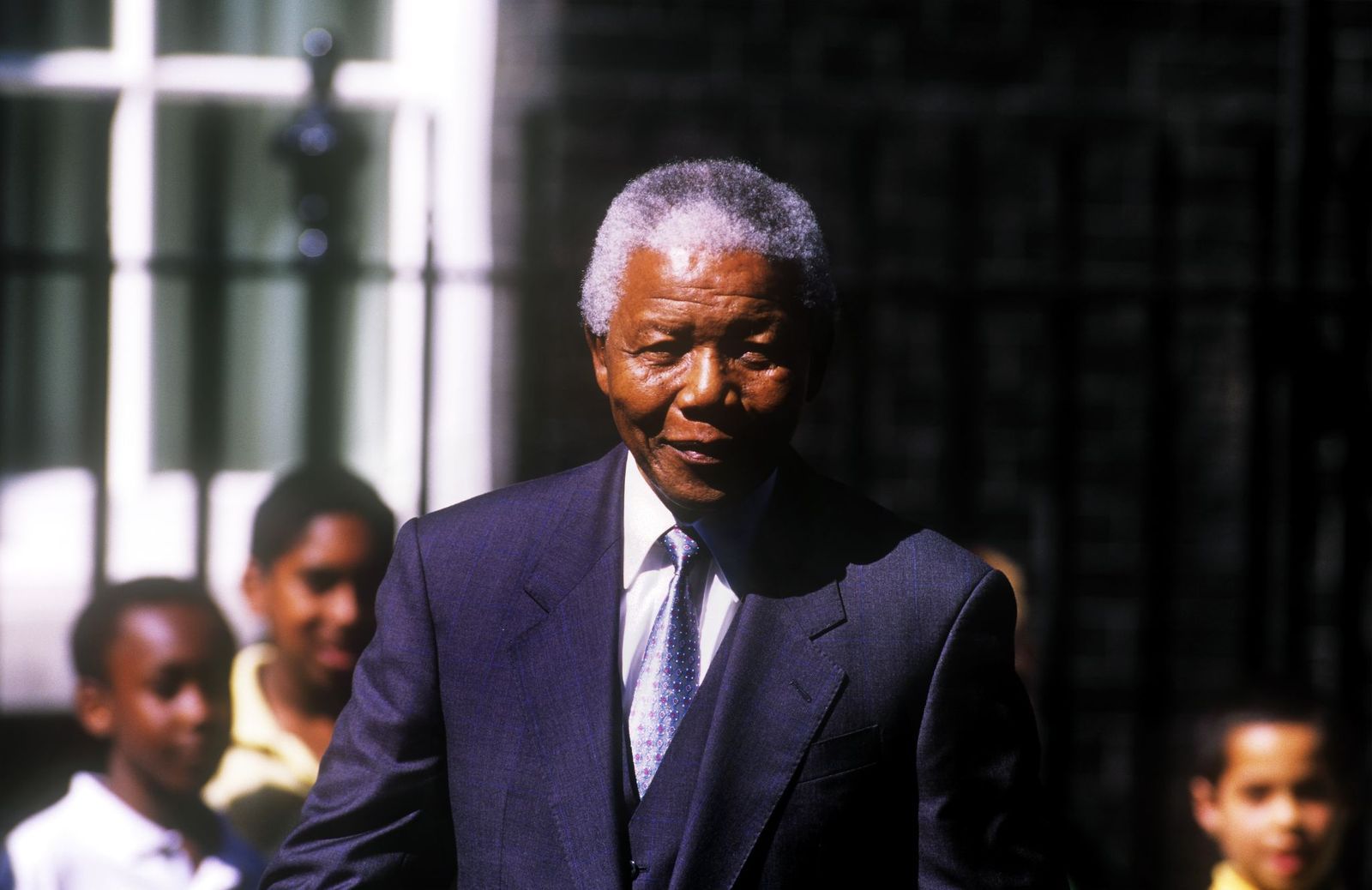
Image: Sean Aidan Calderbank

These words close Invictus, the 1875 poem by English writer William Ernest Henley. Nelson Mandela often drew strength from the poem during his imprisonment under South Africa's apartheid regime, where he spent 27 years behind bars, and used it to reply to a reporter who asked: "How do you survive 27 years in prison without losing your dignity?"

By embracing Henley's verse, Mandela transformed it into a universal symbol of resilience and inner freedom. The quotation came to embody his belief that while others may control your circumstances, they cannot govern your spirit.

10

"If you have to ask, you'll never know." — Louis Armstrong
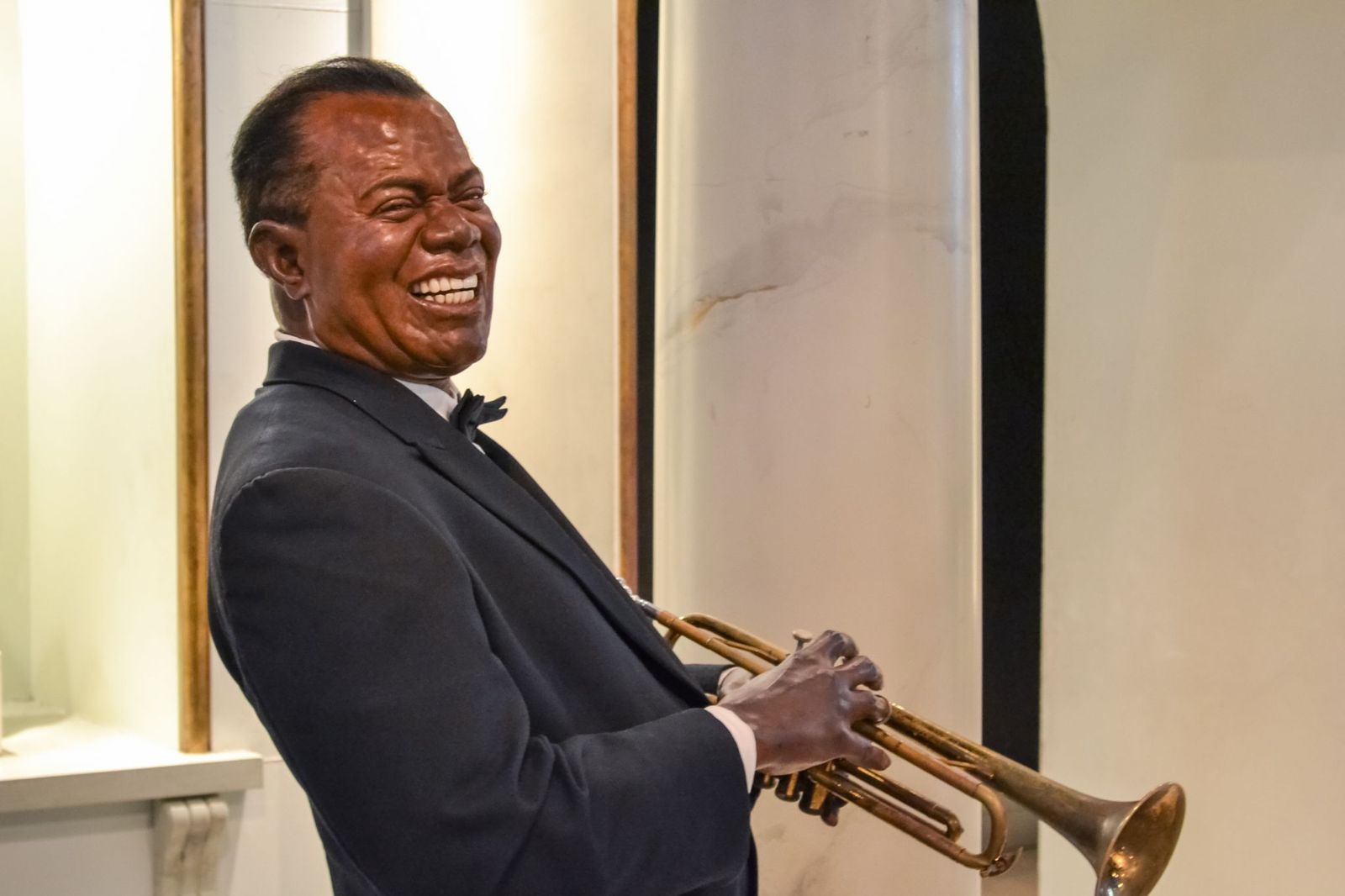
Image: Alina Zamogilnykh

Louis Armstrong was asked countless times by journalists to explain jazz, a genre that transformed American music during the twentieth century. Rather than describing technical aspects or blues traditions, he dismissed the very idea that jazz could be reduced to a definition.

His poetic and somewhat annoyed answer suggests that some experiences can only be understood by living them. More than a clever reply, it became one of the most quoted observations in music history.


Deathbed statements

Beyond the grave: Take a look at the last words of 12 famous people


Published on August 29, 2026


Image: Daderot, CC0, via Wikimedia Commons

Throughout history, hundreds of historical figures have left their mark on the world through their marvelous achievements. When their lives came to an end, their last words were often a reflection of their lives and ideals. From George Washington and Mark Twain to Frank Sinatra and Leonardo Da Vinci, in this article, we will reveal 12 final words of memorable personalities.

1

George Washington

Image: The New York Public Library

After serving two terms as the United State's first president, George Washington retired to his Virginia plantation. In mid-December 1799, he developed a cold and a severe sore throat. Despite doctors' efforts to cure him, the end was imminent.

His long-time secretary, Tobias Lear, was at his side during his last days and documented all the events that transpired, including the former president's last words. According to his account, shortly before he took his last breath George Washington said "Tis well" —an old-fashioned way of saying "everything is okay."

2

Humphrey Bogart

Image: Signal Corps Archive from United States, Public domain, via Wikimedia Commons

Noir icon of perpetual elegance and rebellious charisma, Humphrey Bogart is an undisputed legend in cinema history. A Hollywood Golden Age star, Bogart is still remembered today for his scar on his upper lip, his everlasting cigarette, and his perfect portrayal of gangsters and detectives.

At the age of 57 Bogart was diagnosed with esophageal cancer, for which he was hospitalized for several months. According to lore, the legendary star's last words were "I should never have switched from scotch to martinis." However, his wife Lauren Bacall confirmed that the last thing he actually said was "Goodbye Kid. Hurry back," before she left his bedside to get their children.

3

Mark Twain

Image: Miscellaneous Items in High Demand, PPOC, Library of Congress, Public domain, via Wikimedia Commons

As one of the greatest American writers of all time, Mark Twain is usually credited with all sorts of great quotes that he often didn't say. For that reason, there are different versions of what his last words were before he died in 1910 at the age of 74.

The most plausible theory can be found in an article published one day after his death. According to this chronicle, Samuel Langhorne Clemens' last words were not spoken aloud but written. The famous humorist and essayist reportedly wrote to his daughter Clara, who accompanied him on his bedside, "Give me my glasses."

4

Joan Crawford

Image: MGM, Public domain, via Wikimedia Commons

Joan Crawford, the Oscar winner for Mildred Pierce and one of the greatest stars of Hollywood's golden age, died in 1977 of a heart attack.

The actress, who had a complicated personality, was true to her nature until her last breath. She was so ill that her doctor felt it wasn’t worth taking her to the hospital. One of her nurses began to pray aloud in desperation. Losing her patience, Crawford snapped for the last time and said, "Damn it... Don't you dare ask God to help me."

5

Marco Polo

Image: Municipal Library of Trento, CC0, via Wikimedia Commons

The year 2024 marked the 700th anniversary of the death of the man who better described remote lands. Marco Polo was a merchant who spent more than 20 years of his life traveling through the Orient and wrote about his adventures in a book that became a bestseller when the printing press wasn’t even invented.

Marco Polo was, and still is, a legend. When, on his deathbed, his wife and friends begged the brave explorer to confess if what he had told in the book was true, he barely whispered: "I have not told the half of what I saw and did."

6

Groucho Marx

Image: MGM, Public domain, via Wikimedia Commons

Julius Henry Marx, better known as Groucho Marx, is considered one of the most influential comedians of all time. The man with the bushy black mustache was one of the Marx Brothers. Together they made 13 films, including the classic Duck Soup. After a long and prominent career, Groucho passed away in Los Angeles in 1977 at the age of 86.

His brilliant one-liners are still remembered and replayed to this day, so it is not surprising that not one but several final words are attributed to him. A few close friends have suggested that his last line was "This is no way to live!", while most suggest that his last words were in fact dedicated to his wife: "Die, my dear? Why, that's the last thing I'll do!"

7

Voltaire

Image: Nicolas de Largillière, Public domain, via Wikimedia Commons

Voltaire, the French writer, philosopher, historian, and lawyer, one of the major figures of the Enlightenment, died in 1778 at the age of 83. Different accounts of his deathbed make it impossible to determine exactly what his last days were like.

One of these stories, however, is consistent with his ideas about God and his well-known criticism of the Church. According to this version, when the priest asked him if he wanted to renounce Satan before he died, Voltaire replied, "This is no time to make new enemies."

8

L. Frank Baum

Image: William Wallace Denslow, Public domain, via Wikimedia Commons

L. Frank Baum was a prolific American author. He wrote 55 novels, 82 short stories, and more than 200 poems. However, his most memorable work is his series of children's fantasy books The Wonderful Wizard of Oz.

On May 5, 1919, Baum suffered a heart attack. He died the next day, shortly before his 63rd birthday. Disturbed by the imminence of death, he whispered to his wife: "Now we can cross the Shifting Sands," a clear reference to the Land of Oz.

9

Augustus

Image: National Archaeological Museum of Athens, CC0, via Wikimedia Commons

Augustus, the first Roman emperor, is often attributed with the phrase: "Behold, I found Rome of clay, and leave her to you of marble," alluding to the great infrastructural works carried out during his prosperous 40 years of rule.

However, according to other historical accounts, his last words were addressed to the friends who stayed with him on his deathbed: "Have I played the part well? Then applaud, as I exit."

10

Frank Sinatra

Image: English: Distributed by NBC. Photographer unknown., Public domain, via Wikimedia Commons

"Darling, you've gone through worse and you can beat this too. You have to fight," implored Barbara Marx, Frank Sinatra's fourth wife, to her beloved on his deathbed. "I'm losing," The Voice whispered through teary eyes.

Barbara recounted the last hours of the singer of such hits as My Way and New York, New York in her memoir Lady Blue Eyes: My Life With Frank. Frank Sinatra, one of the most popular entertainers of the mid-20th century, pronounced his last words in 1998 at the age of 82.

11

Leonardo Da Vinci

Image: Jean-Auguste-Dominique Ingres, CC0, via Wikimedia Commons

Despite being one of the most famous artists of the Renaissance, Leonardo da Vinci was very hard on himself. All his life he challenged his own limits, evident in his paintings and sculptures as well as in his inventions, some of which were truly revolutionary.

Even after a lifetime of success, he wasn’t quite satisfied. When he suffered a stroke at the age of 67, he sent for a priest to receive the Holy Sacrament and, according to historians, his greatest regret was that he hadn’t achieved excellence with his work. In that sense, it is said that his last words were: "I have offended God and mankind because my work did not reach the quality it should have."

12

Joe DiMaggio

Image: National Museum of Health and Medicine, Public domain, via Wikimedia Commons

The Yankee Clipper was one of the greatest baseball players of all time but he is also known for having been married to the iconic American actress Marilyn Monroe. Joe and Marilyn were together for less than three years. In 1955 the actress left him for American playwright Arthur Miller.

DiMaggio was devastated. He never married again, and never got over his one true love. His last words before he died in 1999 at the age of 84 were: "I'll finally get to see Marilyn."

Looking for an extra scoop of literary fun?

Learn more with our Word of the day

ensorcell

/ɛnˈsɔrsəl/