Treasures with a history

Did Romans invent army knives? These things are way older than you think


Published on March 22, 2026
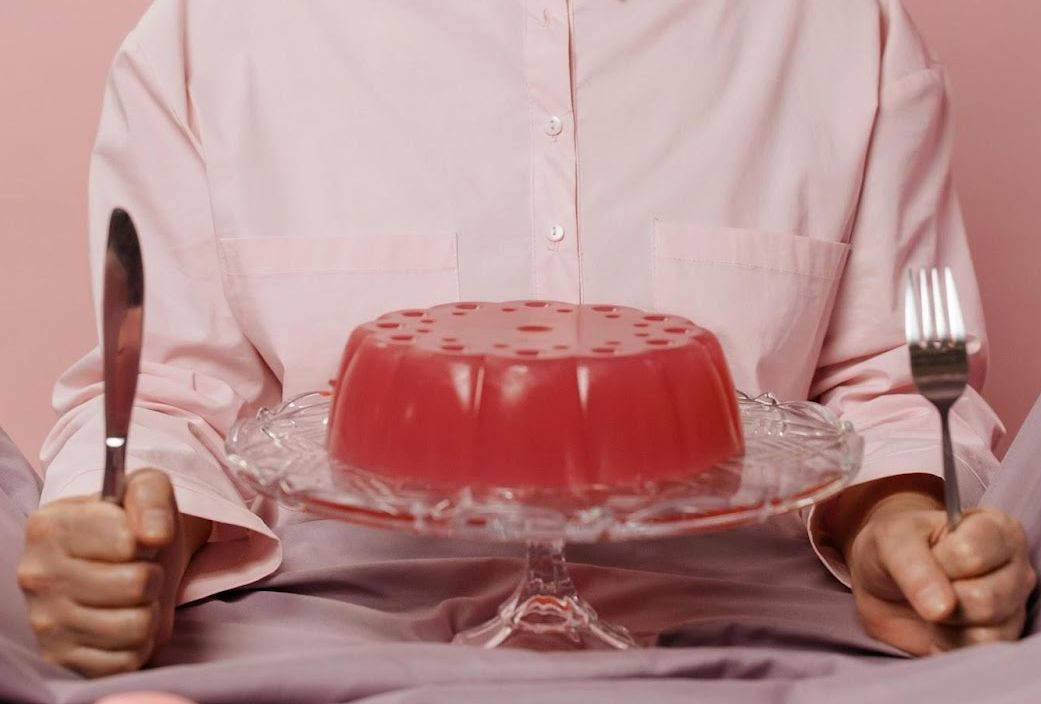

Image: cottonbro studio

Jell-O, Swiss Army Knives, roller skates, lighters… It’s hard to picture these items existing hundreds of years ago, isn’t it? And yet, some of the treasures that make modern life easier have indeed been around, in some cases, for millennia. Read on to learn when these 11 items were actually first invented!

1

Gelatin

Image: Lena Ti

Gelatin desserts existed centuries before Jell-O! Medieval cooks used boiled animal collagen to make shimmering molds for banquets. The brand Jell-O came in 1897, when Pearl B. Wait in New York flavored powdered gelatin with fruit syrups.

2

Nintendo

Image: Sigmund

It’s hard to imagine the video game giant existing before electricity. But Nintendo was founded in 1889 in Kyoto as a playing card company. For decades, it produced hanafuda cards, then toys, and only entered electronics in the 1970s.

3

Roller skates

Image: Brittani Burns

Long before disco rinks or inline blades, a Belgian inventor named John Joseph Merlin assembled the first roller skates in 1760, skating into a London ballroom (and famously crashing). Early versions had fixed metal wheels and very poor steerability.

4

Lighters

Image: Thomas Despeyroux

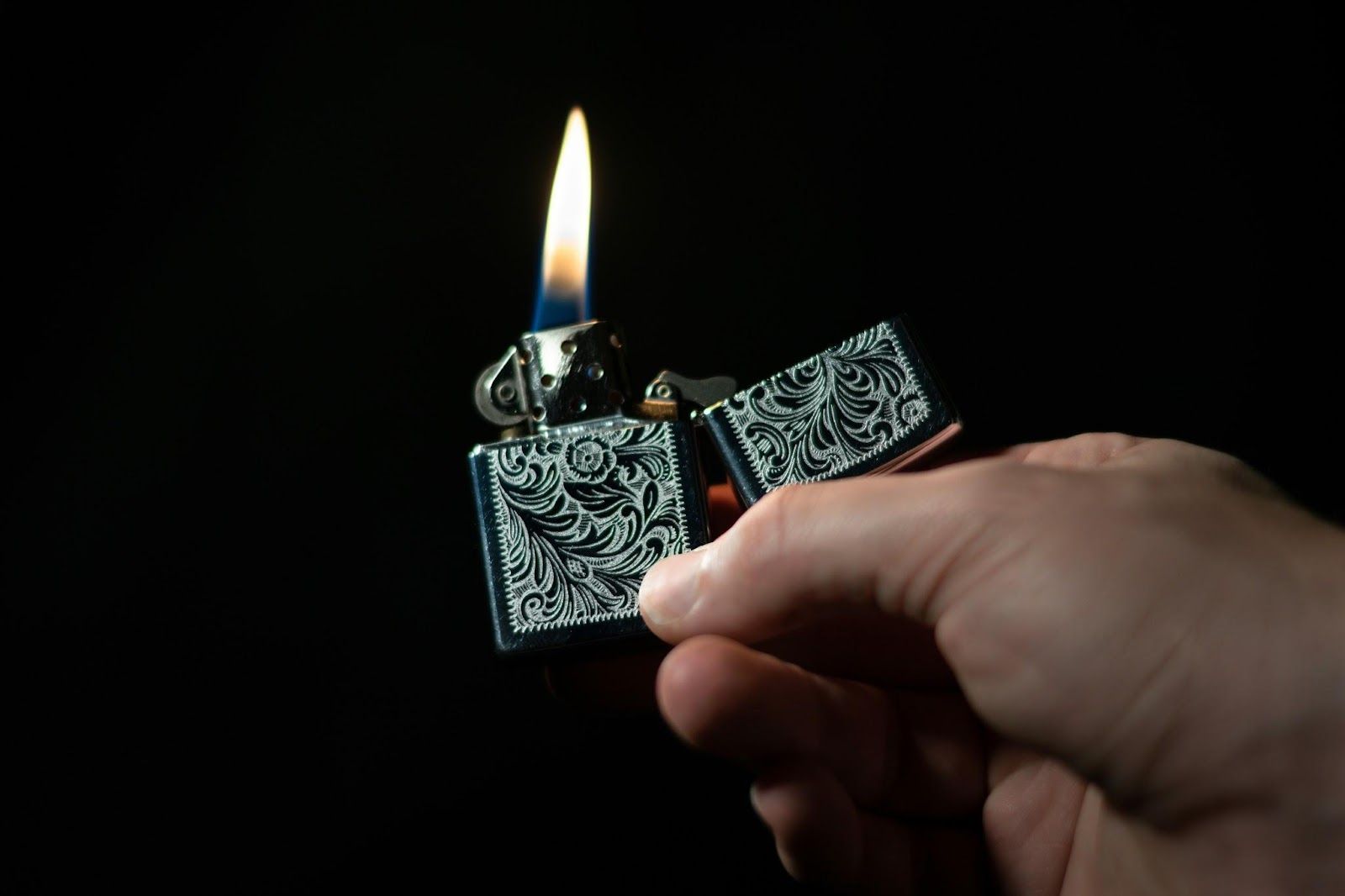
Famously, lighters predate matches. But do you know exactly how long lighters have existed? The first usable one appeared in 1823, invented by a German chemist. The first friction match only appeared 3 years later.

5

"Swiss Army Knife"

Image: Denise Jans

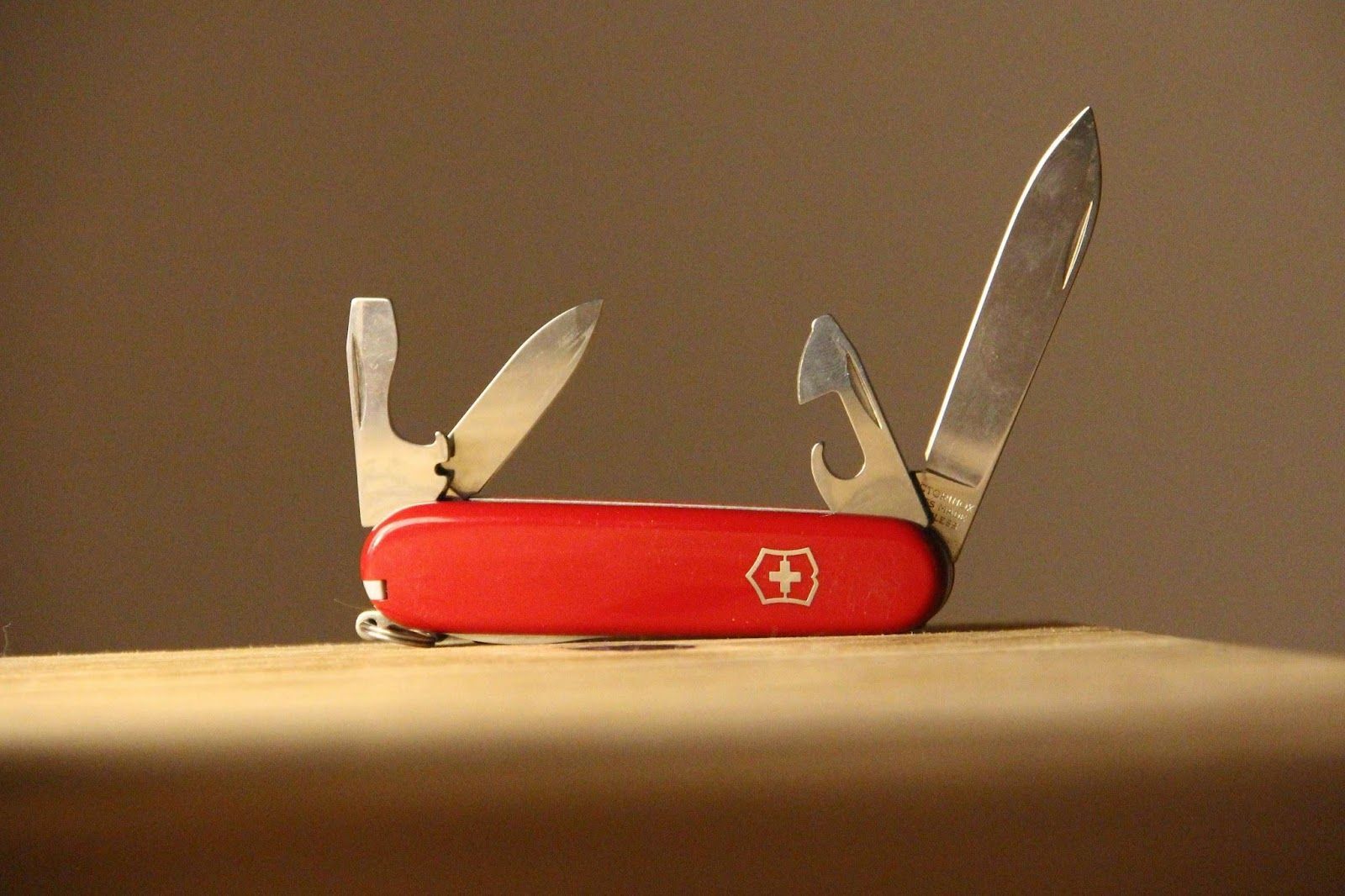
That’s what we call the famous red multi-tool standardized by Victorinox in 1891. But archaeologists discovered a Roman folding tool from around 200 AD made of silver and iron, with knife, spoon, fork, spike, and spatula. It might not have been mass-produced or standardized, but it certainly was there first.

6

Dishwasher

Image: Mohammad Esmaili

We may associate dishwashers with mid-20th-century suburban kitchens, but the first one dates to 1886, when Josephine Cochrane built a hand-cranked model to save her fine china from clumsy servants.

7

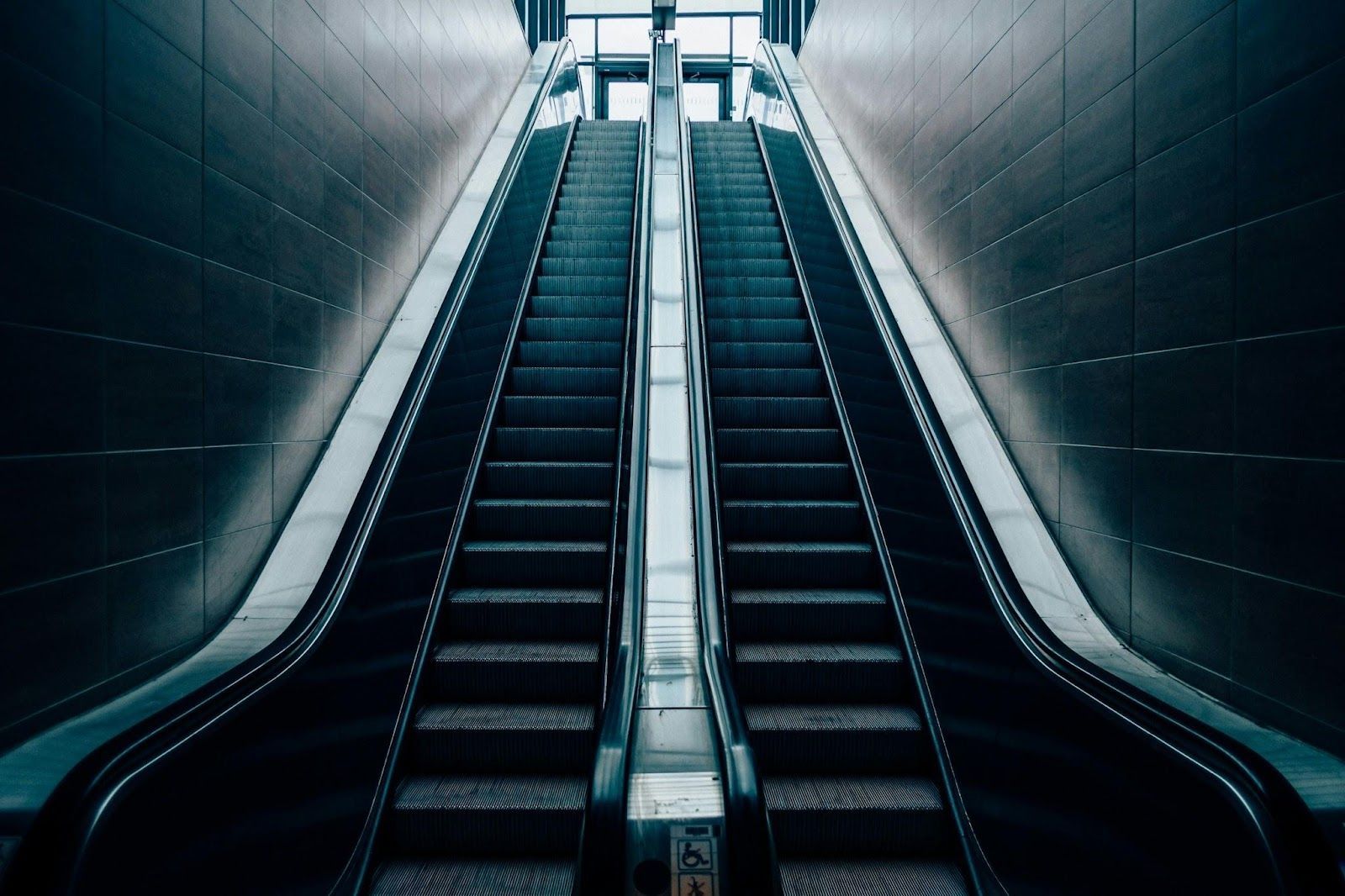
Escalators

Image: Teemu Laukkarinen

The 20th century was still far away when the first working escalator was patented. The year was 1859, yet it was introduced at Coney Island only 30 years later—as an amusement ride!

8

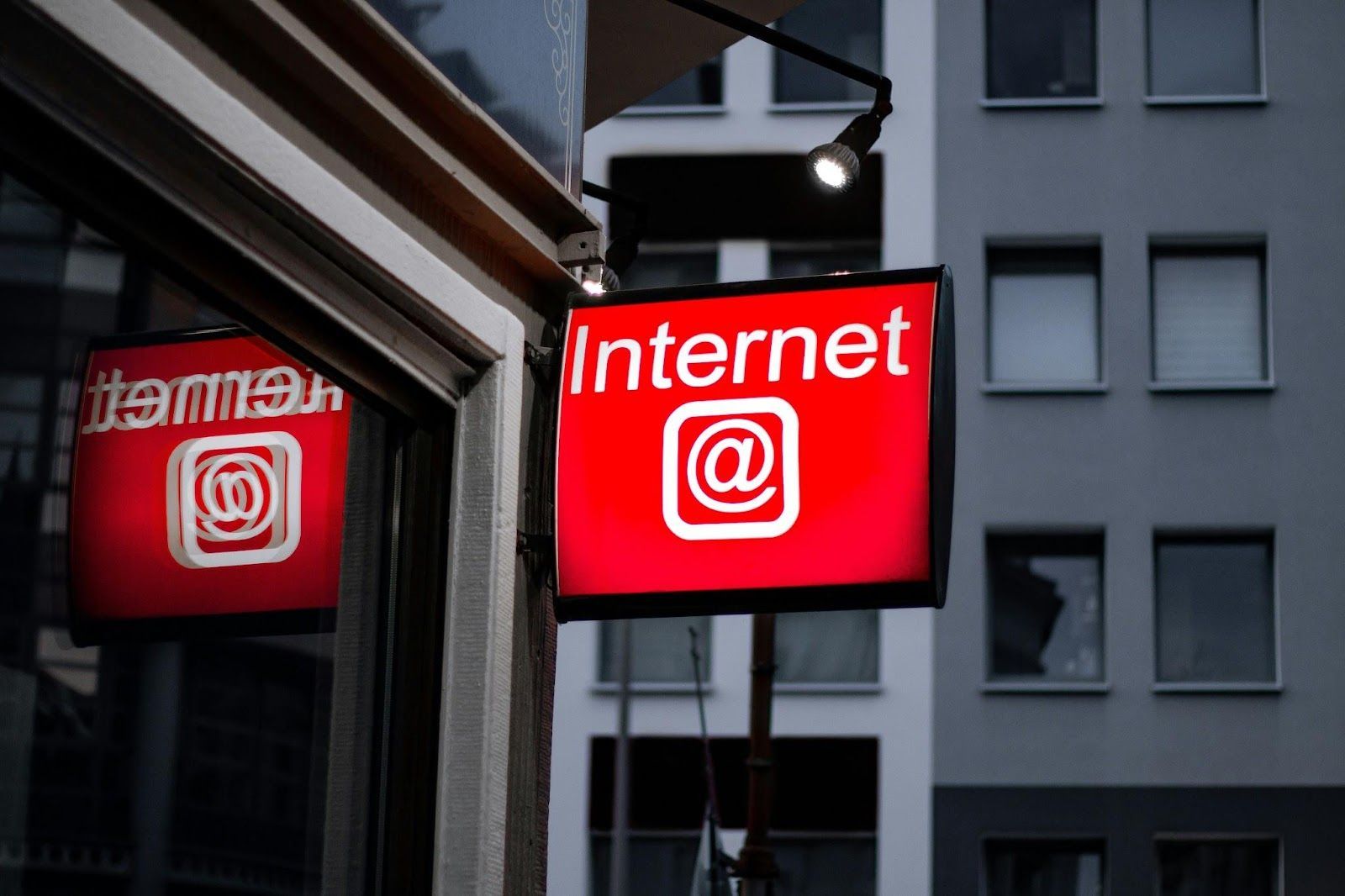
The Internet

Image: Leon Seibert

It’s not a thing of the 90s! Its roots go back to 1969, when ARPANET connected four U.S. universities for military-funded research. The web’s 1991 debut by Tim Berners-Lee made it public and visual, hence the illusion that the "Internet" appeared overnight.

9

Concrete

Image: Robert Keane

Do you associate concrete blocks with modernity in your mind? Think again! The Romans used advanced volcanic-ash mixes to build huge, durable structures (like the Pantheon dome or aqueducts). The Ancient Roman techniques even give clues on how to make longer-lasting concrete today.

10

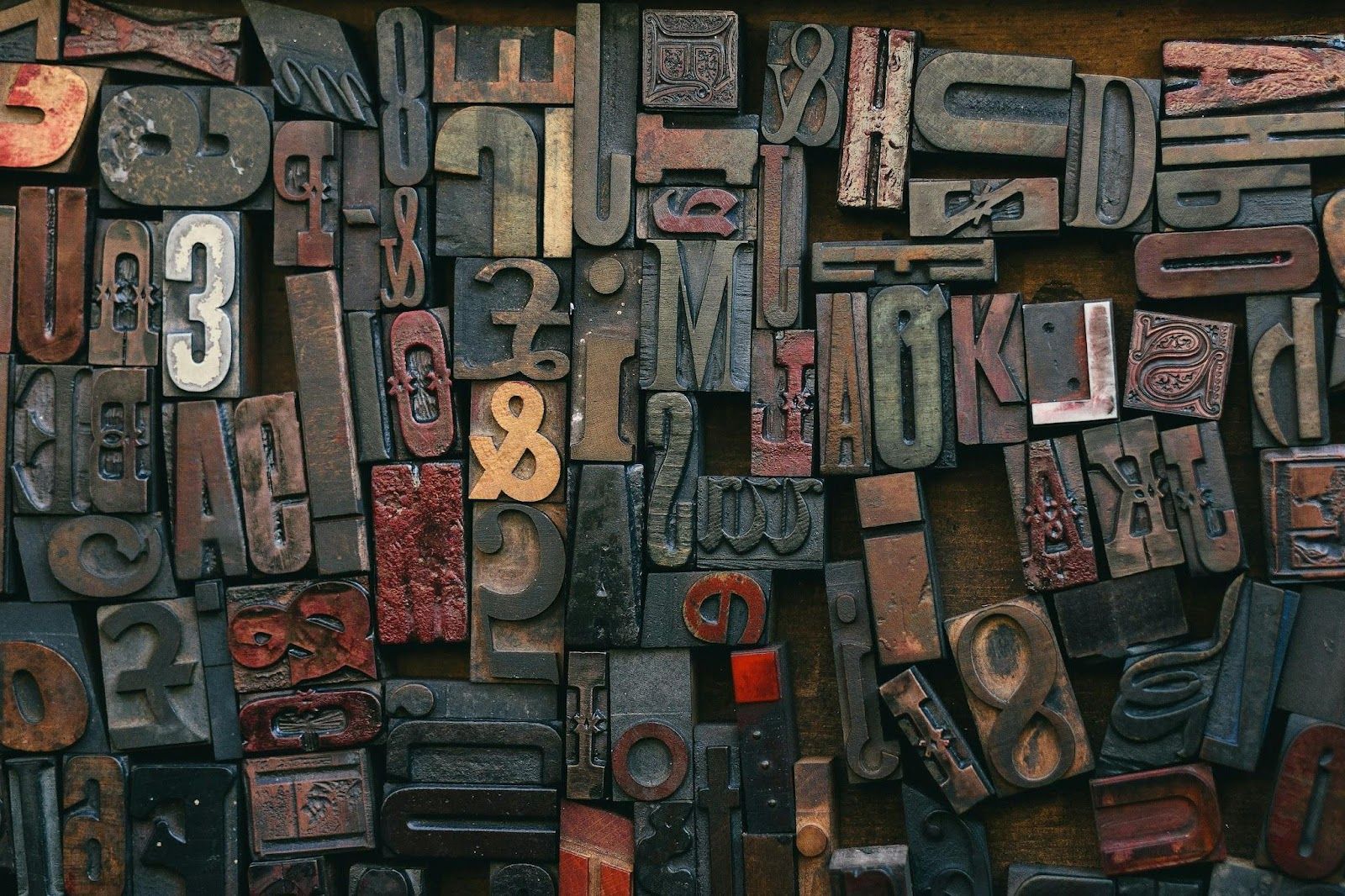
Printing technology

Image: Bruno Martins

We are not talking about electronic printers. Think about the movable type technology: It goes back in history way, way farther than Gutenberg’s system.

Printing with woodblocks and even early movable type existed in China long before the 15th-century European printing that Gutenberg perfected and popularized.

11

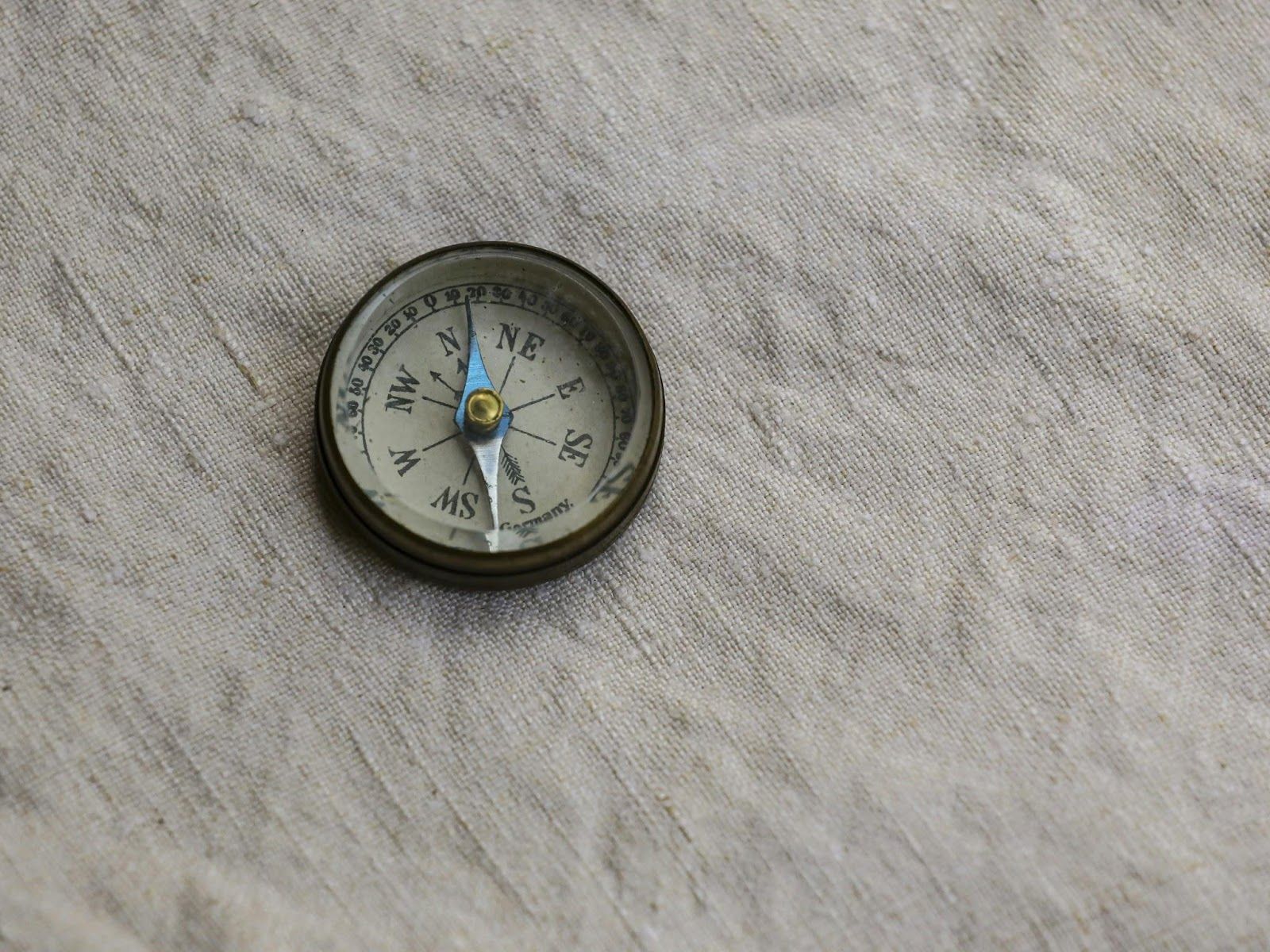
Magnetic compass

Image: Mick Haupt

The great ancestor of GPS was probably the magnetic compass used for navigation. The discovery that magnetic force could be used to calculate the position of the poles occurred over 2000 years ago during the Han dynasty, in China.
Identity crisis

How Siam became Thailand and 9 other countries that chose to rebrand


Published on March 22, 2026


Image: pure julia

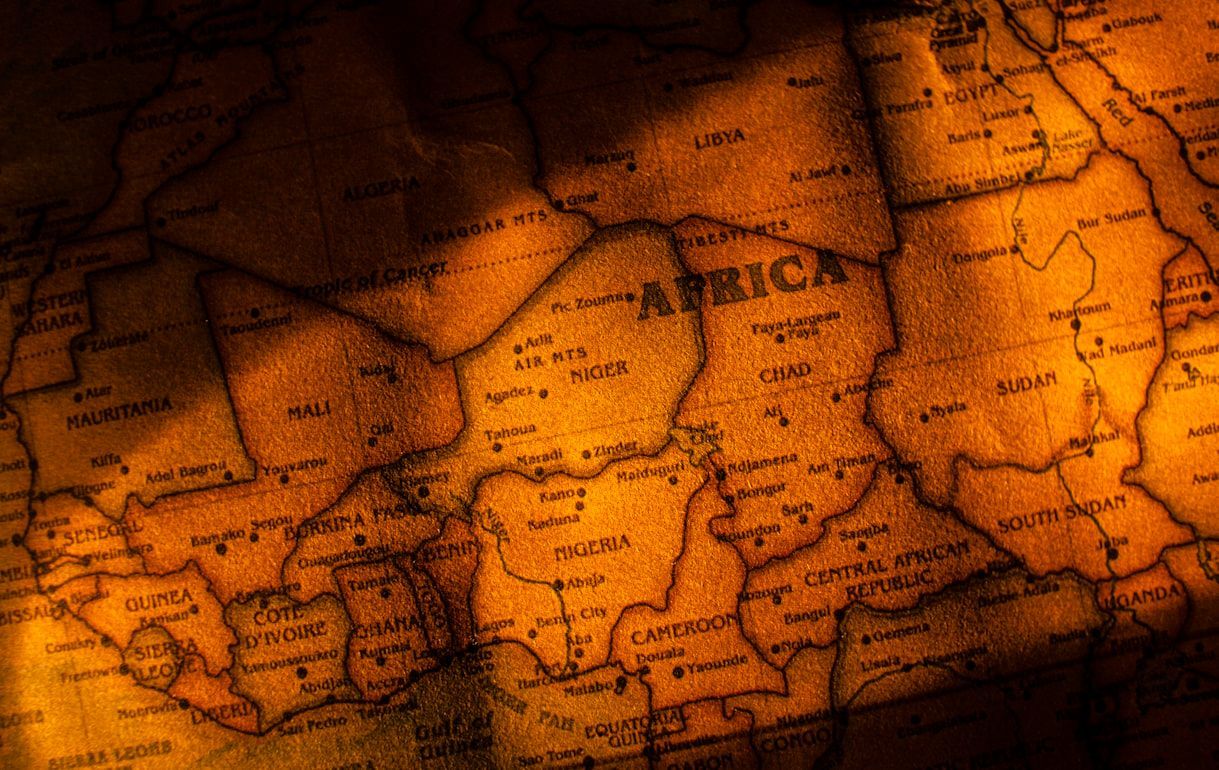
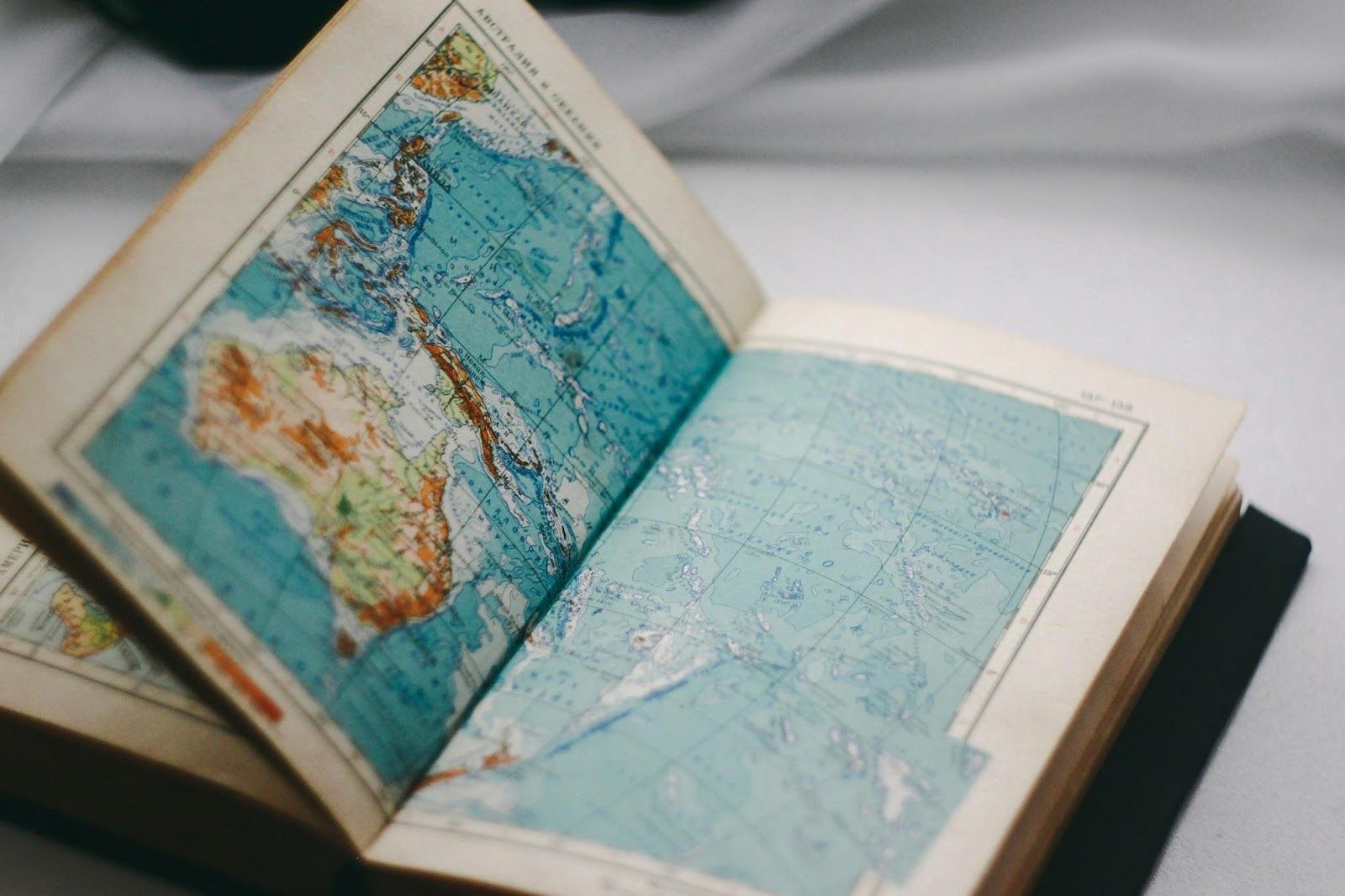
Countries rename themselves for many reasons—shedding colonial pasts, embracing local languages, or settling political disputes. Some changes are subtle, others dramatic, but each reflects deep historical, cultural, or geopolitical shifts. Here are 10 times a nation decided to swap out its old name for a new identity.

1

Burma to Myanmar

Image: Yves Alarie

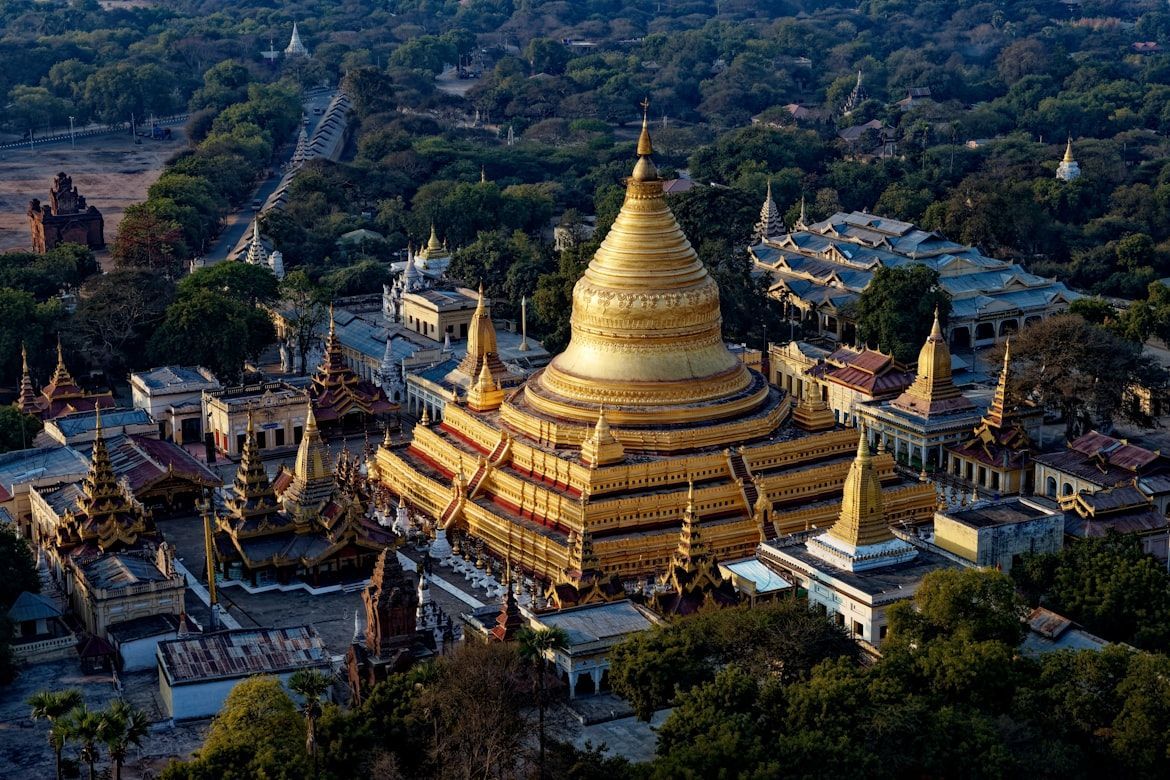
In 1989, the ruling military junta of the country changed "Burma" to "Myanmar" to reflect what it said was a more inclusive, indigenous identity. The name "Burma" was strongly associated with British colonialism and the dominant Bamar ethnic group.

The UN and many countries recognized the change, but some, like the U.S. and UK, resisted for years as a political stance against the unelected military regime behind the change.

2

Swaziland to Eswatini

Image: S'mile Vilakati

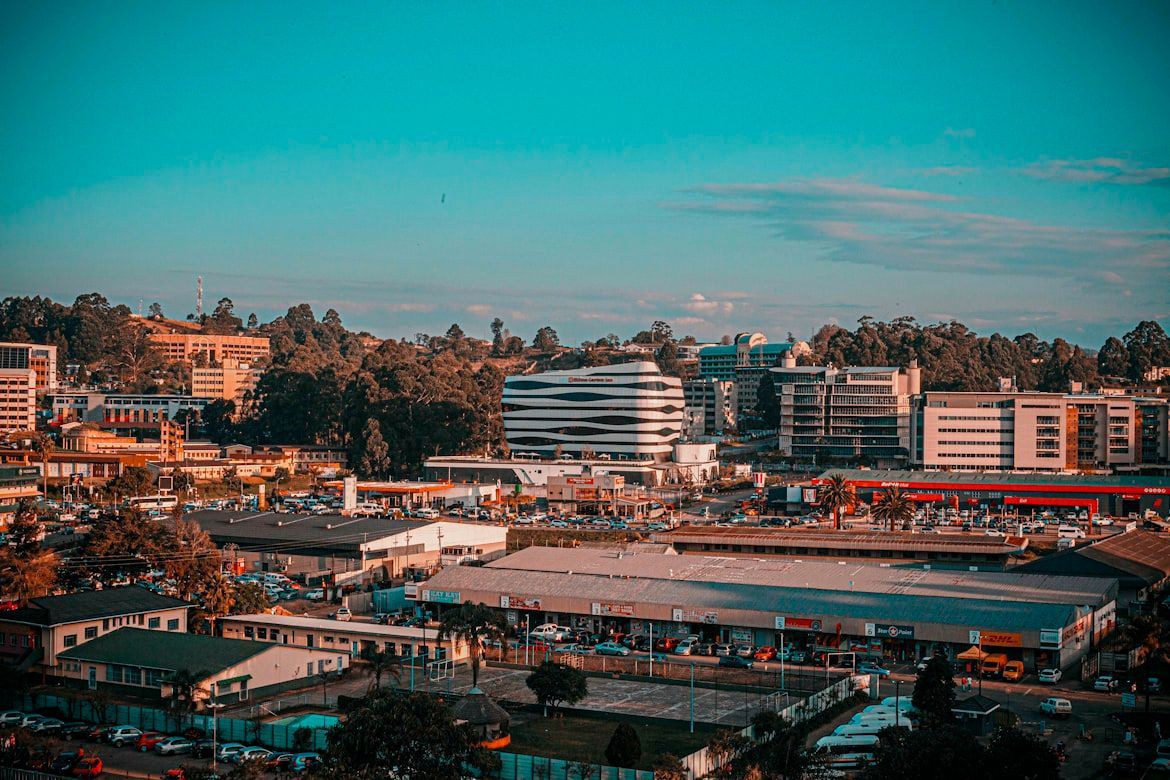
In 2018, King Mswati III declared that Swaziland would become Eswatini, meaning "land of the Swazis" in the local language. He announced the change during the country’s 50th independence anniversary.

The king cited confusion with Switzerland and a desire to break with colonial-era names as reasons. Also, the new name had already been in unofficial use for years during local events.

3

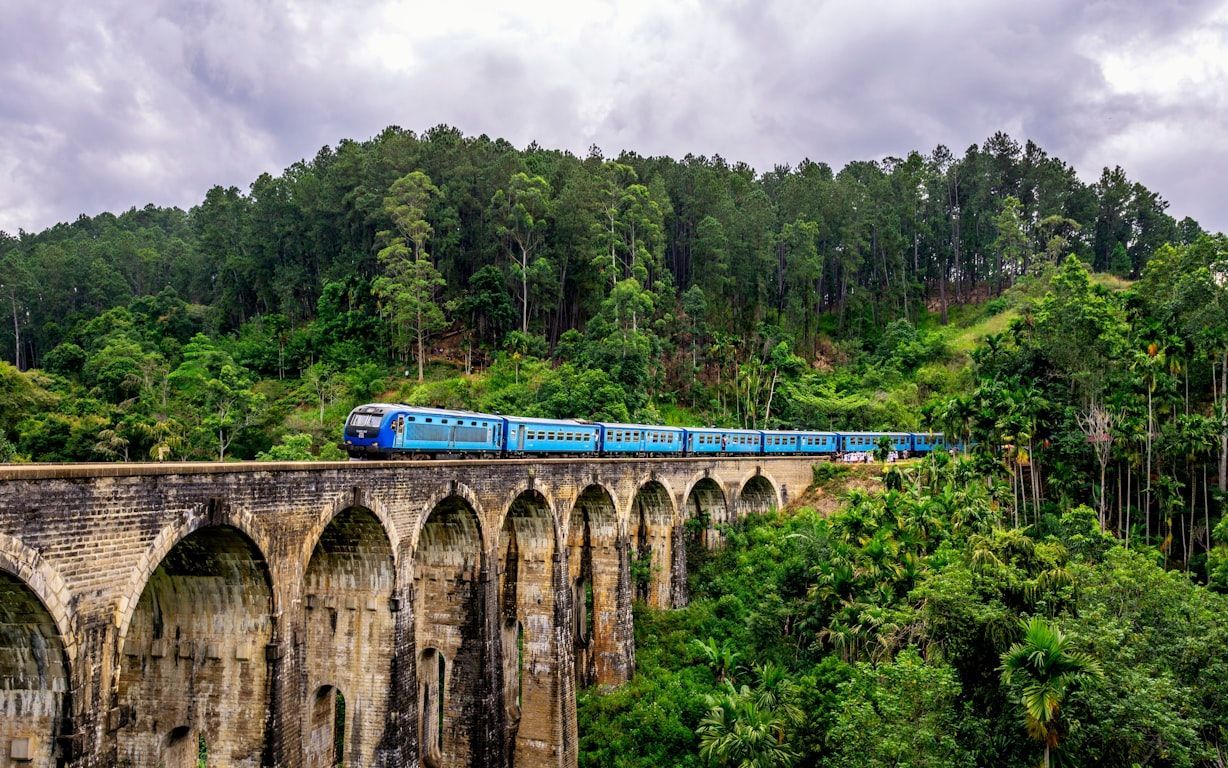
Ceylon to Sri Lanka

Image: Hendrik Cornelissen

In 1972, the island nation officially changed its name from Ceylon to Sri Lanka after becoming a republic. "Sri Lanka" derives from Sanskrit, meaning "resplendent island."

The name "Ceylon" was tied to Portuguese, Dutch, and British colonial rule. However, some companies (like Ceylon Tea) still use the old name as a global brand.

4

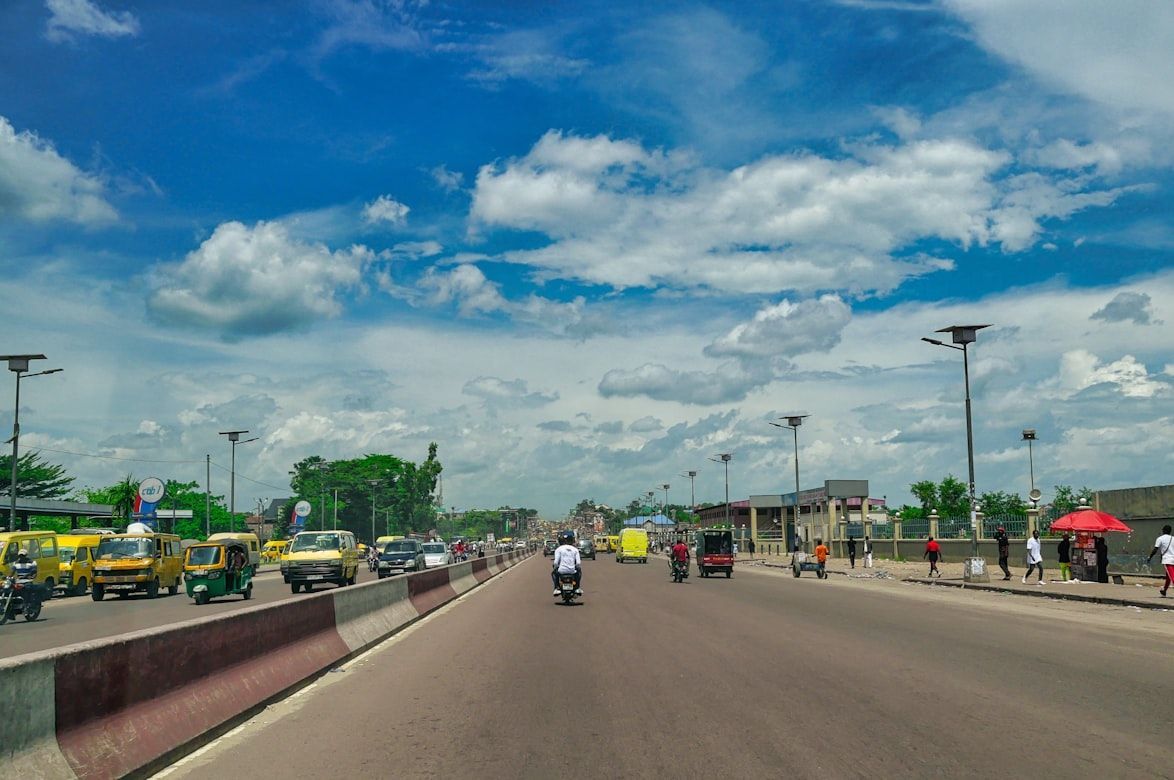
Zaire to Democratic Republic of the Congo

Image: Kaysha

In 1997, after the dictatorial regime of Mobutu Sese Seko was overthrown, Zaire reverted to its pre-1971 name: the Democratic Republic of the Congo.

"Zaire" had been Mobutu’s attempt to Africanize the nation, but reverting to the original name also caused its own problems, since its neighbor is also named the Republic of the Congo, leading to some confusion for both locals and tourists.

5

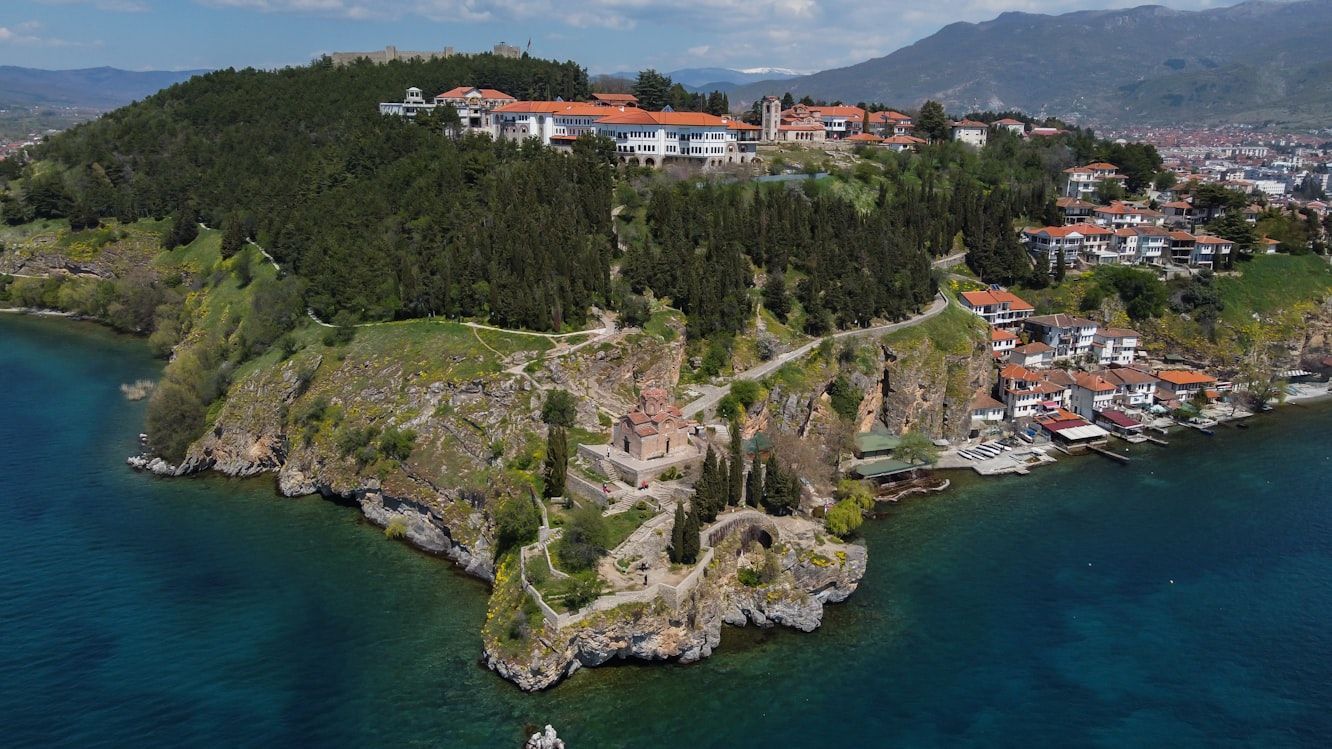
Macedonia to North Macedonia

Image: Ljupco Dzambazovski

After years of dispute with Greece over the name "Macedonia," the country officially became North Macedonia in 2019. Greece claimed "Macedonia" implied a territorial claim over its northern region of the same name.

The compromise unblocked North Macedonia’s path to NATO and EU talks. Though controversial domestically, the change ended a decades-long diplomatic standoff.

6

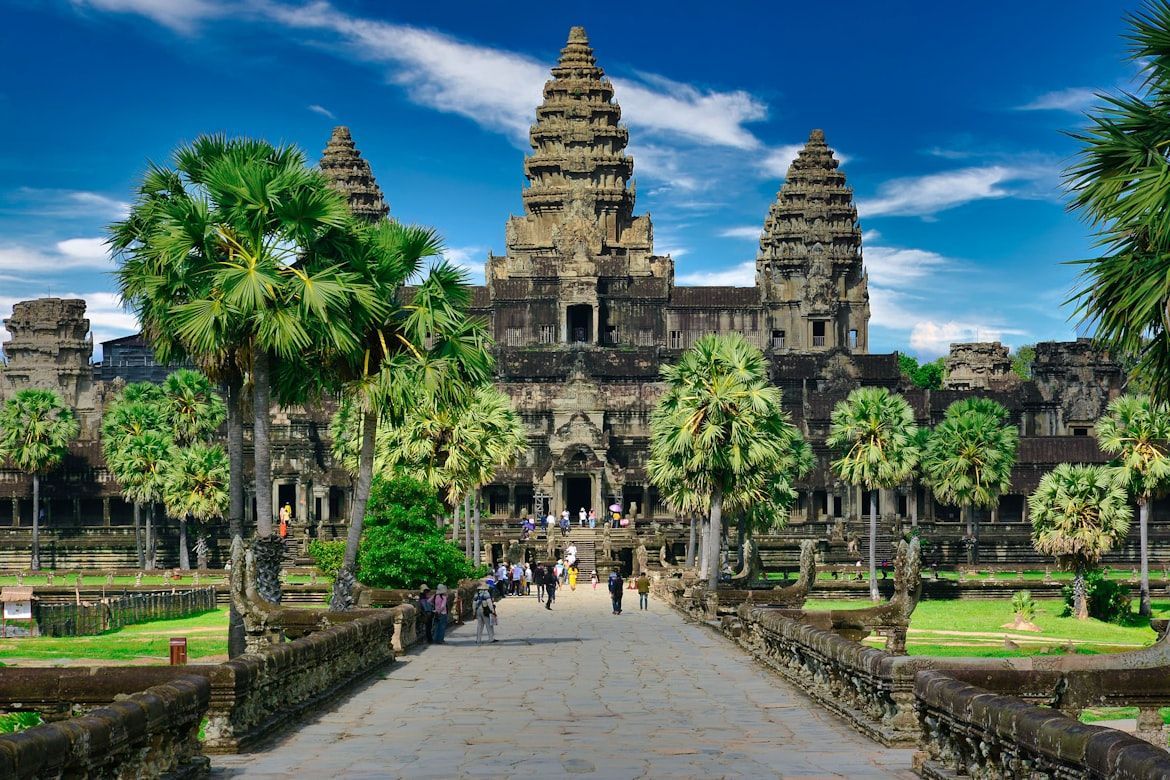
Kampuchea to Cambodia

Image: allPhoto Bangkok

Under the Khmer Rouge regime, the country was known as Democratic Kampuchea. After the regime’s fall in 1979, the name gradually returned to "Cambodia," the anglicized form of the original name.

By 1993, with the monarchy restored and a new constitution, "Kingdom of Cambodia" became official. "Kampuchea" is still used in the Khmer language, but not internationally.

7

Upper Volta to Burkina Faso

Image: Road Ahead

In 1984, revolutionary leader Thomas Sankara renamed Upper Volta to Burkina Faso, meaning "Land of Incorruptible People" in local languages. The old name referred to river tributaries of the region.

Sankara saw the change as a break from colonial legacy and a tribute to national dignity. The people became known as Burkinabé, a new term coined to reflect unity.

8

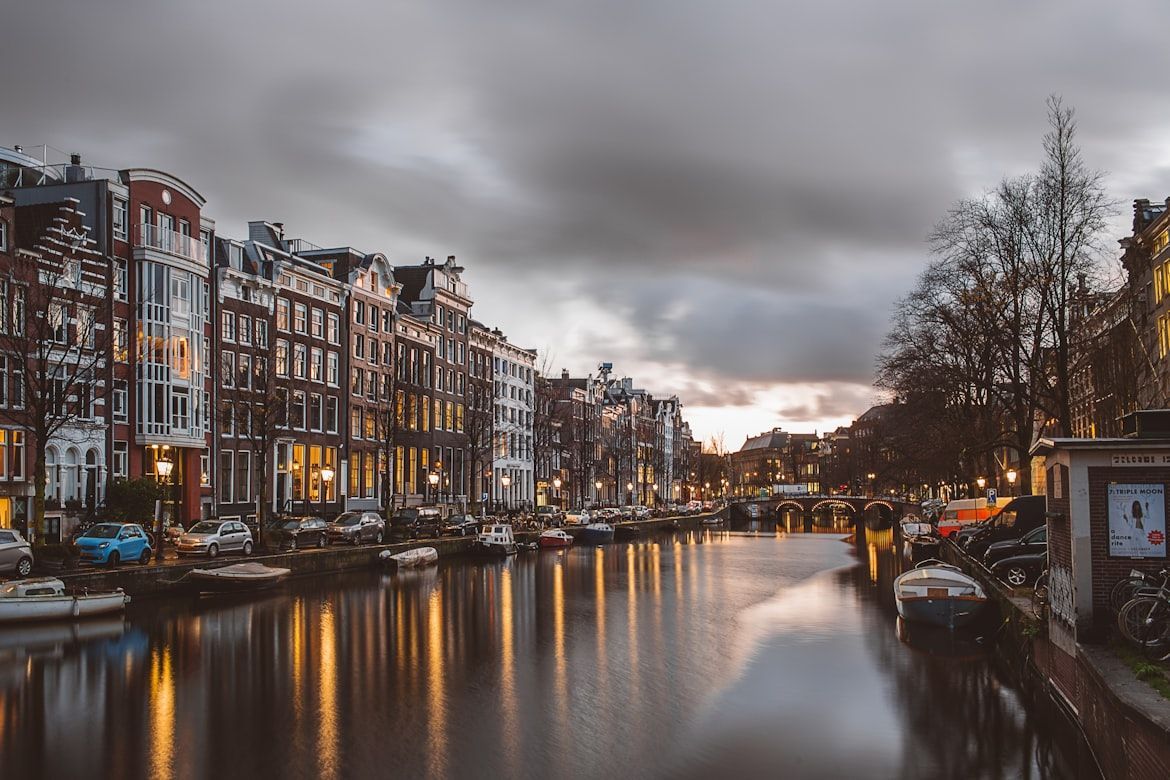
Holland to the Netherlands

Image: Azhar J

This was more a rebranding than a true name change. "The Netherlands" has always been the country’s official name, whereas "Holland" refers only to two provinces. In 2020, the Dutch government stopped using "Holland" in international marketing to avoid confusion.

The change was part of a tourism and trade branding overhaul, with major events like Eurovision and the Olympics adopting "Netherlands" exclusively in their materials.

9

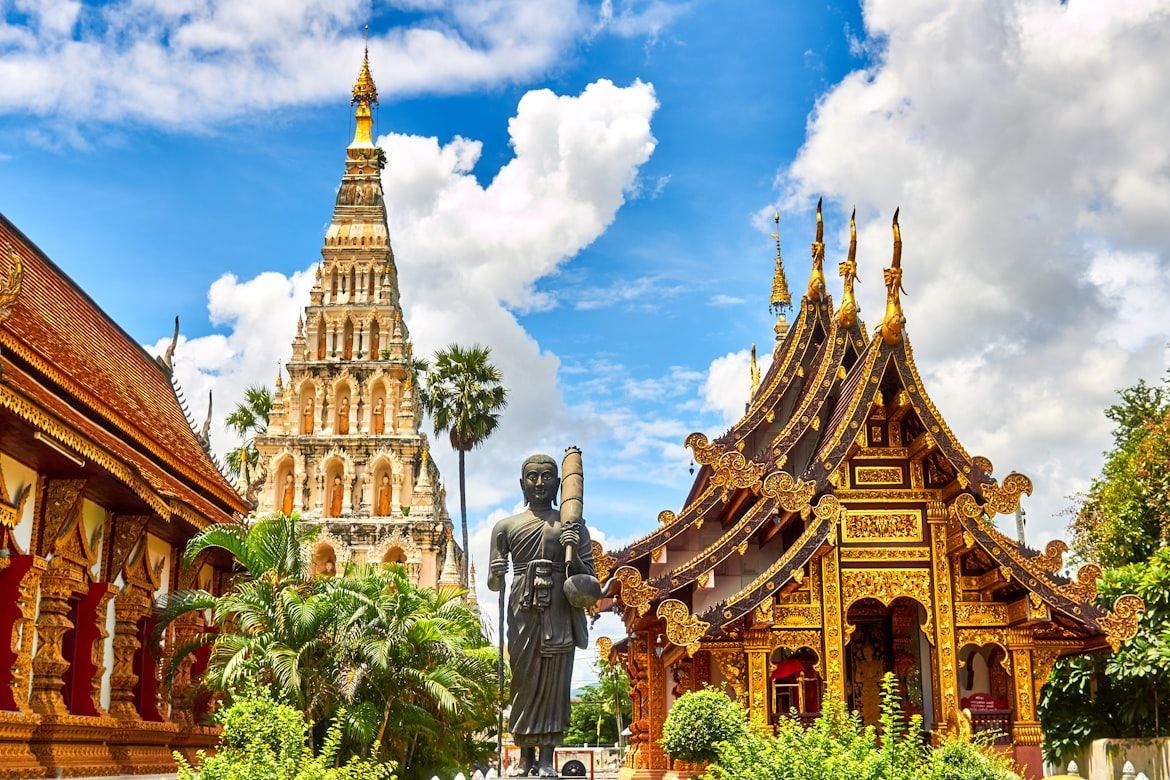
Siam to Thailand

Image: Mathew Schwartz

In 1939, and again officially after WWII in 1949, the country dropped the name Siam to become Thailand, meaning "land of the free."

The change was mainly driven by a nationalist movement that sought to unify the country under a more inclusive Thai identity. While the name "Siam" carried some specific cultural connotations, the name "Thailand" emphasized sovereignty and the ethnic majority’s rule.

10

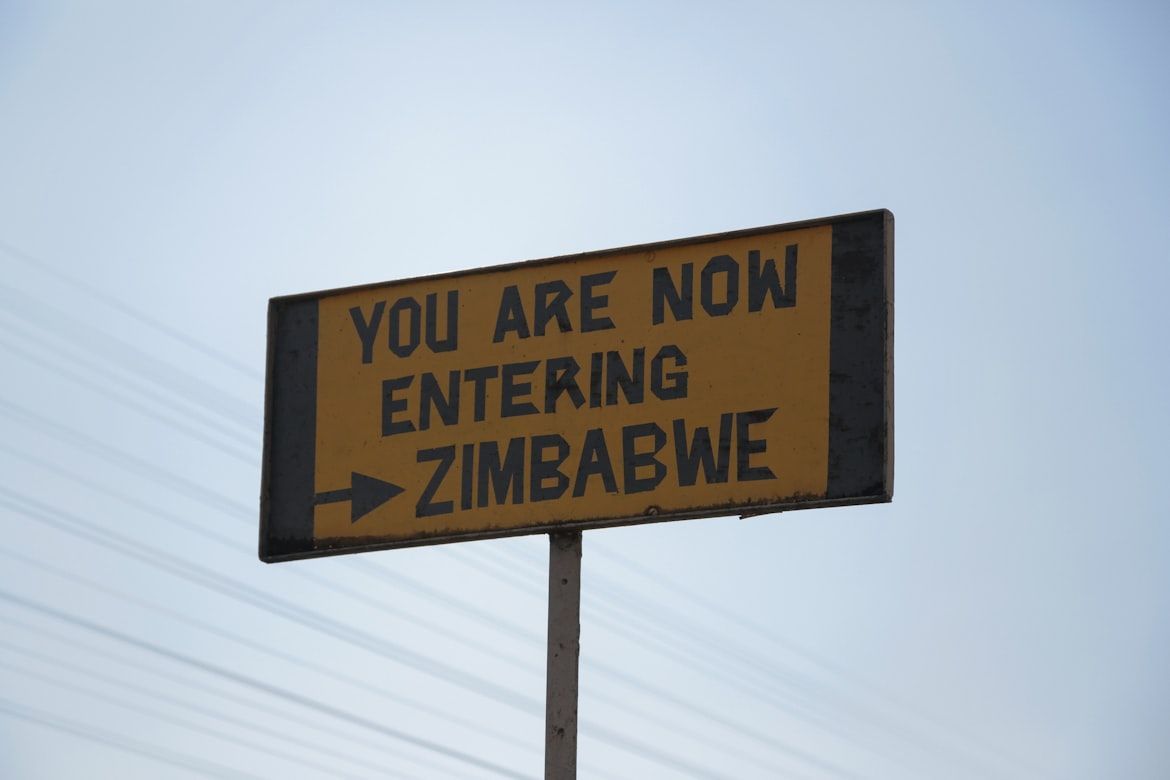
Rhodesia to Zimbabwe

Image: Chloe Evans

In 1980, the unrecognized white minority government of Rhodesia was replaced, and the country became Zimbabwe, derived from "Great Zimbabwe," an ancient city of the region.

The old name honored British imperialist Cecil Rhodes. The new one reclaimed African history and identity after years of brutal conflict.

Looking for an extra scoop of literary fun?

Learn more with our Word of the day

myriad

/ˈmɪriəd/