Corporate jargon rules

Corporate jargon has its own dictionary. Here are 10 entries


Published on August 10, 2026


Image: Photo by GABRIEL CARVALHO on Unsplash

How well can you recognize office jargon? These words pop up in meetings, emails, and in business contexts. They are meant to make work conversations quicker, though sometimes, let's be honest, they make them sound more complicated than their actual meaning. Keep reading and see how familiar you are with office jargon.

1

Core competency

Image: mayu85

What is your core competency? It is something you do particularly well at work. If you list customer service as a core competency on your resume, you are saying that it is one of your strongest skills and part of what makes you valuable to an employer.

A core competency often helps you stand out from others because it is difficult to replicate and contributes to a company’s success. It might help the business improve its performance, serve customers more effectively, or expand into new markets.

2

Touch base

Image: Charles Forerunner

"Let’s touch base about this project tomorrow" usually means, "Let’s briefly discuss it." In business, people use this phrase when they want to reconnect, check in, or get an update on a specific topic.

The expression comes from baseball, where a player must literally touch a base to be safe or score a run. Over the years, people began using it as a metaphor for reconnecting. In the professional world, it often means sharing quick updates and making sure everyone is on the same page.

3

Circle back

Image: Photo by Docusign on Unsplash

Imagine you bring up a problem during a work meeting, and your supervisor says, "Good point. We’ll circle back to this later." The meeting moves on, and the issue is not forgotten, even though it is not mentioned again.

In corporate language, "circle back" means returning to a topic at another time. It allows people to pause a discussion without dropping it entirely. The phrase comes from moving in a circle and returning to where you started, like completing a lap, becoming common in office jargon during the 1970s.

4

Think outside the box

Image: Photo by Marija Zaric on Unsplash

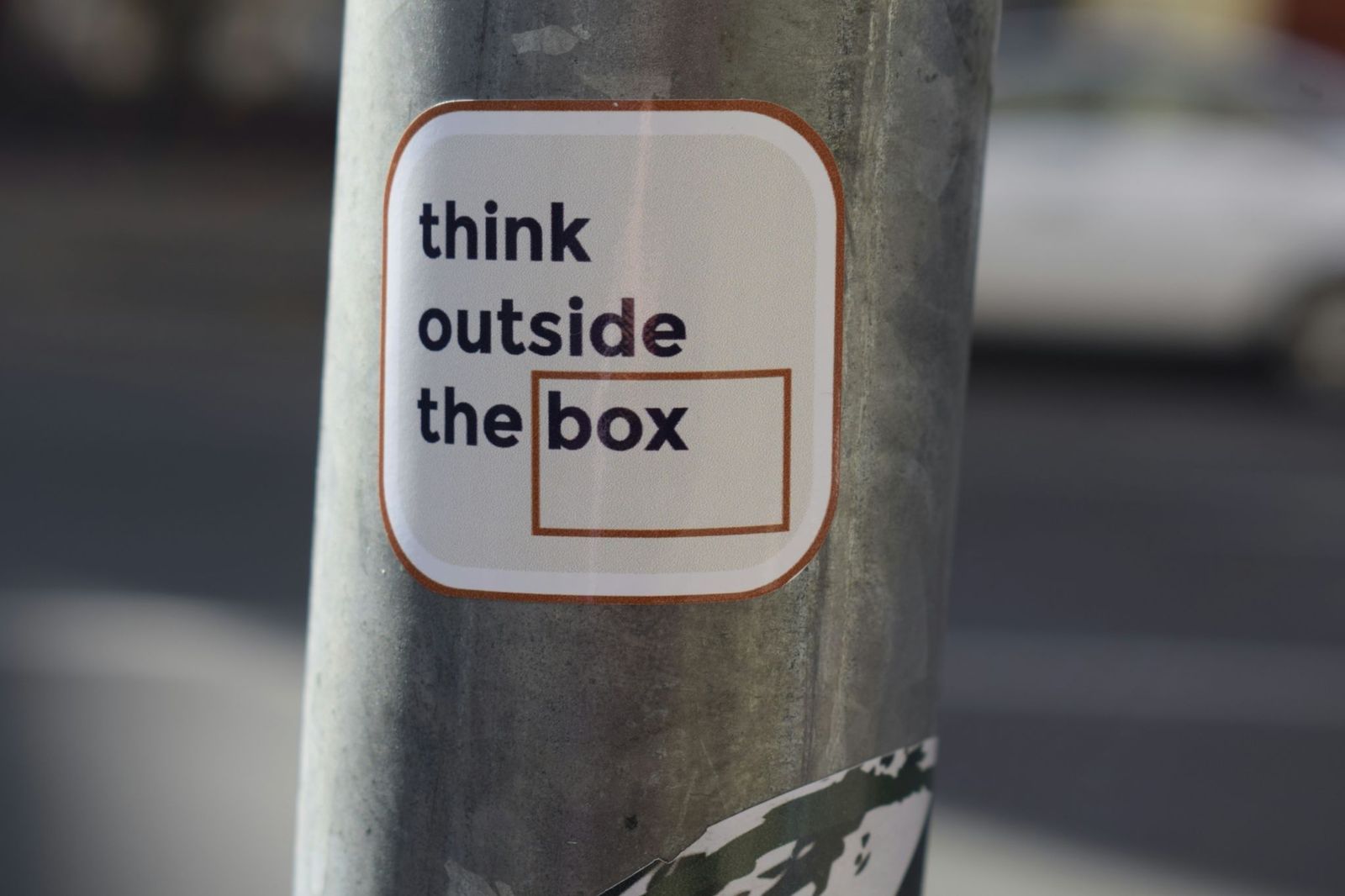
Imagine your team is stuck on the same old solution, and your manager says, "We need to think outside the box." What does he mean? He’s encouraging the team to look for a more creative or unexpected way to solve the problem. Sometimes, ordinary procedures don’t always yield the best results.

The phrase comes from the Nine-Dot Puzzle game, where you must connect all nine dots with four straight lines. The trick is to draw beyond the imaginary box around the dots instead of staying inside it.

5

Synergy

Image: Photo by Cytonn Photography on Unsplash

Synergy happens when two people, teams, or organizations work together and achieve a better result than they could separately. It's usually represented as 1+1 = 3; in other words, the combined effect is greater than the sum of its parts. The word comes from the Greek synergia, meaning "working together." And, in business, it is often used to make teamwork sound more strategic.

6

Move the needle

Image: iQoncept

When a company tries ten small ideas, but only one actually increases sales, that one idea "moves the needle." The phrase is a way of saying something made a real, noticeable difference, compared to the other ideas trying to cause a similar effect.

The expression comes from old measuring tools, like speedometers and fuel gauges, where the needle moves when the speed, fuel level, or another measurement changes. It entered office slang in the 80s as a corporate shorthand for actions that produce clear, effective results.

7

Low-hanging fruit

Image: Dave Hoeek

If a team wants quick wins, it may start with the "low-hanging fruit." These are the simple opportunities that require less effort and are usually the easiest tasks to finish first. A "low-hanging fruit" example could be calling back customers who already showed interest compared with finding brand-new customers. Before becoming an everyday term for the office, this expression referred to fruit growing on the lowest branches of a tree, which is the easiest to reach and pick without a ladder or much effort.

8

Bandwidth

Image: Photo by Resume Genius on Unsplash

If a coworker says, "I don’t have the bandwidth for that," they are probably not talking about Wi-Fi. In office language, bandwidth means time, energy, or mental capacity. In other words, it’s a polite way of saying, "I’m already too busy; I won't handle that new task." This way, we compare the computer capacity to handle data as a metaphor for the mental capacity humans have.

9

Deep dive

Image: Photo by Deng Xiang on Unsplash

The phrase is easy to guess once you hear it. If a manager asks for a "deep dive" into falling sales, they are asking for more than a glance. They want a detailed look at the numbers, causes, and possible solutions, a complete analysis of the situation. Such as diving, yes, but without the water fun part.

10

Take it offline

Image: Dean Drobot

Ever heard someone say, "Let’s take it offline"? In a meeting, it usually means the topic should wait. The group can move on, and the issue can be discussed later, privately, or outside the main conversation. In computer science, "offline" is used for processing data or tasks separate from the main active network.


Deep roots

11 everyday words with indigenous roots


Published on August 10, 2026


Image: Zoshua Colah

English is a very welcoming language in the sense that it incorporates terms from many other languages from all over the world. And, as it couldn’t be otherwise, Native American languages have lent many of their words and terms to English speakers. Some traveled through Spanish or French before settling into English, and others arrived directly through early contact and trade, helping shape the way we speak today. Did you know about these 11 terms?

1

Canoe

Image: Michael Niessl

The word "canoe" comes from the Taino term canoa, which was first used by Caribbean islanders long before Europeans arrived. Early explorers adopted it to describe the slim, sturdy boats they saw.

Over time, "canoe" became the standard English word for a small paddled craft. Today it still carries that sense of simplicity and closeness to nature.

2

Barbecue

Image: Philipp Kämmerer

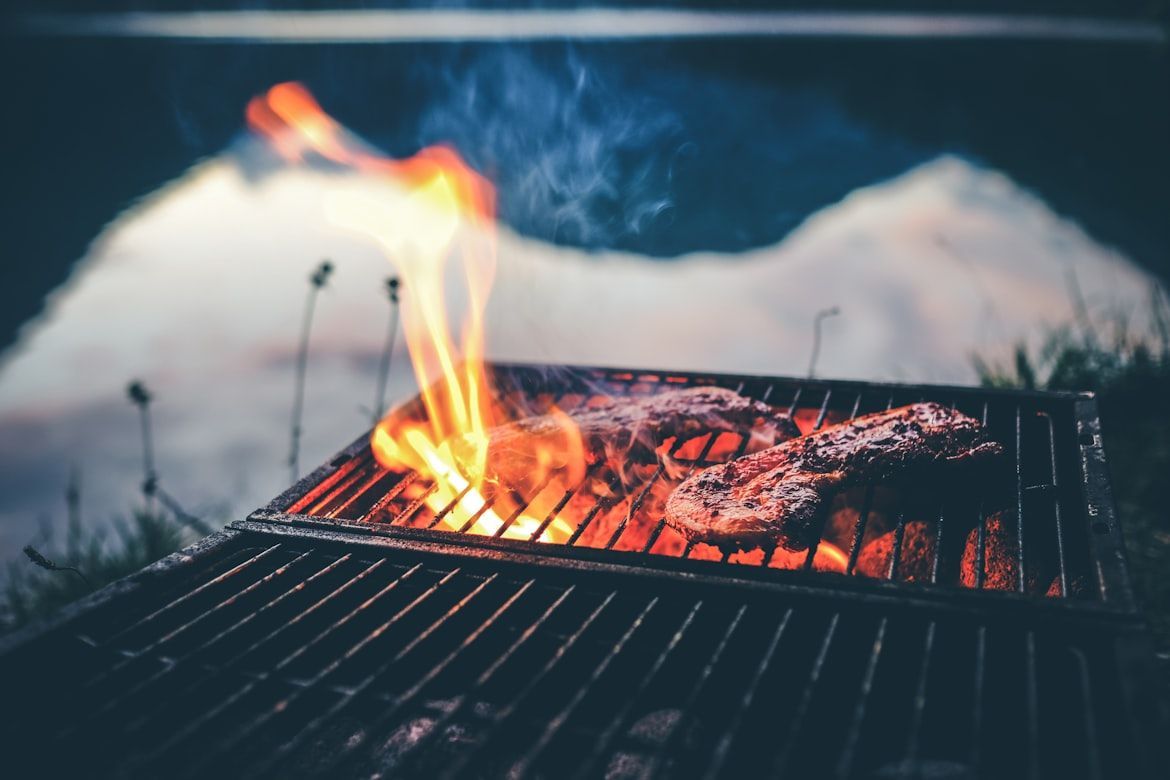
The word "barbecue" comes from barbacoa, another Taino term for a wooden frame used for cooking meat over fire. Europeans adopted it and applied it to both the method and the gathering itself.

Today, "barbecue" means everything from a backyard cookout to a regional cooking style. Its origins highlight the deep culinary influence of Native Americans in the nation's current culture.

3

Skunk

Image: Elisa Stone

"Skunk" comes from the Algonquian word squnk, which means "urinating fox" (quite a fitting term, indeed). This was an obvious reference to the animal’s strong defensive spray. Early settlers adopted the term directly.

Since English had no better name for the creature, the Native word stuck. Today, the word skunks is also used as playful slang.

4

Moose

Image: Shivam Kumar

The word "moose" originates from Eastern Abenaki, a part of the Algonquian family, where it meant "he strips off bark." Yes, it described the animal’s habit of tearing bark from trees.

The name entered English quickly because settlers relied on Native knowledge of local fauna. The word remains unchanged because of its accuracy and usefulness.

5

Raccoon

Image: Gary Bendig

"Raccoon" comes from the Powhatan word arakun, meaning "he scratches with his hands." It described the animal’s clever, humanlike front paws.

Settlers adopted the term because it captured the creature’s behavior beautifully. Today, the raccoon is used as a household symbol of curiosity, not unlike the animal itself.

6

Chipmunk

Image: Annegret Kammer

The term "chipmunk" most probably comes from the Ojibwe word ajidamoo, which means "one who descends trees headfirst." Early English settlers adapted the sound into today’s form.

Though the spelling changed over time, the lively image of a chipmunk racing down a tree face-first stayed.

7

Caribou

Image: JD-Photos

The word "caribou" comes from the Mi’kmaq term qalipu, which means "snow shoveler," referring to the animal’s habit of digging through snow for food.

French settlers brought the word into English, keeping its descriptive nature. The name still connects the modern animal to the winter landscapes it belongs to.

8

Totem

Image: Stéfano Girardelli

"Totem" comes from the Ojibwe word ototeman, which means "kinship group." It described symbols representing clans and shared roots.

English adopted it to describe carved poles and symbolic elements. Though broader in modern usage, it still hints at the original sense of community, identity, and heritage.

9

Coyote

Image: Dylan Ferreira

"Coyote" comes from the Nahuatl word coyōtl, which was used by Indigenous tribes of central Mexico. Spanish speakers adopted it, and English borrowed later.

The word kept its meaning, and it remains one of the most direct links between the English language and Nahuatl.

10

Avocado

Image: Gil Ndjouwou

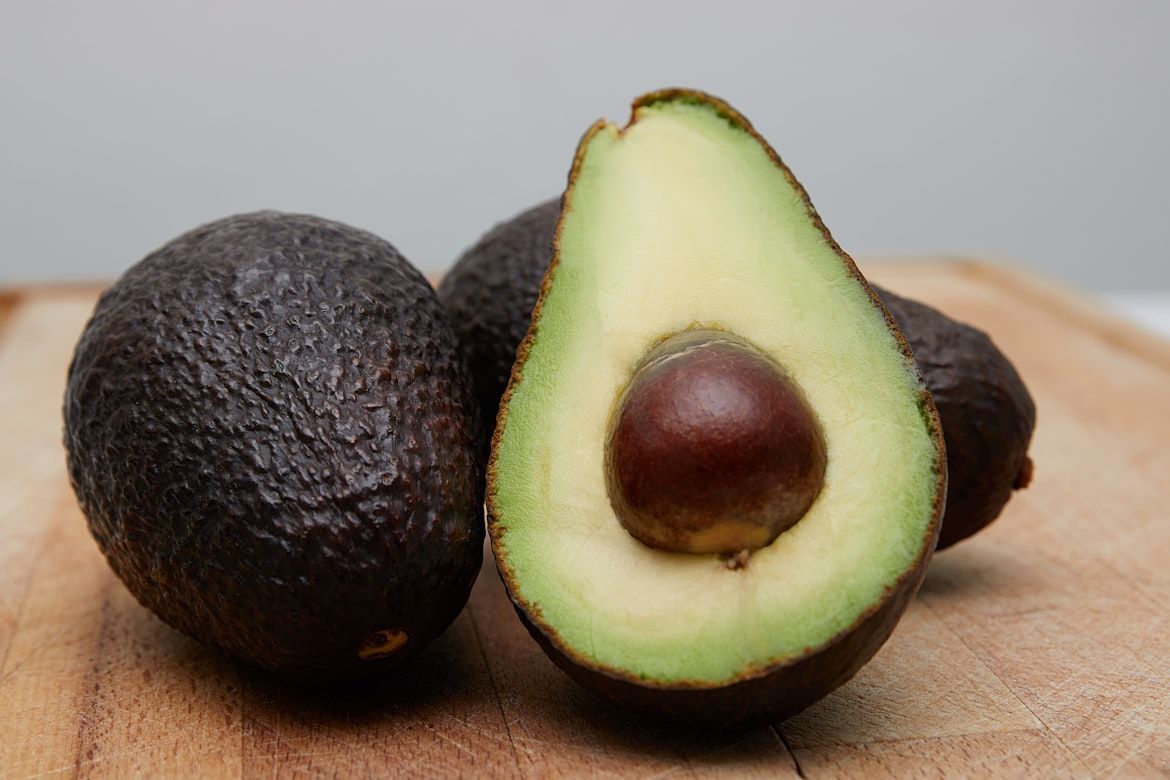
The tasty avocado’s name traces to the Nahuatl word ahacatl, which refers to the fruit and to a body part as well. Spanish speakers transformed it into aguacate.

Later on, English speakers adapted it to avocado. While the name sounds contemporary and culinary, it has ancient Native roots.

11

Chocolate

Image: amirali mirhashemian

The last Nahuatl word and also the last word on the list comes from the term xocolātl, which describes a bitter cacao drink that was consumed long before Europeans arrived in America. The name traveled from Spanish to English.

Though the product changed dramatically, the word survived. Today, chocolate is a universal symbol of sweetness, with rich and deeply indigenous roots.

Looking for an extra scoop of literary fun?

Learn more with our Word of the day

remittal

/rəˈmɪdl/