What are you actually eating? 10 foods with deeply deceptive titles


Published on August 1, 2026

Image: New Africa

If you’ve ever ordered a dish expecting a sweet pastry and received a plate of organ meat instead, you have experienced the confusing world of culinary misnomers. Food names are rarely literal. Often, they are shaped by historical slang, ironic jokes, changing definitions, or creative marketing to make a strange dish sound more appetizing. Here are ten of the most famously misleading food names out there.

1

Welsh rabbit

Image: kokofoundit

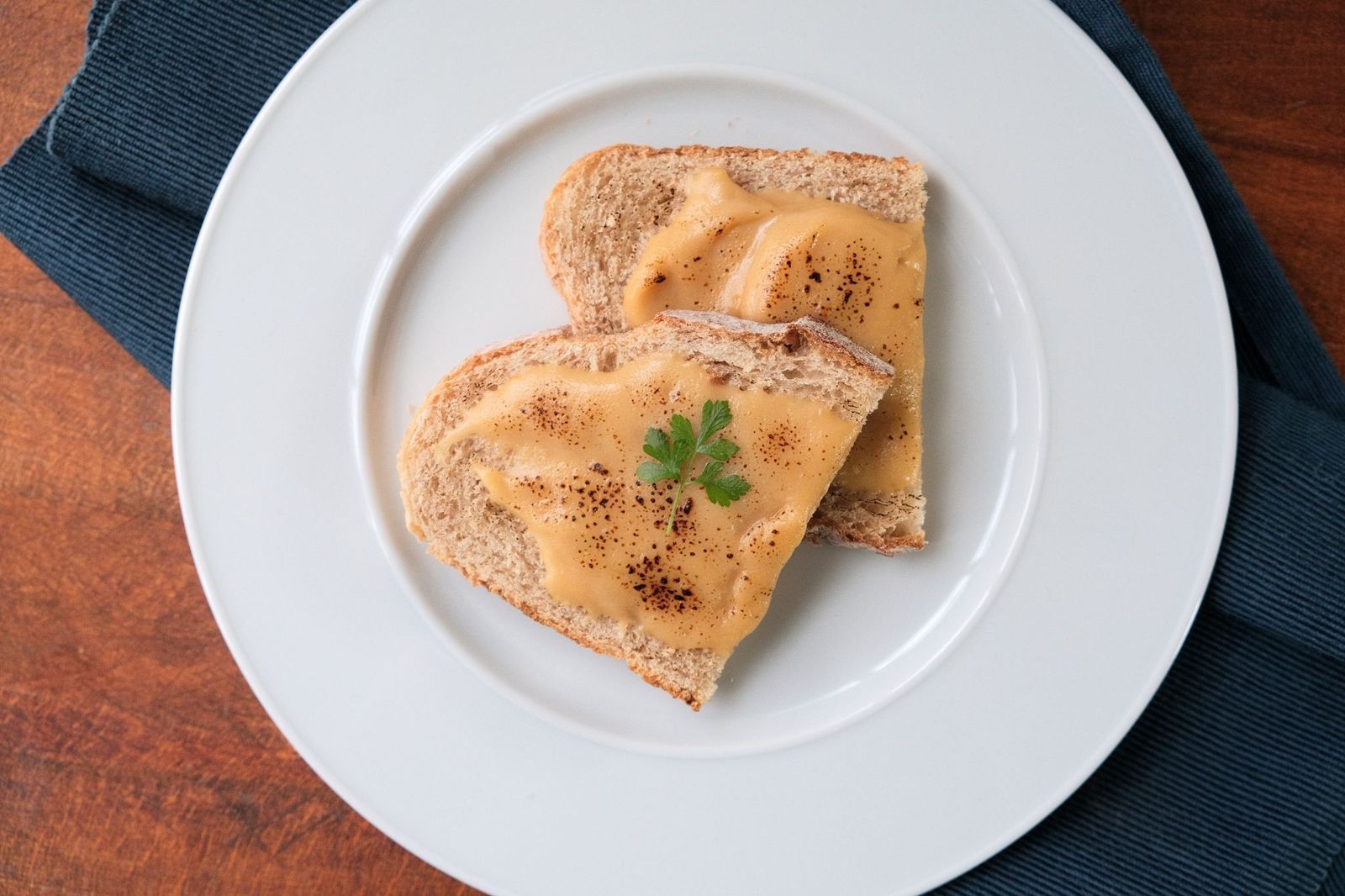
If you order Welsh rabbit expecting a plate of meat, you will be disappointed. Welsh rabbit contains absolutely zero poultry. Instead, it’s a savory comfort dish featuring a melted cheese sauce seasoned with ale, mustard, and Worcestershire sauce, poured hot over toasted bread.

The name originated in 18th-century Britain as a joke. At the time, the Welsh were stereotyped as being particularly fond of cheese, and the name was likely a mocking way to imply that they either couldn’t afford real meat or lacked the hunting skills to catch a rabbit.

2

Sweetbreads

Image: Pozhar_S

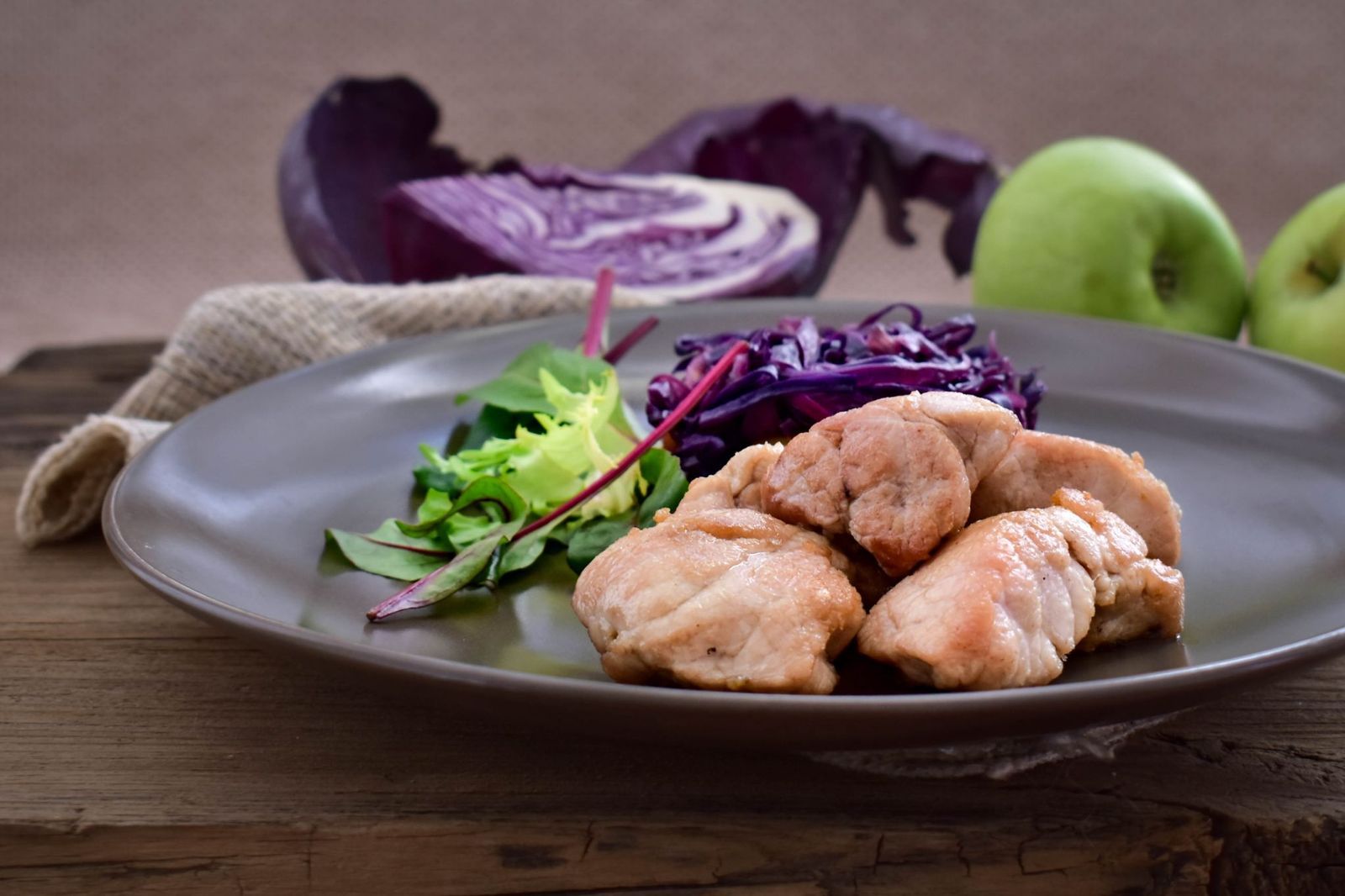
This item is neither sweet nor is it a baked bread. Sweetbreads are a type of offal—the culinary term for organ meats—specifically referring to the thymus gland or pancreas of a calf or a lamb.

The origin of this deceptive name has two linguistic origins. The "sweet" part likely refers to the meat’s delicate and slightly sweet flavor compared to other meats like liver or kidney. The "bread" part comes from the Old English word bræd, which meant flesh or meat. Over the centuries, the spelling shifted to look like a bakery item, leading to modern confusion.

3

Rocky Mountain oysters

Image: Sham Clicks

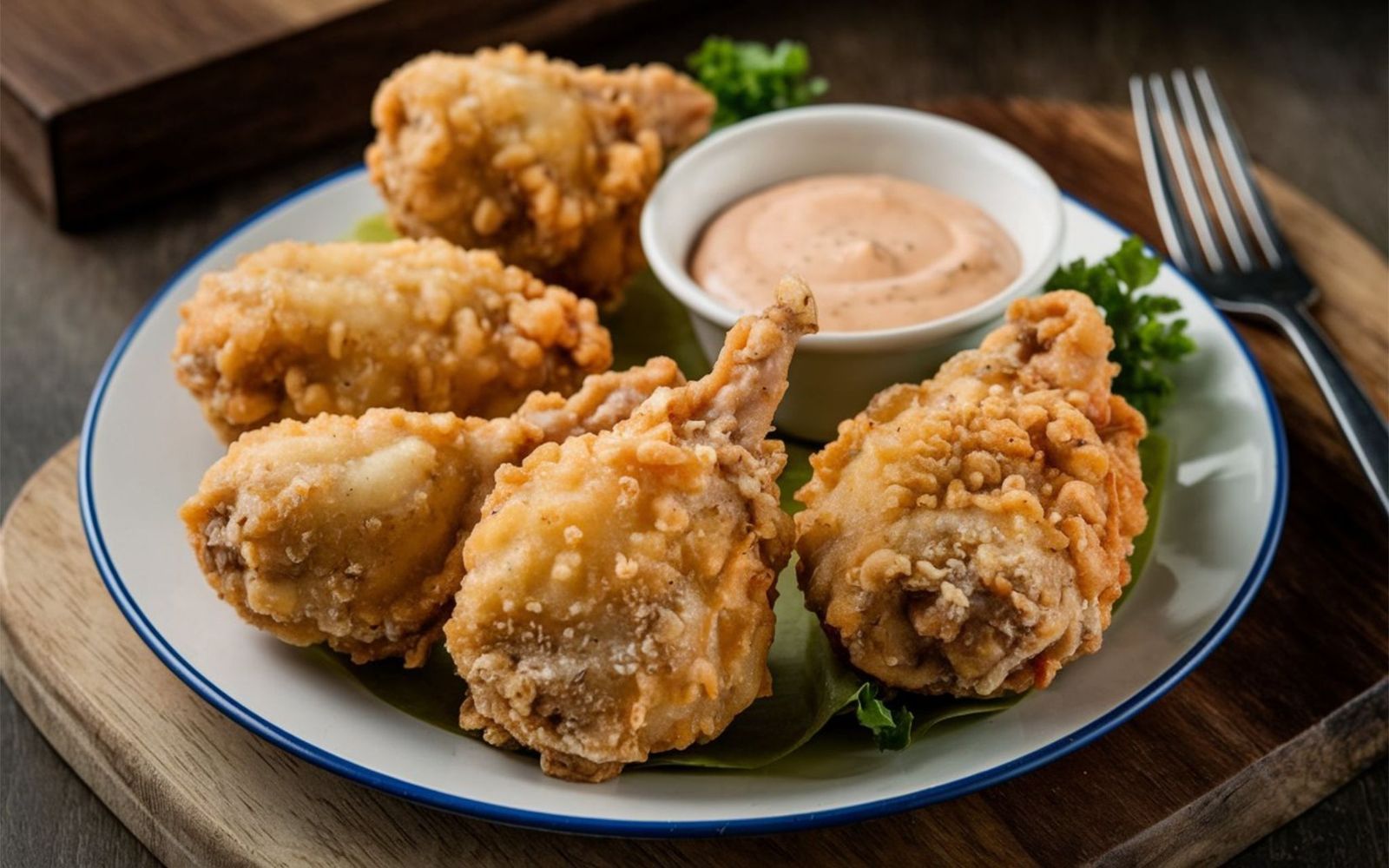
Found mainly on menus across the American West and the Canadian prairies, this dish has nothing to do with oysters. You won’t find any pearls here: Rocky Mountain oysters are bull, pig, or sheep testicles. They are typically peeled, coated in a seasoned flour batter, and finally deep-fried.

The name is a euphemism. When cattle ranchers separated young bulls from the herd, they minimized waste by turning every part of the animal into food. To make the dish sound more attractive, they dubbed them "oysters" for the similar slippery texture of the raw seafood counterparts.

4

Headcheese

Image: Natalia Hanin

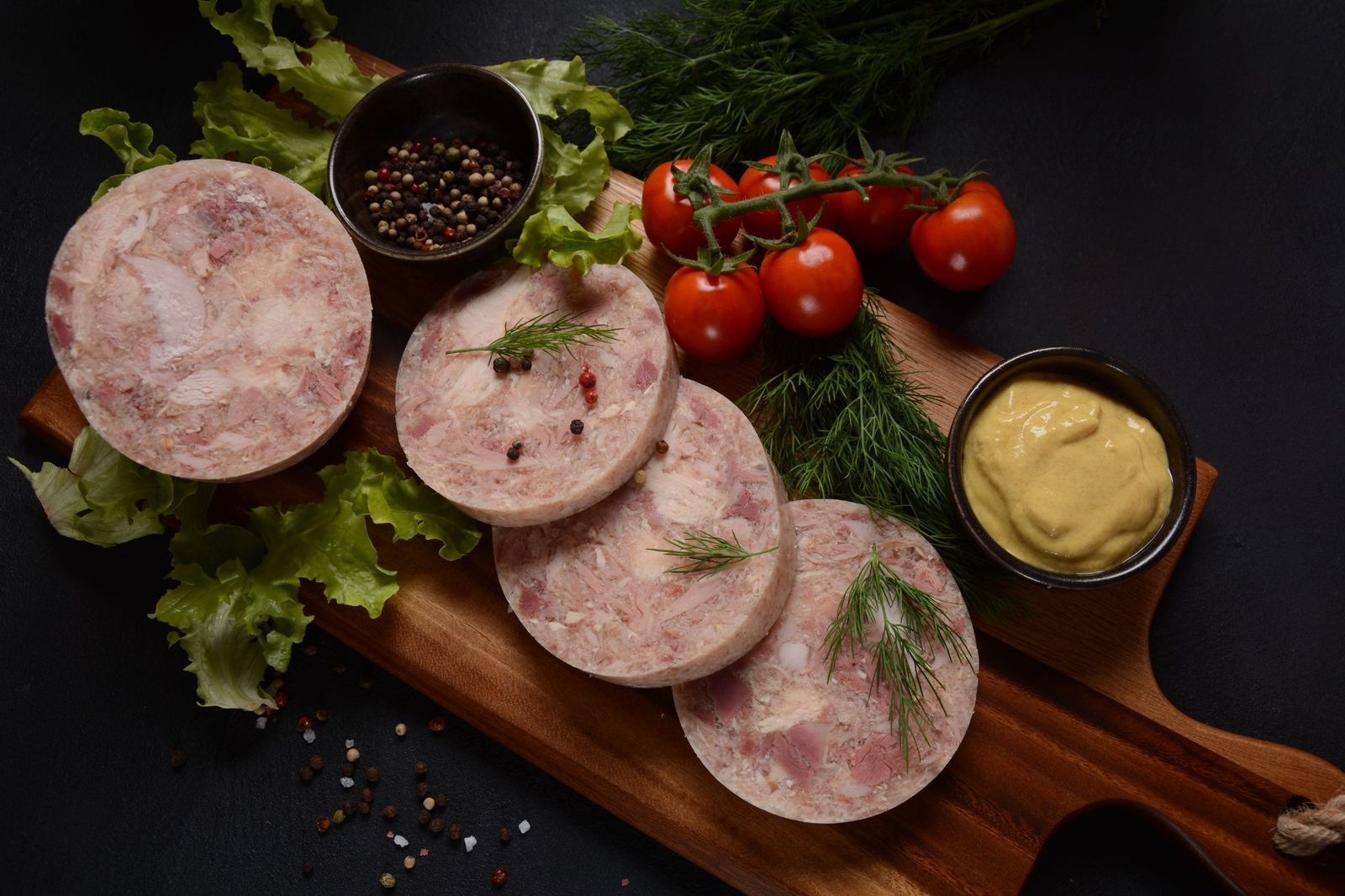
Despite what the name implies, headcheese is a cold cut, specifically a meat jelly or terrine made from the flesh of a pig or calf’s head. The meat is simmered with spices, chopped up, and cooled inside its own natural gelatinous broth until it sets into a sliceable loaf.

The confusion lies in how the word "cheese" used to be used. Historically, "cheese" could refer to any food item that was pressed, molded, and shaped into a solid block or loaf.

5

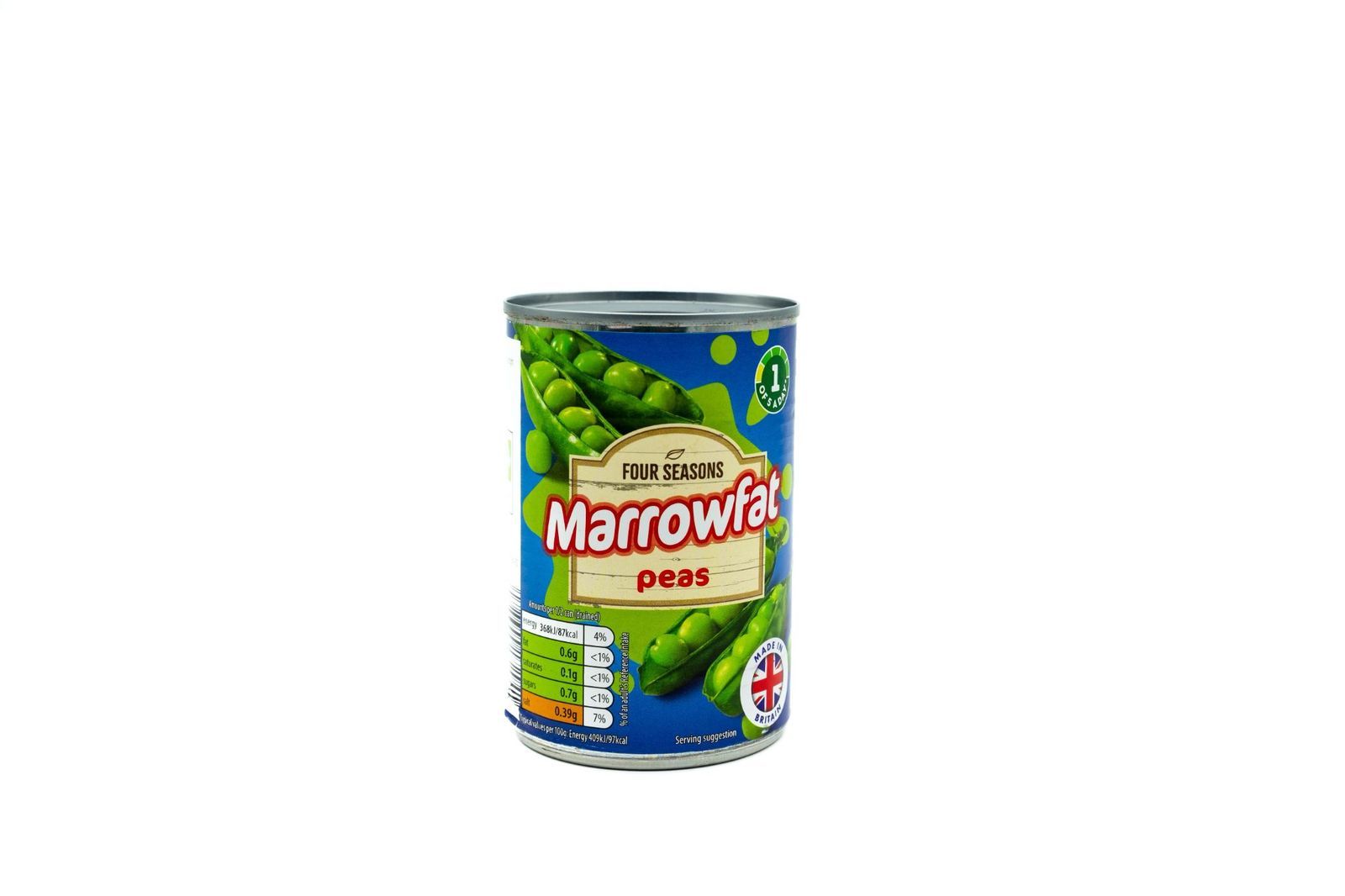
Marrowfat

Image: James McDowall

The name marrowfat evokes images of savory animal fat. In reality, marrowfat is 100% plant-based. Marrowfat peas are a specific variety of large green peas that are left to dry naturally in the field before harvesting.

Linguistically, the name combines two older adjectives. "Marrow" was used to describe something plump, soft, and thick-textured, while "fat" was used to describe any crop or soil that was unusually rich or abundant.

6

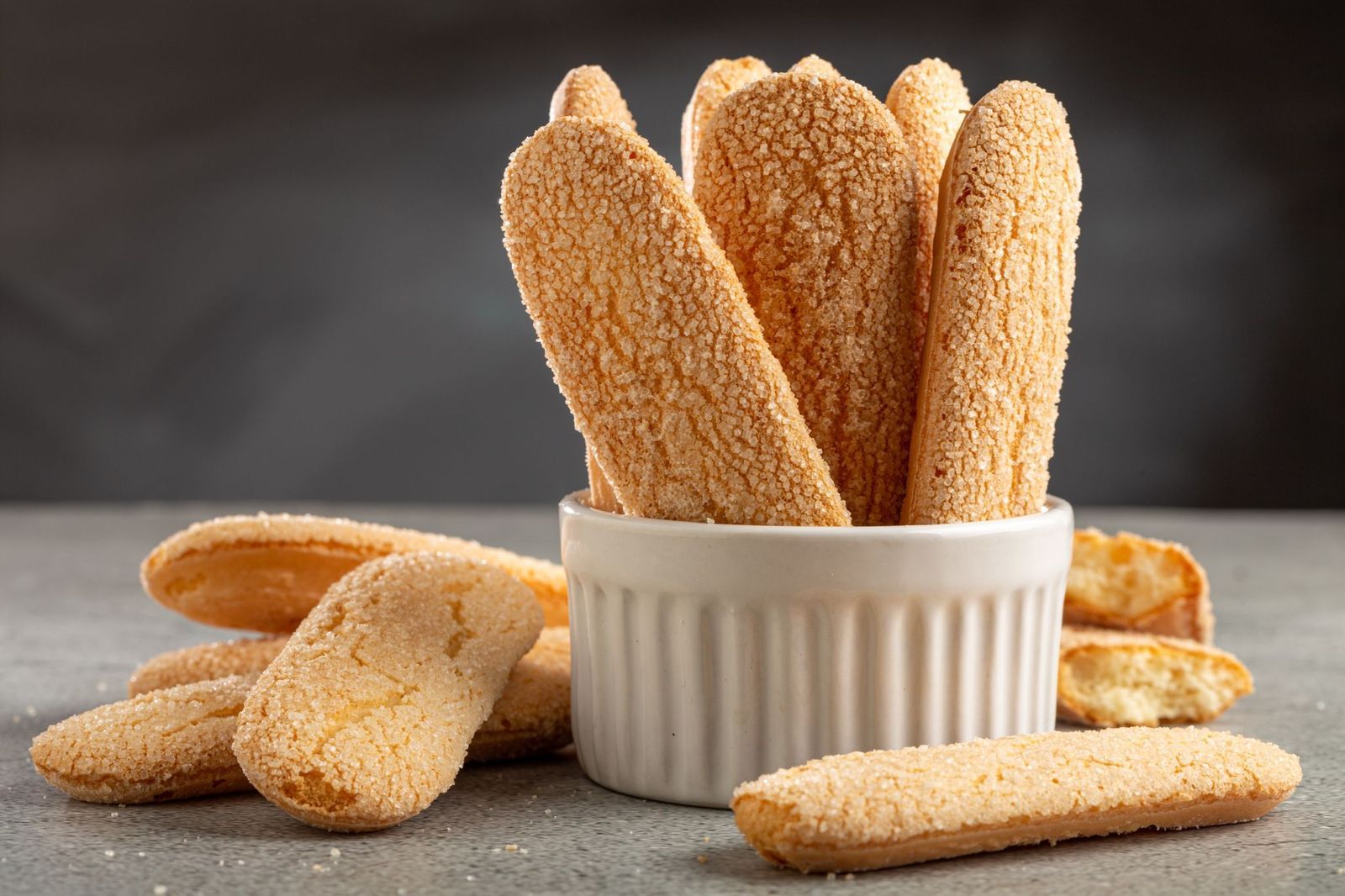
Ladyfingers

Image: WS-Studio

Although the name sounds like an ingredient from a fairy tale, ladyfingers are actually sweet sponge biscuits. They are used as the base for several desserts, such as Italian tiramisu and British trifles.

Ladyfingers are said to have originated in the 14th century at the court of the County of Savoy, to mark a visit by the King of France. Their long shape and their resemblance to slender fingers earned them their name.

7

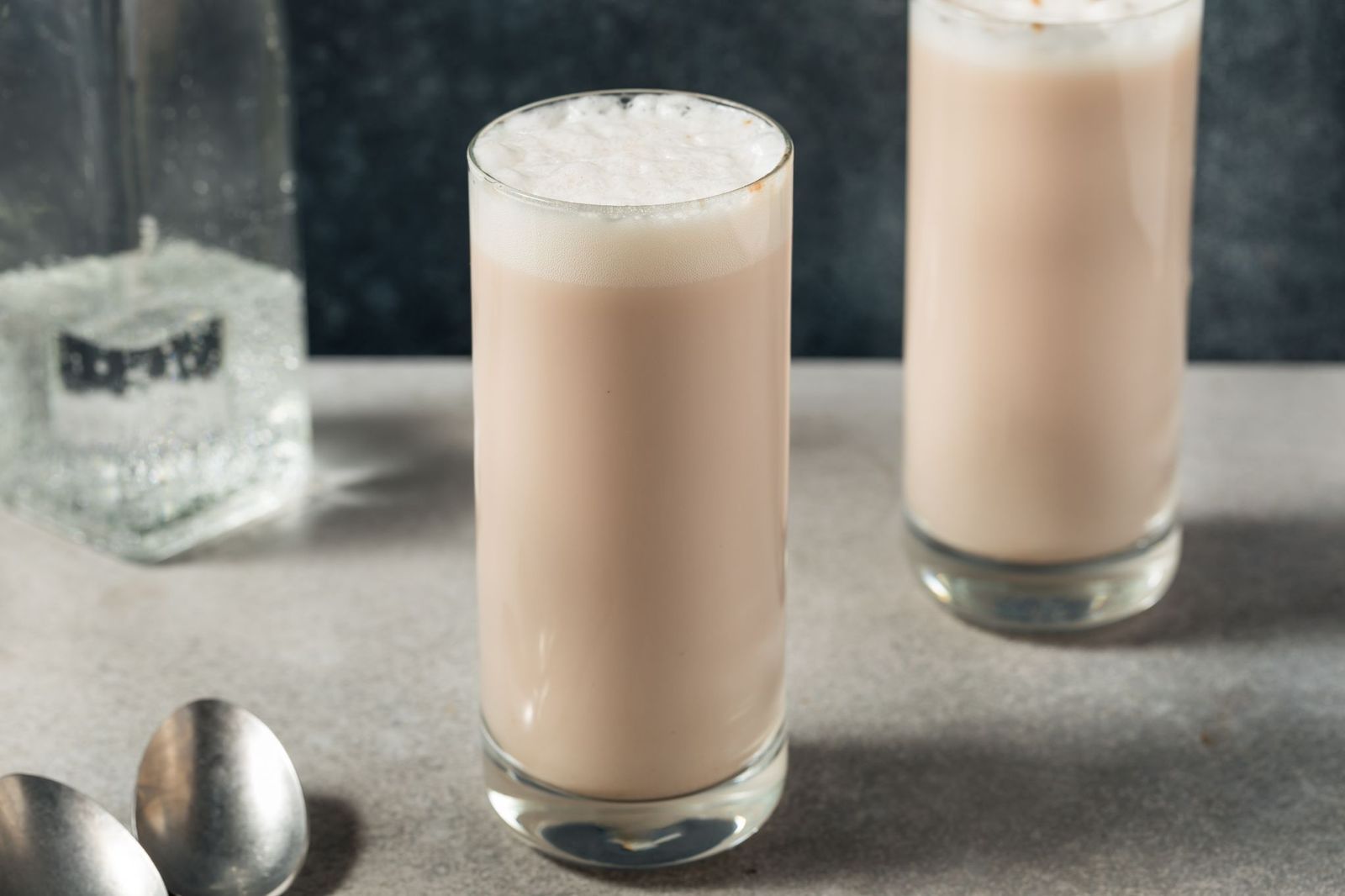
Egg cream

Image: Brent Hofacker

Order an egg cream at an old-school New York City soda fountain, and you’ll get a frothy drink with no eggs and no cream. A traditional egg cream consists of just three ingredients: whole milk, seltzer water, and chocolate syrup.

How did a drink with no eggs or cream inherit such a name? The most popular theory points to a linguistic mix-up. Brooklyn soda fountain owners in the early 20th century may have used the Yiddish word echt, which means "genuine" or "real." Customers likely misheard echt cream as "egg cream," and the catchier name stuck.

8

Sweetmeat

Image: Samosudov

To a modern reader, "sweetmeat" might sound like glazed ham or candied bacon. However, it’s an old-fashioned word for simple candy, candied fruits, or sugar confections.

In Old English, mete didn't mean animal flesh; it was a generic term for any solid food or sustenance. Therefore, a "sweet-meat" was merely a "sweet food item." As the definition of meat narrowed exclusively to animal muscle, the candy word stayed current.

9

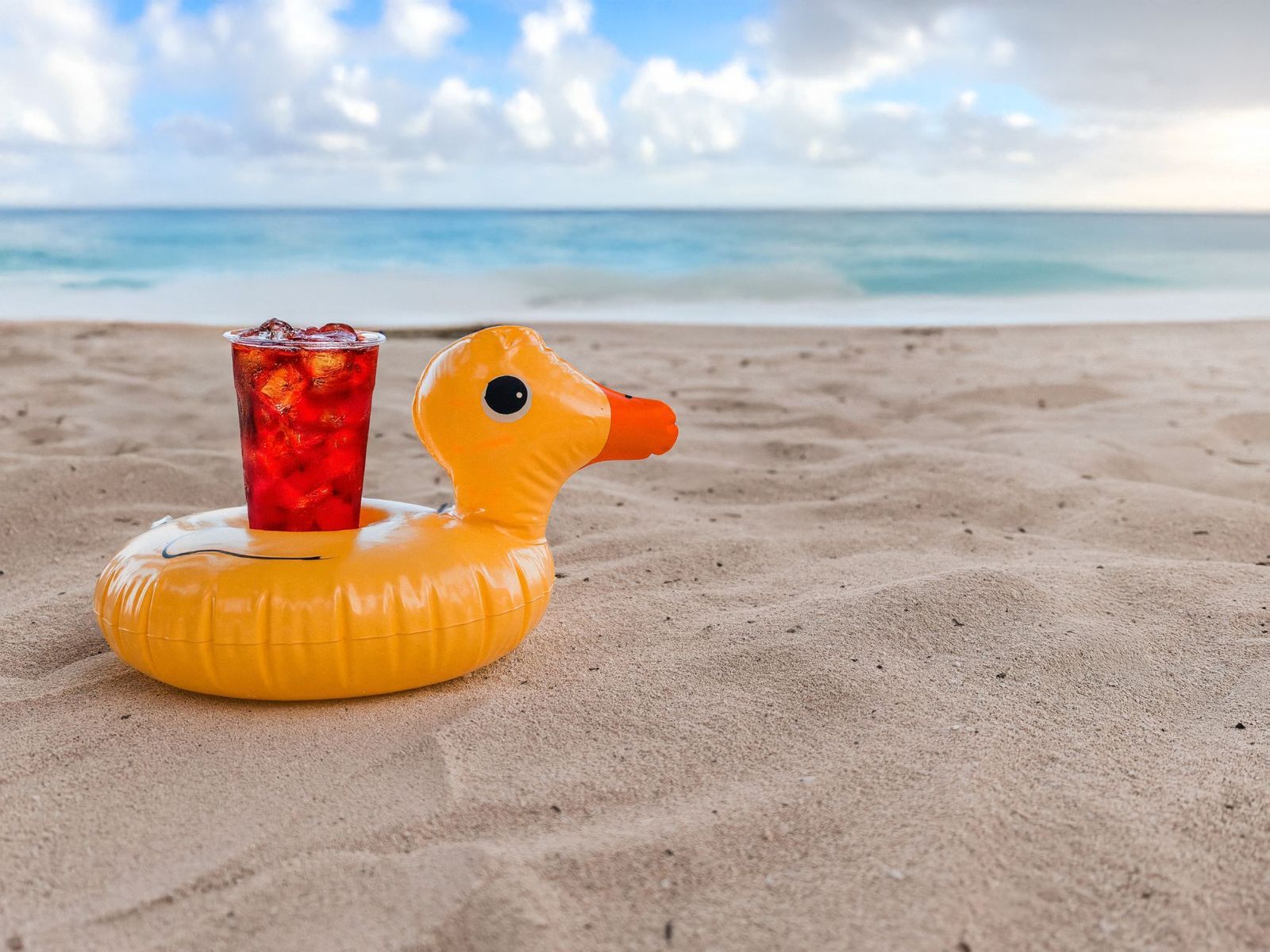
Cold duck

Image: Natalia Carbajal

If you see Cold Duck on the menu, don’t expect a savory poultry dish. Cold Duck is a sweet cocktail made by blending sparkling red wine with champagne.

The name is actually a translation error originating in Germany. Invented in the 19th century, the drink was originally called Kalte Ende (meaning "cold end"), because it was made by mixing all the leftover, opened bottles of wine together. Over time, the German word Ende (end) was accidentally mispronounced as Ente (duck). When the recipe traveled across the Atlantic, it was translated literally into English as "Cold Duck."

10

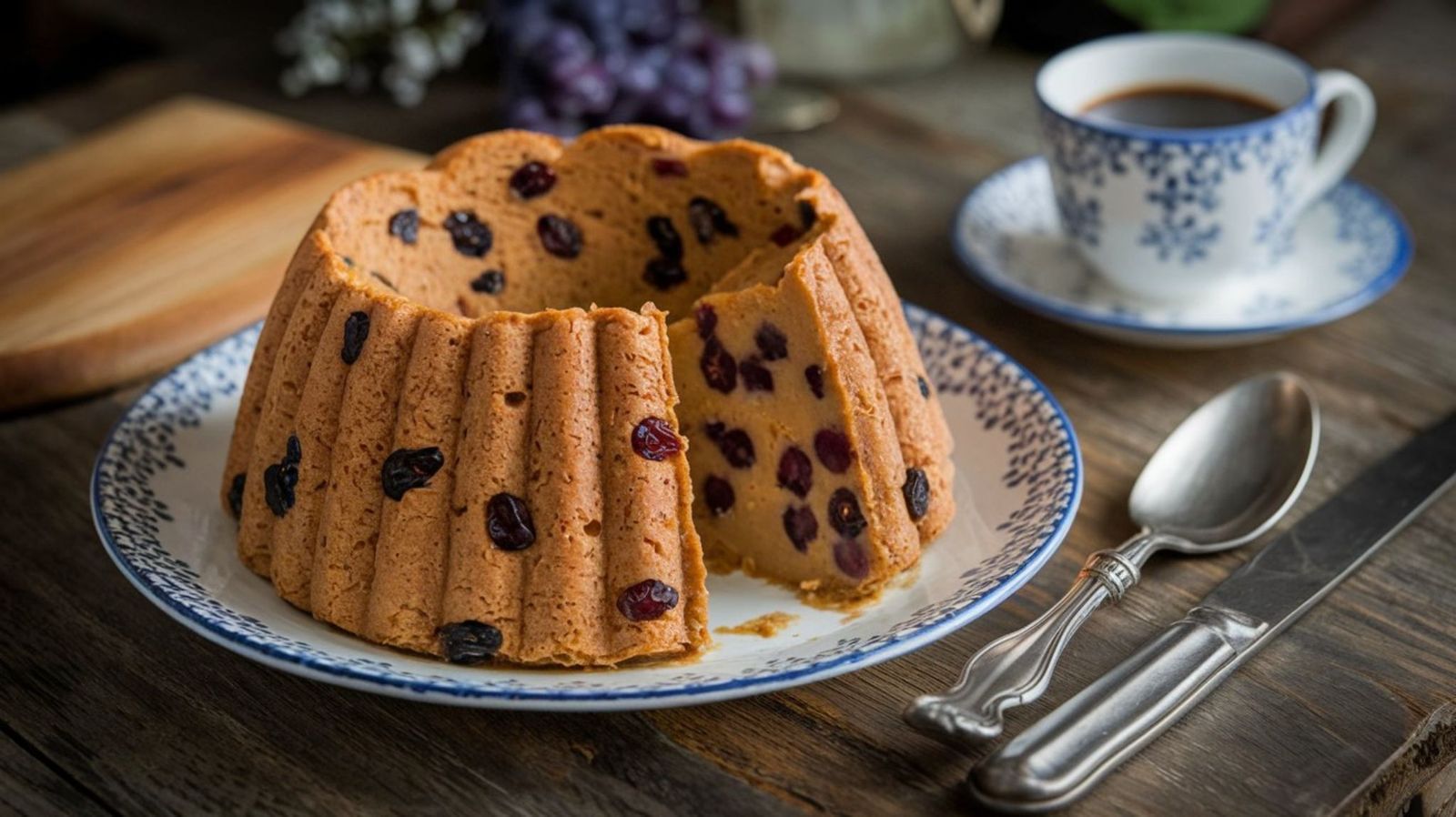
Spotted dick

Image: Foodgraphy39

Despite its name, Spotted Dick is a completely innocent dessert. It’s a traditional British steamed pudding packed with dried fruits like raisins and currants, usually served on top of warm vanilla custard.

The confusion lies in old regional dialects. The "spotted" part describes the dark raisins peeking out of the dough. "Dick," on the other hand, was a 19th-century dialectal corruption of the words pudding or dough (likely evolving from dough to dook to dick).



Odd words, old meanings

These 10 idioms and phrases are still in use, but don’t always make sense


Published on August 1, 2026


Image: Towfiqu barbhuiya

How much is a notch when it comes to volume? Who is Bob, and why is he everyone’s uncle? What is the difference between a spider web and a cobweb? Languages change with time and use, and English is no exception, but some phrases remain frozen in time, and while we still use them, we don’t always know their literal meaning. Here are 10 idioms and words that don’t make sense, but once did.

1

To a T

Image: Tobias Schwindling

We often use the phrase "to a T" (sometimes spelled "to a tee") to indicate something done perfectly, with precision. But is it about the letter "T"? Not really. The original phrase used to be "to a tittle," with tittle being the proper name for the dot of the "i" or the "j," and it conveyed the idea of doing something accurately, down to the smallest detail. Eventually, "tittle" was shortened to "T," but the phrase had already stuck, even if its literal meaning was lost.

2

Fathom

Image: Uliana Semenova

Although "fathom" might sound very formal, we all know that it is synonymous with "understand." But did you know that fathom is actually a nautical unit of measurement? From the Old English fæðm ("the span of the arms" or "embrace"), it represented the distance between the left and right fingertips of outstretched arms. Eventually, a "fathom" was standardized to about six feet or two yards, and was mainly used by sailors to measure water depth. It was this connection with depth that led the word to take on a figurative meaning of "getting to the bottom" of something, or understanding it thoroughly.

3

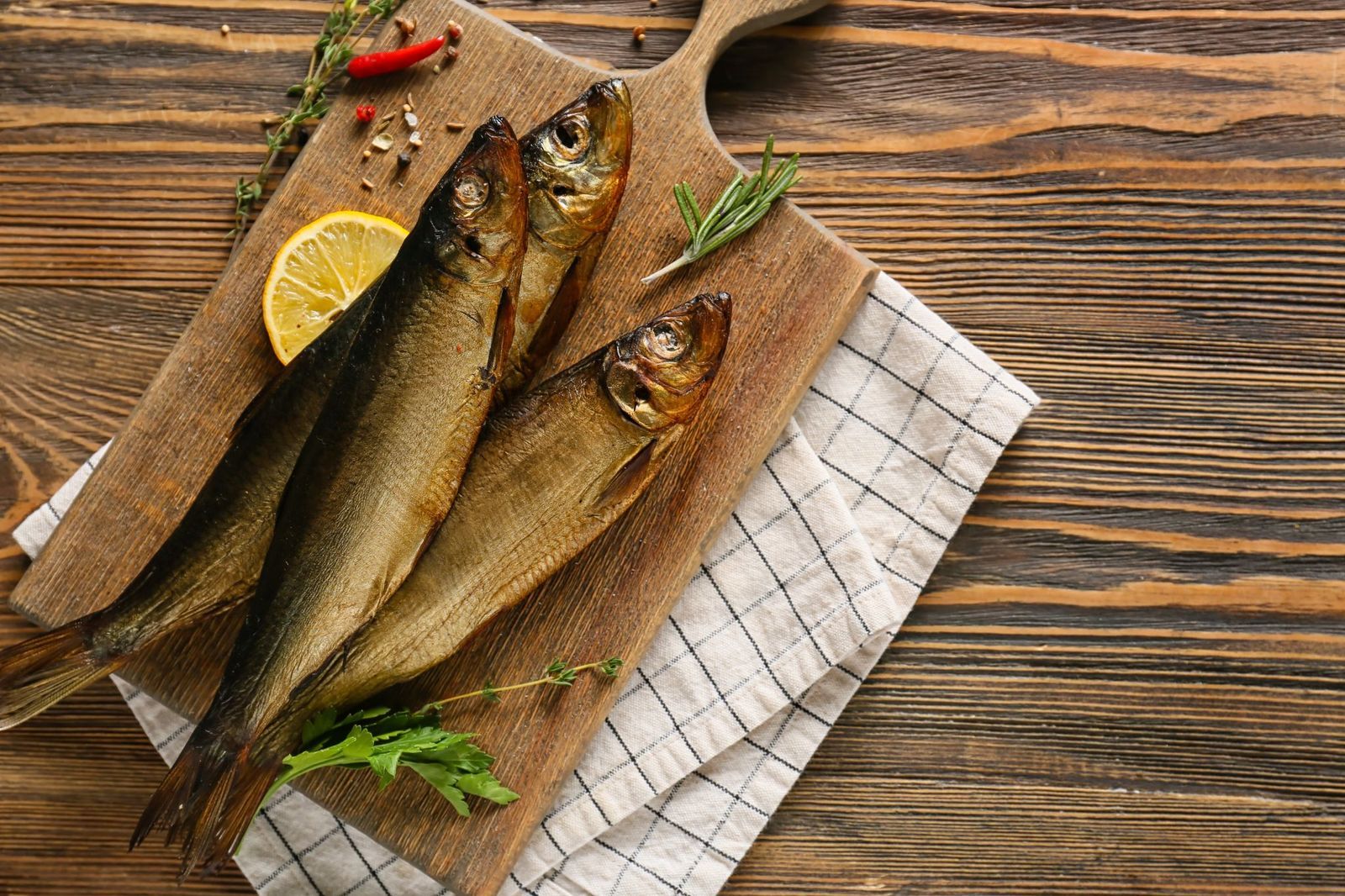
Red herring

Image: Pixel-Shot

Popularly, we understand that a "red herring" is something meant to give false clues or distract from another pressing issue. But why a herring? Herrings turn red when smoked and also acquire a strong, pungent smell, which made them a great tool for training hunting dogs, as the smell of the fish covered the trail of the prey. As a metaphor, though, it was popularized in the early 19th century by journalist William Cobbett, who used it to describe how the press was easily swayed by false news.

4

Rule of thumb

Image: PeopleImages

If something is a "rule of thumb," it means that it’s a common guideline, usually based on experience rather than science. In its origins, this phrase was quite literal: thumbs served as a rule. Tradesmen often used the width and length of their thumbs to take and remember measurements, a system that, though practical and effective, only worked for the owner of the thumb in question. Its use as an idiom comes from 17th century writers comparing this popular method with more scientific measuring systems.

5

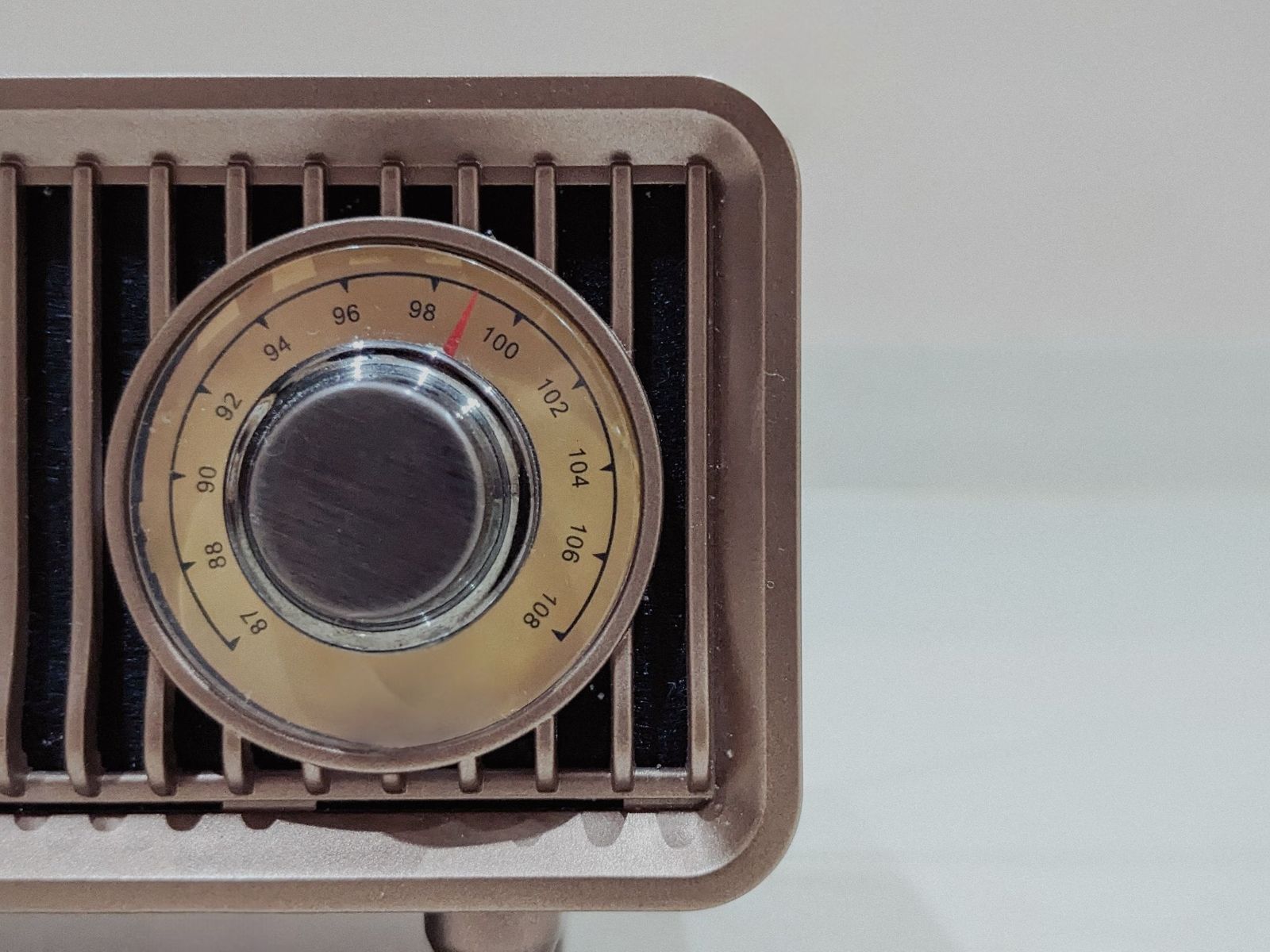
Turn it down a notch

Image: Wahyu TH

If someone asks us to "take it down a notch," how much should we lower our volume? With "notch," this idiom refers to mechanical dials, like the ones used in a radio, where the notches signal the different levels. And while radios only date back to the 20th century, the roots of this idiom go all the way back to the 17th century and to the phrase "take it down a peg," related to wooden pins used for measurements.

6

Cobweb

Image: freestocks

Is there a difference between a cobweb and a spiderweb? Although they are synonymous, most dictionaries will make the distinction that "cobweb" is particularly used for dusty, abandoned spiderwebs. But what does the "cob" part mean? "Cobweb" is derived from the Middle English coppeweb, composed of coppe ("spider") and web ("woven fabric"). If we go one step further, coppe comes from the Old English attorcoppe ("spider"), a mix of attor ("poison") and coppe ("head" or "round thing"). So, despite the slight difference in their actual use, "cobweb" and "spiderweb" mean the same thing.

7

Break the ice

Image: NOAA

It isn’t difficult to see how "breaking the ice" might have originated from people actually breaking ice, but what many ignore is that this custom (and the phrase) is rooted in diplomacy and trade. When large trade vessels were unable to advance due to frozen rivers, canals, or harbors, it was common to send people in a small boat to "break the ice" and allow the ship to continue its course. In some places, however, locals would send "icebreakers" to clear the path for a foreign vessel as a welcome and a sign of goodwill. The metaphorical use of the phrase exists in many languages, but it was first recorded in English in the 16th century.

8

Let one’s hair down

Image: Element5 Digital

The idea of "letting down your hair" is popularly associated with relaxing and letting formalities aside, but the phrase is rooted in an actual Medieval and Renaissance custom. Traditionally, single women would keep their hair loose and uncovered, but would pin it up once they married. It was not proper for a married woman to be seen in public with their hair down, something they would only do in the comfort of their home, foregoing elaborate hairstyles and uncomfortable pins. Eventually, loose hair lost its social status meaning, but the connection with relaxation remained.

9

Bob's your uncle

Image: Pablo Arroyo

According to historians, no one knows who Uncle Bob is, or what his connection is with simple and easily accomplished tasks, but popular folklore claims to have the answer. According to this theory, the phrase refers to British Prime Minister Robert Gascoyne-Cecil (who went by Bob), appointing his nephew Arthur Balfour as Chief Secretary for Ireland, a position he was woefully unqualified for, but that was made possible because "Bob’s your uncle".

10

Midwife

Image: Juice Flair

Have you ever wondered why midwives have that name? After all, there is nothing "mid" nor necessarily "wifely" in helping someone give birth. The answer takes us back to Old English, where mid meant "with" or "together with," and wif (the origin of "wife") meant "woman," "female," or "lady," and not necessarily a married female. First recorded around the year 1300, "midwife" was an accompanying person (typically a woman) who assisted mothers during labor. Although the literal meaning of the term is lost to us, the importance of the role was surely the reason this word survived through the centuries.

Looking for an extra scoop of literary fun?

Learn more with our Word of the day

devalue

/diˈvælju/