Children who inspired legends
These 10 literary masterpieces were inspired by real children
Published on October 10, 2026
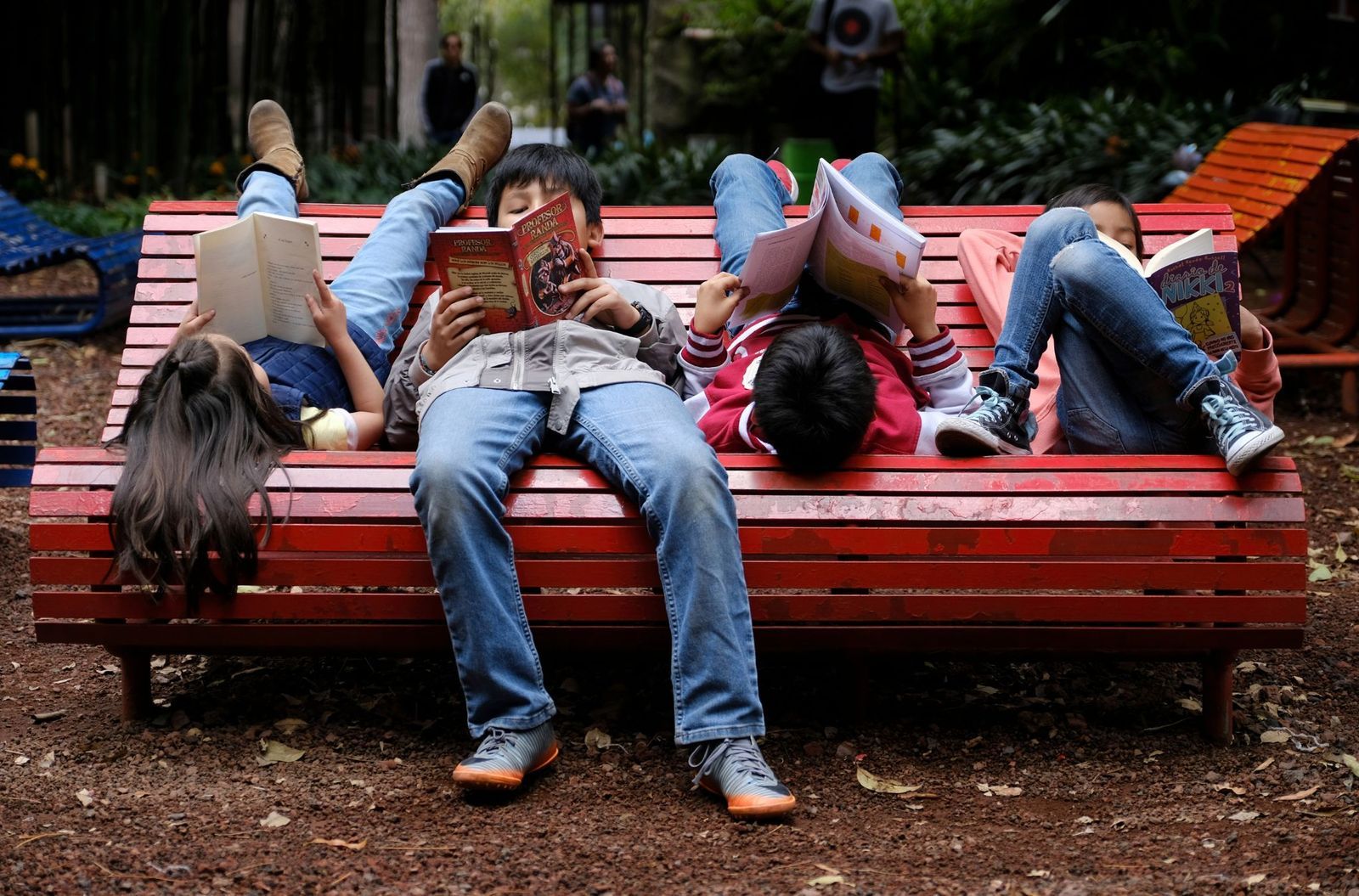
Peter Pan, Alice, Christopher Robin, and even the four March sisters have something in common: they wouldn’t exist today if real-life children hadn’t inspired 10 renowned writers to immortalize them. A restless girl on a rowboat, a 5-year-old stuck in bed with scarlet fever, or a 12-year-old with a box of watercolors and nothing to do on a rainy afternoon were some of them. Here are 10 stories of real kids behind the books we never forgot.
Alice's Adventures in Wonderland, by Lewis Carroll (1865)
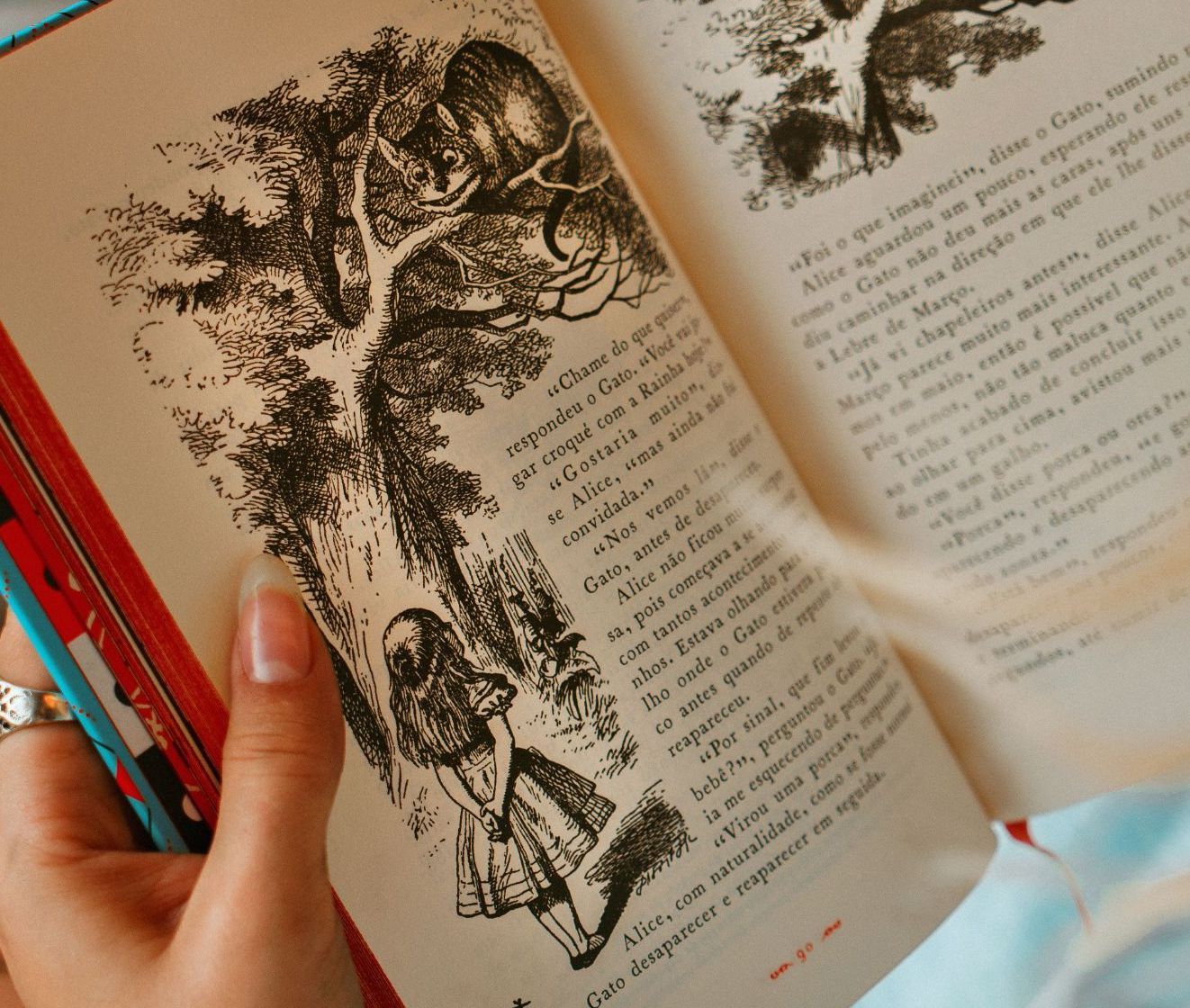
One day during the summer of 1862, three little girls in a rowboat helped change children's literature forever. Charles Dodgson, a young Oxford mathematician, had taken the Liddell sisters, Lorina, Alice, and Edith, on a picnic trip up the Thames. To entertain them, he improvised the tale of a girl named Alice who tumbles down a rabbit hole.
Ten-year-old Alice loved it so much that she asked him to write it down. In November 1864, he gave her a handwritten, self-illustrated manuscript. The expanded version, published in 1865 under the pen name "Lewis Carroll," became Alice's Adventures in Wonderland. In 1928, a widowed Alice sold that manuscript at auction for £15,400 (about £800,000 today), nearly four times its reserve price.
Winnie-the-Pooh, by A. A. Milne (1926)
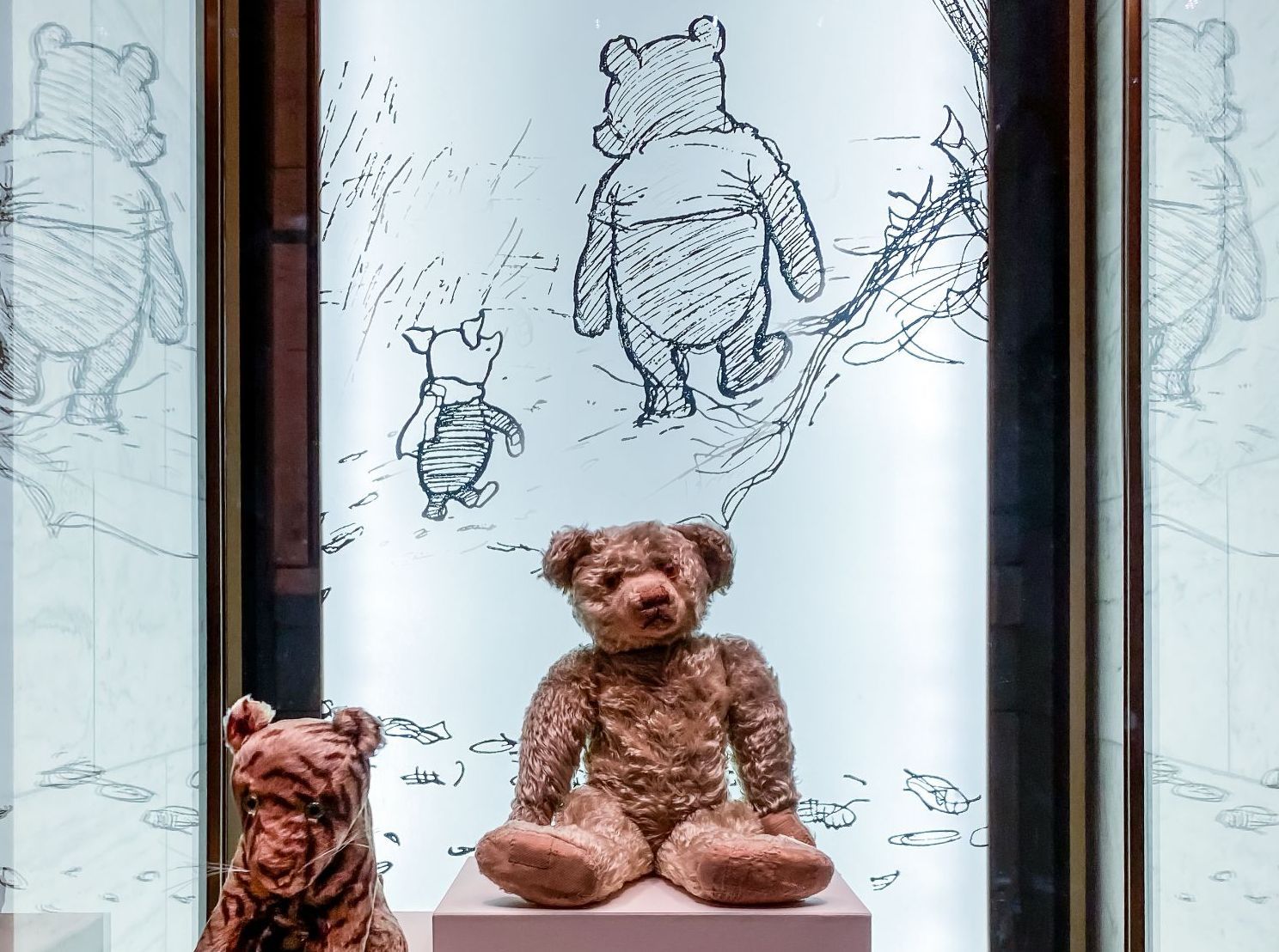
For his first birthday, Christopher Robin, A.A. Milne's son, received a teddy bear from Harrods. The family named it Edward. But later, the boy renamed it after two favorite animals: Winnie, a black bear at the London Zoo named for the Canadian city of Winnipeg, and Pooh, a swan.
Christopher had other toys, like Piglet, Eeyore, Kanga, Roo, and Tigger. His father started writing stories about them and added Owl and Rabbit from his own imagination. Winnie-the-Pooh was published in 1926, with the real boy appearing under his own name. Another sweet detail is that illustrator E.H. Shepard didn't draw Christopher's bear; he sketched his own son's teddy, Growler. The original toys have lived at the New York Public Library since 1987, all except Roo, who was lost in an apple orchard in the 1930s.
Peter Pan, by J. M. Barrie (1911)
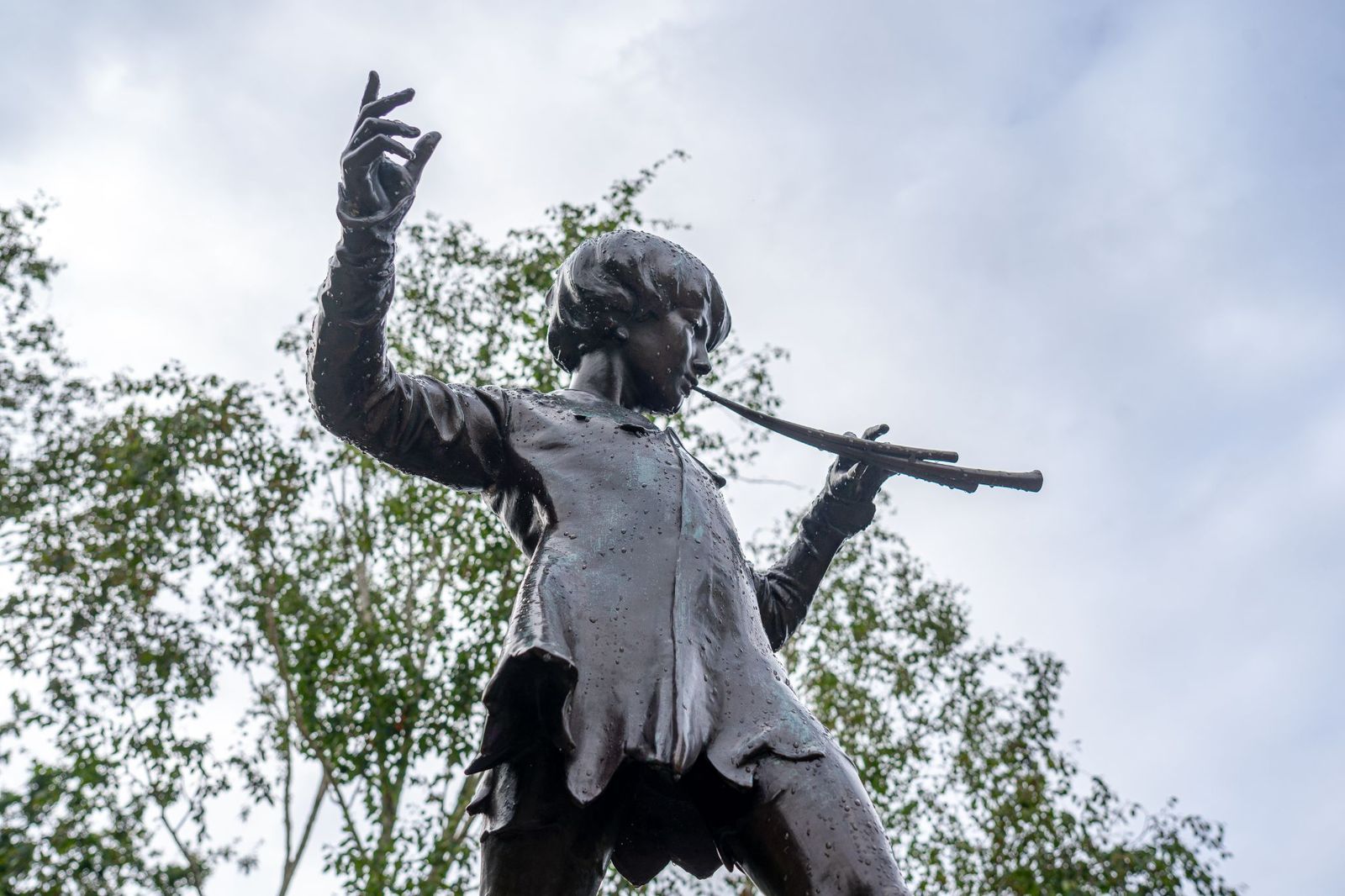
The boy who never grew up was built from five brothers who did. In 1897, Scottish playwright J.M. Barrie was walking through London's Kensington Gardens when he befriended George and Jack Llewelyn Davies, out with their nurse and baby brother Peter.
Barrie won them over by wiggling his ears and telling stories about fairies, pirates, and desert islands. Their games grew into the play Peter Pan, first staged in 1904, and a 1911 novel. The hero took baby Peter's name, though family accounts say George and a younger brother, Michael, were the main models. Wendy's brother John was named after Jack.
After both parents died, Barrie became the boys' guardian. In 1928, he confessed he had made the fictional Peter "by rubbing the five of the boys together." A year later, he gave Peter Pan's rights to London's Great Ormond Street children's hospital.
Treasure Island, by Robert Louis Stevenson (1883)
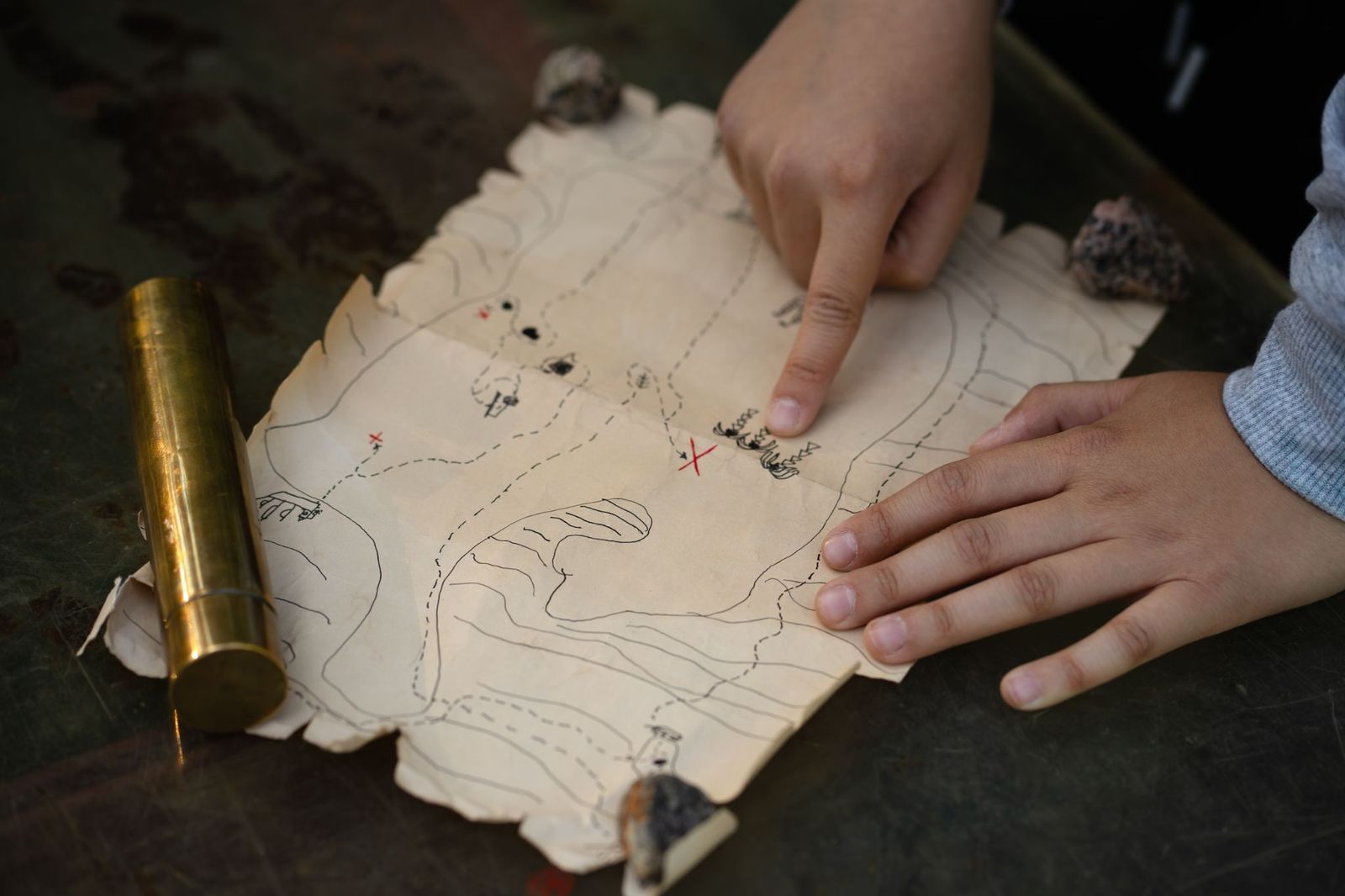
In the rainy summer of 1881, a 30-year-old Scottish writer who had never published a novel was stuck indoors in the Highland village of Braemar. His 12-year-old stepson, Lloyd Osbourne, passed the days painting with a box of watercolors, and one afternoon he was coloring the map of an imaginary island.
Robert Louis Stevenson leaned over his shoulder, added details, and started naming places: Skeleton Island, Spyglass Hill, and finally, in the corner, "Treasure Island." Within days, he was writing chapters and reading them aloud to the family each evening. The tale first ran in a children's magazine under the name "Captain George North" and became a book in 1883. Every pirate cliché since, from the X on the map to the one-legged sailor with a parrot, traces back to that holiday.
Little Women, by Louisa May Alcott (1868)
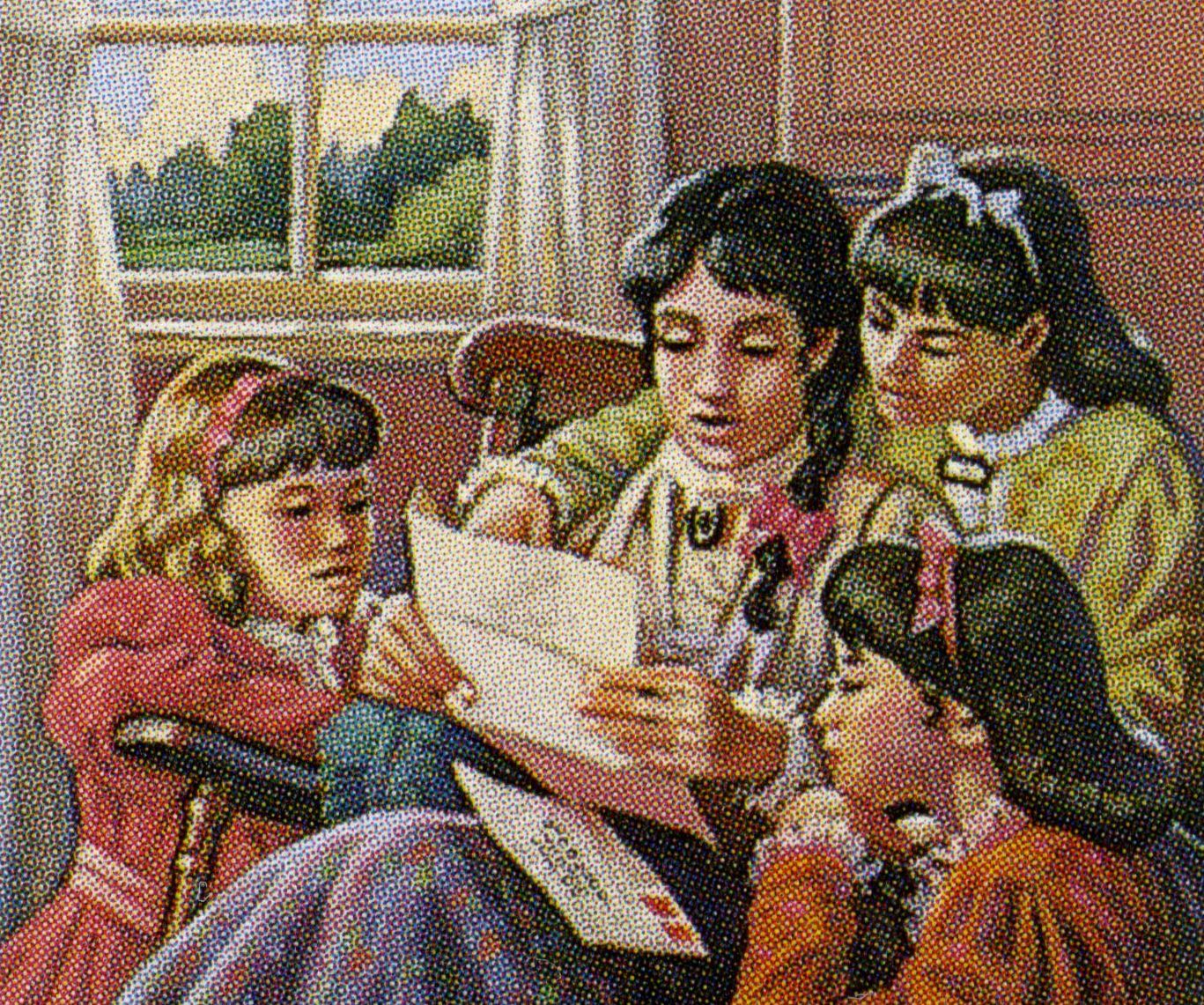
In May 1868, publisher Thomas Niles asked Louisa May Alcott for "a girls' story." In her journal, she wrote that she had never liked girls or known many, except her sisters. So she wrote about them.
Tomboyish, bookish Jo was Louisa herself. Meg was her older sister, Anna, who fell in love with her husband while acting opposite him in a play and married him in the family parlor, just like Meg. Gentle Beth was Lizzie, who caught scarlet fever from a poor family their mother had helped, as Beth does, and died in 1858. Artistic Amy was May, whose name Louisa simply rearranged. The real May illustrated the first edition of the book.
The Lion, the Witch and the Wardrobe, by C. S. Lewis (1950)
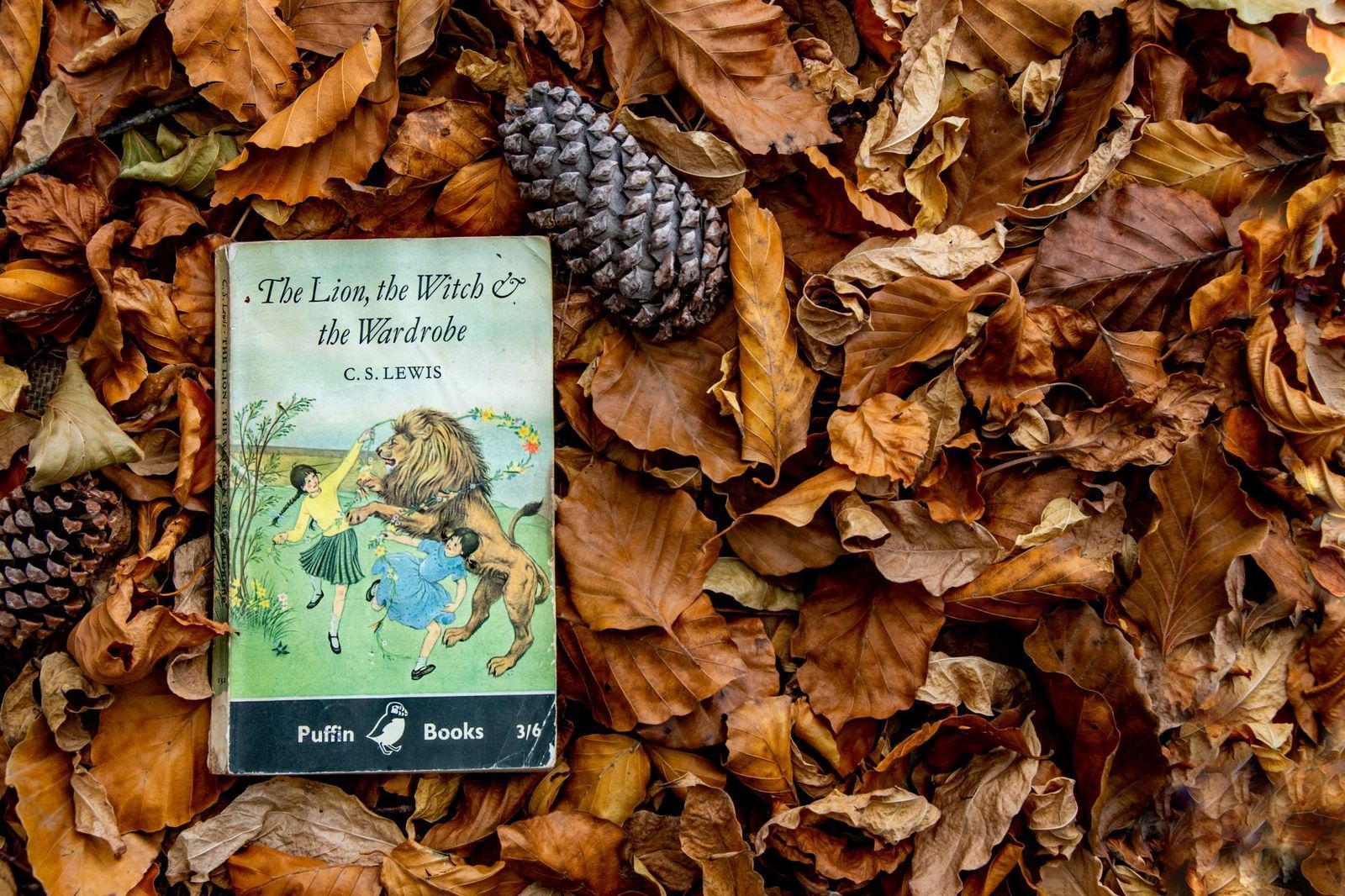
When World War II began in September 1939, a group of evacuated schoolgirls arrived at C.S. Lewis's home outside Oxford. This was probably the spark for a story about four children sent away from London to an old country house, where the youngest finds a magic wardrobe.
Lewis named that girl Lucy, after his goddaughter, Lucy Barfield, daughter of his close friend Owen. He began the book when she was 4 and finished it when she was 13. The Lion, the Witch and the Wardrobe was published in 1950 and became the first of seven Chronicles of Narnia.
Pippi Longstocking, by Astrid Lindgren (1945)
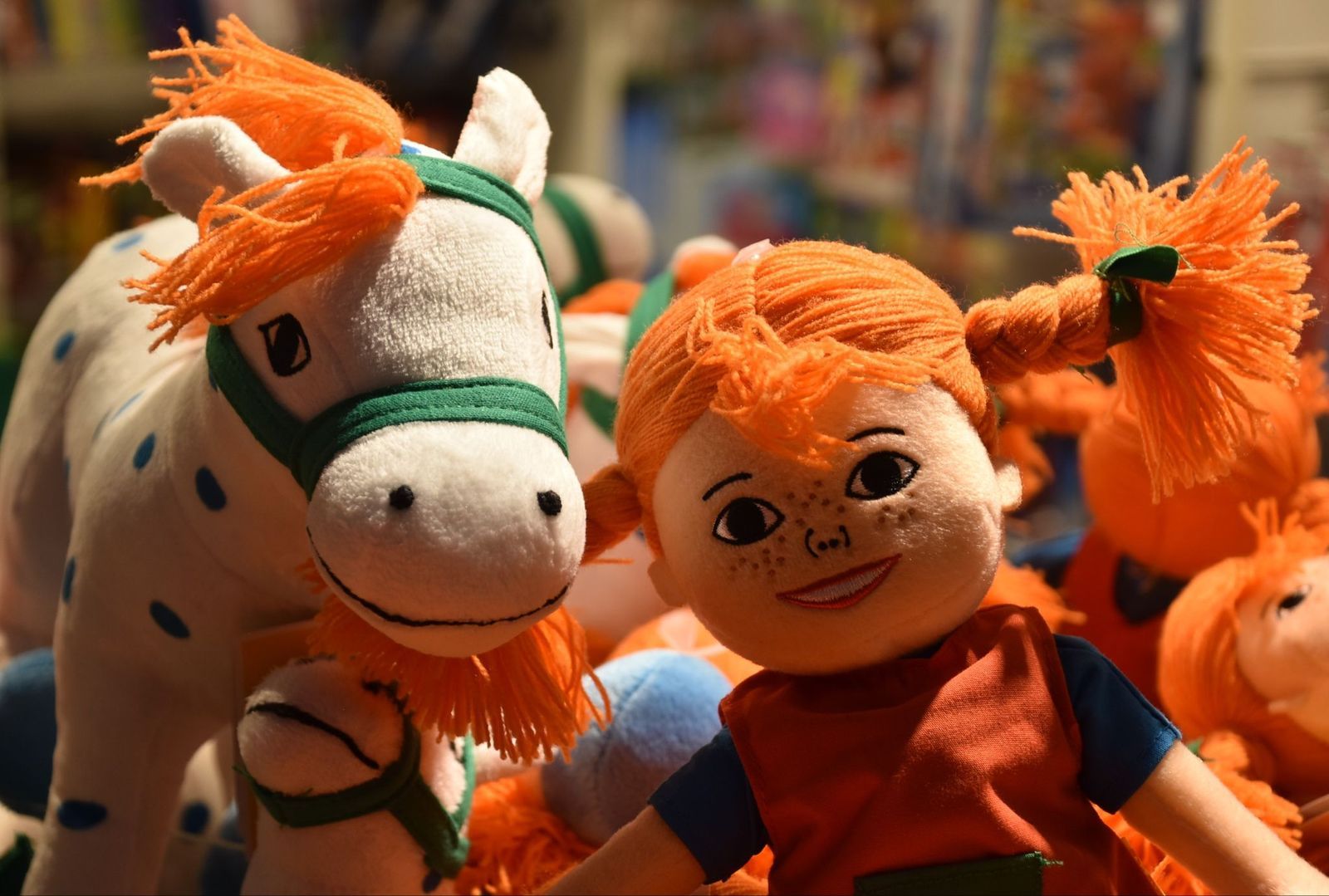
The strongest girl in the world was invented by a sick 7-year-old. In the winter of 1941, Karin Lindgren was confined to bed in Stockholm with pneumonia and asked her mother, Astrid Lindgren, for a story about "Pippi Longstocking," a name she made up on the spot.
Astrid reasoned that such a strange name deserved a strange girl, and improvised the tale of a freckled, red-braided 9-year-old who lives without parents and can lift a horse with one hand. The stories became a family ritual and later, in 1944, laid up with a sprained ankle, Astrid finally wrote them down as a present for Karin's 10th birthday. Years later, Karin confessed that she identified less with Pippi than with Tommy and Annika, the well-behaved children next door.
Little Lord Fauntleroy, by Frances Hodgson Burnett (1886)
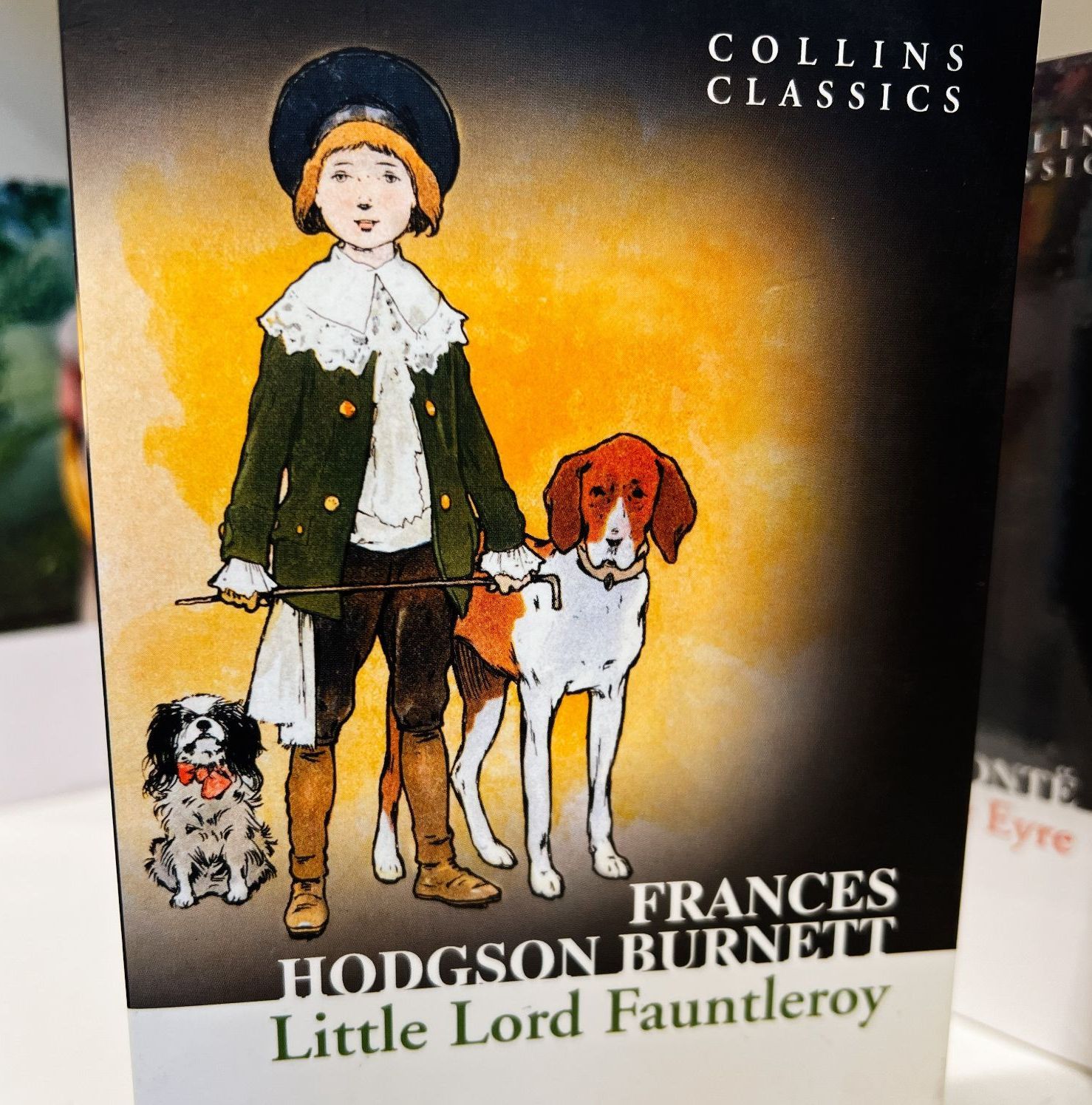
Frances Hodgson Burnett's Little Lord Fauntleroy, about a kind-hearted American boy who learns he is heir to an English earl, was serialized in St. Nicholas magazine and published as a book in 1886.
Its hero, Cedric, was modeled on her younger son, Vivian, right down to the long curls and the velvet suits with lace collars she sewed for her boys herself. The book launched a fashion craze, and countless American boys were squeezed into "Fauntleroy suits." Vivian cut his curls by age 10, but a magazine article by his mother publicly identified him as the model. When he died in 1937, just after helping rescue four people from a capsized sailboat, the New York Times headline still called him the "Original Fauntleroy."
The Tale of Peter Rabbit, by Beatrix Potter (1902)
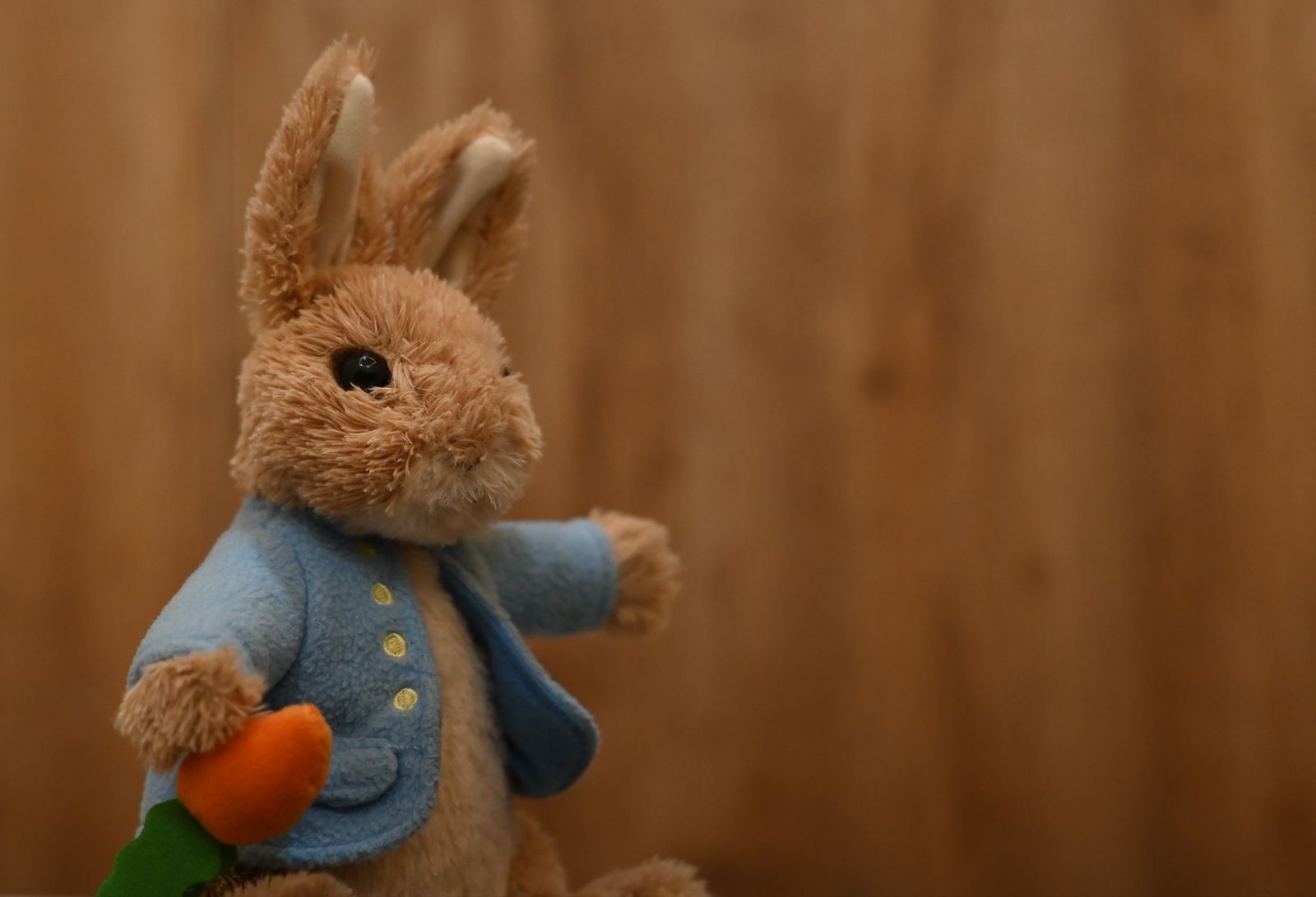
It all started as a get-well letter. Beatrix Potter was 27 years old in 1893, on holiday in Scotland when she wrote to Noel Moore, the 5-year-old son of her former governess, who was recovering from scarlet fever.
Unsure what to write, she decided to "tell a story about four little rabbits": Flopsy, Mopsy, Cottontail, and Peter. She illustrated it as she went, and the mischievous hero was inspired by her own pet rabbit, Peter Piper. In 1900, Noel's mother suggested that Potter's picture letters could become books. Publishers turned the story down, so in 1901 Potter printed 250 copies herself. The following year, Frederick Warne, one of the firms that had rejected her, published The Tale of Peter Rabbit in color. It has never been out of print since.
The Snowy Day, by Ezra Jack Keats (1962)
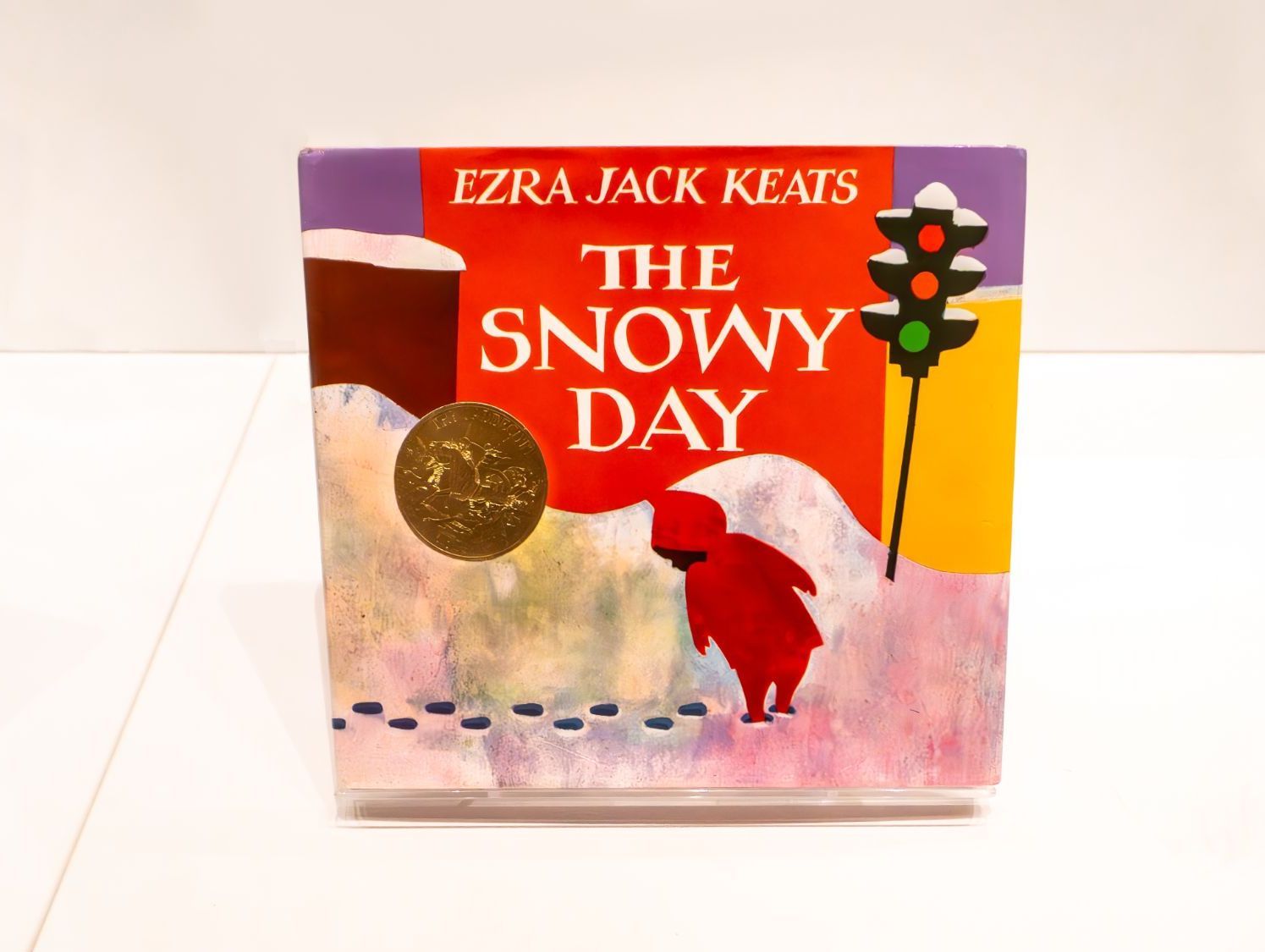
In 1940, Life magazine ran a strip of four photos of a small boy in Liberty County, Georgia, waiting nervously for a blood test. A 24-year-old artist named Ezra Jack Keats cut them out and pinned them above his desk. He later recalled being captivated by the boy's face, his posture, even the way he wore his clothes.
Keats never learned the real boy's name, but the photos stayed with him for more than two decades. When Keats finally wrote and illustrated a book of his own, that boy became Peter, who wanders his city neighborhood after the first snowfall. The Snowy Day (1962) was built from cut paper, handmade stamps, and spattered ink, and in 1963 it became the first Caldecott Medal winner with an African American child as its hero. The book, however, went on to become the most checked-out title in New York Public Library history.