Identity crisis

What do Burma, Rhodesia, and Siam have in common? They all changed names!


Published on May 1, 2026
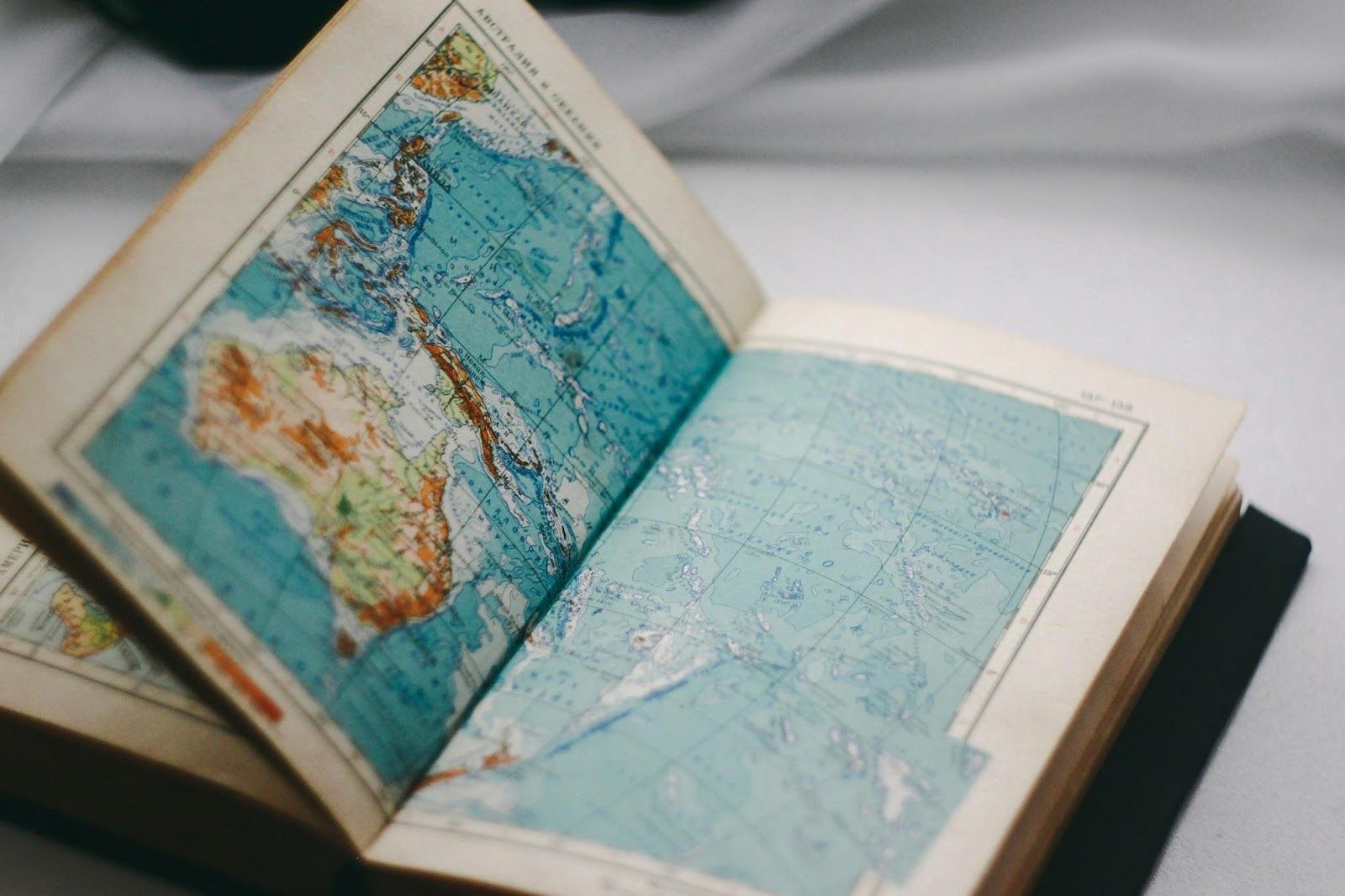

Image: pure julia

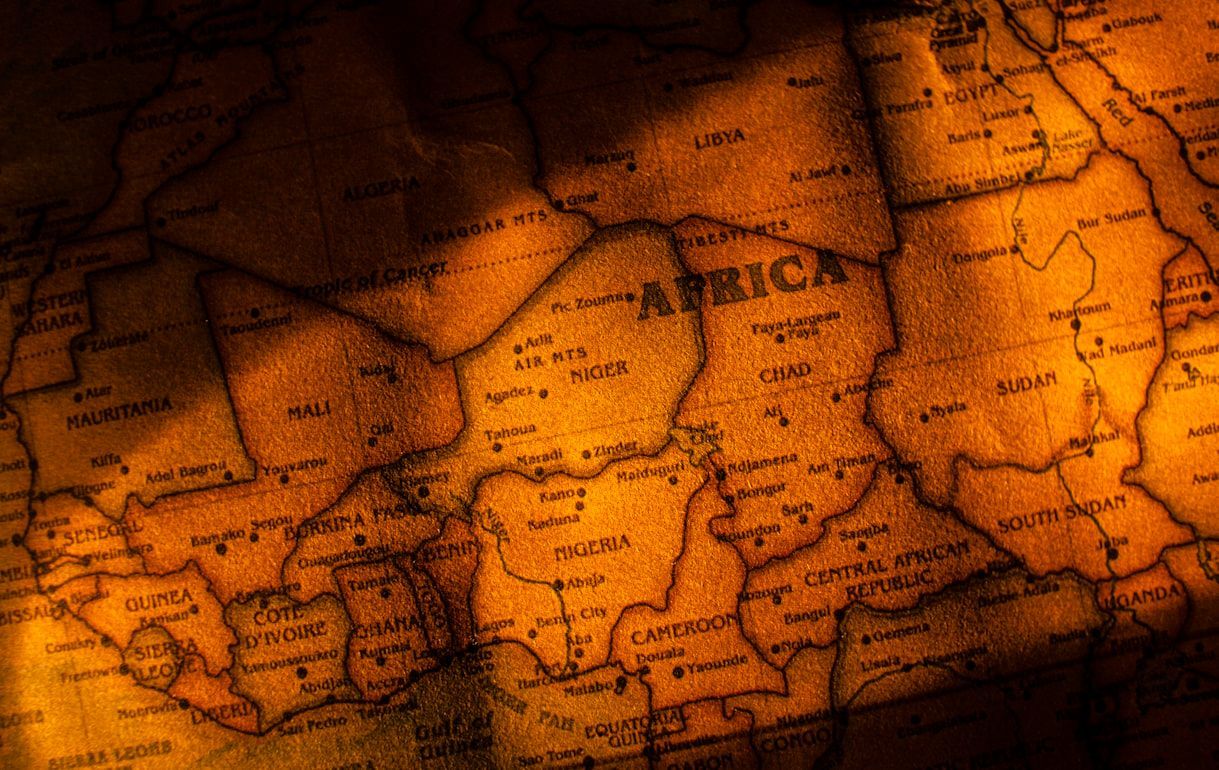
Countries rename themselves for many reasons—shedding colonial pasts, embracing local languages, or settling political disputes. Some changes are subtle, others dramatic, but each reflects deep historical, cultural, or geopolitical shifts. Here are 10 times a nation decided to swap out its old name for a new identity.

1

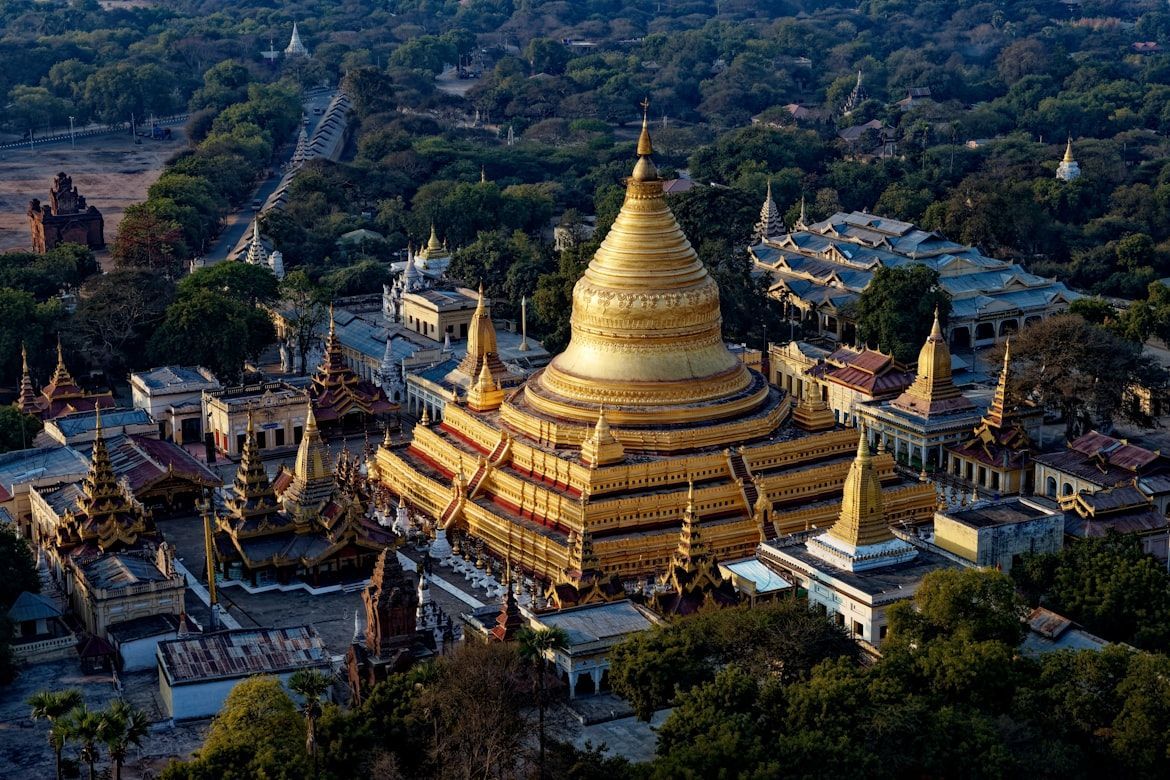
Burma to Myanmar

Image: Yves Alarie

In 1989, the ruling military junta of the country changed "Burma" to "Myanmar" to reflect what it said was a more inclusive, indigenous identity. The name "Burma" was strongly associated with British colonialism and the dominant Bamar ethnic group.

The UN and many countries recognized the change, but some, like the U.S. and UK, resisted for years as a political stance against the unelected military regime behind the change.

2

Swaziland to Eswatini

Image: S'mile Vilakati

In 2018, King Mswati III declared that Swaziland would become Eswatini, meaning "land of the Swazis" in the local language. He announced the change during the country’s 50th independence anniversary.

The king cited confusion with Switzerland and a desire to break with colonial-era names as reasons. Also, the new name had already been in unofficial use for years during local events.

3

Ceylon to Sri Lanka

Image: Hendrik Cornelissen

In 1972, the island nation officially changed its name from Ceylon to Sri Lanka after becoming a republic. "Sri Lanka" derives from Sanskrit, meaning "resplendent island."

The name "Ceylon" was tied to Portuguese, Dutch, and British colonial rule. However, some companies (like Ceylon Tea) still use the old name as a global brand.

4

Zaire to Democratic Republic of the Congo
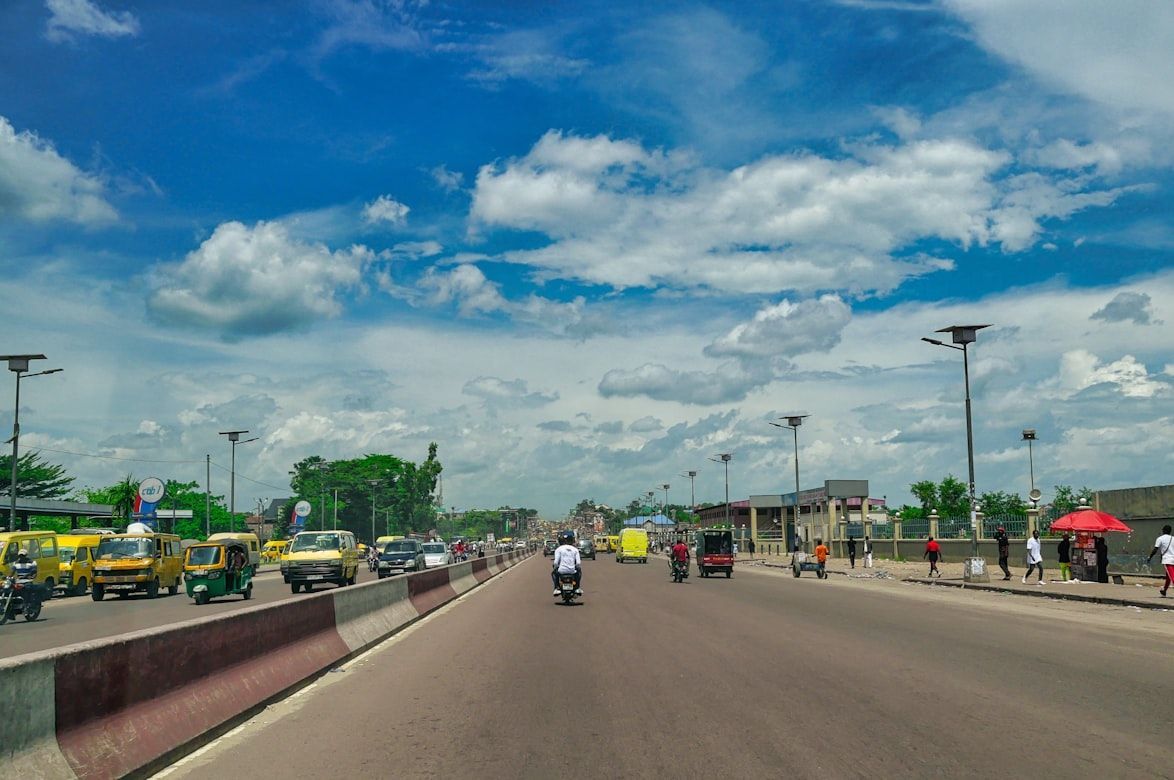
Image: Kaysha

In 1997, after the dictatorial regime of Mobutu Sese Seko was overthrown, Zaire reverted to its pre-1971 name: the Democratic Republic of the Congo.

"Zaire" had been Mobutu’s attempt to Africanize the nation, but reverting to the original name also caused its own problems, since its neighbor is also named the Republic of the Congo, leading to some confusion for both locals and tourists.

5

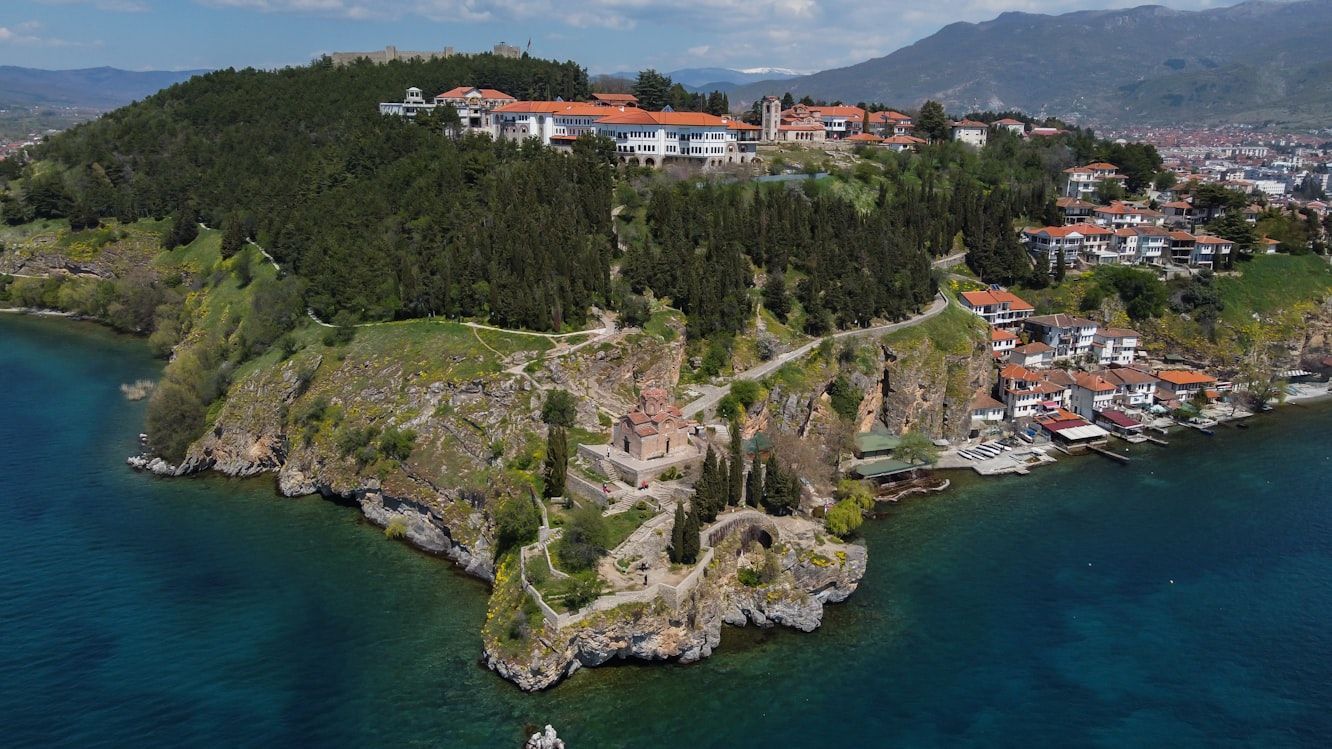
Macedonia to North Macedonia

Image: Ljupco Dzambazovski

After years of dispute with Greece over the name "Macedonia," the country officially became North Macedonia in 2019. Greece claimed "Macedonia" implied a territorial claim over its northern region of the same name.

The compromise unblocked North Macedonia’s path to NATO and EU talks. Though controversial domestically, the change ended a decades-long diplomatic standoff.

6

Kampuchea to Cambodia

Image: allPhoto Bangkok

Under the Khmer Rouge regime, the country was known as Democratic Kampuchea. After the regime’s fall in 1979, the name gradually returned to "Cambodia," the anglicized form of the original name.

By 1993, with the monarchy restored and a new constitution, "Kingdom of Cambodia" became official. "Kampuchea" is still used in the Khmer language, but not internationally.

7

Upper Volta to Burkina Faso

Image: Road Ahead

In 1984, revolutionary leader Thomas Sankara renamed Upper Volta to Burkina Faso, meaning "Land of Incorruptible People" in local languages. The old name referred to river tributaries of the region.

Sankara saw the change as a break from colonial legacy and a tribute to national dignity. The people became known as Burkinabé, a new term coined to reflect unity.

8

Holland to the Netherlands

Image: Azhar J

This was more a rebranding than a true name change. "The Netherlands" has always been the country’s official name, whereas "Holland" refers only to two provinces. In 2020, the Dutch government stopped using "Holland" in international marketing to avoid confusion.

The change was part of a tourism and trade branding overhaul, with major events like Eurovision and the Olympics adopting "Netherlands" exclusively in their materials.

9

Siam to Thailand

Image: Mathew Schwartz

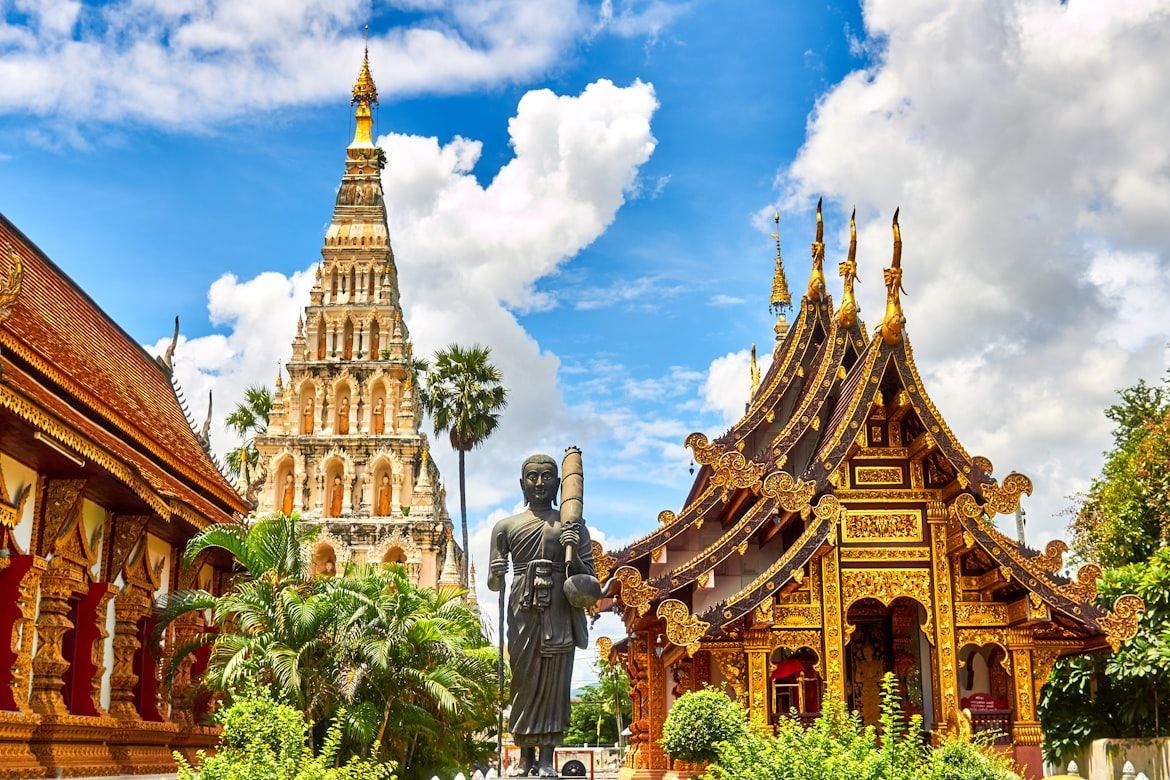
In 1939, and again officially after WWII in 1949, the country dropped the name Siam to become Thailand, meaning "land of the free."

The change was mainly driven by a nationalist movement that sought to unify the country under a more inclusive Thai identity. While the name "Siam" carried some specific cultural connotations, the name "Thailand" emphasized sovereignty and the ethnic majority’s rule.

10

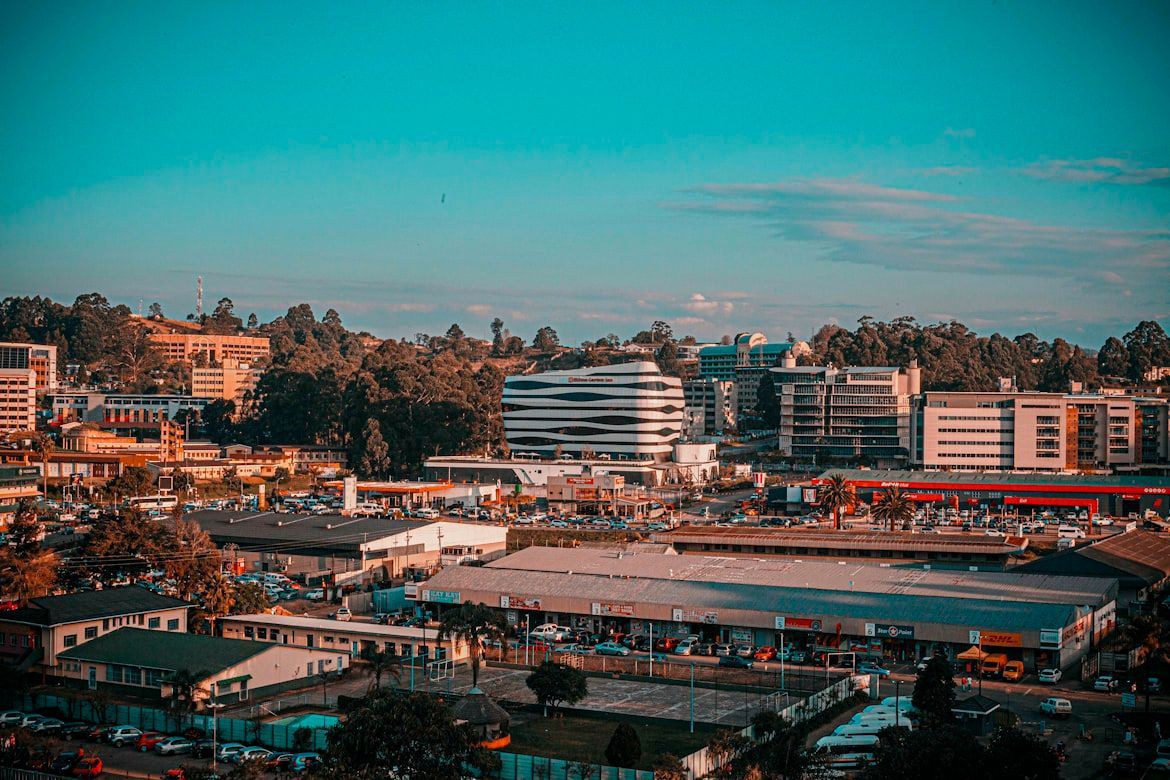
Rhodesia to Zimbabwe

Image: Chloe Evans

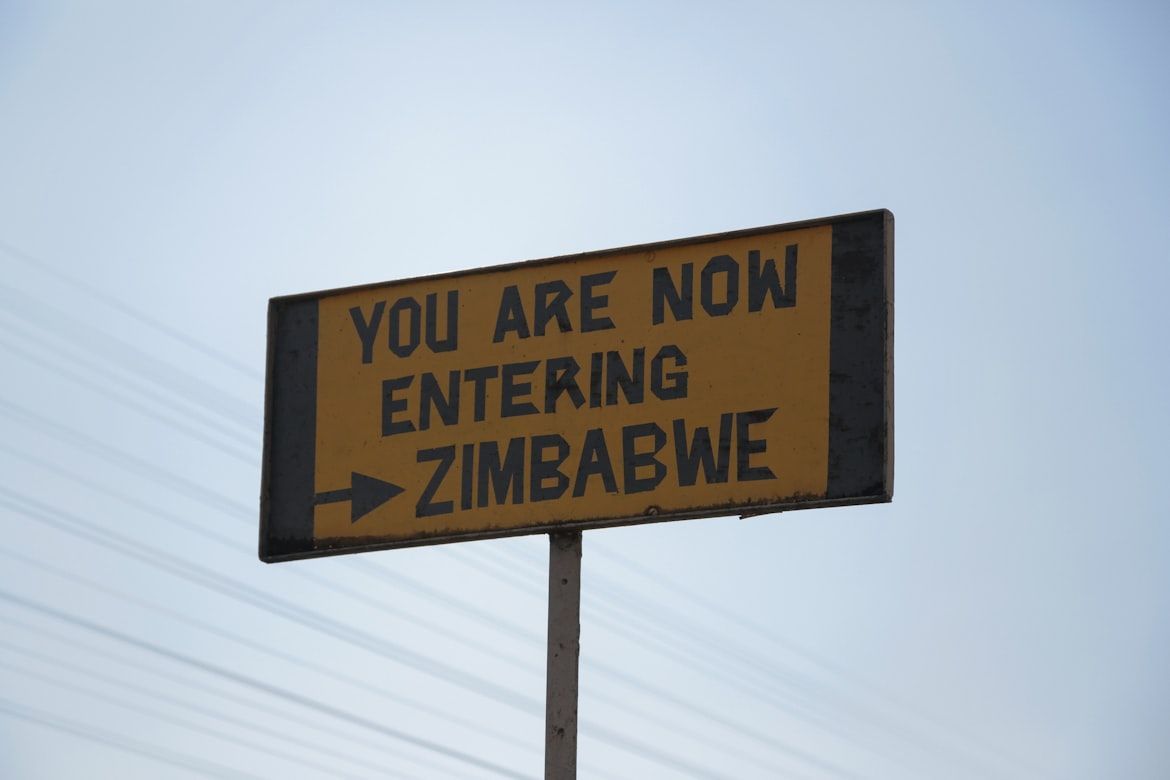
In 1980, the unrecognized white minority government of Rhodesia was replaced, and the country became Zimbabwe, derived from "Great Zimbabwe," an ancient city of the region.

The old name honored British imperialist Cecil Rhodes. The new one reclaimed African history and identity after years of brutal conflict.
Have an apple

11 Common medical misconceptions you probably once believed


Published on May 1, 2026


Image: Nikolai Chernichenko

Medicine is complicated, and it's easy for folklore, memes, and half-remembered advice to creep their way into our collective subconscious. Some of these myths are harmless, others are misleading, and many are downright dangerous. Let's take a look at 11 medical misconceptions that have endured over time, and that you've probably believed at one time or another.

1

An apple a day…

Image: Isabella Fischer

..keeps the doctor away, right? Apples are healthy. They are full of fiber, vitamins, and antioxidants. But, as you probably know, they aren't enough to ward off disease on their own. The phrase originated in 19th-century Wales as "Eat an apple on going to bed, and you’ll keep the doctor from earning his bread." The rhyme is charming, but fortunately, doctors still get plenty of bread.

2

Cracking your knuckles gives you arthritis

Image: Kotagauni Srinivas

That satisfying pop comes from collapsing gas bubbles in the fluid of your joints, not from your bones grinding to dust. Decades of peer-reviewed research show no link between knuckle-cracking and arthritis or bone deterioration. It might be irritating for those around you, but not bad for your joints.

3

Shaving makes your hair grow back thicker

Image: Guus Baggermans

It does feel that way, but it's only an optical illusion: the new growth feels blunt and coarse when compared to a tapered hair tip. However, the follicles themselves are unaffected by shaving. Your hair’s growth rate and thickness are determined by genetics.

4

Swallowed gum stays in your stomach for 7 years

Image: Andra C Taylor Jr

This one is nothing more than a parental scare-tactic propaganda. Gum is indeed indigestible, but it doesn’t remain trapped inside you forever. It passes through your digestive tract quite efficiently, just like corn or sunflower seeds. Certainly in days, not 7 years.

5

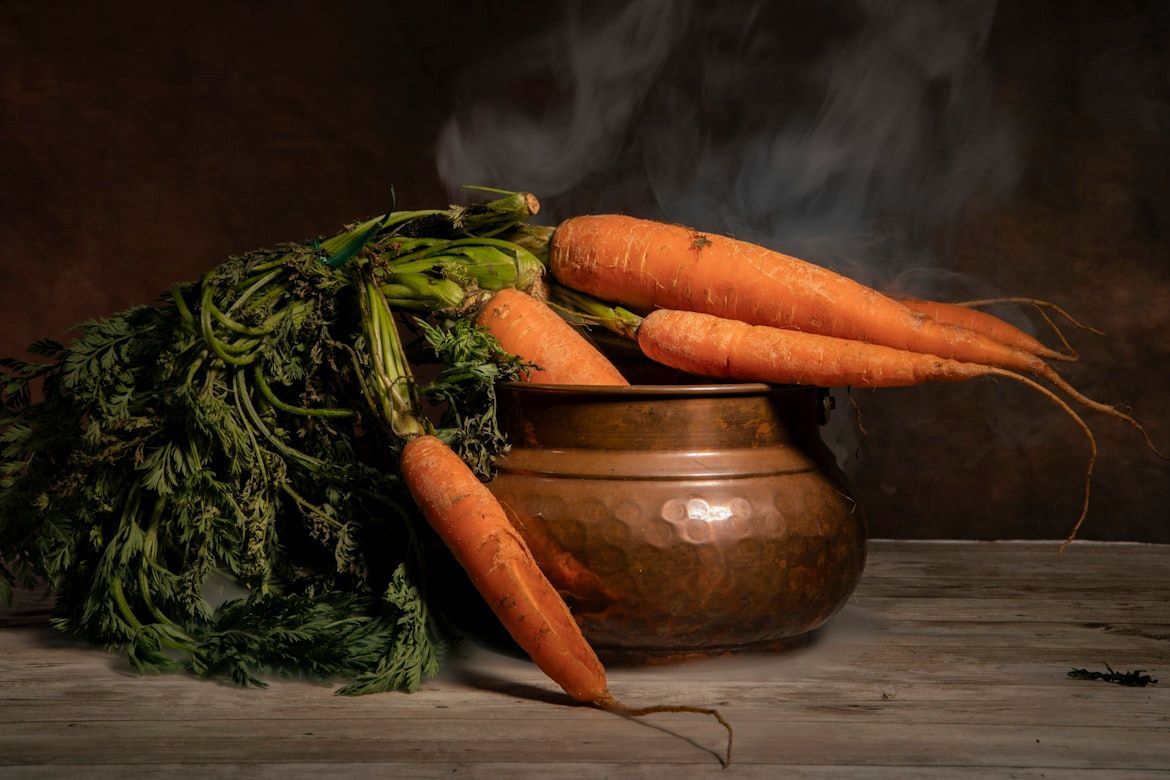
Carrots will give you night vision

Image: Angelo Casto

Although carrots are good for overall eye health, the myth that they have the power to give you night vision stems from a little bit of British World War II propaganda. The British Royal Air Force claimed that their pilots had uncannily good night accuracy because of their carrot-heavy diets. In reality, it was a cover story to conceal their use of radar technology.

6

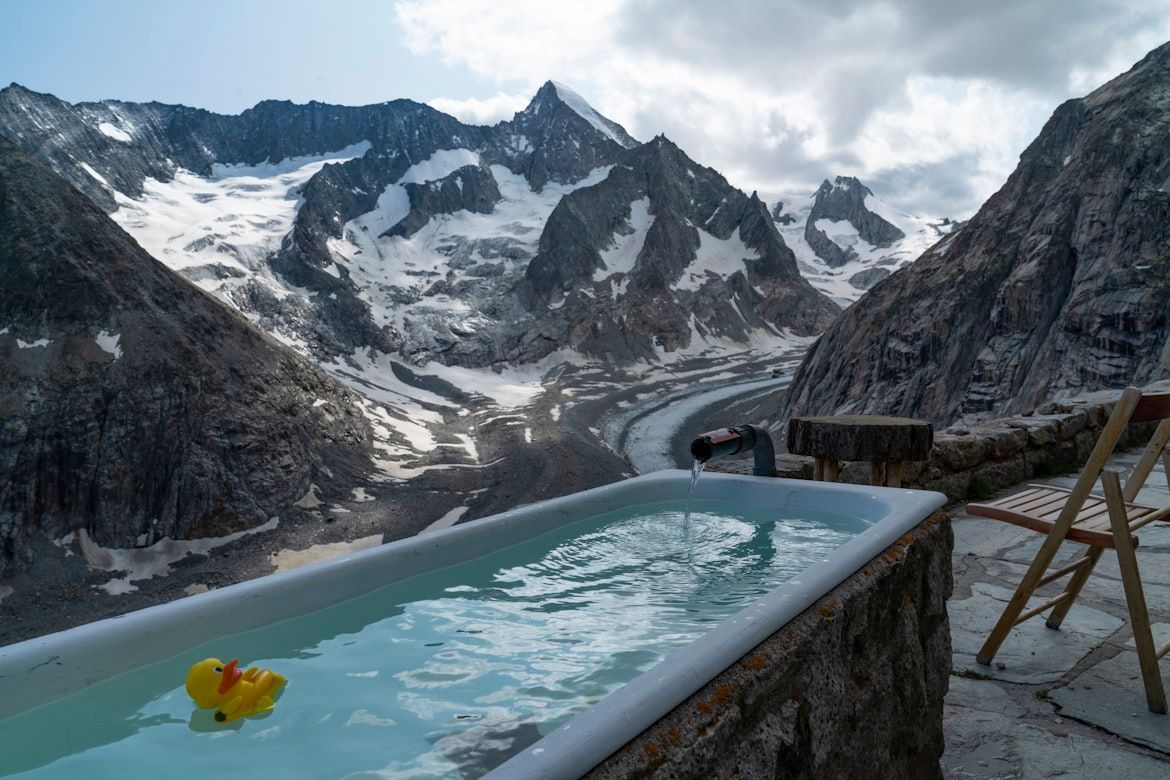
An ice bath will sober you up

Image: Tobias Oetiker

Neither black coffee nor cold showers can accelerate the rate at which your body metabolizes alcohol. Ask any doctor for a recipe to sober up quickly, and they will tell you the sad, sad truth: it's impossible.

Plenty of people claim to have found a trick to solve this problem. However, no matter how many freezing showers you take, they will only make you cold, wet, and awake, but still drunk.

7

Hiccups can be cured if you…

Image: engin akyurt

Well, it depends on who you ask. There’s a long list of home remedies: hold your breath, drink water upside down, have a friend scare you, and so on. While some of these techniques might help by resetting your diaphragm, the truth is that most hiccups fade on their own within minutes. And if they don’t, you’re better off seeing a doctor than cycling through an endless number of folk cures.

8

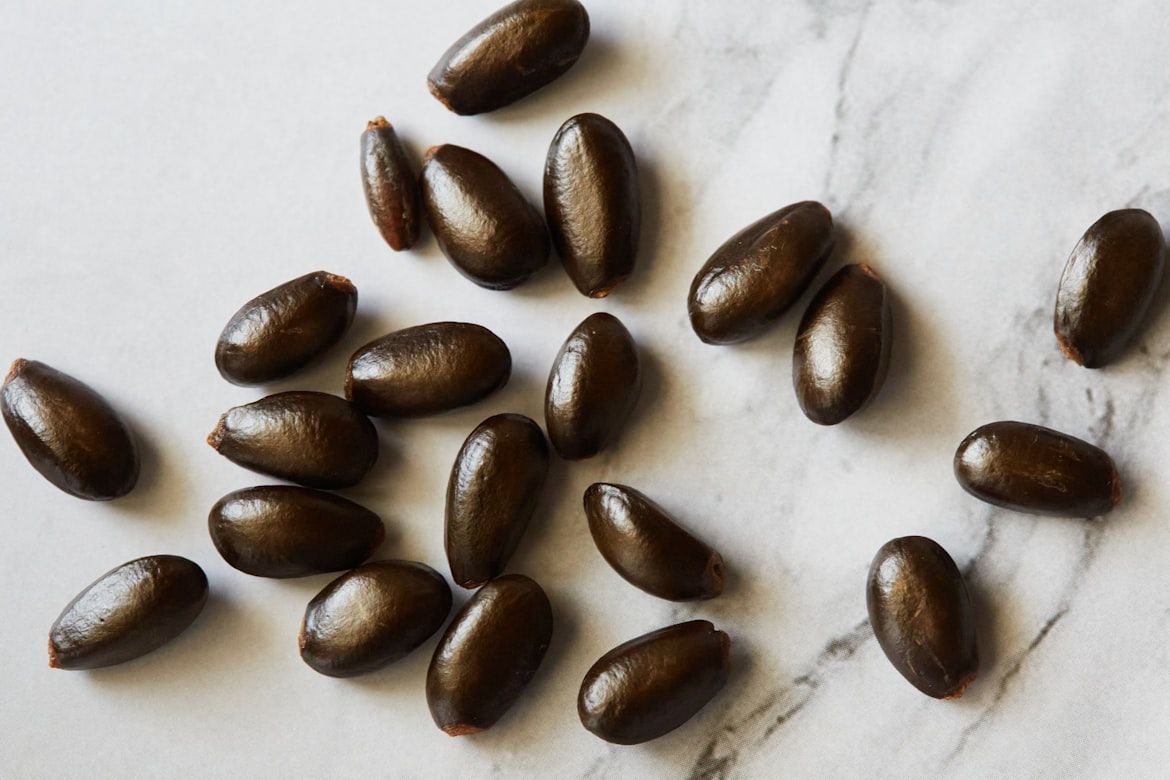
Arsenic in apple seeds can kill you

Image: Alfred Quartey

In reality, apple seeds contain amygdalin, which the body can convert into toxic cyanide (not arsenic). However, the amount of amygdalin in apple seeds is tiny: you would need to crush and eat over 150 apple seeds to get anything close to a dangerous dose. Or you could simply avoid eating the seeds altogether.

In any case, apples are far better at keeping the doctor away than they are at poisoning you.

9

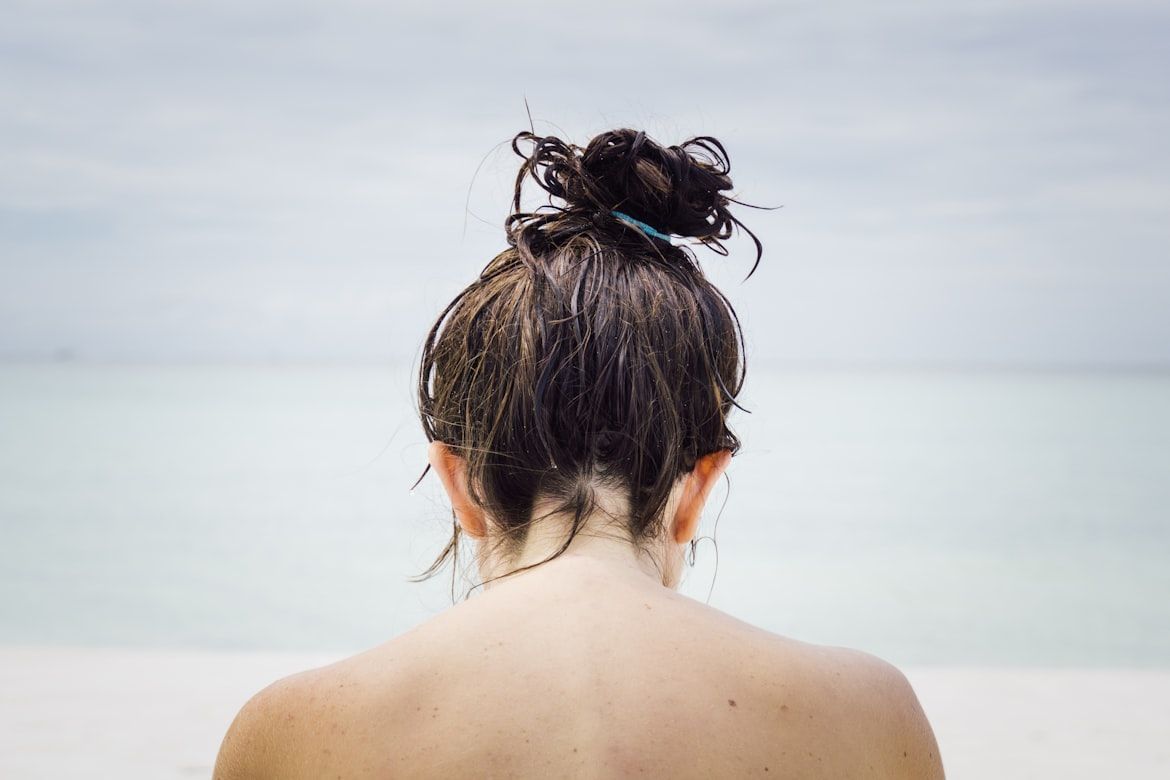
Don't go outside with wet hair!

Image: Chris Slupski

If you do, you'll catch a cold. Or that's what this myth would have us believe. In fact, wet hair in chilly weather will just make you uncomfortable.

As we know, colds are caused by viruses that get into our systems. Being cold or damp doesn't conjure viruses out of thin air. That being said, lowering your body's temperature might weaken your immune defenses slightly, but the real culprits are still unequivocally the germs.

10

You only use 10% of your brain

Image: Shubham Dhage

A Hollywood myth that has crawled deep into our collective imagination. While the exact origin of the phrase is unclear, it is often associated with the lectures of Harvard psychologist William James, who told audiences that we only tap a fraction of our full potential during the 1890s. The idea then evolved and spread through self-help and motivational literature, eventually becoming the widely believed claim we know today.

Scientific research has thoroughly debunked this notion. While the inner workings of much of our brain are still unknown to us, we do know that virtually all of it has a function, and we use 100% of it.

11

Eating turkey makes you sleepy

Image: Megan Watson

A Thanksgiving classic, people like to blame their festive drowsiness on the turkey. There is some scientific basis for this: turkey does contain tryptophan, an amino acid that promotes sleep.

However, the amount in turkey is minimal and no greater than that found in chicken or beef. The real culprits behind your post-dinner nap are the carb overload, extra drinks, and day-long festivities—not the turkey itself.

Looking for an extra scoop of literary fun?

Learn more with our Word of the day

candid

/ˈkændəd/