Words travel fast

If you know it in English, then you know it in French, too: 12 loan words


Published on February 20, 2026


Image: Daniel Fazio

Just in the same way as English speakers have adopted many foreign words into their daily lexicon, many English words have been adopted by other languages as well. The following 12 are loan words that can be heard all over the world in non-English conversations. Some are known examples, some will definitely surprise you.

1

Handy - German

Image: Jonas Leupe

Germans can refer to their mobile phones as "handy". And, while this word is more associated with radio transmitters to English speakers, it is not unreasonable to call those hand-held devices, handies.

2

Peeling - German

Image: Rosa Rafael

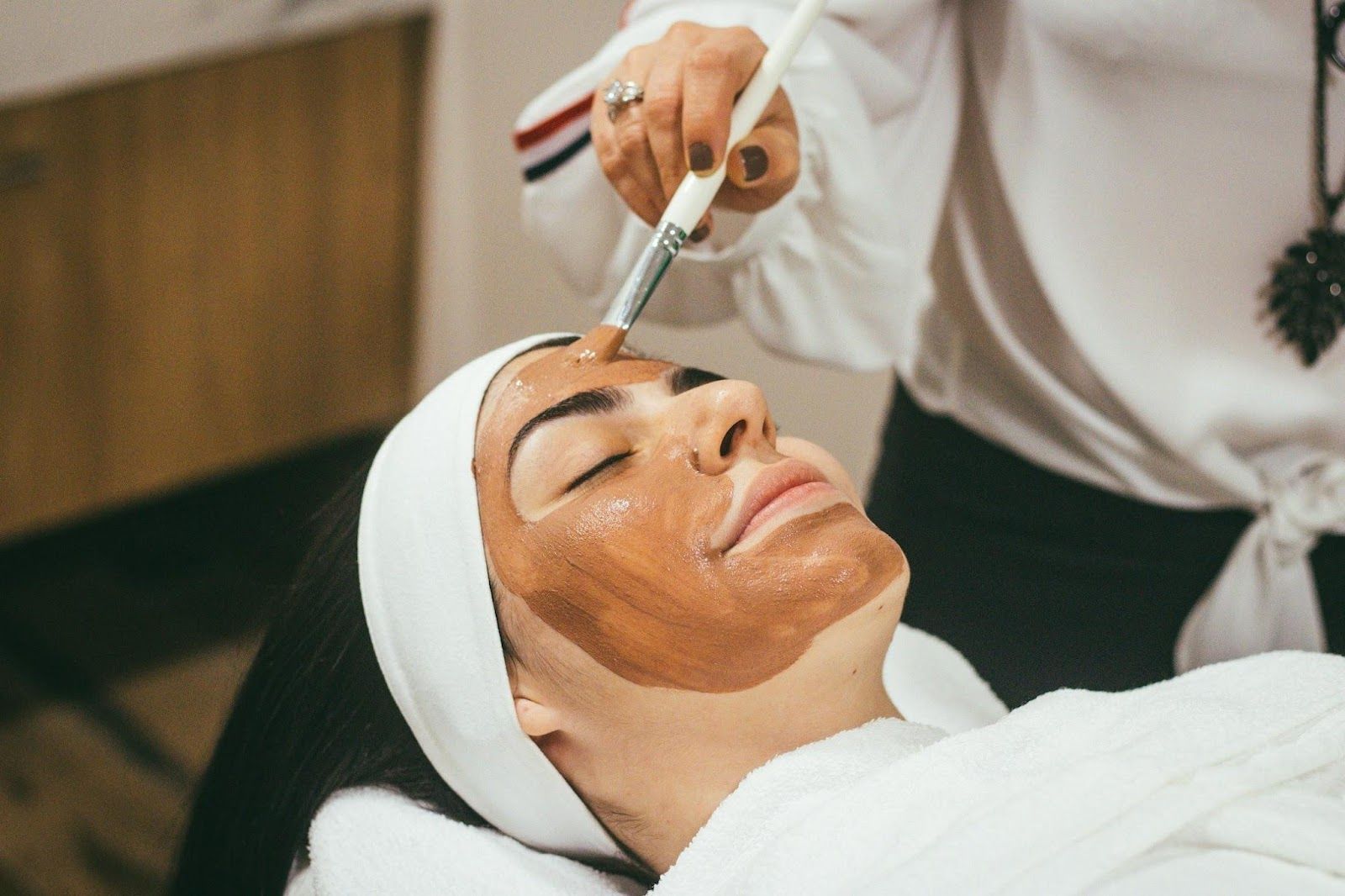
Another word Germans borrowed from the English language, peeling is not used in the sense of peeling a banana, but rather is used to describe a body scrub or an exfoliator.

3

Parking - French

Image: Mathieu Renier

The very elegant French language has adopted a few English words into its daily vocabulary, and parking is one of them. But with the added "le" article before, adding some charm to the term: le parking.

4

Email - French

Image: Justin Morgan

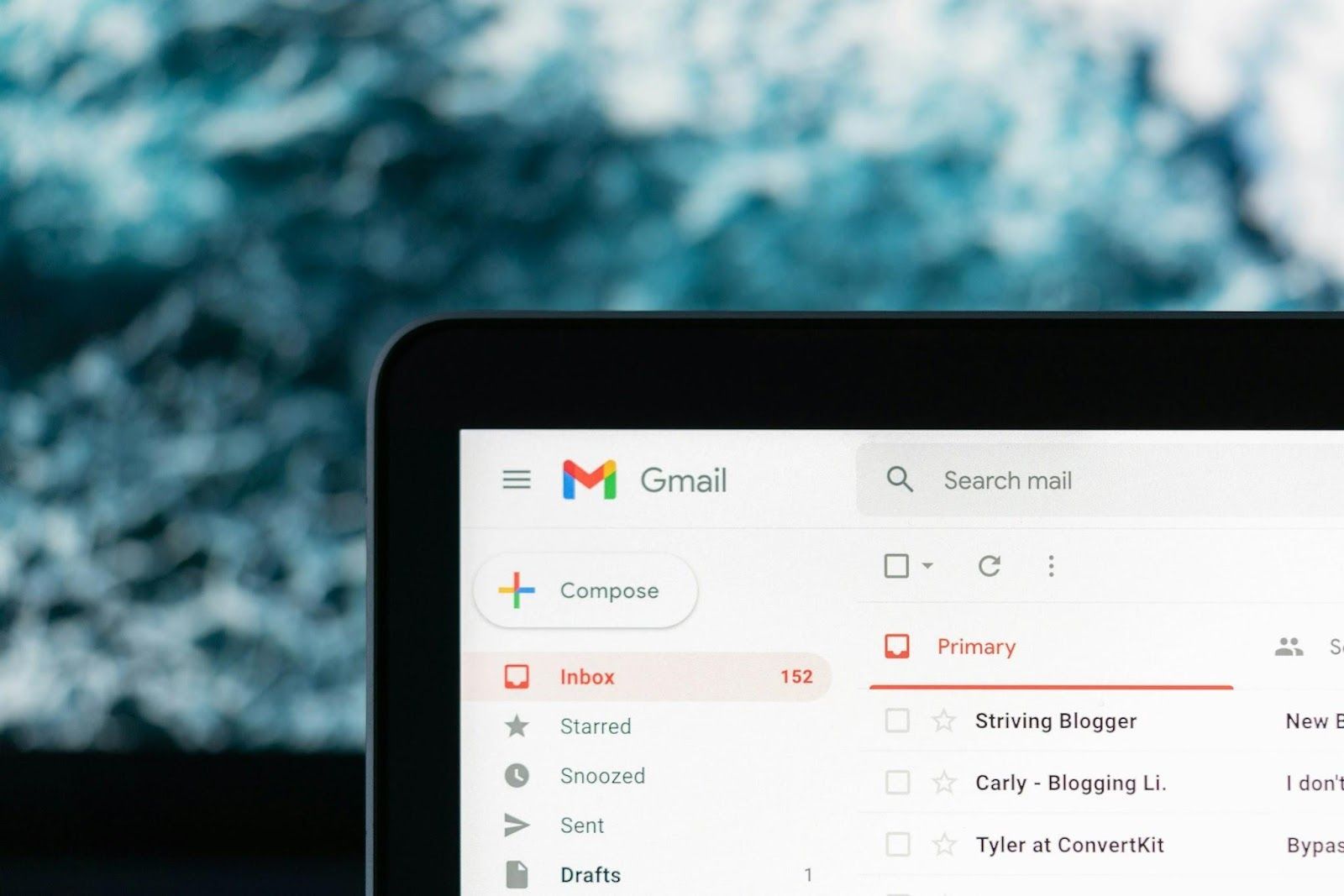
Interestingly, France is one of the few countries that tried to translate and incorporate technology-related terms, but eventually gave up and started using the English versions. For a while, emails were referred to as "courriels", before reverting back to email.

5

Camping - Italian

Image: Scott Goodwill

A language with roots as ancient as Latin, Italian lacks many words describing modern things. And one of these is the one used to describe this joyous outdoor activity, camping. Therefore, when Italians want to spend a night in a tent, or under the stars, they call it camping.

6

Meeting - Italian

Image: Redd Francisco

Another word Italians have borrowed from the English language is "meeting", but in a business sense. If Italians get together more informally, they call it a riunione.

7

Footing - Spanish

Image: Alex McCarthy

When Spanish people talk about a good footing, they are not referring to a solid foundation, but (as it does in other languages as well) to a good jogging session.

8

Autostop - Spanish

Image: Hédi Benyounes

In Spanish-speaking countries, talking about autostop does not mean some kind of automatic shutdown or anything like that, but, instead, it means to hitchhike.

9

Internet - Global

Image: John Schnobrich

Perhaps it has to do with the fact that this is a relatively new word and almost no other language has created a word of its own to describe it. But, in any case, most languages around the world use the English word to describe the mother of all digital networks.

10

Weekend - Danish

Image: Sincerely Media

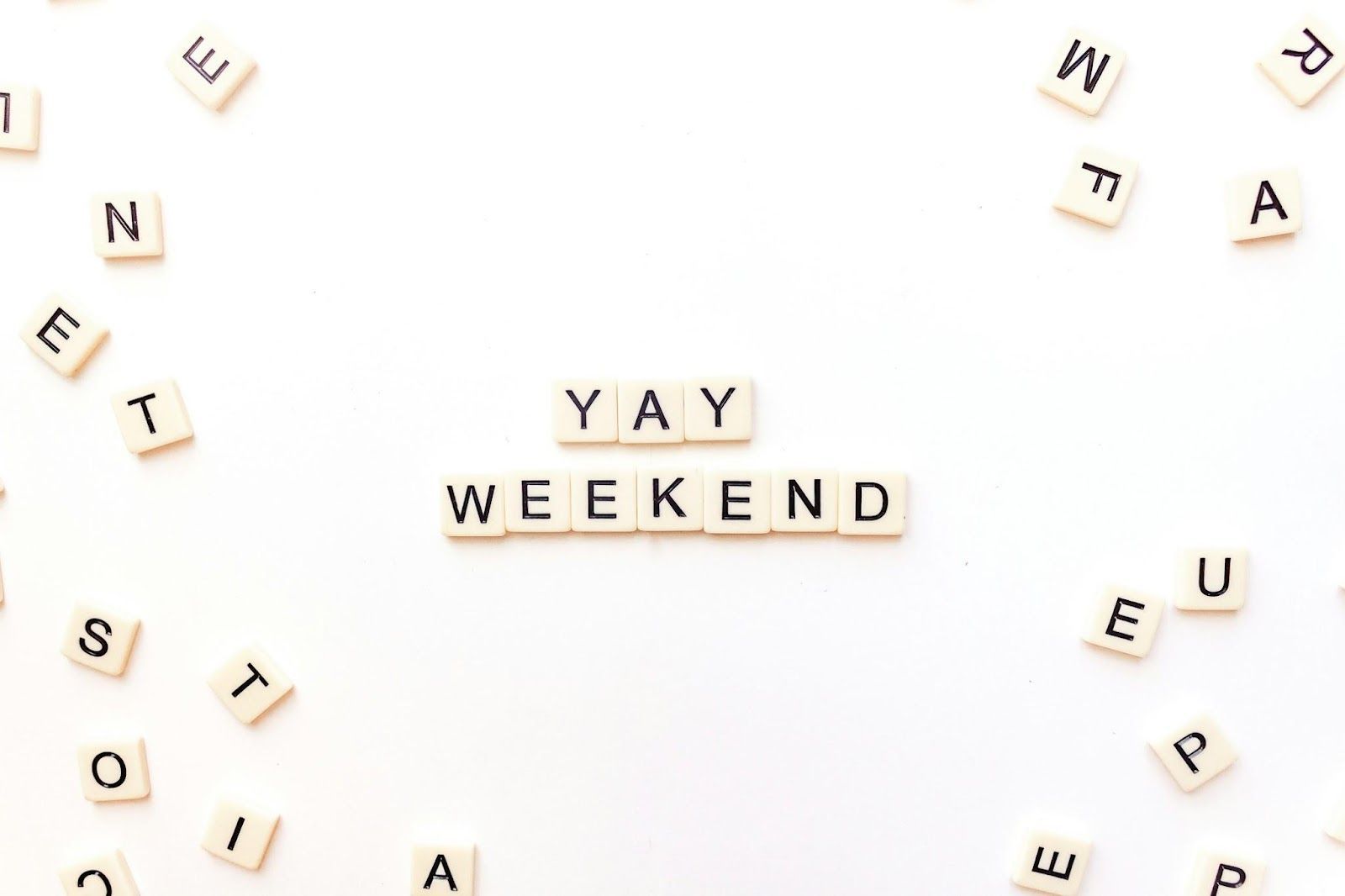
Danish people borrowed the word weekend untranslated from the English language and adopted it as their own because they lacked a similar concept when the five-day work week was introduced.

11

Panty - Dutch

Image: Brooke Cagle

Dutch is a very complex language to learn, but luckily for us, at least some of its words are borrowed from simpler languages, like English. The Dutch word for women’s tights is, simply, panty.

12

Salaryman - Japanese

Image: Tim van der Kuip

The Japanese have a word for white-collared salaried workers that is pronounced sarariman. If this word sounds oddly similar to "salary man", it’s because it is a loan word from the English language, partly modified for an easier adaptation into the Japanese language.


Have an apple

11 Common medical misconceptions you probably once believed


Published on February 20, 2026


Image: Nikolai Chernichenko

Medicine is complicated, and it's easy for folklore, memes, and half-remembered advice to creep their way into our collective subconscious. Some of these myths are harmless, others are misleading, and many are downright dangerous. Let's take a look at 11 medical misconceptions that have endured over time, and that you've probably believed at one time or another.

1

An apple a day…

Image: Isabella Fischer

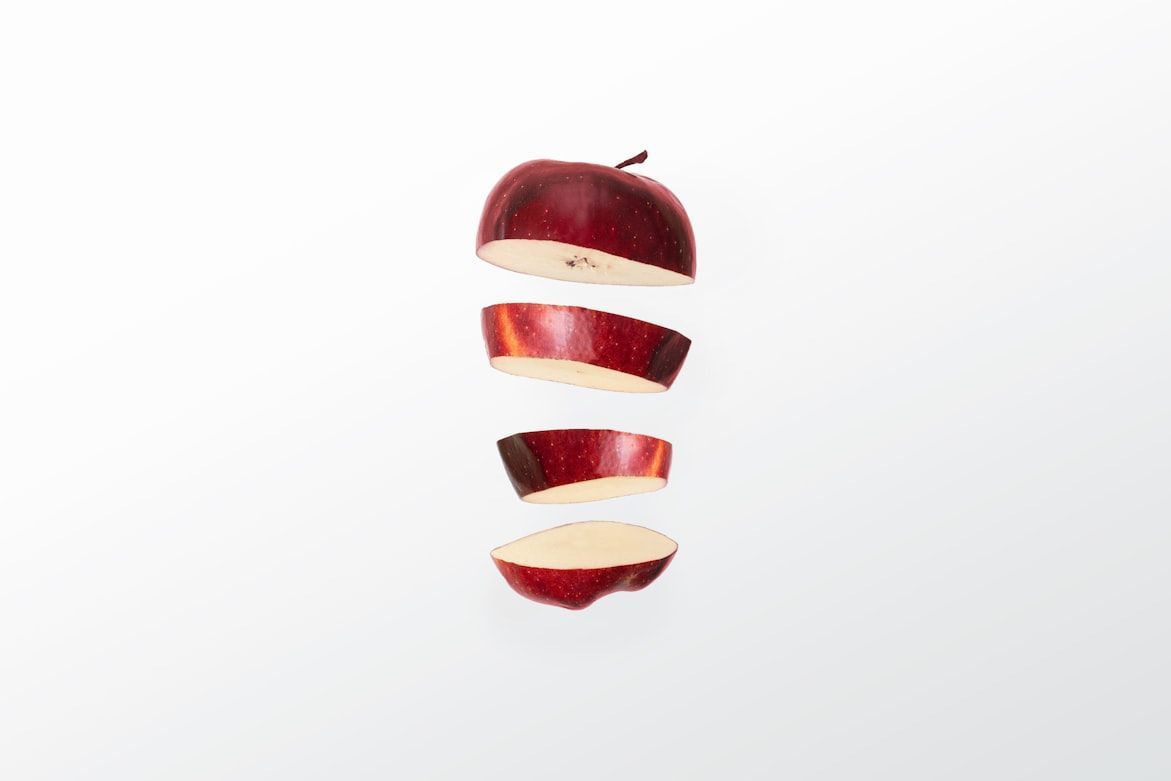
..keeps the doctor away, right? Apples are healthy. They are full of fiber, vitamins, and antioxidants. But, as you probably know, they aren't enough to ward off disease on their own. The phrase originated in 19th-century Wales as "Eat an apple on going to bed, and you’ll keep the doctor from earning his bread." The rhyme is charming, but fortunately, doctors still get plenty of bread.

2

Cracking your knuckles gives you arthritis

Image: Kotagauni Srinivas

That satisfying pop comes from collapsing gas bubbles in the fluid of your joints, not from your bones grinding to dust. Decades of peer-reviewed research show no link between knuckle-cracking and arthritis or bone deterioration. It might be irritating for those around you, but not bad for your joints.

3

Shaving makes your hair grow back thicker

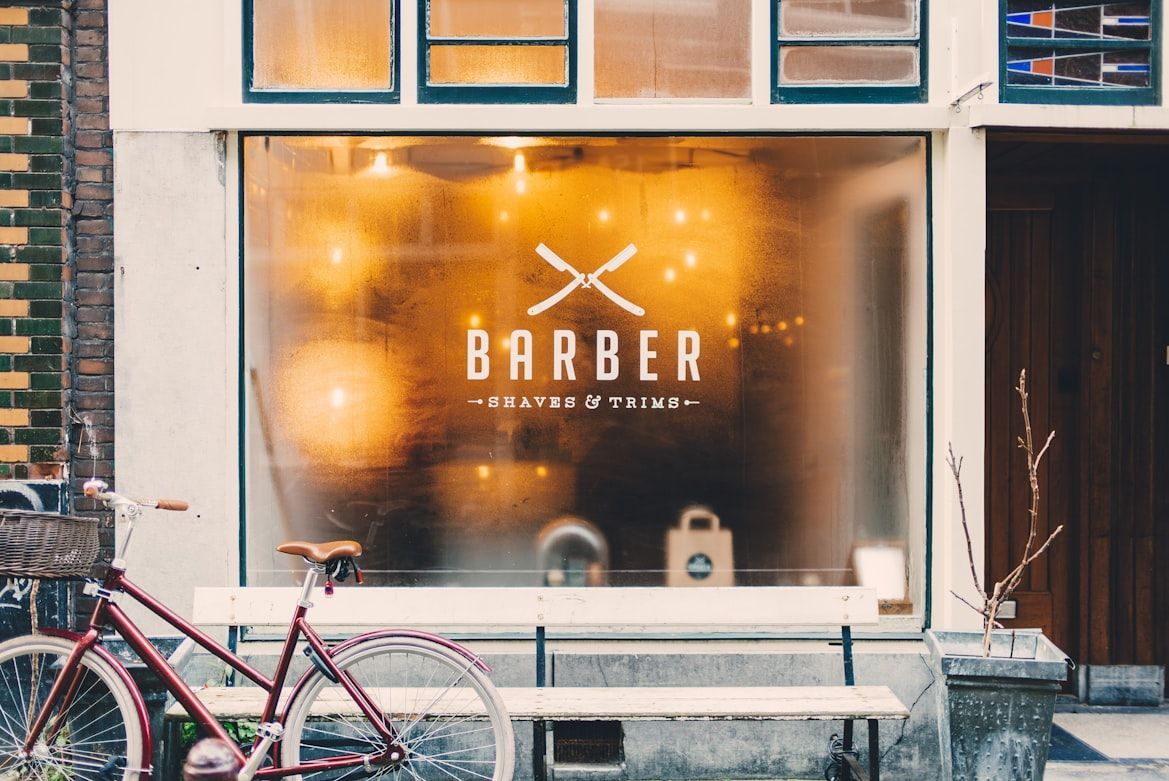
Image: Guus Baggermans

It does feel that way, but it's only an optical illusion: the new growth feels blunt and coarse when compared to a tapered hair tip. However, the follicles themselves are unaffected by shaving. Your hair’s growth rate and thickness are determined by genetics.

4

Swallowed gum stays in your stomach for 7 years

Image: Andra C Taylor Jr

This one is nothing more than a parental scare-tactic propaganda. Gum is indeed indigestible, but it doesn’t remain trapped inside you forever. It passes through your digestive tract quite efficiently, just like corn or sunflower seeds. Certainly in days, not 7 years.

5

Carrots will give you night vision

Image: Angelo Casto

Although carrots are good for overall eye health, the myth that they have the power to give you night vision stems from a little bit of British World War II propaganda. The British Royal Air Force claimed that their pilots had uncannily good night accuracy because of their carrot-heavy diets. In reality, it was a cover story to conceal their use of radar technology.

6

An ice bath will sober you up

Image: Tobias Oetiker

Neither black coffee nor cold showers can accelerate the rate at which your body metabolizes alcohol. Ask any doctor for a recipe to sober up quickly, and they will tell you the sad, sad truth: it's impossible.

Plenty of people claim to have found a trick to solve this problem. However, no matter how many freezing showers you take, they will only make you cold, wet, and awake, but still drunk.

7

Hiccups can be cured if you…

Image: engin akyurt

Well, it depends on who you ask. There’s a long list of home remedies: hold your breath, drink water upside down, have a friend scare you, and so on. While some of these techniques might help by resetting your diaphragm, the truth is that most hiccups fade on their own within minutes. And if they don’t, you’re better off seeing a doctor than cycling through an endless number of folk cures.

8

Arsenic in apple seeds can kill you

Image: Alfred Quartey

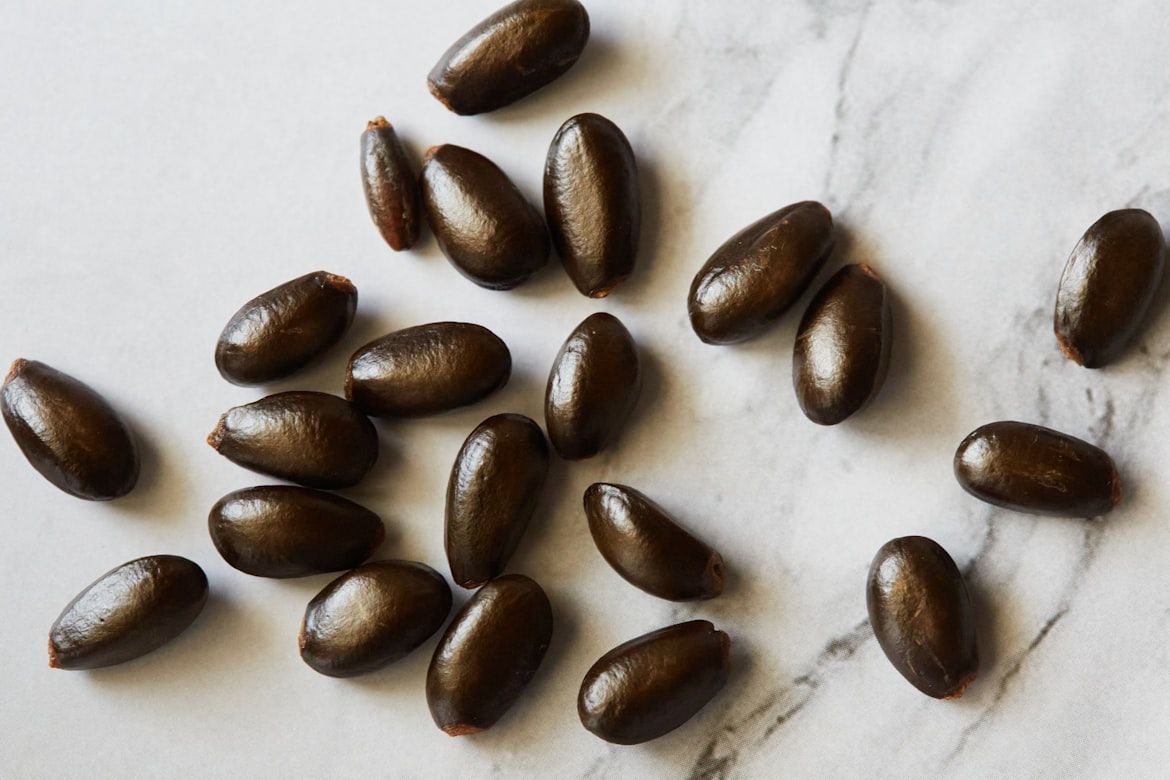
In reality, apple seeds contain amygdalin, which the body can convert into toxic cyanide (not arsenic). However, the amount of amygdalin in apple seeds is tiny: you would need to crush and eat over 150 apple seeds to get anything close to a dangerous dose. Or you could simply avoid eating the seeds altogether.

In any case, apples are far better at keeping the doctor away than they are at poisoning you.

9

Don't go outside with wet hair!

Image: Chris Slupski

If you do, you'll catch a cold. Or that's what this myth would have us believe. In fact, wet hair in chilly weather will just make you uncomfortable.

As we know, colds are caused by viruses that get into our systems. Being cold or damp doesn't conjure viruses out of thin air. That being said, lowering your body's temperature might weaken your immune defenses slightly, but the real culprits are still unequivocally the germs.

10

You only use 10% of your brain

Image: Shubham Dhage

A Hollywood myth that has crawled deep into our collective imagination. While the exact origin of the phrase is unclear, it is often associated with the lectures of Harvard psychologist William James, who told audiences that we only tap a fraction of our full potential during the 1890s. The idea then evolved and spread through self-help and motivational literature, eventually becoming the widely believed claim we know today.

Scientific research has thoroughly debunked this notion. While the inner workings of much of our brain are still unknown to us, we do know that virtually all of it has a function, and we use 100% of it.

11

Eating turkey makes you sleepy

Image: Megan Watson

A Thanksgiving classic, people like to blame their festive drowsiness on the turkey. There is some scientific basis for this: turkey does contain tryptophan, an amino acid that promotes sleep.

However, the amount in turkey is minimal and no greater than that found in chicken or beef. The real culprits behind your post-dinner nap are the carb overload, extra drinks, and day-long festivities—not the turkey itself.

Looking for an extra scoop of literary fun?

Learn more with our Word of the day

amass

/əˈmæs/