Food for thought

10 popular dishes that America transformed


Published on May 19, 2026

Image: Dan Gold

The food scene in the U.S. is extremely varied, taking inspiration from different cuisines around the world. Several staple dishes that Americans know and love, such as pizza or orange chicken, were not created here; they were brought from many corners of the world by immigrants, but tastes, ingredients, and techniques have changed, and many of these dishes have also changed to adapt to the new country. Other dishes were developed in America, but they were intended to emulate or replace something left behind. Let’s look into 10 dishes that can be found everywhere in the U.S., but only because of immigration.

1

Pizza

Image: Jon Tyson

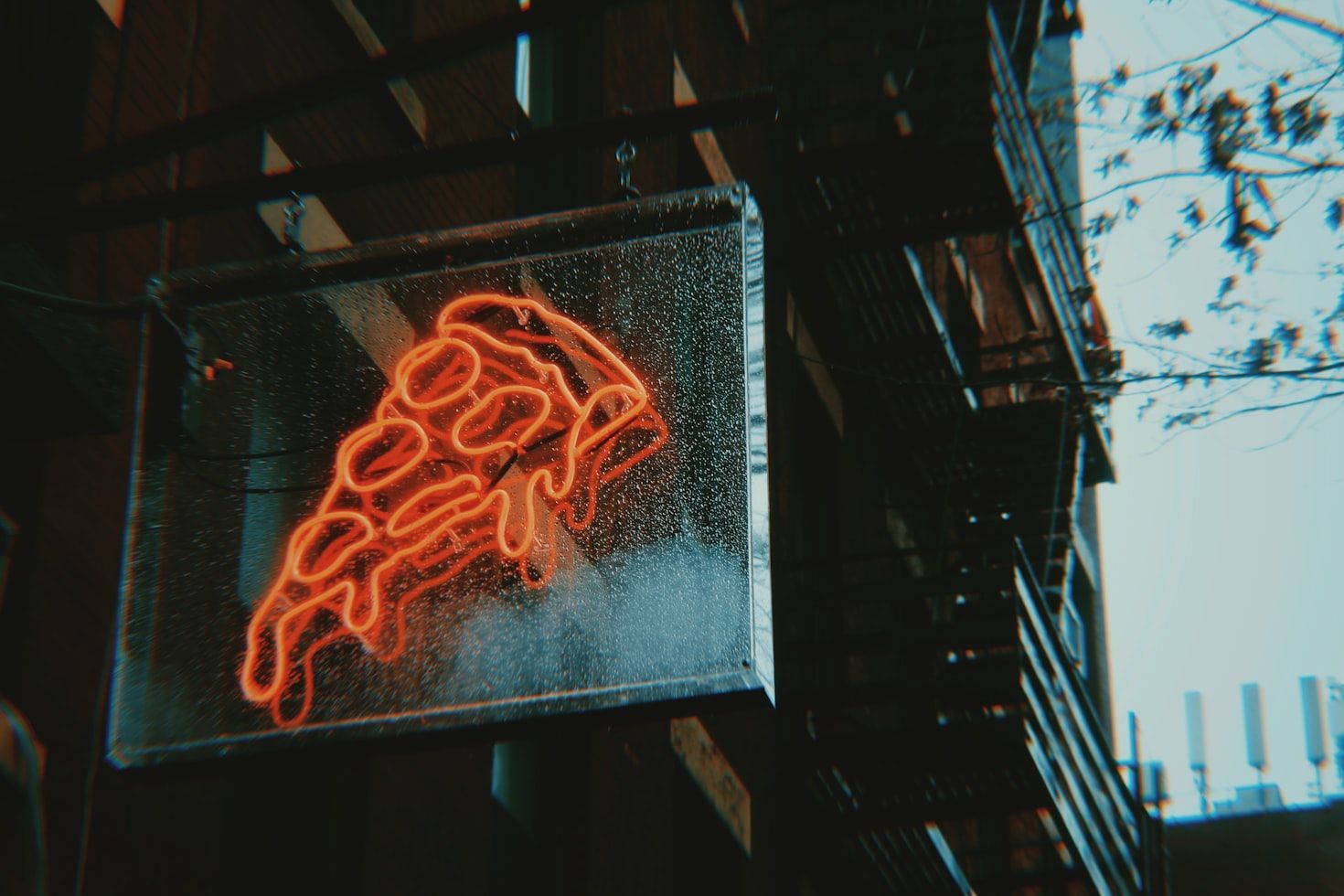
There’s nothing more quintessentially American than a good pizza, but everybody knows pizza is Italian, right? But not all pizza. Back home in Italy, pizza follows a ‘less-is-more’ approach: a light crust, few fresh ingredients, and minimal toppings, all aiming to achieve simple, well-balanced flavors.

On the other hand, American pizza is bolder: stronger flavors, abundant cheese and toppings, several dough styles, and an array of influences from different cultures make it a staple for all tastes and occasions. In this case, more is more.

2

Orange chicken

Image: Kaylar Photo

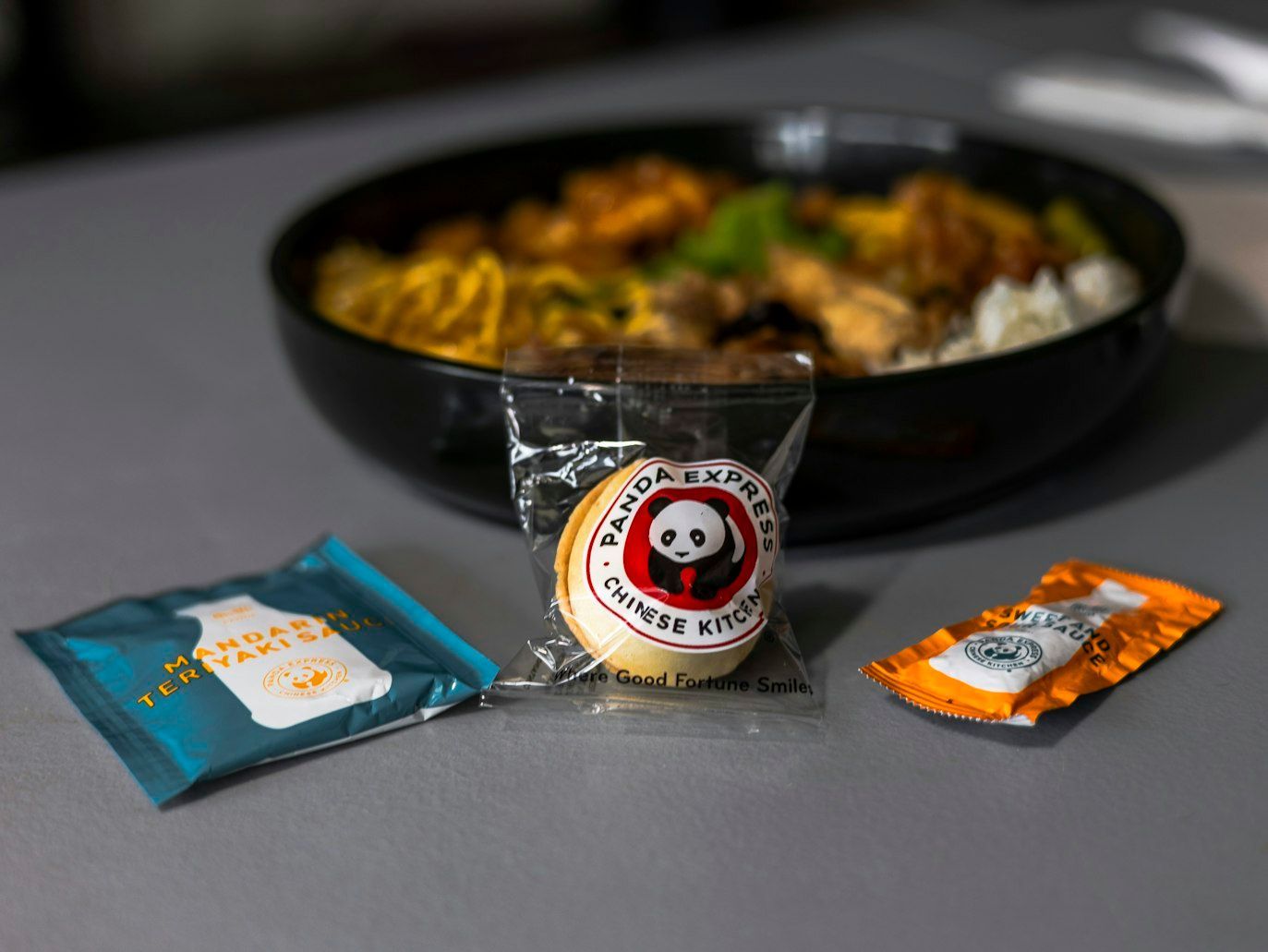
If you know Panda Express, you know Orange chicken. After all, it is one of their signature dishes; they even have a food truck that tours the U.S., giving away samples of the dish. But did you know that it’s an Americanized version of a Chinese classic that has no orange at all?

The guys at Panda Express claim that orange chicken is their version of General Tso’s chicken, but this dish is not common in China. Instead, there are several versions of a similar dish that uses tangerine, a flavor common in Chinese cuisine but not as suited for American taste as orange.

3

Chicken Alfredo

Image: engin akyurt

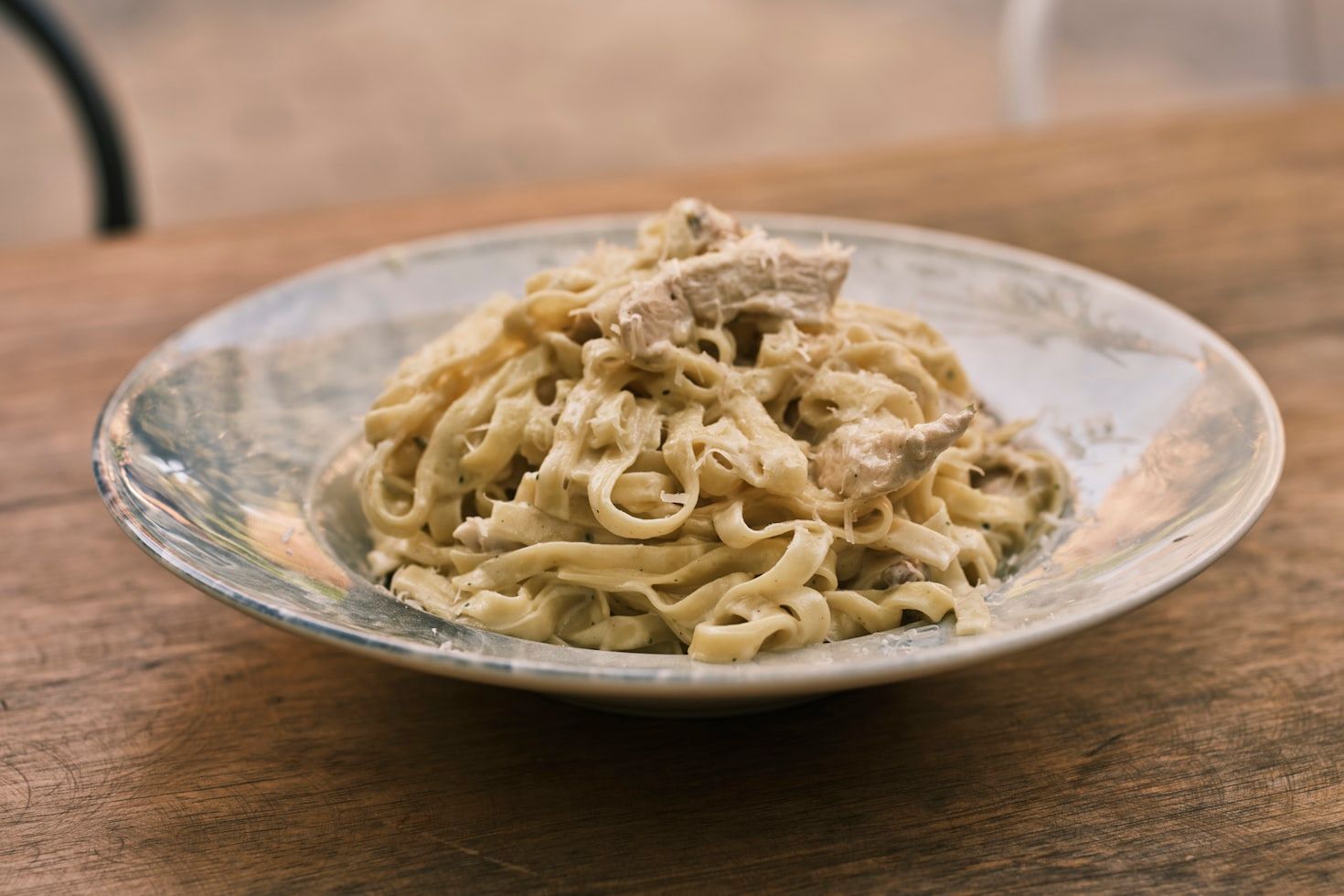
Chicken Alfredo seems to be a point of contention between Italian servers and American tourists, the latter insisting it’s an Italian dish while the former claim they do not know about it. They are both technically right, but only because they are thinking about different things.

Fettuccine Alfredo is a Roman dish consisting of fettuccine with parmesan cheese and butter, emulsified to form a creamy sauce. This ingredient combination is not uncommon in Italy, and the dish is mainly known as fettuccine al burro (literally, ‘with butter’). American Alfredo, however, has evolved to include cream, and it is typically served with chicken, which makes it a totally different dish. It is not surprising, then, that Italians are confused.

4

Hard-shell tacos

Image: Chantel

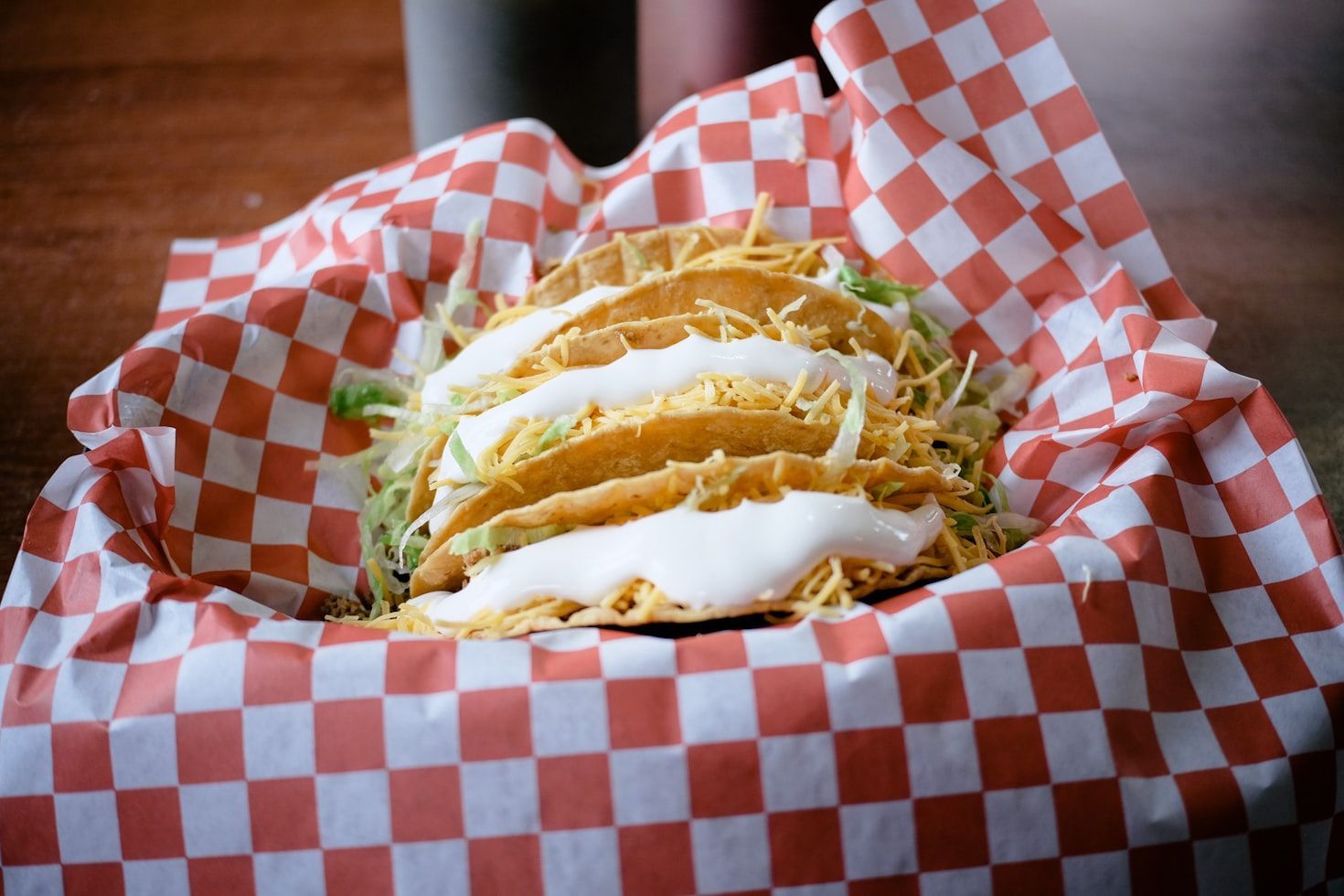
We could spend the whole day talking about the wonders and intricacies of Tex-Mex cuisine and its importance for Americans, but let’s focus on one of its star dishes: the hard-shell taco. While the shared culinary history and cultural exchange between the U.S. and its southern neighbor is extensive, this crispy dish was invented on this side of the border in Mexican-American communities.

There’s no consensus on who invented or sold the first hard-shell taco, but there are records of its existence from the very early 20th Century. The dish gained national popularity in the 1960s when Taco Bell added it to its menu, and it’s now a go-to classic all around the country.

5

Fortune cookies

Image: Tuccera LLC

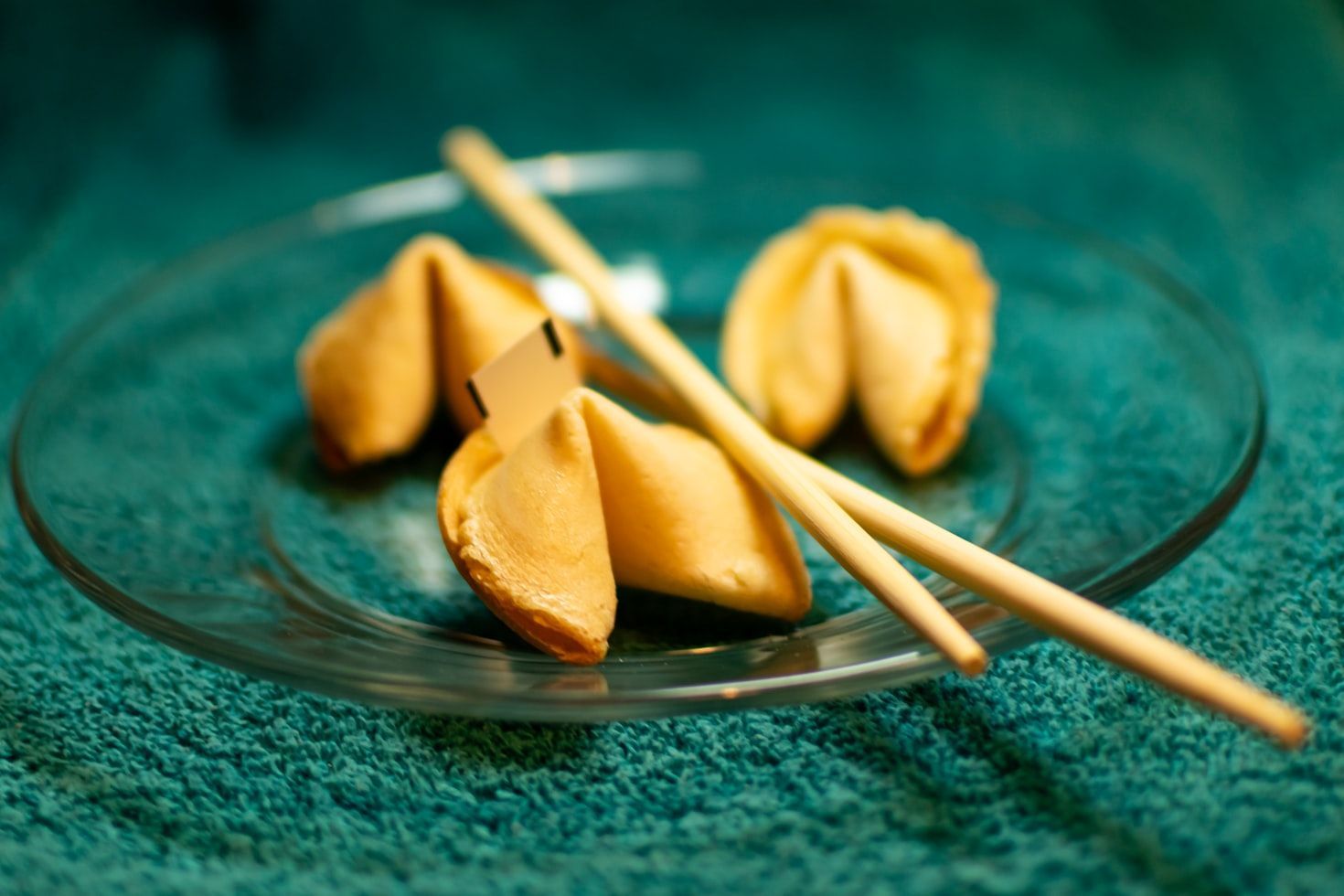
Some could argue that no one really eats fortune cookies, but we can agree that they are an integral part of Chinese takeout, so we’ll count them as ‘food’. However, they are not Chinese, nor were they associated with Chinese food in the beginning.

Fortune cookies were invented in San Francisco in the early 20th Century by Suyeichi Okamura, a Japanese restaurant owner, who allegedly got the idea from a Japanese snack. Years later, a Chinese cook claimed the idea to be his, and the courts had to intervene, ruling in favor of Okamura. No matter their origin, fortune cookies are non-negotiable if you are in the mood for Chinese takeout.

6

Cuban sandwich

Image: Matt Alaniz

A staple in Floridian cuisine, one can only assume that the Cuban sandwich came from Cuba. But not the Cuban sandwich you are thinking of. What did come from there was the sandwich mixto (mixed sandwich), which, in many Hispanic countries, is just a ham and cheese sandwich, toasted, with possible add-ons such as lettuce, tomato, pickles, and some sauce.

The American Cuban sandwich, as we know it, is believed to have been invented by Cuban immigrants, and it follows a set recipe: Cuban bread, mustard, pork, ham, cheese, and pickles. Tampa and Miami fight for the honor of being the birthplace of the Cuban sandwich, with one main disagreement about its construction: in Tampa, salami is a non-negotiable, most likely influenced by the Italian community.

7

Apple pie

Image: Patrick Fore

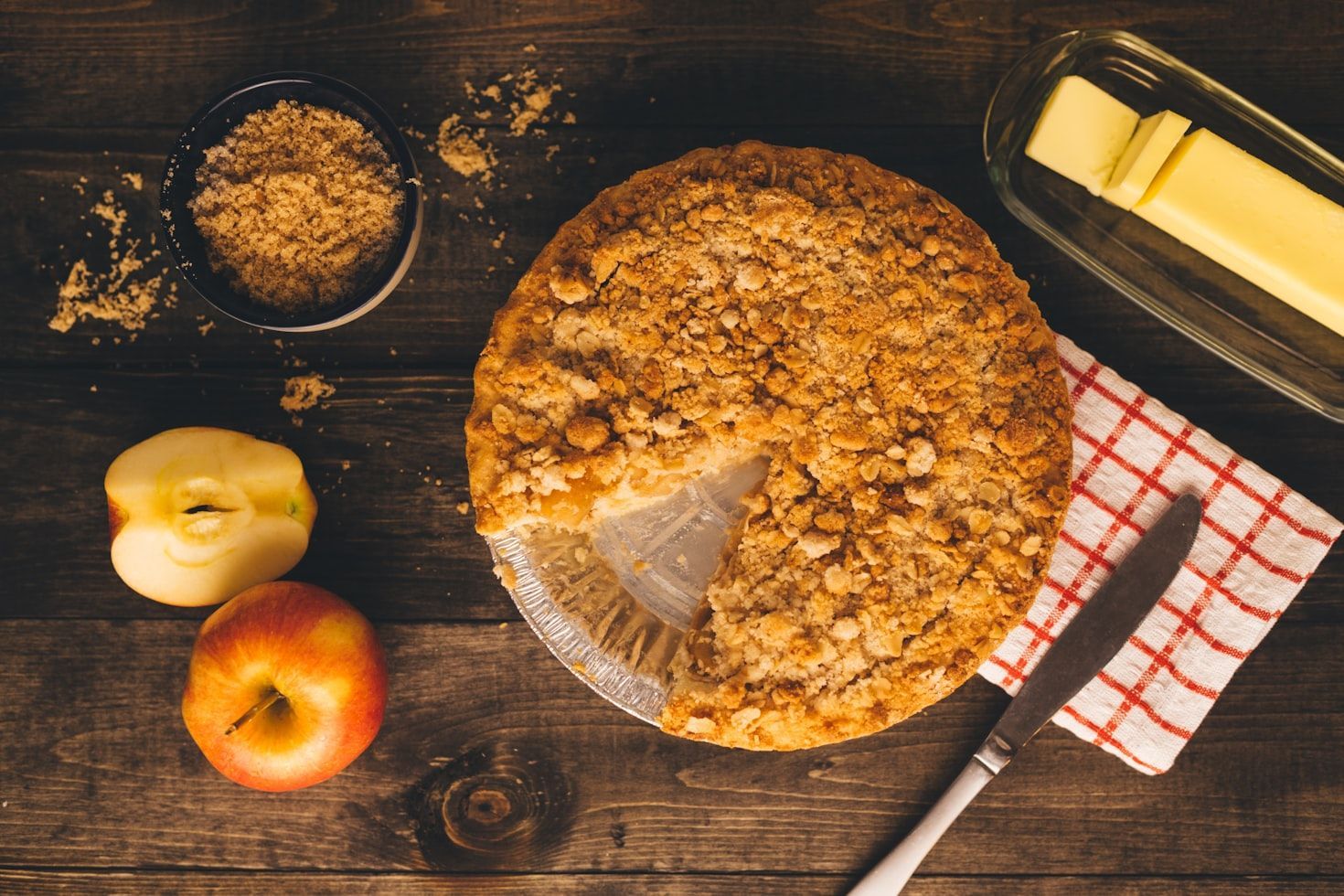
Apple pie is considered to be the U.S.’s unofficial pie, but it’s actually from England, which puts a new spin on the phrase "as American as apple pie". But some could think the English and American versions to be quite similar. Is there a real difference? Pie, apples, and everything in between were brought to America by the English, but the modern versions of this pie are different enough to justify a distinction.

English apple pie usually has a crumblier pastry, can include several spices and fruits such as raisins, pears, or figs, and has less sugar, relying upon the natural sweetness of apples. The American version, highly influenced by the Dutch appeltaart, has a flakier pastry, tart apples (and more sugar to balance the flavor), usually includes cinnamon, and might have a crumble. The verdict? Not quite twins, more like cousins.

8

Sushi

Image: Riccardo Bergamini

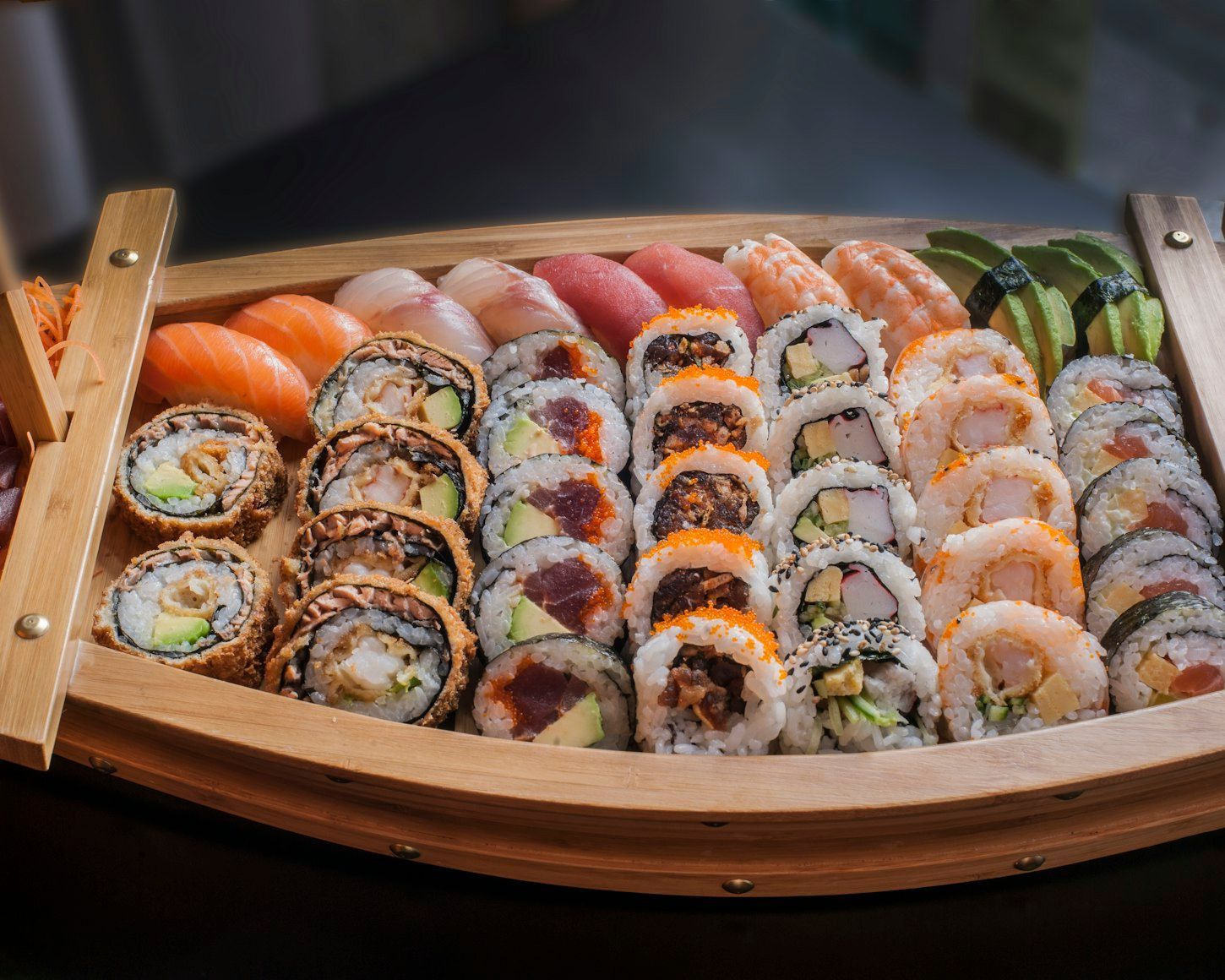
If there’s a common trait for sushi in the Western world, it is that it’s nothing like Japanese sushi, and America is not the exception. The first sushi restaurant in the U.S. opened in the 1960s and initially served authentic Japanese sushi, but quickly evolved to adapt to local tastes.

While Japanese sushi is all about simplicity, American-style sushi tends to mix varied ingredients and flavors, to use different varieties of rice, and to include fusion influences. So, avocado and cream cheese? 0% traditional, 100% delicious.

9

English muffin

Image: Wright Brand Bacon

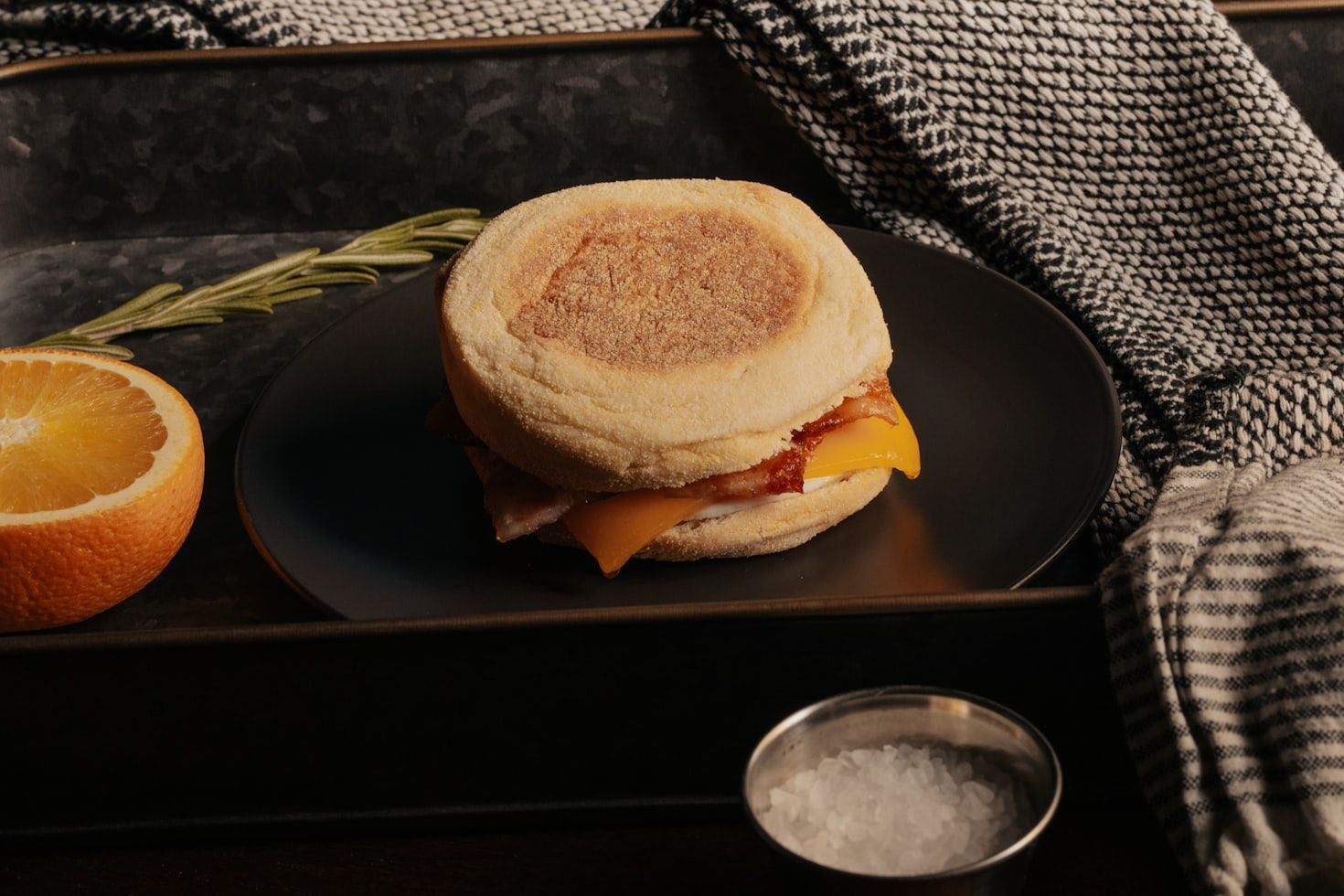
The English first came across the English muffin in the 1990s, that’s because English muffins are American, even if they were created by an Englishman. Samuel Bath Thomas developed this breakfast staple in New York in the late 19th Century, and he was most likely influenced by an English classic, the crumpet.

Crumpets and English muffins serve similar culinary purposes (they are round vessels for yummy toppings), but the similarities don’t go much beyond that. Crumpets are made with baking soda, which results in a chewy, tangy dough, with bubble-like holes that make them perfect for butter, jam, or cream, and, unlike English muffins, are not intended to be split in half. On the other hand, English muffins use yeast and are more bread-like and crumblier. They can be paired with either sweet or savory toppings, and are a go-to for breakfast sandwiches. English only in name, American in spirit.

10

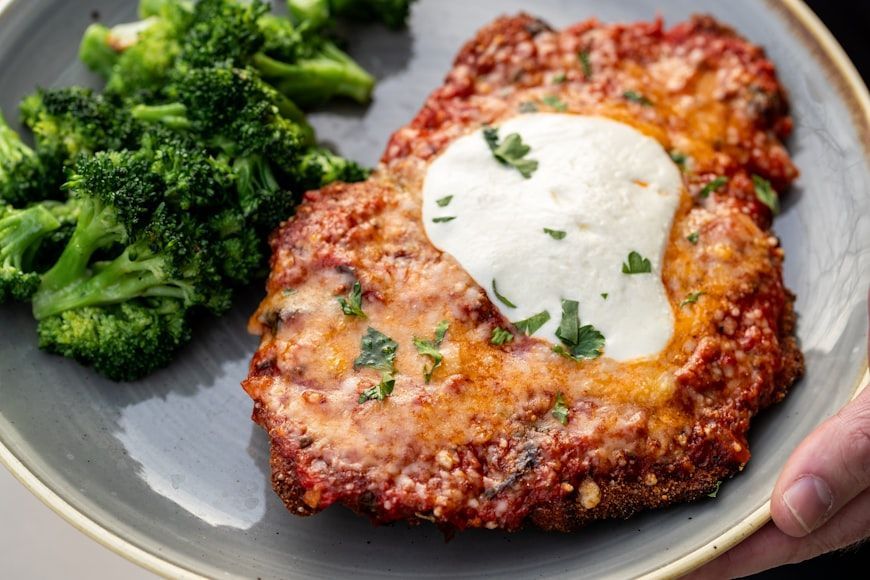
Chicken parmesan

Image: Clark Douglas

This staple dish follows an idea common to a lot of Italian American dishes: the addition of meat to a dish that was originally meatless. When Italian immigrants arrived in America, they found out that many of the ingredients they were used to were not available here. On the other hand, meat was much more accessible in comparison to the Italy they had left.

The original recipe for this dish is called melanzane alla Parmigiana (or just parmigiana), and uses breaded eggplant slices instead of chicken cutlets. No one knows who was the first to substitute the eggplant with a chicken cutlet, but we do know why it became popular.


Hospital secrets

What is a "Code Gray" and what you should know if you hear it at the E.R.


Published on May 19, 2026


Image: voronaman

A trip to the emergency room can be stressful enough without hearing doctors and nurses speak a language that sounds like a secret code. One minute, someone is asking for medication "STAT," the next there’s a "Code Gray," and another patient is suddenly "NPO." What do those words really mean? Some are official medical terms, others are insider slang, but they all help hospital staff communicate quickly when every second counts. Here are 10 of those codes explained.

1

Code Gray

Image: PeopleImages

The E.R. can be hectic and unpredictable. Most patients are frightened or uncomfortable, but now and then someone becomes aggressive because of pain, confusion, mental illness, or the effects of alcohol or other substances. That’s when you can hear "Code Gray" announced over the speakers.

The code is used to summon security officers to help manage a violent or combative situation. While color codes vary from one hospital to another, Code Gray commonly signals that staff needs extra assistance to protect patients, visitors, and healthcare workers. Even if you know it now, most people in the waiting room never know what happened, and that’s exactly the point.

2

NPO

Image: PeopleImages

You have a scheduled surgery, you’re in your bed waiting to be taken to the surgery room, and you ask for a cup of coffee to make the wait lighter. The nurse will probably tell you you’re an NPO. You may think it’s serious, but it’s simply a procedure.

"NPO" is an abbreviation that comes from the Latin phrase Nil Per Os, which means "nothing by mouth." It tells patients they cannot eat, drink, or sometimes even take medication until doctors say it’s safe. The rule is most common before surgery or certain medical tests, when food or liquids could increase the risk of complications or alter the results. It may be frustrating, but it’s an important part of keeping patients safe.

3

STAT!

Image: PeopleImages

You’ve probably been through the experience of visiting an emergency room, either to get checked or to visit a loved one. In that part of the hospital where everyone is rushing to save lives, you’ve probably heard a doctor asking for the R.C.P. cart or medication "STAT!" It sounds urgent, and that's because it is.

The expression comes from the Latin statim, which means "immediately" or "without delay." Hospitals have used Latin medical terms for centuries, but STAT is one of the few that remains part of everyday conversation. When a doctor says it, the request jumps to the top of the priority list. It doesn’t always refer to a life-or-death situation, but it does mean the medical team needs something done as quickly as possible.

4

Code Pink

Image: Vladimir Tretyakov

Newborns are always a reason to celebrate at the hospital. Parents usually rest happily next to their child as they receive congratulations from close relatives. However, the hospital is always prepared to handle extremely rare emergencies under "code pink."

If you hear a "Code Pink," it usually means a baby or young child is suspected of being abducted from the hospital. Within seconds, security officers respond, exits may be monitored or blocked, and staff begins following carefully rehearsed procedures. Although different hospitals sometimes use different color codes, Code Pink has become widely recognized across North America as one of the most serious alerts a hospital can issue.

5

Walkie-talkie

Image: Arunporn Thanapotivirat

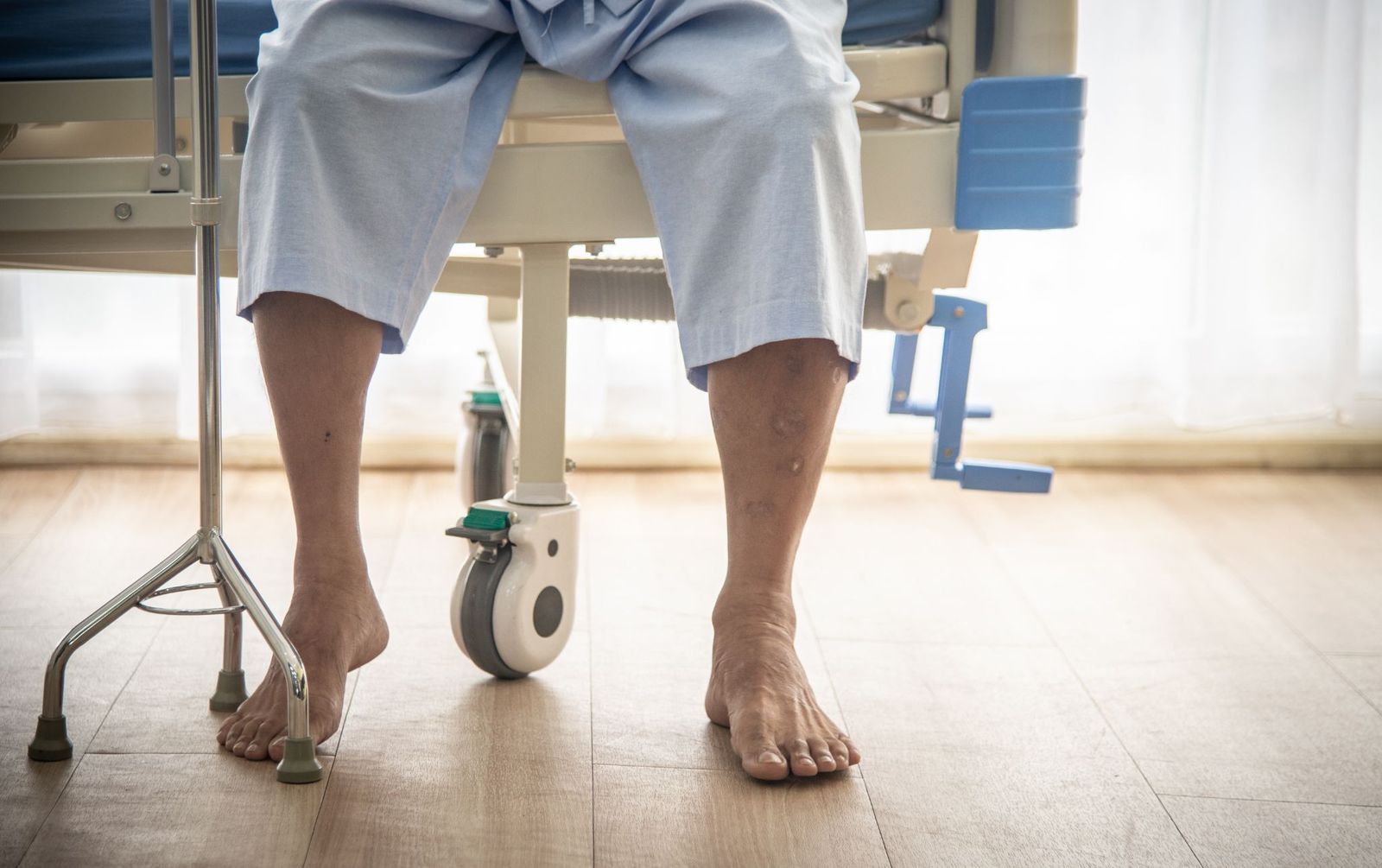
If you’ve ever spent a few days in the hospital, you’ve probably noticed that some patients are walking up and down the halls, while others need help just getting out of bed. When a nurse refers to someone as a "walkie-talkie," it’s actually good news.

This informal expression refers to patients who can walk on their own, use the bathroom without assistance, and handle most basic tasks independently. It’s not an official medical term, of course, but it’s commonly used among healthcare workers because it quickly tells the next shift that the patient requires less hands-on care than many others.

6

Total

Image: sebra

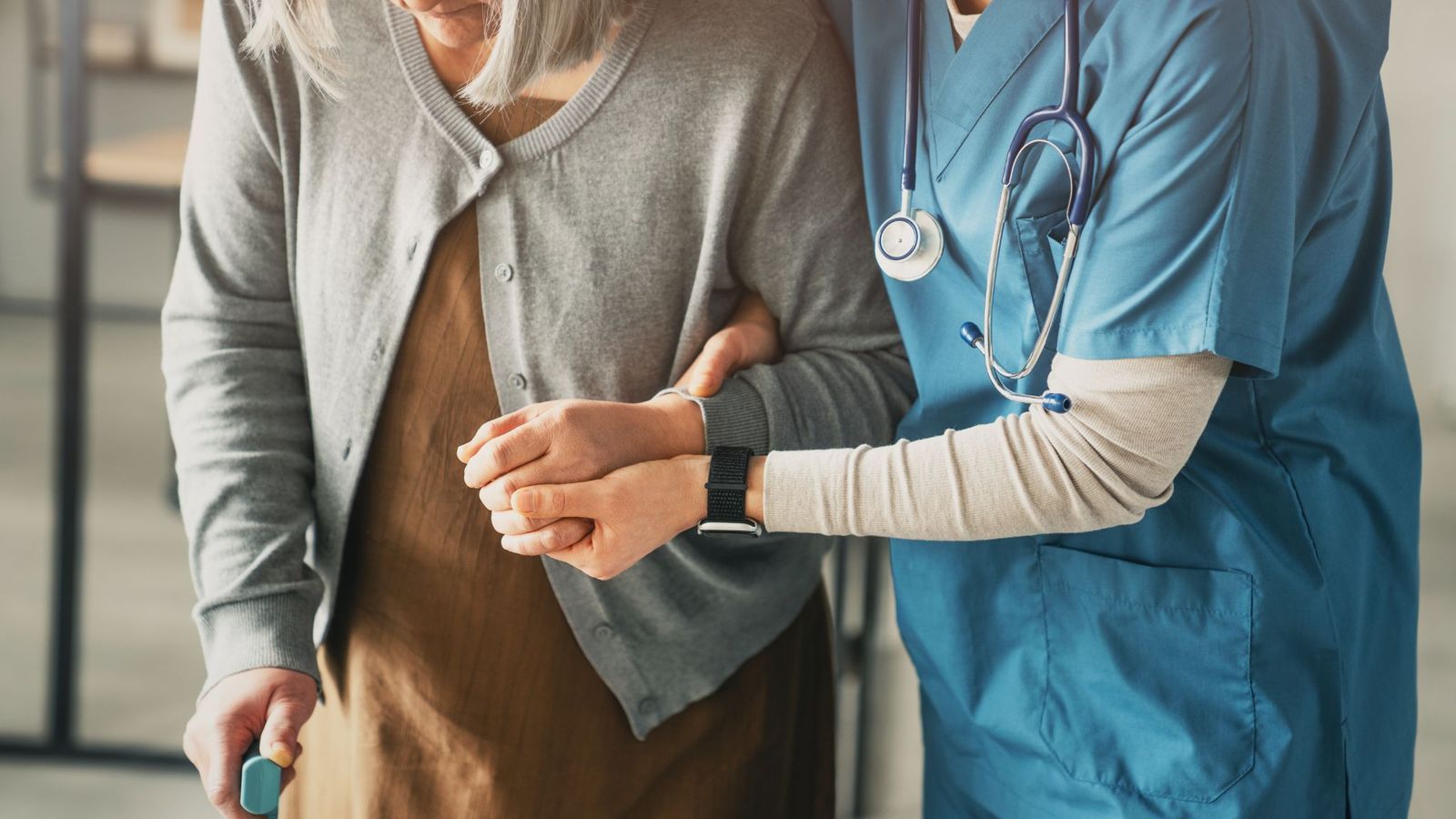
As nurses change shifts, you’ll often hear them give a quick report about each patient. One person may only need medication, while another is described as a "total."

The term is short for a patient who requires total care. They may need help eating, bathing, getting dressed, turning in bed, or moving from one place to another. Although the expression sounds impersonal, it’s simply a practical way for caregivers to communicate how much assistance someone needs.

7

Frequent flyer

Image: Studio Romantic

Most people hear "frequent flyer" and think of an airline reward program. And that’s correct, but in an emergency room, the phrase has a very different meaning.

A frequent flyer is an informal nickname for patients who repeatedly return to the hospital, often due to chronic illness, recurring medical conditions, or other ongoing health issues. Behind the light-hearted nickname is often a difficult reality. Many of these patients are simply dealing with medical problems that require regular emergency care, and the expression is just a way to make the experience a bit lighter among the familiar faces of doctors and nurses.

8

WOW

Image: Studio Romantic

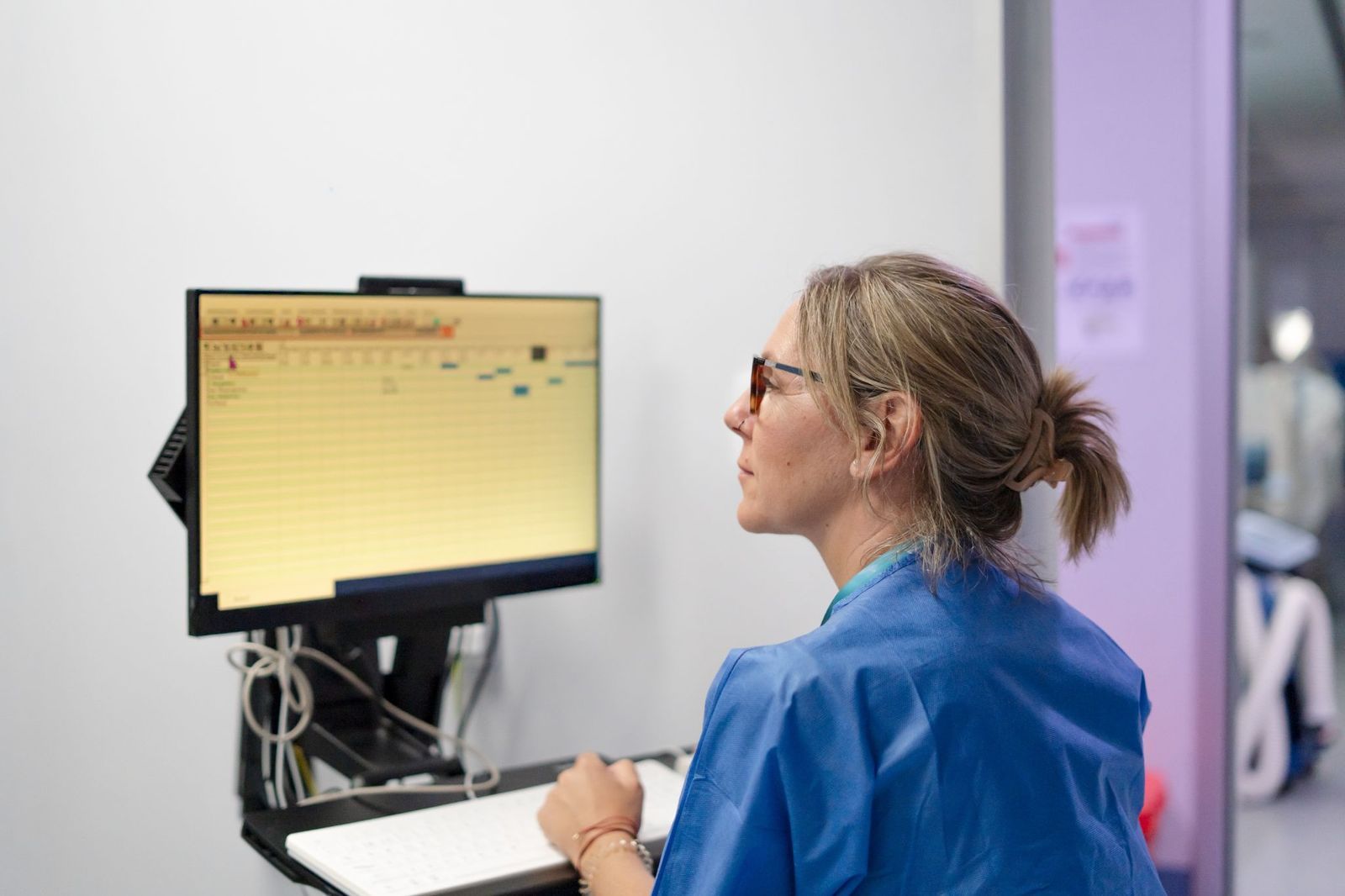
Not all codes are for patients. The next time you’re in a hospital, look closely at what the nurse is pushing from room to room. It may look like a small rolling desk with a computer on top. Staff often call it a "WOW," short for "workstation on wheels."

As hospitals switched from paper charts to electronic medical records, these mobile computers became essential. Nurses use them to review test results, scan medications, update patient charts, and check doctors’ orders without leaving the bedside. The name sounds funny, but the technology helps caregivers spend more time with patients instead of walking back and forth to a nursing station.

9

Sharp container

Image: NMK-Studio

After getting a shot or having blood drawn, most patients never think about where the used needle ends up. It certainly doesn't go into an ordinary trash can.

Hospitals place needles, scalpels, and other sharp medical instruments into special containers designed to prevent accidental injuries. These sturdy, puncture-resistant boxes are sealed when full and safely disposed of in accordance with strict health regulations. This not only protects nurses, but it also protects cleaning crews, waste handlers, and even the public from dangerous needle sticks. It’s one of the most important safety measures in every hospital, even though most patients never notice it.

10

B-52

Image: Photoroyalty

If you’ve ever watched a medical drama, you've probably seen a patient become so agitated that several staff members rush into the room. In situations like that, a doctor or nurse may ask for a "B-52." But the name has nothing to do with numbers themselves; it actually comes from a medicine.

B-52 is hospital slang for a fast-acting injection used to calm down patients who are severely combative or at risk of harming themselves or others. The nickname comes from a commonly used combination of medications that usually include diphenhydramine, haloperidol, and lorazepam. It’s strictly reserved for when other methods of calming the patient haven’t worked.

Looking for an extra scoop of literary fun?

Learn more with our Word of the day

encomium

/ɪnˈkoʊmiəm/