The truth lies beneath

Many people still don’t get the meaning of these famous quotes. Do you?


Published on July 29, 2026

Image: Nikita Sursin

Some quotations become so famous that they take on lives of their own. We repeat them in classrooms, movies, headlines, and everyday conversations, but sometimes without knowing what the speaker actually meant. Sometimes the original context gets lost, and sometimes popular myths overshadow the truth. These iconic phrases have endured for decades, even centuries, but their true meanings often surprise us. Did you know about the following 11?

1

Read my lips: No new taxes. — George H. W. Bush (1988)
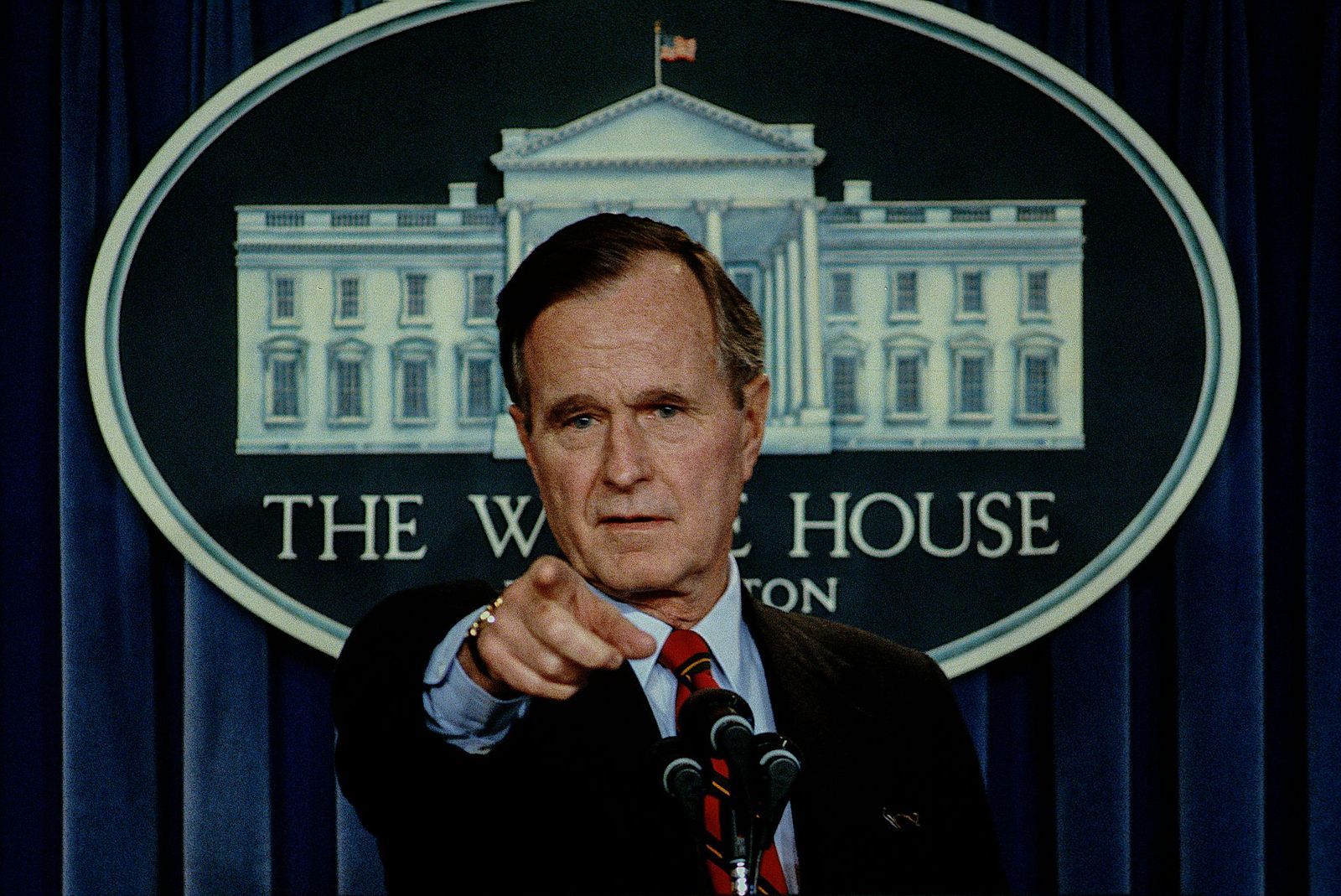
Image: mark reinstein

George H. W. Bush delivered this memorable line while accepting the Republican presidential nomination in 1988. Written by speechwriter Peggy Noonan, it wasn't simply a catchy slogan, it was a firm campaign promise meant to reassure conservative voters that his administration would not raise taxes under any circumstances.

The phrase became famous for what happened next. Facing a growing federal deficit, Bush agreed to a bipartisan budget deal in 1990 that included tax increases. Many supporters viewed the move as a broken promise, and "Read my lips" has since become shorthand for political pledges that later prove impossible to keep.

2

Mr. Gorbachev, tear down this wall! — Ronald Reagan (1987)
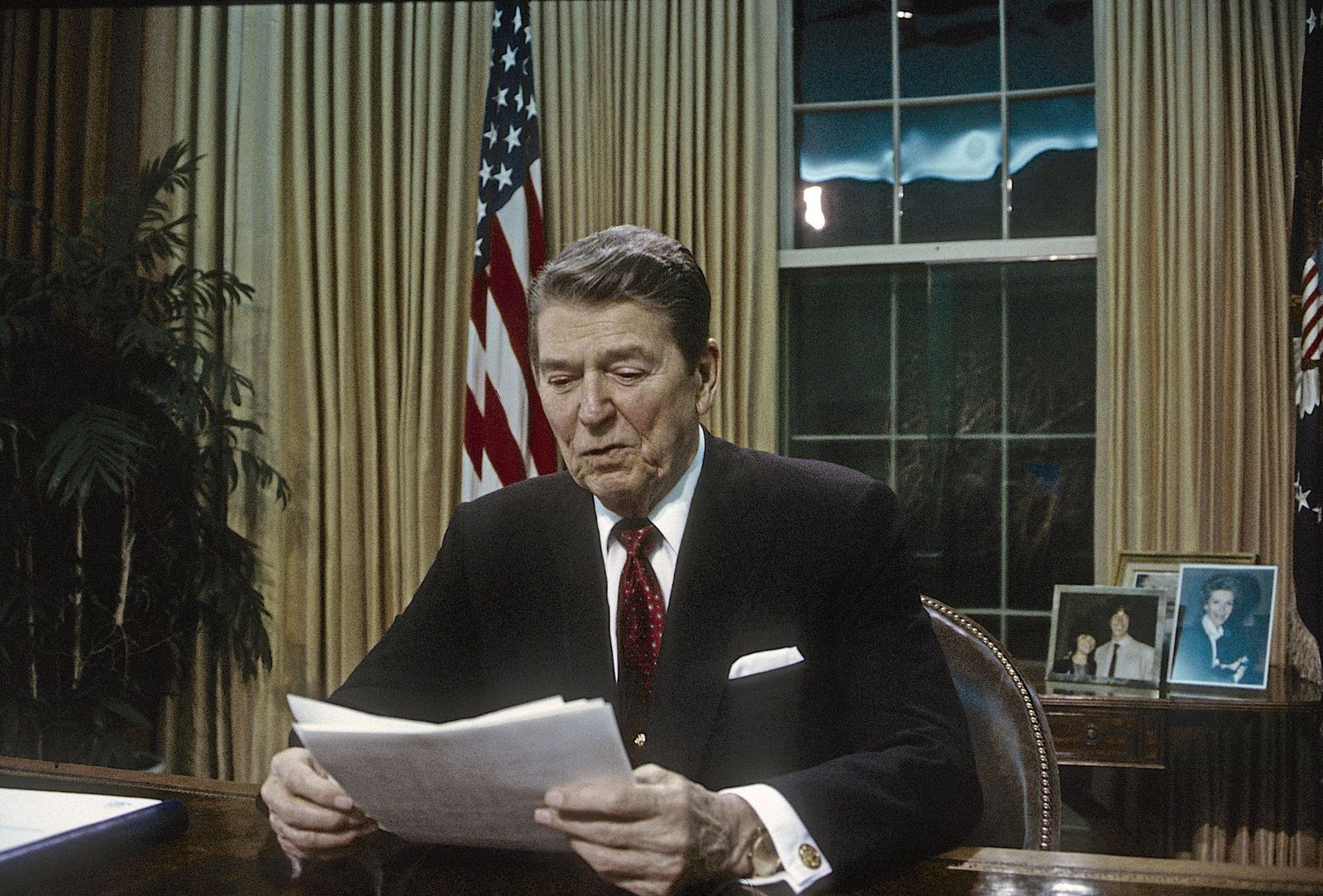
Image: mark reinstein

Standing before Berlin's Brandenburg Gate in 1987, President Ronald Reagan addressed Soviet leader Mikhail Gorbachev with what became one of the Cold War's defining lines. He wasn't literally ordering workers to demolish the Berlin Wall but challenging the Soviet Union to demonstrate that its promises of openness and reform were genuine.

Several advisers reportedly urged Reagan to remove the sentence from the speech because they feared it was too confrontational. He kept it anyway. Although the Berlin Wall fell two years later for many complex political reasons, the phrase remains a powerful symbol of freedom triumphing over division.

3

Ask not what your country can do for you… — John F. Kennedy (1961)
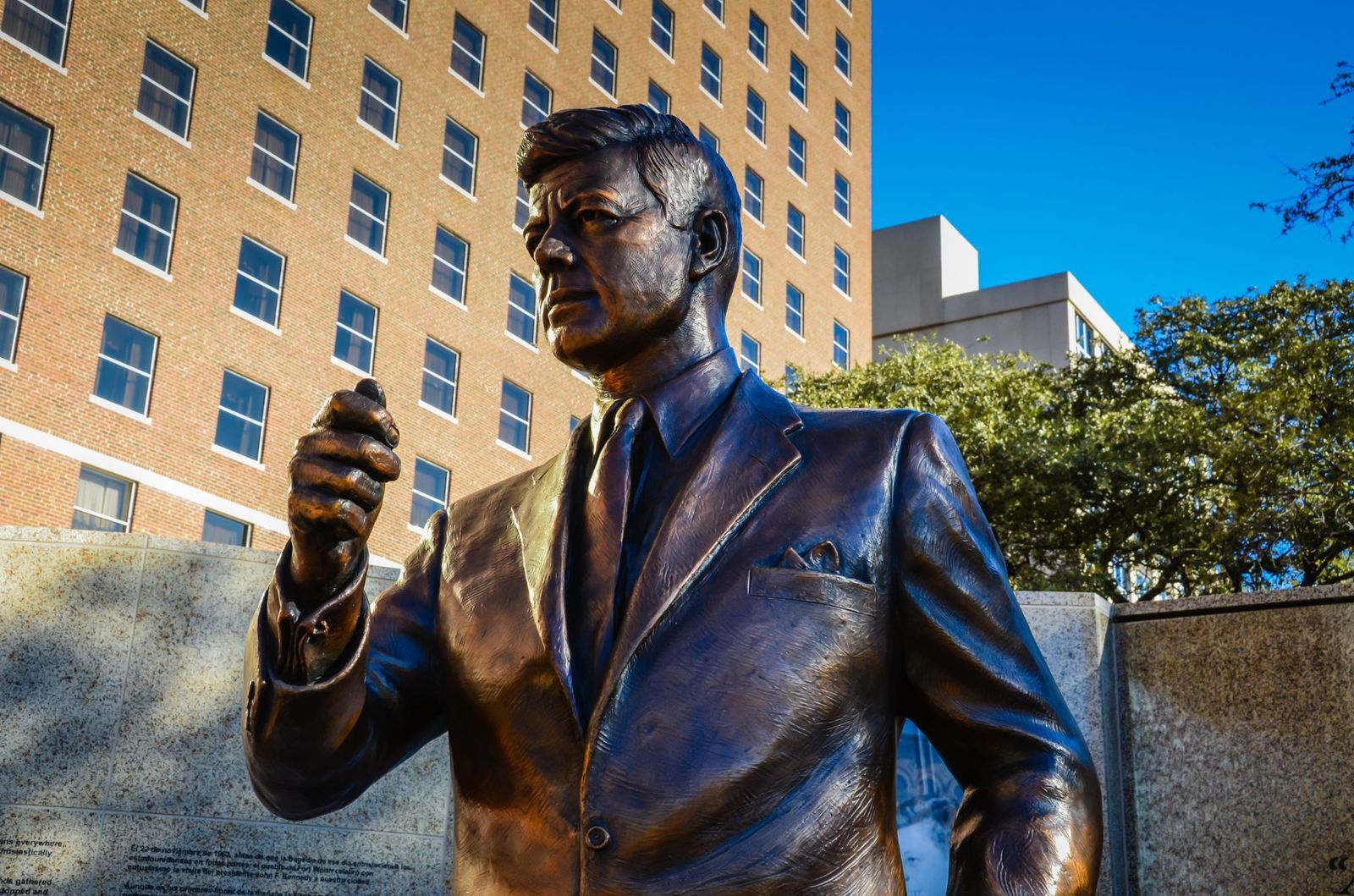
Image: Sandra Foyt

This famous sentence from John F. Kennedy's inaugural address is sometimes mistaken for a demand for unquestioning patriotism. In reality, Kennedy was encouraging Americans to become active participants in democracy rather than passive recipients of government benefits.

Delivered at the height of the Cold War, the speech called on citizens to serve their communities and country. The message inspired countless Americans to volunteer, including many who joined the newly created Peace Corps.

4

I have a dream. — Martin Luther King Jr. (1963)
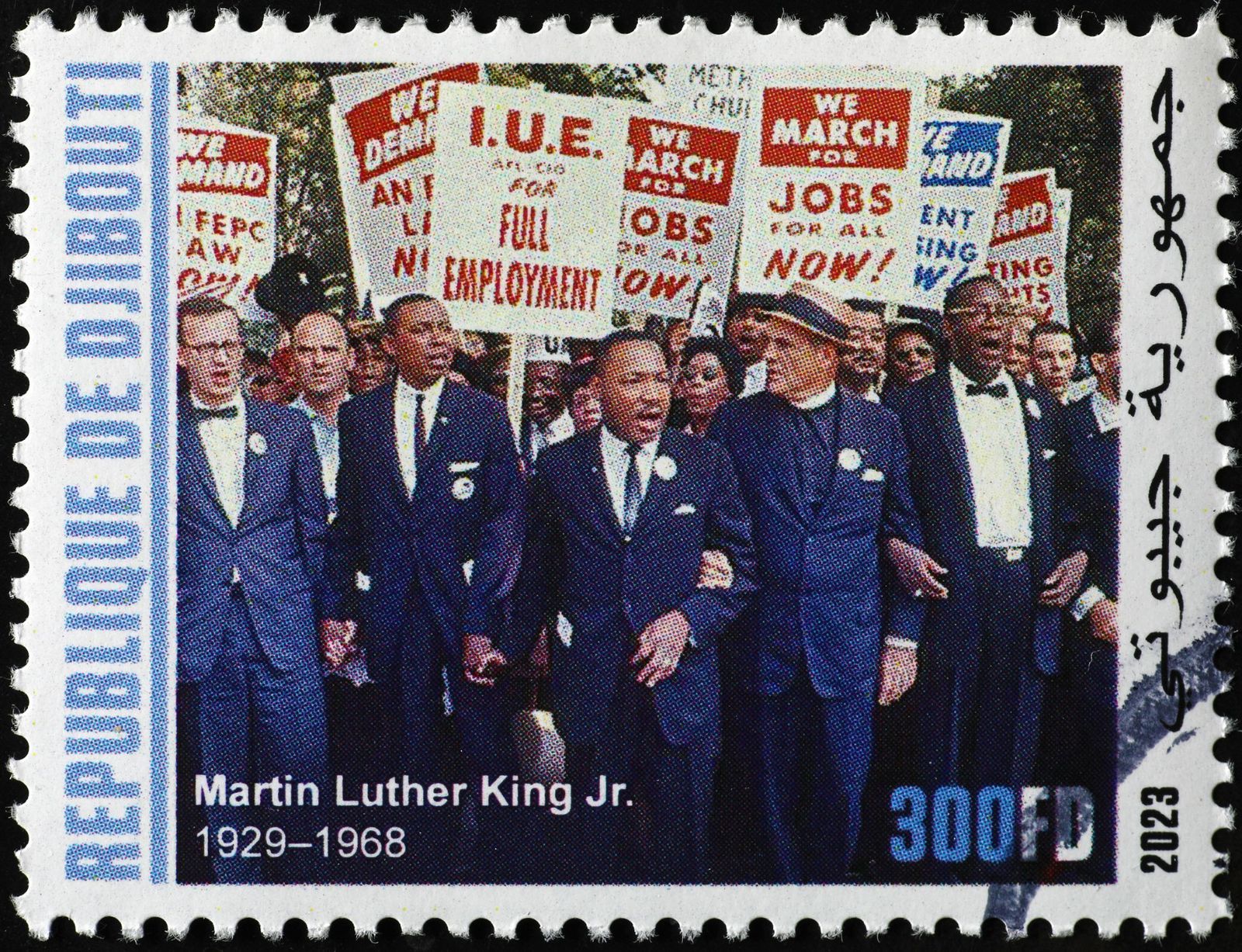
Image: spatuletail

Martin Luther King Jr.'s words have become synonymous with hope, but the "dream" he described was remarkably specific. Speaking at the March on Washington for Jobs and Freedom, King envisioned an America where the Constitution's promises of equality would finally apply to everyone, regardless of race.

The speech's most memorable section was not fully scripted. According to several accounts, gospel singer Mahalia Jackson encouraged King to "tell them about the dream," prompting him to set aside his prepared remarks and speak from the heart. Those improvised passages became some of history's most celebrated words.

5

The only thing we have to fear is fear itself. — Franklin D. Roosevelt (1933)
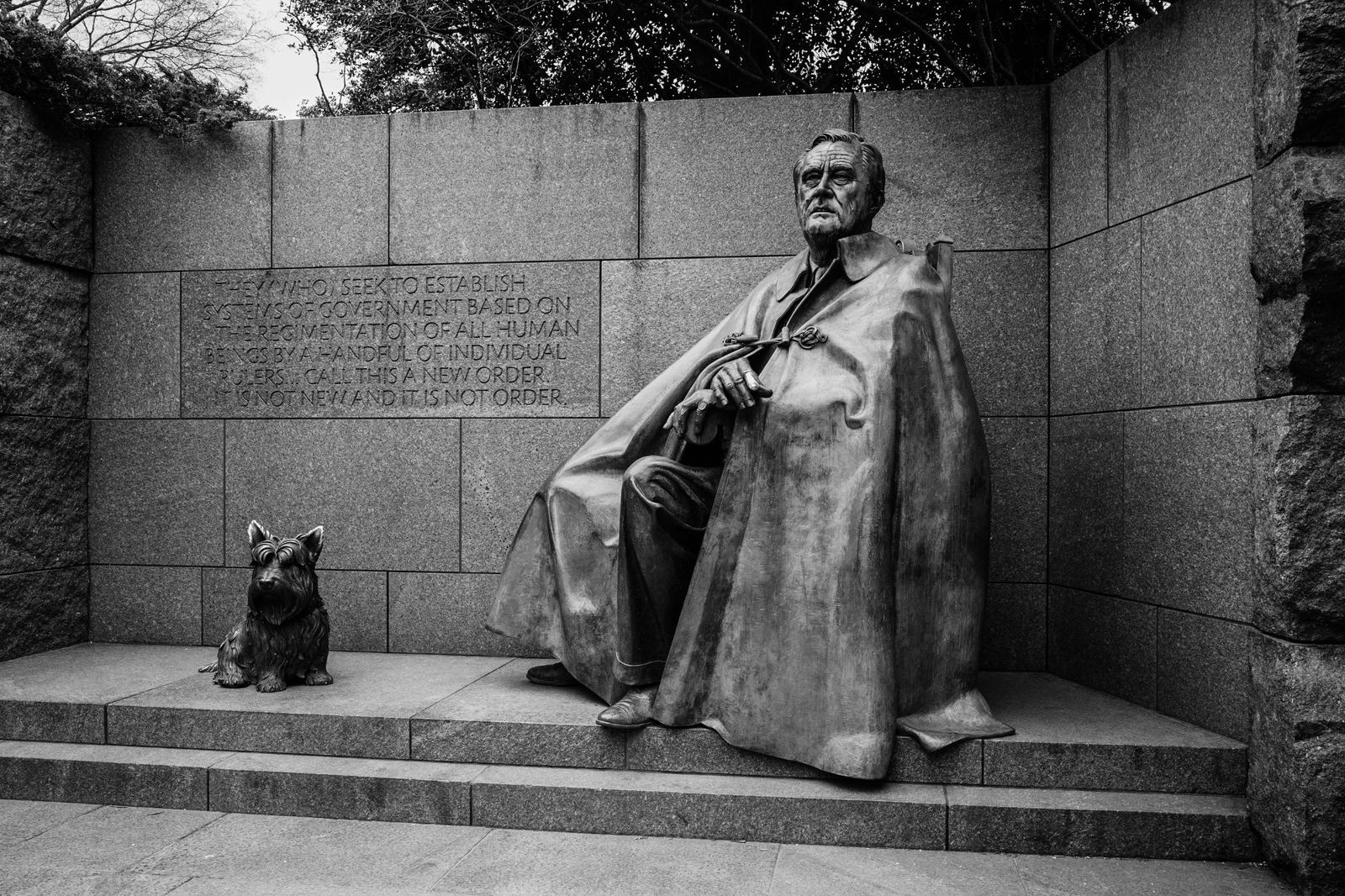
Image: Brian Logan Photography

Franklin D. Roosevelt spoke these famous words during his first inaugural address as the United States struggled through the Great Depression. Rather than offering generic encouragement, he argued that fear itself had become an economic force, causing bank runs, panic, and paralysis that only made the crisis worse.

Roosevelt believed restoring public confidence was essential to recovery. Within days, he declared a nationwide bank holiday and launched the first measures of what became the New Deal. His phrase has endured because it captures the powerful effect fear can have on people's decisions.

6

Ich bin ein Berliner. — John F. Kennedy (1963)
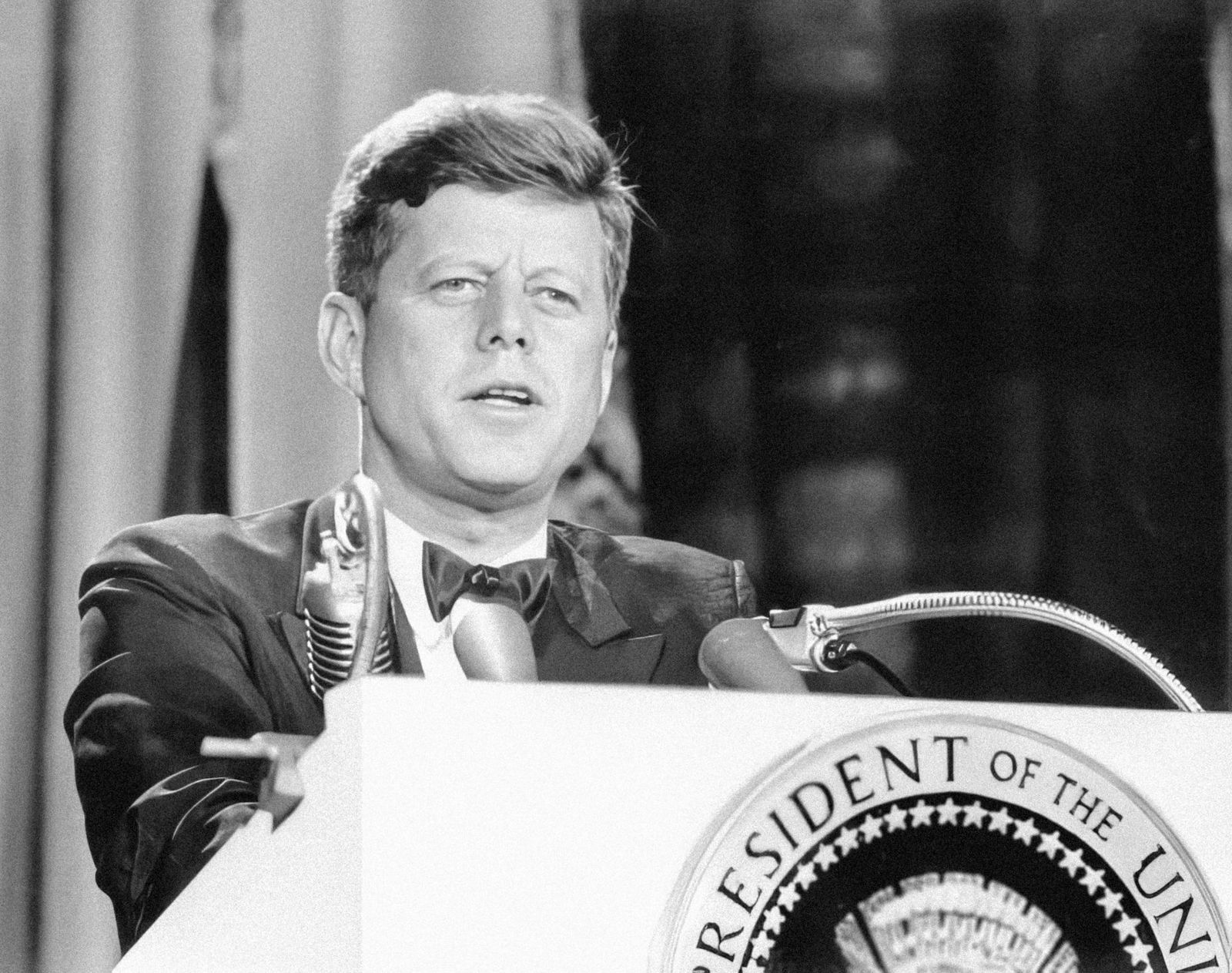
Image: Florida Memory

One of history's most persistent language myths claims that Kennedy accidentally said, "I am a jelly doughnut." In reality, German speakers clearly understood what he meant when he declared, "Ich bin ein Berliner" during a visit to West Berlin in 1963.

Kennedy was expressing solidarity with the isolated city's residents at one of the Cold War's tensest moments. Linguists have long dismissed the doughnut story as a misconception, while historians view the speech as a powerful demonstration of American support for West Berlin. Still, it was fun.

7

I am not a crook. — Richard Nixon (1973)
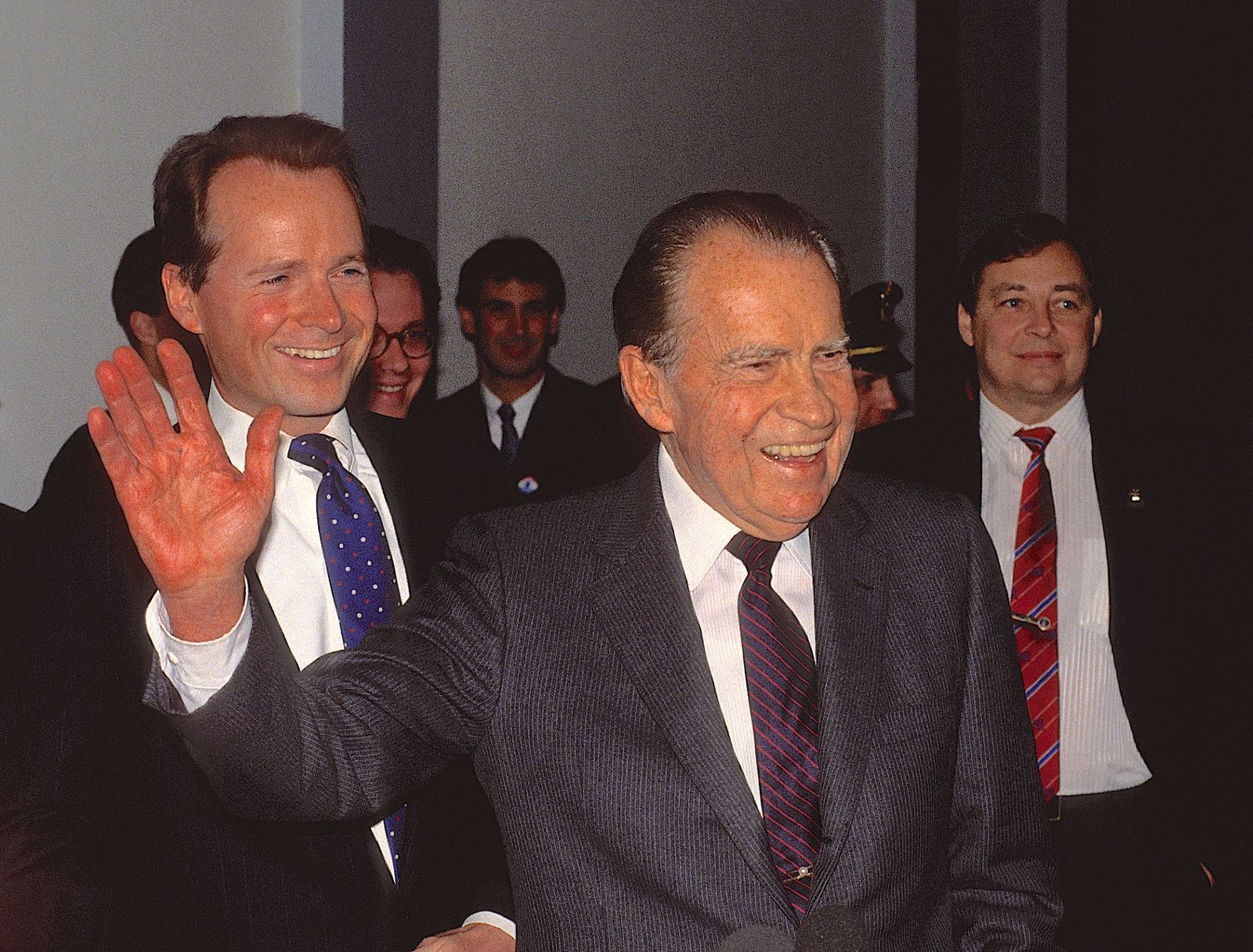
Image: mark reinstein

Richard Nixon uttered this famous denial during a televised press conference while the Watergate scandal dominated headlines. Although many people remember it as a blanket denial of wrongdoing, Nixon was specifically insisting that he had never personally profited illegally from holding public office.

The phrase quickly took on a life of its own. As investigations continued and evidence mounted, Nixon resigned less than a year later, making him the first U.S. president ever to do so. Today, the quote is remembered less for what Nixon intended than for the irony that history would attach to it.

8

Houston, we've had a problem. — Jack Swigert (1970)
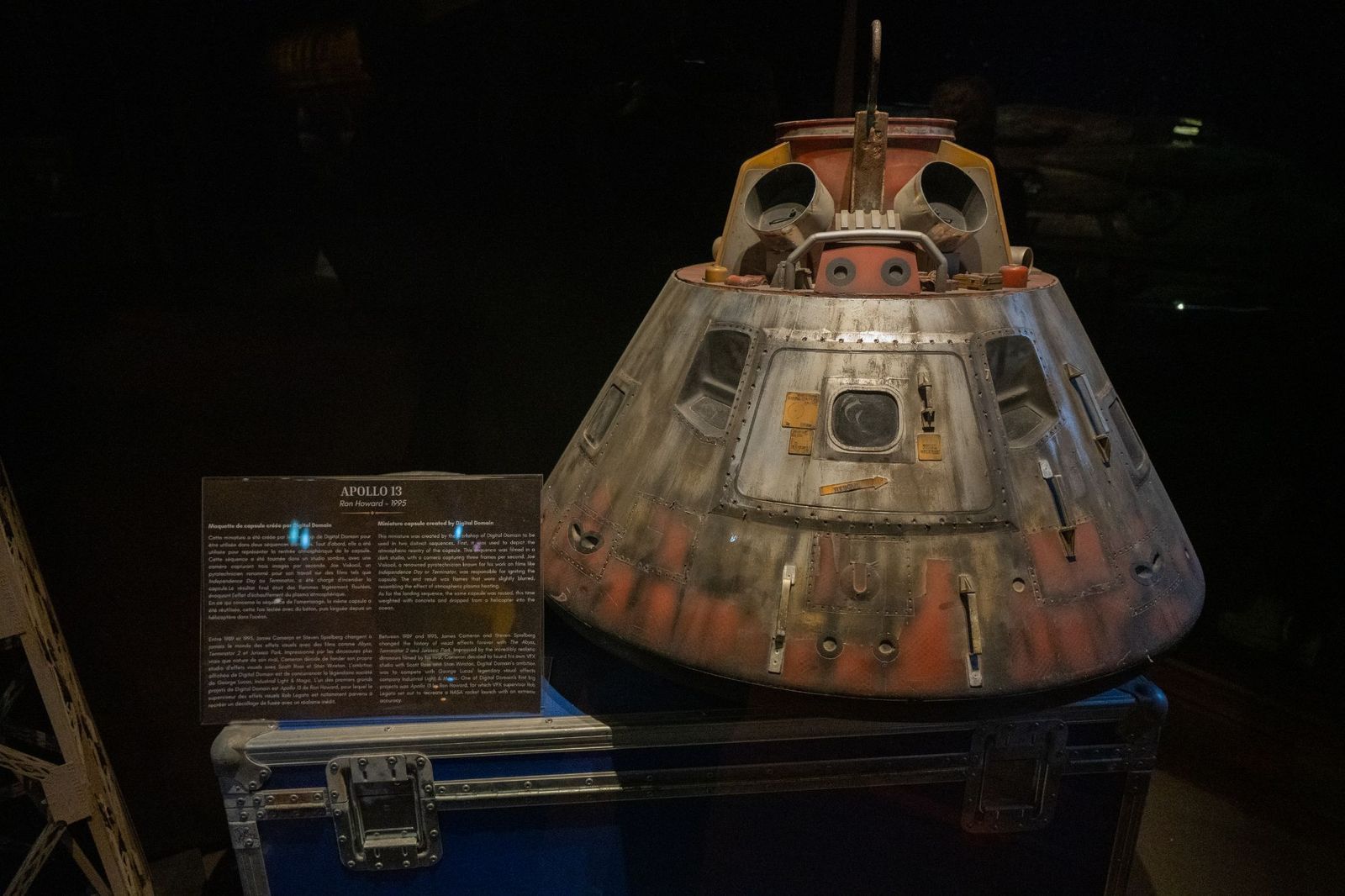
Image: Joseph Creamer

Popular culture remembers the Apollo 13 crisis as "Houston, we have a problem." The actual transmission was slightly different. After an oxygen tank exploded aboard the spacecraft, astronaut Jack Swigert calmly radioed, "Okay, Houston, we've had a problem here," with commander Jim Lovell repeating the report moments later.

The wording reflected that the emergency had already occurred rather than merely being discovered. The shorter version became famous after the 1995 film Apollo 13, but the original exchange remains one of the best-known examples of calm professionalism.

9

That's one small step for [a] man… — Neil Armstrong (1969)
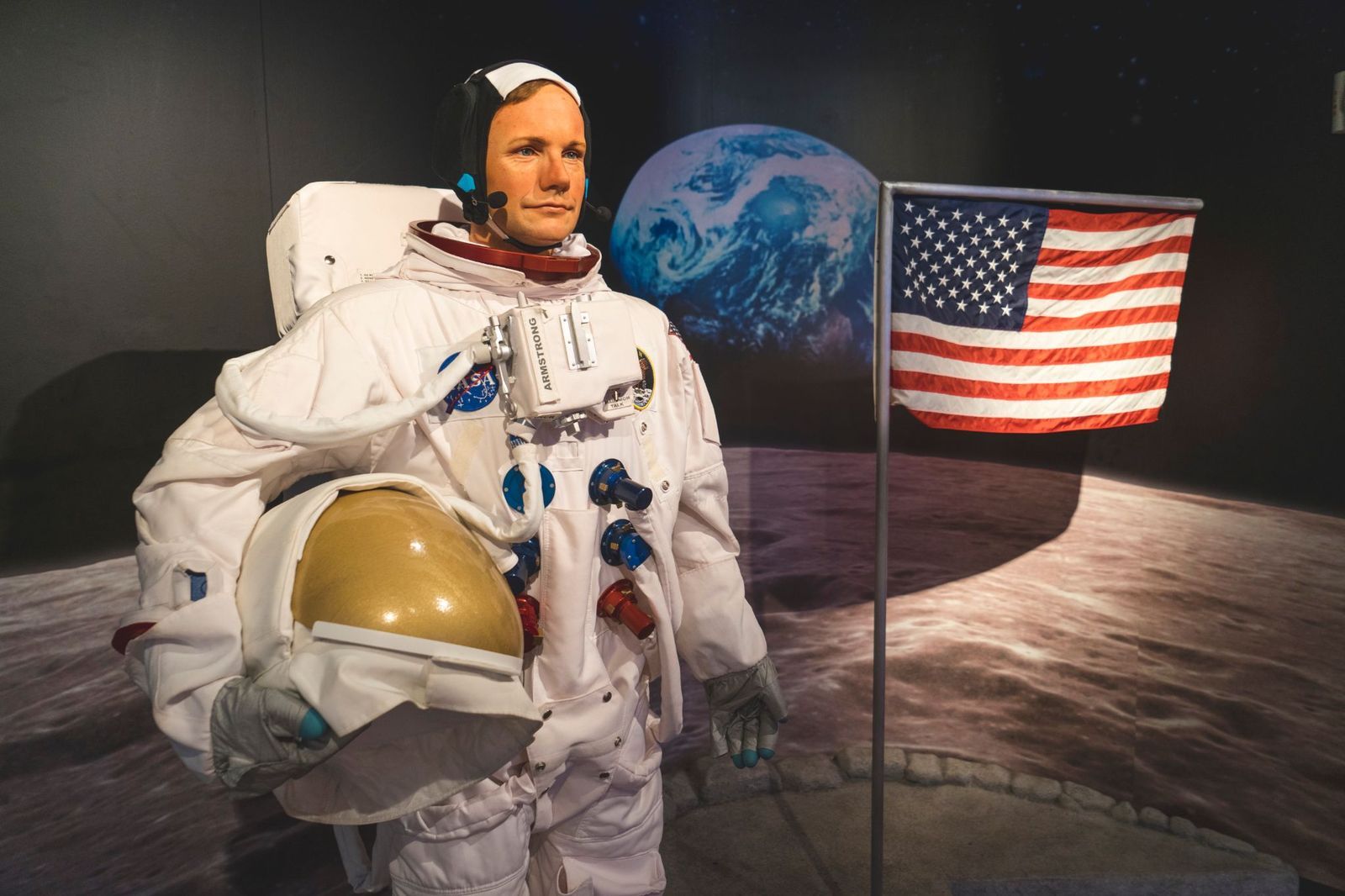
Image: Three Sixty Images

Neil Armstrong's first words on the Moon are among history's most quoted sentences, but one tiny word has sparked decades of debate. Armstrong always insisted he said, "That's one small step for a man, one giant leap for mankind," even though the article "a" is almost impossible to hear in the recording.

The distinction matters because without it, both halves of the sentence mean nearly the same thing. Audio experts have analyzed the recording for years without reaching complete agreement.

10

Give me liberty, or give me death! — Patrick Henry (1775)
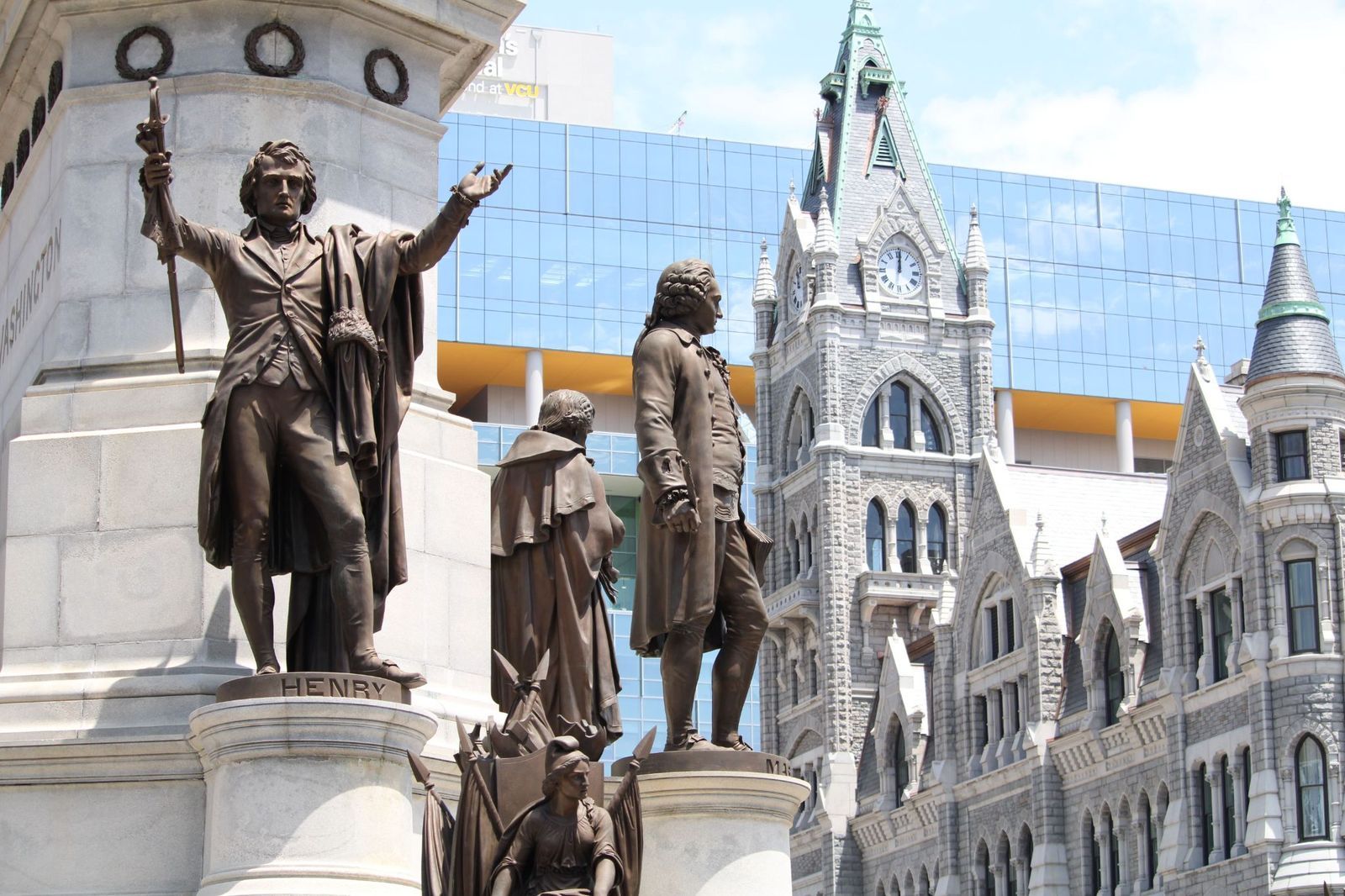
Image: Wirestock Creators

Patrick Henry's dramatic declaration is often imagined as a battlefield cry, but it was actually delivered during a political debate at Virginia's Second Convention in March 1775. Henry argued that peaceful negotiations with Britain had failed and that the colonies needed to prepare for armed resistance.

Interestingly, no verbatim transcript exists. The famous wording was reconstructed decades later by biographer William Wirt, using recollections from witnesses, although historians cannot confirm every word.

11

Speak softly and carry a big stick. — Theodore Roosevelt
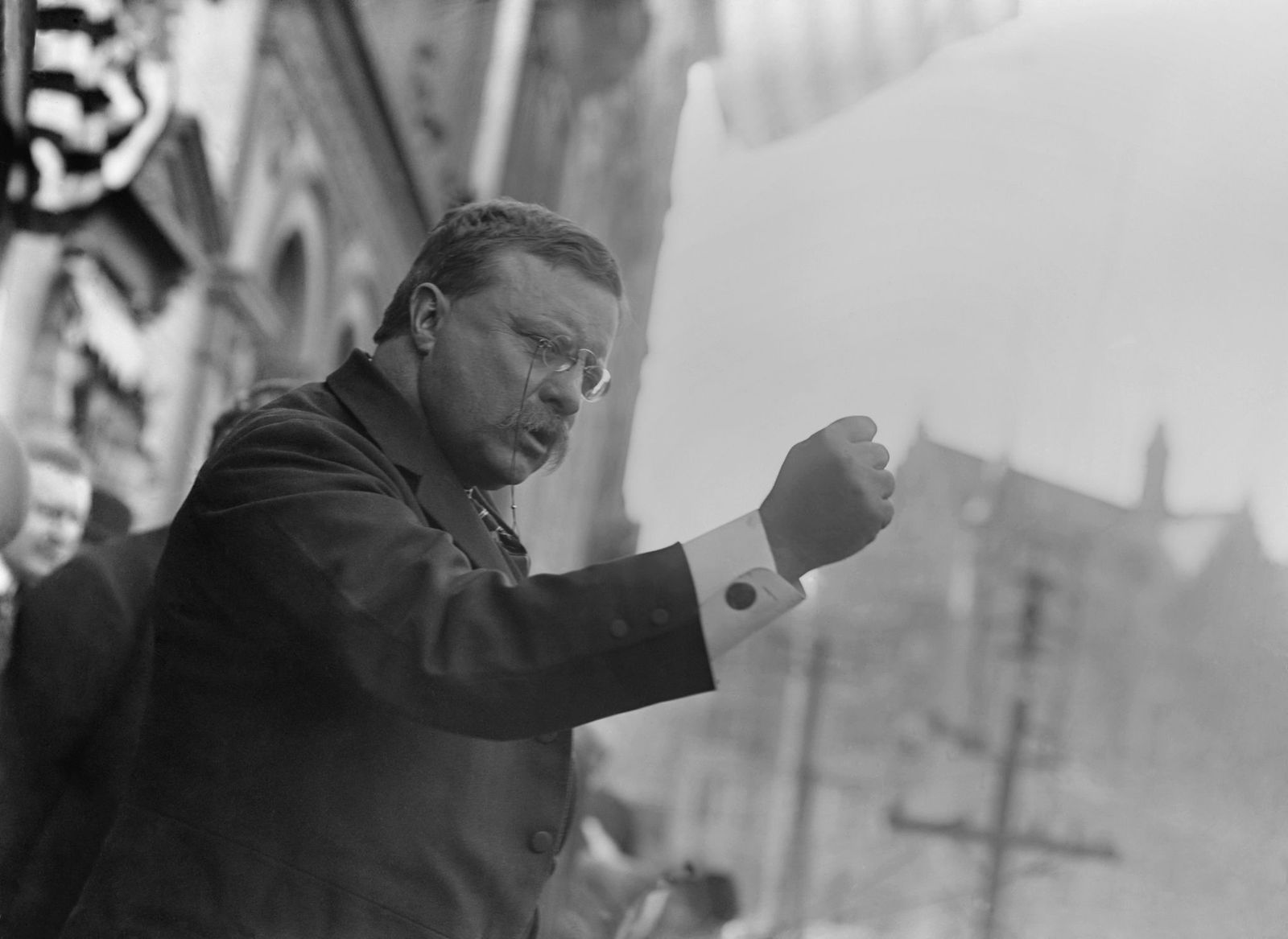
Image: Everett Collection

At first glance, Theodore Roosevelt's famous advice sounds aggressive, but it actually promotes restraint. Roosevelt believed successful diplomacy begins with calm negotiation, while credible strength remains available in the background if peaceful efforts fail.

He said the phrase reflected an old West African proverb, although historians have never found evidence that such a proverb existed before Roosevelt popularized it. Regardless of its origin, the expression became permanently associated with his approach to foreign policy and remains a familiar shorthand for negotiating from a position of strength.

Decoding

Being a "treasured guest" is not a compliment. This is the hidden meaning


Published on July 29, 2026


Image: Hitesh Choudhary

Have you ever heard "Code Adam" while shopping for groceries at Walmart? Or maybe you’ve heard how "Dr. Firestone" was being paged during a routine hospital visit. They sound like harmless announcements. But behind these ordinary words are secret codes staff use to signal emergencies without causing panic. From hospitals and supermarkets to airports and Disney Parks, these phrases quietly warn employees that something is happening. You hope you never hear them, but if you do, it helps to know exactly what they mean.

1

Treasured guest

Image: Helena Lopes

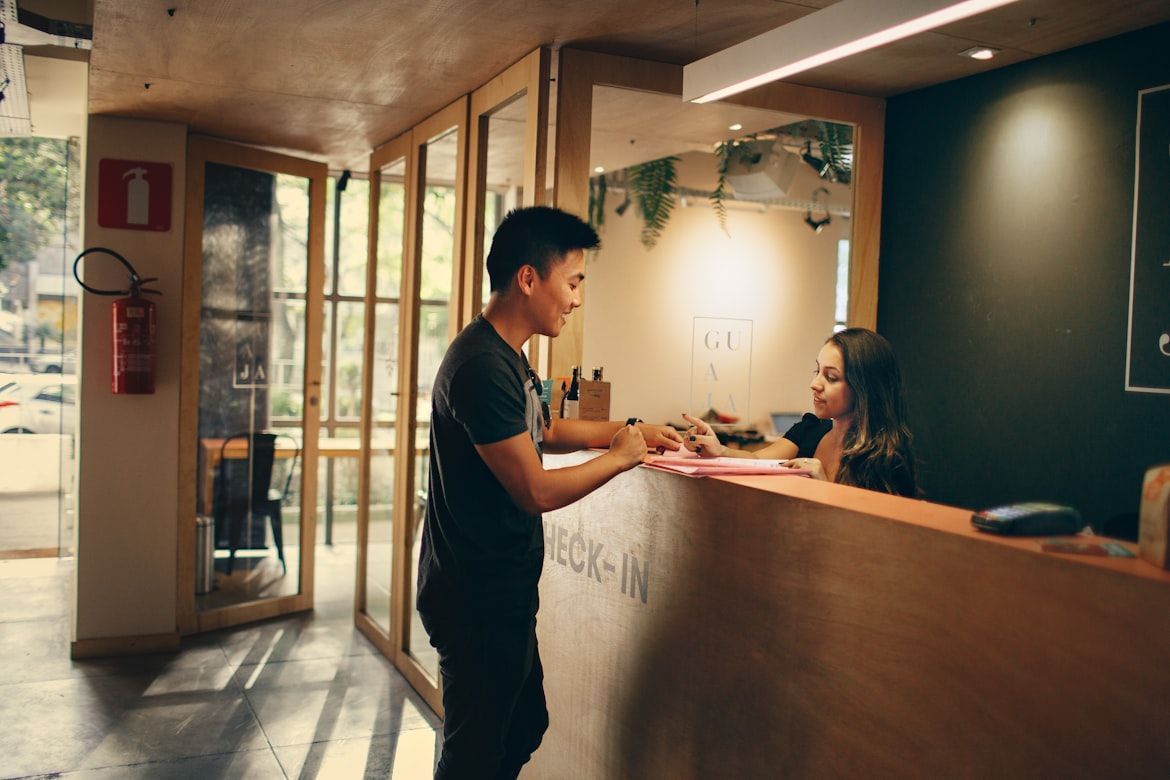
We all love getting special attention at airports or hotel desks, but if you hear the clerk call you a "treasured guest," don’t feel so flattered. You may not be as VIP as one could think.

In the hospitality industry, "treasured guest" has become a humorous bit of industry folklore to describe someone causing trouble. Maybe a customer yelling at staff over expired coupons, demanding impossible accommodations, or throwing a full-blown tantrum at the front desk. Whatever it is, the phrase has become the staff’s secret way to warn co-workers without escalating the situation in front of the customers. Most guests don’t realize the meaning, but once you know it, you may start hearing it more often. We just hope it’s not about you.

2

Code Adam

Image: Karsten Winegeart

Imagine you’re pushing a shopping cart through Walmart when suddenly the overhead speaker announces, "Code Adam." You can easily assume it’s some kind of employee meeting or cleanup request. But when you see them start locking the exits and moving around, you know something’s wrong.

This code was created in 1994 by Walmart in collaboration with the National Center for Missing & Exploited Children (NCMEC), in memory of the tragic case of 6-year-old Adam Walsh. Adam was abducted from a Sears department store in 1981 while shopping with his mother. His father, John Walsh, later became famous for hosting the TV program America’s Most Wanted and advocating for missing children. Even if Adam’s story ended in tragedy, Walmart created the emergency system in Adam’s memory, and other retailers soon adopted it nationwide, intending to have a quick response to missing or abducted children.

3

Code Blue

Image: Günter Valda

You’re sitting in a hospital waiting room during a routine check-up when you suddenly hear "Code Blue, Room 214." Most people immediately know it sounds serious, even if they are not entirely sure why.

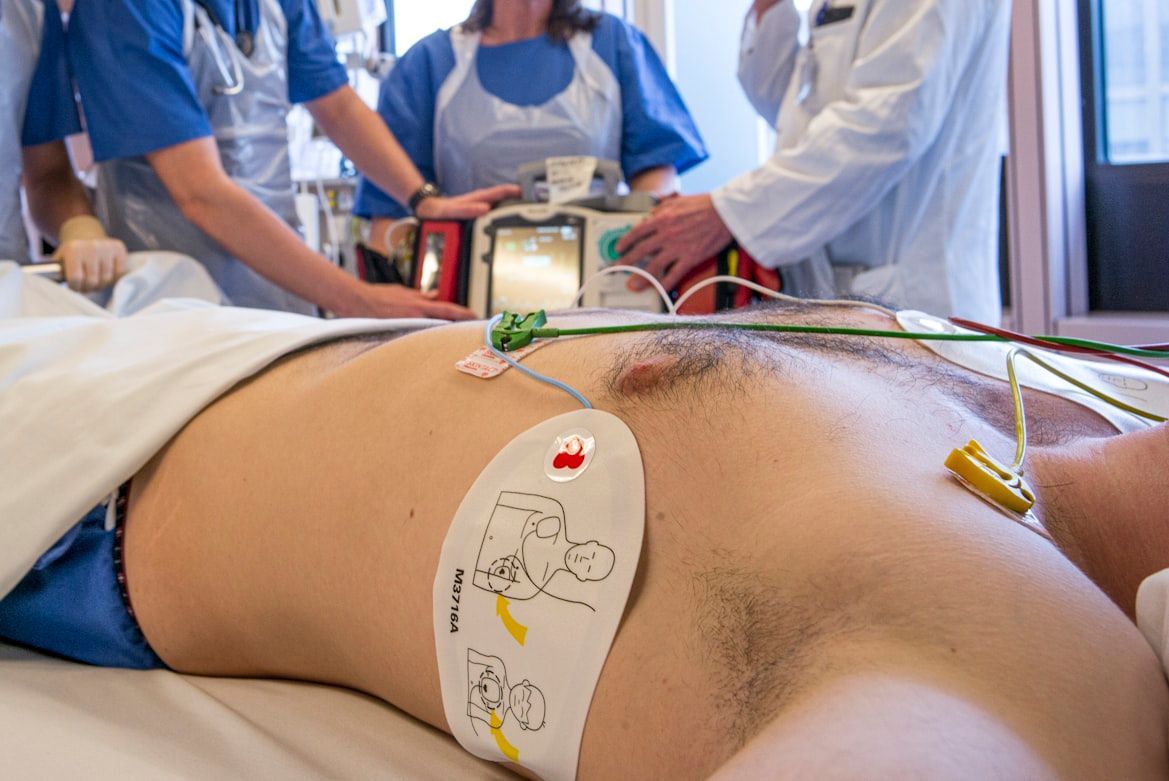
The phrase "Code Blue" is used at hospitals to draw the necessary staff and equipment to perform a resuscitation. It was created in the early 1960s at Beathany Medical Center by Dr. Hughes Day. Before then, hospital resuscitations were often chaotic and poorly coordinated. In 1961, Dr. Day received a grant to build one of America’s first cardiac care centers, and he developed both the Code Blue alert system and the modern crash cart to improve survival rates during cardiac emergencies. Today, the system is used in hospitals across the country, sometimes with specialized versions like "Code Blue Pediatric" or "Code Blue Neonate."

4

Dr. Firestone

Image: Cdn Pages

Imagine visiting a loved one in the hospital when the intercom calmly announces, "Paging Dr. Firectone to the third floor." Your head surely goes, "Dr. Firestone’s probably having a busy day up there." He is, but it’s not what you think.

The phrase is actually a discreet fire alert used to warn staff about smoke, flames, or overheating equipment without frightening patients and visitors. Hospitals adopted these coded announcements after realizing that openly yelling "fire" over loudspeakers could create panic, especially among patients who aren’t able to move quickly. "Code Red" is an alternative used by many health centers today, but it also hints at the situation while keeping hallways calm.

5

Code 10

Image: Blake Wisz

You’re standing at a checkout counter when the cashier picks up the phone and quietly says, "I need a Code 10 authorization." If you think that’s just another way to get a supervisor’s approval or technical issue, think again. In reality, the cashier may suspect the credit card is stolen or fraudulent.

Code 10 was developed through a cooperative effort between major credit card companies like Visa and Mastercard, along with international standard organizations. As credit cards became more common in the 1960s and 1970s, stores needed a discreet way to alert banks about suspicious activity without directly accusing customers and potentially putting employees at danger. When a cashier requests a Code 10, the bank’s operator begins asking yes-or-no questions to assess the situation and guide the employee on what to do next.

6

Code Bravo

Image: CDC

You’ve probably experienced those long airport security lines. The wait is usually uneventful. But sometimes, you can hear "Code Bravo" over the speakers. Maybe it’s a delay, or maybe it’s an issue with luggage. Within seconds, people stop moving, the security line freezes, and exits may even close. It’s something bigger.

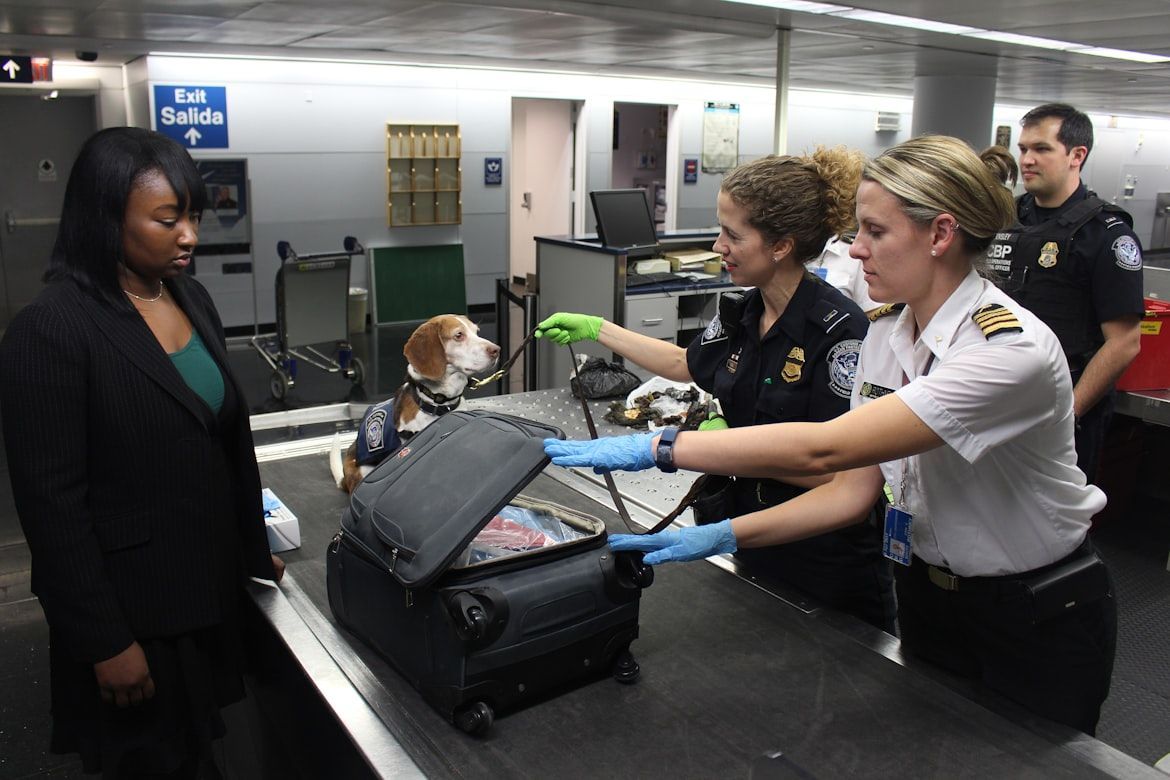
Code Bravo is the emergency phrase used by airport security and the Transportation Security Administration to signal a serious security threat, such as an unattended bag, a breach at a checkpoint, or someone slipping into a restricted area. The term comes from the international phonetic alphabet used in aviation and military communications, where "Bravo" represents the letter B. When this is called, security staff immediately lock down affected areas, stop screening lines, and search for the source of the threat. To passengers, it’s sudden and confusing, but to security, it’s a carefully rehearsed response.

7

Code Alpha

Image: Navy Medicine

You are heading back to your cabin on a cruise ship when the speakers announce, "Code Alpha, Deck 7." You may think Alpha is related to the captain, but that’s not the case. It means someone on board is suffering a medical emergency.

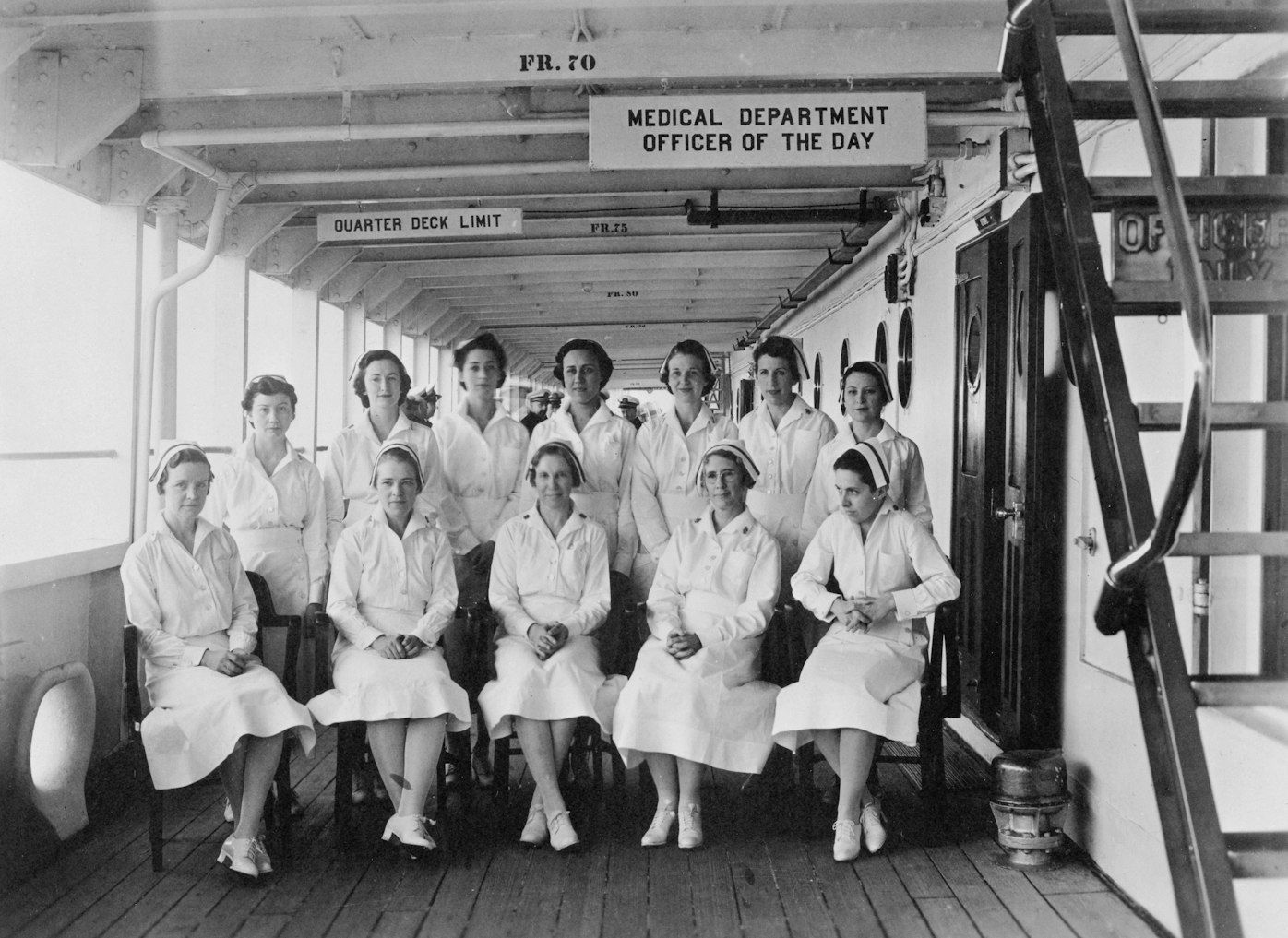
The phrase comes from the NATO phonetic alphabet, where "Alpha" represents the letter A. In maritime emergency jargon, it became shorthand for a Priority A medical situation requiring immediate response. Cruise lines such as Royal Caribbean and Disney Cruise Line commonly use the term, though some ships use variations like repeating "Alpha" three times. Once the code is announced, onboard medical teams rush toward the specified deck or cabin. If necessary, stretcher crews are mobilized, and in severe cases, the ship may even divert course toward the nearest port for emergency evacuation. Passengers are enjoying the views, but the staff is running to save a life.

8

10-33

Image: chris robert

Anyone who remembers the CB radio craze of the 1970s probably smiles when they hear "10-4." Movies, truckers, and radio fans turned those number codes into a part of American culture. So if you overhear "10-33" on a police scanner, you might assume it’s just another routine message. But it’s not as simple as it sounds.

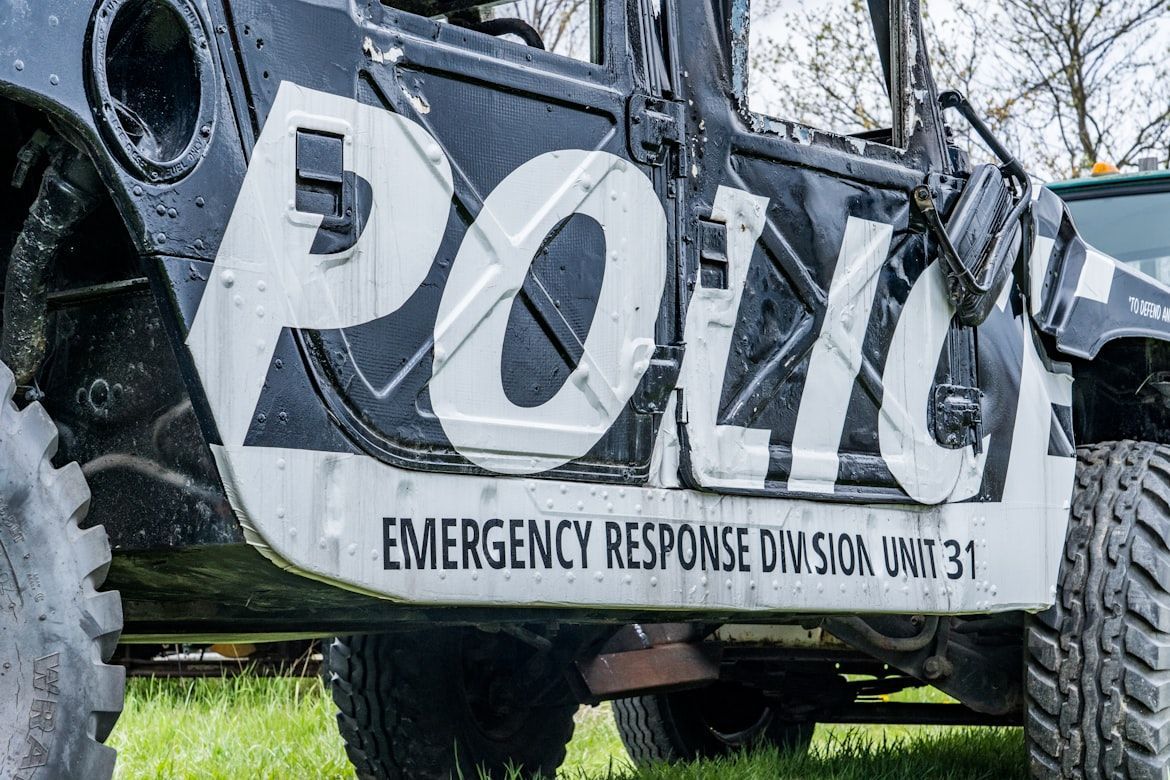
The 10-code system was first created in 1937 by Illinois State Police communications director Charles Hopper and later standardized by the Association of Public Safety Communications Officials, better known as APCO. Officers needed short phrases they could understand clearly over crackling radio signals. The 10-33 code commonly means an officer needs emergency assistance. In some departments, it also signals radio silence so dispatchers can focus on the crisis unfolding in real time.

9

Signal 70

Image: Samuel Lopez Cruz

Disney World is amazing, the parks offer something for everyone, and there are things to see wherever you look. But that’s exactly the kind of place where a child can easily disappear into a sea of strollers, balloons, characters, and crowds. For that reason, Disney has developed the "Signal 70," which alerts cast members and security that a child has become separated from their family.

The number comes from older police and emergency radio systems, where "70" was commonly associated with missing persons. Disney adopted the phrase because it allows employees to communicate discreetly without frightening or alarming nearby guests. If a member finds the child, they gently -and magically- escort them to Baby Care Center, where they coordinate the reunion.

10

Echo, Echo, Echo

Image: Alonso Reyes

Cruises are great to relax, enjoying a good book under the sun with a nice drink by the side. Until you hear "Echo, echo, echo" on the speakers. If you do, something is happening somewhere else on the ship.

The code is used among cruise employees to signal that dangerous winds or a navigational hazard are affecting the ship. It comes from the international maritime phonetic alphabet, where "Echo" stands for the letter E. In maritime signalling, the letter traditionally means "I am altering my course to starboard." And, in time, the phrase became associated with urgent ship maneuvers and weather-related warnings. However urgent, the repetition of the word by three doesn’t represent life-threatening situations. It alerts the crew of a certain hazard to prepare while avoiding panic among passengers.

Looking for an extra scoop of literary fun?

Learn more with our Word of the day

outwit

/ˌaʊtˈwɪt/