Names that contain multitudes

10 real people who became widely used adjectives


Published on June 2, 2026


Image: Patrick Tomasso

Is it possible for a person to leave such a deep impression in their time that their name becomes synonymous with their most predominant characteristics? Of course! We can find many examples of this across history, but also in words that we use or hear often, and we might not realize that they are the names of famous queens, generals, writers, or philosophers. Here are 10 adjectives you have heard at least once that come from the name of a historical character.

1

Napoleonic

Image: Nicolas HIPPERT

Meaning: aggressive and domineering as a way to compensate for a fault in a different aspect.

Be it that we think of Napoleon Bonaparte as a military genius or as a very lucky madman, we can’t deny that he was ambitious and assertive. However, some of his detractors say that this attitude was a way for him to compensate for his (very documented) lack of height. No matter his military triumphs, the name ‘Napoleon’ remained stuck to a physical trait.

2

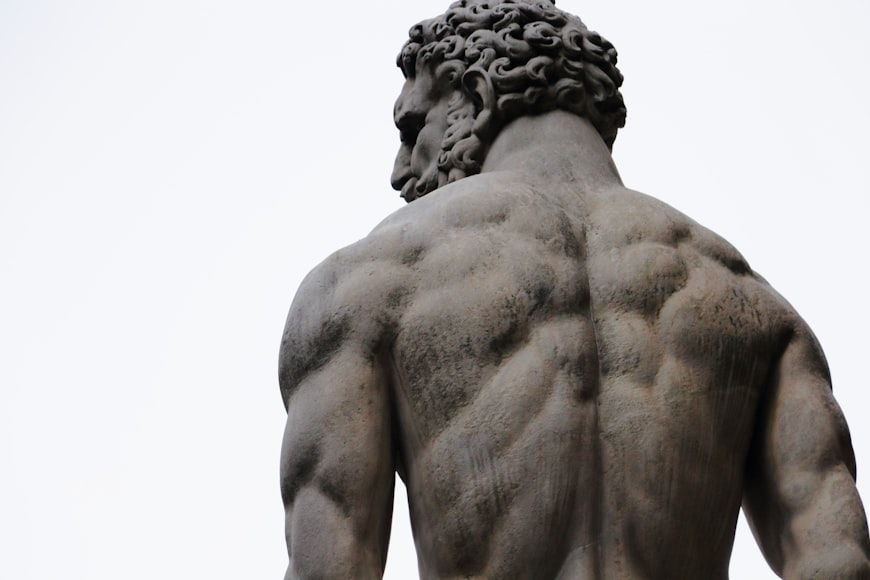
Homeric

Image: Simone Pellegrini

Meaning: grand, heroic, epic.

Homer’s The Iliad and The Odyssey are two of the most influential literary works of all time. Narrating the War of Troy, Odysseus’ journey back home, and the workings of the gods in human fate, the impact of these works in Western culture has made them, and their creator, the epitome of all that’s epic and heroic.

3

Kafkaesque

Image: Paulo Ziemer

Meaning: a complex, bizarre, and illogical situation.

Franz Kafka is known for his stunning prose, but even more for the oppressive and alienating world his characters live in, be it that they wake up turned into a giant insect or that they have to navigate the nightmares of a bureaucratic system. So, add ‘kafkaesque’ to your repertoire for the next time you are left endlessly waiting on a call with customer service.

4

Machiavellian

Image: Marius Teodorescu

Meaning: cunning, sneaky, manipulative.

We often describe evil people and things as ‘Machiavellian’, but was Niccolo Machiavelli that twisted? Not necessarily, but some might say his ideas were. As the author of the political philosophy treatise The Prince, he was of the idea that the common good might justify using not-so-good means, which resulted in his name being associated with those who put their own interests above ethics and morals.

5

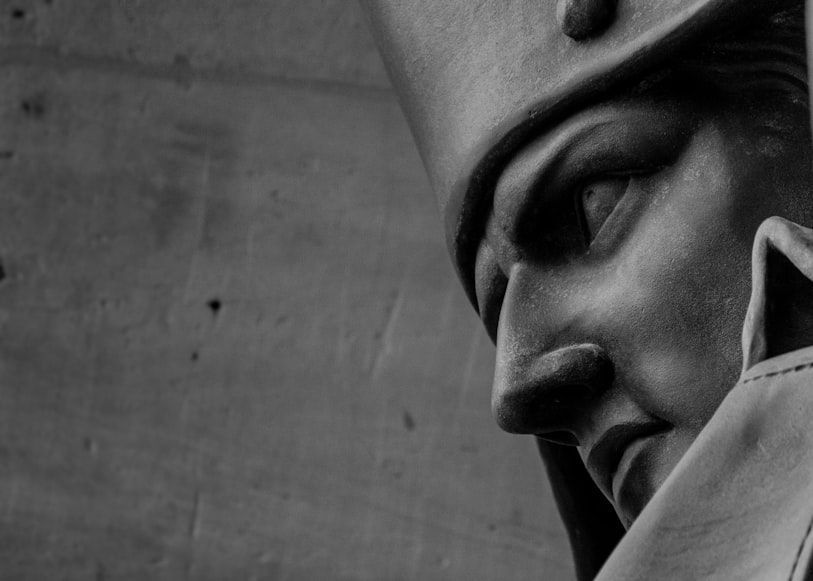
Draconian

Image: Constantinos Kollias

Meaning: excessively harsh or severe.

Chances are that, even if you heard the term ‘draconian’, you don’t know it refers to a real person. Draco was an Athenian lawmaker from the 7th century BC, infamous for creating a legal code so strict that even minor crimes warranted the death penalty. The severity of this code was such that his name became synonymous with excessive laws and regulations.

6

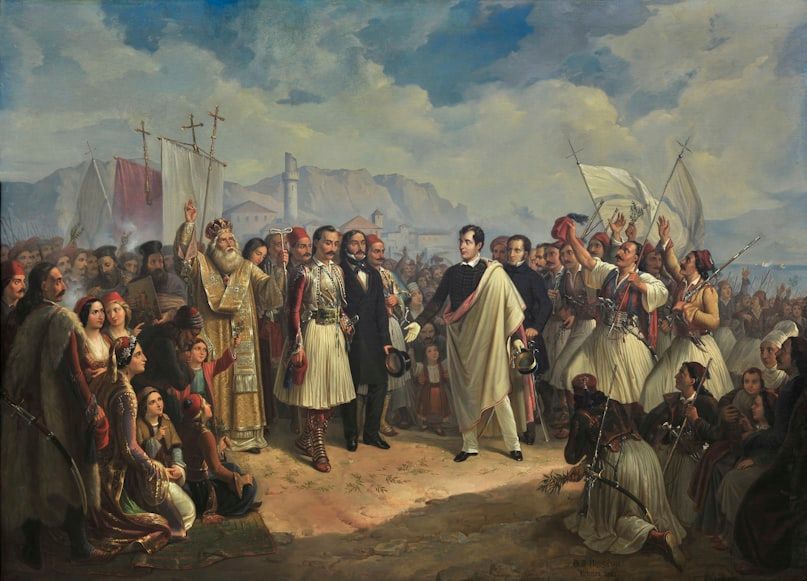
Byronic

Image: Europeana

Meaning: defying traditional heroic ideals, anti-heroic.

As far as 19th-century poets go, none was as rebellious, cynical, and self-destructive as George Gordon, better known as Lord Byron, and his male characters followed suit. Leaving a lasting impact in English society, the name Byron came to signify melancholy, rebellion, arrogance, cynicism, and a complete disregard for social rules.

7

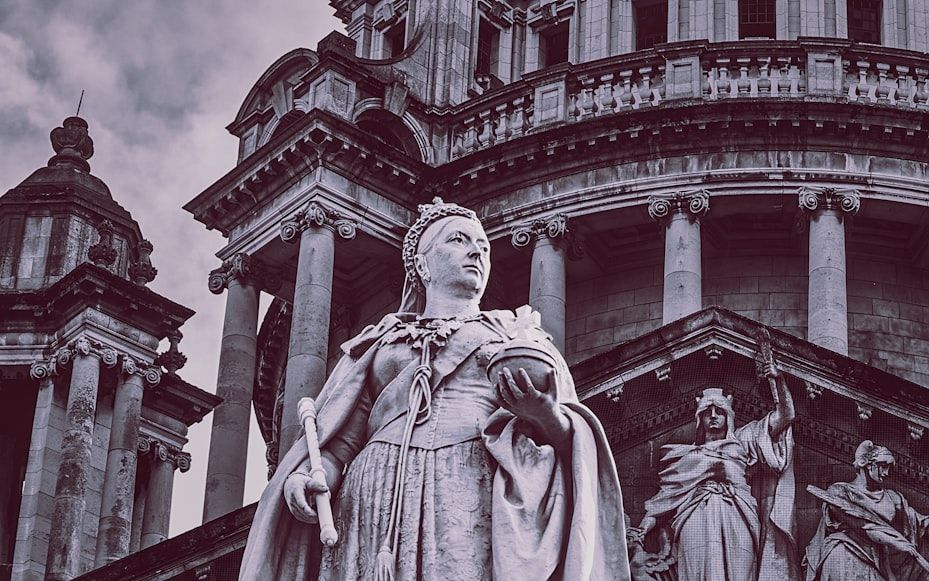
Victorian

Image: K. Mitch Hodge

Meaning: prudish, strait-laced, old-fashioned, rigid.

As the second-longest reigning monarch of the UK, Queen Victoria and her 63-year-long reign left a deep impression on British society and on the world. Although the Victorian era was characterised by industrialization and social reform, it was also a time when society behaved according to a strict moral code that is seen today as hypocritical, prudish, and extremely rigid.

8

Pavlovian

Image: Sameep Adhikari

Meaning: an automatic or conditioned response to a specific stimulus.

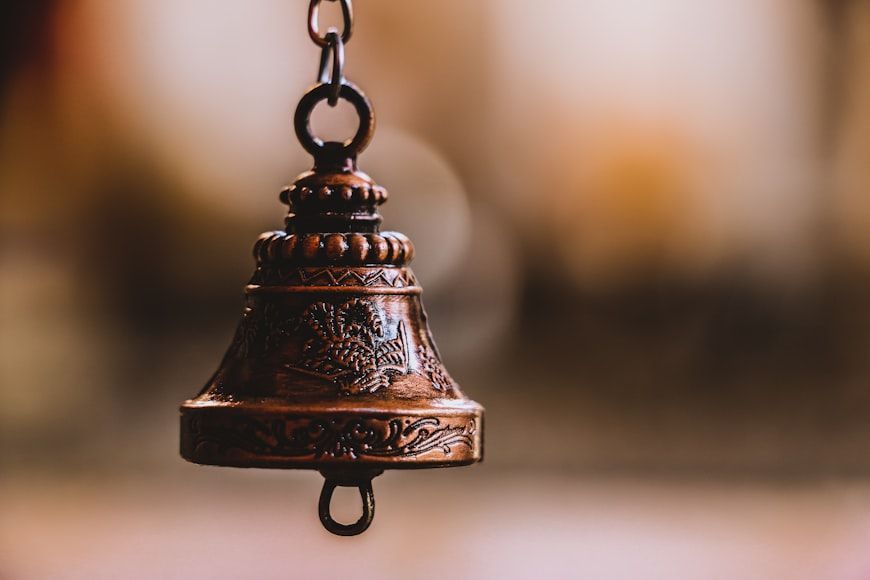
When Russian physiologist Ivan Pavlov trained a dog to associate the sound of a bell with food, which in turn caused the dog to salivate when the bell rang, he couldn’t have imagined that his name would become an adjective used across the world. Next time you associate a random sound or action with a memory, remember that that Pavlovian response can be described thanks to a dog.

9

Dickensian

Image: Daniela Muntyan

Meaning: bleak, tragic, grim, eccentric.

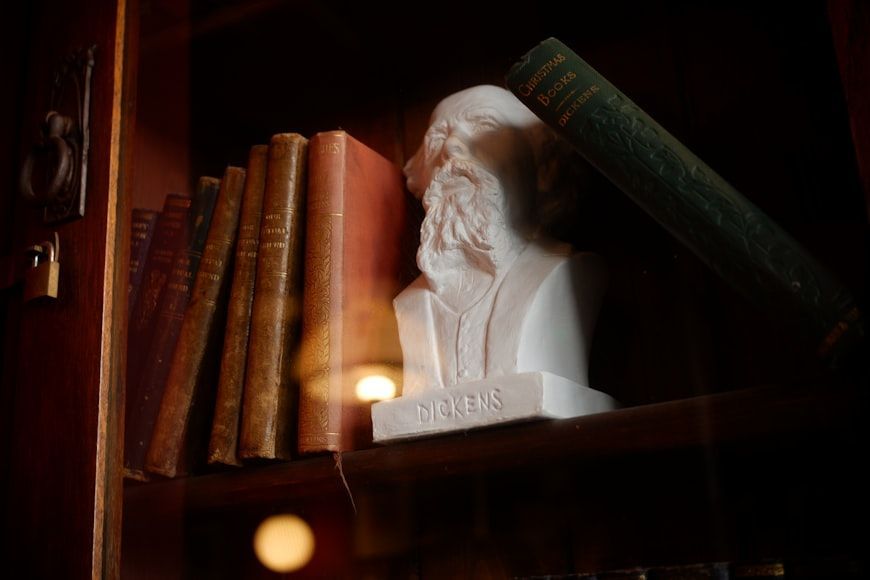
Prolific 19th-century author Charles Dickens published his novels in installments meant to be read by the middle and working classes, so naturally, he chose topics he thought would appeal to those people, which resulted in stories of social injustice, poverty, industrialization, and its consequences, with a cast of eccentric characters to match. Dickens is now a revered author and the hand behind several beloved stories, but his name has turned into a way to describe situations reminiscent of those he depicted in his work.

10

Platonic

Image: Raphael, Public domain, via Wikimedia Commons

Meaning: a spiritual, intellectual, or emotional relationship, free from desire.

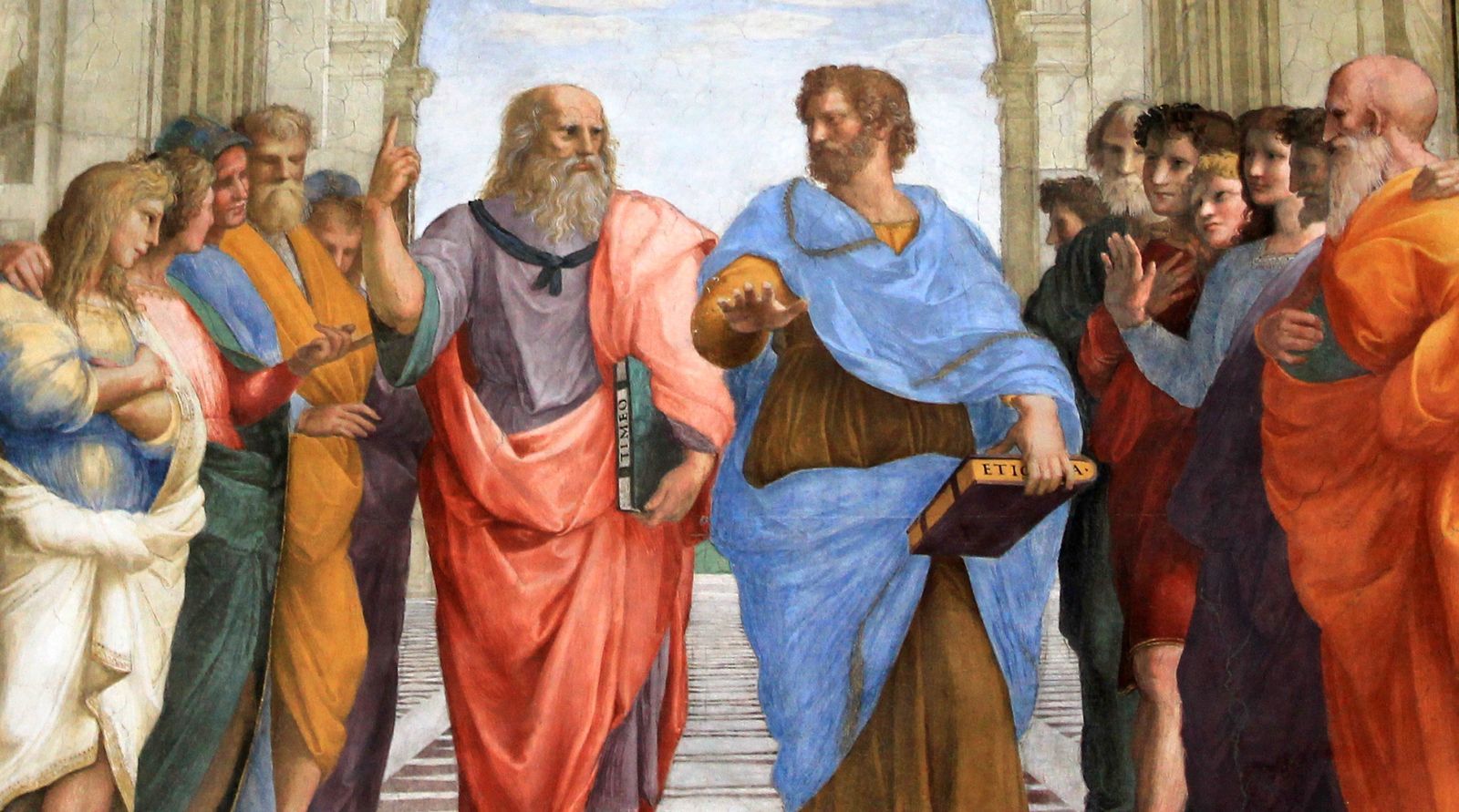
We use the term ‘platonic’ often, and although we know who Plato was, we sometimes fail to realize that what he described in his works and what we call ‘platonic’ are not the same thing. In his writings, Plato suggested that true love was spiritual and could transcend the physical aspect of life. With the passing of time, people came to associate the ‘platonic’ idea of love with a love freed from physical desire.



Hospital secrets

What is a "Code Gray" and what you should know if you hear it at the E.R.


Published on June 2, 2026


Image: voronaman

A trip to the emergency room can be stressful enough without hearing doctors and nurses speak a language that sounds like a secret code. One minute, someone is asking for medication "STAT," the next there’s a "Code Gray," and another patient is suddenly "NPO." What do those words really mean? Some are official medical terms, others are insider slang, but they all help hospital staff communicate quickly when every second counts. Here are 10 of those codes explained.

1

Code Gray

Image: PeopleImages

The E.R. can be hectic and unpredictable. Most patients are frightened or uncomfortable, but now and then someone becomes aggressive because of pain, confusion, mental illness, or the effects of alcohol or other substances. That’s when you can hear "Code Gray" announced over the speakers.

The code is used to summon security officers to help manage a violent or combative situation. While color codes vary from one hospital to another, Code Gray commonly signals that staff needs extra assistance to protect patients, visitors, and healthcare workers. Even if you know it now, most people in the waiting room never know what happened, and that’s exactly the point.

2

NPO

Image: PeopleImages

You have a scheduled surgery, you’re in your bed waiting to be taken to the surgery room, and you ask for a cup of coffee to make the wait lighter. The nurse will probably tell you you’re an NPO. You may think it’s serious, but it’s simply a procedure.

"NPO" is an abbreviation that comes from the Latin phrase Nil Per Os, which means "nothing by mouth." It tells patients they cannot eat, drink, or sometimes even take medication until doctors say it’s safe. The rule is most common before surgery or certain medical tests, when food or liquids could increase the risk of complications or alter the results. It may be frustrating, but it’s an important part of keeping patients safe.

3

STAT!

Image: PeopleImages

You’ve probably been through the experience of visiting an emergency room, either to get checked or to visit a loved one. In that part of the hospital where everyone is rushing to save lives, you’ve probably heard a doctor asking for the R.C.P. cart or medication "STAT!" It sounds urgent, and that's because it is.

The expression comes from the Latin statim, which means "immediately" or "without delay." Hospitals have used Latin medical terms for centuries, but STAT is one of the few that remains part of everyday conversation. When a doctor says it, the request jumps to the top of the priority list. It doesn’t always refer to a life-or-death situation, but it does mean the medical team needs something done as quickly as possible.

4

Code Pink

Image: Vladimir Tretyakov

Newborns are always a reason to celebrate at the hospital. Parents usually rest happily next to their child as they receive congratulations from close relatives. However, the hospital is always prepared to handle extremely rare emergencies under "code pink."

If you hear a "Code Pink," it usually means a baby or young child is suspected of being abducted from the hospital. Within seconds, security officers respond, exits may be monitored or blocked, and staff begins following carefully rehearsed procedures. Although different hospitals sometimes use different color codes, Code Pink has become widely recognized across North America as one of the most serious alerts a hospital can issue.

5

Walkie-talkie

Image: Arunporn Thanapotivirat

If you’ve ever spent a few days in the hospital, you’ve probably noticed that some patients are walking up and down the halls, while others need help just getting out of bed. When a nurse refers to someone as a "walkie-talkie," it’s actually good news.

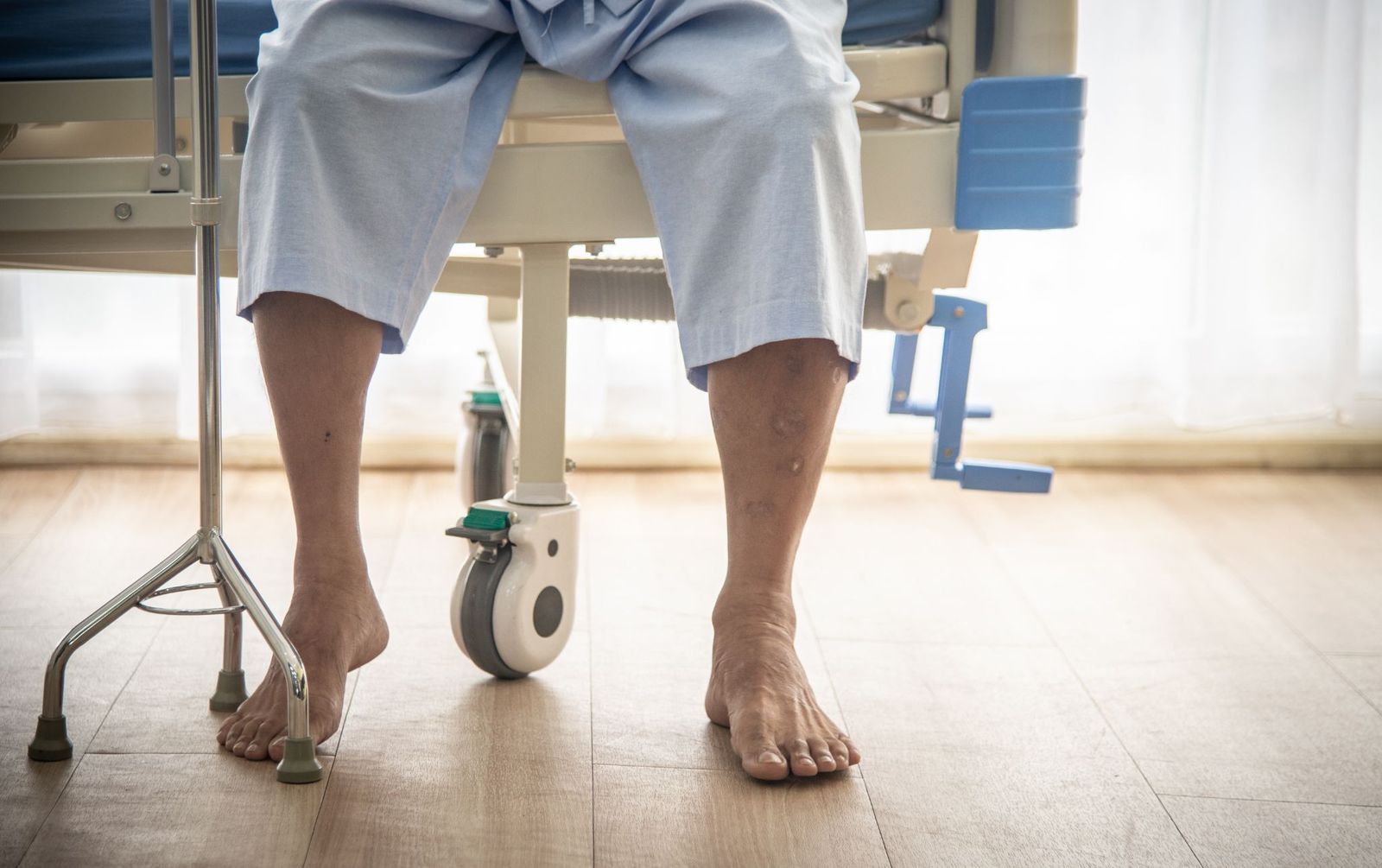
This informal expression refers to patients who can walk on their own, use the bathroom without assistance, and handle most basic tasks independently. It’s not an official medical term, of course, but it’s commonly used among healthcare workers because it quickly tells the next shift that the patient requires less hands-on care than many others.

6

Total

Image: sebra

As nurses change shifts, you’ll often hear them give a quick report about each patient. One person may only need medication, while another is described as a "total."

The term is short for a patient who requires total care. They may need help eating, bathing, getting dressed, turning in bed, or moving from one place to another. Although the expression sounds impersonal, it’s simply a practical way for caregivers to communicate how much assistance someone needs.

7

Frequent flyer

Image: Studio Romantic

Most people hear "frequent flyer" and think of an airline reward program. And that’s correct, but in an emergency room, the phrase has a very different meaning.

A frequent flyer is an informal nickname for patients who repeatedly return to the hospital, often due to chronic illness, recurring medical conditions, or other ongoing health issues. Behind the light-hearted nickname is often a difficult reality. Many of these patients are simply dealing with medical problems that require regular emergency care, and the expression is just a way to make the experience a bit lighter among the familiar faces of doctors and nurses.

8

WOW

Image: Studio Romantic

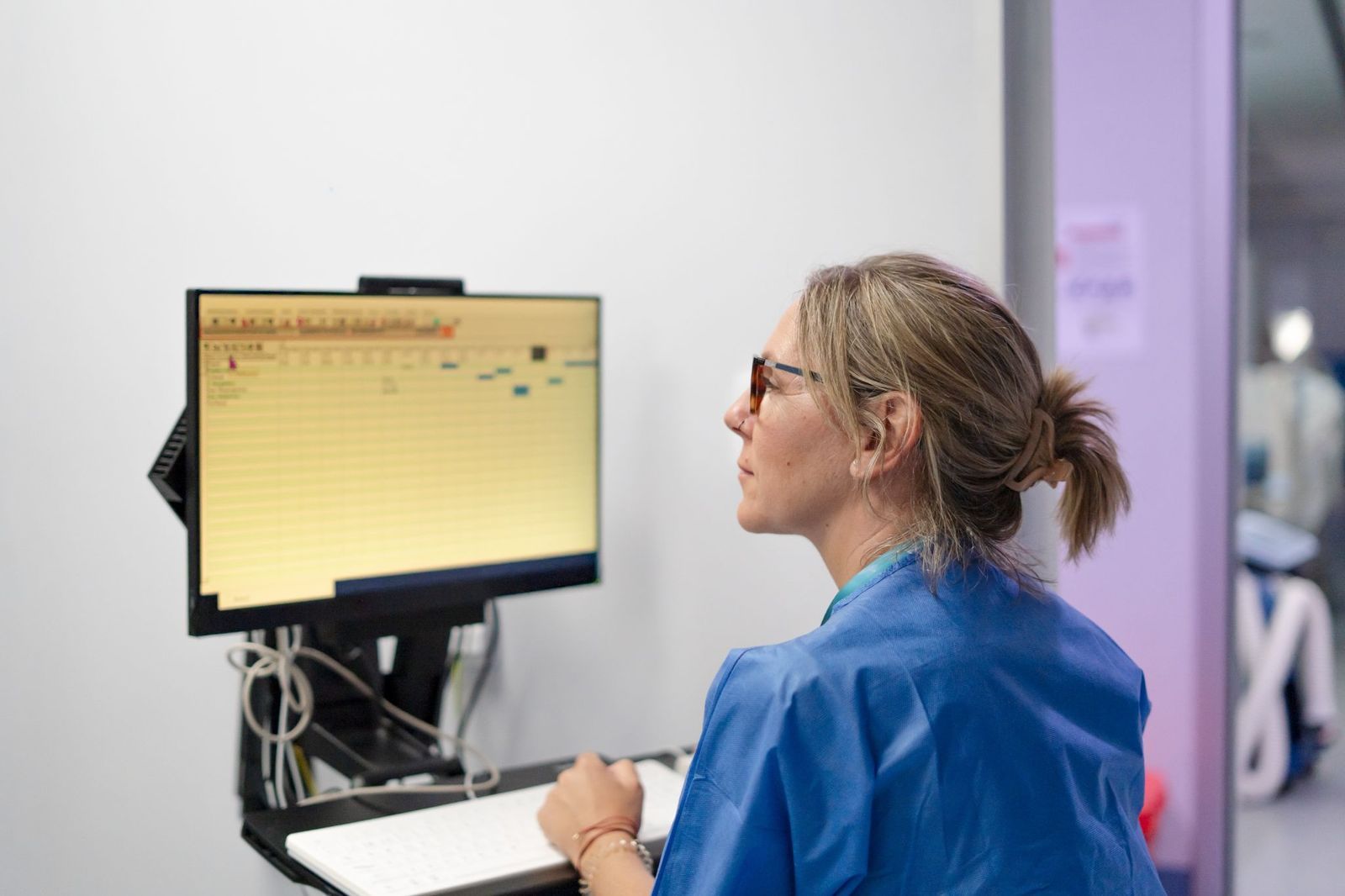
Not all codes are for patients. The next time you’re in a hospital, look closely at what the nurse is pushing from room to room. It may look like a small rolling desk with a computer on top. Staff often call it a "WOW," short for "workstation on wheels."

As hospitals switched from paper charts to electronic medical records, these mobile computers became essential. Nurses use them to review test results, scan medications, update patient charts, and check doctors’ orders without leaving the bedside. The name sounds funny, but the technology helps caregivers spend more time with patients instead of walking back and forth to a nursing station.

9

Sharp container

Image: NMK-Studio

After getting a shot or having blood drawn, most patients never think about where the used needle ends up. It certainly doesn't go into an ordinary trash can.

Hospitals place needles, scalpels, and other sharp medical instruments into special containers designed to prevent accidental injuries. These sturdy, puncture-resistant boxes are sealed when full and safely disposed of in accordance with strict health regulations. This not only protects nurses, but it also protects cleaning crews, waste handlers, and even the public from dangerous needle sticks. It’s one of the most important safety measures in every hospital, even though most patients never notice it.

10

B-52

Image: Photoroyalty

If you’ve ever watched a medical drama, you've probably seen a patient become so agitated that several staff members rush into the room. In situations like that, a doctor or nurse may ask for a "B-52." But the name has nothing to do with numbers themselves; it actually comes from a medicine.

B-52 is hospital slang for a fast-acting injection used to calm down patients who are severely combative or at risk of harming themselves or others. The nickname comes from a commonly used combination of medications that usually include diphenhydramine, haloperidol, and lorazepam. It’s strictly reserved for when other methods of calming the patient haven’t worked.

Looking for an extra scoop of literary fun?

Learn more with our Word of the day

remedy

/ˈrɛmədi/