Superstitious speech

The eerie belief behind saying "bless you" after a sneeze


Published on June 18, 2026

Image: Emmeli M

We use phrases like "bless you" or "break a leg" every day, but have you ever stopped to wonder where they actually came from? Many of our favorite figures of speech are rooted in the old superstitions of our ancestors: fears, beliefs, and traditions that haven't quite faded away. Let’s uncover the fascinating, sometimes eerie, backstories behind 10 idioms we use all the time.

1

Bless you

Image: Towfiqu barbhuiya

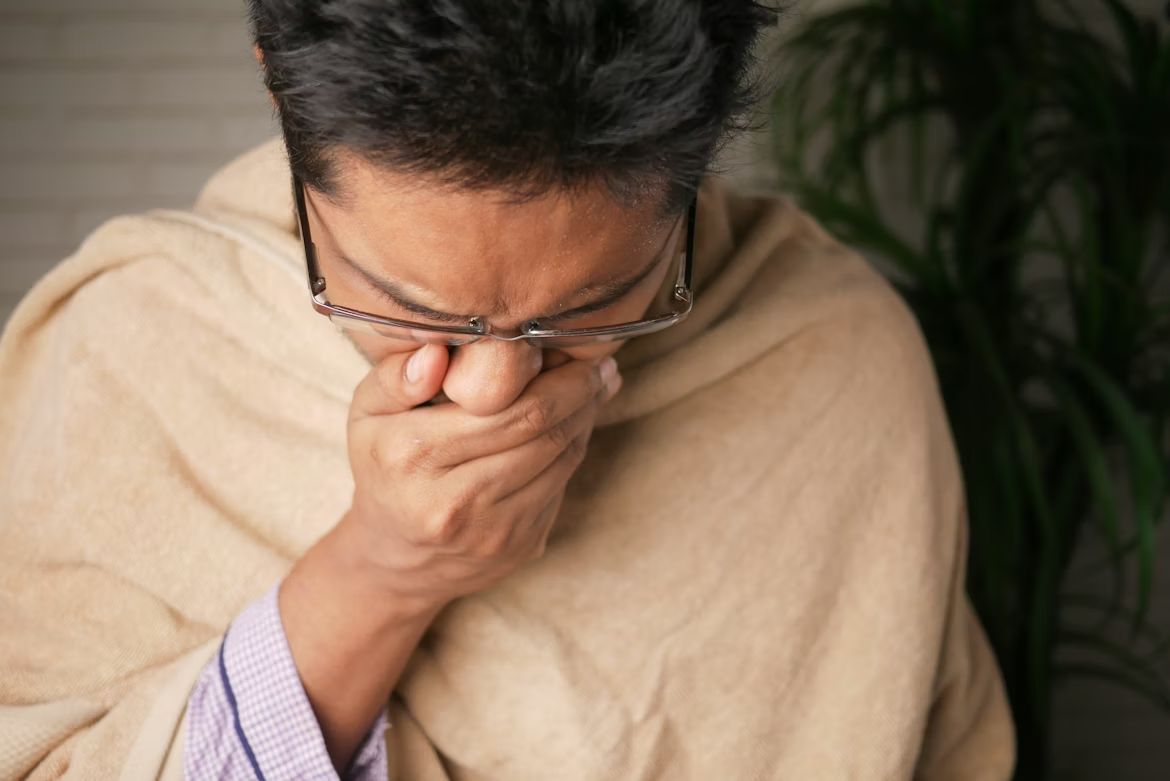
When someone sneezes, "bless you" is the automatic response. This tradition began in the 6th century, primarily thanks to Pope Gregory the Great, who ordered the saying of "God bless you" to protect people from the plague, as sneezing was considered an early symptom of sickness.

Some also trace it back to an ancient belief, shared across Europe and Asia, that a sneeze was the body's way of driving out evil spirits, or even the soul briefly trying to escape. According to the legend, saying "God bless you" was a quick, necessary prayer to protect the sneezer’s soul from being snatched by the devil before it settled back in.

2

Cross your fingers

Image: Dayne Topkin

"Cross your fingers" is a widely recognized way of wishing for a positive outcome. It originated in the 16th-century Christian practice of physically crossing one's fingers to signify the cross and invoke divine protection.

Over time, the hand gesture evolved from a silent, pious prayer into a casual expression. Now, we use it in everyday conversation to show support for a friend or to signal that we are banking on a specific, desired result during a stressful situation.

3

Break a leg

Image: Ana Dujmovic

We use this expression when we wish someone good luck before they step on stage, or, more broadly, before any high-pressure moment.

The origins are surprisingly murky for such a well-known phrase. The most widely accepted theory traces it back to the competitive world of American vaudeville and Broadway in the early 20th century, where wishing someone good luck directly would actually invite bad luck. Saying the opposite was a way of outsmarting fate.

4

Speak of the devil

Image: Marius

"Speak of the devil" is one of those phrases we use almost automatically. The moment someone walks into a room right after being mentioned in conversation, someone inevitably says it.

The expression is a shortening of a traditional English proverb, 'speak of the devil, and he shall appear,' which dates back to at least the 1500s-1600s. The original meaning was far less casual: it was a genuine warning rooted in the medieval Christian belief that speaking of evil, even in passing, was thought to invite it into your presence.

5

Saved by the bell

Image: Luís Perdigão

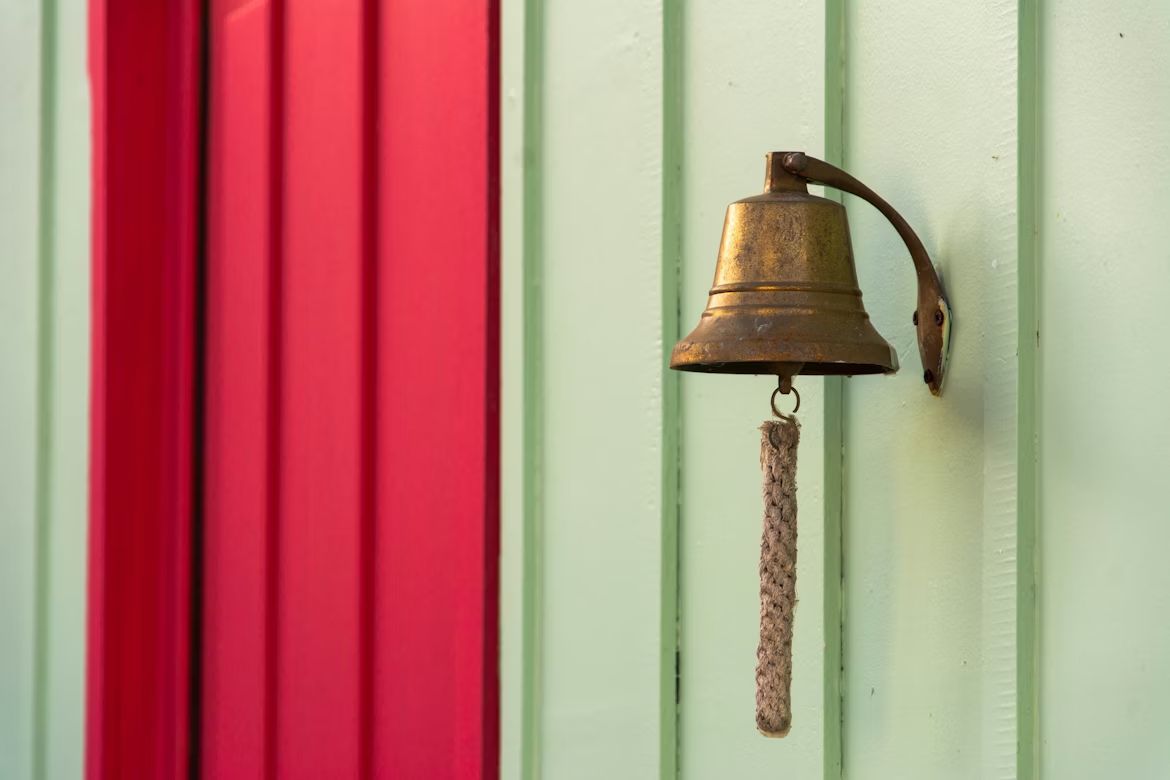
Imagine your boss is about to call on you to present a report you completely forgot to prepare, but just as he turns to you, an urgent call comes in, and the meeting gets cancelled. Being saved by the bell means to be rescued from a difficult situation at the very last second.

Due to a 19th-century custom, bells were attached to coffins to alert people in case someone woke up, reflecting the widespread fear at the time of being buried alive. It is a perfect example of a dark, historical anxiety morphing into a lighthearted, everyday piece of office humor.

6

Throwing caution to the wind

Image: Markus Spiske

There's no single definitive origin story or specific text where this expression first appeared. It likely evolved organically from the general cultural association between wind and chaos. Today, the expression means to act recklessly or boldly, ignoring risks.

The phrase draws from a long tradition of wind-related idioms in English that associate wind with unpredictability and lack of control ("gone with the wind," "which way the wind blows," etc.).

In seafaring culture, "throwing caution to the wind" may also connect to the idea of sailing recklessly by putting up too much sail despite dangerous conditions: essentially letting the wind take over rather than navigating carefully.

7

Friday the 13th

Image: Nik

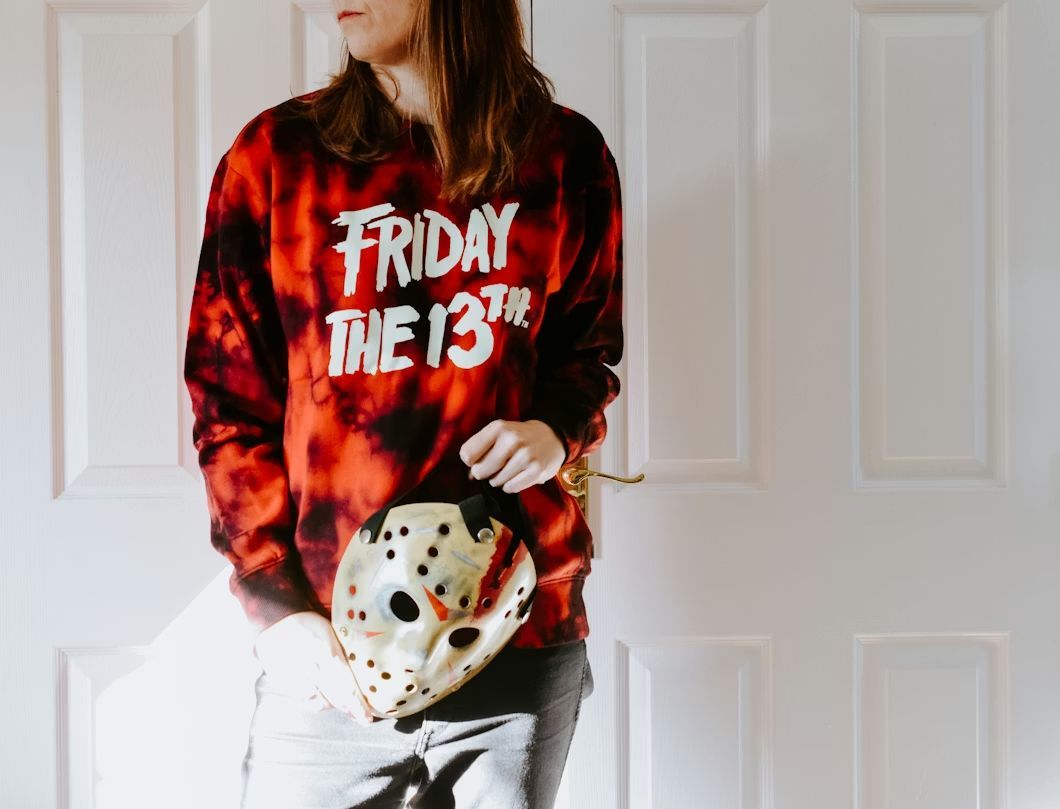
The phrase "it must be a Friday the 13th" has become an idiomatic way to complain about a day when everything goes wrong. It draws on the combined superstitions surrounding the number 13, often linked to the 13 guests at the Last Supper (1st century AD), and the perceived misfortune of Friday, the day of the Crucifixion. When we use this expression, we aren't necessarily expressing deep fear; we are simply using a culturally shared shorthand to describe a series of unfortunate, coincidental events.

8

Like walking through a minefield

Image: Duncan Kidd

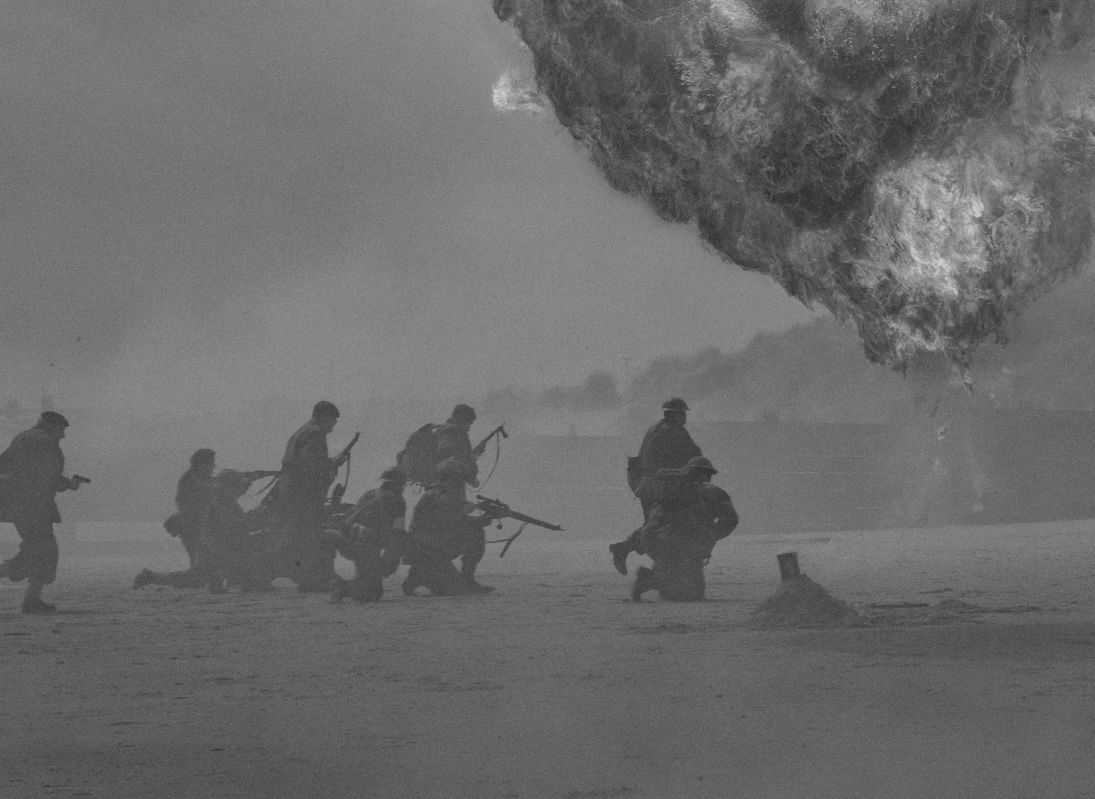
We often use the idiom "like walking through a minefield" to describe a social situation that is incredibly tense and fraught with hidden dangers. While it sounds like a literal warning, it has become a common expression for navigating tricky interpersonal politics. The phrase originated in the early 20th century, specifically around World War I (circa 1915), when the use of landmines became a terrifying new reality of modern warfare. It quickly shifted from a military term to a popular metaphor.

9

Find a penny, pick it up

Image: Elijah Mears

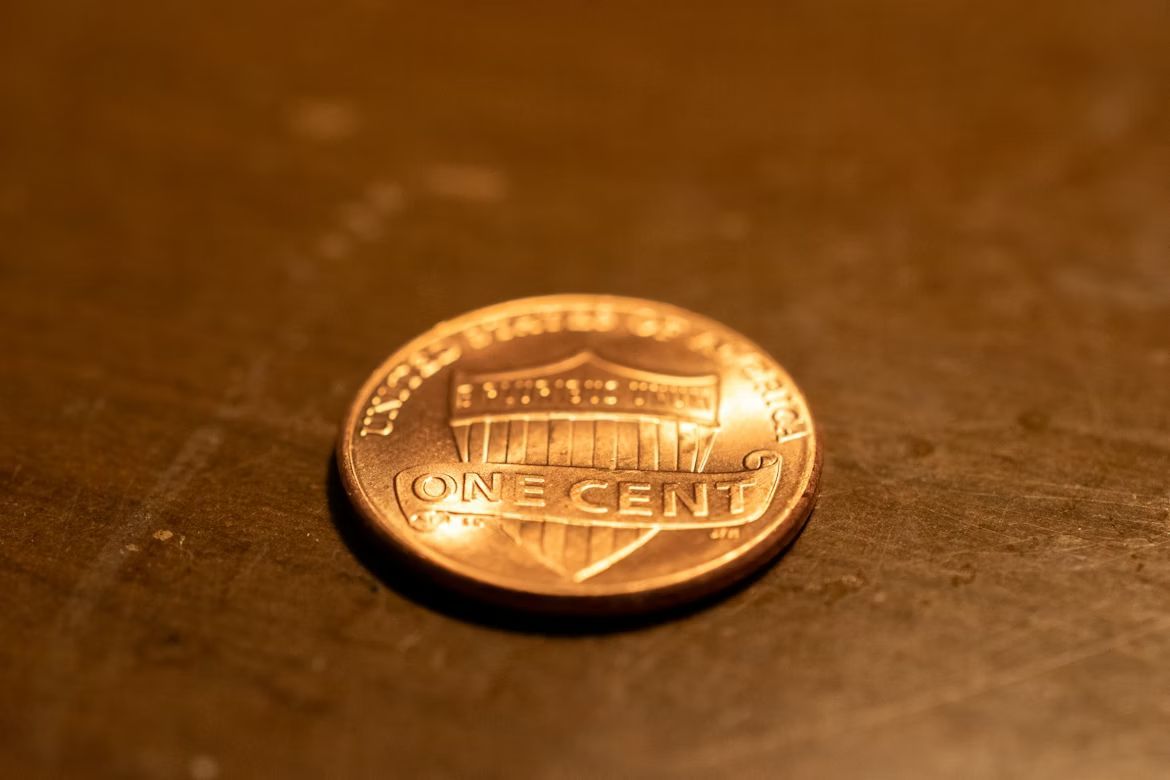
"Find a penny, pick it up, and all day long you’ll have good luck" is an idiomatic rhyme that turns a mundane discovery into a superstitious event. The underlying belief likely traces back to ancient societies across Europe and Asia, who saw metal as a sacred gift from the gods, forged from the earth itself. Finding a piece of it was no accident; it was a sign of divine favor. By the early 20th century, it evolved to include the penny. Today, reciting this idiom acknowledges our enduring, playful hope for a little extra luck.

10

Knock on wood

Image: Chris Barbalis

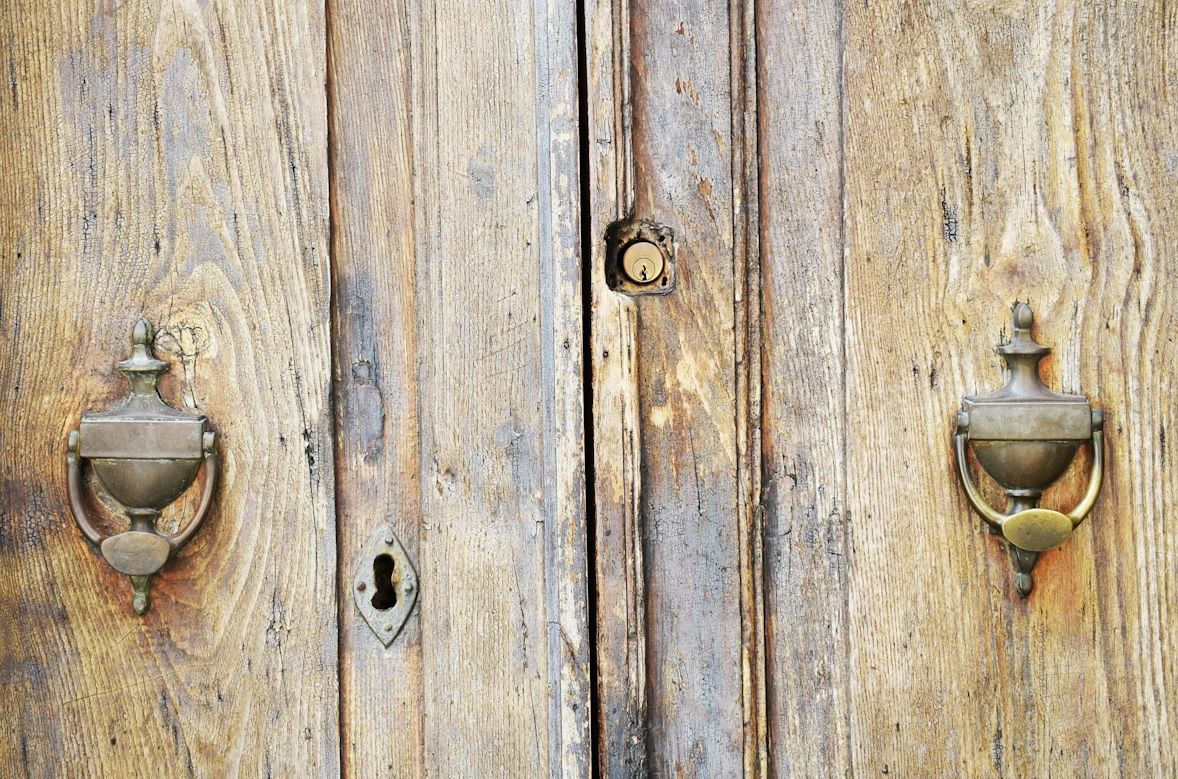
When we say "knock on wood," we express an idiom to express a desire for continued good fortune or to ward off bad luck after boasting. It’s just a reflexive, superstitious way to keep the bad luck at bay, even if we’re only knocking on a laminated desk.

One popular theory traces it to ancient pagan cultures, particularly those that regarded trees as sacred or inhabited by spirits — a belief found across pre-Christian Europe, from Norse to Celtic traditions. By knocking on the trunk, people hoped to awaken these benevolent spirits to request protection, or sometimes to distract malicious ones from spoiling their good fortune. However, folklorists note there is little concrete evidence for this, and the true origin remains uncertain.

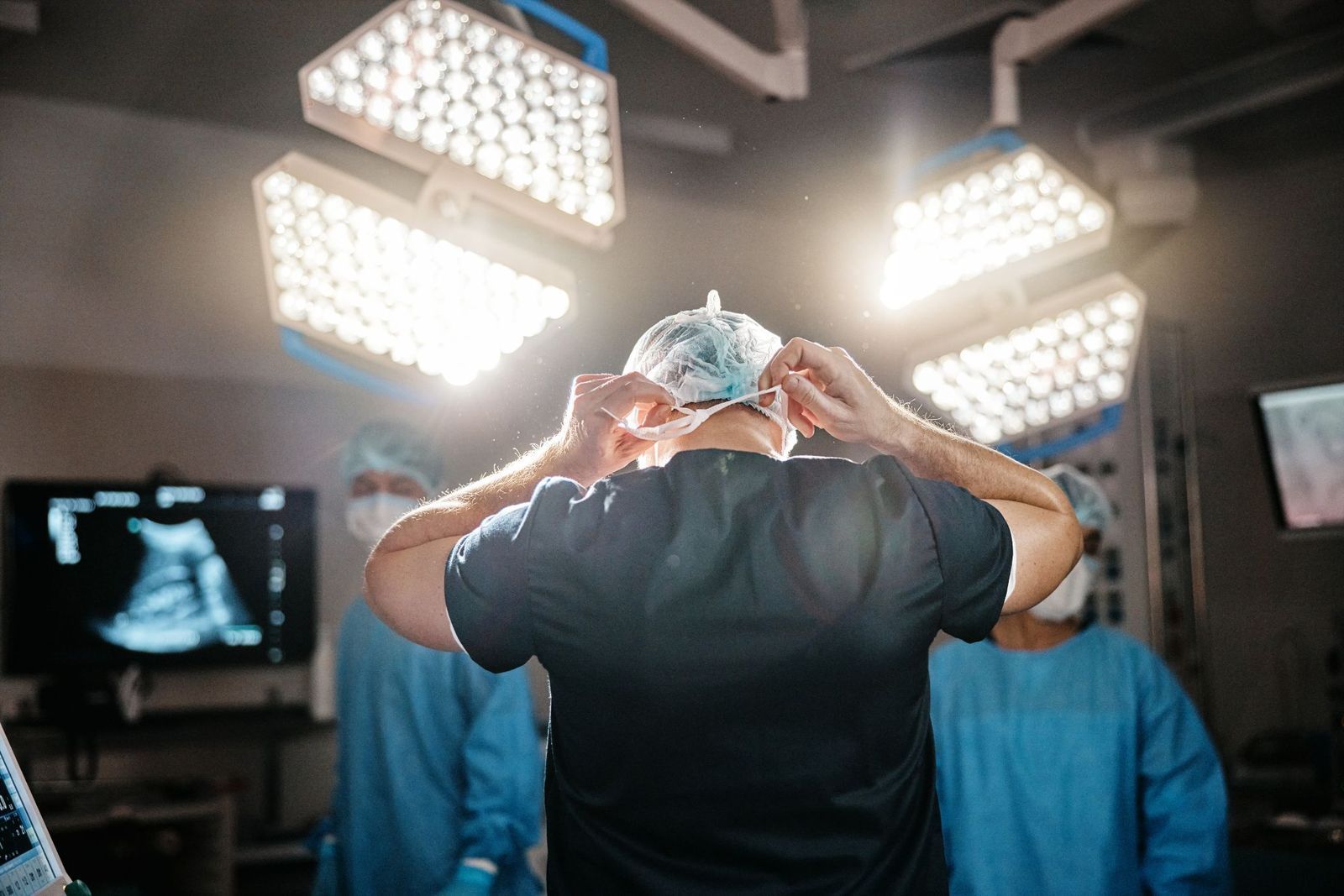
Hospital secrets

What is a "Code Gray" and what you should know if you hear it at the E.R.


Published on June 18, 2026


Image: voronaman

A trip to the emergency room can be stressful enough without hearing doctors and nurses speak a language that sounds like a secret code. One minute, someone is asking for medication "STAT," the next there’s a "Code Gray," and another patient is suddenly "NPO." What do those words really mean? Some are official medical terms, others are insider slang, but they all help hospital staff communicate quickly when every second counts. Here are 10 of those codes explained.

1

Code Gray

Image: PeopleImages

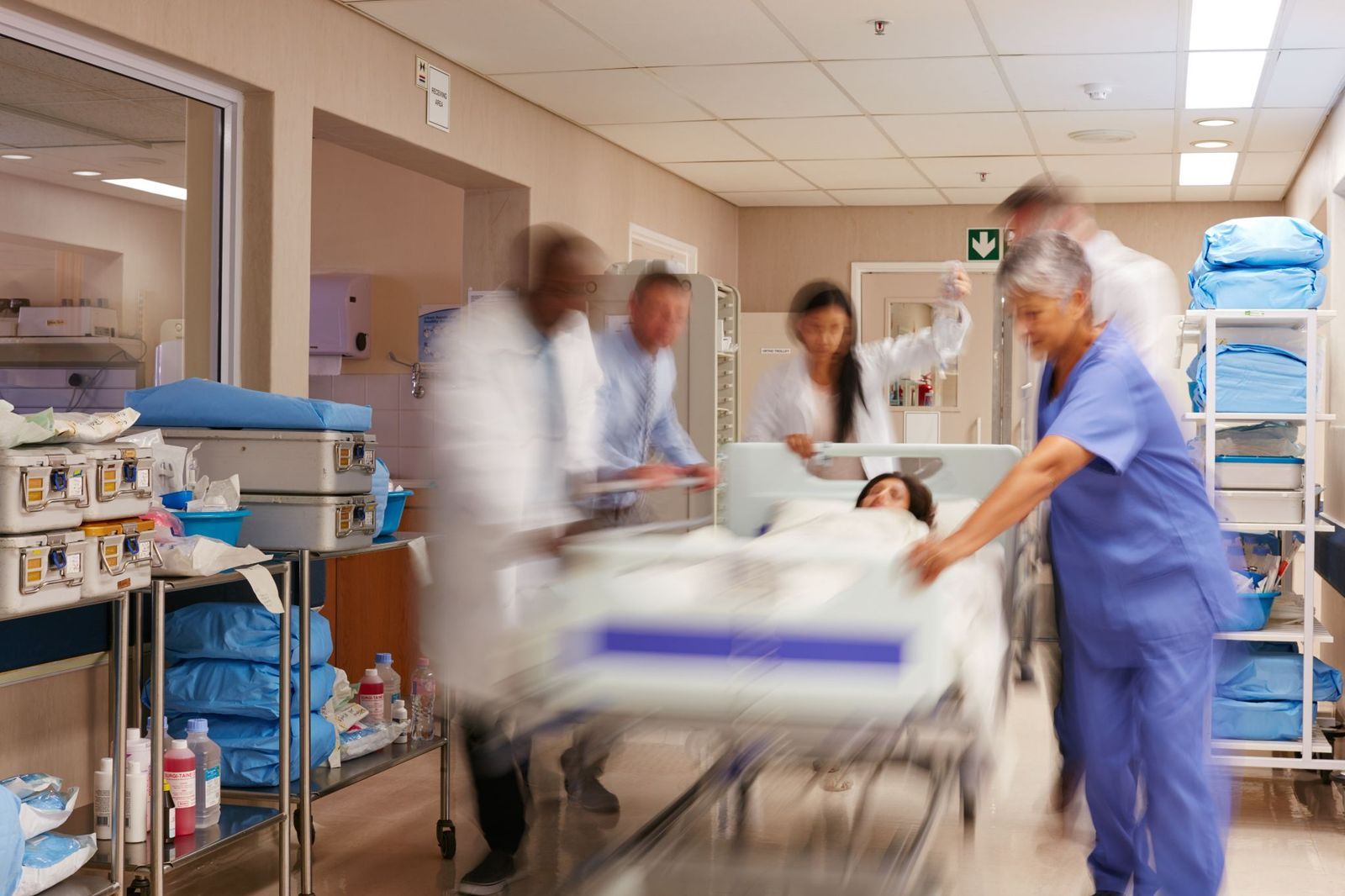
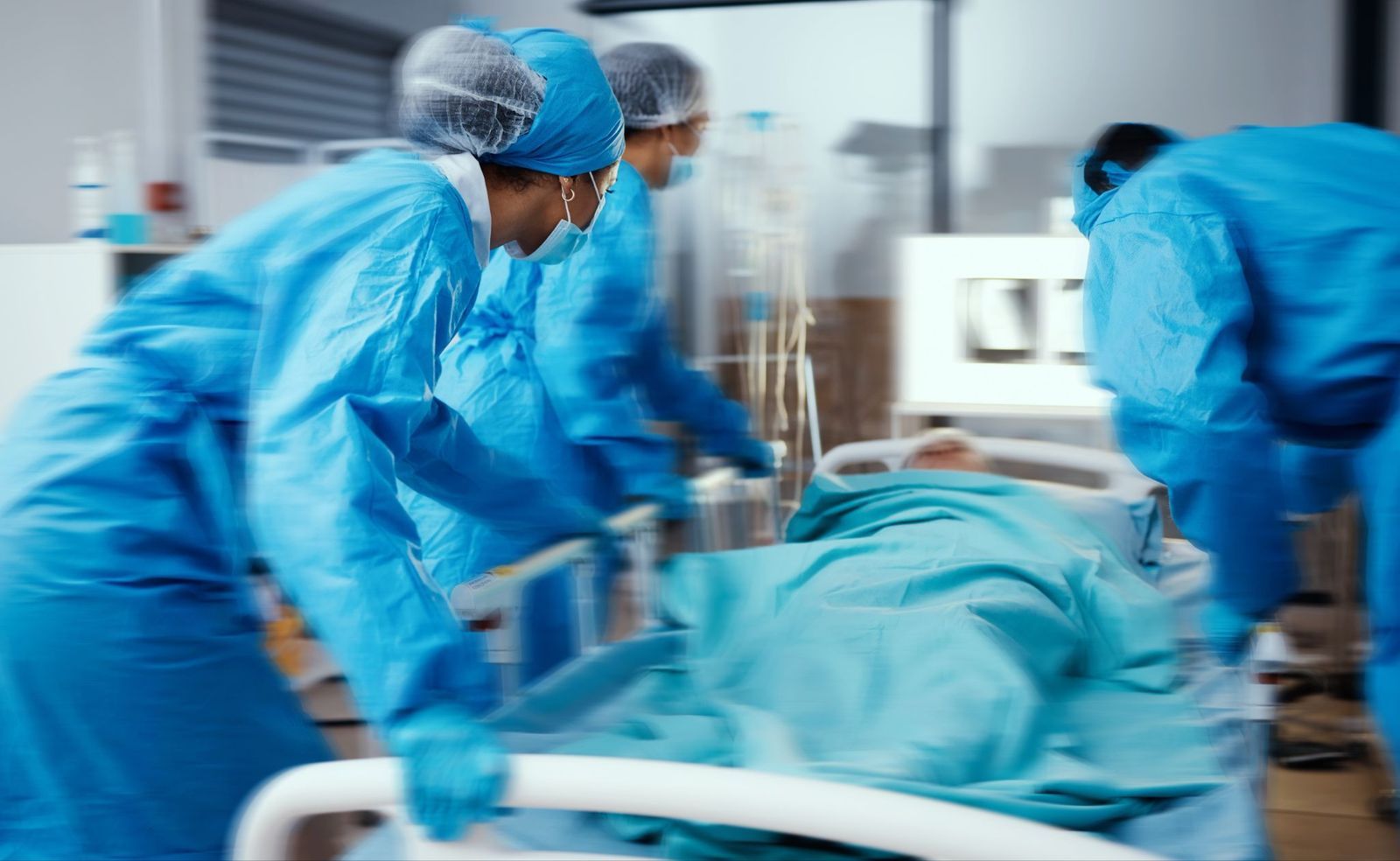
The E.R. can be hectic and unpredictable. Most patients are frightened or uncomfortable, but now and then someone becomes aggressive because of pain, confusion, mental illness, or the effects of alcohol or other substances. That’s when you can hear "Code Gray" announced over the speakers.

The code is used to summon security officers to help manage a violent or combative situation. While color codes vary from one hospital to another, Code Gray commonly signals that staff needs extra assistance to protect patients, visitors, and healthcare workers. Even if you know it now, most people in the waiting room never know what happened, and that’s exactly the point.

2

NPO

Image: PeopleImages

You have a scheduled surgery, you’re in your bed waiting to be taken to the surgery room, and you ask for a cup of coffee to make the wait lighter. The nurse will probably tell you you’re an NPO. You may think it’s serious, but it’s simply a procedure.

"NPO" is an abbreviation that comes from the Latin phrase Nil Per Os, which means "nothing by mouth." It tells patients they cannot eat, drink, or sometimes even take medication until doctors say it’s safe. The rule is most common before surgery or certain medical tests, when food or liquids could increase the risk of complications or alter the results. It may be frustrating, but it’s an important part of keeping patients safe.

3

STAT!

Image: PeopleImages

You’ve probably been through the experience of visiting an emergency room, either to get checked or to visit a loved one. In that part of the hospital where everyone is rushing to save lives, you’ve probably heard a doctor asking for the R.C.P. cart or medication "STAT!" It sounds urgent, and that's because it is.

The expression comes from the Latin statim, which means "immediately" or "without delay." Hospitals have used Latin medical terms for centuries, but STAT is one of the few that remains part of everyday conversation. When a doctor says it, the request jumps to the top of the priority list. It doesn’t always refer to a life-or-death situation, but it does mean the medical team needs something done as quickly as possible.

4

Code Pink

Image: Vladimir Tretyakov

Newborns are always a reason to celebrate at the hospital. Parents usually rest happily next to their child as they receive congratulations from close relatives. However, the hospital is always prepared to handle extremely rare emergencies under "code pink."

If you hear a "Code Pink," it usually means a baby or young child is suspected of being abducted from the hospital. Within seconds, security officers respond, exits may be monitored or blocked, and staff begins following carefully rehearsed procedures. Although different hospitals sometimes use different color codes, Code Pink has become widely recognized across North America as one of the most serious alerts a hospital can issue.

5

Walkie-talkie

Image: Arunporn Thanapotivirat

If you’ve ever spent a few days in the hospital, you’ve probably noticed that some patients are walking up and down the halls, while others need help just getting out of bed. When a nurse refers to someone as a "walkie-talkie," it’s actually good news.

This informal expression refers to patients who can walk on their own, use the bathroom without assistance, and handle most basic tasks independently. It’s not an official medical term, of course, but it’s commonly used among healthcare workers because it quickly tells the next shift that the patient requires less hands-on care than many others.

6

Total

Image: sebra

As nurses change shifts, you’ll often hear them give a quick report about each patient. One person may only need medication, while another is described as a "total."

The term is short for a patient who requires total care. They may need help eating, bathing, getting dressed, turning in bed, or moving from one place to another. Although the expression sounds impersonal, it’s simply a practical way for caregivers to communicate how much assistance someone needs.

7

Frequent flyer

Image: Studio Romantic

Most people hear "frequent flyer" and think of an airline reward program. And that’s correct, but in an emergency room, the phrase has a very different meaning.

A frequent flyer is an informal nickname for patients who repeatedly return to the hospital, often due to chronic illness, recurring medical conditions, or other ongoing health issues. Behind the light-hearted nickname is often a difficult reality. Many of these patients are simply dealing with medical problems that require regular emergency care, and the expression is just a way to make the experience a bit lighter among the familiar faces of doctors and nurses.

8

WOW

Image: Studio Romantic

Not all codes are for patients. The next time you’re in a hospital, look closely at what the nurse is pushing from room to room. It may look like a small rolling desk with a computer on top. Staff often call it a "WOW," short for "workstation on wheels."

As hospitals switched from paper charts to electronic medical records, these mobile computers became essential. Nurses use them to review test results, scan medications, update patient charts, and check doctors’ orders without leaving the bedside. The name sounds funny, but the technology helps caregivers spend more time with patients instead of walking back and forth to a nursing station.

9

Sharp container

Image: NMK-Studio

After getting a shot or having blood drawn, most patients never think about where the used needle ends up. It certainly doesn't go into an ordinary trash can.

Hospitals place needles, scalpels, and other sharp medical instruments into special containers designed to prevent accidental injuries. These sturdy, puncture-resistant boxes are sealed when full and safely disposed of in accordance with strict health regulations. This not only protects nurses, but it also protects cleaning crews, waste handlers, and even the public from dangerous needle sticks. It’s one of the most important safety measures in every hospital, even though most patients never notice it.

10

B-52

Image: Photoroyalty

If you’ve ever watched a medical drama, you've probably seen a patient become so agitated that several staff members rush into the room. In situations like that, a doctor or nurse may ask for a "B-52." But the name has nothing to do with numbers themselves; it actually comes from a medicine.

B-52 is hospital slang for a fast-acting injection used to calm down patients who are severely combative or at risk of harming themselves or others. The nickname comes from a commonly used combination of medications that usually include diphenhydramine, haloperidol, and lorazepam. It’s strictly reserved for when other methods of calming the patient haven’t worked.

Looking for an extra scoop of literary fun?

Learn more with our Word of the day

existence

/ɪɡˈzɪst(ə)n(t)s/