Are your words as "vulgar" as you think? 10 shocking etymological origins
Published on May 16, 2026

Etymology—the study of word origins—reveals that the terms we use daily often started with meanings that were drastically different, sometimes even comical or celestial. When we look into the lineage of our vocabulary, we find traces of Viking warriors, Greek myths, and even the breaking of river ice. Continue reading to discover 10 words with fascinating origin stories.
Galaxy
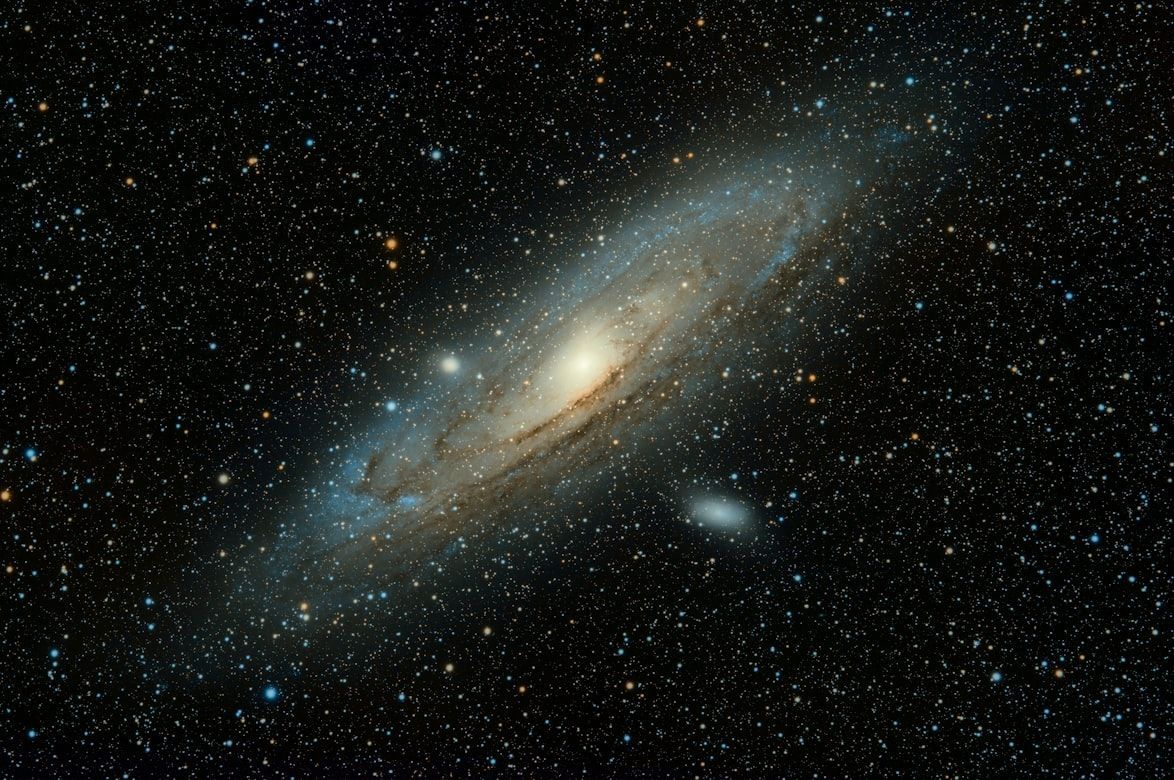
When we think of a galaxy, we imagine vast, swirling clusters of billions of stars across the vacuum of space. However, the origin of the word is much more domestic. The term comes from the Greek galaxias, which is derived from gala, meaning "milk".
This linguistic connection stems from Greek mythology. According to legend, the Milky Way was created when the goddess Hera was nursing the infant Heracles. When she pulled away, a spray of milk streaked across the sky. To the ancient Greeks, the glowing band of light in the night sky was literally the "milky circle". While we now know that galaxies are composed of stars and gas, our scientific terminology remains rooted in an ancient story of a mother and her child.
Marmalade

While most of us associate marmalade with a bitter orange preserve enjoyed at breakfast, the word’s history has nothing to do with citrus. It comes from the Portuguese word marmelada, which was a preserve made from marmelo, the word for "quince".
In the 15th and 16th centuries, quince paste was a thick, solid confection often imported into England. As the centuries passed and international trade expanded, bitter Seville oranges replaced quinces as the primary ingredient in these preserves.
Berserk
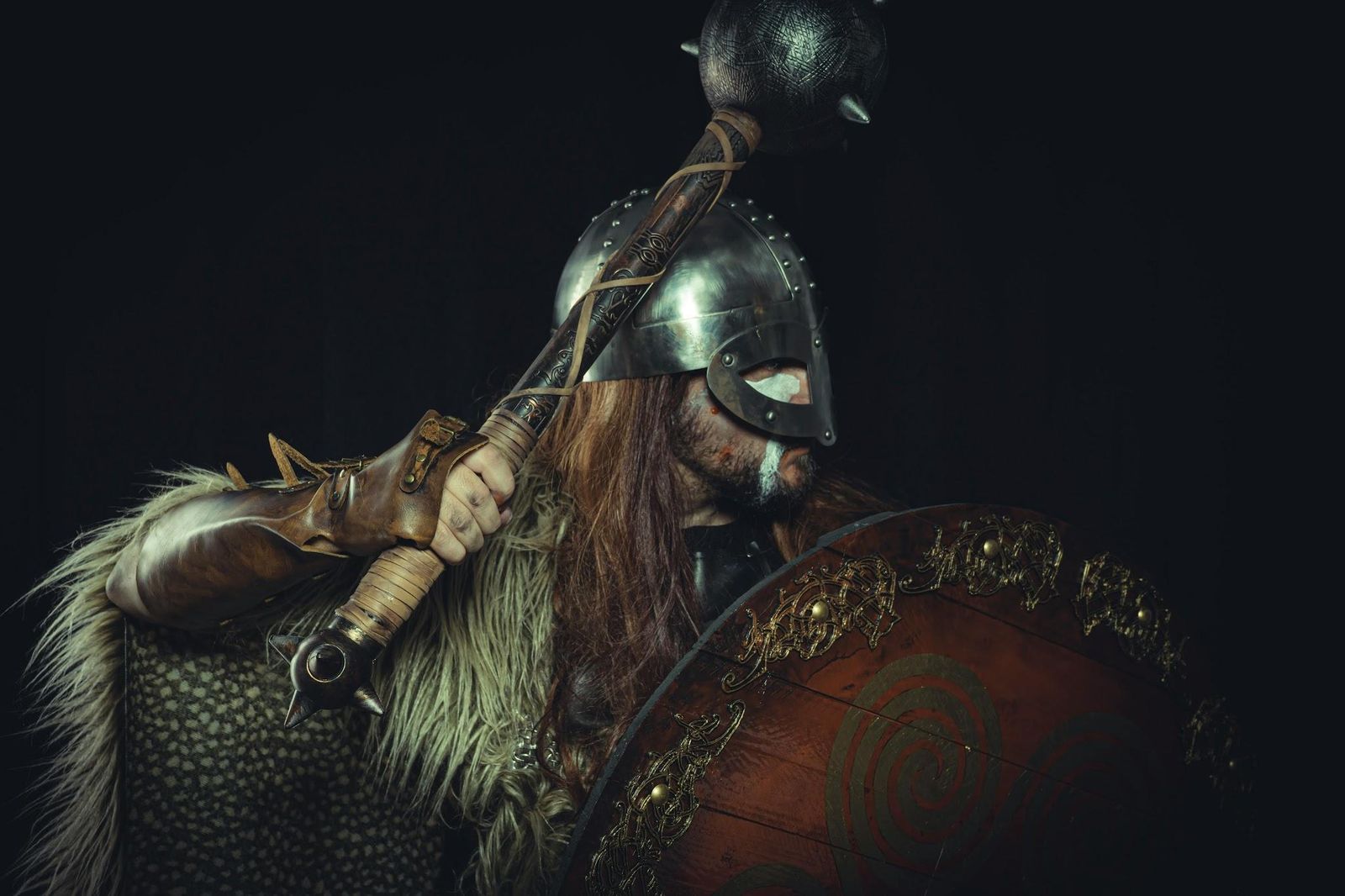
To go "berserk" is to lose all control, acting with a wild, frenzied energy. The origin of this word is found in the terrifying Viking warriors of Old Norse lore. The term berserkr is a compound of ber- (meaning "bear") and serkr (meaning "shirt" or "garment").
These "berserkers" were legendary fighters who entered battle in a state of trance-like fury, wearing bear skins rather than armor. Some historians believe their frenzy was induced by hallucinogenic mushrooms or heavy drinking, but the result was a warrior so fierce they were said to be immune to fire and iron. Today, the word has transitioned from a specific type of Norse soldier to a general description of chaos.
Weird
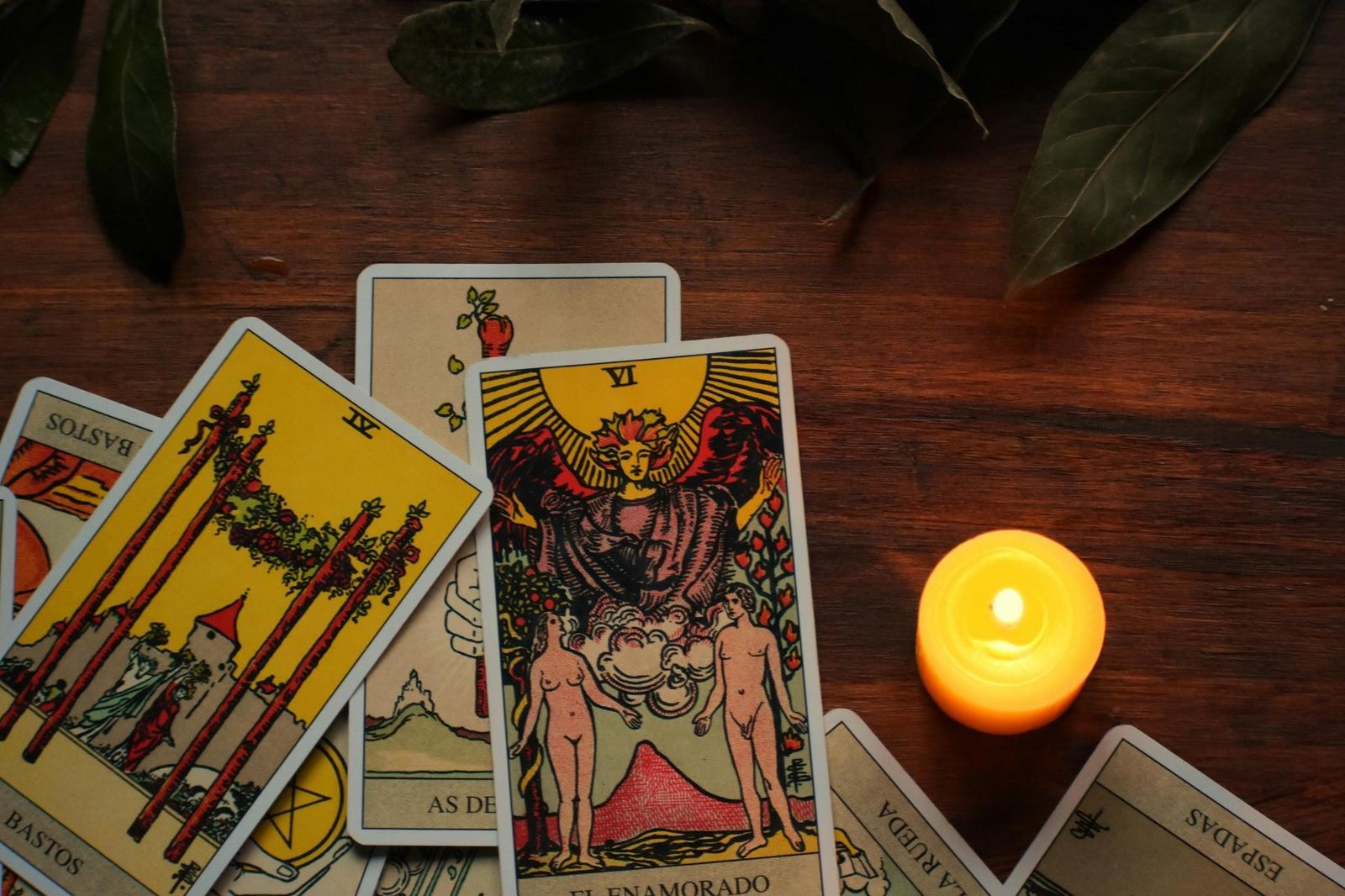
In modern English, weird simply means strange or freaky. But in Old English, the word wyrd meant "fate" or "destiny". That is to say, it was a noun, not an adjective. A person’s wyrd was the unchangeable path laid out for them by the universe.
The shift toward the modern meaning of "strange" was largely influenced by William Shakespeare. In Macbeth, he introduced the "Weird Sisters", three witches who could see and manipulate the threads of fate. Because these characters were supernatural and unsettling, audiences began to associate the word "weird" with the uncanny and the bizarre.
Explode
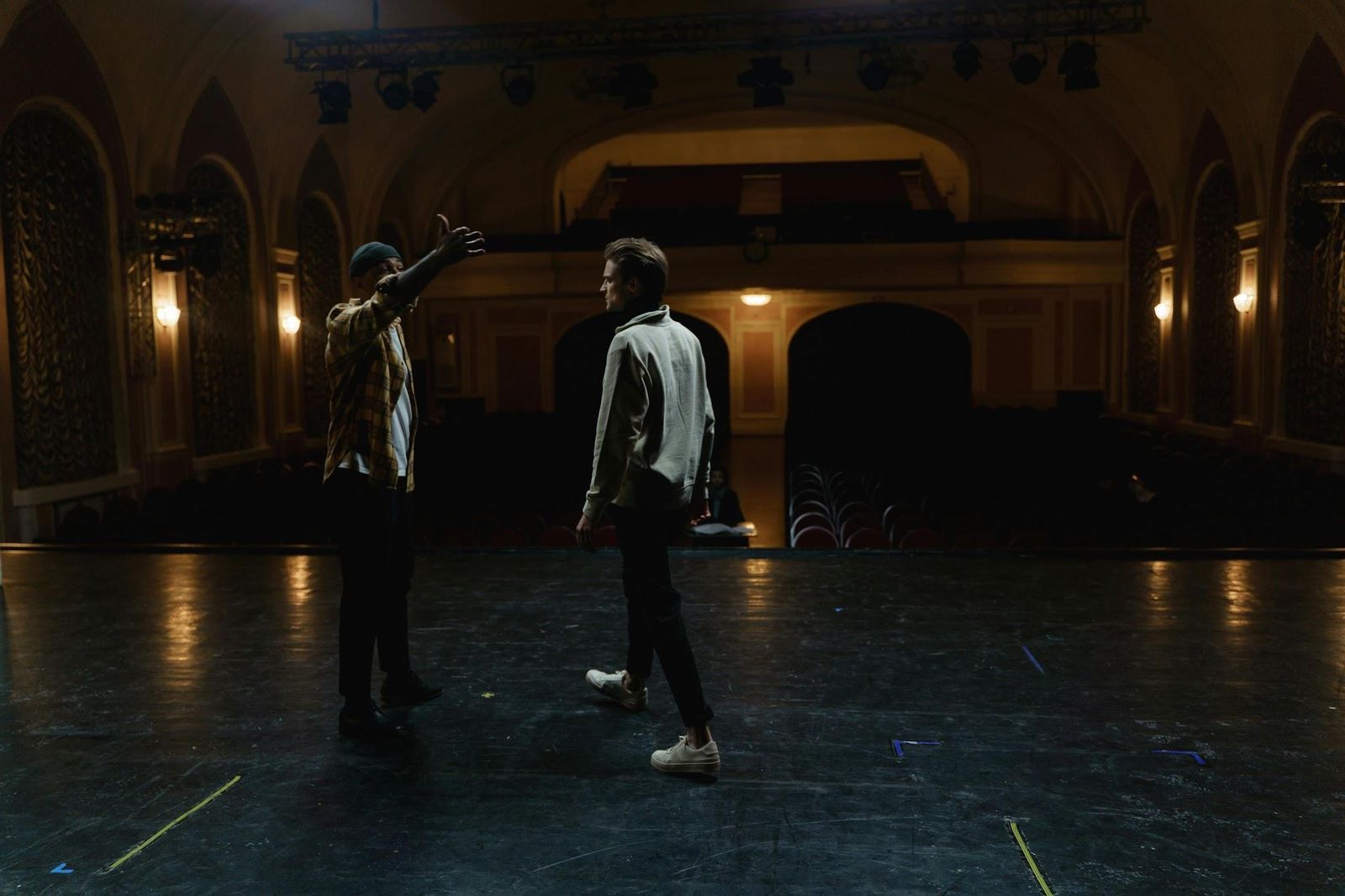
If a bomb explodes, it bursts with violent force. However, the word’s Latin ancestor, explodere, had a much more vocal meaning: "to clap out". In the world of ancient Roman theater, explodere meant to drive an actor off the stage by clapping, hissing, or shouting.
For centuries, "explode" referred to the rejection or driving out of an idea or a person through noise. It wasn’t until the 17th and 18th centuries, with the advancement of gunpowder and physics, that the word began to describe a physical, violent burst of pressure.
Vulgar

Today, if someone is described as "vulgar", it usually means they are crude, offensive, or lacking in manners. But originally, the Latin vulgaris, from vulgus, the "common people", simply meant "common" or "ordinary".
For a long time, the "vulgar tongue" was simply the local language as opposed to the prestigious Latin used by the church and scholars. Over time, however, the word took on a snobbish, class-based connotation. The elite began to view anything common as inferior and unrefined, leading to the modern definition where "vulgar" is a synonym for "distasteful".
Arctic
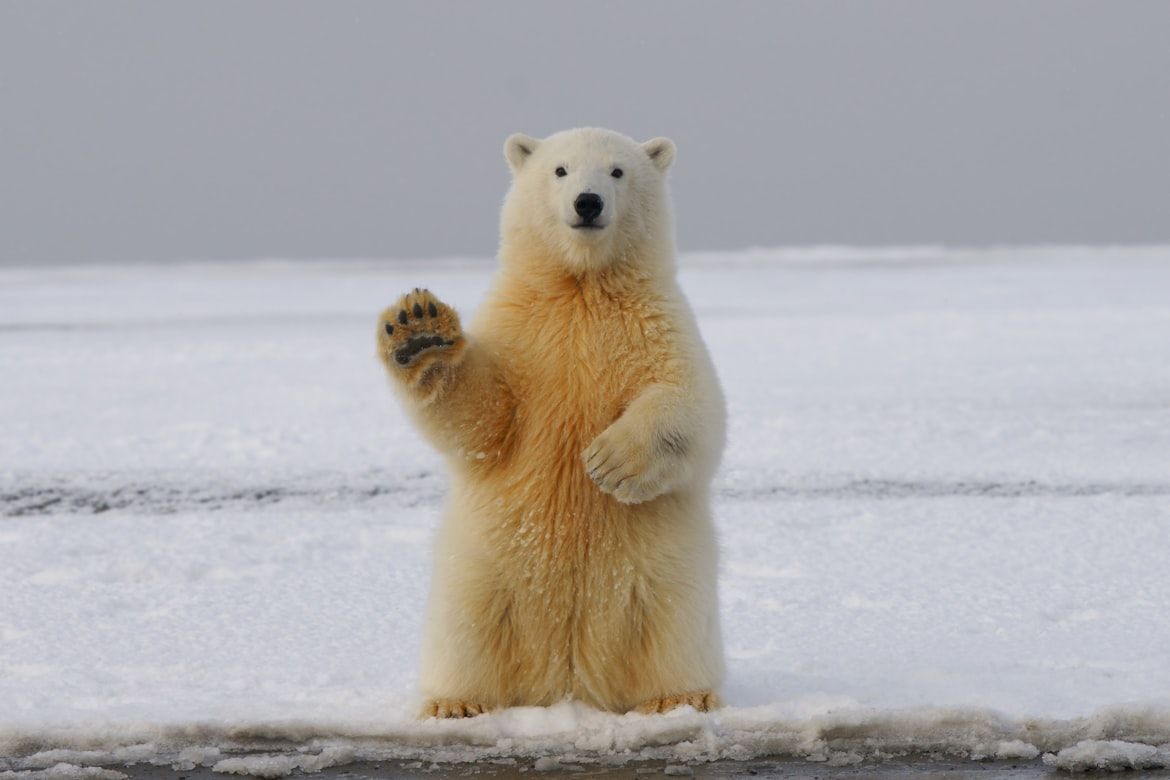
One might assume that "Arctic" is an indigenous word for the frozen north, but actually, it’s Greek in origin. Arktos is the Greek word for "bear". Yet, the region is not named for the polar bears that lived there, but for the constellations that hang above it.
In the northern sky, the constellation Ursa Major, the Great Bear, is an important landmark. To the ancient Greeks, the Arctic was simply the land under the Bear. Interestingly, the name for the southern pole, Antarctica, literally means "opposite the bear".
Camouflage
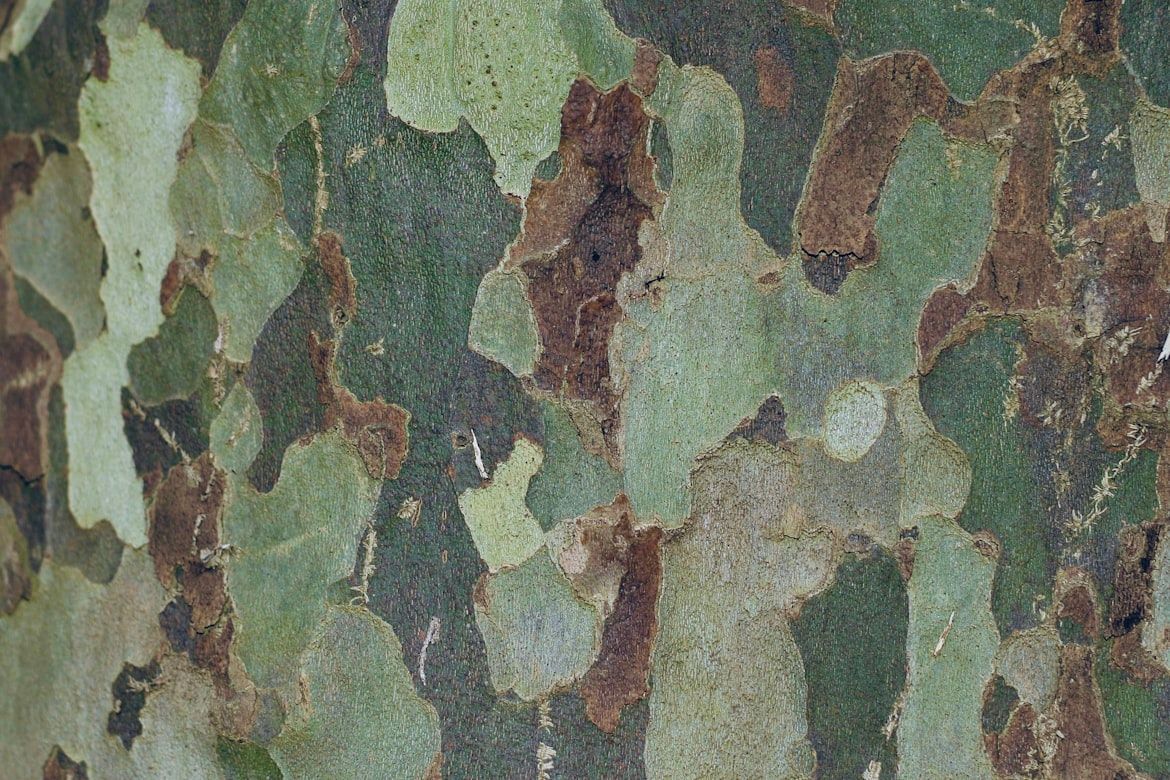
"Camouflage" is a relatively young word in the English language, entering common usage during World War I. It comes from the French camoufler, which was slang for "to disguise". In turn, some etymologists link it to camouflet, a term for a puff of smoke blown into someone’s face to distract them.
Before it was a military tactic used to hide tanks and soldiers, camouflage was a term used by thieves and actors to describe the art of changing one’s appearance. The war transformed it into a technical endeavor involving artists and biologists to create patterns that could deceive the enemy’s eye.
Flu

When we come down with the "flu", we rarely think about astrology. However, the word is a shortened form of influenza, which is Italian for "influence". In medieval times, people believed that outbreaks of disease were caused by the "influence" of the stars and planets.
Later, the term was refined to influenza del freddo, "influence of the cold". Eventually, the English language dropped the astrological baggage and the "cold" reference, leaving us with a punchy, three-letter word for a respiratory virus.
Debacle
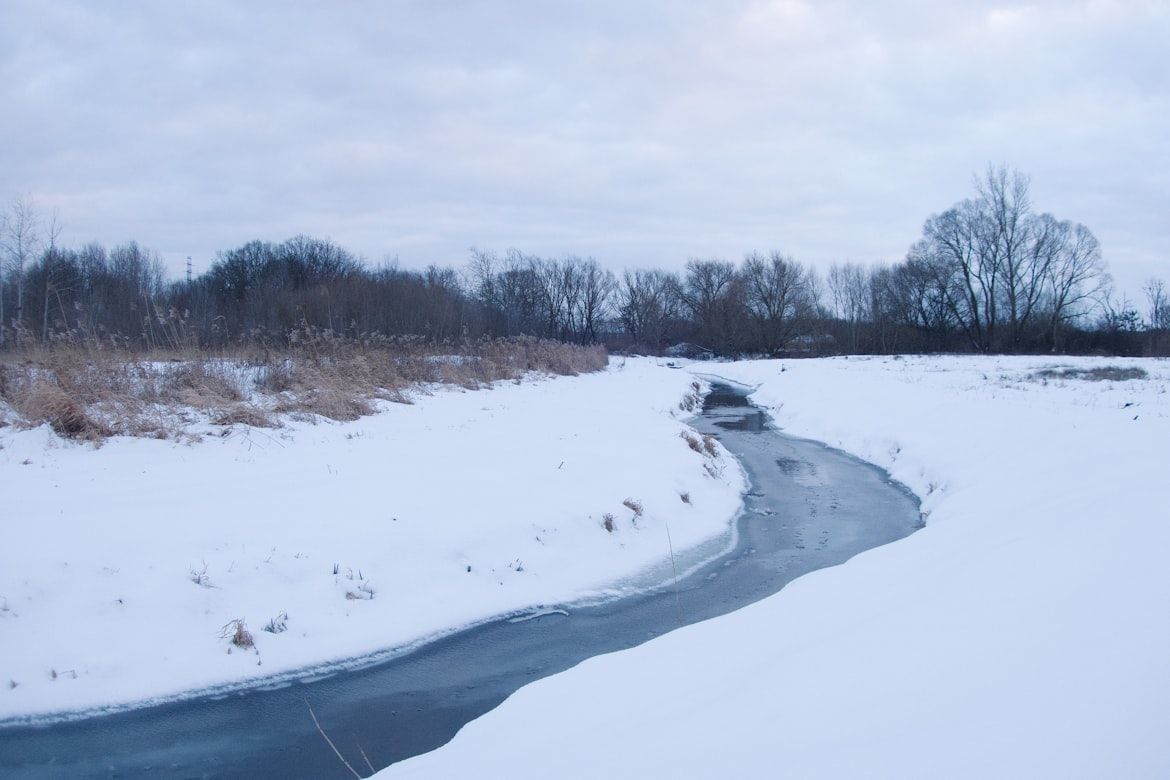
A "debacle" is a sudden, disastrous failure or a total collapse. The word’s history is rooted in the natural world. It comes from the French débâcle, which originally referred to the breaking up of ice in a river.
When a frozen river began to thaw, the ice would crack and rush downstream in a chaotic, unstoppable flood. This literal breaking loose was a violent and messy event. By the 19th century, people began using the term metaphorically to describe any situation where things fall apart quickly and uncontrollably.