Fancy names for fancy drinks

Who was Bloody Mary? Join us in exploring 10 drinks’ names


Published on December 30, 2024


Image: Timothé Durand

Nobody thinks twice about the contents of a drink if the name is Gin & Tonic. But what if you never had a Bloody Mary before, and are offered one? According to history, many popular cocktails were created during the Prohibition era when illegal alcohol was not the most palatable drink, and masking its flavor with other ingredients became a necessity. And, since these concoctions needed an appealing name, creative barmen and barwomen came up with many of the denominations we know today. Featured here are 10 of the most popular ones. Have you tried any of these?

1

Manhattan

Image: Johann Trasch

While the real origin of this cocktail consisting of rye, sweet vermouth, and bitters is probably lost to time, the most popular legend is that the Manhattan was specially invented for a banquet hosted by Lady Randolf (mother of Winston) Churchill at the famous Manhattan Club in New York in the late 1800s.

But, when this supposed party took place, Lady Randolph was pregnant with Winston and living in England. So, even if it is a cool story, it is probably not true.

2

Mint Julep

Image: Alex Block

These days, it refers almost exclusively to a cocktail of bourbon whiskey flavored with sugar and mint but, the word julep was originally borrowed from French to refer to a sweet-tasting or sweetened drink. Before then, it had Persian roots, and its original pronunciation, "gulab" essentially means sweetened rosewater.

The term was translated to "julab" in classical Arabic and then into Latin as "julapium." Eventually, the word would morph into "julep."

3

Tom Collins

Image: Gabriel Gurrola

To explain the origin of the Tom Collins cocktail, we must first introduce his brother, John: A John Collins is a mixture of London dry gin, lemon, sugar, and soda. If you replace the London gin with Old Tom gin, you have prepared a Tom Collins.

The Collins surname of this drink is said to come from a 19th-century headwaiter known as John Collins, who worked at Limmer's Hotel and Coffee House and is thought to be the inventor of the drink. As for the Tom part, its origin is lost to the ages.

4

Mojito

Image: Mauro Lima

There are two leading theories as to where the name of the Mojito comes from. The first one holds that the name relates to mojo, a Cuban seasoning made from lime and used to flavor dishes.

Another theory is that the name Mojito is simply a derivative of mojadito, which is a Spanish word for "lightly wet", which would be the diminutive of "mojado" (wet).

5

Negroni

Image: Allan Francis

As the legend goes, a certain Count Negroni of Florence, Italy, once requested a drink that would stand apart from all the Americanos ordered at his usual neighborhood cafe.

The bartender answered his request with a cocktail composed of equal parts gin, sweet vermouth, and Campari, and he garnished the result with a telltale orange slice. Unfortunately for the count, the drink became as popular as the Americano, losing the desired exclusivity.

6

Daiquiri

Image: Deeliver

This classic cocktail is named after the Cuban village of Daiquirí and, as the story goes, it was invented by local American mining engineers around the time of the Spanish-American War when they ran out of gin and had to use the local rum instead. The cocktail usually consists of sugar, rum, lime juice, and simple syrup.

The daiquiri is identified with revered author Ernest Hemingway, who drank this beverage during his stay in Cuba.

7

Martini

Image: Thomas Hetzler

James Bond's drink of choice is typically made with gin or vodka and vermouth. There are many stories about the origin of the cocktail and its name. The bartender professor Jerry Thomas of San Francisco, has claimed that it was invented by a stranger on his way to Martinez, California. Another story says it's named after Martini & Rossi Vermouth, because that brand was first used in the drink Gin and It, with one half gin and one half Martini & Rossi Vermouth.

Another story claims that it was named after a British army rifle, the Martini and Henry, which is known for its kick, like the drink. And the last one, says that it was created at the Knickerbocker Hotel in the early 1900s, by a bartender named Martini di Arma Tiggia that mixed a martini using only a dry gin and dry vermouth.

8

Margarita

Image: Luke Bender

The most widely accepted theory about the origin of the Margarita name says that bartender Carlos "Danny" Herrera supposedly thought up this drink around 1938 in Tijuana, Mexico. He created it for Marjorie King, an aspiring actress who he said was allergic to "everything except tequila."

After crafting something for King to drink, Herrera reportedly dubbed the drink margarita, which is a Spanish twist on Marjorie's name.

9

Old Fashioned

Image: Bon Vivant

Apparently, in the late 1800s, it became popular to introduce liqueurs into cocktail recipes. And the older, more basic recipes that omitted them, and in particular this classic mix of whiskey and bitters, became known as "old fashioned" cocktails.

People ordering drinks in this fashion wanted to stick to the basics and eventually the modifier "old-fashioned" became the name for this classic cocktail with a lot of variations. The classic version uses a bit of sugar or simple syrup, a splash or two of aromatic bitters, perhaps an ice cube, and rye whiskey.

10

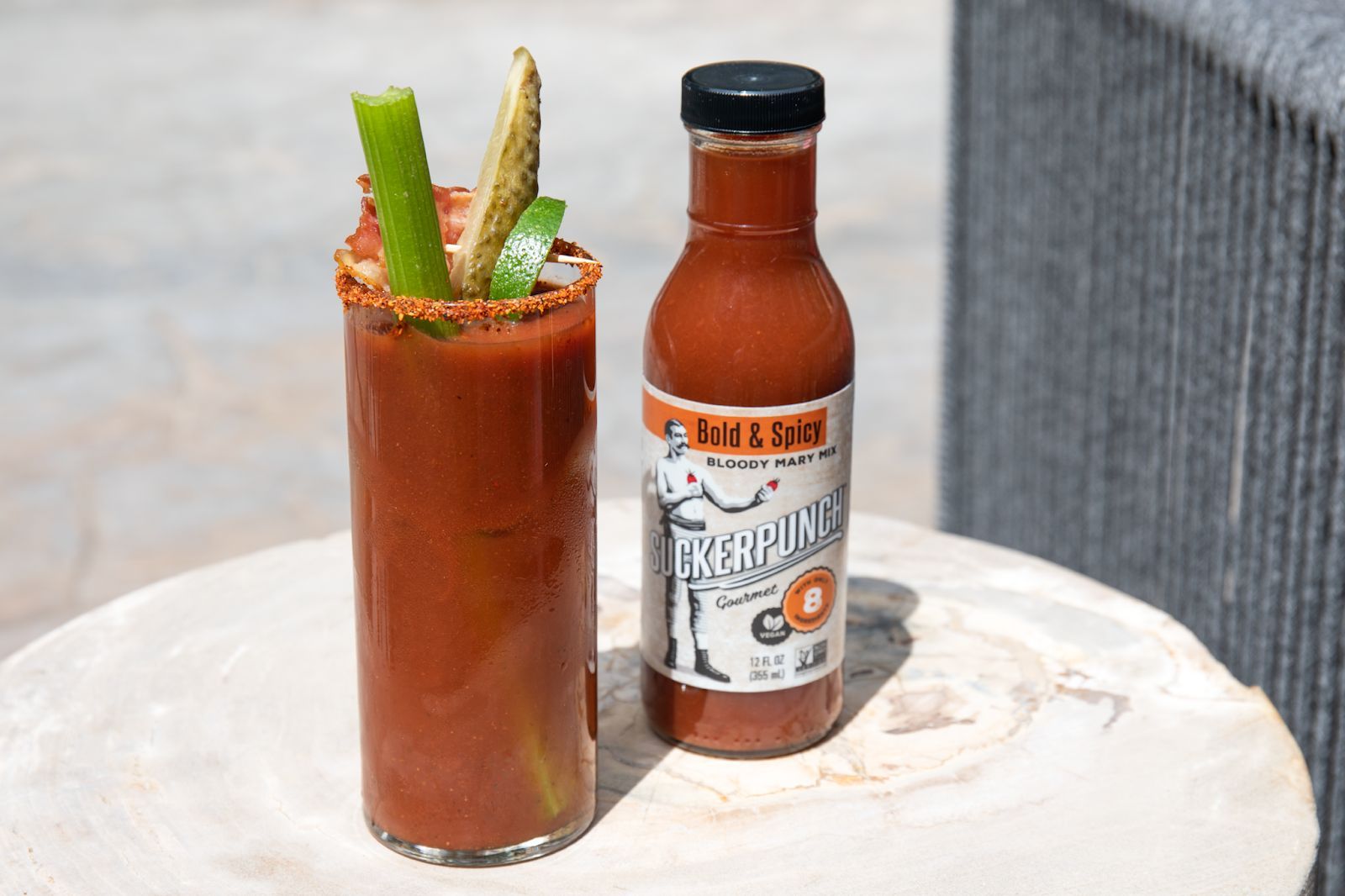
Bloody Mary

Image: SuckerPunch Gourmet

The most popular tale about this drink’s name links it to the English monarch Mary Tudor, whose nickname was, wait for it, "Bloody Mary", because of how many Protestant heretics she condemned to death.

Another theory suggests that the drink was concocted by a bartender at a Paris bar, where a patron who drank it dubbed it the Bucket of Blood, after a Chicago nightclub, with the name later developing into Bloody Mary.



Hospital secrets

What is a "Code Gray" and what you should know if you hear it at the E.R.


Published on December 30, 2024


Image: voronaman

A trip to the emergency room can be stressful enough without hearing doctors and nurses speak a language that sounds like a secret code. One minute, someone is asking for medication "STAT," the next there’s a "Code Gray," and another patient is suddenly "NPO." What do those words really mean? Some are official medical terms, others are insider slang, but they all help hospital staff communicate quickly when every second counts. Here are 10 of those codes explained.

1

Code Gray

Image: PeopleImages

The E.R. can be hectic and unpredictable. Most patients are frightened or uncomfortable, but now and then someone becomes aggressive because of pain, confusion, mental illness, or the effects of alcohol or other substances. That’s when you can hear "Code Gray" announced over the speakers.

The code is used to summon security officers to help manage a violent or combative situation. While color codes vary from one hospital to another, Code Gray commonly signals that staff needs extra assistance to protect patients, visitors, and healthcare workers. Even if you know it now, most people in the waiting room never know what happened, and that’s exactly the point.

2

NPO

Image: PeopleImages

You have a scheduled surgery, you’re in your bed waiting to be taken to the surgery room, and you ask for a cup of coffee to make the wait lighter. The nurse will probably tell you you’re an NPO. You may think it’s serious, but it’s simply a procedure.

"NPO" is an abbreviation that comes from the Latin phrase Nil Per Os, which means "nothing by mouth." It tells patients they cannot eat, drink, or sometimes even take medication until doctors say it’s safe. The rule is most common before surgery or certain medical tests, when food or liquids could increase the risk of complications or alter the results. It may be frustrating, but it’s an important part of keeping patients safe.

3

STAT!

Image: PeopleImages

You’ve probably been through the experience of visiting an emergency room, either to get checked or to visit a loved one. In that part of the hospital where everyone is rushing to save lives, you’ve probably heard a doctor asking for the R.C.P. cart or medication "STAT!" It sounds urgent, and that's because it is.

The expression comes from the Latin statim, which means "immediately" or "without delay." Hospitals have used Latin medical terms for centuries, but STAT is one of the few that remains part of everyday conversation. When a doctor says it, the request jumps to the top of the priority list. It doesn’t always refer to a life-or-death situation, but it does mean the medical team needs something done as quickly as possible.

4

Code Pink

Image: Vladimir Tretyakov

Newborns are always a reason to celebrate at the hospital. Parents usually rest happily next to their child as they receive congratulations from close relatives. However, the hospital is always prepared to handle extremely rare emergencies under "code pink."

If you hear a "Code Pink," it usually means a baby or young child is suspected of being abducted from the hospital. Within seconds, security officers respond, exits may be monitored or blocked, and staff begins following carefully rehearsed procedures. Although different hospitals sometimes use different color codes, Code Pink has become widely recognized across North America as one of the most serious alerts a hospital can issue.

5

Walkie-talkie

Image: Arunporn Thanapotivirat

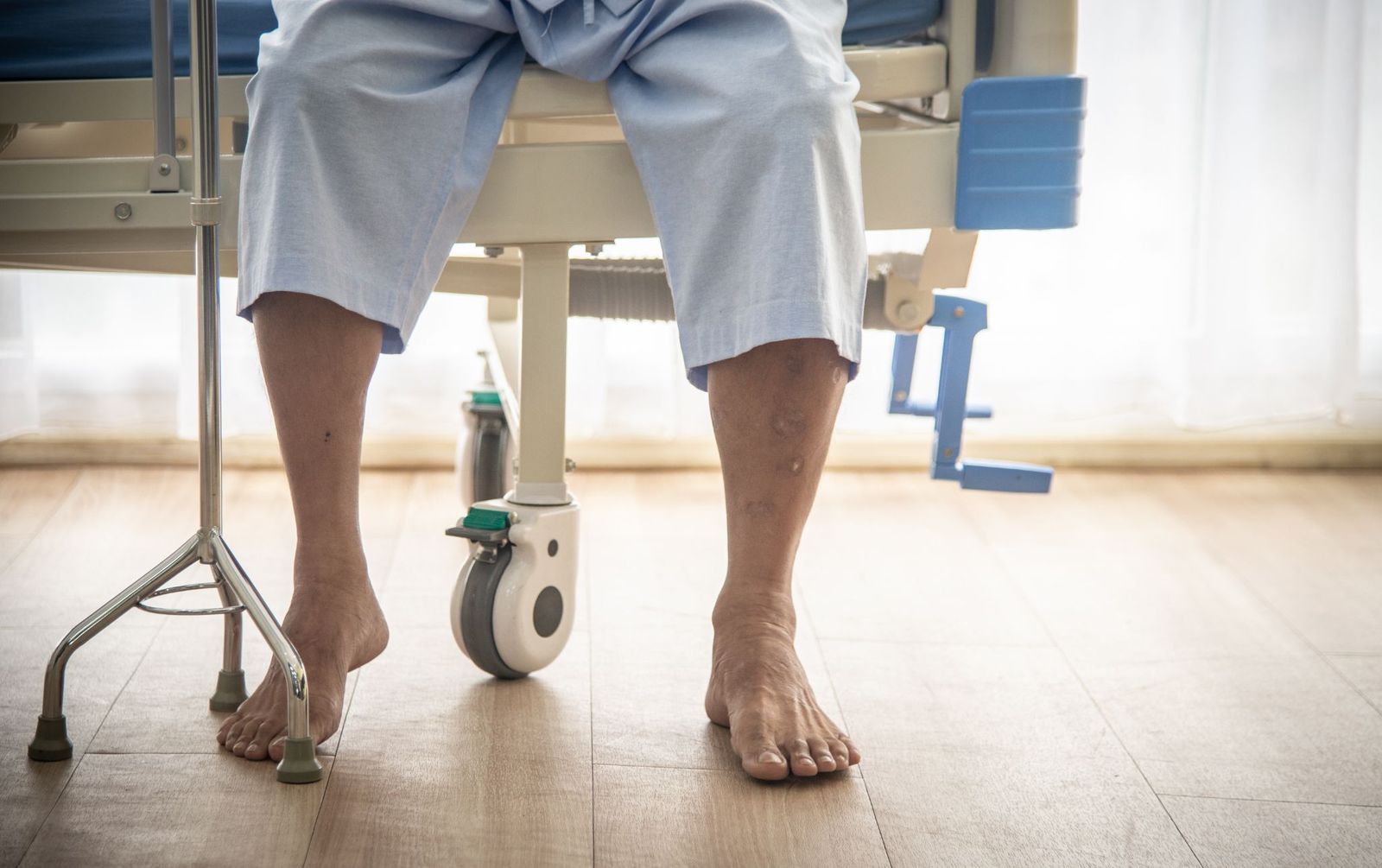
If you’ve ever spent a few days in the hospital, you’ve probably noticed that some patients are walking up and down the halls, while others need help just getting out of bed. When a nurse refers to someone as a "walkie-talkie," it’s actually good news.

This informal expression refers to patients who can walk on their own, use the bathroom without assistance, and handle most basic tasks independently. It’s not an official medical term, of course, but it’s commonly used among healthcare workers because it quickly tells the next shift that the patient requires less hands-on care than many others.

6

Total

Image: sebra

As nurses change shifts, you’ll often hear them give a quick report about each patient. One person may only need medication, while another is described as a "total."

The term is short for a patient who requires total care. They may need help eating, bathing, getting dressed, turning in bed, or moving from one place to another. Although the expression sounds impersonal, it’s simply a practical way for caregivers to communicate how much assistance someone needs.

7

Frequent flyer

Image: Studio Romantic

Most people hear "frequent flyer" and think of an airline reward program. And that’s correct, but in an emergency room, the phrase has a very different meaning.

A frequent flyer is an informal nickname for patients who repeatedly return to the hospital, often due to chronic illness, recurring medical conditions, or other ongoing health issues. Behind the light-hearted nickname is often a difficult reality. Many of these patients are simply dealing with medical problems that require regular emergency care, and the expression is just a way to make the experience a bit lighter among the familiar faces of doctors and nurses.

8

WOW

Image: Studio Romantic

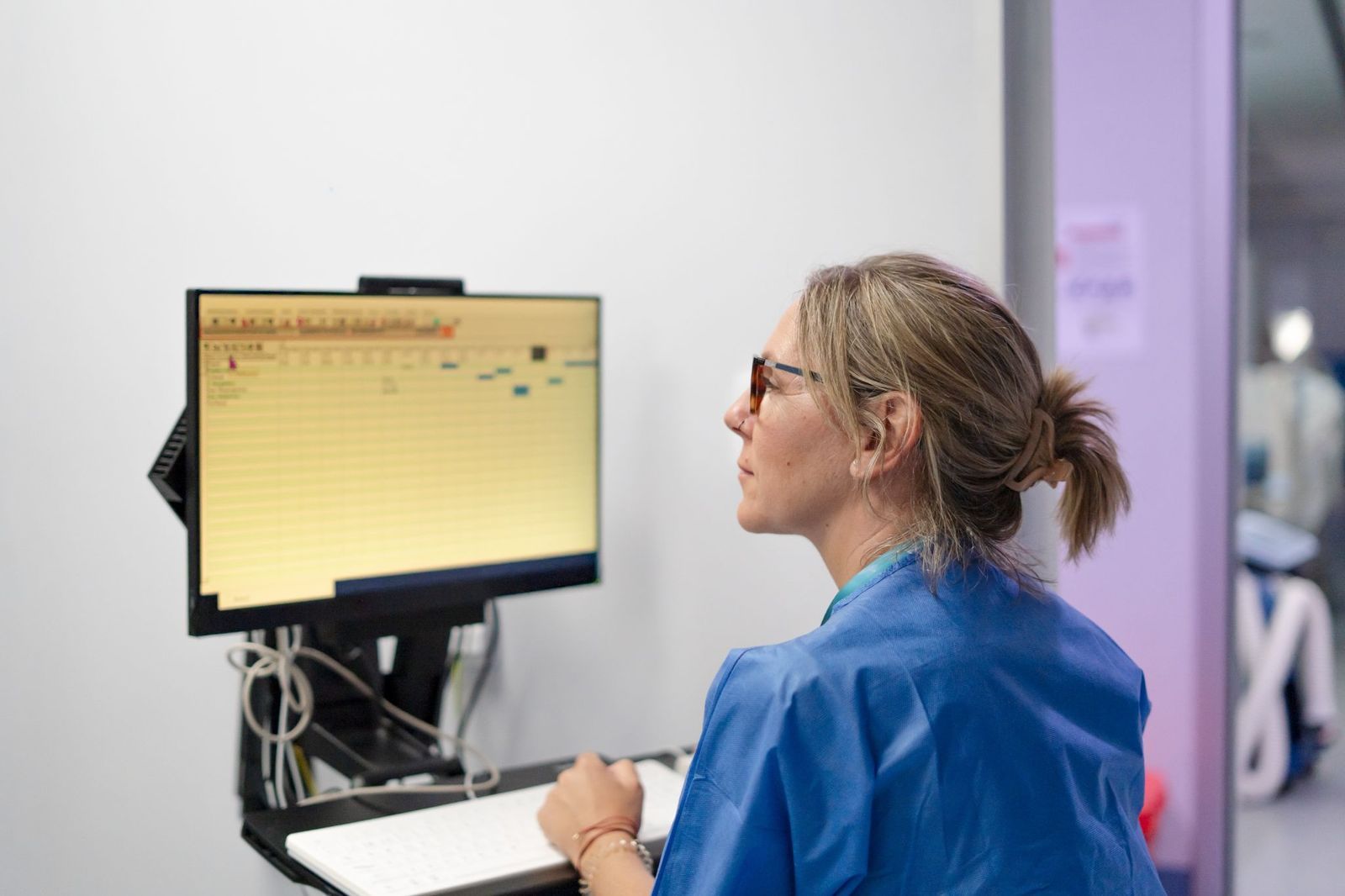
Not all codes are for patients. The next time you’re in a hospital, look closely at what the nurse is pushing from room to room. It may look like a small rolling desk with a computer on top. Staff often call it a "WOW," short for "workstation on wheels."

As hospitals switched from paper charts to electronic medical records, these mobile computers became essential. Nurses use them to review test results, scan medications, update patient charts, and check doctors’ orders without leaving the bedside. The name sounds funny, but the technology helps caregivers spend more time with patients instead of walking back and forth to a nursing station.

9

Sharp container

Image: NMK-Studio

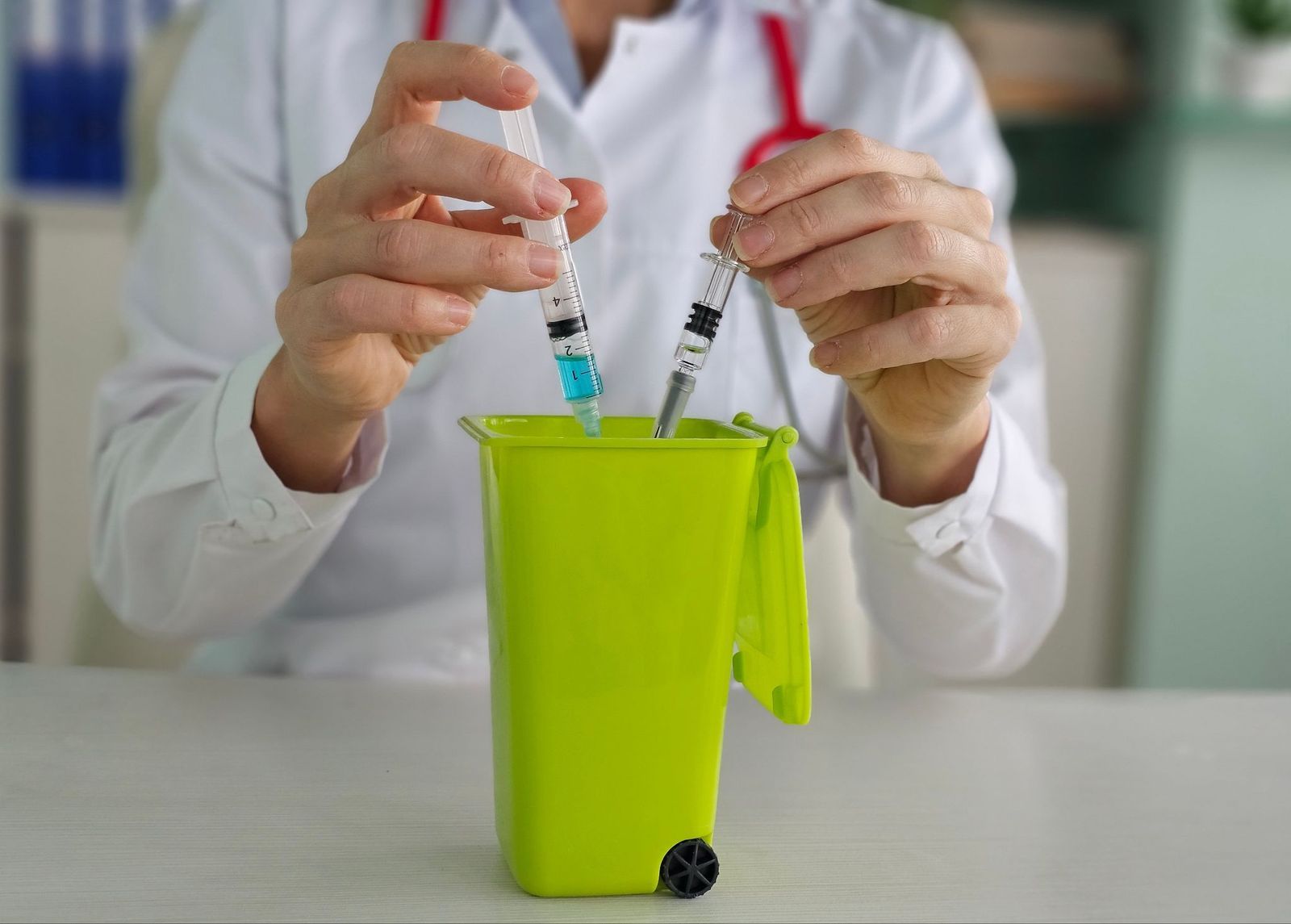
After getting a shot or having blood drawn, most patients never think about where the used needle ends up. It certainly doesn't go into an ordinary trash can.

Hospitals place needles, scalpels, and other sharp medical instruments into special containers designed to prevent accidental injuries. These sturdy, puncture-resistant boxes are sealed when full and safely disposed of in accordance with strict health regulations. This not only protects nurses, but it also protects cleaning crews, waste handlers, and even the public from dangerous needle sticks. It’s one of the most important safety measures in every hospital, even though most patients never notice it.

10

B-52

Image: Photoroyalty

If you’ve ever watched a medical drama, you've probably seen a patient become so agitated that several staff members rush into the room. In situations like that, a doctor or nurse may ask for a "B-52." But the name has nothing to do with numbers themselves; it actually comes from a medicine.

B-52 is hospital slang for a fast-acting injection used to calm down patients who are severely combative or at risk of harming themselves or others. The nickname comes from a commonly used combination of medications that usually include diphenhydramine, haloperidol, and lorazepam. It’s strictly reserved for when other methods of calming the patient haven’t worked.

Looking for an extra scoop of literary fun?

Learn more with our Word of the day

guru

/ˈɡʊˌru/