Everybody loves a good sleep

Why do we “sleep tight”? 12 sleep-related idioms explained


Published on March 24, 2026
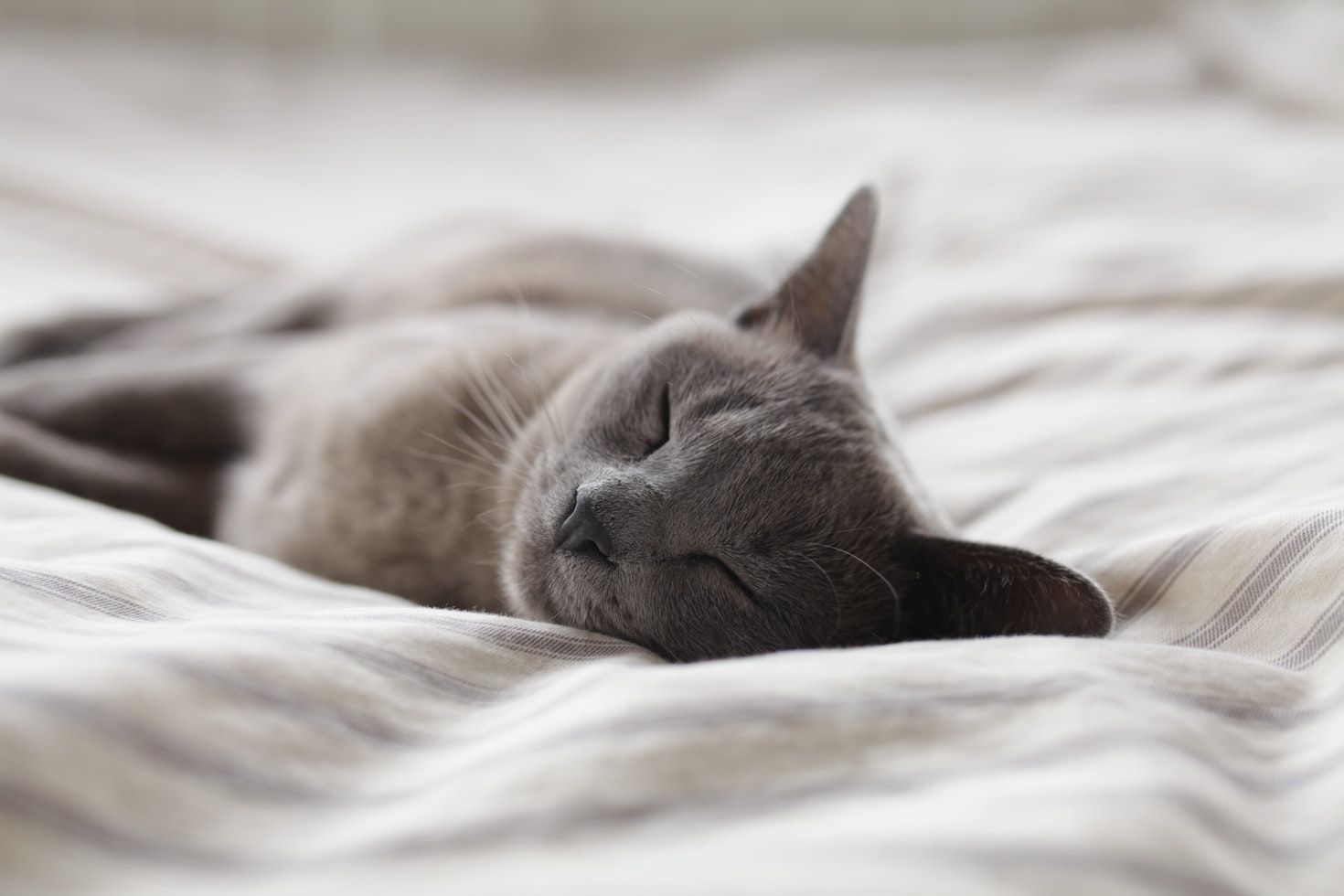

Image: Alexander Possingham

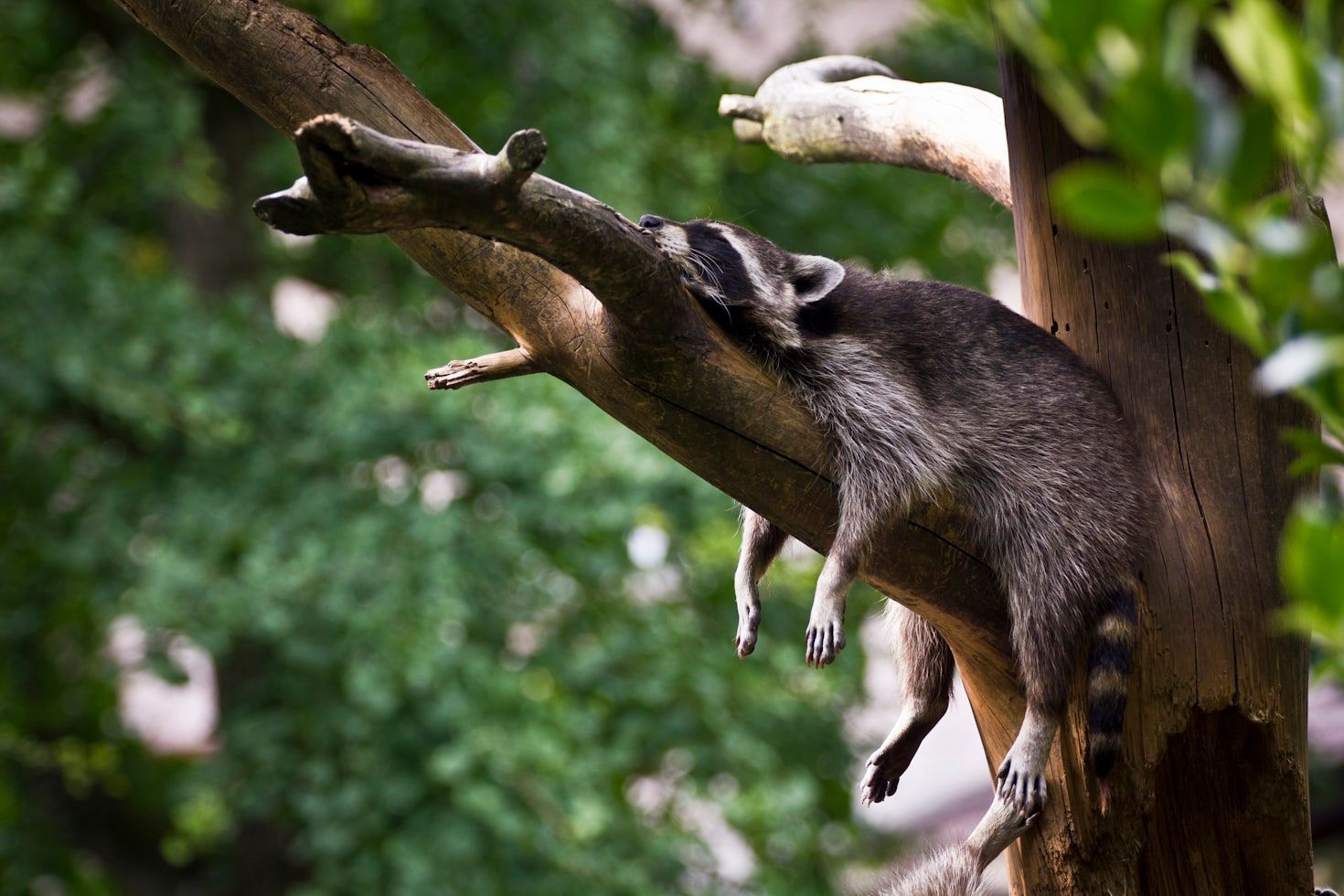
Have you ever uttered the words "sleep tight" or "hit the hay" before going to bed? These phrases have existed for ages, but their meanings and origins are not always apparent. Some are directly related to sleeping, while others are metaphors for entirely different things. Take a look at 12 of these idioms. Do you use any of them?

1

Sleep tight

Image: Sinitta Leunen

"Sleep tight" is a phrase most people know from the bedtime verse: "Sleep tight, don’t let the bedbugs bite". It’s often claimed to come from the old practice of tightly tying ropes on bed frames to keep mattresses firm and comfortable. This helped prevent sagging and made for a better night’s sleep.

In older English, "tight" simply meant "soundly" or "well", making "sleep tight" a wish for a good night’s sleep.

2

Hit the hay

Image: Simon Infanger

"Hit the hay" dates back to the late 19th or early 20th century and is often linked to the practice of stuffing hay into sacks or mattresses for sleeping, which is also commonly cited as an explanation for the phrase "hit the sack."

Another theory suggests that farm workers sometimes slept directly in haystacks, making "hay" a stand-in for "bed." Because "hit the hay" appears in print slightly earlier than "hit the sack," some believe it may have come first.

3

To sleep like a baby

Image: hessam nabavi

Anyone who has had a newborn knows how strange the phrase "sleep like a baby" sounds: babies wake up often and cry! Yet, the idiom means to sleep peacefully and deeply.

The idea is that when babies do sleep, they’re completely at ease, with no worries to disturb them. That peaceful, undisturbed state is what the phrase refers to, even if it doesn’t match the full reality.

4

Let sleeping dogs lie

Image: Irina

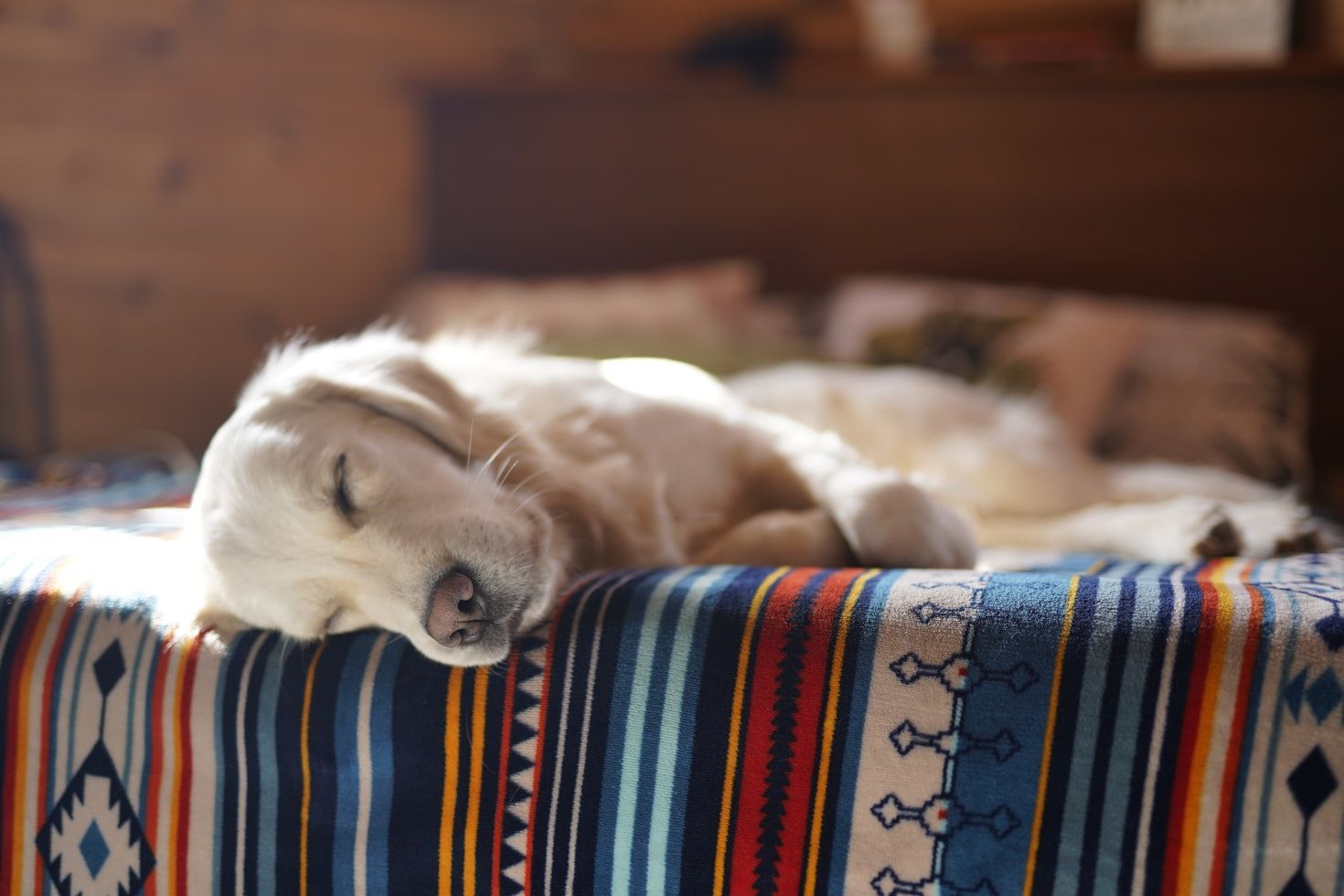
"Let sleeping dogs lie" might sound odd at first, but its meaning becomes clear with a bit of explanation. It’s a warning to leave past issues alone, especially sensitive ones.

The phrase compares old disputes to sleeping dogs: if you wake them, they might react aggressively. Similarly, revisiting old problems can stir up trouble best left alone.

5

A catnap

Image: Aleksandar Cvetanovic

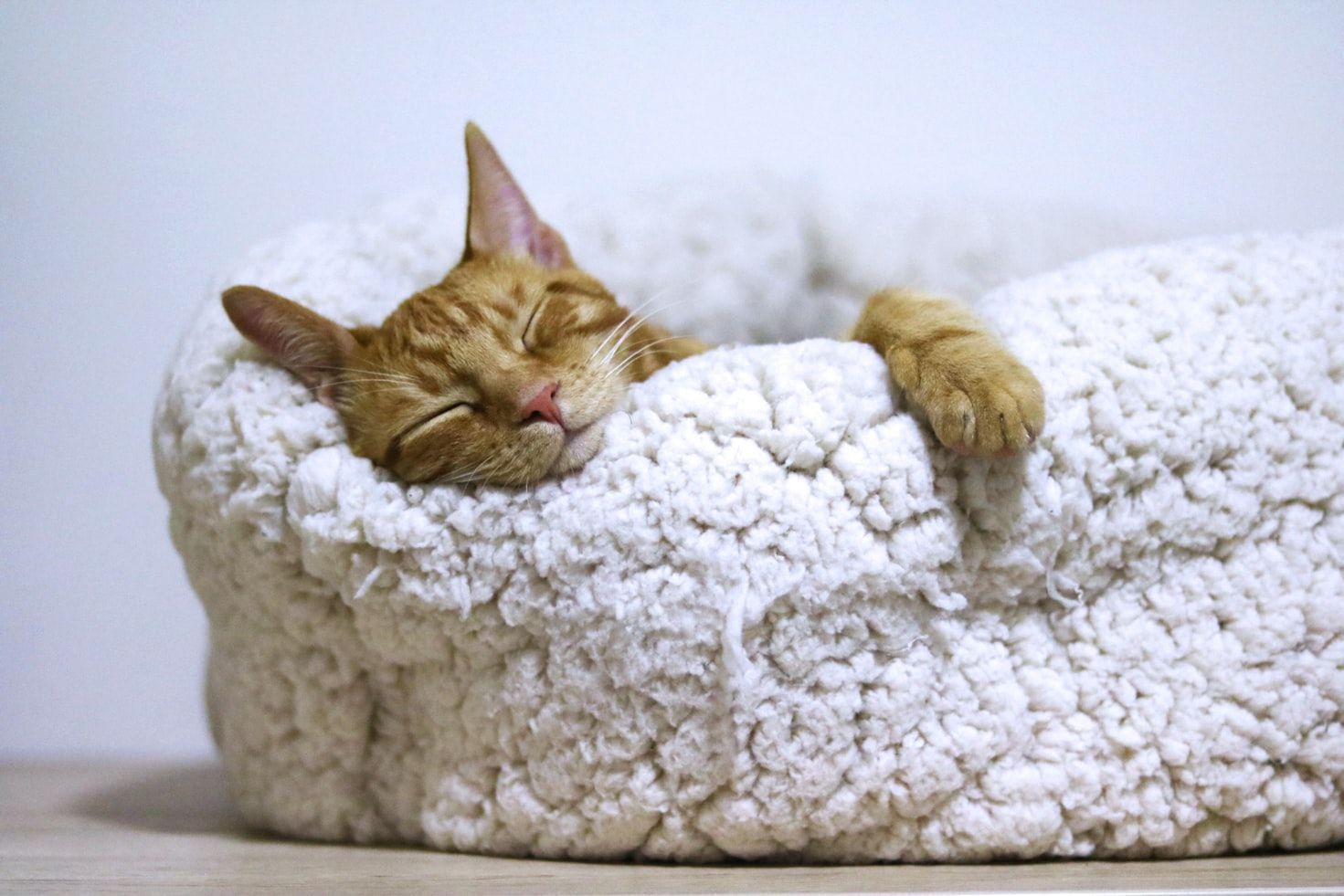
A "catnap" is a short, light nap, usually under 30 minutes, during which you do not enter deep sleep. Studies suggest that even a 10-minute nap can be refreshing, sometimes nearly as effective as a longer one, though the ideal length varies by person.

The term comes from cats’ daytime sleep habits. Since wild cats had to stay alert for danger, they took quick, light naps. Today’s cats do the same, snoozing lightly throughout the day, just like a good catnap.

6

Wrong side of the bed

Image: Greg Pappas

"Waking up on the wrong side of the bed" means starting the day in a bad mood. The phrase comes from an old Roman superstition.

Romans, including Augustus Caesar, believed getting up on the left, or sinister, side brought bad luck. As a result, the "wrong side" was more than just a bad mood starter; it was thought to be a bad omen.

7

Sleep like a log

Image: Shane

To "sleep like a log" means to sleep deeply and without moving, like a heavy log lying still. It’s a common way to describe a peaceful, undisturbed night.

The origin of the phrase is unclear, but some link it to lumberjacks who slept soundly after hard work. Others connect it to the similarity between snoring and the sound of sawing.

8

Counting sheep

Image: Annie Spratt

"Counting sheep" means imagining sheep jumping over a fence, one by one, to help you fall asleep. It’s a classic mental trick to quiet the mind.

The phrase likely comes from shepherds who counted their flocks at night to ensure none were missing, a repetitive and calming routine before bed.

9

Lose sleep over something or somebody

Image: Михаил Калегин

The idiom "to lose sleep over something" means to worry about something to the point that it becomes difficult to sleep, or to be so concerned that it disrupts one’s rest.

While the exact origin of the phrase is difficult to pinpoint, it likely evolved from the idea that intense worry and stress can interfere with the body's natural sleep cycle.

10

Do something in your sleep

Image: Nubelson Fernandes

To "do something in your sleep" means to do something very easily and effortlessly, usually because you have done it so many times that it's become second nature. It's a metaphorical way of saying that you are so proficient at a task that you don't even have to think about it, as if you could do it while unconscious.

11

Sleep with one eye open

Image: Jamie Street

"Sleep with one eye open" means staying alert or cautious, especially in risky situations. It suggests being ready for trouble, even while resting.

The phrase is often linked to animals such as dolphins and certain birds that can literally sleep with part of their brain awake to remain safe.

12

Sleep around the clock

Image: Vin Jack

To "sleep around the clock" means to sleep for many hours without waking. It often happens when you're exhausted or feeling unwell. It’s a way in which the body tries to recover energy.
Deep roots

11 everyday words with indigenous roots


Published on March 24, 2026


Image: Zoshua Colah

English is a very welcoming language in the sense that it incorporates terms from many other languages from all over the world. And, as it couldn’t be otherwise, Native American languages have lent many of their words and terms to English speakers. Some traveled through Spanish or French before settling into English, and others arrived directly through early contact and trade, helping shape the way we speak today. Did you know about these 11 terms?

1

Canoe

Image: Michael Niessl

The word "canoe" comes from the Taino term canoa, which was first used by Caribbean islanders long before Europeans arrived. Early explorers adopted it to describe the slim, sturdy boats they saw.

Over time, "canoe" became the standard English word for a small paddled craft. Today it still carries that sense of simplicity and closeness to nature.

2

Barbecue

Image: Philipp Kämmerer

The word "barbecue" comes from barbacoa, another Taino term for a wooden frame used for cooking meat over fire. Europeans adopted it and applied it to both the method and the gathering itself.

Today, "barbecue" means everything from a backyard cookout to a regional cooking style. Its origins highlight the deep culinary influence of Native Americans in the nation's current culture.

3

Skunk

Image: Elisa Stone

"Skunk" comes from the Algonquian word squnk, which means "urinating fox" (quite a fitting term, indeed). This was an obvious reference to the animal’s strong defensive spray. Early settlers adopted the term directly.

Since English had no better name for the creature, the Native word stuck. Today, the word skunks is also used as playful slang.

4

Moose

Image: Shivam Kumar

The word "moose" originates from Eastern Abenaki, a part of the Algonquian family, where it meant "he strips off bark." Yes, it described the animal’s habit of tearing bark from trees.

The name entered English quickly because settlers relied on Native knowledge of local fauna. The word remains unchanged because of its accuracy and usefulness.

5

Raccoon

Image: Gary Bendig

"Raccoon" comes from the Powhatan word arakun, meaning "he scratches with his hands." It described the animal’s clever, humanlike front paws.

Settlers adopted the term because it captured the creature’s behavior beautifully. Today, the raccoon is used as a household symbol of curiosity, not unlike the animal itself.

6

Chipmunk

Image: Annegret Kammer

The term "chipmunk" most probably comes from the Ojibwe word ajidamoo, which means "one who descends trees headfirst." Early English settlers adapted the sound into today’s form.

Though the spelling changed over time, the lively image of a chipmunk racing down a tree face-first stayed.

7

Caribou

Image: JD-Photos

The word "caribou" comes from the Mi’kmaq term qalipu, which means "snow shoveler," referring to the animal’s habit of digging through snow for food.

French settlers brought the word into English, keeping its descriptive nature. The name still connects the modern animal to the winter landscapes it belongs to.

8

Totem

Image: Stéfano Girardelli

"Totem" comes from the Ojibwe word ototeman, which means "kinship group." It described symbols representing clans and shared roots.

English adopted it to describe carved poles and symbolic elements. Though broader in modern usage, it still hints at the original sense of community, identity, and heritage.

9

Coyote

Image: Dylan Ferreira

"Coyote" comes from the Nahuatl word coyōtl, which was used by Indigenous tribes of central Mexico. Spanish speakers adopted it, and English borrowed later.

The word kept its meaning, and it remains one of the most direct links between the English language and Nahuatl.

10

Avocado

Image: Gil Ndjouwou

The tasty avocado’s name traces to the Nahuatl word ahacatl, which refers to the fruit and to a body part as well. Spanish speakers transformed it into aguacate.

Later on, English speakers adapted it to avocado. While the name sounds contemporary and culinary, it has ancient Native roots.

11

Chocolate

Image: amirali mirhashemian

The last Nahuatl word and also the last word on the list comes from the term xocolātl, which describes a bitter cacao drink that was consumed long before Europeans arrived in America. The name traveled from Spanish to English.

Though the product changed dramatically, the word survived. Today, chocolate is a universal symbol of sweetness, with rich and deeply indigenous roots.

Looking for an extra scoop of literary fun?

Learn more with our Word of the day

detrimental

/ˌdɛtrəˈmɛn(t)l/