Ancient medicine

Grandma’s secret pharmacy: 10 weird remedies that were actually effective


Published on May 4, 2026
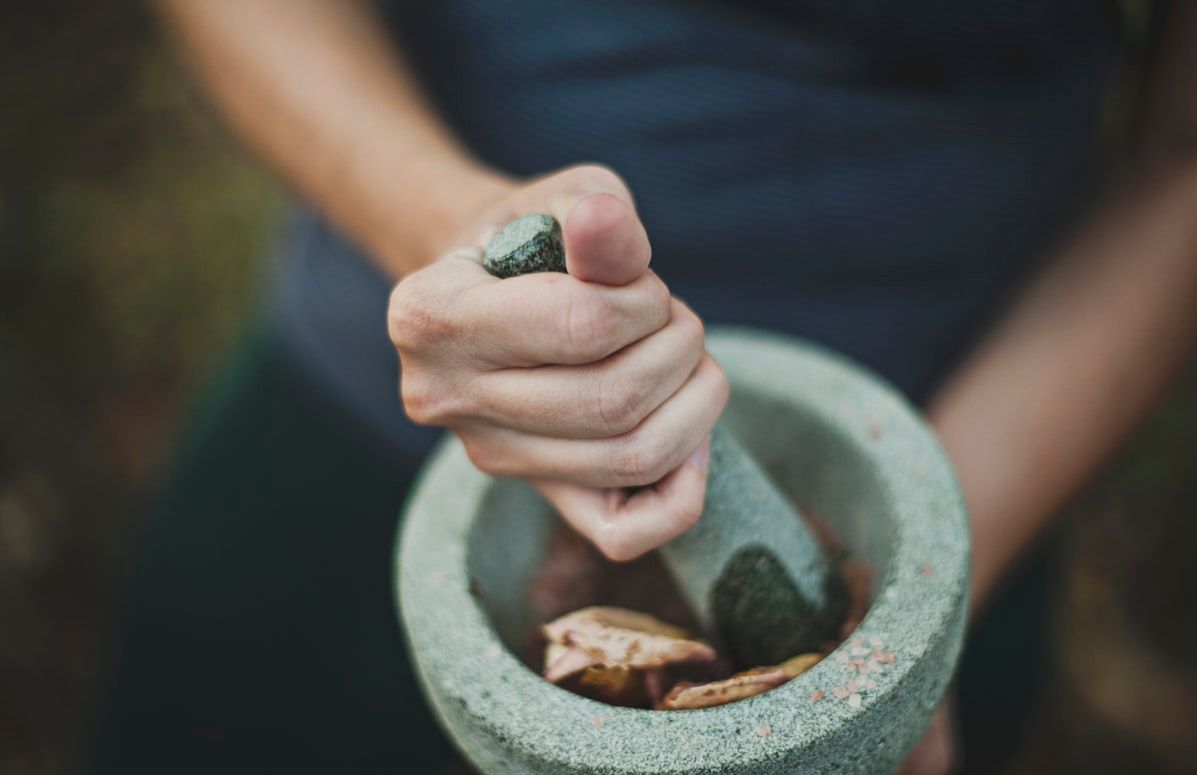

Image: Katherine Hanlon

Before modern medicine, people relied on instinct, herbs, and plenty of trial and error. While many folk remedies were more superstition than science, a surprising number proved to have real medical merit. From moldy bread to leeches, these age-old treatments often concealed a trace of scientific truth beneath their folklore—and in some cases even inspired modern pharmaceuticals.

1

Honey

Image: Benyamin Bohlouli

Ancient Egyptians used honey on wounds to prevent infection. Modern studies show that honey’s enzymes produce hydrogen peroxide, giving it antibacterial power. It also helps seal wounds, keeping dirt and bacteria out.

Medical-grade honey is now even used in hospitals for burns and ulcers. Its high sugar content and acidity further dehydrate bacteria, proving why this sweet cure was anything but primitive.

2

Willow bark

Image: Alfred Kenneally

Used for centuries to reduce pain and fever, willow bark contains salicin—the same active ingredient that inspired aspirin.

Once ingested, salicin is converted to salicylic acid in the body, providing anti-inflammatory and analgesic effects. Modern aspirin simply refines this natural process into a convenient pill.

3

Moldy bread

Image: Dmitrii Tarnovski

Thousands of years before Alexander Fleming discovered penicillin, ancient Egyptians were already applying moldy bread to wounds for its antibiotic properties.

The Penicillium mold that grows naturally on stale bread produces compounds that prevent bacteria from forming strong cell walls, causing them to burst. This shows that even something as ordinary as moldy bread can conceal a groundbreaking discovery.

4

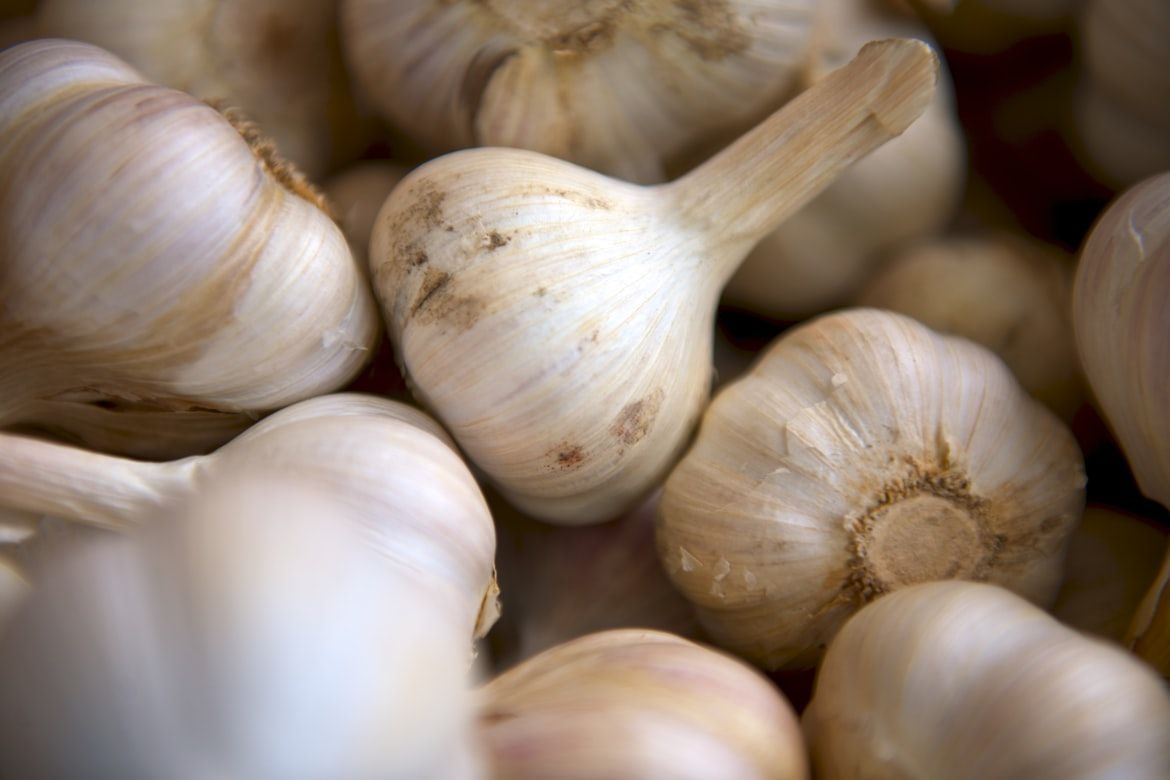
Garlic

Image: Matthew Pilachowski

Traditionally, garlic was used to fight infections and parasites. Modern science has revealed that its antimicrobial power comes from allicin—a sulfur compound released when the cloves are crushed.

Much like antibiotics, allicin attacks bacterial cell walls, and studies show that garlic extract can combat E. coli and Staphylococcus strains. However, only raw garlic retains the full medicinal potency of allicin.

5

Leech therapy

Image: Erfan Feizi

Medieval doctors used leeches to "rebalance" the body’s humors—a practice that seems worlds apart from modern medicine. Yet while the explanation behind their use has changed, leeches are still widely employed today in reconstructive surgery to restore blood flow to damaged tissue.

Leech saliva contains hirudin, a natural anticoagulant that prevents clotting and promotes circulation—essential for reattaching severed fingers or performing skin grafts.

6

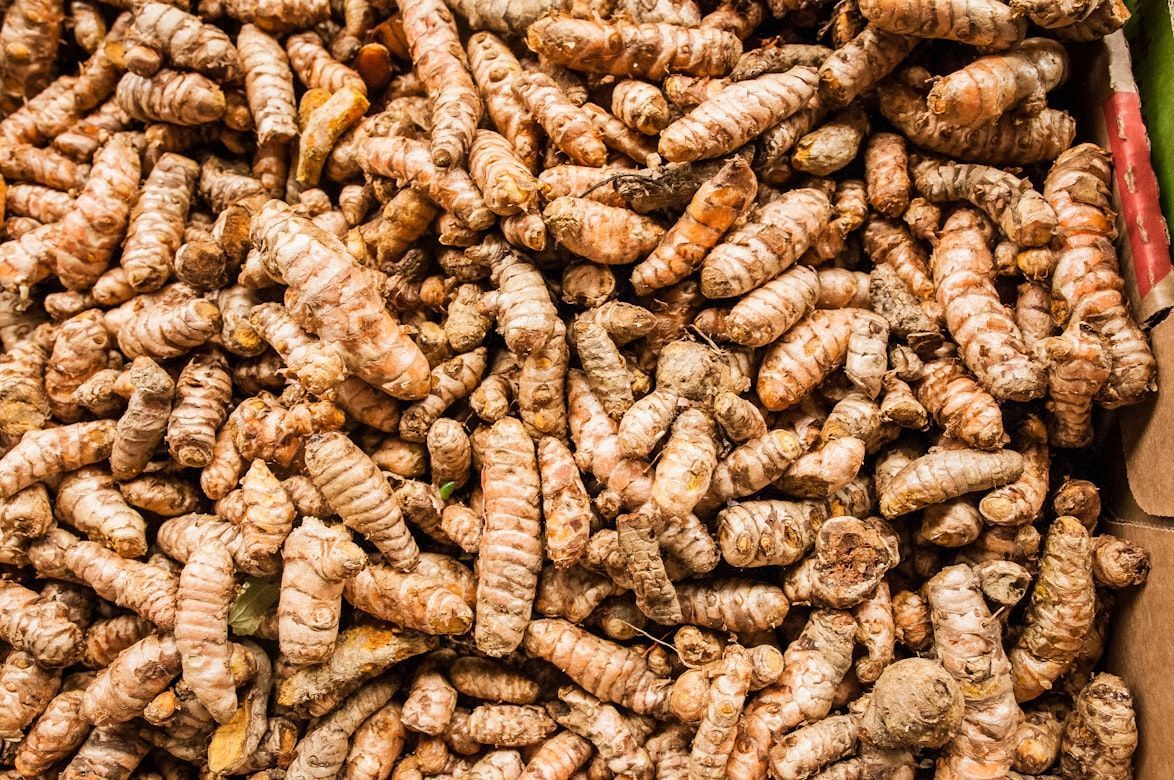
Turmeric

Image: Dyah Miller

Traditional Indian medicine used turmeric paste to treat wounds and inflammation. Its active compound, curcumin, has strong anti-inflammatory and antioxidant effects.

Curcumin inhibits cytokines, small proteins that trigger swelling and pain, and is so effective that turmeric remains a key ingredient in many modern joint supplements and topical creams.

7

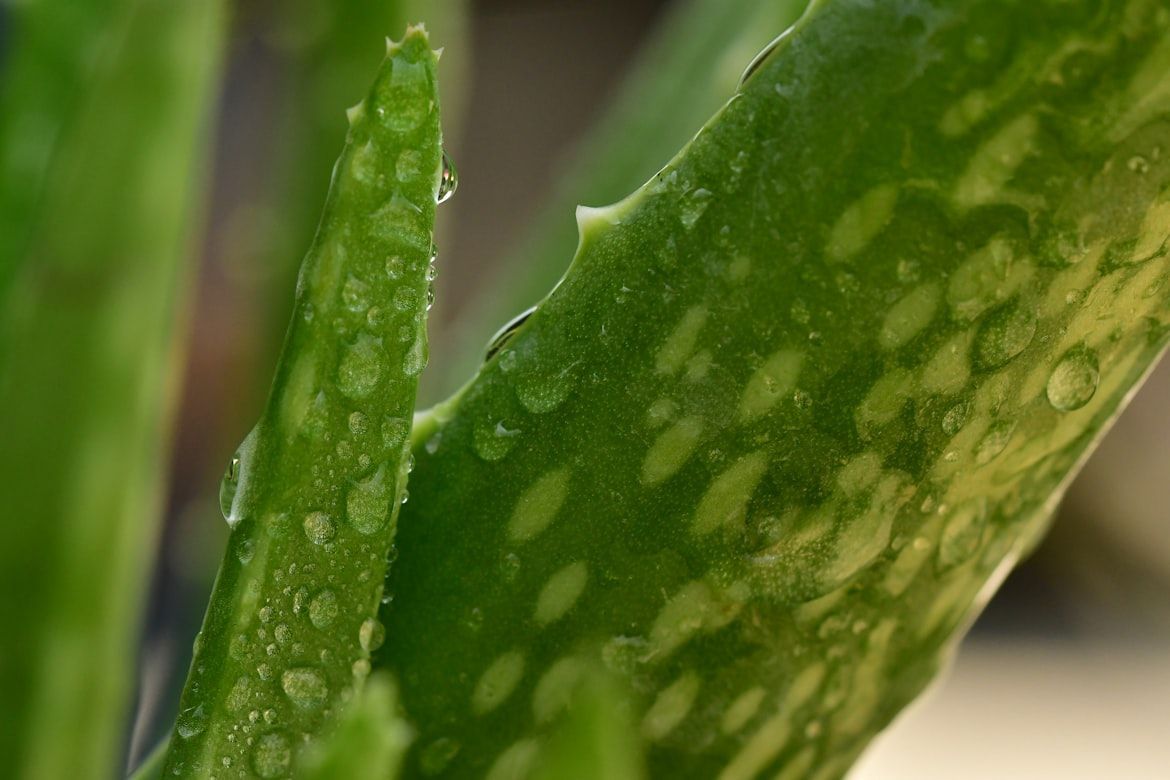
Aloe vera

Image: pisauikan

Ancient Egyptians called aloe the "plant of immortality." Its gel cools burns and speeds healing thanks to polysaccharides that promote skin repair.

Clinical use continues for treating minor burns and radiation dermatitis, and it is also commercialized in countless skincare products—making aloe a rare ancient remedy still used almost unchanged.

8

Eucalyptus

Image: David Clode

Australian Aboriginal medicine used eucalyptus leaves to treat coughs and congestion. The compound eucalyptol, found in the leaves’ oil, helps open airways and thin mucus, making breathing easier.

Today, it is a key ingredient in countless cough drops, inhalers, and chest rubs—proof that this ancient remedy still works effectively.

9

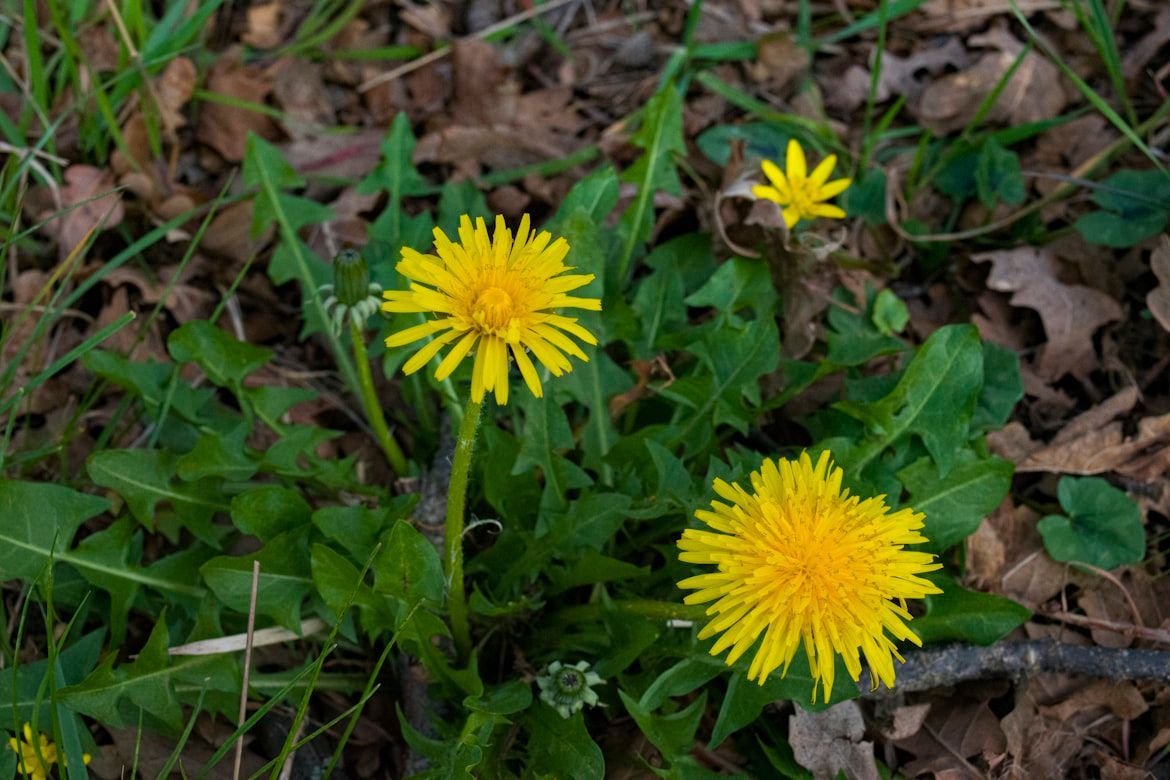
Dandelion

Image: Lorenzo Ranuzzi

Extensively used in European folk medicine, dandelion roots and leaves act as mild diuretics and support liver function.

They increase bile flow and help remove toxins—effects confirmed by modern studies on hepatic enzymes. Today, dandelion extract still appears in herbal liver tonics. Additionally, most of the plant is edible, making it a nutritious addition to salads.

10

Foxglove

Image: David Young

In the 18th century, herbalists used foxglove to treat dropsy—a condition often caused by underlying heart failure. Though the plant contains several toxic compounds, it also contains digitalis, a potent cardiac stimulant.

In controlled doses, digitalis helps regulate heart rate, and its refined derivatives, such as digoxin, are still widely used today in the treatment of cardiovascular diseases.


Deep roots

11 everyday words with indigenous roots


Published on May 4, 2026


Image: Zoshua Colah

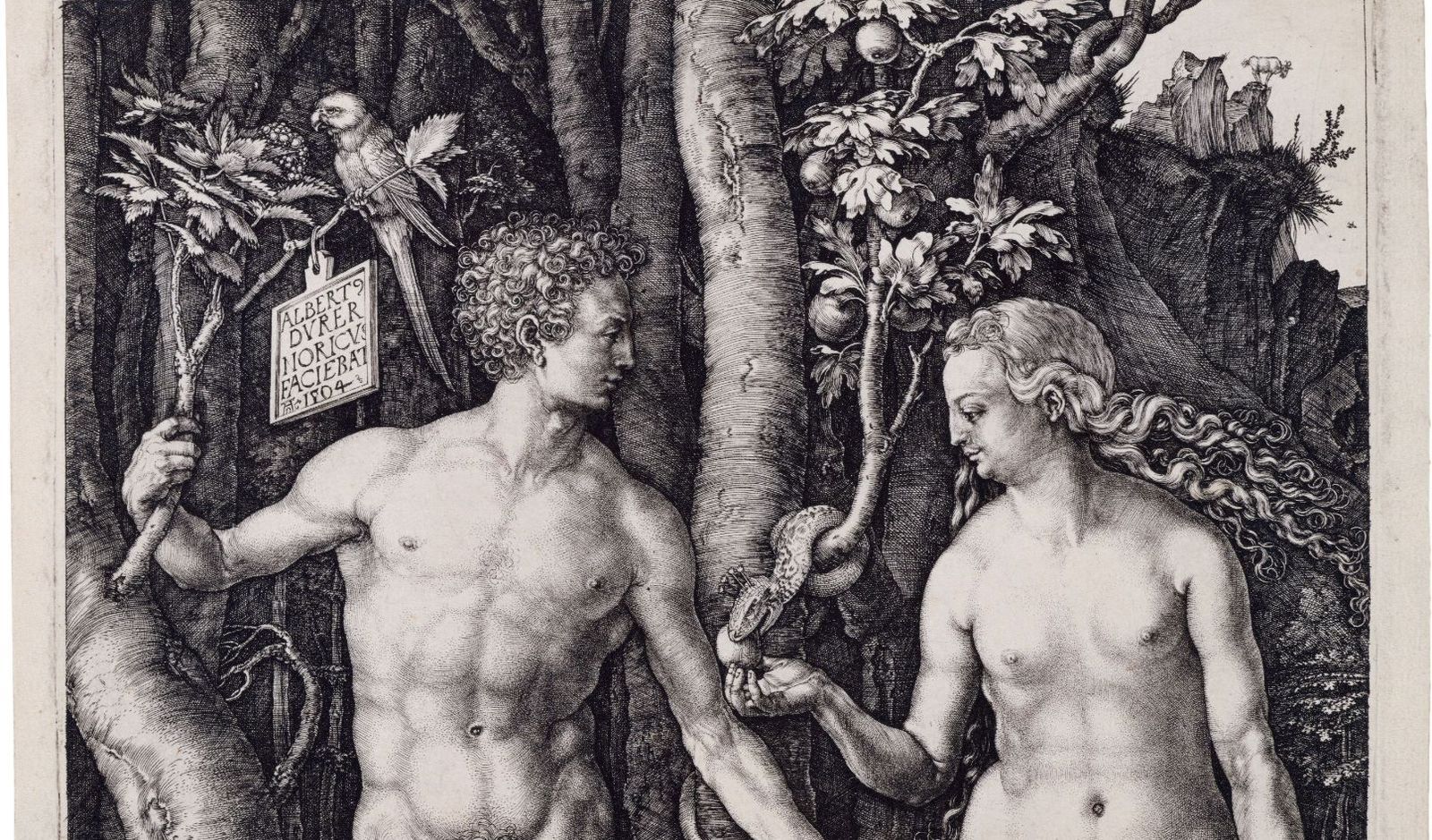
English is a very welcoming language in the sense that it incorporates terms from many other languages from all over the world. And, as it couldn’t be otherwise, Native American languages have lent many of their words and terms to English speakers. Some traveled through Spanish or French before settling into English, and others arrived directly through early contact and trade, helping shape the way we speak today. Did you know about these 11 terms?

1

Canoe

Image: Michael Niessl

The word "canoe" comes from the Taino term canoa, which was first used by Caribbean islanders long before Europeans arrived. Early explorers adopted it to describe the slim, sturdy boats they saw.

Over time, "canoe" became the standard English word for a small paddled craft. Today it still carries that sense of simplicity and closeness to nature.

2

Barbecue

Image: Philipp Kämmerer

The word "barbecue" comes from barbacoa, another Taino term for a wooden frame used for cooking meat over fire. Europeans adopted it and applied it to both the method and the gathering itself.

Today, "barbecue" means everything from a backyard cookout to a regional cooking style. Its origins highlight the deep culinary influence of Native Americans in the nation's current culture.

3

Skunk

Image: Elisa Stone

"Skunk" comes from the Algonquian word squnk, which means "urinating fox" (quite a fitting term, indeed). This was an obvious reference to the animal’s strong defensive spray. Early settlers adopted the term directly.

Since English had no better name for the creature, the Native word stuck. Today, the word skunks is also used as playful slang.

4

Moose

Image: Shivam Kumar

The word "moose" originates from Eastern Abenaki, a part of the Algonquian family, where it meant "he strips off bark." Yes, it described the animal’s habit of tearing bark from trees.

The name entered English quickly because settlers relied on Native knowledge of local fauna. The word remains unchanged because of its accuracy and usefulness.

5

Raccoon

Image: Gary Bendig

"Raccoon" comes from the Powhatan word arakun, meaning "he scratches with his hands." It described the animal’s clever, humanlike front paws.

Settlers adopted the term because it captured the creature’s behavior beautifully. Today, the raccoon is used as a household symbol of curiosity, not unlike the animal itself.

6

Chipmunk

Image: Annegret Kammer

The term "chipmunk" most probably comes from the Ojibwe word ajidamoo, which means "one who descends trees headfirst." Early English settlers adapted the sound into today’s form.

Though the spelling changed over time, the lively image of a chipmunk racing down a tree face-first stayed.

7

Caribou

Image: JD-Photos

The word "caribou" comes from the Mi’kmaq term qalipu, which means "snow shoveler," referring to the animal’s habit of digging through snow for food.

French settlers brought the word into English, keeping its descriptive nature. The name still connects the modern animal to the winter landscapes it belongs to.

8

Totem

Image: Stéfano Girardelli

"Totem" comes from the Ojibwe word ototeman, which means "kinship group." It described symbols representing clans and shared roots.

English adopted it to describe carved poles and symbolic elements. Though broader in modern usage, it still hints at the original sense of community, identity, and heritage.

9

Coyote

Image: Dylan Ferreira

"Coyote" comes from the Nahuatl word coyōtl, which was used by Indigenous tribes of central Mexico. Spanish speakers adopted it, and English borrowed later.

The word kept its meaning, and it remains one of the most direct links between the English language and Nahuatl.

10

Avocado

Image: Gil Ndjouwou

The tasty avocado’s name traces to the Nahuatl word ahacatl, which refers to the fruit and to a body part as well. Spanish speakers transformed it into aguacate.

Later on, English speakers adapted it to avocado. While the name sounds contemporary and culinary, it has ancient Native roots.

11

Chocolate

Image: amirali mirhashemian

The last Nahuatl word and also the last word on the list comes from the term xocolātl, which describes a bitter cacao drink that was consumed long before Europeans arrived in America. The name traveled from Spanish to English.

Though the product changed dramatically, the word survived. Today, chocolate is a universal symbol of sweetness, with rich and deeply indigenous roots.

Looking for an extra scoop of literary fun?

Learn more with our Word of the day

comely

/ˈkəmli/