From page to big screen

Who wrote this? 9 romantic films inspired by literary classics


Published on August 22, 2025


Image: Jamie Street

Many are quick to dismiss the Romantic film genre as superfluous, unrealistic, or shallow. There is a widespread belief that the scripts of romantic comedies are filled with cliches, and that they all follow the same formula, making them predictable and depth-lacking**.** On the other hand, romantic dramas don’t always receive better criticism. While this might be true for some movies, there are plenty of romantic films with good scripts. In fact, many beloved films from this genre are based on known literary works. Let’s go through some romantic films you might not know were based on a classic!

1

Clueless (1995): Emma by Jane Austen

Image: David Vives

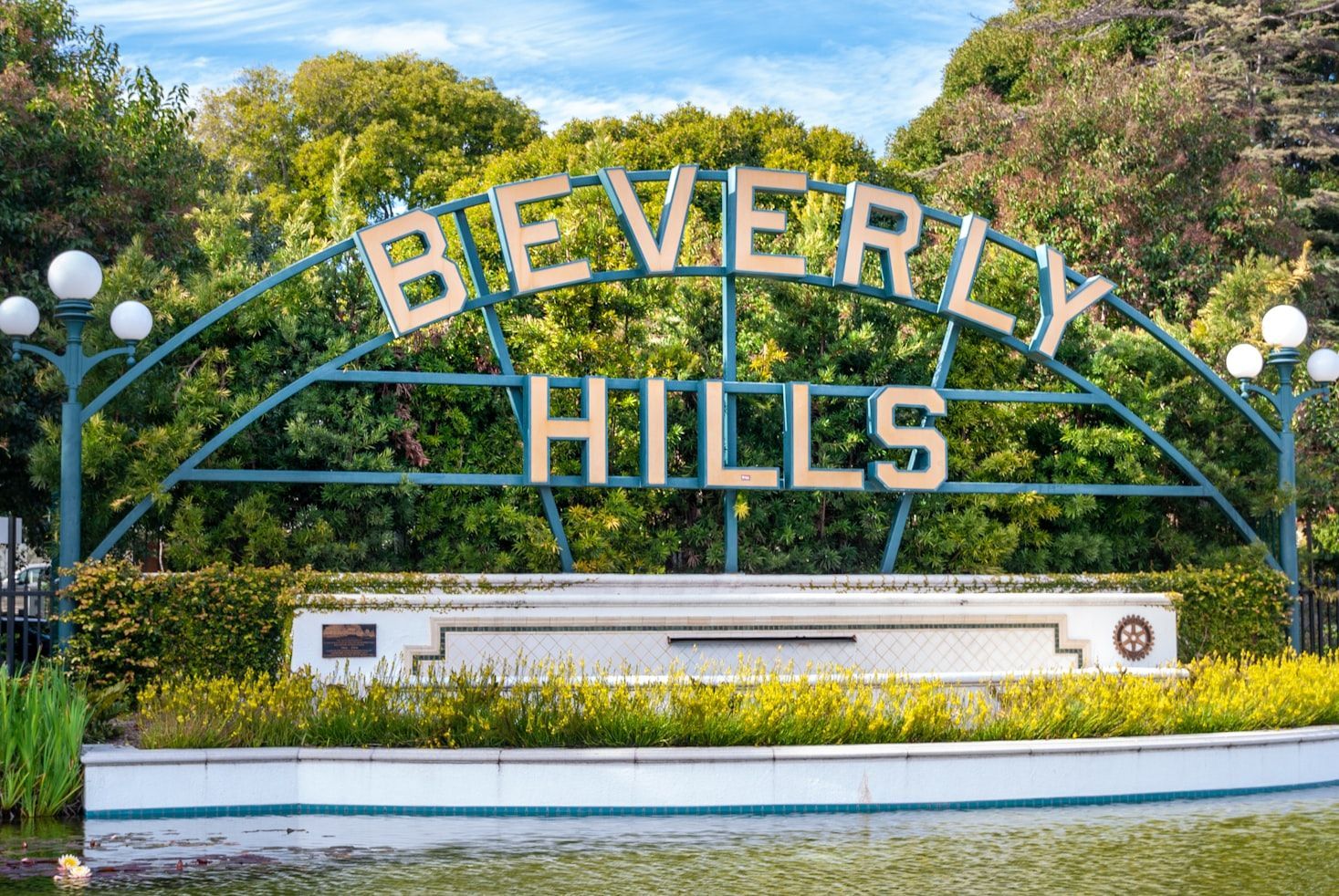
Let’s start with a bona fide classic of the '90s. Here, instead of Regency-era rich and spoiled Emma Woodhouse and her matchmaking meddlings, we have ‘90s fashionista Cher, also rich and spoiled, also meddling, but this time in high-school drama.

_Emma_’s country soirees might be changed for pastel colors and Beverly Hills, but Austen’s core idea remains: Well-intentioned good deeds might not always be what others need from us.

2

Easy A (2010): The Scarlet Letter by Nathaniel Hawthorne
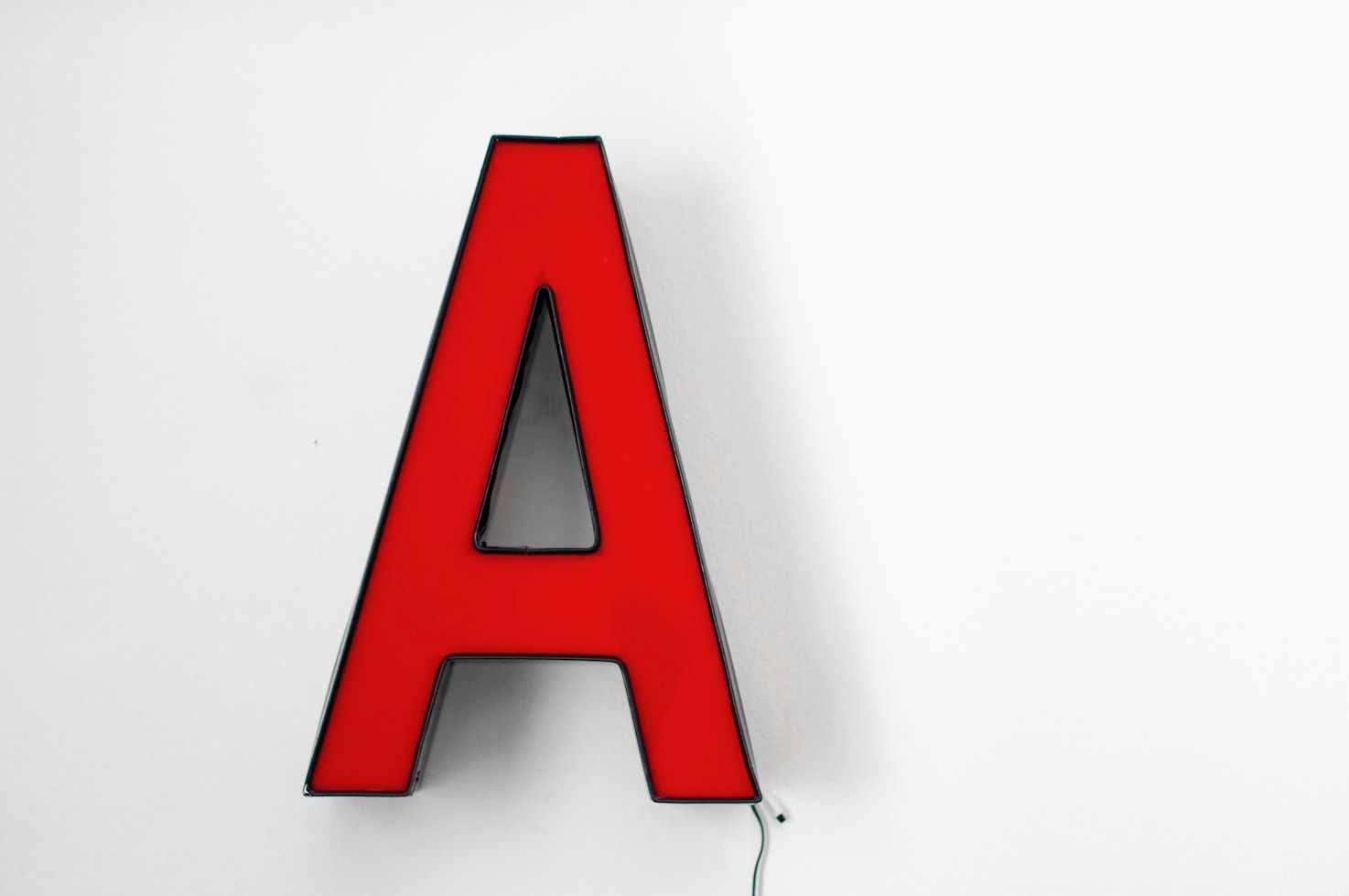
Image: Aneta Pawlik

In Easy A, the literary text works both as inspiration and as a plot device. With her "good reputation" in shambles due to a white lie and a series of out-of-control rumors, teenager Olive Penderghast decides to own up to her bad reputation and wear a red letter A on her chest, inspired by Hawthorne’s depiction of a single mother in a 17th-century Puritan community.

While _Easy A_’s story is more lighthearted than the one in The Scarlet Letter, both showcase the results of hypocrisy, rumors, and public shaming.

3

Ten Things I Hate About You (1999): The Taming of the Shrew by William Shakespeare
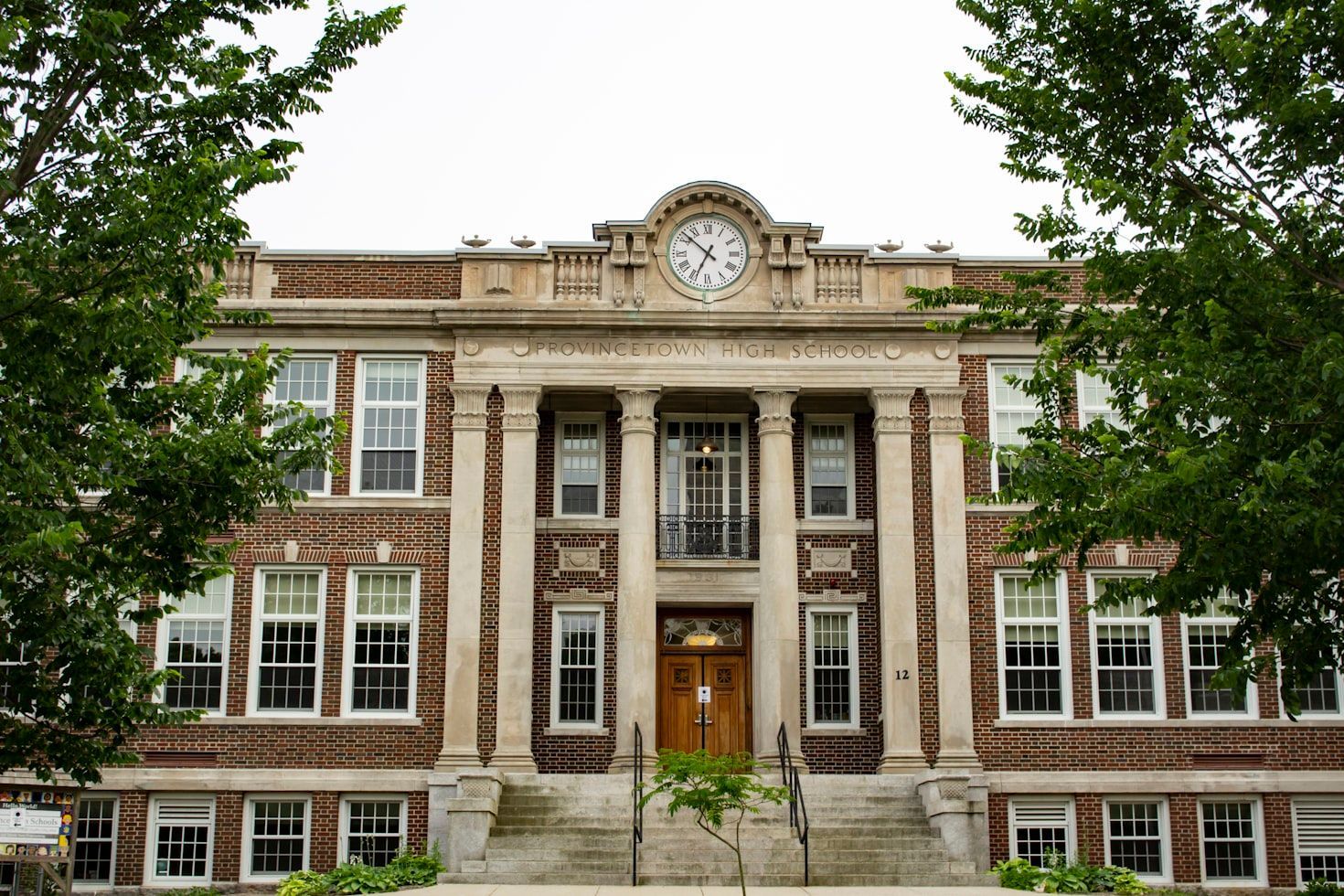
Image: Gautam Krishnan

Another cult classic from the ‘90s, this time reversioning a comedy by William Shakespeare. In The Taming of the Shrew, the suitors of Bianca, unable to marry until her ill-tempered sister Kate does, pay Petruccio to wed her.

The 90s version is set in high school, so there are no marriages in sight. Instead, the prize is being able to date Bianca and take her to prom, something Kate has no interest in doing herself.

4

She’s All That (1999): Pygmalion by Bernard Shaw

Image: Roman Kraft

While not everyone has read Shaw’s Pygmalion and its tale of turning a low-class florist into a high-class lady, everyone knows its most famous film adaptation, My Fair Lady (originally a musical). But did you know that the 90s also have their own version?

In this RomCom classic, popular boy Zach bets he can turn anyone into the school’s prom queen. His chosen target? Not-so-popular, artsy, low-profile Laney.

5

Cold Mountain (2003): The Odyssey by Homer

Image: Vikram Aditya

This Civil War romantic drama is the film adaptation of a novel by Charles Frazier, but the plot is not necessarily original: a young man left the woman he loves behind when he went to war, and the journey back is treacherous, hard, and filled with danger. Rings any bells?

That’s right, Inman’s journey back to Ada is a retelling of Homer’s Odyssey, but using a real-life character. The protagonist, W. P. Inman, was Frazier’s great-granduncle.

6

Moulin Rouge! (2001): The Lady of the Camellias by Alexandre Dumas fils

Image: Liam McGarry

This musical romantic drama is known for its eclectic soundtrack, its cast, and its tragic history. Many people recognize the opera La Boheme as one of the inspirations behind Christian and Satine’s tragic history, and they are not wrong. However, director and writer Baz Luhrmann has also pointed to a French literary classic as a source.

The Lady of the Camellias (also known as Camille) is a novel by Alexandre Dumas fils (not the one who wrote about musketeers, but his son). It tells the story of the affair between Marguerite, a courtesan who suffers from tuberculosis, and young Armand. Like its film adaptation, Dumas' story is both romantic and tragic.

7

A Knight’s Tale (2001): The Knight’s Tale by Geoffrey Chaucer
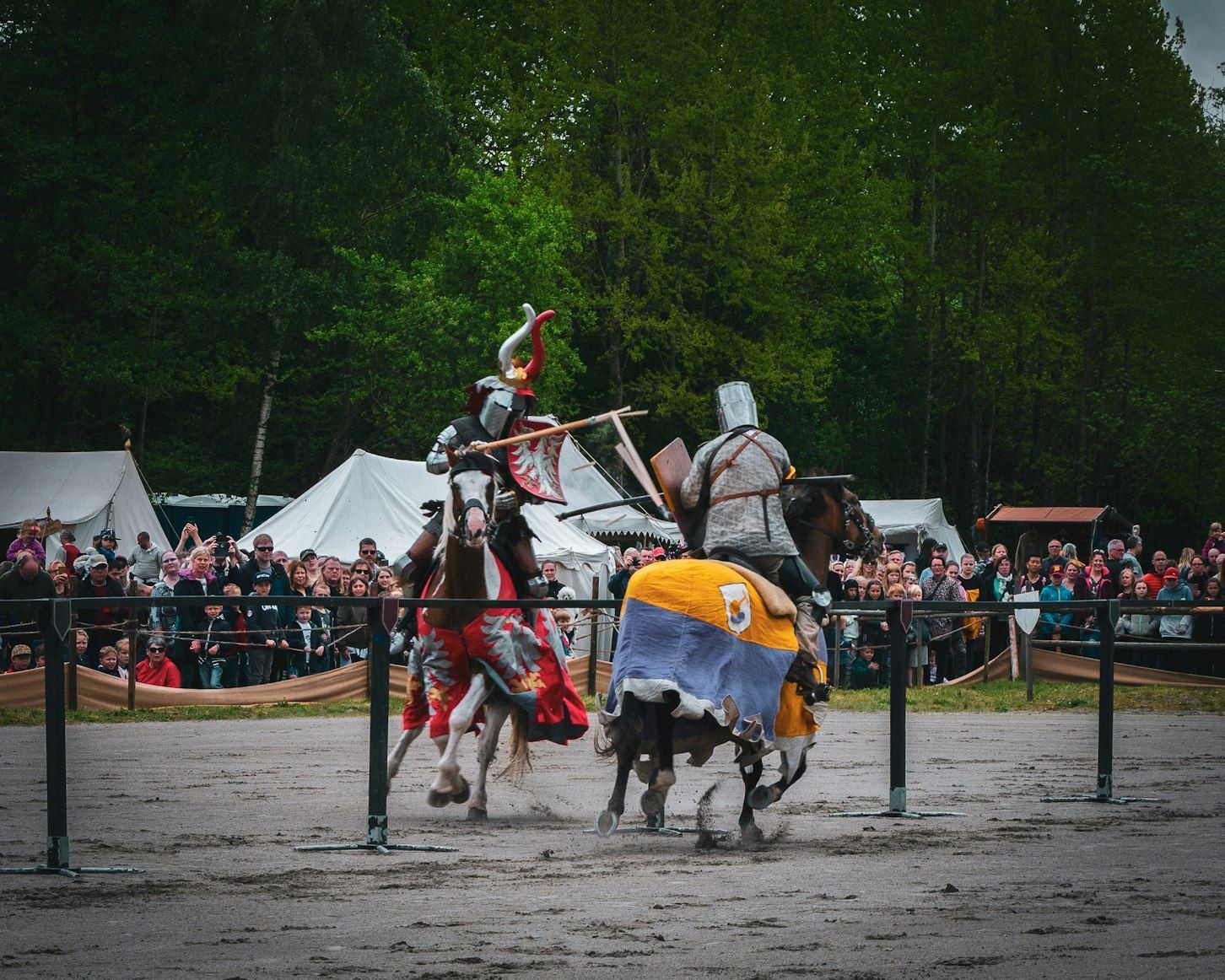
Image: Casper Johansson

Some could say that A Knight’s Tale doesn’t really count as a romantic comedy, but the romantic element is important enough to make it part of this list. If you saw the film, you might remember William’s friend Geoffrey Chaucer, played by Paul Bettany. He was a real person and one of the most important writers of English literature.

A Knight’s Tale is a reinterpretation of Chaucer’s The Knight’s Tale, from the Canterbury Tales: it tells the story of two knights who duel for the hand of a woman. In the film’s end, everything comes full circle when Chaucer decides to write the story down.

8

John Tucker Must Die (2006): The Merry Wives of Windsor by William Shakespeare

Image: Fulvio Ambrosanio

In the comedy by Shakespeare, we see John Falstaff (a drunkard, gambler, and a recurring character in various plays by the Bard) wooing several married women for financial gain, but the tables are turned on him when the women realize his plan and join forces to get revenge.

How does this translate to a 2000s teen comedy? Another John (now John Tucker), a popular high school athlete, is dating several girls at once. When the girls find out, they plan to make him fall in love with one of their friends, and then break his heart and publicly humiliate him.

9

Roxanne (1987): Cyrano de Bergerac by Edmond Rostand
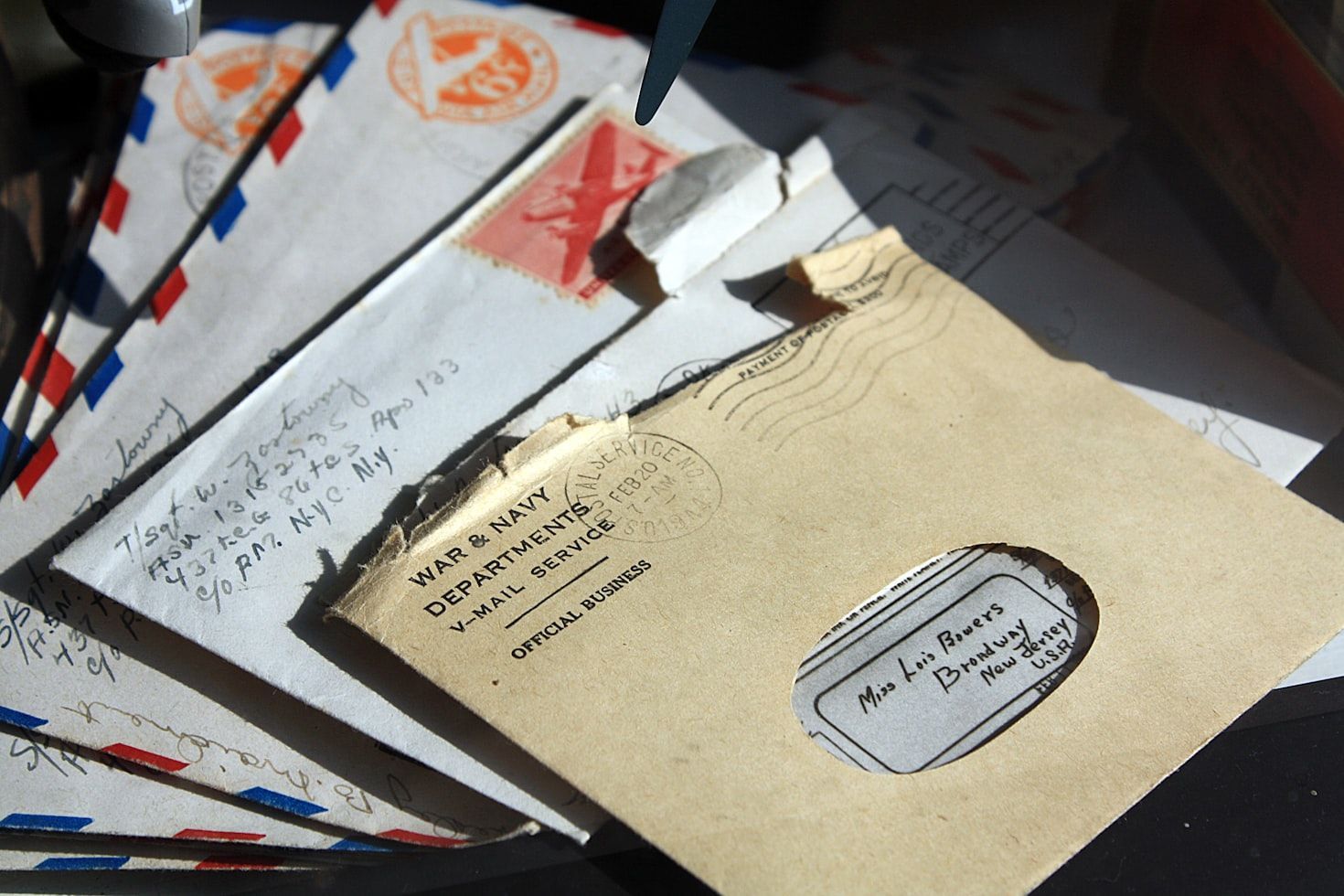
Image: sue hughes

Cyrano de Bergerac has been the source of several romantic films, both tragic and comedic, with different takes on big-nosed Cyrano and his letters. In this ‘80s version, Cyrano is Charlie (also big-nosed and ashamed of it), in love with beautiful Roxanne.

Believing Roxanne is interested in Charlie’s coworker Chris, he starts coaching him on how to woo her and writes Roxanne letters under Chris’s name. Luckily for everyone involved, this version has a less tragic ending than the original play.


Deathbed statements

Beyond the grave: Take a look at the last words of 12 famous people


Published on August 22, 2025


Image: Daderot, CC0, via Wikimedia Commons

Throughout history, hundreds of historical figures have left their mark on the world through their marvelous achievements. When their lives came to an end, their last words were often a reflection of their lives and ideals. From George Washington and Mark Twain to Frank Sinatra and Leonardo Da Vinci, in this article, we will reveal 12 final words of memorable personalities.

1

George Washington

Image: The New York Public Library

After serving two terms as the United State's first president, George Washington retired to his Virginia plantation. In mid-December 1799, he developed a cold and a severe sore throat. Despite doctors' efforts to cure him, the end was imminent.

His long-time secretary, Tobias Lear, was at his side during his last days and documented all the events that transpired, including the former president's last words. According to his account, shortly before he took his last breath George Washington said "Tis well" —an old-fashioned way of saying "everything is okay."

2

Humphrey Bogart

Image: Signal Corps Archive from United States, Public domain, via Wikimedia Commons

Noir icon of perpetual elegance and rebellious charisma, Humphrey Bogart is an undisputed legend in cinema history. A Hollywood Golden Age star, Bogart is still remembered today for his scar on his upper lip, his everlasting cigarette, and his perfect portrayal of gangsters and detectives.

At the age of 57 Bogart was diagnosed with esophageal cancer, for which he was hospitalized for several months. According to lore, the legendary star's last words were "I should never have switched from scotch to martinis." However, his wife Lauren Bacall confirmed that the last thing he actually said was "Goodbye Kid. Hurry back," before she left his bedside to get their children.

3

Mark Twain

Image: Miscellaneous Items in High Demand, PPOC, Library of Congress, Public domain, via Wikimedia Commons

As one of the greatest American writers of all time, Mark Twain is usually credited with all sorts of great quotes that he often didn't say. For that reason, there are different versions of what his last words were before he died in 1910 at the age of 74.

The most plausible theory can be found in an article published one day after his death. According to this chronicle, Samuel Langhorne Clemens' last words were not spoken aloud but written. The famous humorist and essayist reportedly wrote to his daughter Clara, who accompanied him on his bedside, "Give me my glasses."

4

Joan Crawford

Image: MGM, Public domain, via Wikimedia Commons

Joan Crawford, the Oscar winner for Mildred Pierce and one of the greatest stars of Hollywood's golden age, died in 1977 of a heart attack.

The actress, who had a complicated personality, was true to her nature until her last breath. She was so ill that her doctor felt it wasn’t worth taking her to the hospital. One of her nurses began to pray aloud in desperation. Losing her patience, Crawford snapped for the last time and said, "Damn it... Don't you dare ask God to help me."

5

Marco Polo

Image: Municipal Library of Trento, CC0, via Wikimedia Commons

The year 2024 marked the 700th anniversary of the death of the man who better described remote lands. Marco Polo was a merchant who spent more than 20 years of his life traveling through the Orient and wrote about his adventures in a book that became a bestseller when the printing press wasn’t even invented.

Marco Polo was, and still is, a legend. When, on his deathbed, his wife and friends begged the brave explorer to confess if what he had told in the book was true, he barely whispered: "I have not told the half of what I saw and did."

6

Groucho Marx

Image: MGM, Public domain, via Wikimedia Commons

Julius Henry Marx, better known as Groucho Marx, is considered one of the most influential comedians of all time. The man with the bushy black mustache was one of the Marx Brothers. Together they made 13 films, including the classic Duck Soup. After a long and prominent career, Groucho passed away in Los Angeles in 1977 at the age of 86.

His brilliant one-liners are still remembered and replayed to this day, so it is not surprising that not one but several final words are attributed to him. A few close friends have suggested that his last line was "This is no way to live!", while most suggest that his last words were in fact dedicated to his wife: "Die, my dear? Why, that's the last thing I'll do!"

7

Voltaire

Image: Nicolas de Largillière, Public domain, via Wikimedia Commons

Voltaire, the French writer, philosopher, historian, and lawyer, one of the major figures of the Enlightenment, died in 1778 at the age of 83. Different accounts of his deathbed make it impossible to determine exactly what his last days were like.

One of these stories, however, is consistent with his ideas about God and his well-known criticism of the Church. According to this version, when the priest asked him if he wanted to renounce Satan before he died, Voltaire replied, "This is no time to make new enemies."

8

L. Frank Baum

Image: William Wallace Denslow, Public domain, via Wikimedia Commons

L. Frank Baum was a prolific American author. He wrote 55 novels, 82 short stories, and more than 200 poems. However, his most memorable work is his series of children's fantasy books The Wonderful Wizard of Oz.

On May 5, 1919, Baum suffered a heart attack. He died the next day, shortly before his 63rd birthday. Disturbed by the imminence of death, he whispered to his wife: "Now we can cross the Shifting Sands," a clear reference to the Land of Oz.

9

Augustus

Image: National Archaeological Museum of Athens, CC0, via Wikimedia Commons

Augustus, the first Roman emperor, is often attributed with the phrase: "Behold, I found Rome of clay, and leave her to you of marble," alluding to the great infrastructural works carried out during his prosperous 40 years of rule.

However, according to other historical accounts, his last words were addressed to the friends who stayed with him on his deathbed: "Have I played the part well? Then applaud, as I exit."

10

Frank Sinatra

Image: English: Distributed by NBC. Photographer unknown., Public domain, via Wikimedia Commons

"Darling, you've gone through worse and you can beat this too. You have to fight," implored Barbara Marx, Frank Sinatra's fourth wife, to her beloved on his deathbed. "I'm losing," The Voice whispered through teary eyes.

Barbara recounted the last hours of the singer of such hits as My Way and New York, New York in her memoir Lady Blue Eyes: My Life With Frank. Frank Sinatra, one of the most popular entertainers of the mid-20th century, pronounced his last words in 1998 at the age of 82.

11

Leonardo Da Vinci

Image: Jean-Auguste-Dominique Ingres, CC0, via Wikimedia Commons

Despite being one of the most famous artists of the Renaissance, Leonardo da Vinci was very hard on himself. All his life he challenged his own limits, evident in his paintings and sculptures as well as in his inventions, some of which were truly revolutionary.

Even after a lifetime of success, he wasn’t quite satisfied. When he suffered a stroke at the age of 67, he sent for a priest to receive the Holy Sacrament and, according to historians, his greatest regret was that he hadn’t achieved excellence with his work. In that sense, it is said that his last words were: "I have offended God and mankind because my work did not reach the quality it should have."

12

Joe DiMaggio

Image: National Museum of Health and Medicine, Public domain, via Wikimedia Commons

The Yankee Clipper was one of the greatest baseball players of all time but he is also known for having been married to the iconic American actress Marilyn Monroe. Joe and Marilyn were together for less than three years. In 1955 the actress left him for American playwright Arthur Miller.

DiMaggio was devastated. He never married again, and never got over his one true love. His last words before he died in 1999 at the age of 84 were: "I'll finally get to see Marilyn."

Looking for an extra scoop of literary fun?

Learn more with our Word of the day

parallel

/ˈpɛrəˌlɛl/