BAD IDEAS

Crash and burn: The 10 biggest product fails of all time


Published on March 2, 2025


Image: Steve Johnson

Not every innovation is destined to succeed. Some ideas might sound promising on paper but fail to meet real-world consumer needs. And these flops aren’t always easy to prevent— even the most successful companies make mistakes that end up costing millions. From the infamous Ford Edsel to Colgate-branded frozen meals, there’s no shortage of failed products that should have never left the drawing board. Join us on a journey through 10 of the biggest commercial failures of all time!

1

New Coke

Image: James Yarema

In 1985, Coca-Cola made the bold decision to change its classic formula in an attempt to compete with the rising popularity of Pepsi. The new version, known as "New Coke," was sweeter and aimed at capturing Pepsi's younger customer base. Coca-Cola’s executives believed this shift would boost sales but completely underestimated the emotional attachment millions of loyal Coke drinkers had to the original formula.

Consumer outrage was immediate, and the company was flooded with angry letters, petitions, and protests, all accompanied by disappointing sales. Just three months later, Coca-Cola was forced to reintroduce the original formula under the name Coca-Cola Classic. The episode is now remembered as a cautionary tale about the risks of tampering with beloved brands.

2

Ford Edsel

Image: Peter Secan

Though you may have never heard of it, the Edsel was Ford's failed attempt to introduce a new automotive brand in the late 1950s. Marketed as the car of the future and named after Henry Ford’s son, Edsel Ford, the first model featured innovative elements like a push-button transmission and an overall modern design.

Unfortunately, it became a major commercial flop. While Ford executives expected it to dominate its price segment, consumers found the car unattractive and plagued by mechanical issues. The marketing hype had raised expectations so high that the car ultimately failed to live up to them, leading to one of the biggest automotive failures in history.

3

Harley-Davidson Perfume

Image: Bruno Kelzer

Anyone with common sense would know that perfumes and Harley-Davidsons are not exactly a match made in heaven. The rugged, tough image of the motorcycle brand doesn’t align well with the idea of a pleasant fragrance—unless grease and gasoline are your go-to cologne.

Well, despite this being obvious, Harley-Davidson briefly ventured into the fragrance business in the 1990s. The ill-advised idea didn’t last long, as the brand’s consumers were confused by it, and the high-end fragrance market showed little interest. The result? The mismatched perfume was quietly pulled from shelves shortly after its release.

4

Segway

Image: Les Corpographes

While not a complete failure—similar devices made by other companies are still being made after all—the product never lived up to its inflated expectations. When the Segway was introduced in 2001, it was billed as a groundbreaking personal transport device that would revolutionize how people got around in cities.

And while the self-balancing technology was impressive, the high cost that came with it put it out of reach for most consumers. Additionally, city infrastructure wasn’t really designed to accommodate the device, making it impractical for daily use. The original Segway was discontinued in 2020, after almost two decades of poor sales.

5

Gerber Singles

Image: Rachel Loughman

Who in their right mind sees a can of baby food and thinks, "We can market this to adults, you know"? Apparently, Gerber's marketing executives did. In 1974, Gerber, a brand known for its baby food, made a puzzling attempt to target adults with "Gerber Singles," a line of pureed meals.

The concept was simple: convenient, single-serve meals for adults seeking quick nutrition. However, most people weren’t interested in eating what felt like astronaut food on a daily basis. As expected, the product flopped almost immediately, with consumers finding the idea unappealing and even infantilizing. It quickly became an industry joke and was swiftly pulled from the market.

6

Frito-Lay Wow! Chips

Image: Bermix Studio

When companies rush to introduce innovative products for quick profits, they sometimes overlook the testing phase. In 1998, Frito-Lay launched Wow! Chips, a revolutionary product marketed as fat-free snacks made with olestra, a fat substitute that couldn’t be absorbed by the body.

While the idea of guilt-free snacking seemed appealing, the new component caused very unpleasant—and rather laxative—effects on people. The product quickly earned a bad reputation, and consumers avoided it. A few years later, most olestra-based chips were removed from the market.

7

Perfume Bic

Image: Christian Allard

What’s with well-established companies trying to venture into the fragrance industry? In the 1980s, Bic, a brand famous for its disposable pens, reliable lighters, and inexpensive razors, attempted to introduce a line of cheap, disposable perfumes. The idea was that consumers would buy fragrance as easily as they would a pen or lighter.

However, the concept of throwaway perfume didn’t resonate with the public, who typically associate perfumes with luxury and longevity. Additionally, the market for cheap perfumes was already oversaturated. Why would consumers choose a Bic perfume over other options? Sales were dismal, and the product quickly disappeared from shelves.

8

Colgate Kitchen Entrees

Image: Diana Polekhina

Sometimes companies give too much credit to the bizarre conclusions of hare-brained marketing brainstorm sessions, but rarely as much as when Colgate decided to enter the frozen food market in the 1980s. Colgate Kitchen Entrees offered a range of ready-to-eat meals, from lasagna to roasted chicken.

However, consumers were clearly put off by the idea of buying food from a brand so closely associated with dental hygiene. Unsurprisingly, sales were terrible, as the Colgate name universally evokes thoughts of toothpaste rather than appetizing meals. Remembered as one of the worst marketing decisions in history, the experiment was quickly terminated.

9

McPizza

Image: Ivan Torres

You could excuse McDonald’s for trying to expand into the pizza industry. After all, their business is fast food, and pizza is one of the most popular fast-ish food items in the world. They tried their luck with the concept in the late 1980s by introducing the McPizza, hoping to capture a share of the pizza market.

However, the pizzas took too long to prepare, clashing with McDonald’s fast-food model. Additionally, customers didn’t really associate McDonald’s with pizza, preferring their classic menu items instead. As a result, the experiment was short-lived, and most locations phased out McPizza by the mid-1990s.

10

Google Glass

Image: Dylan Carr

Google Glass debuted in 2013 as a cutting-edge wearable device offering augmented reality. The futuristic glasses allowed users to take photos, access the internet, and receive notifications. Despite the hype surrounding its potential, privacy concerns emerged over the built-in camera, with fears that it could lead to covert surveillance in public spaces.

But what ultimately doomed the concept was its high cost combined with limited functionality for everyday users. More of a prototype than a finished product, Google Glass struggled to find a mainstream market. It was quietly discontinued in 2015, though it is still credited with advancing the trend of wearable technology.



Decoding

Being a "treasured guest" is not a compliment. This is the hidden meaning


Published on March 2, 2025


Image: Hitesh Choudhary

Have you ever heard "Code Adam" while shopping for groceries at Walmart? Or maybe you’ve heard how "Dr. Firestone" was being paged during a routine hospital visit. They sound like harmless announcements. But behind these ordinary words are secret codes staff use to signal emergencies without causing panic. From hospitals and supermarkets to airports and Disney Parks, these phrases quietly warn employees that something is happening. You hope you never hear them, but if you do, it helps to know exactly what they mean.

1

Treasured guest

Image: Helena Lopes

We all love getting special attention at airports or hotel desks, but if you hear the clerk call you a "treasured guest," don’t feel so flattered. You may not be as VIP as one could think.

In the hospitality industry, "treasured guest" has become a humorous bit of industry folklore to describe someone causing trouble. Maybe a customer yelling at staff over expired coupons, demanding impossible accommodations, or throwing a full-blown tantrum at the front desk. Whatever it is, the phrase has become the staff’s secret way to warn co-workers without escalating the situation in front of the customers. Most guests don’t realize the meaning, but once you know it, you may start hearing it more often. We just hope it’s not about you.

2

Code Adam

Image: Karsten Winegeart

Imagine you’re pushing a shopping cart through Walmart when suddenly the overhead speaker announces, "Code Adam." You can easily assume it’s some kind of employee meeting or cleanup request. But when you see them start locking the exits and moving around, you know something’s wrong.

This code was created in 1994 by Walmart in collaboration with the National Center for Missing & Exploited Children (NCMEC), in memory of the tragic case of 6-year-old Adam Walsh. Adam was abducted from a Sears department store in 1981 while shopping with his mother. His father, John Walsh, later became famous for hosting the TV program America’s Most Wanted and advocating for missing children. Even if Adam’s story ended in tragedy, Walmart created the emergency system in Adam’s memory, and other retailers soon adopted it nationwide, intending to have a quick response to missing or abducted children.

3

Code Blue

Image: Günter Valda

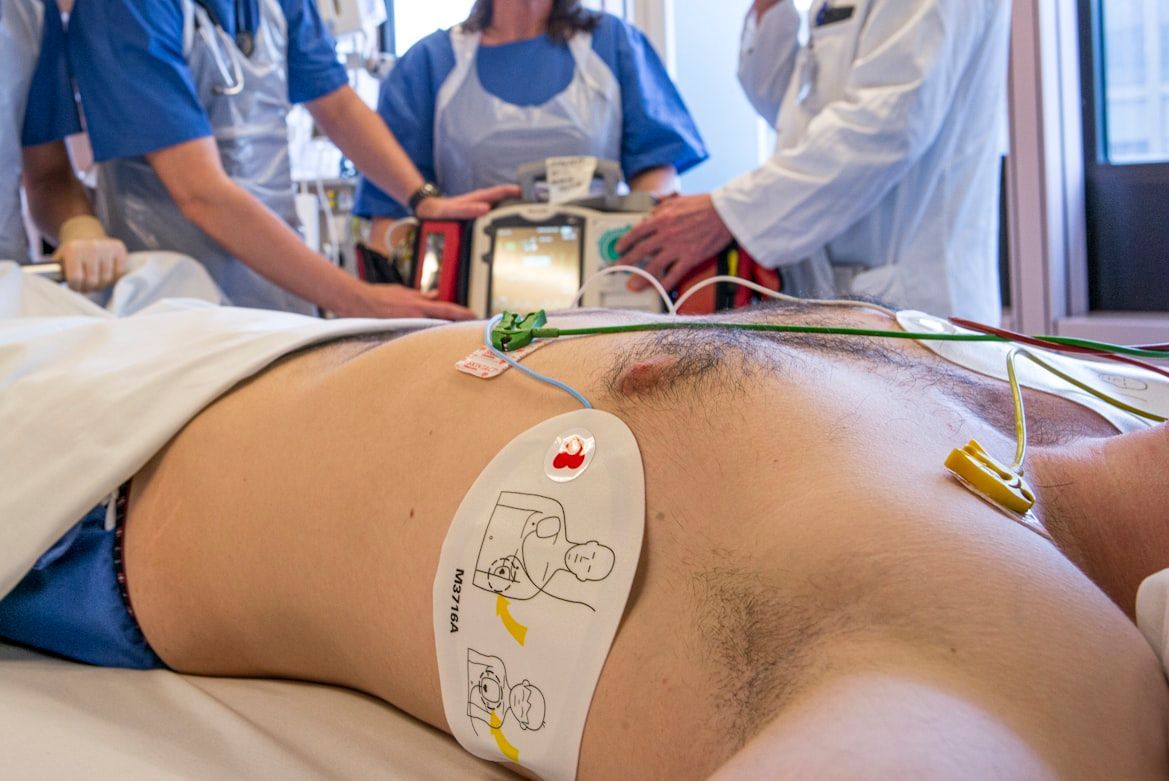
You’re sitting in a hospital waiting room during a routine check-up when you suddenly hear "Code Blue, Room 214." Most people immediately know it sounds serious, even if they are not entirely sure why.

The phrase "Code Blue" is used at hospitals to draw the necessary staff and equipment to perform a resuscitation. It was created in the early 1960s at Beathany Medical Center by Dr. Hughes Day. Before then, hospital resuscitations were often chaotic and poorly coordinated. In 1961, Dr. Day received a grant to build one of America’s first cardiac care centers, and he developed both the Code Blue alert system and the modern crash cart to improve survival rates during cardiac emergencies. Today, the system is used in hospitals across the country, sometimes with specialized versions like "Code Blue Pediatric" or "Code Blue Neonate."

4

Dr. Firestone

Image: Cdn Pages

Imagine visiting a loved one in the hospital when the intercom calmly announces, "Paging Dr. Firectone to the third floor." Your head surely goes, "Dr. Firestone’s probably having a busy day up there." He is, but it’s not what you think.

The phrase is actually a discreet fire alert used to warn staff about smoke, flames, or overheating equipment without frightening patients and visitors. Hospitals adopted these coded announcements after realizing that openly yelling "fire" over loudspeakers could create panic, especially among patients who aren’t able to move quickly. "Code Red" is an alternative used by many health centers today, but it also hints at the situation while keeping hallways calm.

5

Code 10

Image: Blake Wisz

You’re standing at a checkout counter when the cashier picks up the phone and quietly says, "I need a Code 10 authorization." If you think that’s just another way to get a supervisor’s approval or technical issue, think again. In reality, the cashier may suspect the credit card is stolen or fraudulent.

Code 10 was developed through a cooperative effort between major credit card companies like Visa and Mastercard, along with international standard organizations. As credit cards became more common in the 1960s and 1970s, stores needed a discreet way to alert banks about suspicious activity without directly accusing customers and potentially putting employees at danger. When a cashier requests a Code 10, the bank’s operator begins asking yes-or-no questions to assess the situation and guide the employee on what to do next.

6

Code Bravo

Image: CDC

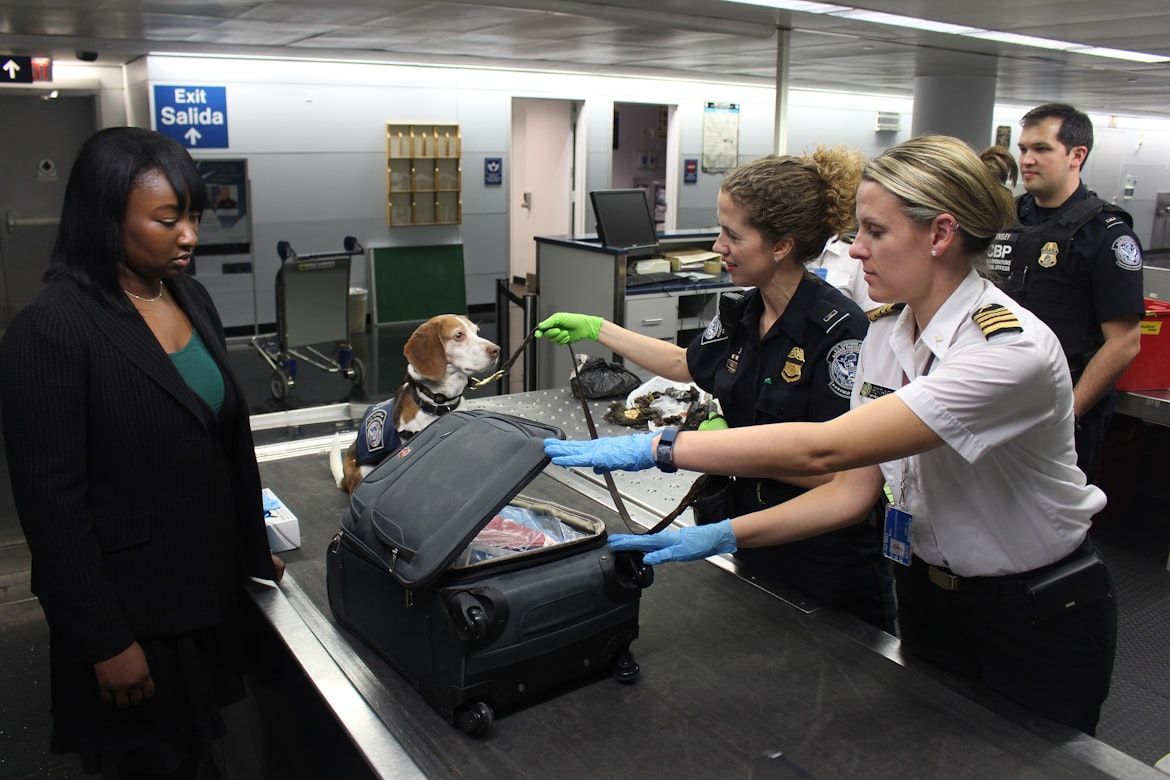
You’ve probably experienced those long airport security lines. The wait is usually uneventful. But sometimes, you can hear "Code Bravo" over the speakers. Maybe it’s a delay, or maybe it’s an issue with luggage. Within seconds, people stop moving, the security line freezes, and exits may even close. It’s something bigger.

Code Bravo is the emergency phrase used by airport security and the Transportation Security Administration to signal a serious security threat, such as an unattended bag, a breach at a checkpoint, or someone slipping into a restricted area. The term comes from the international phonetic alphabet used in aviation and military communications, where "Bravo" represents the letter B. When this is called, security staff immediately lock down affected areas, stop screening lines, and search for the source of the threat. To passengers, it’s sudden and confusing, but to security, it’s a carefully rehearsed response.

7

Code Alpha

Image: Navy Medicine

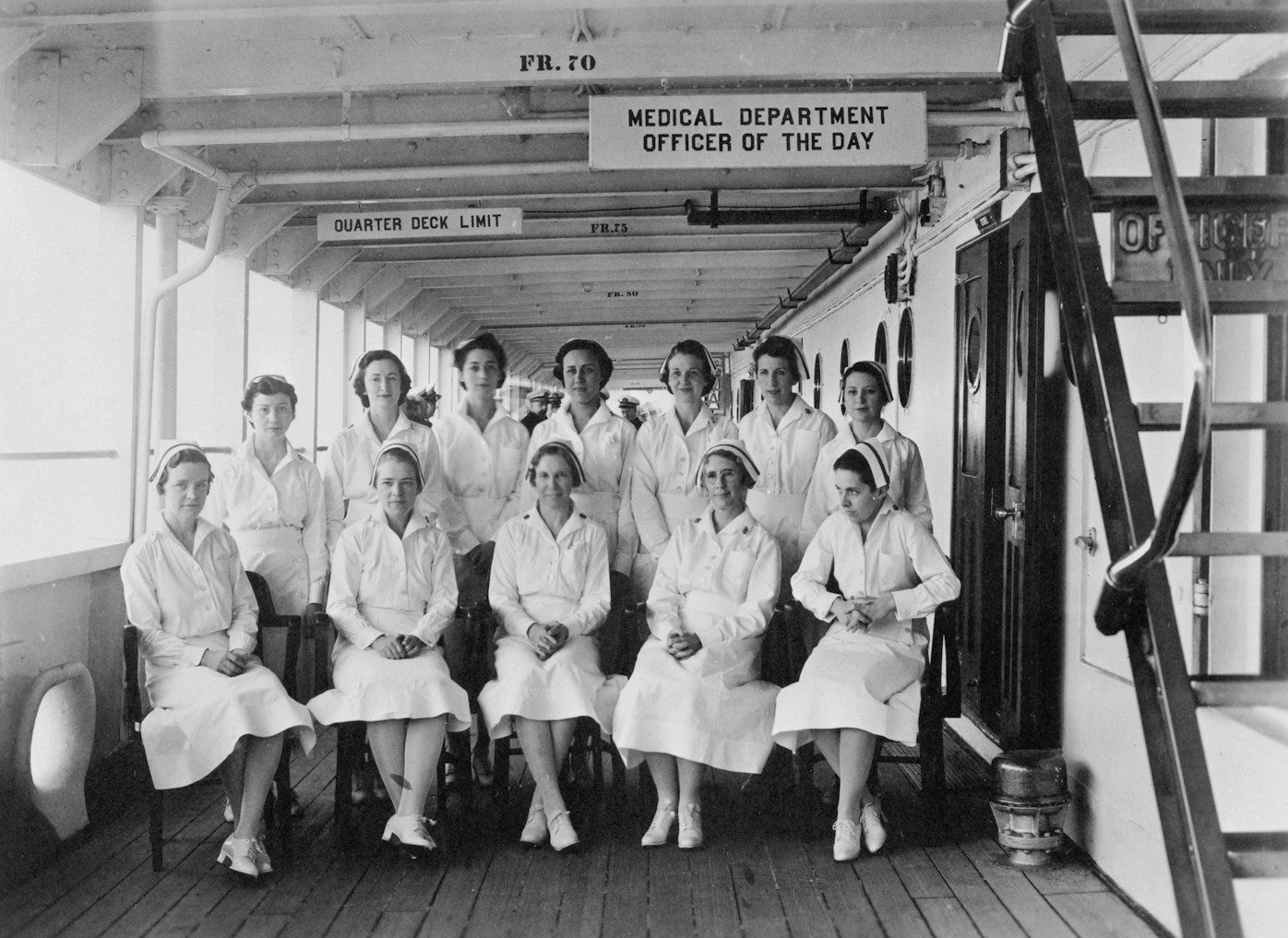
You are heading back to your cabin on a cruise ship when the speakers announce, "Code Alpha, Deck 7." You may think Alpha is related to the captain, but that’s not the case. It means someone on board is suffering a medical emergency.

The phrase comes from the NATO phonetic alphabet, where "Alpha" represents the letter A. In maritime emergency jargon, it became shorthand for a Priority A medical situation requiring immediate response. Cruise lines such as Royal Caribbean and Disney Cruise Line commonly use the term, though some ships use variations like repeating "Alpha" three times. Once the code is announced, onboard medical teams rush toward the specified deck or cabin. If necessary, stretcher crews are mobilized, and in severe cases, the ship may even divert course toward the nearest port for emergency evacuation. Passengers are enjoying the views, but the staff is running to save a life.

8

10-33

Image: chris robert

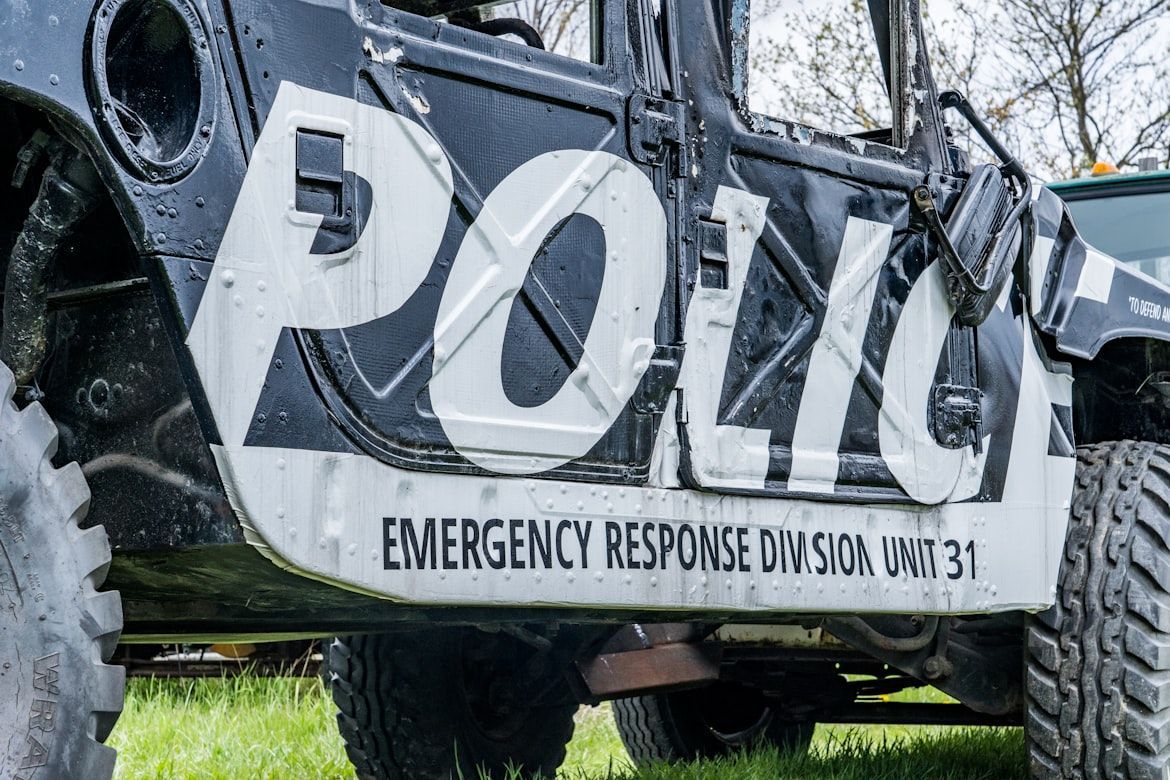
Anyone who remembers the CB radio craze of the 1970s probably smiles when they hear "10-4." Movies, truckers, and radio fans turned those number codes into a part of American culture. So if you overhear "10-33" on a police scanner, you might assume it’s just another routine message. But it’s not as simple as it sounds.

The 10-code system was first created in 1937 by Illinois State Police communications director Charles Hopper and later standardized by the Association of Public Safety Communications Officials, better known as APCO. Officers needed short phrases they could understand clearly over crackling radio signals. The 10-33 code commonly means an officer needs emergency assistance. In some departments, it also signals radio silence so dispatchers can focus on the crisis unfolding in real time.

9

Signal 70

Image: Samuel Lopez Cruz

Disney World is amazing, the parks offer something for everyone, and there are things to see wherever you look. But that’s exactly the kind of place where a child can easily disappear into a sea of strollers, balloons, characters, and crowds. For that reason, Disney has developed the "Signal 70," which alerts cast members and security that a child has become separated from their family.

The number comes from older police and emergency radio systems, where "70" was commonly associated with missing persons. Disney adopted the phrase because it allows employees to communicate discreetly without frightening or alarming nearby guests. If a member finds the child, they gently -and magically- escort them to Baby Care Center, where they coordinate the reunion.

10

Echo, Echo, Echo

Image: Alonso Reyes

Cruises are great to relax, enjoying a good book under the sun with a nice drink by the side. Until you hear "Echo, echo, echo" on the speakers. If you do, something is happening somewhere else on the ship.

The code is used among cruise employees to signal that dangerous winds or a navigational hazard are affecting the ship. It comes from the international maritime phonetic alphabet, where "Echo" stands for the letter E. In maritime signalling, the letter traditionally means "I am altering my course to starboard." And, in time, the phrase became associated with urgent ship maneuvers and weather-related warnings. However urgent, the repetition of the word by three doesn’t represent life-threatening situations. It alerts the crew of a certain hazard to prepare while avoiding panic among passengers.

Looking for an extra scoop of literary fun?

Learn more with our Word of the day

vandalize

/ˈvændlˌaɪz/