Crossed meanings

Be careful! These 12 words with double meaning might get you in trouble


Published on April 6, 2026
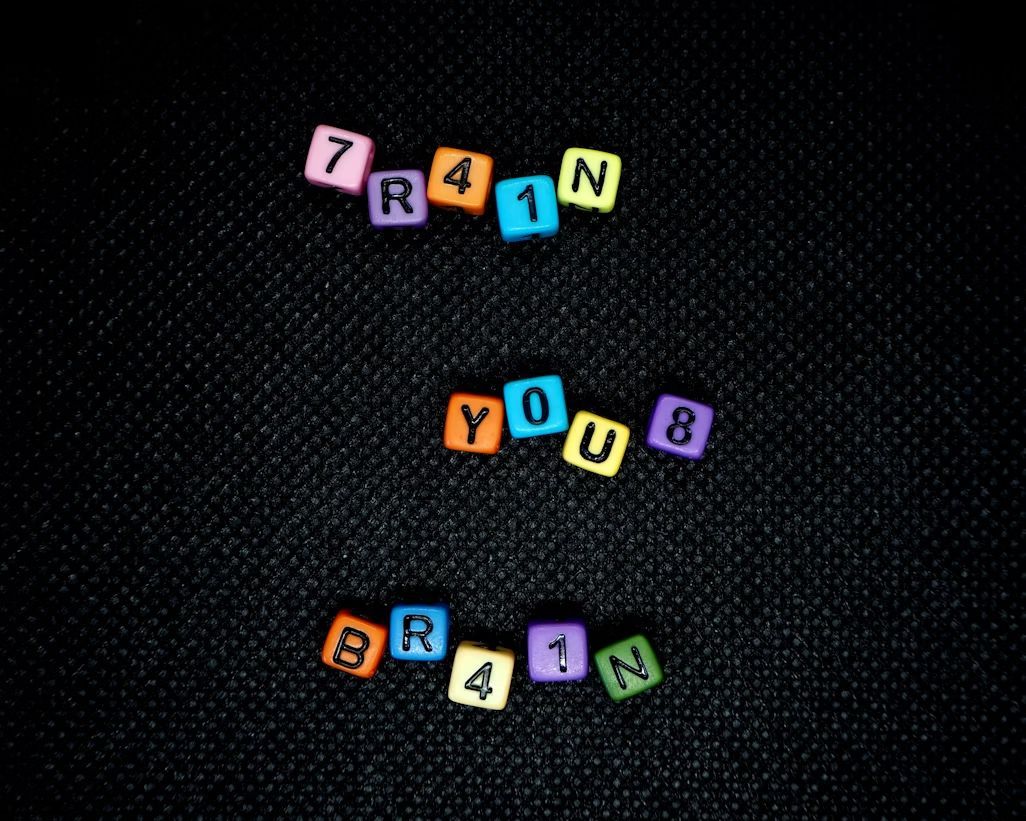

Image: Margarida Afonso

English is full of surprises, especially the kind that makes you read twice. You’ve probably said or read a word one way your whole life, only to find out it’s got a sneaky second meaning (or even a totally different pronunciation). These words, called homographs, look the same on paper but have two or more meanings. Some even change how they are pronounced depending on what they’re doing in a sentence. Here are 12 classic examples that are sure to amuse, confuse, and maybe even make you question everything you thought you knew.

1

Lead the way… or poison the water?

Image: Zachary Lancaster

Here’s one that trips people up in both speech and spelling. "Lead" (rhyming with "reed") means to guide someone or something, like when you lead a group on a walk. But spelled the same, "lead" (rhyming with "red") is a heavy metal once used in pipes and paint.

Same letters, completely different use. One makes you feel like a confident icon, the other is banned from gas and drinking water.

2

Tear up your paper… or from emotion

Image: Nikolay Hristov

Have you ever cried watching an old movie and then torn up a tissue in frustration? Then, you touched on both of these homographs.

"Tear" (like "tare") means to rip something apart, which is pretty straightforward. But "tear" (like "teer") is also what falls from your eyes when emotions run high. The two meanings couldn’t be more different; one is physical destruction, the other is an emotional outpouring.

3

Bass: catch of the day or booming sound
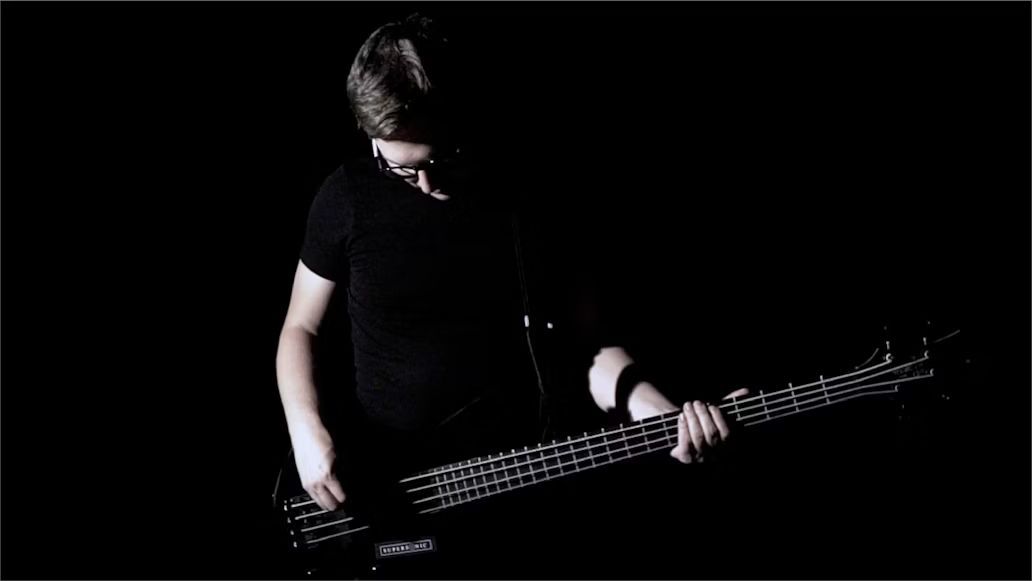
Image: Matt Roskovec

Picture this: you’re fishing and catch a bass, then head home and crank up the bass on your stereo. Same word, wildly different scenes.

One refers to a popular fish, often fried and served with hushpuppies. The other is all about that low-end thump in music that rattles your windows. Oddly enough, they’re pronounced completely differently: "base" for the sound, "bass" (like "class") for the fish.

4

Wind in your hair, or winding up a toy

Image: Joshua Reddekopp

English really takes a turn with "wind." When you feel the wind blowing through your hair, it’s that breezy force of nature. But when you wind your old alarm clock or a jack-in-the-box, you’re giving it a spin.

In this case, the pronunciation changes, and so does the meaning, but only one gets leaves stuck in your teeth.

5

Bow for the queen, or tie it in your hair

Image: Jess Bailey

Few words are as fashionably confusing as "bow." Take a bow on stage after a performance, or tie a bow on a birthday present. In one case, you’re bending forward graciously; in the other, you’re accessorizing.

It’s worth noting there's a third "bow," as in the curved weapon that shoots arrows, just to keep you on your toes.

6

Row your boat… Or cause a row

Image: Evan Smogor

In America, "row" often brings up images of gently paddling down a stream, singing songs, and enjoying nature. In Britain, however, a "row" (rhymes with "cow") is a noisy argument, like the kind couples have in rom-coms. Add to that the line of chairs in a movie theater or a "row" of houses, and now you’ve got three meanings from one tidy little word. How’s that for polysemy?

7

A minute to spare, or a minute crack

Image: Rachael Crowe

Talk about small surprises: "minute" (as in time) is what you watch tick away. But "minute" (rhyming with "my newt") means something tiny, like a minute crack in your favorite mug.

You’d never guess they’re related, but both come from Latin roots about measurement.

8

Desert the desert? We could never

Image: Olga Angelucci

You wouldn't want to desert your friend in the desert, but English seems fine with doing just that. "Desert" (DEH-zurt) is a dry, sandy place full of cacti and tumbleweeds. But "desert" (dih-ZURT) means to abandon someone.

It’s a real twist when the same word covers both literal emptiness and emotional betrayal. It also explains why spellcheck can’t always save you.

9

Refuse to touch the refuse? Smart call
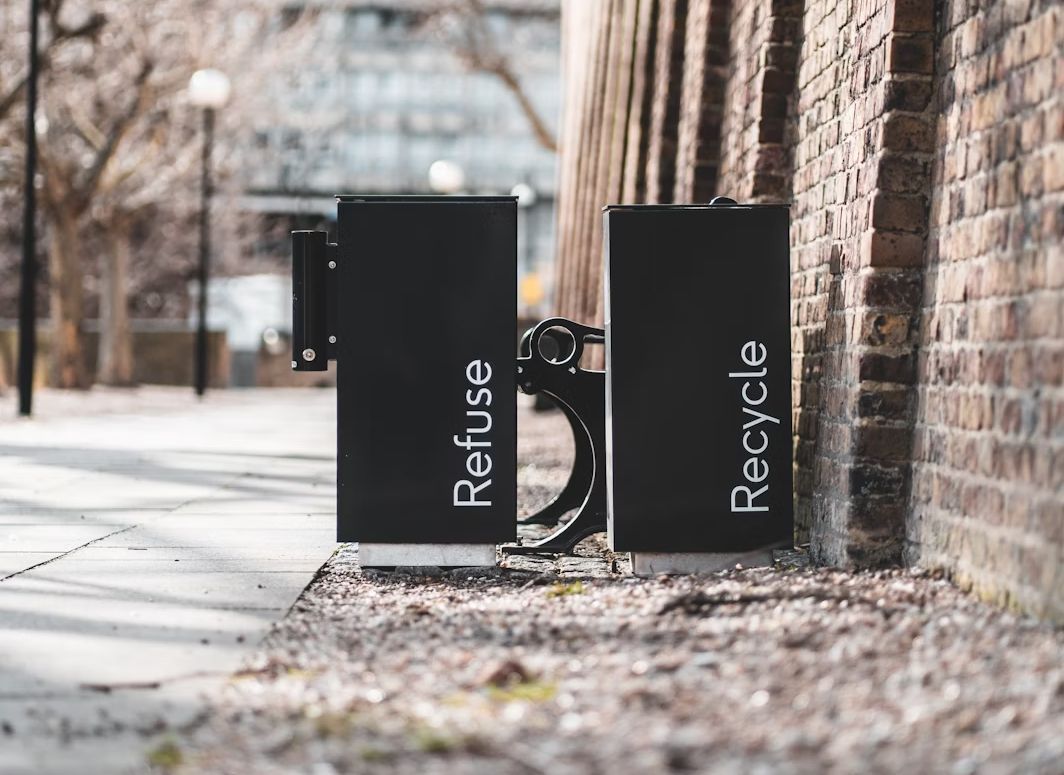
Image: Joshua Lawrence

You might refuse to take out the refuse, and honestly, who can blame you? "Refuse" (reh-FYOOZ) means to decline something, like offers of leftovers or unsolicited advice. "Refuse" (REH-fyoos) is the garbage you’re probably avoiding.

It’s the kind of word pair that hides in plain sight; in any case, both might lead to stinky situations.

10

Present a present and look impressive

Image: Edgar Almeida

There’s something magical about a word that can give a gift and deliver a speech. "Present" as a noun is something you give wrapped with a bow and possibly a gift receipt. "Present" as a verb, and with the accent on the last syllable, means to introduce or showcase something, like an award or a slideshow.

The meanings actually share a root: both involve offering something. But one gets applause, the other gets unwrapped.

11

Produce some produce, please

Image: Shelley Pauls

A grocery-store homograph; when you produce something, you’re creating that thing. But when you shop for produce (accent on the first syllable), you’re looking for fresh fruits and veggies.

Both meanings involve growth, but one is from a creative mind, the other from soil and sunshine.

12

Contract confusion: Sign it or catch it?

Image: Amina Atar

Be careful with this one: you can sign a CON-tract… or con-TRACT the flu. The first one, a noun, is a legal document you agree to. The second one, a verb, means to shrink or to catch something unpleasant, like having a virus or a muscle cramp. Again, pronunciation changes, but spelling is the same. So whether you’re dealing with paperwork or pathogens, just know this word has range. And maybe wash your hands either way.

Decoding

Being a "treasured guest" is not a compliment. This is the hidden meaning


Published on April 6, 2026


Image: Hitesh Choudhary

Have you ever heard "Code Adam" while shopping for groceries at Walmart? Or maybe you’ve heard how "Dr. Firestone" was being paged during a routine hospital visit. They sound like harmless announcements. But behind these ordinary words are secret codes staff use to signal emergencies without causing panic. From hospitals and supermarkets to airports and Disney Parks, these phrases quietly warn employees that something is happening. You hope you never hear them, but if you do, it helps to know exactly what they mean.

1

Treasured guest

Image: Helena Lopes

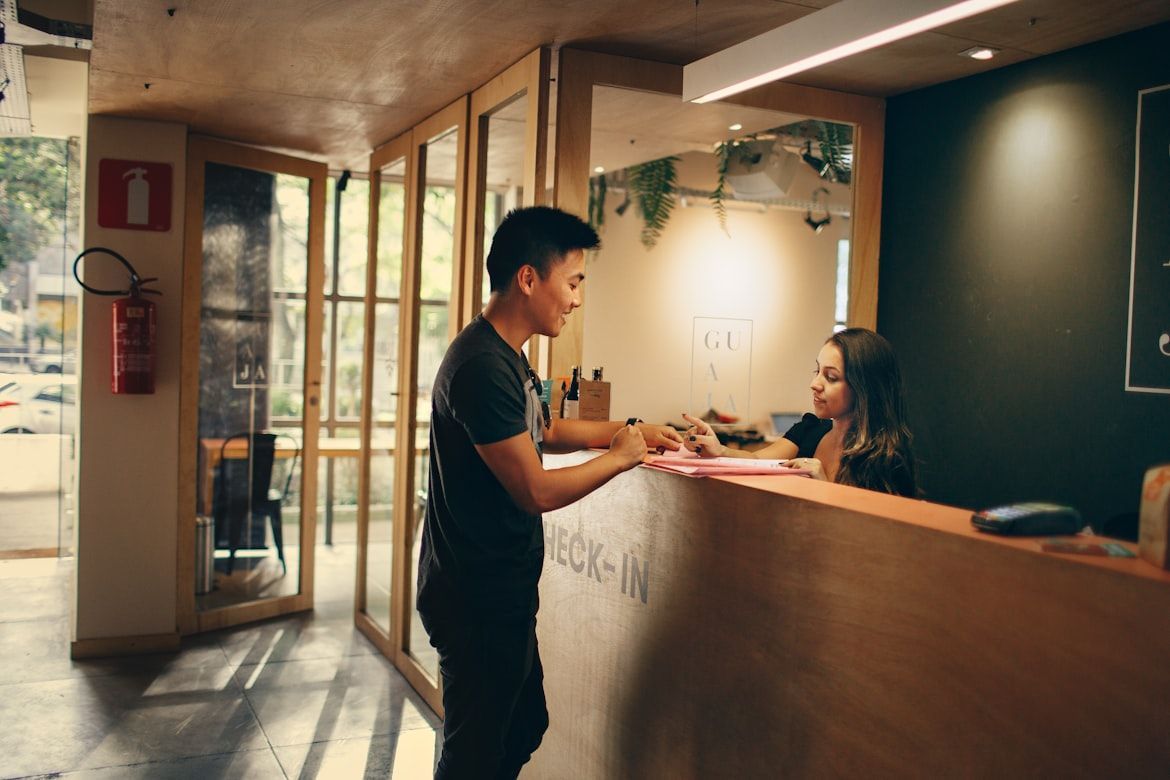
We all love getting special attention at airports or hotel desks, but if you hear the clerk call you a "treasured guest," don’t feel so flattered. You may not be as VIP as one could think.

In the hospitality industry, "treasured guest" has become a humorous bit of industry folklore to describe someone causing trouble. Maybe a customer yelling at staff over expired coupons, demanding impossible accommodations, or throwing a full-blown tantrum at the front desk. Whatever it is, the phrase has become the staff’s secret way to warn co-workers without escalating the situation in front of the customers. Most guests don’t realize the meaning, but once you know it, you may start hearing it more often. We just hope it’s not about you.

2

Code Adam

Image: Karsten Winegeart

Imagine you’re pushing a shopping cart through Walmart when suddenly the overhead speaker announces, "Code Adam." You can easily assume it’s some kind of employee meeting or cleanup request. But when you see them start locking the exits and moving around, you know something’s wrong.

This code was created in 1994 by Walmart in collaboration with the National Center for Missing & Exploited Children (NCMEC), in memory of the tragic case of 6-year-old Adam Walsh. Adam was abducted from a Sears department store in 1981 while shopping with his mother. His father, John Walsh, later became famous for hosting the TV program America’s Most Wanted and advocating for missing children. Even if Adam’s story ended in tragedy, Walmart created the emergency system in Adam’s memory, and other retailers soon adopted it nationwide, intending to have a quick response to missing or abducted children.

3

Code Blue

Image: Günter Valda

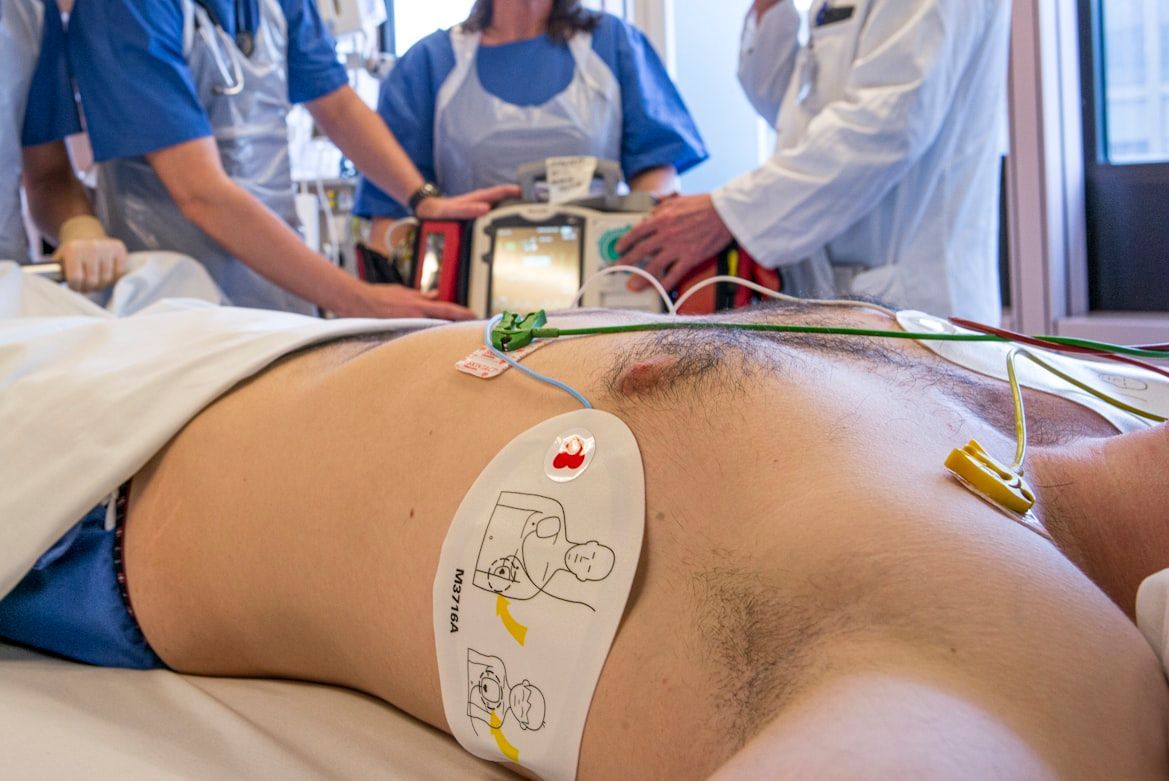
You’re sitting in a hospital waiting room during a routine check-up when you suddenly hear "Code Blue, Room 214." Most people immediately know it sounds serious, even if they are not entirely sure why.

The phrase "Code Blue" is used at hospitals to draw the necessary staff and equipment to perform a resuscitation. It was created in the early 1960s at Beathany Medical Center by Dr. Hughes Day. Before then, hospital resuscitations were often chaotic and poorly coordinated. In 1961, Dr. Day received a grant to build one of America’s first cardiac care centers, and he developed both the Code Blue alert system and the modern crash cart to improve survival rates during cardiac emergencies. Today, the system is used in hospitals across the country, sometimes with specialized versions like "Code Blue Pediatric" or "Code Blue Neonate."

4

Dr. Firestone

Image: Cdn Pages

Imagine visiting a loved one in the hospital when the intercom calmly announces, "Paging Dr. Firectone to the third floor." Your head surely goes, "Dr. Firestone’s probably having a busy day up there." He is, but it’s not what you think.

The phrase is actually a discreet fire alert used to warn staff about smoke, flames, or overheating equipment without frightening patients and visitors. Hospitals adopted these coded announcements after realizing that openly yelling "fire" over loudspeakers could create panic, especially among patients who aren’t able to move quickly. "Code Red" is an alternative used by many health centers today, but it also hints at the situation while keeping hallways calm.

5

Code 10

Image: Blake Wisz

You’re standing at a checkout counter when the cashier picks up the phone and quietly says, "I need a Code 10 authorization." If you think that’s just another way to get a supervisor’s approval or technical issue, think again. In reality, the cashier may suspect the credit card is stolen or fraudulent.

Code 10 was developed through a cooperative effort between major credit card companies like Visa and Mastercard, along with international standard organizations. As credit cards became more common in the 1960s and 1970s, stores needed a discreet way to alert banks about suspicious activity without directly accusing customers and potentially putting employees at danger. When a cashier requests a Code 10, the bank’s operator begins asking yes-or-no questions to assess the situation and guide the employee on what to do next.

6

Code Bravo

Image: CDC

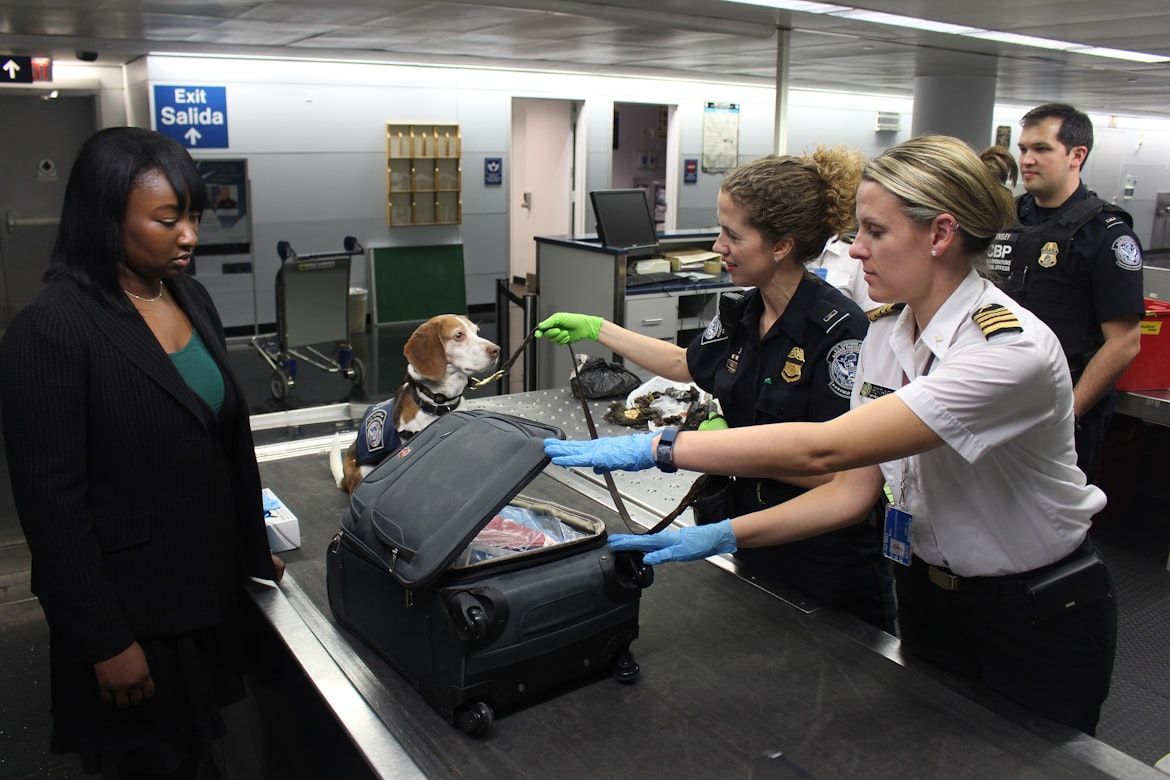
You’ve probably experienced those long airport security lines. The wait is usually uneventful. But sometimes, you can hear "Code Bravo" over the speakers. Maybe it’s a delay, or maybe it’s an issue with luggage. Within seconds, people stop moving, the security line freezes, and exits may even close. It’s something bigger.

Code Bravo is the emergency phrase used by airport security and the Transportation Security Administration to signal a serious security threat, such as an unattended bag, a breach at a checkpoint, or someone slipping into a restricted area. The term comes from the international phonetic alphabet used in aviation and military communications, where "Bravo" represents the letter B. When this is called, security staff immediately lock down affected areas, stop screening lines, and search for the source of the threat. To passengers, it’s sudden and confusing, but to security, it’s a carefully rehearsed response.

7

Code Alpha

Image: Navy Medicine

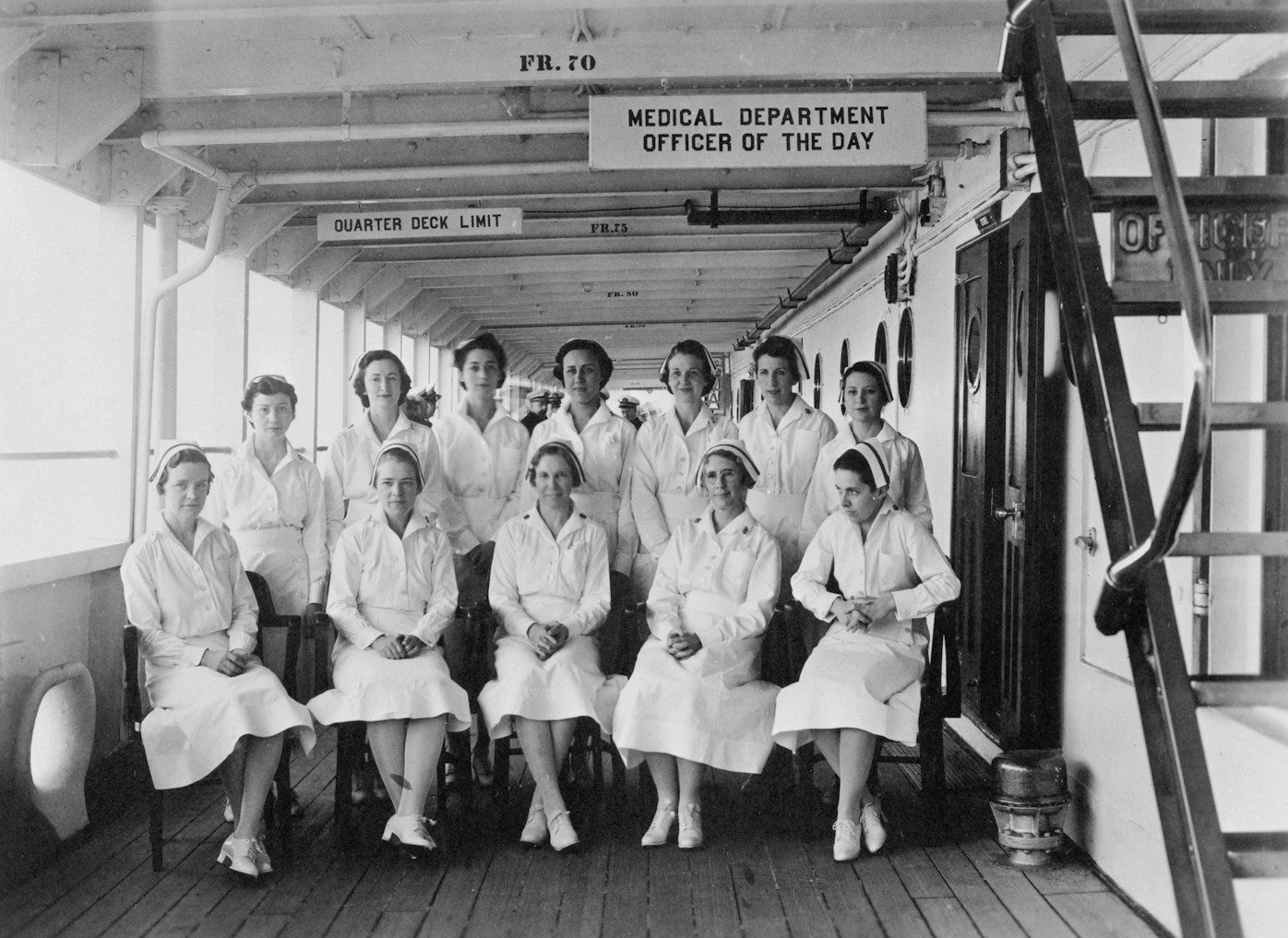
You are heading back to your cabin on a cruise ship when the speakers announce, "Code Alpha, Deck 7." You may think Alpha is related to the captain, but that’s not the case. It means someone on board is suffering a medical emergency.

The phrase comes from the NATO phonetic alphabet, where "Alpha" represents the letter A. In maritime emergency jargon, it became shorthand for a Priority A medical situation requiring immediate response. Cruise lines such as Royal Caribbean and Disney Cruise Line commonly use the term, though some ships use variations like repeating "Alpha" three times. Once the code is announced, onboard medical teams rush toward the specified deck or cabin. If necessary, stretcher crews are mobilized, and in severe cases, the ship may even divert course toward the nearest port for emergency evacuation. Passengers are enjoying the views, but the staff is running to save a life.

8

10-33

Image: chris robert

Anyone who remembers the CB radio craze of the 1970s probably smiles when they hear "10-4." Movies, truckers, and radio fans turned those number codes into a part of American culture. So if you overhear "10-33" on a police scanner, you might assume it’s just another routine message. But it’s not as simple as it sounds.

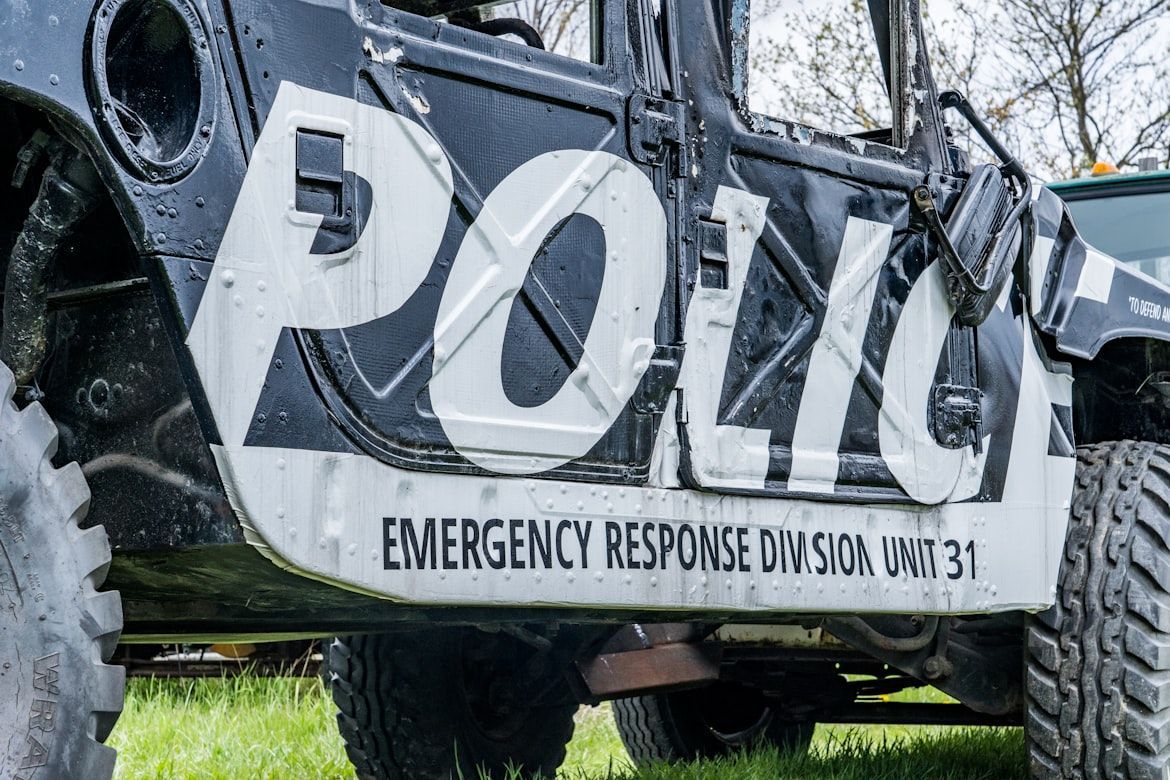
The 10-code system was first created in 1937 by Illinois State Police communications director Charles Hopper and later standardized by the Association of Public Safety Communications Officials, better known as APCO. Officers needed short phrases they could understand clearly over crackling radio signals. The 10-33 code commonly means an officer needs emergency assistance. In some departments, it also signals radio silence so dispatchers can focus on the crisis unfolding in real time.

9

Signal 70

Image: Samuel Lopez Cruz

Disney World is amazing, the parks offer something for everyone, and there are things to see wherever you look. But that’s exactly the kind of place where a child can easily disappear into a sea of strollers, balloons, characters, and crowds. For that reason, Disney has developed the "Signal 70," which alerts cast members and security that a child has become separated from their family.

The number comes from older police and emergency radio systems, where "70" was commonly associated with missing persons. Disney adopted the phrase because it allows employees to communicate discreetly without frightening or alarming nearby guests. If a member finds the child, they gently -and magically- escort them to Baby Care Center, where they coordinate the reunion.

10

Echo, Echo, Echo

Image: Alonso Reyes

Cruises are great to relax, enjoying a good book under the sun with a nice drink by the side. Until you hear "Echo, echo, echo" on the speakers. If you do, something is happening somewhere else on the ship.

The code is used among cruise employees to signal that dangerous winds or a navigational hazard are affecting the ship. It comes from the international maritime phonetic alphabet, where "Echo" stands for the letter E. In maritime signalling, the letter traditionally means "I am altering my course to starboard." And, in time, the phrase became associated with urgent ship maneuvers and weather-related warnings. However urgent, the repetition of the word by three doesn’t represent life-threatening situations. It alerts the crew of a certain hazard to prepare while avoiding panic among passengers.

Looking for an extra scoop of literary fun?

Learn more with our Word of the day

foul

/faʊl/