Ancestral family names

What did “Walkers” do, exactly? Meanings of widespread surnames


Published on February 26, 2026
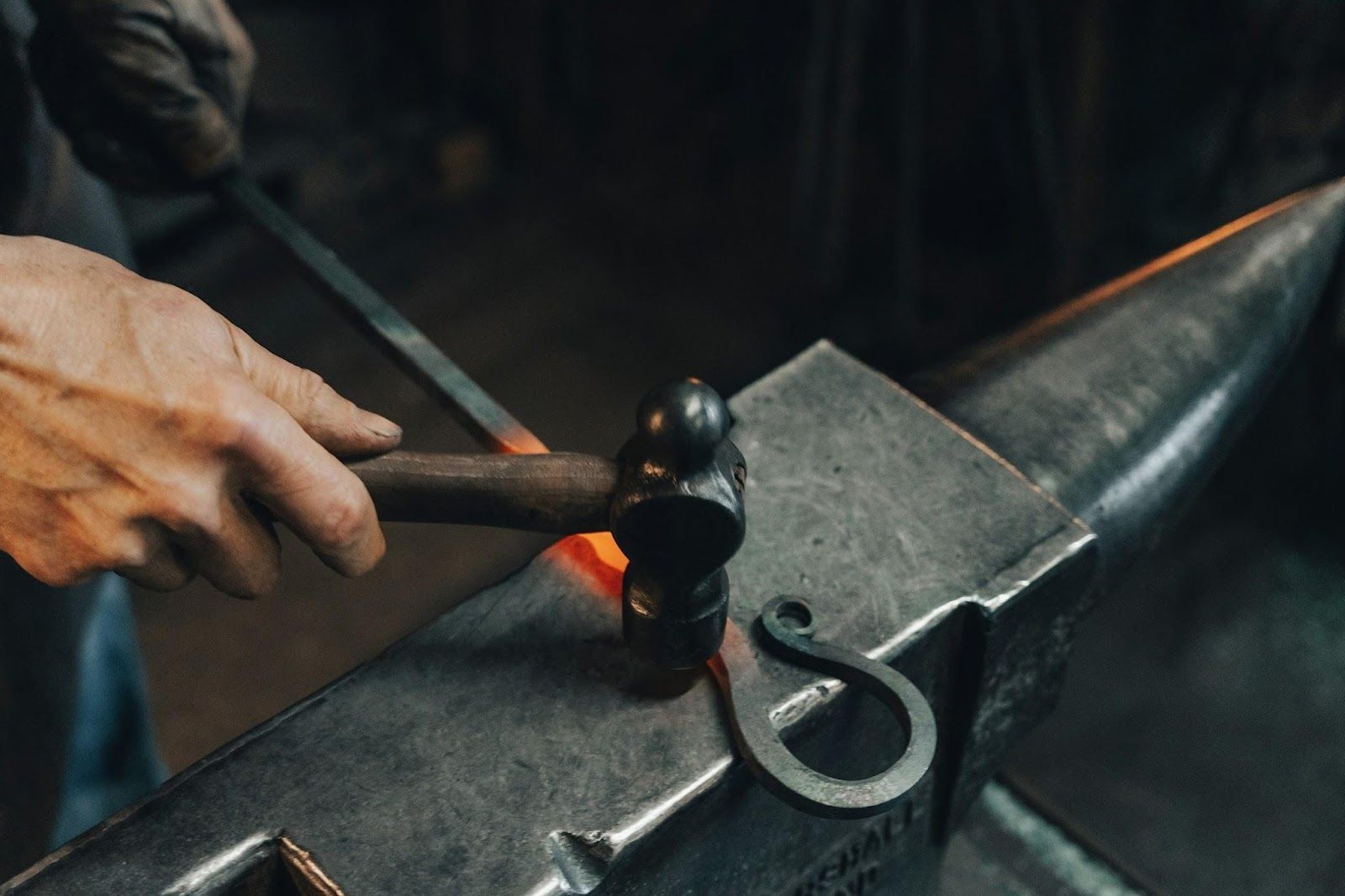

Image: Jonny Gios

Do you have a very popular surname? Have you ever looked up its meaning? Well, if you are a Smith, a Murphy, a Miller, or a Lee, you probably already know a bit of the history of your ancestors. Do you think you can guess the origin of these 12 widespread last names? Read on to go back a few generations and learn some names’ backstories!

1

Smith

Image: Chris Linnett

One of the most common surnames in the English-speaking world! As you may know, its origin is occupational, and it refers to "one who works with metal."

It derives from the Old English smið. Nowadays, it remains the most common surname in America. Interestingly, its synonymous versions are just as popular in other languages, like Schmidt in German and Ferraro in Italian.

2

Miller

Image: Boudewijn Huysmans

The surname "Miller" referred to someone who operated a mill; these were vital in medieval communities. The surname spread across Britain, Ireland, and later the U.S., until it became one of the most recognizable surnames.

3

Lee

Image: Kseniia Rastvorova

"Lee" is trickier because it has multiple origins, depending on the culture. In English, it comes from Old English lēah, meaning a clearing or meadow, so it was originally a toponymic surname for someone living near a grassy field.

In China, "Li" (often spelled Lee) is one of the oldest and most common surnames, meaning "plum," and is associated with ancient dynasties and scholars.

4

Clark

Image: Sergiu Vălenaș

The surname "Clark" comes from the Latin clericus, meaning "clergyman" or "scholar." In medieval England, clerks were among the few literate people, so the term broadened to describe scribes, secretaries, and record-keepers.

5

Murphy

Image: John Finkelstein

"Murphy" is the most widespread Irish surname, anglicized from the Gaelic Ó Murchadha, meaning "descendant of Murchadh."

The name Murchadh combines muir (sea) and cath (battle), so it literally means "sea warrior." With multiple unrelated Murphy families across Ireland, the name spread widely.

6

Walker

Image: Shiori Miyashita

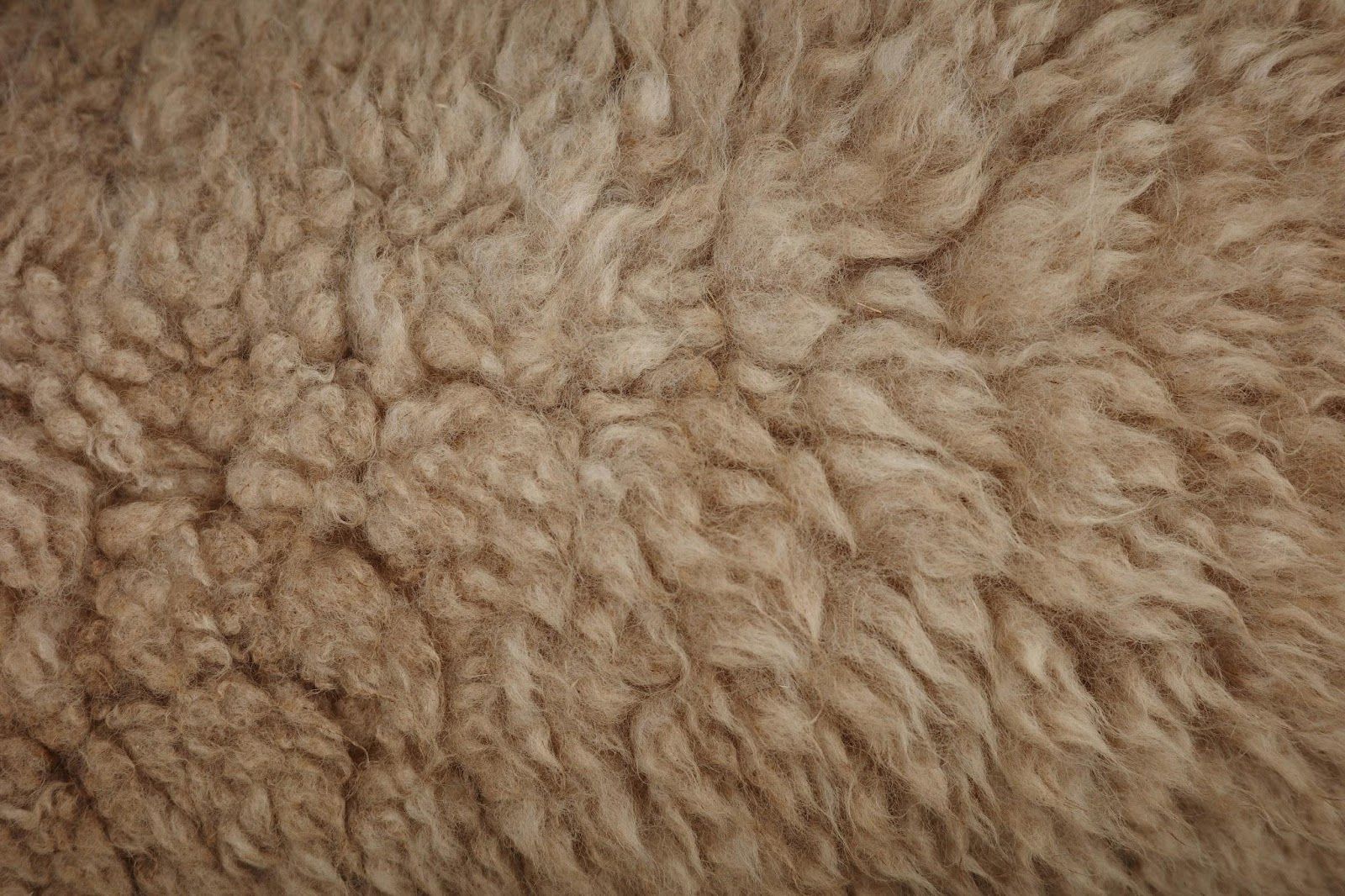
"Walker" is an occupational surname as well. So, what did walkers do? Their job was fulling, the process of cleaning and thickening woven wool, often by literally walking on it in troughs of water. The word derives from the Old English wealcere, meaning "one who fulls cloth."

7

Allen

Image: Jahanzeb Ahsan

"Allen" is of Celtic origin, derived from the Gaelic Ailín or Breton Alan, meaning "little rock." However, very similar terms can also be interpreted as "handsome," "fair," or "beautiful." Each family will probably get to pick their preferred meaning.

8

Wright

Image: Quan-You Zhang

The surname "Wright" comes from the Old English word wryhta or wyrhta, meaning "worker" or "maker."

It was often used with a prefix to specify the craft, such as "wheelwright" for wheel makers or "shipwright" for shipbuilders. Over time, "Wright" stood alone as a surname for skilled tradespeople. It’s one of the oldest English occupational surnames.

9

Nguyen

Image: petr sidorov

"Nguyen" (pronounced roughly "nwin" or "ngwee-en," depending on dialect) is the most common surname in Vietnam, held by around 40% of the population. It derives from the name of a Chinese musical instrument, the ruan.

10

Hill

Image: Ameya Sawant

The surname "Hill" is of English and sometimes Scottish origin, derived from the Old English hyll, meaning exactly what it sounds like: someone who lived by or on a hill. Simple geographic names like this were among the earliest surnames in use, since they helped distinguish local communities.

11

Campbell

Image: Eric Prouzet

The Scottish surname "Campbell" comes from the Gaelic Caimbeul, meaning "crooked mouth" (cam = crooked, beul = mouth).

It began as a descriptive nickname, likely for someone with a distinctive facial feature. Over centuries, it became strongly associated with Clan Campbell, one of the most powerful Highland clans.

12

Reed

Image: KaLisa Veer

The surname "Reed" (also spelled Read or Reid) has several origins in England and Scotland. Most often it was descriptive, from Old English rēad, meaning "red," referring to someone with red hair or a ruddy complexion.

Hospital secrets

What is a "Code Gray" and what you should know if you hear it at the E.R.


Published on February 26, 2026


Image: voronaman

A trip to the emergency room can be stressful enough without hearing doctors and nurses speak a language that sounds like a secret code. One minute, someone is asking for medication "STAT," the next there’s a "Code Gray," and another patient is suddenly "NPO." What do those words really mean? Some are official medical terms, others are insider slang, but they all help hospital staff communicate quickly when every second counts. Here are 10 of those codes explained.

1

Code Gray

Image: PeopleImages

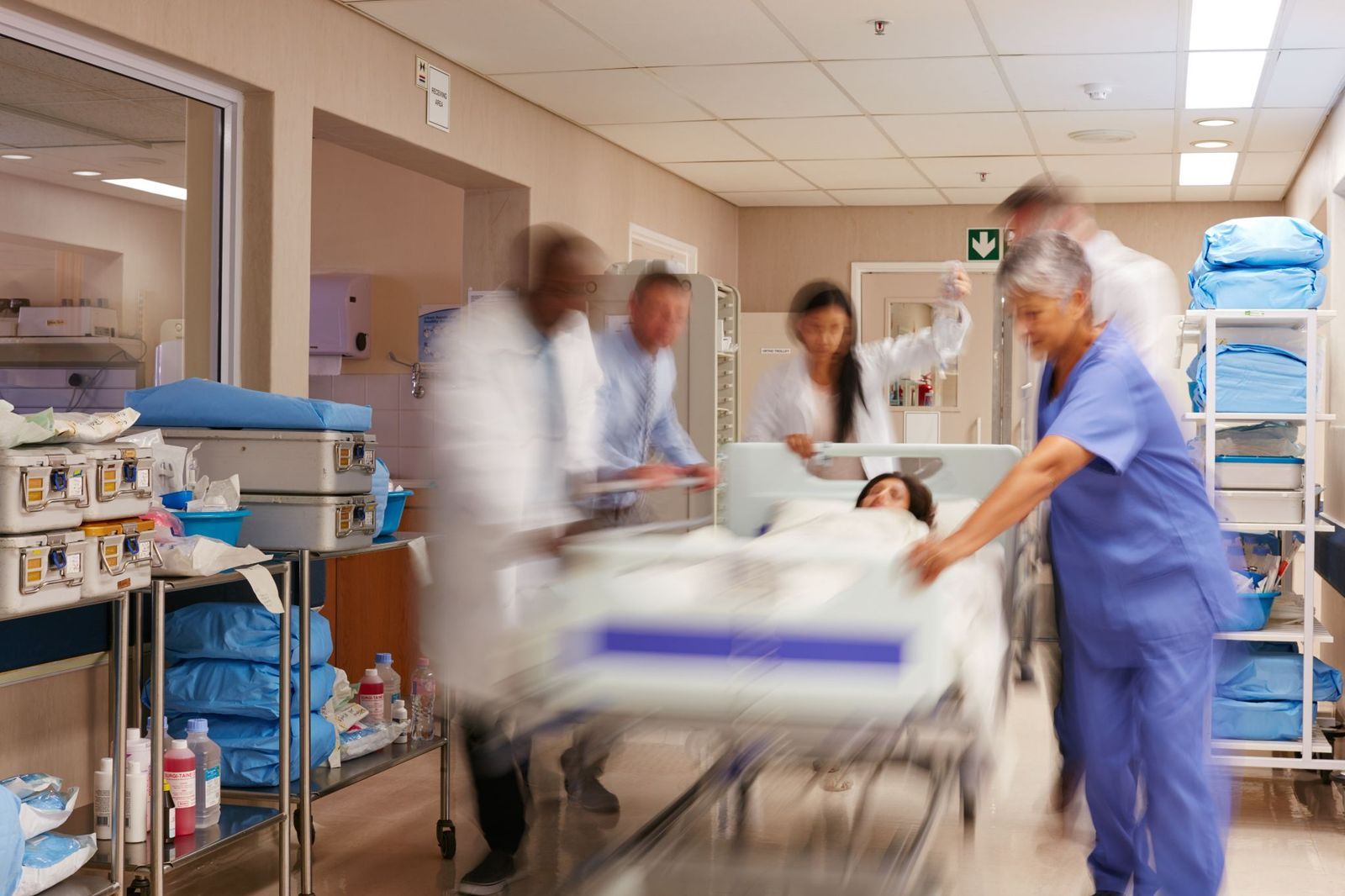
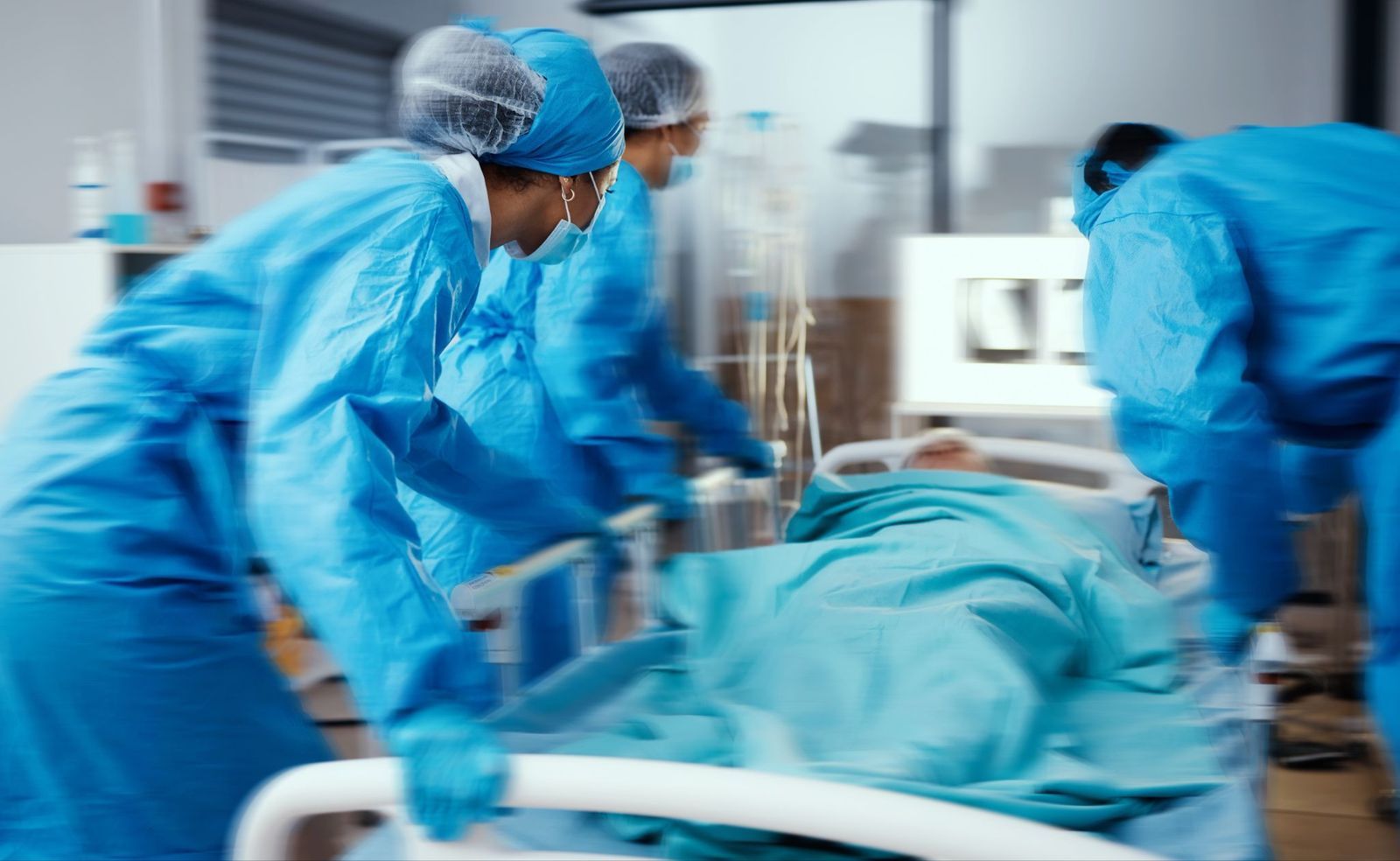
The E.R. can be hectic and unpredictable. Most patients are frightened or uncomfortable, but now and then someone becomes aggressive because of pain, confusion, mental illness, or the effects of alcohol or other substances. That’s when you can hear "Code Gray" announced over the speakers.

The code is used to summon security officers to help manage a violent or combative situation. While color codes vary from one hospital to another, Code Gray commonly signals that staff needs extra assistance to protect patients, visitors, and healthcare workers. Even if you know it now, most people in the waiting room never know what happened, and that’s exactly the point.

2

NPO

Image: PeopleImages

You have a scheduled surgery, you’re in your bed waiting to be taken to the surgery room, and you ask for a cup of coffee to make the wait lighter. The nurse will probably tell you you’re an NPO. You may think it’s serious, but it’s simply a procedure.

"NPO" is an abbreviation that comes from the Latin phrase Nil Per Os, which means "nothing by mouth." It tells patients they cannot eat, drink, or sometimes even take medication until doctors say it’s safe. The rule is most common before surgery or certain medical tests, when food or liquids could increase the risk of complications or alter the results. It may be frustrating, but it’s an important part of keeping patients safe.

3

STAT!

Image: PeopleImages

You’ve probably been through the experience of visiting an emergency room, either to get checked or to visit a loved one. In that part of the hospital where everyone is rushing to save lives, you’ve probably heard a doctor asking for the R.C.P. cart or medication "STAT!" It sounds urgent, and that's because it is.

The expression comes from the Latin statim, which means "immediately" or "without delay." Hospitals have used Latin medical terms for centuries, but STAT is one of the few that remains part of everyday conversation. When a doctor says it, the request jumps to the top of the priority list. It doesn’t always refer to a life-or-death situation, but it does mean the medical team needs something done as quickly as possible.

4

Code Pink

Image: Vladimir Tretyakov

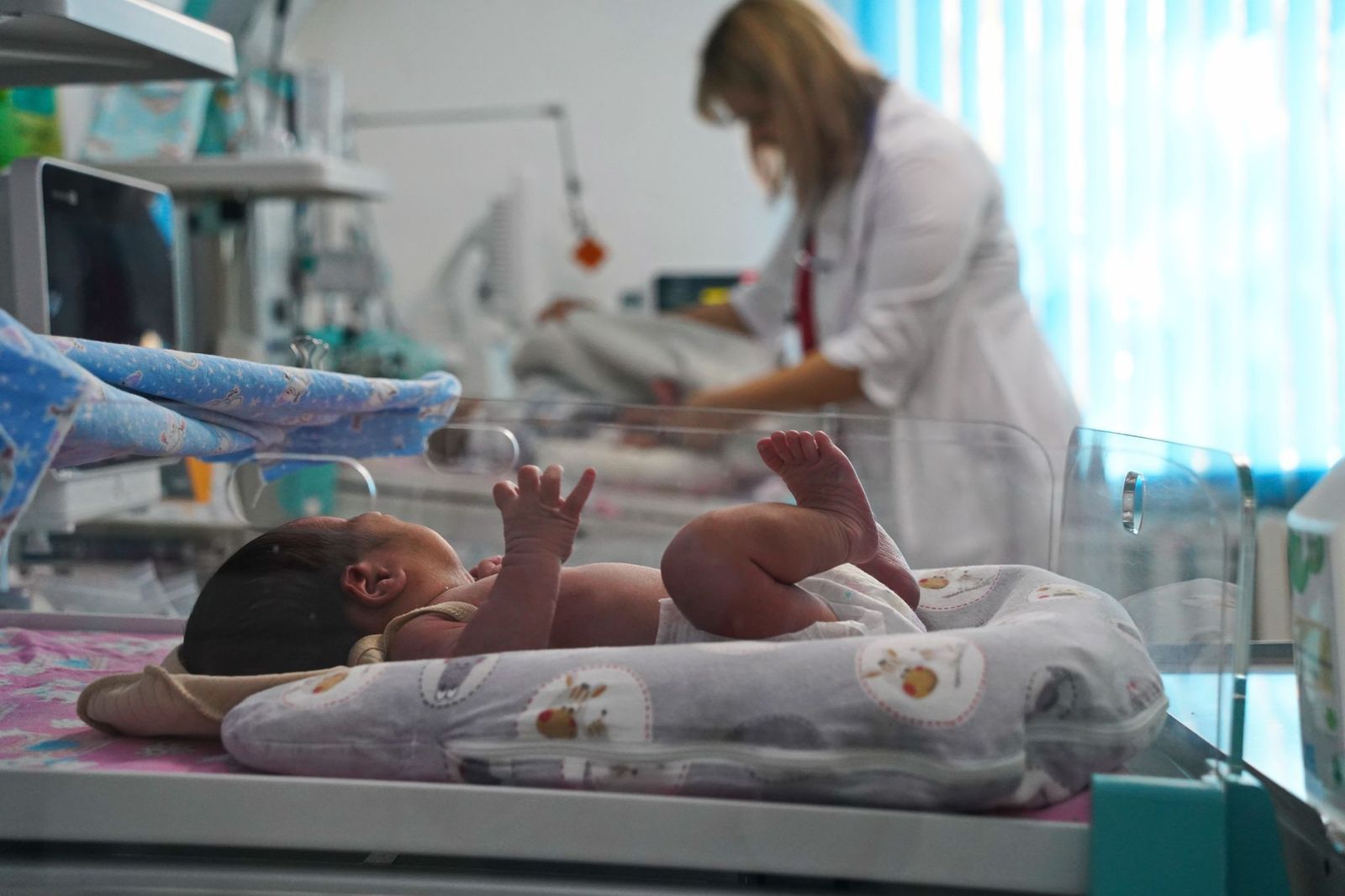
Newborns are always a reason to celebrate at the hospital. Parents usually rest happily next to their child as they receive congratulations from close relatives. However, the hospital is always prepared to handle extremely rare emergencies under "code pink."

If you hear a "Code Pink," it usually means a baby or young child is suspected of being abducted from the hospital. Within seconds, security officers respond, exits may be monitored or blocked, and staff begins following carefully rehearsed procedures. Although different hospitals sometimes use different color codes, Code Pink has become widely recognized across North America as one of the most serious alerts a hospital can issue.

5

Walkie-talkie

Image: Arunporn Thanapotivirat

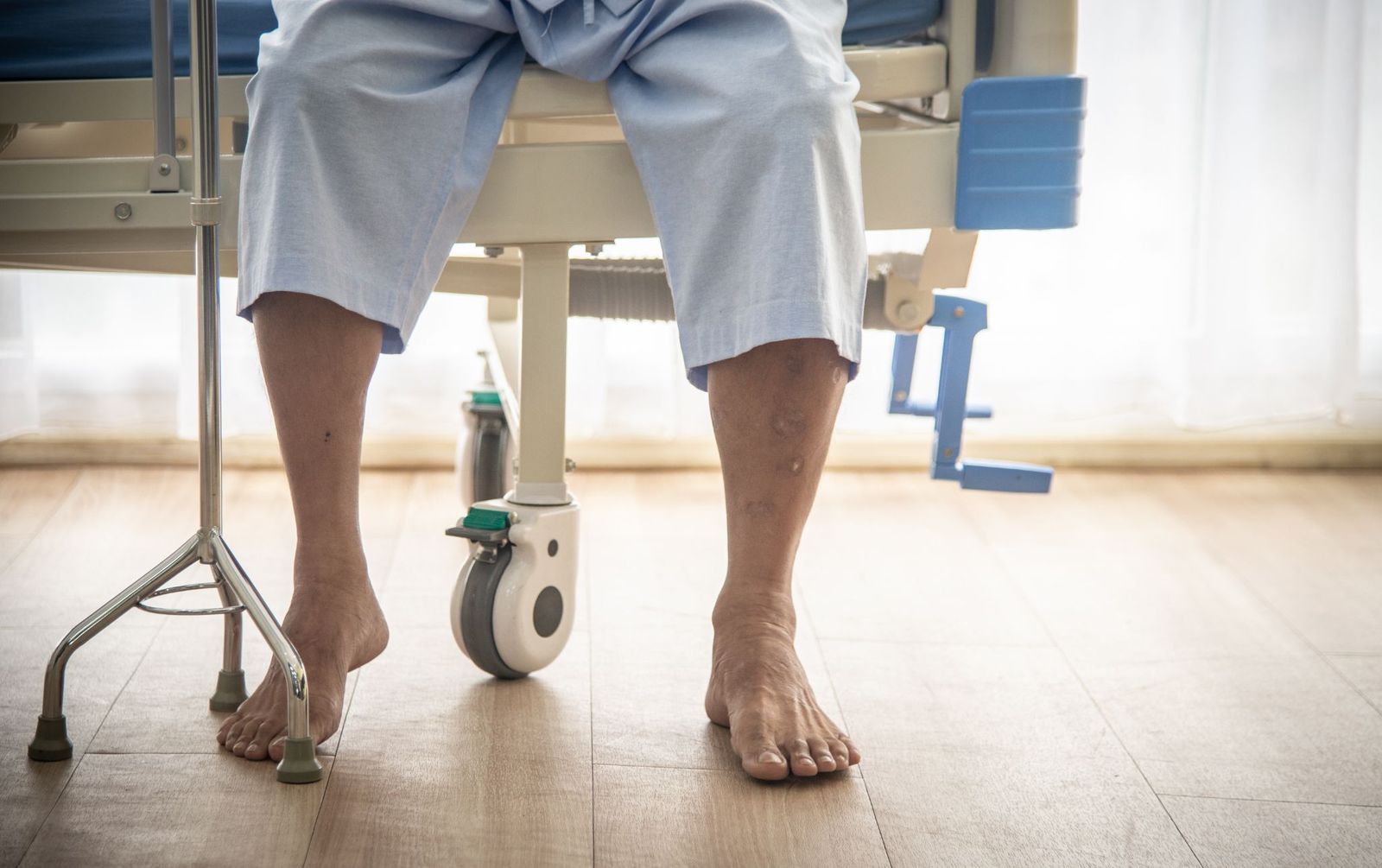
If you’ve ever spent a few days in the hospital, you’ve probably noticed that some patients are walking up and down the halls, while others need help just getting out of bed. When a nurse refers to someone as a "walkie-talkie," it’s actually good news.

This informal expression refers to patients who can walk on their own, use the bathroom without assistance, and handle most basic tasks independently. It’s not an official medical term, of course, but it’s commonly used among healthcare workers because it quickly tells the next shift that the patient requires less hands-on care than many others.

6

Total

Image: sebra

As nurses change shifts, you’ll often hear them give a quick report about each patient. One person may only need medication, while another is described as a "total."

The term is short for a patient who requires total care. They may need help eating, bathing, getting dressed, turning in bed, or moving from one place to another. Although the expression sounds impersonal, it’s simply a practical way for caregivers to communicate how much assistance someone needs.

7

Frequent flyer

Image: Studio Romantic

Most people hear "frequent flyer" and think of an airline reward program. And that’s correct, but in an emergency room, the phrase has a very different meaning.

A frequent flyer is an informal nickname for patients who repeatedly return to the hospital, often due to chronic illness, recurring medical conditions, or other ongoing health issues. Behind the light-hearted nickname is often a difficult reality. Many of these patients are simply dealing with medical problems that require regular emergency care, and the expression is just a way to make the experience a bit lighter among the familiar faces of doctors and nurses.

8

WOW

Image: Studio Romantic

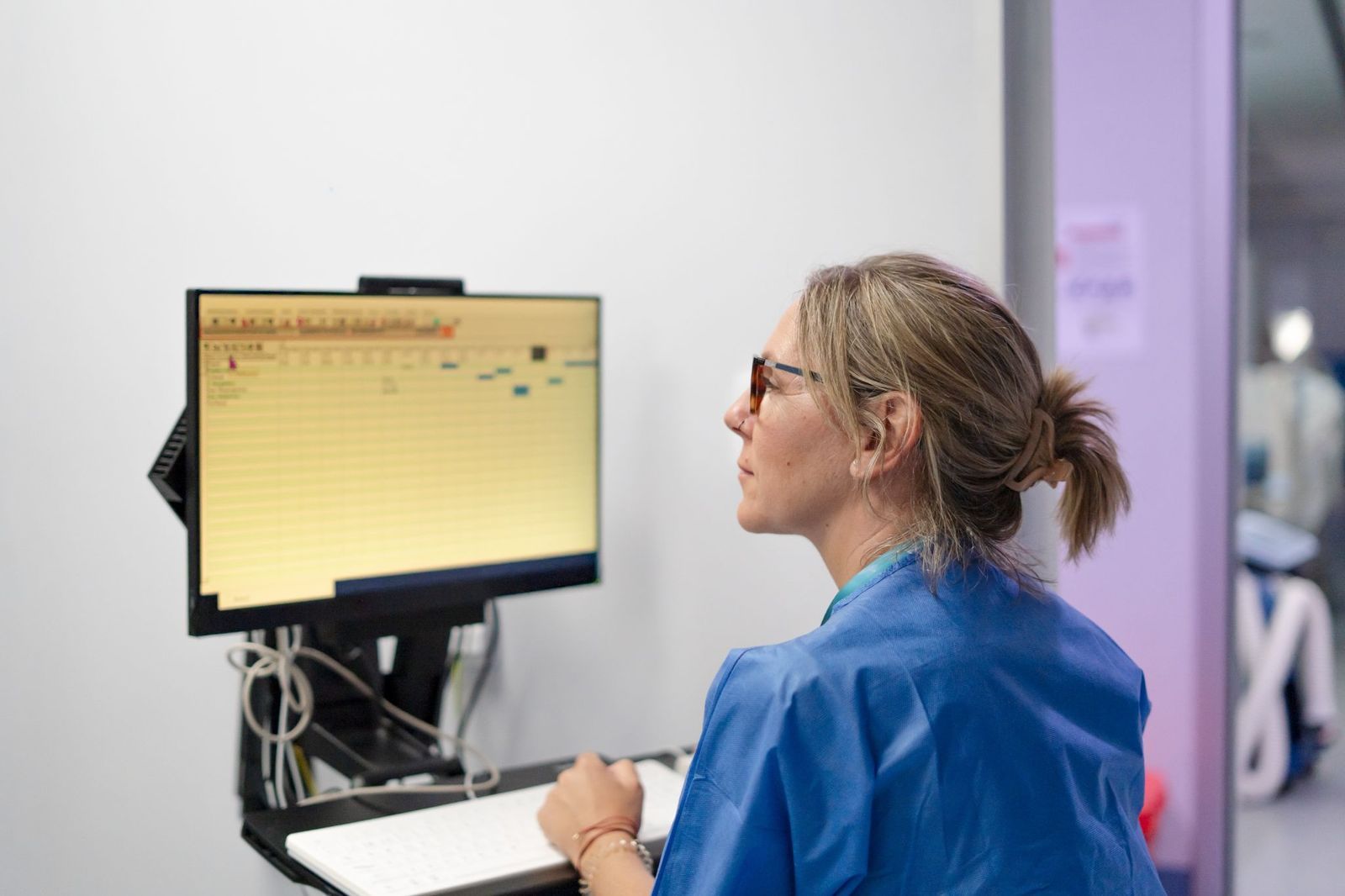
Not all codes are for patients. The next time you’re in a hospital, look closely at what the nurse is pushing from room to room. It may look like a small rolling desk with a computer on top. Staff often call it a "WOW," short for "workstation on wheels."

As hospitals switched from paper charts to electronic medical records, these mobile computers became essential. Nurses use them to review test results, scan medications, update patient charts, and check doctors’ orders without leaving the bedside. The name sounds funny, but the technology helps caregivers spend more time with patients instead of walking back and forth to a nursing station.

9

Sharp container

Image: NMK-Studio

After getting a shot or having blood drawn, most patients never think about where the used needle ends up. It certainly doesn't go into an ordinary trash can.

Hospitals place needles, scalpels, and other sharp medical instruments into special containers designed to prevent accidental injuries. These sturdy, puncture-resistant boxes are sealed when full and safely disposed of in accordance with strict health regulations. This not only protects nurses, but it also protects cleaning crews, waste handlers, and even the public from dangerous needle sticks. It’s one of the most important safety measures in every hospital, even though most patients never notice it.

10

B-52

Image: Photoroyalty

If you’ve ever watched a medical drama, you've probably seen a patient become so agitated that several staff members rush into the room. In situations like that, a doctor or nurse may ask for a "B-52." But the name has nothing to do with numbers themselves; it actually comes from a medicine.

B-52 is hospital slang for a fast-acting injection used to calm down patients who are severely combative or at risk of harming themselves or others. The nickname comes from a commonly used combination of medications that usually include diphenhydramine, haloperidol, and lorazepam. It’s strictly reserved for when other methods of calming the patient haven’t worked.

Looking for an extra scoop of literary fun?

Learn more with our Word of the day

paradigm

/ˈpɛrəˌdaɪm/