Popular, but untrue

It didn’t happen: 10 history myths that are regarded as true


Published on March 15, 2026

Image: Hartono Creative Studio

A big part of history is dependent on who’s telling it, but some facts are indisputable. However, some stories have become so widespread —be it because of popular legend or by honest mistake— that most would assure them to be true. Some have even been transmitted for generations, but they happened in a different way or not at all. Let’s revise 10 historic "facts" that are just myths.

1

Vikings wore horned helmets

Image: Steinar Engeland

The idea that Viking helmets had horns is consistent with their fame as frightening warriors, but it is simply not true. This misconception is a result of 19th-century artists, such as Richard Wagner, and their interest in the Middle Ages, which, in many cases, involved inventing facts when reliable information was lacking. We now know that Vikings wore cap-like helmets with nose guards, and without any protruding elements.

2

Marie Antoinette said, ‘Let them eat cake.’

Image: Takuya Nagaoka

The French Revolution and its rejection of the monarchy led to Marie Antoinette having a tarnished reputation, with many accusing her of not caring about her subjects and living an extravagant life while the French people suffered. The phrase ‘let them eat cake’, attributed to her, is a big part of this, but no matter how she actually behaved, we know as a fact that she never said it. This phrase was attributed to an unnamed princess by philosopher Jean Jacques Rousseau, but at that time, Marie Antoinette was 9 years old and still lived in Austria.

3

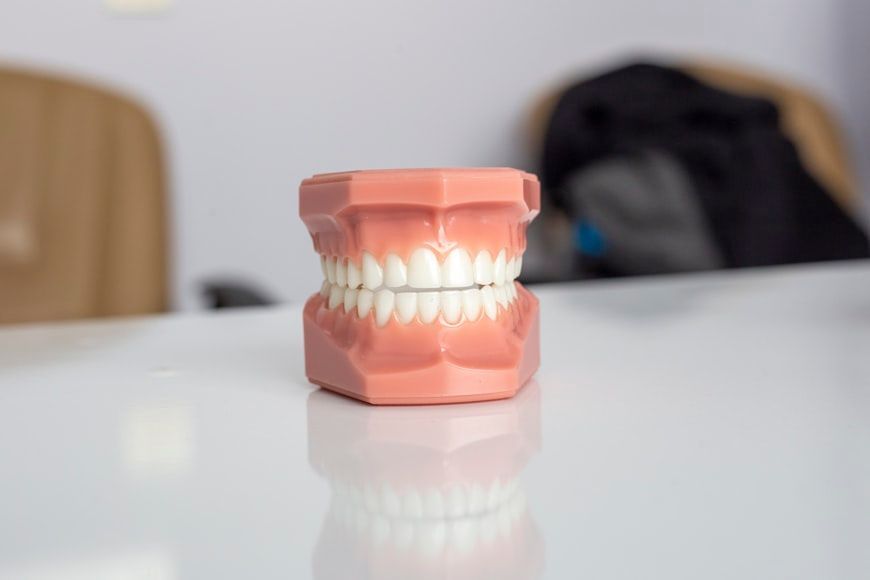
George Washington had wooden teeth

Image: Enis Yavuz

While the father of the nation did wear dentures, the widespread belief that these were made out of wood is not true. Historians have confirmed that his dentures were made from a mix of different materials, including ivory, human teeth, animal teeth, and metallic pieces. The idea that these were wooden is most likely a result of the brownish appearance of stained ivory.

4

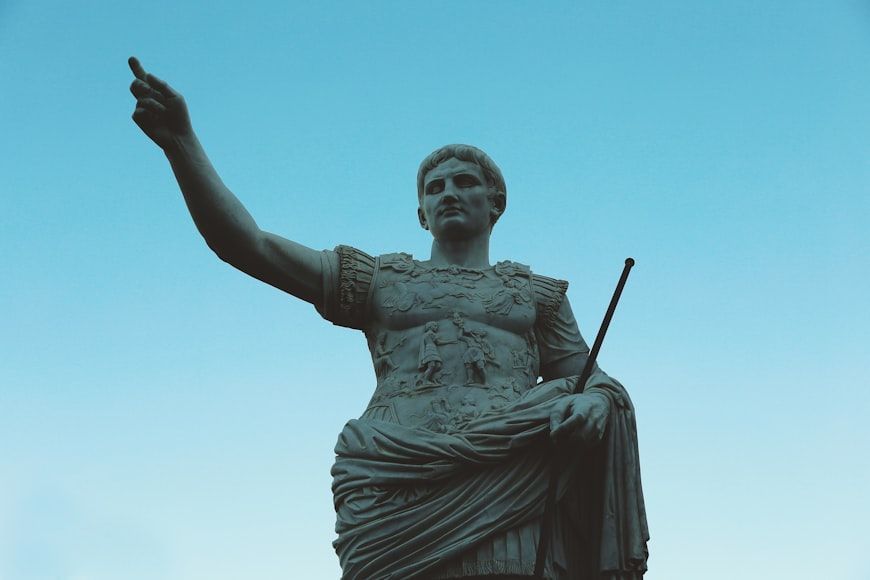
Emperor Nero burned Rome intentionally
Image: Ricardo Gomez Angel

Roman emperor Nero has a well-deserved reputation as a tyrant. He habitually murdered opponents, persecuted thousands of Christians, and was known to enjoy animal cruelty. However, there is no solid proof that he intentionally started the fire of Rome, although we know that he did nothing to stop it, and played music as he watched the city burn. The fire was most likely an accident, and Nero took advantage of it to rebuild Rome in grandeur.

5

Medievals believed the Earth to be flat
Image: Andrew Stutesman

Scholars have known the Earth is a sphere since classical antiquity, and medievals inherited that knowledge from the ancient Greeks. Why did they not travel to the West then? Is not that they thought they would reach the end of the world, but that they were unsure of the dangers of such a travel. The idea of medieval people as flat-earthers is a result of 19th-century writers' concept of the Middle Ages as a ‘dark time’ of ignorance.

6

American independence was declared on July 4th
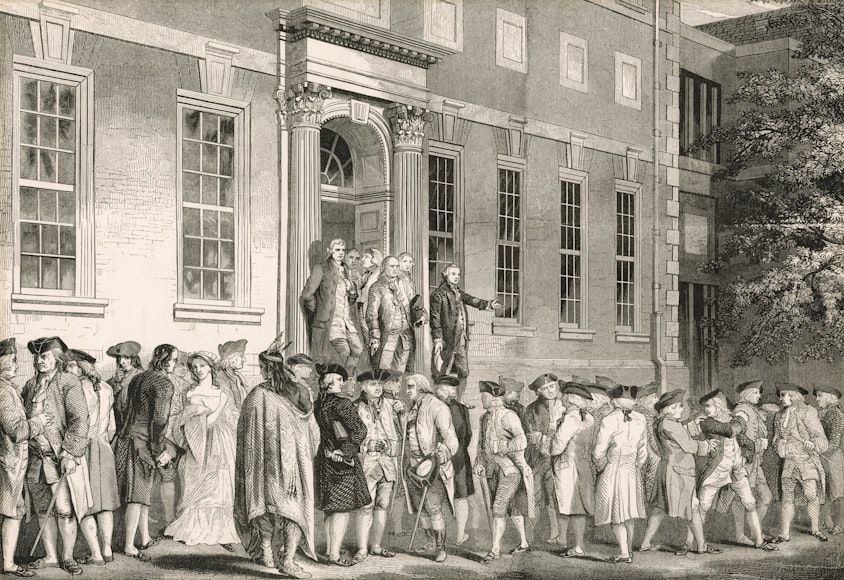
Image: The New York Public Library

To the surprise of many, the Continental Congress declared independence from Great Britain on July 2nd. But why is Independence Day not celebrated on that date? Founding Father John Adams asked the same question. While the voting was done on the 2nd, the document was finalized and distributed on the 4th, and most delegates adopted that date. John Adams wrote extensively about the importance of July 2nd, and he reportedly declined invitations to 4th of July celebrations in protest.

7

People were burned at the stake during the Salem witch trials
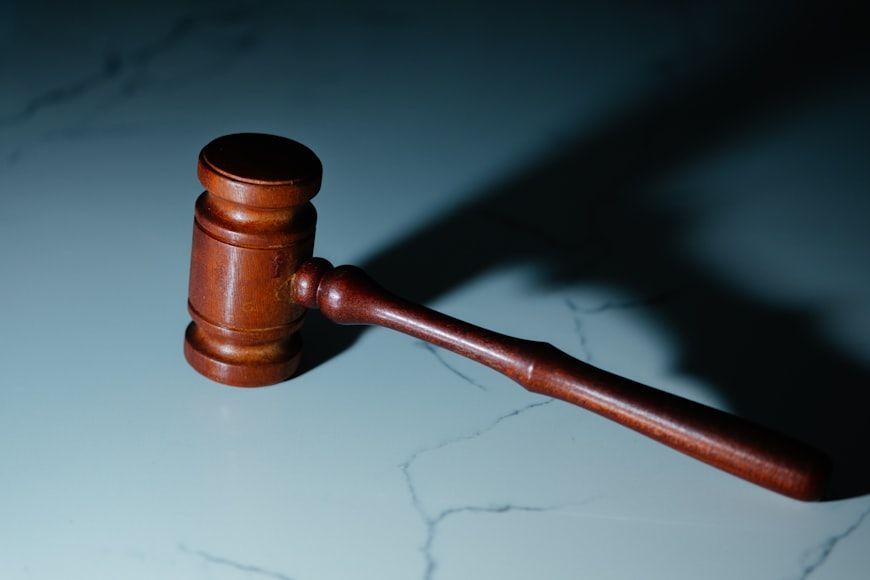
Image: Wesley Tingey

The Salem witch trials were undoubtedly outrageous, and modern historians believe that the result was mass hysteria. However, the idea that convicted individuals were burned at the stake is just a popular myth. 19 people were executed by hanging, and one other died during interrogation due to torture. In the years after, it was proven that evidence of witchery was fabricated, and the trials were declared unlawful.

8

Julius Caesar said, ‘Et tu, Brute?’

Image: tommao wang

While historians and chroniclers have several theories about Julius Caesar’s dying words, we know for a fact that he never said ‘_Et tu, Brute?’ (You too, Brutus?) to his adoptive son. This phrase was coined by Elizabethan playwright Richard Edes and later popularized by William Shakespeare. What did Caesar say instead? We don’t know, but the prevailing theories are that he remained silent or that he spoke in Greek and said ‘_καὶ σύ, τέκνον?" (‘You too, child?’).

9

Rosa Parks was sitting in the ‘white’ section of the bus
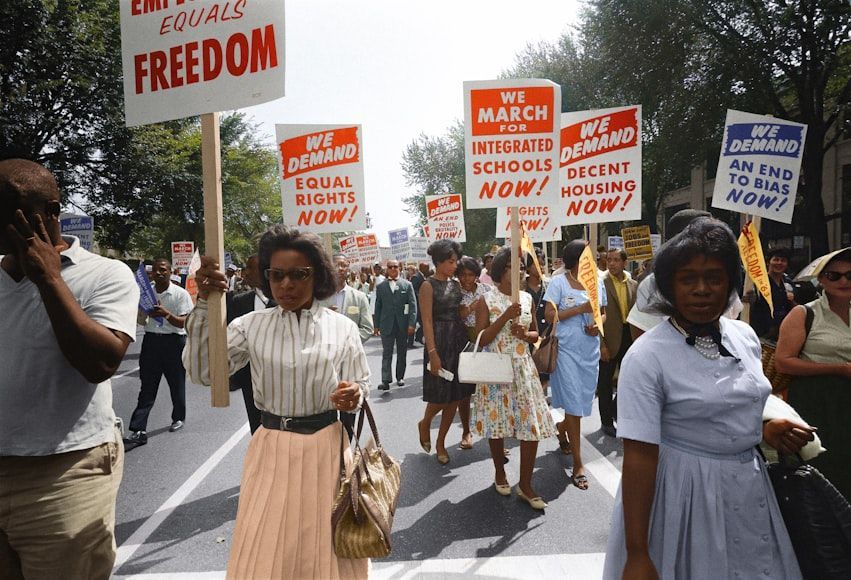
Image: Unseen Histories

When Rosa Parks refused to give up her seat, she knew she was making a political statement. However, contrary to what many believe, she was sitting on a part of the bus that African Americans were allowed to use. Why was she asked to give up the seat, then? She was sitting in a section that was for everyone, but where white people had priority. When the white section became full, she was asked to give up her spot. She refused, and the rest is history.

10

Galileo Galilei was executed by the Catholic Church
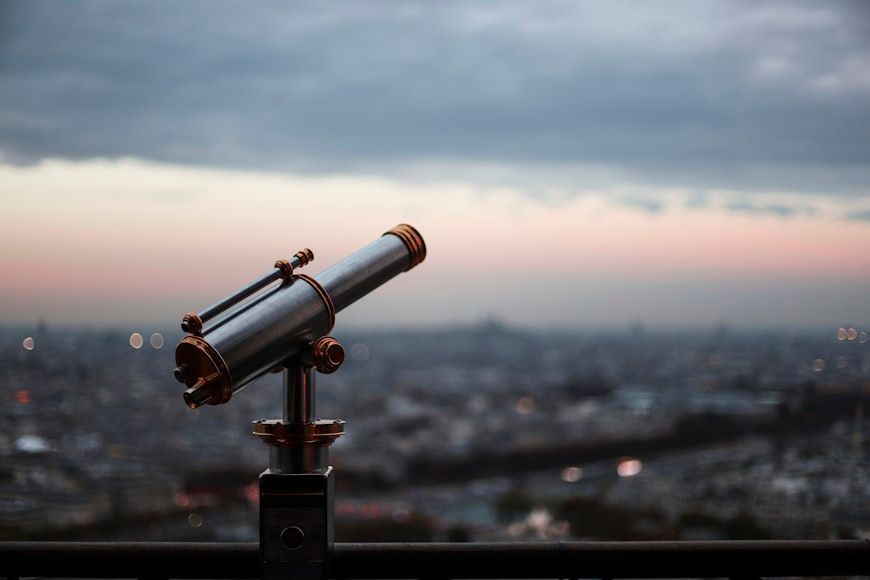
Image: Matthew Ansley

The story of Galileo Galilei’s trial is one of the most widespread historical myths, and most people are certain that he was tortured because of his beliefs and then executed. Galileo was indeed tried by the Church, but it was not the simplistic case of science vs. faith most believe it to be. In reality, it was a scientific debate and, while Galileo was ultimately right in defending Heliocentrism, he failed to prove it. After the trial, he received house arrest in a villa, where he died of natural causes.


Secret codes, decoded

Why pilots say "roger" and 9 other unspoken coded messages


Published on March 15, 2026


Image: Zoran Jesic

Every line of work has its own secret language. Pilots, nurses, actors, filmmakers, and sailors all use words and signals that mean something very specific to insiders. If you’re an outsider overhearing them, you probably wonder, "What the heck is going on?" Some of these terms are technical, some are funny, and some are just plain absurd. Take why pilots say "Roger" when they don’t mean "yes," or what "S.O.S." really stands for (spoiler: it doesn’t stand for anything). Let’s decode 10 of them.

1

Why pilots, ATC, and sailors say "Roger" instead of "Yes"

Image: LightField Studios

"Roger" doesn’t mean yes; it means "message received." Early radio operators spelled out letters with code words so garbled static wouldn’t ruin things, and the word for R was "Roger." R stood for "received," so the name stuck. The alphabet changed in 1957, and R became "Romeo," but "Roger" lived on like an old uncle at Thanksgiving. Civilians never learn it because most of us have never radioed a tower.

2

What "SOS" actually stands for in international maritime code

Image: Strannik_fox

Surprise: it doesn’t stand for anything. "Save Our Souls" is a catchy myth invented later. In Morse code, S is three dots, and O is three dashes, so the signal is just three dots, three dashes, three dots. It was adopted at a radio conference in Berlin in 1906, took effect in 1908, and was easy to send and hard to mistake. The Titanic famously used it in 1912. Since it isn’t an acronym, those periods in "S.O.S." are technically incorrect.

3

The reason hospital staff call out a "Code Red" instead of "Fire"

Image: Drazen Zigic

Imagine a hospital full of patients on oxygen, in surgery, or unable to walk, and then somebody shouts "FIRE!" That’s a recipe for panic. So hospitals use color codes: Code Red means fire, Code Blue means a patient needs resuscitation, and so on. Hospitals began adopting codes in the 1960s, and they still differ from state to state. Patients are often left confused, which is rather the point.

4

The secret phrase "Code Adam" in retail stores

Image: Monkey Business Images

If you hear "Code Adam" over a store speaker, a child is missing. Staff lock the doors and search. It’s named for Adam Walsh, a six-year-old who vanished from a Sears store in Hollywood, Florida, in 1981. Walmart introduced the program in 1994, and many other stores followed. Stores use a code instead of a plain announcement so a possible abductor doesn’t panic and bolt.

5

Why flight attendants perform a specific hand gesture when pointing out exits

Image: OSJPHOTO

That graceful sweep of the hands isn’t flight attendant theater. Federal rules require airlines to show passengers where the exits are, and the open-palm, arm-sweeping gesture makes the pointing clear and unmistakable, even in a noisy, crowded cabin. It dates back to the early days of commercial jets in the 1950s and ’60s. Most of us tune it out, usually while hunting for the little bag of pretzels.

6

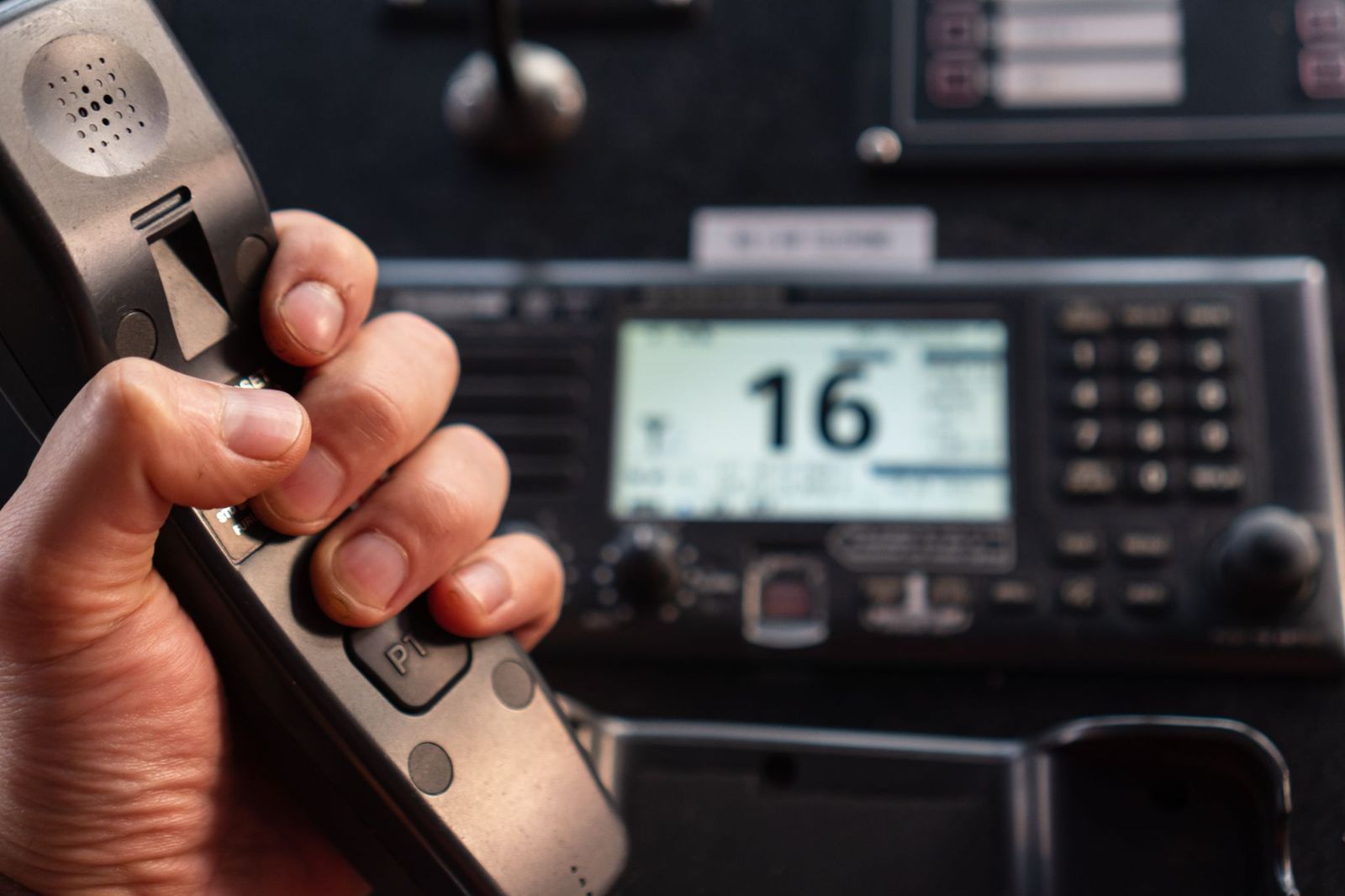
Why pilots and sailors say "Mayday" three times when they’re in trouble

Image: Volodymyr Dudenkov

Nothing to do with the May 1st holiday. In 1923, it was hard to make out the letter "S" over radio telephone, so "S.O.S." was swapped for "mayday" on cross-channel flights between Britain and France. The word sounds like the French "m’aidez," meaning "help me." It was made the official voice distress call in 1927. Saying it three times keeps it from being mistaken for a message that merely mentions it. Most of us only hear it in movies.

7

Why ships turn on blue lights at night in passenger areas

Image: Kokhanchikov

Even though there’s no single worldwide rule, ships do use dim red or blue lighting in some areas at night so crews keep their night vision when they step out on deck, and on European rivers a blue light can flag dangerous cargo. Cruise lines also use soft lighting for ambiance. Naturally, passengers rarely hear about any of it because ship rules are written for crews, not vacationers.

8

Subtle hand gestures that could get you in trouble in foreign countries

Image: Luis Molinero

Hand gestures don’t mean the same thing everywhere. Arrests are actually rare, but real trouble is possible. The "thumbs up" is rude in parts of the Middle East. The "OK" sign is an insult in Brazil and a few other countries. In Greece, an open palm shoved toward someone’s face, called the "moutza," is a serious insult dating back to Byzantine times. Americans stumble into this because we assume our gestures are universal. They aren’t.

9

Why theater performers say "break a leg" instead of "good luck"

Image: New Africa

Actors consider it bad luck to wish each other luck, so they wish a little disaster instead. Nobody agrees on the origin. One theory says performers who bowed or took curtain calls were literally "breaking the leg" of the stage curtain. Another points to German pilots in the 1930s saying "neck and leg break." Either way, it’s an old theater superstition. If you say "good luck" backstage, expect some glares.

10

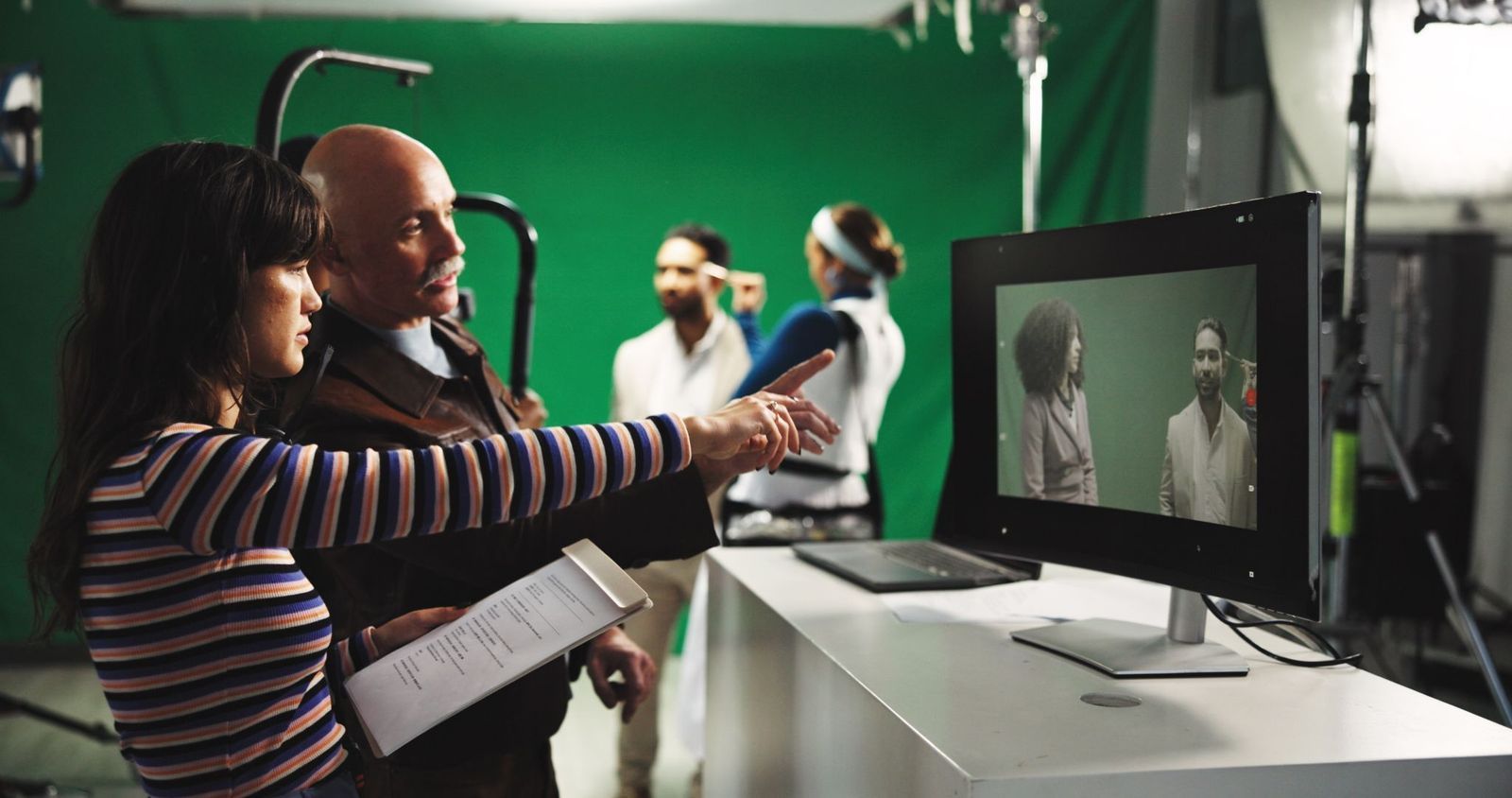
Why film crews cheer when someone yells "Martini shot"

Image: PeopleImages

On a movie or TV set, "martini shot" means the last setup of the day. The name is supposedly a joke that the next shot will be out of a glass. Its sidekick is the "Abby Singer," the second-to-last shot. It’s named after an assistant director who would call out "this, and one more" so the crew could prepare to move to the next set.

Looking for an extra scoop of literary fun?

Learn more with our Word of the day

incoherent

/ˌɪnkoʊˈhɪrənt/