Glitches in science

Forget conspiracy theories—these 10 weird facts are real and unexplained


Published on February 3, 2026


Image: Artur Voznenko

Despite centuries of scientific progress, the universe can still throw us some curveballs that seem to defy all logic and understanding. From bizarre sounds deep in the ocean to strange behavior of stellar objects, these unexplained phenomena continue to stump researchers. Here's a breakdown of 10 strange, real-world mysteries that seem like glitches in reality—and so far remain unsolved.

1

ʻOumuamua’s acceleration

Image: NASA Hubble Space Telescope

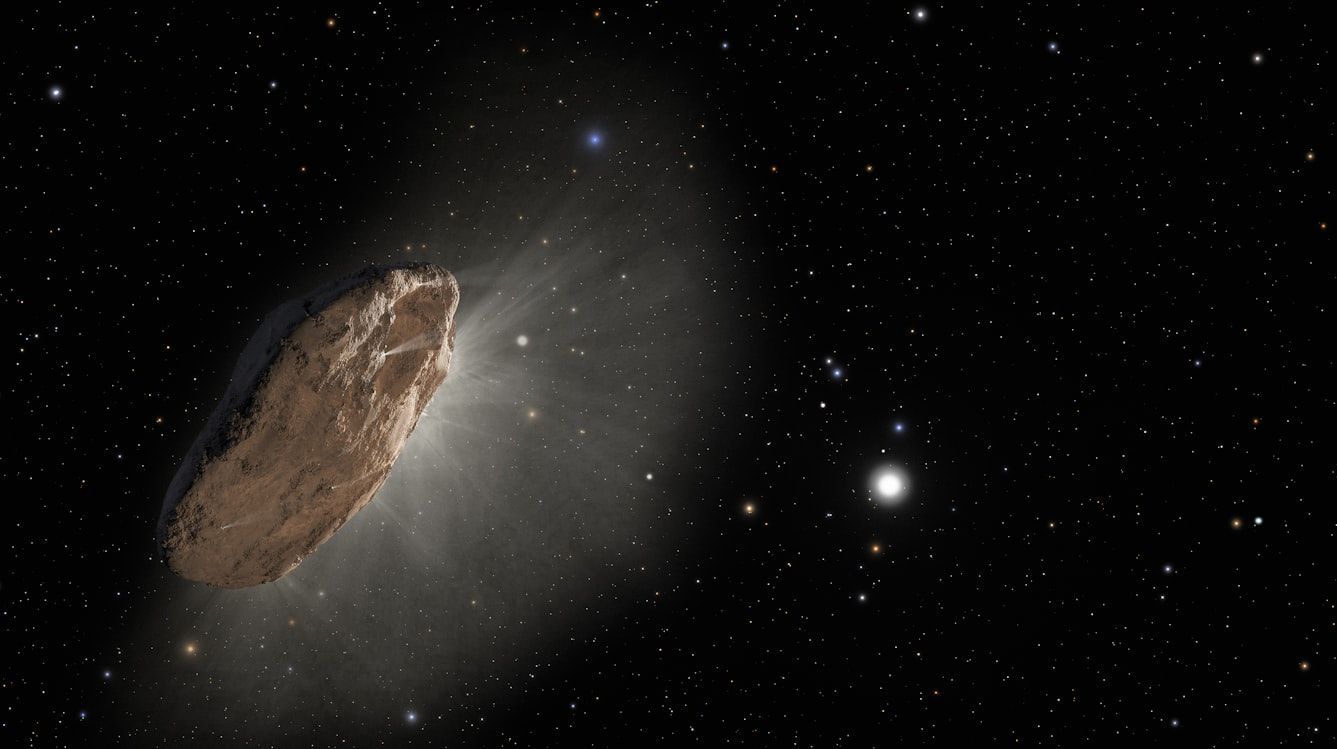
Discovered in 2017, ‘Oumuamua had an unusual shape and trajectory. As it exited the Sun’s influence, it accelerated slightly—an unexpected behavior that left many scientists puzzled.

Some proposed it was an alien probe or, more likely, that outgassing caused the motion, but no definitive explanation fits all the observed data. For now, the mystery of ʻOumuamua remains unsolved.

2

The weirdest form of lightning

Image: Hunter So

Ball lightning has been reported for centuries, often lasting longer than normal lightning and moving erratically indoors or out. Witnesses describe orbs ranging from pea-sized to several feet in diameter.

Even now, there is rare photographic evidence, and the phenomenon has defied controlled reproduction. A 2014 study in China captured spectral data, but scientists still can't agree on how or why it forms.

3

A signal from space

Image: Raychel Sanner

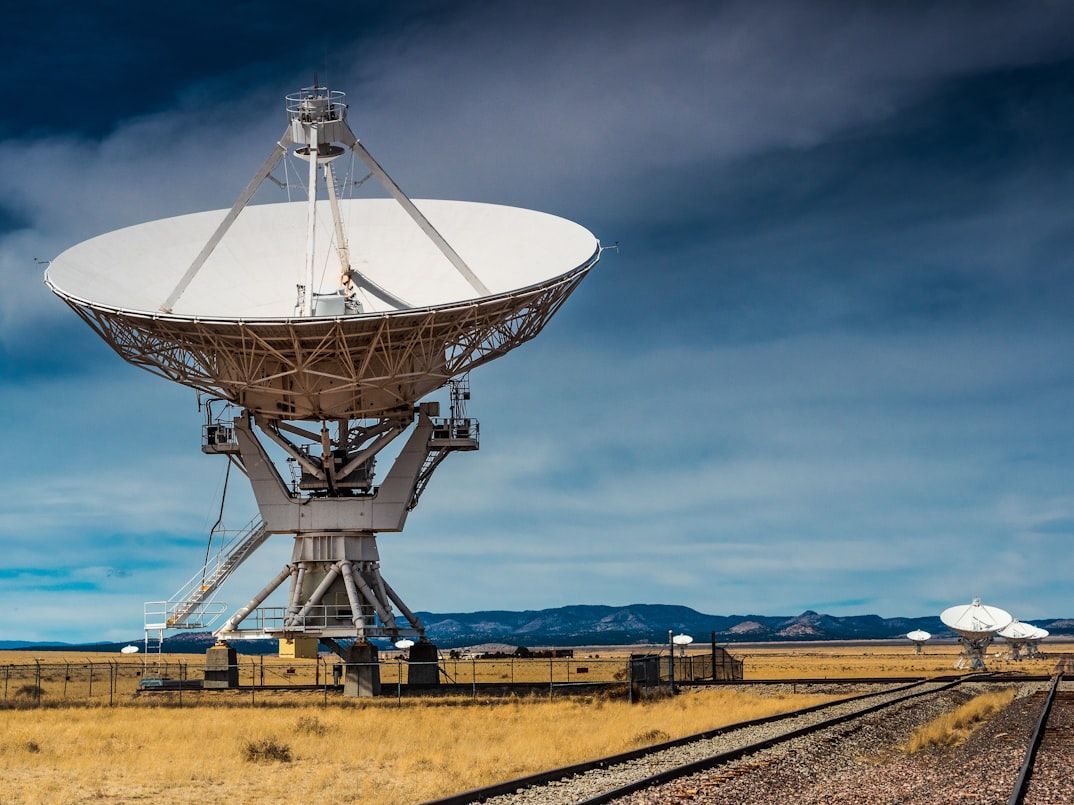
The 72-second radio burst, detected by Ohio State’s Big Ear radio telescope in 1977, was so unusual that astronomer Jerry Ehman circled it and wrote "Wow!" in the margin.

No known natural or terrestrial source matched its signature. Despite repeated searches in the same spot, the signal has never been heard again.

4

The Bloop from the deep

Image: Bradley Singleton

Captured in 1997 by underwater sensors thousands of kilometers apart, the "Bloop" was an ultra-low-frequency sound louder than any known sea creature. It matched no whale or geological activity profile.

NOAA later suggested icequakes as a possible source, but the exact characteristics didn’t match typical ice calving.

5

Earthquake lights

Image: Michael Krahn

Observed in areas like Japan and Italy, these luminous events precede seismic activity by seconds or minutes. They range from white-blue glows to flame-like columns.

No single mechanism explains them. Theories involve piezoelectric effects in rocks, but reproducible lab evidence is sparse and inconsistent.

6

Memory transfer

Image: Denise Jans

Strangely, some organ recipients report new preferences and even memories post-surgery. These aren’t rare coincidences—dozens of documented cases involve patients suddenly acquiring traits of their donors.

A woman who received a heart from a biker craved beer and fast food, which she never had before. A form of cellular memory or nervous system signaling beyond current knowledge has been proposed as a possible explanation, but too little is still known about the phenomenon.

7

The Mpemba effect

Image: aly

Apparently, hot water can sometimes freeze faster than cold water. Observed since Aristotle and confirmed in many experiments, this phenomenon—known as the Mpemba effect—defies our current understanding of thermodynamics.

While evaporation and convection may play a role, they don’t explain all scenarios. No consistent model accurately predicts when the effect will occur, despite decades of research.

8

Is dark energy real?

Image: Ryan Hutton

An invisible force is accelerating the universe’s expansion—and we still barely understand it. First inferred from supernova data in 1998, dark energy appears to make up about 68% of the universe’s mass-energy content.

Yet no direct measurement or particle-based theory explains its nature. It’s known only through its large-scale gravitational effects.

9

Tabby’s Star

Image: NASA Hubble Space Telescope

Also known as KIC 8462852, Tabby’s Star is a binary star system in the constellation Cygnus, approximately 1,470 light-years from Earth. The star dims erratically—yet in ways that don’t match common explanations like planetary transits.

Its strange behavior has led some astronomers to speculate about exotic causes, including an alien megastructure. However, current data largely rules out that possibility.

10

The Antarctic gravity hole

Image: Dylan Shaw

Weird as it sounds, a region in East Antarctica has less gravity than expected. While gravity varies slightly across the Earth, the cause of this particular anomaly remains unknown.

Known as the Wilkes Land Mass Anomaly, it covers an area approximately 200 miles wide and causes a noticeable local drop in gravity. First detected via satellite data, it may be the remnant of a massive asteroid impact—or maybe even something deeper.



Secret codes, decoded

Why pilots say "roger" and 9 other unspoken coded messages


Published on February 3, 2026


Image: Zoran Jesic

Every line of work has its own secret language. Pilots, nurses, actors, filmmakers, and sailors all use words and signals that mean something very specific to insiders. If you’re an outsider overhearing them, you probably wonder, "What the heck is going on?" Some of these terms are technical, some are funny, and some are just plain absurd. Take why pilots say "Roger" when they don’t mean "yes," or what "S.O.S." really stands for (spoiler: it doesn’t stand for anything). Let’s decode 10 of them.

1

Why pilots, ATC, and sailors say "Roger" instead of "Yes"

Image: LightField Studios

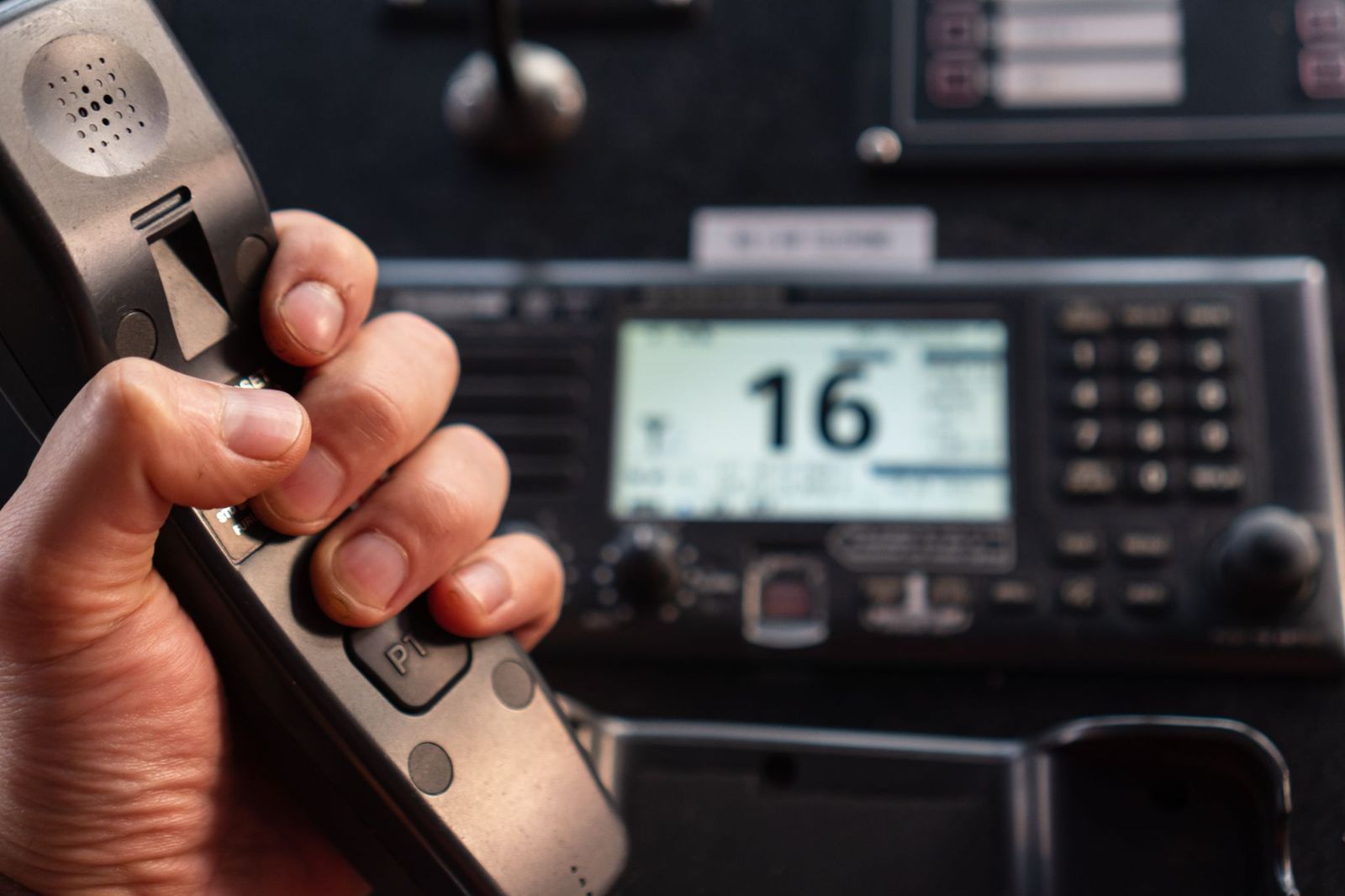
"Roger" doesn’t mean yes; it means "message received." Early radio operators spelled out letters with code words so garbled static wouldn’t ruin things, and the word for R was "Roger." R stood for "received," so the name stuck. The alphabet changed in 1957, and R became "Romeo," but "Roger" lived on like an old uncle at Thanksgiving. Civilians never learn it because most of us have never radioed a tower.

2

What "SOS" actually stands for in international maritime code

Image: Strannik_fox

Surprise: it doesn’t stand for anything. "Save Our Souls" is a catchy myth invented later. In Morse code, S is three dots, and O is three dashes, so the signal is just three dots, three dashes, three dots. It was adopted at a radio conference in Berlin in 1906, took effect in 1908, and was easy to send and hard to mistake. The Titanic famously used it in 1912. Since it isn’t an acronym, those periods in "S.O.S." are technically incorrect.

3

The reason hospital staff call out a "Code Red" instead of "Fire"

Image: Drazen Zigic

Imagine a hospital full of patients on oxygen, in surgery, or unable to walk, and then somebody shouts "FIRE!" That’s a recipe for panic. So hospitals use color codes: Code Red means fire, Code Blue means a patient needs resuscitation, and so on. Hospitals began adopting codes in the 1960s, and they still differ from state to state. Patients are often left confused, which is rather the point.

4

The secret phrase "Code Adam" in retail stores

Image: Monkey Business Images

If you hear "Code Adam" over a store speaker, a child is missing. Staff lock the doors and search. It’s named for Adam Walsh, a six-year-old who vanished from a Sears store in Hollywood, Florida, in 1981. Walmart introduced the program in 1994, and many other stores followed. Stores use a code instead of a plain announcement so a possible abductor doesn’t panic and bolt.

5

Why flight attendants perform a specific hand gesture when pointing out exits

Image: OSJPHOTO

That graceful sweep of the hands isn’t flight attendant theater. Federal rules require airlines to show passengers where the exits are, and the open-palm, arm-sweeping gesture makes the pointing clear and unmistakable, even in a noisy, crowded cabin. It dates back to the early days of commercial jets in the 1950s and ’60s. Most of us tune it out, usually while hunting for the little bag of pretzels.

6

Why pilots and sailors say "Mayday" three times when they’re in trouble

Image: Volodymyr Dudenkov

Nothing to do with the May 1st holiday. In 1923, it was hard to make out the letter "S" over radio telephone, so "S.O.S." was swapped for "mayday" on cross-channel flights between Britain and France. The word sounds like the French "m’aidez," meaning "help me." It was made the official voice distress call in 1927. Saying it three times keeps it from being mistaken for a message that merely mentions it. Most of us only hear it in movies.

7

Why ships turn on blue lights at night in passenger areas

Image: Kokhanchikov

Even though there’s no single worldwide rule, ships do use dim red or blue lighting in some areas at night so crews keep their night vision when they step out on deck, and on European rivers a blue light can flag dangerous cargo. Cruise lines also use soft lighting for ambiance. Naturally, passengers rarely hear about any of it because ship rules are written for crews, not vacationers.

8

Subtle hand gestures that could get you in trouble in foreign countries

Image: Luis Molinero

Hand gestures don’t mean the same thing everywhere. Arrests are actually rare, but real trouble is possible. The "thumbs up" is rude in parts of the Middle East. The "OK" sign is an insult in Brazil and a few other countries. In Greece, an open palm shoved toward someone’s face, called the "moutza," is a serious insult dating back to Byzantine times. Americans stumble into this because we assume our gestures are universal. They aren’t.

9

Why theater performers say "break a leg" instead of "good luck"

Image: New Africa

Actors consider it bad luck to wish each other luck, so they wish a little disaster instead. Nobody agrees on the origin. One theory says performers who bowed or took curtain calls were literally "breaking the leg" of the stage curtain. Another points to German pilots in the 1930s saying "neck and leg break." Either way, it’s an old theater superstition. If you say "good luck" backstage, expect some glares.

10

Why film crews cheer when someone yells "Martini shot"

Image: PeopleImages

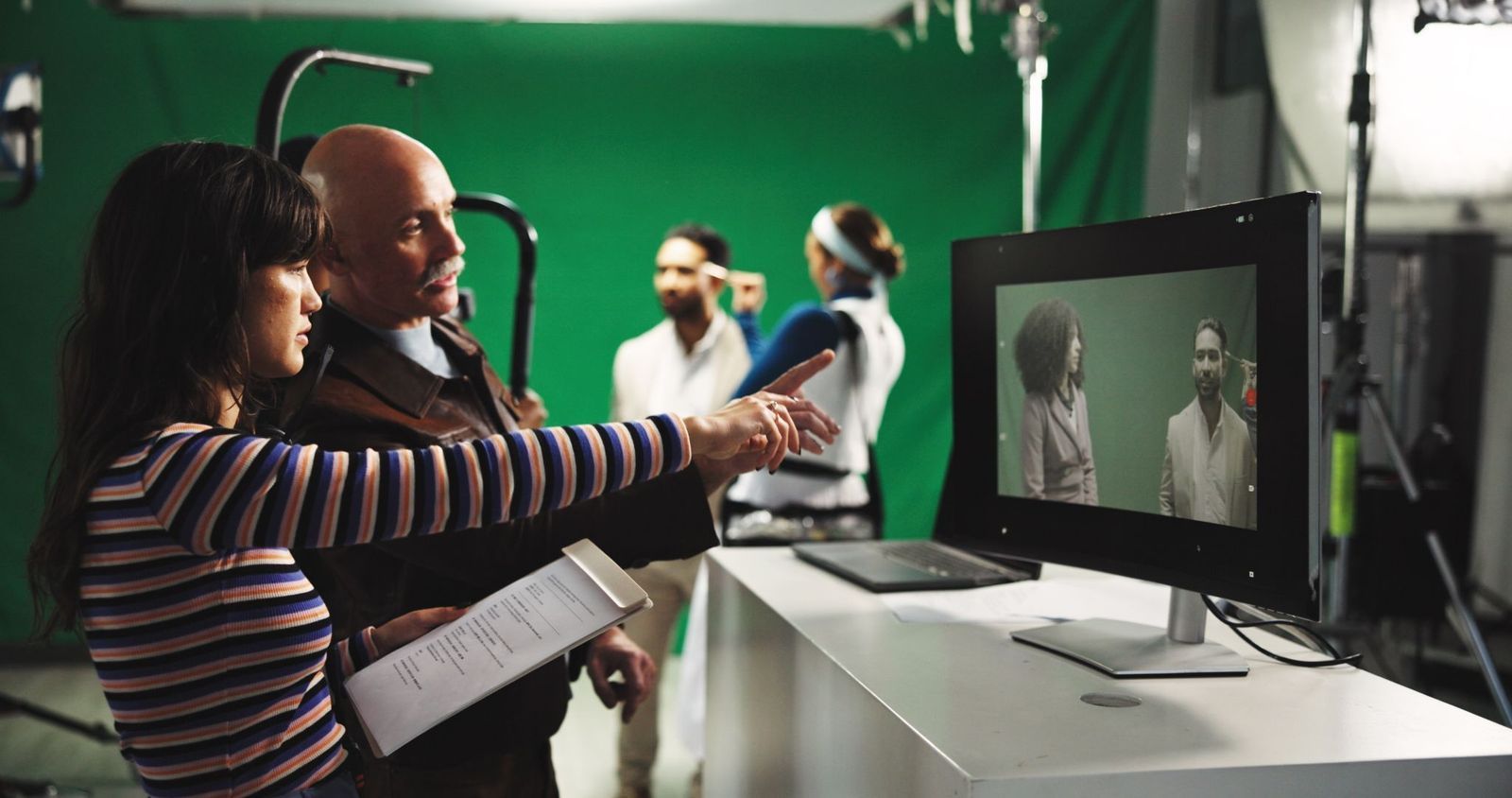
On a movie or TV set, "martini shot" means the last setup of the day. The name is supposedly a joke that the next shot will be out of a glass. Its sidekick is the "Abby Singer," the second-to-last shot. It’s named after an assistant director who would call out "this, and one more" so the crew could prepare to move to the next set.

Looking for an extra scoop of literary fun?

Learn more with our Word of the day

appeal

/əˈpil/