Are your words as "vulgar" as you think? 10 shocking etymological origins


Published on May 16, 2026


Image: Melike B

Etymology—the study of word origins—reveals that the terms we use daily often started with meanings that were drastically different, sometimes even comical or celestial. When we look into the lineage of our vocabulary, we find traces of Viking warriors, Greek myths, and even the breaking of river ice. Continue reading to discover 10 words with fascinating origin stories.

1

Galaxy

Image: Guillermo Ferla

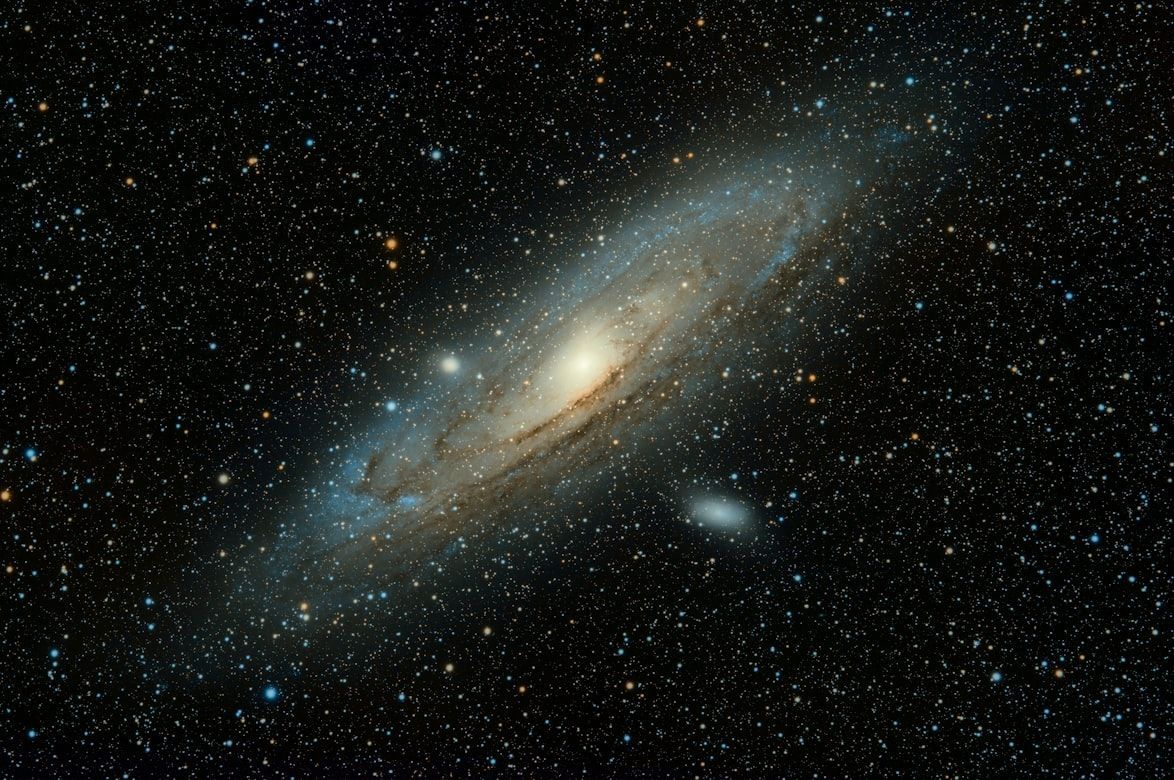
When we think of a galaxy, we imagine vast, swirling clusters of billions of stars across the vacuum of space. However, the origin of the word is much more domestic. The term comes from the Greek galaxias, which is derived from gala, meaning "milk".

This linguistic connection stems from Greek mythology. According to legend, the Milky Way was created when the goddess Hera was nursing the infant Heracles. When she pulled away, a spray of milk streaked across the sky. To the ancient Greeks, the glowing band of light in the night sky was literally the "milky circle". While we now know that galaxies are composed of stars and gas, our scientific terminology remains rooted in an ancient story of a mother and her child.

2

Marmalade

Image: Nadin Trosh

While most of us associate marmalade with a bitter orange preserve enjoyed at breakfast, the word’s history has nothing to do with citrus. It comes from the Portuguese word marmelada, which was a preserve made from marmelo, the word for "quince".

In the 15th and 16th centuries, quince paste was a thick, solid confection often imported into England. As the centuries passed and international trade expanded, bitter Seville oranges replaced quinces as the primary ingredient in these preserves.

3

Berserk

Image: Fernando Cortés

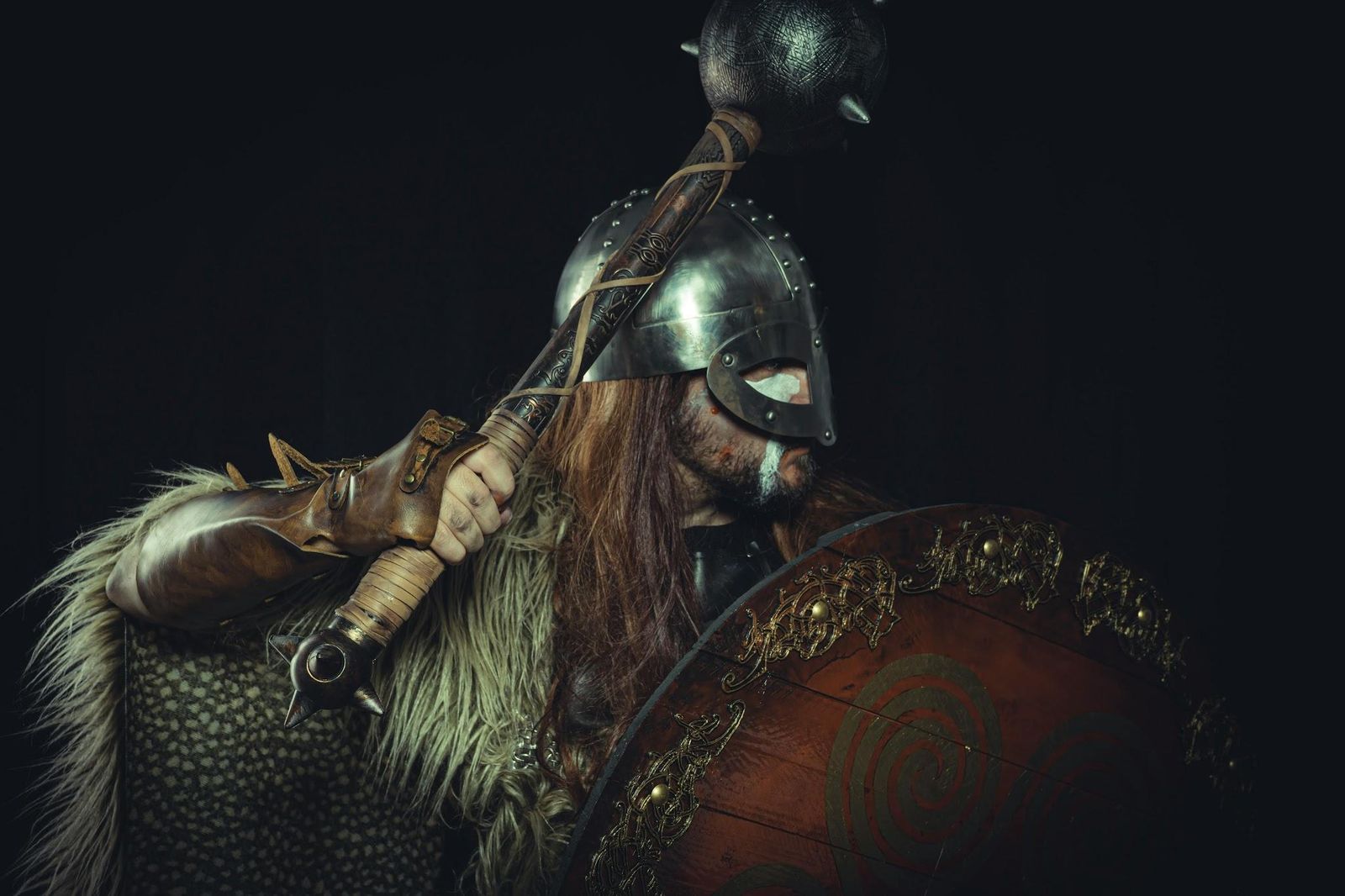
To go "berserk" is to lose all control, acting with a wild, frenzied energy. The origin of this word is found in the terrifying Viking warriors of Old Norse lore. The term berserkr is a compound of ber- (meaning "bear") and serkr (meaning "shirt" or "garment").

These "berserkers" were legendary fighters who entered battle in a state of trance-like fury, wearing bear skins rather than armor. Some historians believe their frenzy was induced by hallucinogenic mushrooms or heavy drinking, but the result was a warrior so fierce they were said to be immune to fire and iron. Today, the word has transitioned from a specific type of Norse soldier to a general description of chaos.

4

Weird

Image: Cecilia Miraldi

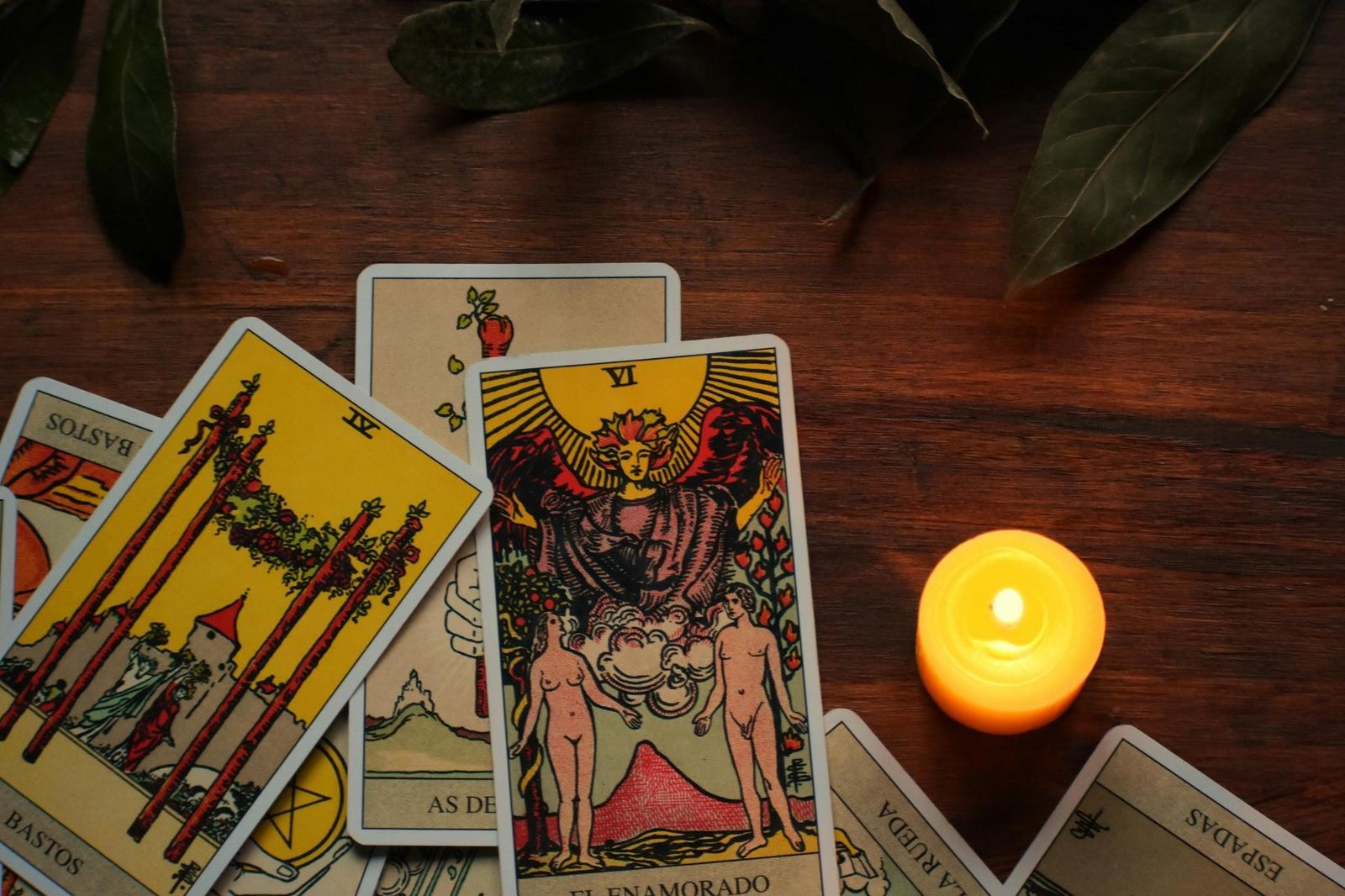
In modern English, weird simply means strange or freaky. But in Old English, the word wyrd meant "fate" or "destiny". That is to say, it was a noun, not an adjective. A person’s wyrd was the unchangeable path laid out for them by the universe.

The shift toward the modern meaning of "strange" was largely influenced by William Shakespeare. In Macbeth, he introduced the "Weird Sisters", three witches who could see and manipulate the threads of fate. Because these characters were supernatural and unsettling, audiences began to associate the word "weird" with the uncanny and the bizarre.

5

Explode

Image: cottonbro studio

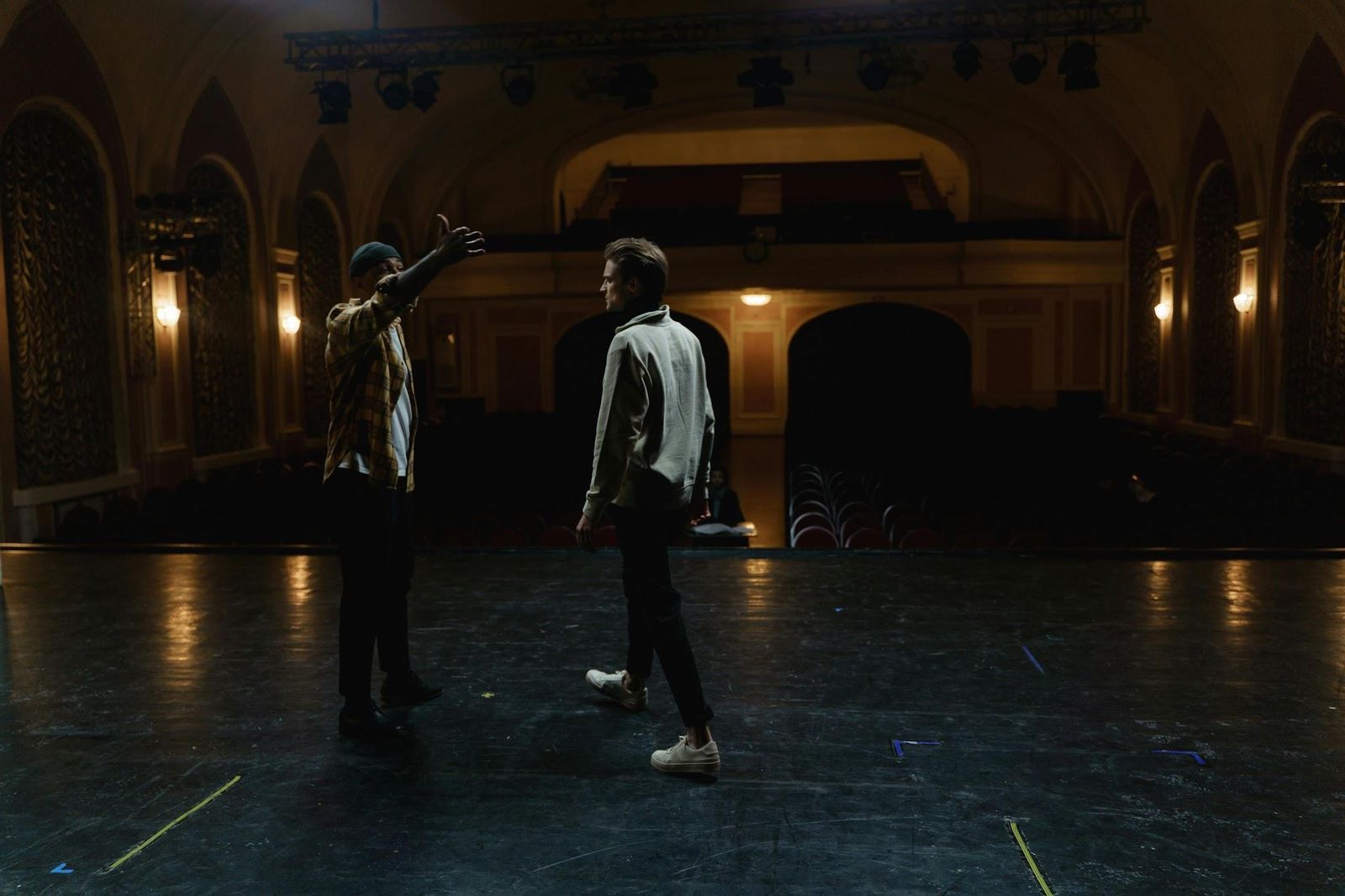
If a bomb explodes, it bursts with violent force. However, the word’s Latin ancestor, explodere, had a much more vocal meaning: "to clap out". In the world of ancient Roman theater, explodere meant to drive an actor off the stage by clapping, hissing, or shouting.

For centuries, "explode" referred to the rejection or driving out of an idea or a person through noise. It wasn’t until the 17th and 18th centuries, with the advancement of gunpowder and physics, that the word began to describe a physical, violent burst of pressure.

6

Vulgar

Image: Ryoji Iwata

Today, if someone is described as "vulgar", it usually means they are crude, offensive, or lacking in manners. But originally, the Latin vulgaris, from vulgus, the "common people", simply meant "common" or "ordinary".

For a long time, the "vulgar tongue" was simply the local language as opposed to the prestigious Latin used by the church and scholars. Over time, however, the word took on a snobbish, class-based connotation. The elite began to view anything common as inferior and unrefined, leading to the modern definition where "vulgar" is a synonym for "distasteful".

7

Arctic

Image: Hans-Jurgen Mager

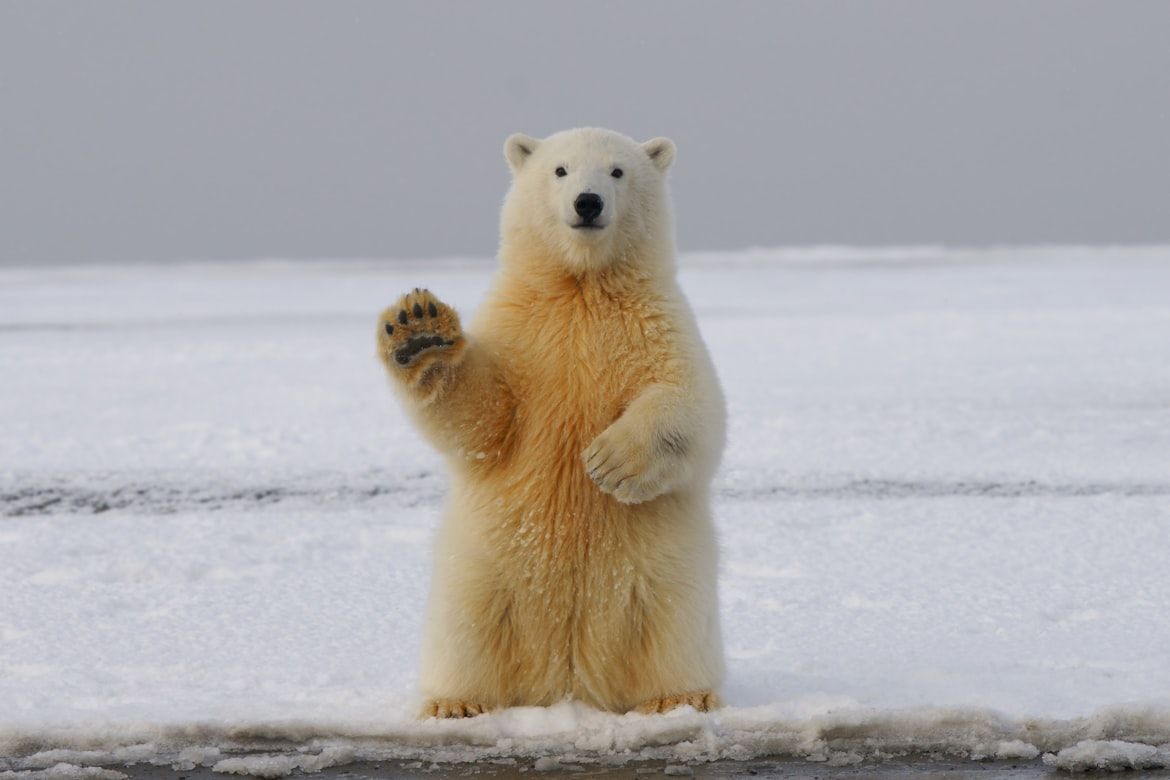
One might assume that "Arctic" is an indigenous word for the frozen north, but actually, it’s Greek in origin. Arktos is the Greek word for "bear". Yet, the region is not named for the polar bears that lived there, but for the constellations that hang above it.

In the northern sky, the constellation Ursa Major, the Great Bear, is an important landmark. To the ancient Greeks, the Arctic was simply the land under the Bear. Interestingly, the name for the southern pole, Antarctica, literally means "opposite the bear".

8

Camouflage

Image: James Wainscoat

"Camouflage" is a relatively young word in the English language, entering common usage during World War I. It comes from the French camoufler, which was slang for "to disguise". In turn, some etymologists link it to camouflet, a term for a puff of smoke blown into someone’s face to distract them.

Before it was a military tactic used to hide tanks and soldiers, camouflage was a term used by thieves and actors to describe the art of changing one’s appearance. The war transformed it into a technical endeavor involving artists and biologists to create patterns that could deceive the enemy’s eye.

9

Flu

Image: Andrea Piacquadio

When we come down with the "flu", we rarely think about astrology. However, the word is a shortened form of influenza, which is Italian for "influence". In medieval times, people believed that outbreaks of disease were caused by the "influence" of the stars and planets.

Later, the term was refined to influenza del freddo, "influence of the cold". Eventually, the English language dropped the astrological baggage and the "cold" reference, leaving us with a punchy, three-letter word for a respiratory virus.

10

Debacle

Image: Arkadiusz Gąsiorowski

A "debacle" is a sudden, disastrous failure or a total collapse. The word’s history is rooted in the natural world. It comes from the French débâcle, which originally referred to the breaking up of ice in a river.

When a frozen river began to thaw, the ice would crack and rush downstream in a chaotic, unstoppable flood. This literal breaking loose was a violent and messy event. By the 19th century, people began using the term metaphorically to describe any situation where things fall apart quickly and uncontrollably.


Deathbed statements

Beyond the grave: Take a look at the last words of 12 famous people


Published on May 16, 2026


Image: Daderot, CC0, via Wikimedia Commons

Throughout history, hundreds of historical figures have left their mark on the world through their marvelous achievements. When their lives came to an end, their last words were often a reflection of their lives and ideals. From George Washington and Mark Twain to Frank Sinatra and Leonardo Da Vinci, in this article, we will reveal 12 final words of memorable personalities.

1

George Washington

Image: The New York Public Library

After serving two terms as the United State's first president, George Washington retired to his Virginia plantation. In mid-December 1799, he developed a cold and a severe sore throat. Despite doctors' efforts to cure him, the end was imminent.

His long-time secretary, Tobias Lear, was at his side during his last days and documented all the events that transpired, including the former president's last words. According to his account, shortly before he took his last breath George Washington said "Tis well" —an old-fashioned way of saying "everything is okay."

2

Humphrey Bogart

Image: Signal Corps Archive from United States, Public domain, via Wikimedia Commons

Noir icon of perpetual elegance and rebellious charisma, Humphrey Bogart is an undisputed legend in cinema history. A Hollywood Golden Age star, Bogart is still remembered today for his scar on his upper lip, his everlasting cigarette, and his perfect portrayal of gangsters and detectives.

At the age of 57 Bogart was diagnosed with esophageal cancer, for which he was hospitalized for several months. According to lore, the legendary star's last words were "I should never have switched from scotch to martinis." However, his wife Lauren Bacall confirmed that the last thing he actually said was "Goodbye Kid. Hurry back," before she left his bedside to get their children.

3

Mark Twain

Image: Miscellaneous Items in High Demand, PPOC, Library of Congress, Public domain, via Wikimedia Commons

As one of the greatest American writers of all time, Mark Twain is usually credited with all sorts of great quotes that he often didn't say. For that reason, there are different versions of what his last words were before he died in 1910 at the age of 74.

The most plausible theory can be found in an article published one day after his death. According to this chronicle, Samuel Langhorne Clemens' last words were not spoken aloud but written. The famous humorist and essayist reportedly wrote to his daughter Clara, who accompanied him on his bedside, "Give me my glasses."

4

Joan Crawford

Image: MGM, Public domain, via Wikimedia Commons

Joan Crawford, the Oscar winner for Mildred Pierce and one of the greatest stars of Hollywood's golden age, died in 1977 of a heart attack.

The actress, who had a complicated personality, was true to her nature until her last breath. She was so ill that her doctor felt it wasn’t worth taking her to the hospital. One of her nurses began to pray aloud in desperation. Losing her patience, Crawford snapped for the last time and said, "Damn it... Don't you dare ask God to help me."

5

Marco Polo

Image: Municipal Library of Trento, CC0, via Wikimedia Commons

The year 2024 marked the 700th anniversary of the death of the man who better described remote lands. Marco Polo was a merchant who spent more than 20 years of his life traveling through the Orient and wrote about his adventures in a book that became a bestseller when the printing press wasn’t even invented.

Marco Polo was, and still is, a legend. When, on his deathbed, his wife and friends begged the brave explorer to confess if what he had told in the book was true, he barely whispered: "I have not told the half of what I saw and did."

6

Groucho Marx

Image: MGM, Public domain, via Wikimedia Commons

Julius Henry Marx, better known as Groucho Marx, is considered one of the most influential comedians of all time. The man with the bushy black mustache was one of the Marx Brothers. Together they made 13 films, including the classic Duck Soup. After a long and prominent career, Groucho passed away in Los Angeles in 1977 at the age of 86.

His brilliant one-liners are still remembered and replayed to this day, so it is not surprising that not one but several final words are attributed to him. A few close friends have suggested that his last line was "This is no way to live!", while most suggest that his last words were in fact dedicated to his wife: "Die, my dear? Why, that's the last thing I'll do!"

7

Voltaire

Image: Nicolas de Largillière, Public domain, via Wikimedia Commons

Voltaire, the French writer, philosopher, historian, and lawyer, one of the major figures of the Enlightenment, died in 1778 at the age of 83. Different accounts of his deathbed make it impossible to determine exactly what his last days were like.

One of these stories, however, is consistent with his ideas about God and his well-known criticism of the Church. According to this version, when the priest asked him if he wanted to renounce Satan before he died, Voltaire replied, "This is no time to make new enemies."

8

L. Frank Baum

Image: William Wallace Denslow, Public domain, via Wikimedia Commons

L. Frank Baum was a prolific American author. He wrote 55 novels, 82 short stories, and more than 200 poems. However, his most memorable work is his series of children's fantasy books The Wonderful Wizard of Oz.

On May 5, 1919, Baum suffered a heart attack. He died the next day, shortly before his 63rd birthday. Disturbed by the imminence of death, he whispered to his wife: "Now we can cross the Shifting Sands," a clear reference to the Land of Oz.

9

Augustus

Image: National Archaeological Museum of Athens, CC0, via Wikimedia Commons

Augustus, the first Roman emperor, is often attributed with the phrase: "Behold, I found Rome of clay, and leave her to you of marble," alluding to the great infrastructural works carried out during his prosperous 40 years of rule.

However, according to other historical accounts, his last words were addressed to the friends who stayed with him on his deathbed: "Have I played the part well? Then applaud, as I exit."

10

Frank Sinatra

Image: English: Distributed by NBC. Photographer unknown., Public domain, via Wikimedia Commons

"Darling, you've gone through worse and you can beat this too. You have to fight," implored Barbara Marx, Frank Sinatra's fourth wife, to her beloved on his deathbed. "I'm losing," The Voice whispered through teary eyes.

Barbara recounted the last hours of the singer of such hits as My Way and New York, New York in her memoir Lady Blue Eyes: My Life With Frank. Frank Sinatra, one of the most popular entertainers of the mid-20th century, pronounced his last words in 1998 at the age of 82.

11

Leonardo Da Vinci

Image: Jean-Auguste-Dominique Ingres, CC0, via Wikimedia Commons

Despite being one of the most famous artists of the Renaissance, Leonardo da Vinci was very hard on himself. All his life he challenged his own limits, evident in his paintings and sculptures as well as in his inventions, some of which were truly revolutionary.

Even after a lifetime of success, he wasn’t quite satisfied. When he suffered a stroke at the age of 67, he sent for a priest to receive the Holy Sacrament and, according to historians, his greatest regret was that he hadn’t achieved excellence with his work. In that sense, it is said that his last words were: "I have offended God and mankind because my work did not reach the quality it should have."

12

Joe DiMaggio

Image: National Museum of Health and Medicine, Public domain, via Wikimedia Commons

The Yankee Clipper was one of the greatest baseball players of all time but he is also known for having been married to the iconic American actress Marilyn Monroe. Joe and Marilyn were together for less than three years. In 1955 the actress left him for American playwright Arthur Miller.

DiMaggio was devastated. He never married again, and never got over his one true love. His last words before he died in 1999 at the age of 84 were: "I'll finally get to see Marilyn."

Looking for an extra scoop of literary fun?

Learn more with our Word of the day

format

/ˈfɔrˌmæt/