SOMETIMES LOGIC DEPENDS ON THE OBSERVER

Careful! These 12 words don’t really mean what everybody thinks


Published on February 12, 2024


Image: Thiébaud Faix

Many expressions and terms from foreign languages lose their essence in translation when uttered or written in English. Language is not merely a tool for communication; it encapsulates cultural nuances and unique experiences.

Join us as we dive into the intricacies of linguistic diversity, revealing the beauty and subtlety that can be lost when these foreign gems are transposed into the English lexicon.

1

Entrée

Image: Jay Wennington

In the American culinary context, Entrée commonly refers to the main course of a meal. However, the true essence of the word in French translates to "entrance" or "entry," which refers to a first course or an appetizer.

English speakers may unknowingly miss the nuanced French understanding, but French tourists in America are probably already well aware of this situation before ordering food.

2

En masse

Image: Lance Lozano

Keeping on with the French language exploration, we come across the term En Masse, which, in its original language, means "in a mass". While English speakers commonly understand it as a collective gathering or action, the original French expression goes beyond mere numerical quantity, implying a unified, synchronized movement, emphasizing harmony and cohesion within a group.

Lost in translation, this nuance of orchestrated unity is often overshadowed by a simplistic focus on numbers when suggested by its English counterpart.

3

Flak

Image: Cibi Chakravarthi

Originally an abbreviation for Fliegerabwehrkanone, meaning "aircraft defense cannon" in German, "Flak" in English has been repurposed to signify criticism or disapproval, particularly in informal contexts.

The shift from a military, technical term to a colloquial expression alters its essence, losing the gravity and historical context embedded in its German roots. This transformation not only obscures the connection to anti-aircraft weaponry but also dilutes the term's inherent seriousness, giving it a lighter meaning.

4

Sayonara

Image: Jan Tinneberg

When we take a deeper look into the linguistic intricacies between Japanese and English, we unravel the essence of the term sayonara and the nuances that evade an exact translation.

While commonly interpreted as a simple farewell, "sayonara" in Japanese carries a weight of finality and a sense of parting that transcends the casual connotations of the English "goodbye." Rooted in cultural context, this term signifies a more permanent departure, often linked to deep emotions or farewells of a more profound nature.

5

Élan

Image: Braden Collum

Élan is definitely not the most used French word amongst English speakers, but it does pop up occasionally in conversation. It makes this list because, while commonly translated as "enthusiasm" or "momentum" in English, élan in French encapsulates a more profound sense of spirited energy and impetus.

The original term carries a connotation of a dynamic force, an internal drive that propels action with ardor. Lost in translation, the subtleties of this emotional fervor are often diluted. "Élan" embodies a spirited passion, an inner zeal that goes beyond mere enthusiasm, and its unique cultural resonance can be overlooked when expressed in English.

6

Look for the cat´s fifth leg

Image: Manja Vitolic

If expressed literally, some foreign terms aren’t simply lost in translation but beyond translation. The Argentinean expression buscarle la quinta pata al gato, translates to "look for the cat's fifth leg". This curious expression, rich with cultural flavor, denotes the tendency to overcomplicate matters or seek unnecessary complications.

In its native Spanish, the phrase carries a humorous undertone, emphasizing the absurdity of searching for an extra leg on a cat. However, when translated into English, the idiom loses its playful charm and becomes a literal quest for a nonexistent appendage, missing the cultural context that infuses it with humor and insight.

7

Like playing piano to a cow

Image: Markus Gjengaar

Literally meaning "like playing the piano to a cow," this Chinese idiom conveys the futility of explaining something to someone who lacks the capacity to comprehend or appreciate it.

The inherent humor and cultural resonance in the original Mandarin phrase may elude English speakers, as the idiom plays with the absurdity of attempting a futile task.

8

To sing the apple

Image: Edward Cisneros

In the world of French Canadian expressions, the intriguing phrase chanter la pomme carries a cultural resonance often lost in translation. Literally translated as "to sing the apple," this idiom extends beyond its literal interpretation in English.

In its original context, the phrase conveys the act of sweet-talking or praising someone to gain favor or approval. The metaphorical association with singing to an apple adds a whimsical touch to the concept of flattery. Yet, when transposed into English, the idiom loses the playful imagery, and the cultural charm embedded in "chanter la pomme" may be overlooked.

9

Let a frog out of your mouth

Image: Adam Currie

The Finnish expression "letting a frog out your mouth" makes no sense when uttered in English, but it does have a logical explanation in its native tongue, where it means "to say something wrong by mistake which can embarrass or upset someone".

The metaphorical picture of releasing a frog adds a playful touch to the idea of articulating something inconvenient. However, when translated literally into English, the charm of the metaphor is lost, and the idiom's cultural richness escapes comprehension.

10

If you´re born to be a tamale, the leaves will fall from the sky

Image: Stefan Lehner

The Mexican phrase Si naciste para tamal, elote caerá del cielo, means "If you're born to be a tamale, the leaves will fall from the sky".

This idiom is a poetic way of expressing destiny and the idea that if something is meant to be, the universe will conspire to make it happen. The imagery of tamale-making, a cherished tradition in Mexican culture, adds a layer of metaphorical richness.

11

A dog in church

Image: Jamie Street

An idiom that makes no sense in English, the Italian phrase un cane in chiesa, meaning "a dog in a church," describes a sense of discomfort or feeling out of place in a particular situation.

The humor and vivid picture of a dog in a sacred space add a fun touch to the expression. However, when directly translated into English, the idiom loses its cultural connotations.

12

Pour water over someone's head

Image: Jamie Street

While the literal translation of "pouring water over someone's head" might seem senseless in English, the actual meaning in its original Tamil is "to cut off a relationship", which could very well be a logical outcome if someone pours water over somebody else's head.

Beyond the literal interpretation, this Tamil idiom carries a symbolic weight, signifying a moment of frustration or exasperation. The act of pouring water over someone's head becomes a vivid symbol of releasing pent-up emotions or expressing discontent. However, when rendered in English, the idiom loses its cultural depth, and the resonance of water as a cathartic release may not be fully grasped.


Secret uses

There’s a hidden microphone in your phone, and here’s where it is


Published on February 12, 2024


Image: Inside Creative House

You’ve probably twisted a bread bag closed, filled up your car, or pulled a sheet of aluminum foil from the box thousands of times without giving it a second thought. But many of the everyday objects we’ve used for decades have clever features that most people never notice. From the tiny pocket on blue jeans to the little arrow next to your gas gauge, these hidden designs have practical stories behind them, and once you know them, you’ll never look at these familiar items the same way again.

1

​Dot next to the iPhone camera

Image: DenPhotos

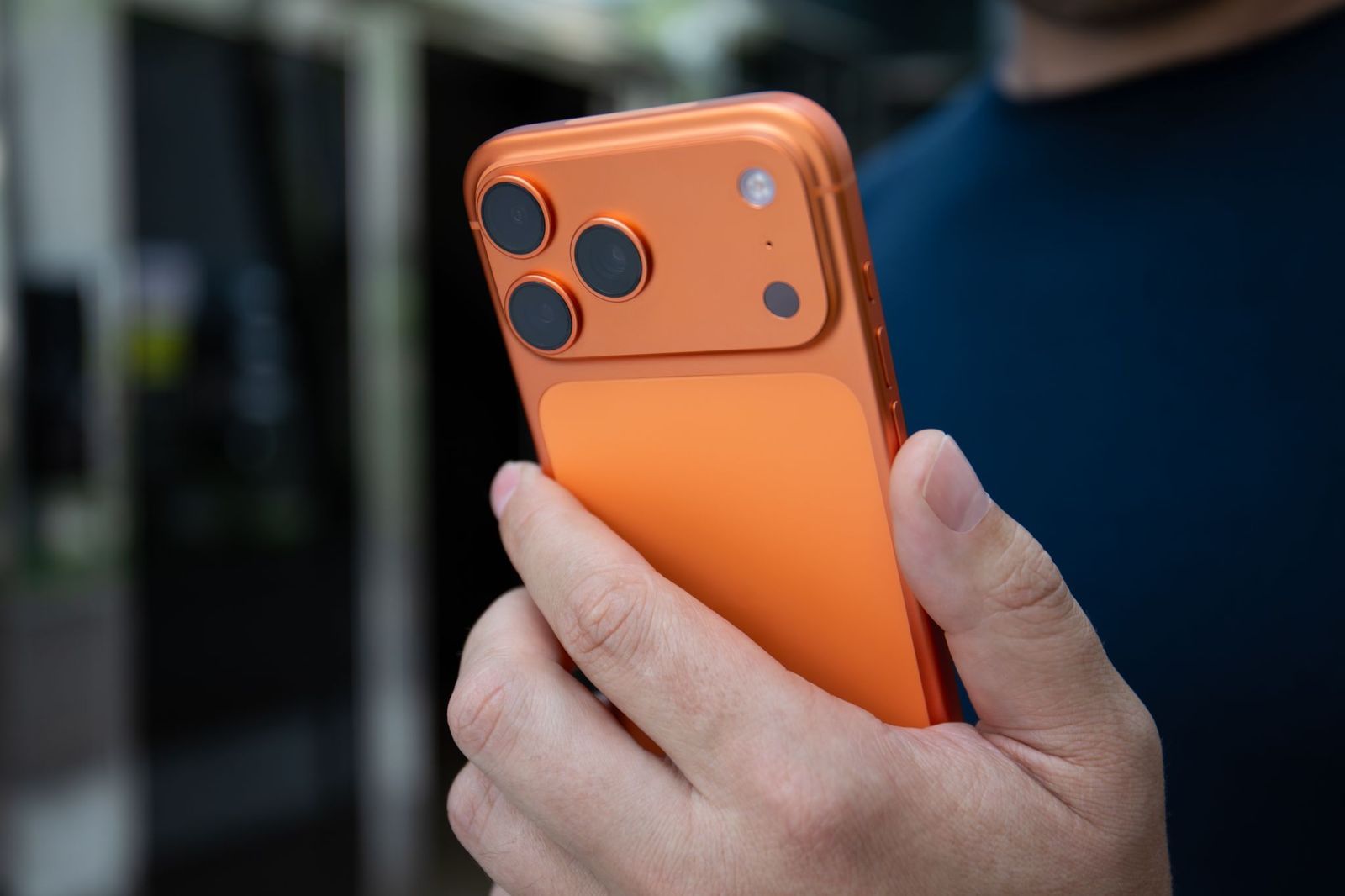
If you own an iPhone, you’ve probably noticed the tiny black dot next to the rear camera. It’s small, so people tend to assume it’s another camera sensor or even part of the phone’s design. The small hole found near the camera bump on every iPhone is actually a rear microphone.

It captures clearer audio when you’re recording videos and helps reduce background noise during FaceTime and regular phone calls. If you own an iPhone Pro model from the iPhone 12 Pro onward, you'll also see a larger dark circle. That’s the LiDAR scanner, which sends out invisible infrared light to create a 3D map of your surroundings. It helps the camera focus faster in low light, powers Apple’s Measure app, and makes augmented reality features much more accurate.

2

​Indent on the bottom of wine bottles

Image: tartaphotography

Whether it's a holiday dinner, an anniversary, or simply a nice meal with friends, you’ve probably held a wine bottle and noticed the deep indentation in the bottom. Many people tend to think the deeper the indent, the fancier the bottle.

That indentation is called a punt, and it’s been a part of the bottle-making for centuries. Originally, it helped strengthen hand-blown glass bottles, making them less likely to crack under pressure. Today, it still adds structural stability, particularly for sparkling wines, while also giving servers a comfortable place to rest their thumb when pouring, though some say it helps collect the sediment as wines age. In any case, a deeper pun doesn’t automatically mean a better or more expensive bottle.

3

​Dashboard gas gauge arrow

Image: happycreator

Almost every driver has experienced that awkward moment at the gas station. You pull up to the pump, step out of the car, and suddenly realize the fuel door is on the opposite side.

To help prevent exactly that situation, many modern vehicles include a small arrow next to the gas pump symbol on the dashboard’s fuel gauge. The arrow points towards the side of the vehicle where the fuel filler door is located. It’s a small detail on the dashboard, yet once you notice it, you’ll never have to circle the pump again.

4

​Tiny hole outside an elevator door

Image: chanonnat srisura

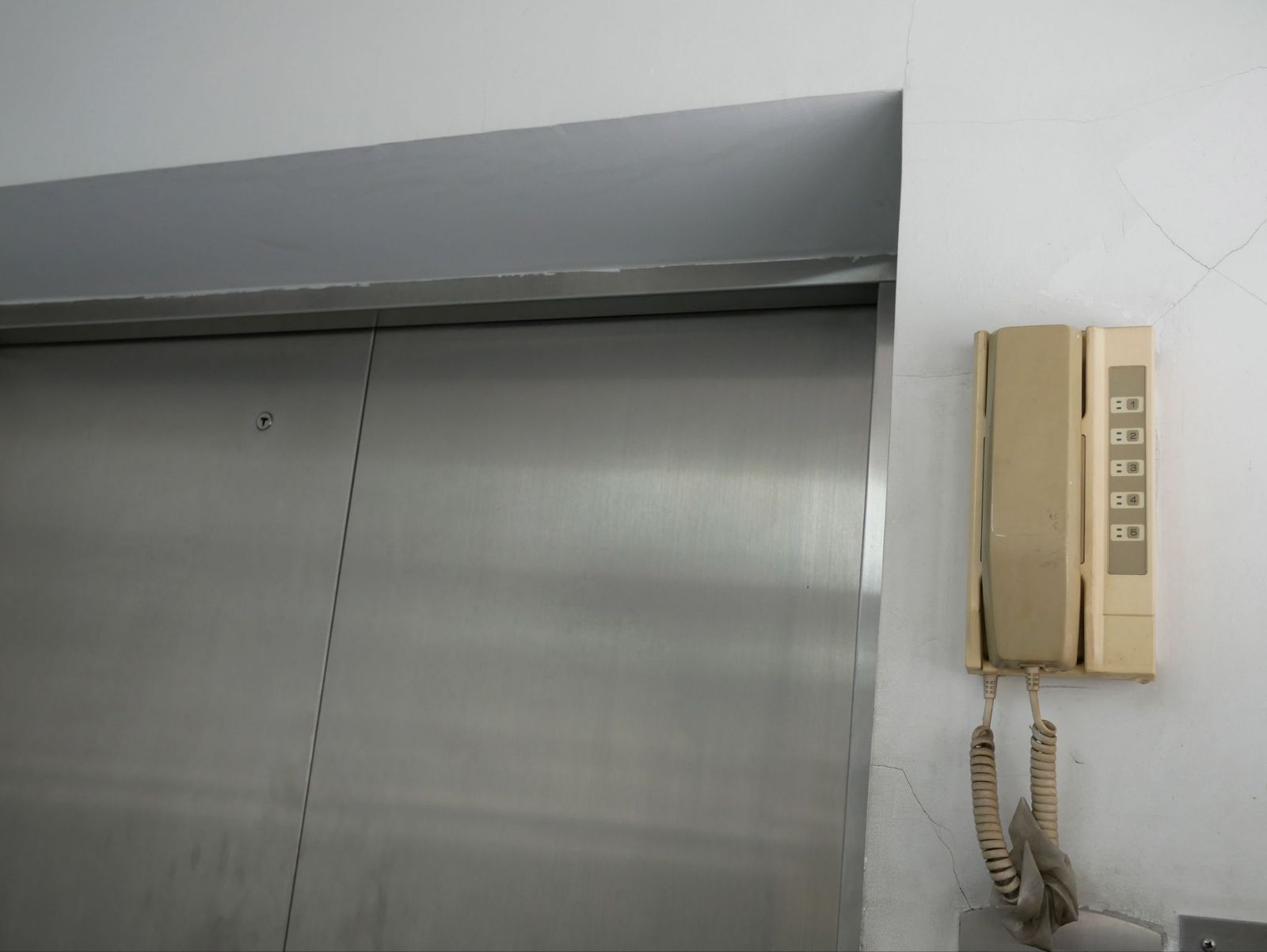
All elevators look pretty much the same. Bigger or smaller, they all look similar, a gray box with a mirror and buttons. But if you pay close attention, you may notice there’s a small round opening near the top of the door.

That opening is a keyhole used by trained maintenance technicians and emergency responders. With a special elevator key, they can manually unlock the landing doors when repairs are needed or if passengers become trapped inside. The system allows professionals to reach the elevator safely without damaging the doors or relying solely on electrical controls. Hopefully, most of us will never need to see it in action. But in an emergency, that tiny opening becomes one of the most important parts of the system.

5

Colored tags on store-bought bread

Image: Towfiqu ahamed barbhuiya

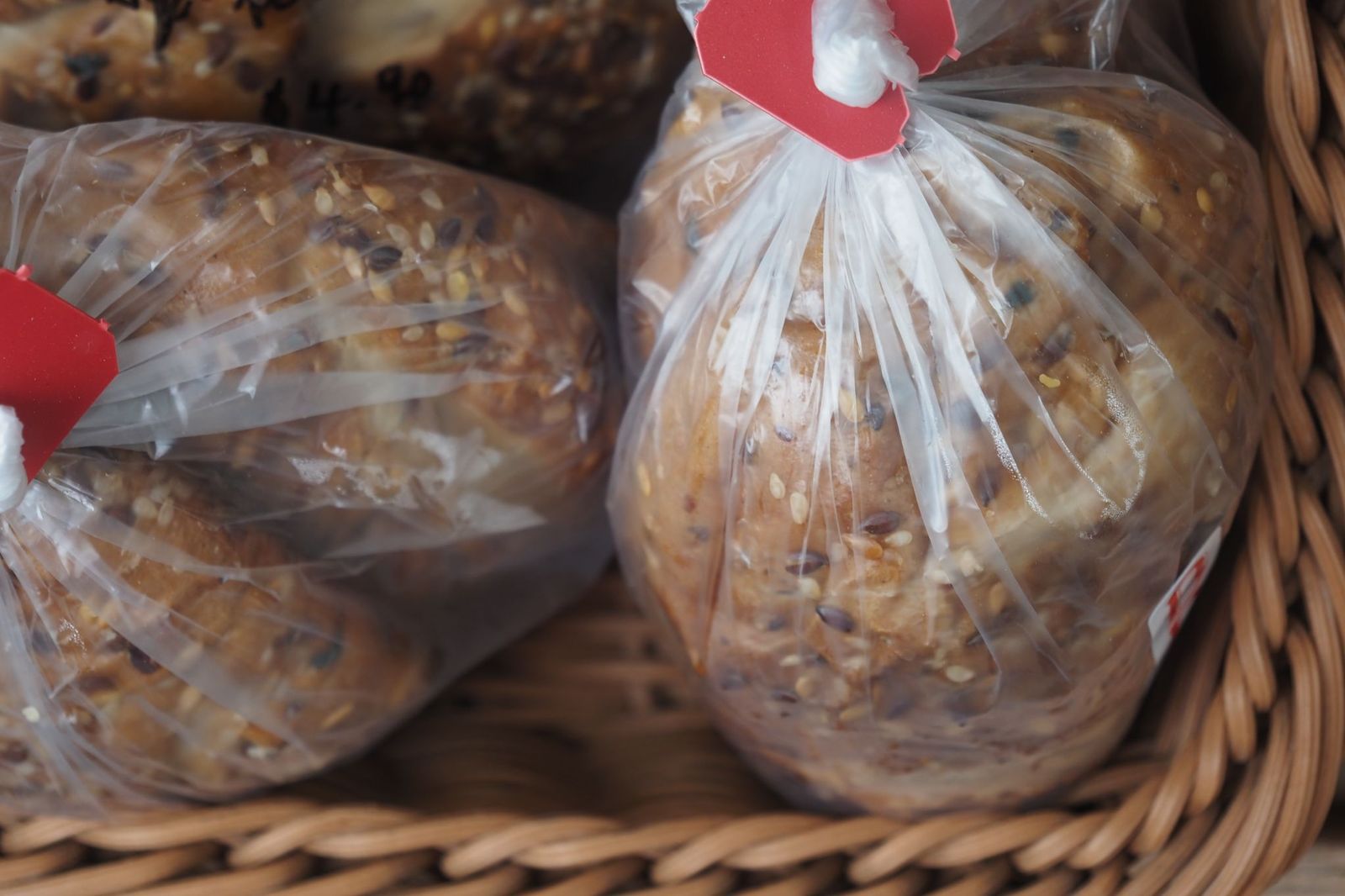
If you’ve ever stood in the bread aisle comparing loaves, you’ve probably noticed the colorful plastic clips or twist ties holding the bags shut. Contrary to what many think, they’re not simply a part of the packaging.

For many bakeries and grocery stores, the colors indicate the day a loaf was delivered or baked. While the exact color schedule can vary between bakeries and regions, employees use the system to quickly spot older inventory and rotate fresher bread to the back of the shelf. That way, customers are more likely to pick up the freshest loaf available.

6

​Tiny pocket on blue jean

Image: triocean

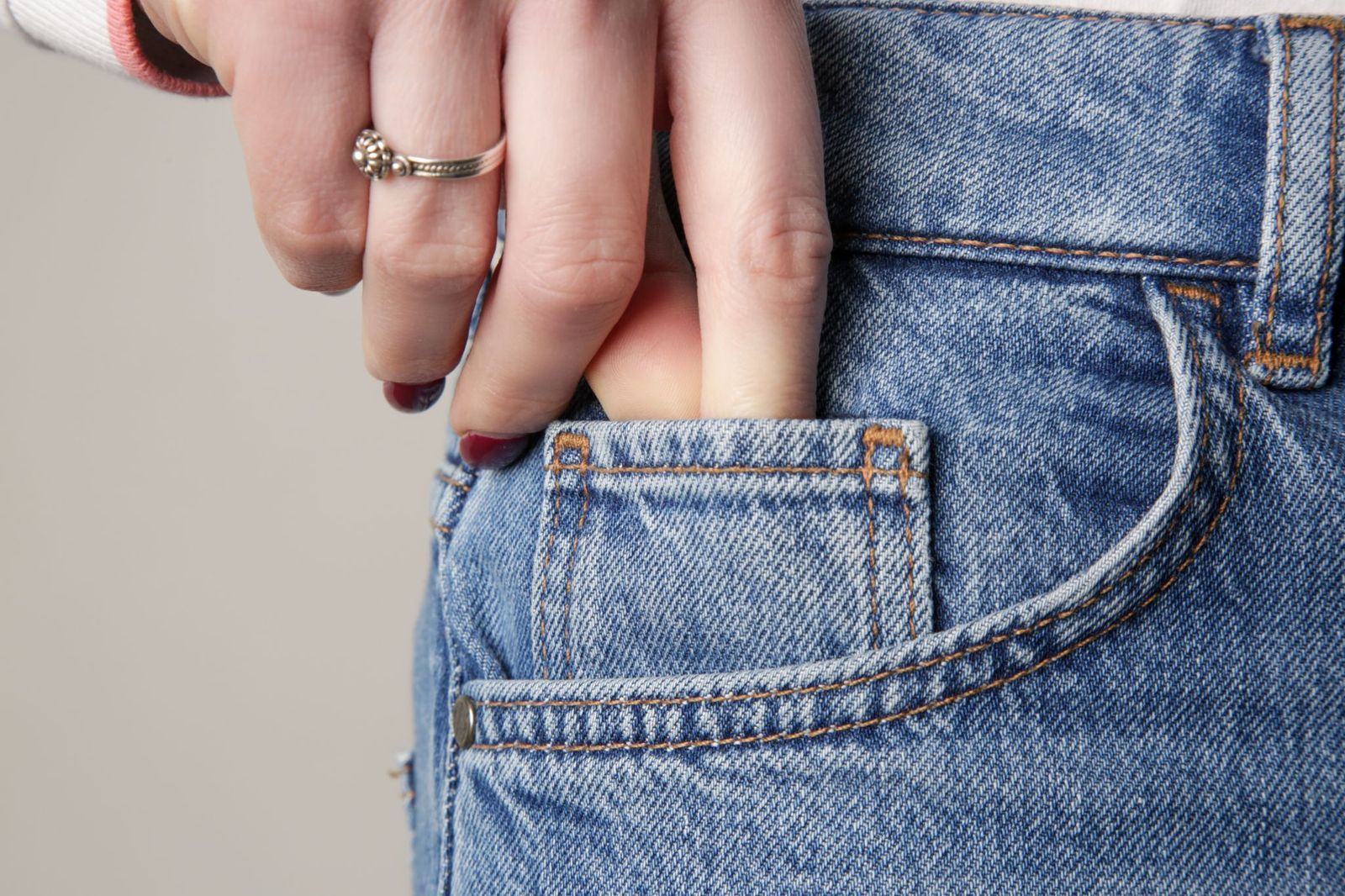
Whether you wear jeans every day or only pull them out for yard work, you’ve probably noticed the tiny extra pocket tucked inside one of the front pockets. It’s too small for a phone and not very useful for loose change, but there’s a reason for it.

Back in the 1800s, when Levi Strauss & Co. created rugged denim pants for miners, ranchers, and cowboys working across the American West, pocket watches were commonplace. Workers needed a safe place to carry their watches while riding horses, so that little pocket was designed specifically to protect the watch from damage. Pocket watches disappeared, but the tiny pocket became such an iconic part of blue jeans that manufacturers have continued including it for well over a century.

7

​Perforations on aluminum wrap boxes

Image: The Image Party

Almost everyone has had the same frustrating experience. You pull on a sheet of aluminum foil, and suddenly the entire roll slides out of the box and lands on the kitchen counter.

That’s exactly why major manufacturers such as Reynolds introduced the small side tabs, known as end locks, in the mid-1990s. By pressing the tabs inward, they hold the cardboard roll in place like built-in axles. This keeps the roll from sliding out of the box, makes it much more stable as you pull, and helps the serrated edge cut a cleaner, straighter sheet. It also reduces waste by preventing the foil from bunching up or tearing unevenly. It’s a simple design, yet useful as it can get.

8

​Hole in pen caps

Image: Konektus Photo

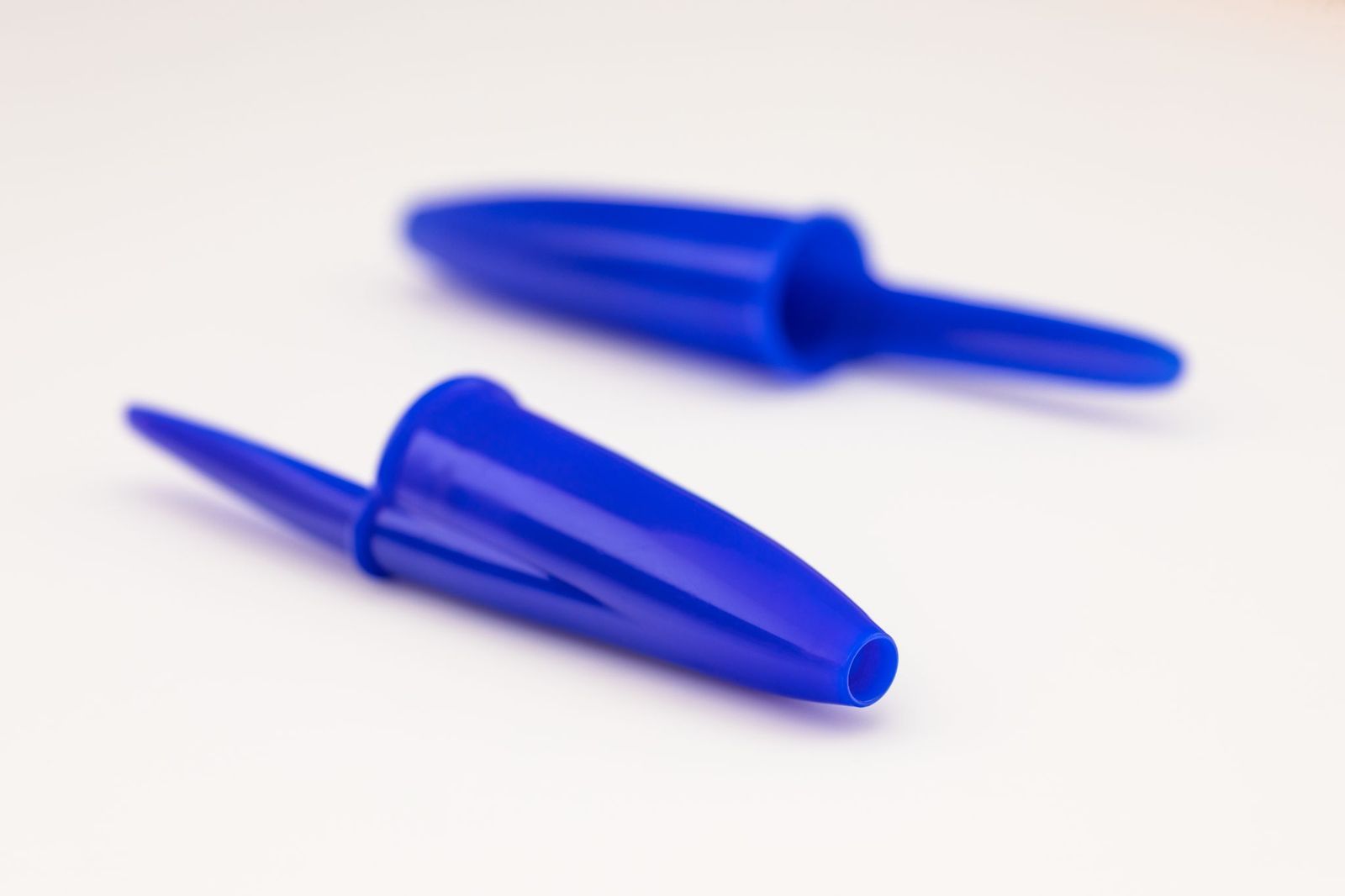
Every household has pens lying around for all kinds of purposes. And most of them have a common feature, a hole in the cap, which isn’t simply part of the design.

BIC and other pen manufacturers included the opening as a safety feature. If someone, especially a child, accidentally swallows a pen cap, the hole can allow a small amount of air to pass through, reducing the risk of complete airway blockage while emergency help is on the way. The design became part of border efforts to improve consumer product safety after choking incidents drew attention to the danger of small plastic objects.

9

​A strawberry attached to a pincushion

Image: Kimberly Hall

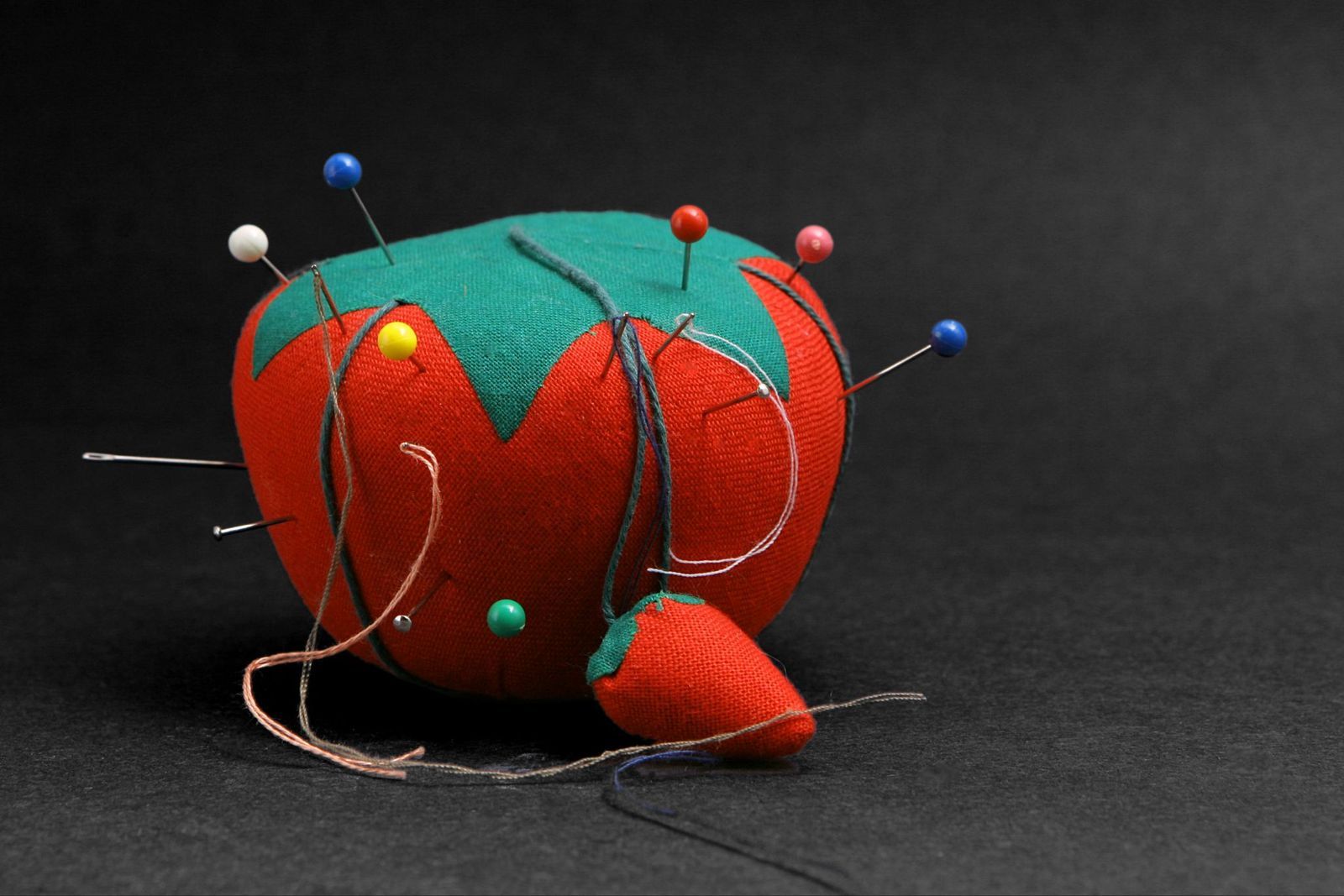
If you grew up sewing or watching somebody do it, you probably remember the classic tomato-shaped pincushion sitting beside the sewing basket. Hanging from it was a tiny red strawberry that looked like nothing more than a cute finishing touch.

In reality, that little strawberry has its own job. Instead of soft stuffing, it’s filled with emery, a gritty material made from crushed abrasive minerals. Running pins and needles through it helps polish away tiny spots of rust, smooth rough edges, and keep the points sharp enough to glide through fabric more easily.

10

​Ridges on the F and J keyboard keys

Image: alexkich

Think back to the first time you learned to type. Maybe it was at work, or on a family computer. Wherever it was, someone probably told you to keep your fingers on the "home row." That’s exactly why the F and J keys have tiny raised ridges.

The bumps let your index fingers find the correct starting position by touch alone, allowing you to type without constantly looking down at the keyboard. The technique, known as "touch typing," is widely credited to American court stenographer Frank Edward McGurrin, who demonstrated it in 1888. As typewriters became more common, manufacturers experimented with different ways to help typists orient their hands, and by the mid-20th century, companies such as IBM standardized the subtly raised plastic bars that remain on nearly every keyboard today.

Looking for an extra scoop of literary fun?

Learn more with our Word of the day

kismet

/ˈkɪzmət/