The art of the grudge

When ambition turns toxic: The 10 most explosive rivalries of all time


Published on April 1, 2026
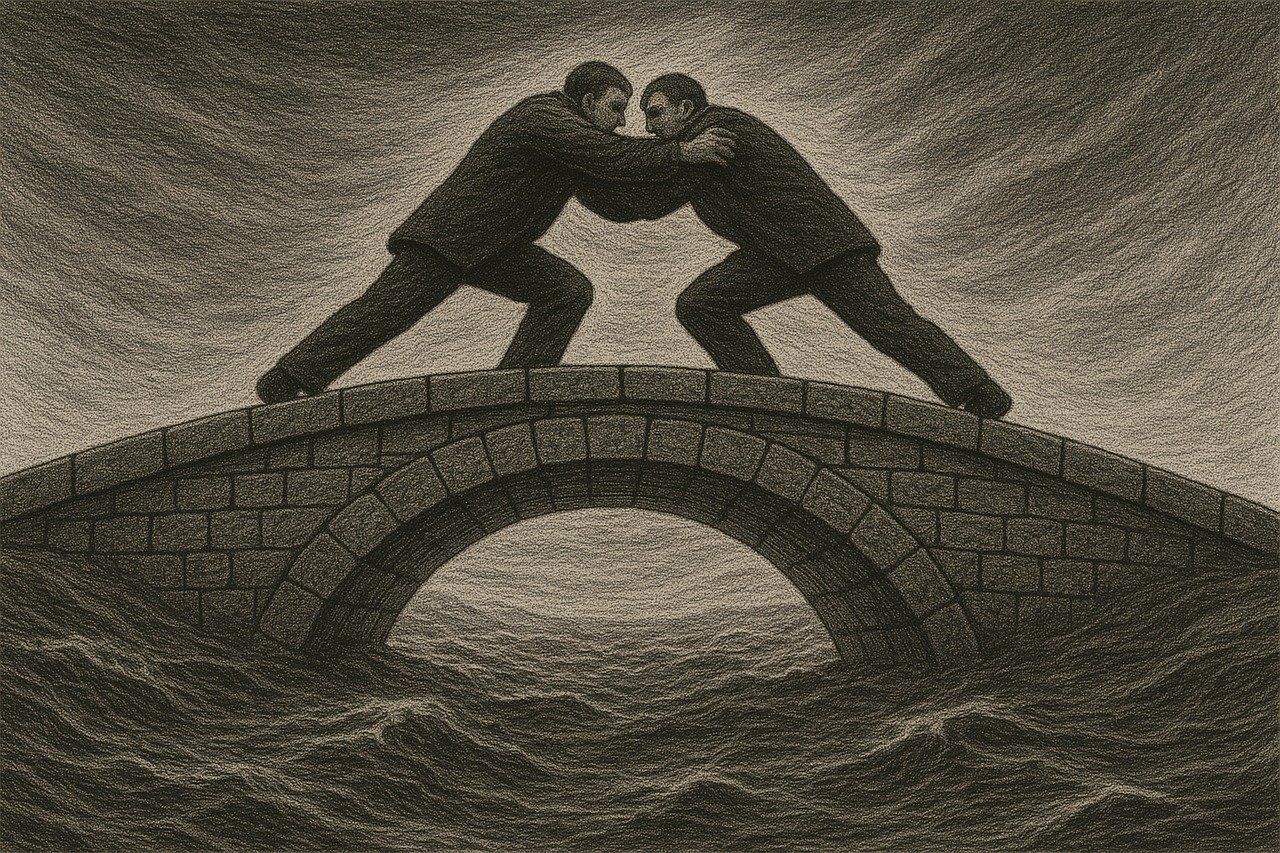

Image: heikohc

History isn’t just a dry timeline of treaties and discoveries; it is a messy, vibrant, and often blood-soaked record of human ego. From the royal courts of England to the film sets of Hollywood, some of the world's most significant progress—and destruction—has been fueled by individuals who simply could not stand one another. Would you like to know more about 10 feuds born of political ambition, sibling rivalry, and corporate greed? Tune in now!

1

The House of York vs. The House of Lancaster
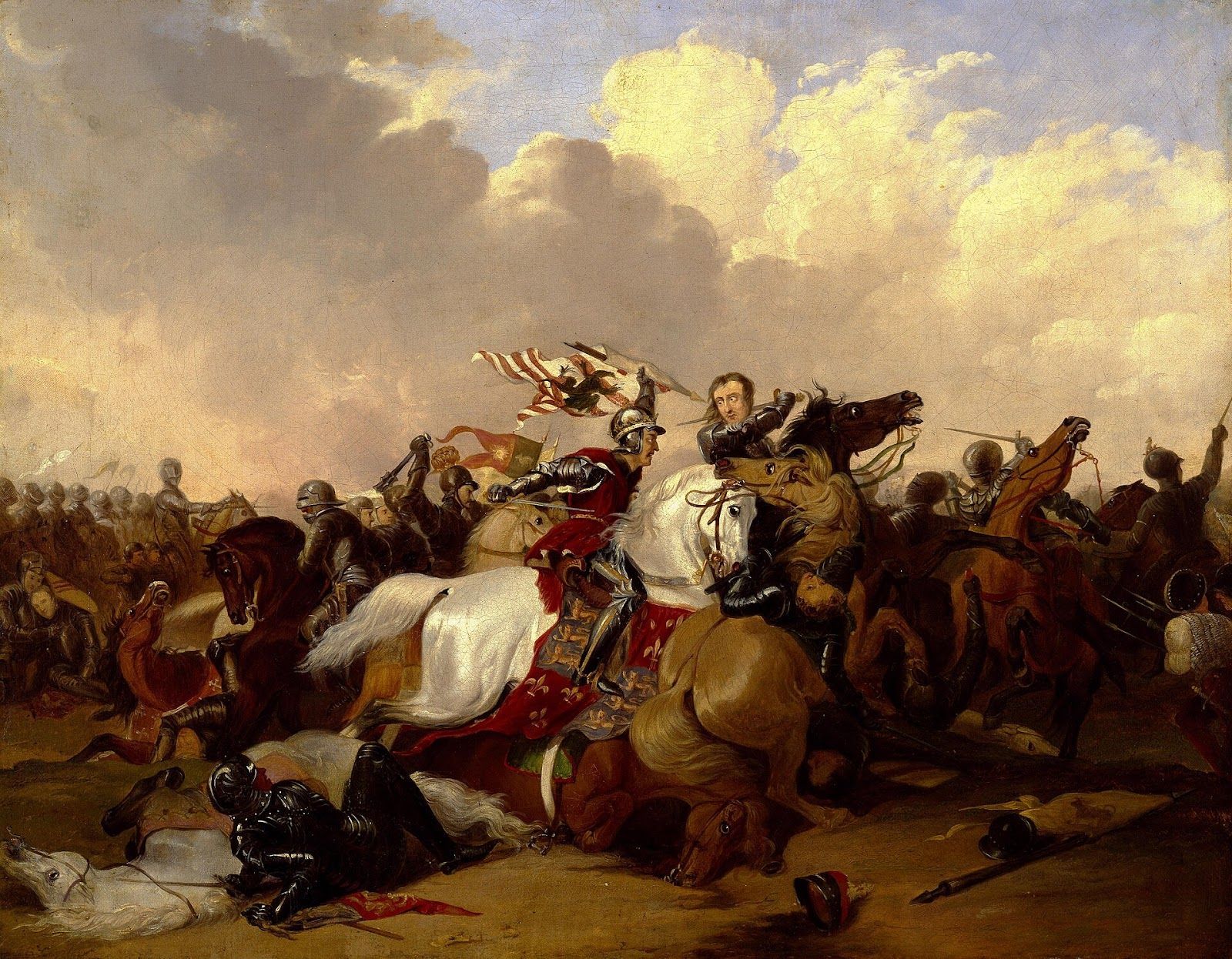
Image: Abraham Cooper, Public domain, via Wikimedia Commons

Way before Game of Thrones became a hit TV show, there was a real-life bloodbath known as the Wars of the Roses. This 15th-century dynastic struggle pitted two branches of the royal House of Plantagenet against each other: the Lancasters (symbolized by a red rose) and the Yorks (a white rose).

For thirty years, the English throne was a revolving door of kings, marked by brutal battles and Shakespearean betrayals. The feud finally ended when Henry Tudor (a Lancaster) defeated Richard III (a York) at Bosworth Field, marrying Elizabeth of York to unite the houses and birth the Tudor dynasty.

2

Alexander Hamilton vs. Aaron Burr

Image: Internet Archive Book Images, Public domain, via Wikimedia Commons

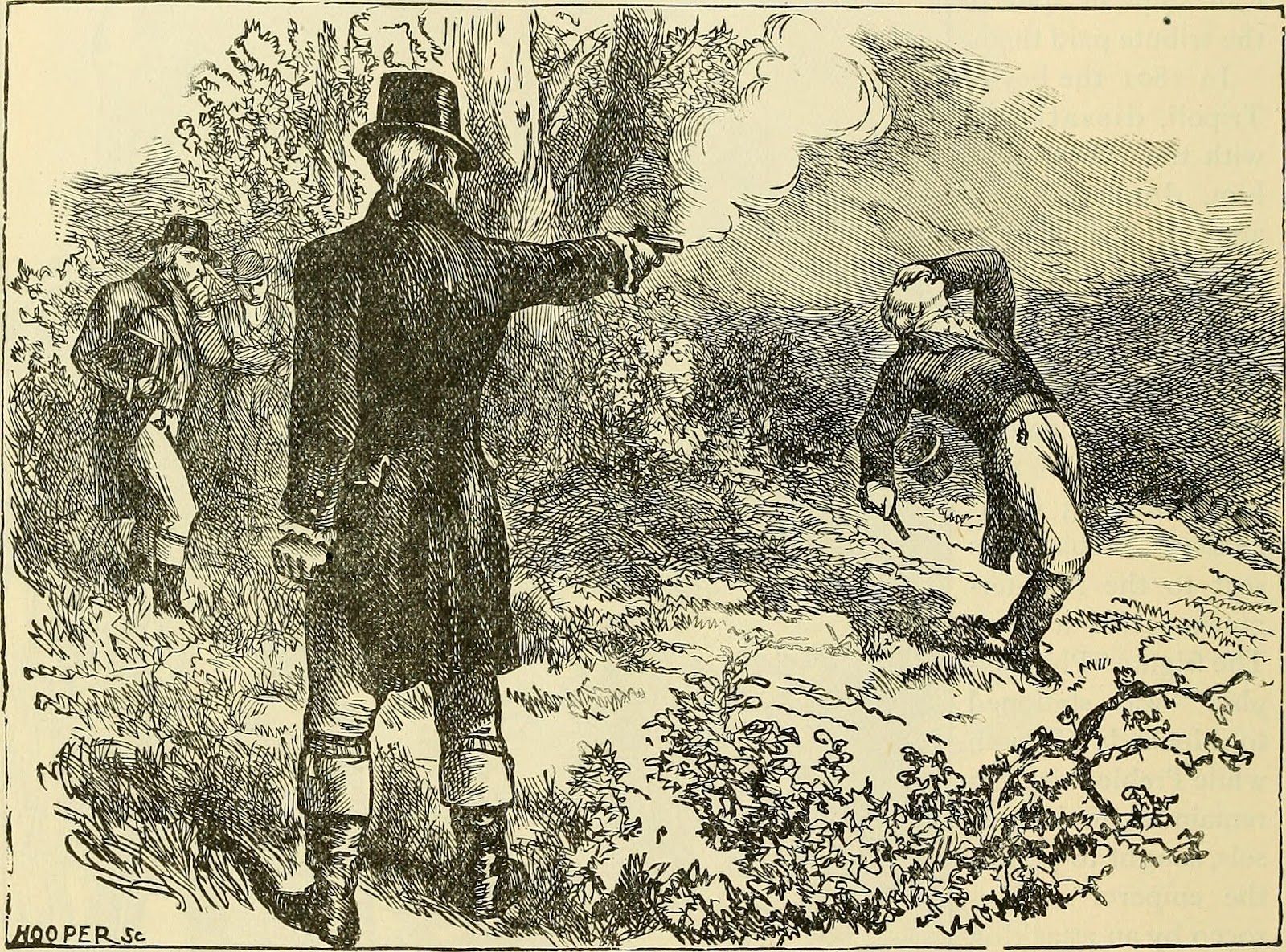
In the early days of the American Republic, politics wasn’t just a war of words, it was a matter of honor. Alexander Hamilton and Aaron Burr were both brilliant, ambitious men, but Hamilton spent years systematically undermining Burr’s career, calling him "dangerous" and "unprincipled."

The tension boiled over after the 1804 New York gubernatorial election. Burr, tired of Hamilton’s constant sabotage, challenged him to a duel. On the heights of Weehawken, New Jersey, Burr fired the shot that ended the life of the First Secretary of the Treasury. While Burr survived, his political reputation never did.

3

Nikola Tesla vs. Thomas Edison

Image: Photographer: Dickenson V. AlleyRestored by Lošmi, Public domain, via Wikimedia Commons

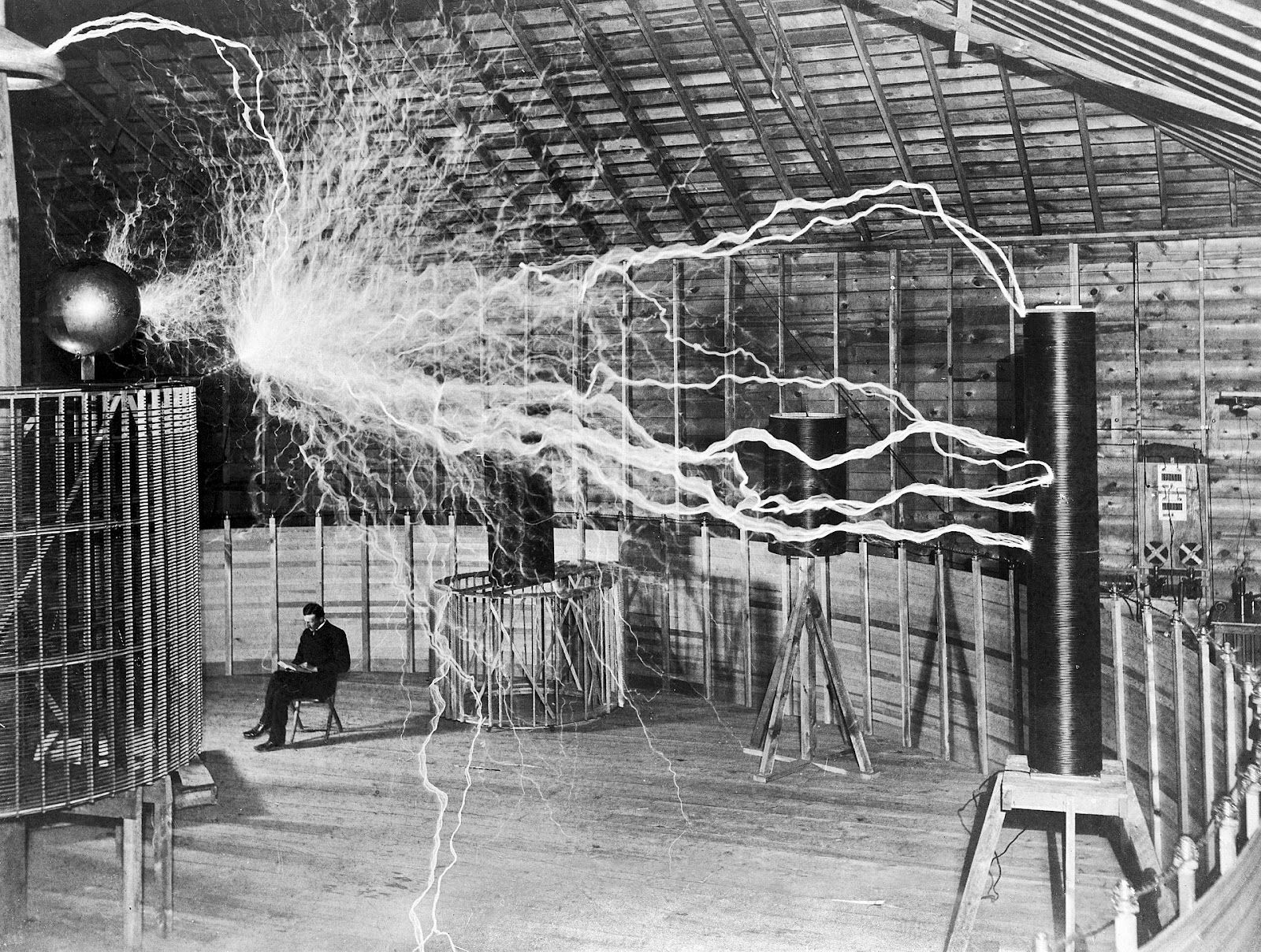
This wasn't just a personal spat, it was ultimately called the War of Currents. Thomas Edison, the "Wizard of Menlo Park," had bet his fortune on Direct Current, while his former employee, the eccentric genius Nikola Tesla, championed Alternating Current.

Edison went to extreme lengths to discredit Tesla and his financier, George Westinghouse, even orchestrating public electrocutions of animals to "prove" Alternating Current was dangerous. However, physics was on Tesla's side. Alternating Current could be transmitted over long distances far more efficiently than Direct Current. Today, when you flip a light switch, you’re seeing the legacy of Tesla’s victory in one of history’s greatest scientific rivalries.

4

The Hatfields vs. The McCoys

Image: Suleman Serwar

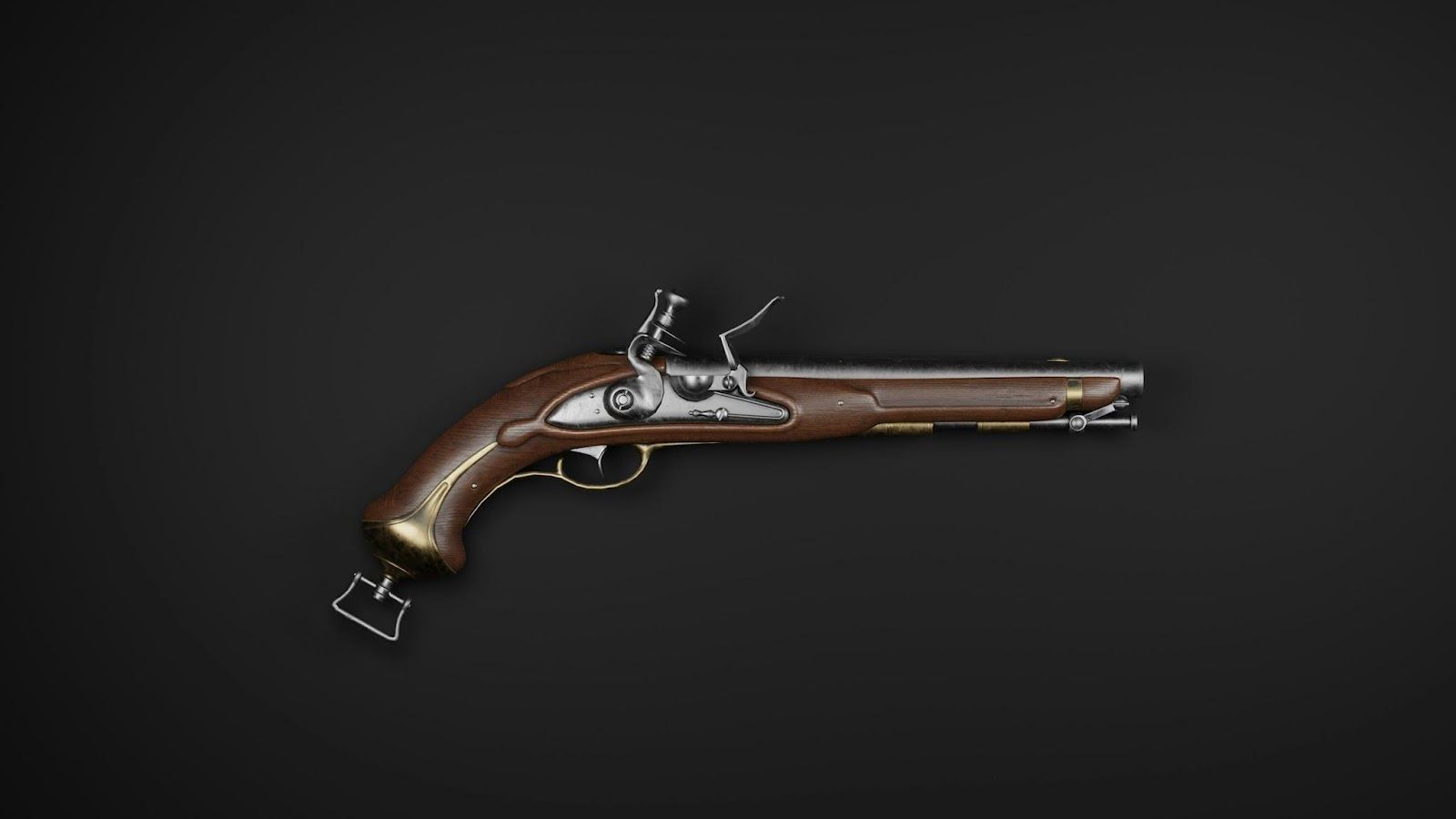
The definitive American family feud took place in the Appalachian backcountry along the West Virginia-Kentucky border. What started as a lingering bitterness from the Civil War and a dispute over a stolen pig spiraled into a decade of surprise attacks, arson, and murder.

By the time the violence peaked in the 1888 "New Year’s Massacre," dozens had been killed or imprisoned. It took over a century for the families to officially sign a truce, proving that some grudges are written into the very DNA of a community.

5

Joseph Pulitzer vs. William Randolph Hearst
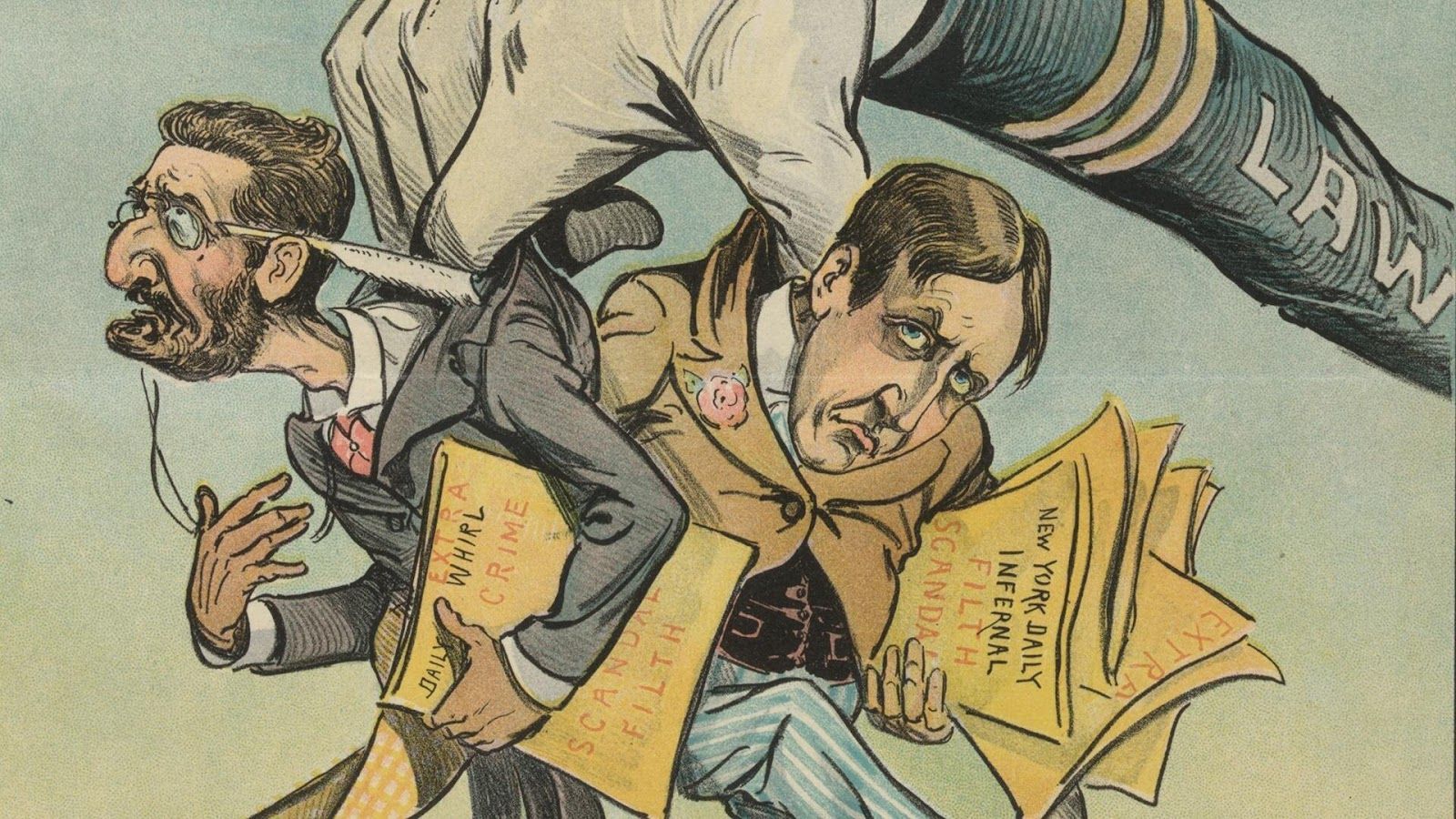
Image: Uploader Hasanov Jasurbek, Public domain, via Wikimedia Commons

In the late 1890s, the battle for the attention of New Yorkers gave birth to Yellow Journalism. Joseph Pulitzer (New York World) and William Randolph Hearst (New York Journal) competed to see who could print the most sensational, lurid, and often fabricated headlines.

Yet, this seemingly frivolous feud actually had geopolitical consequences. Both men used their papers to drum up pro-war sentiment during the Spanish-American War to boost circulation. Their race to the bottom changed the media landscape forever, teaching us that when news becomes a weapon in a personal rivalry, truth is usually the first casualty.

6

Bette Davis vs. Joan Crawford

Image: Warner Bros. Studios, Public domain, via Wikimedia Commons

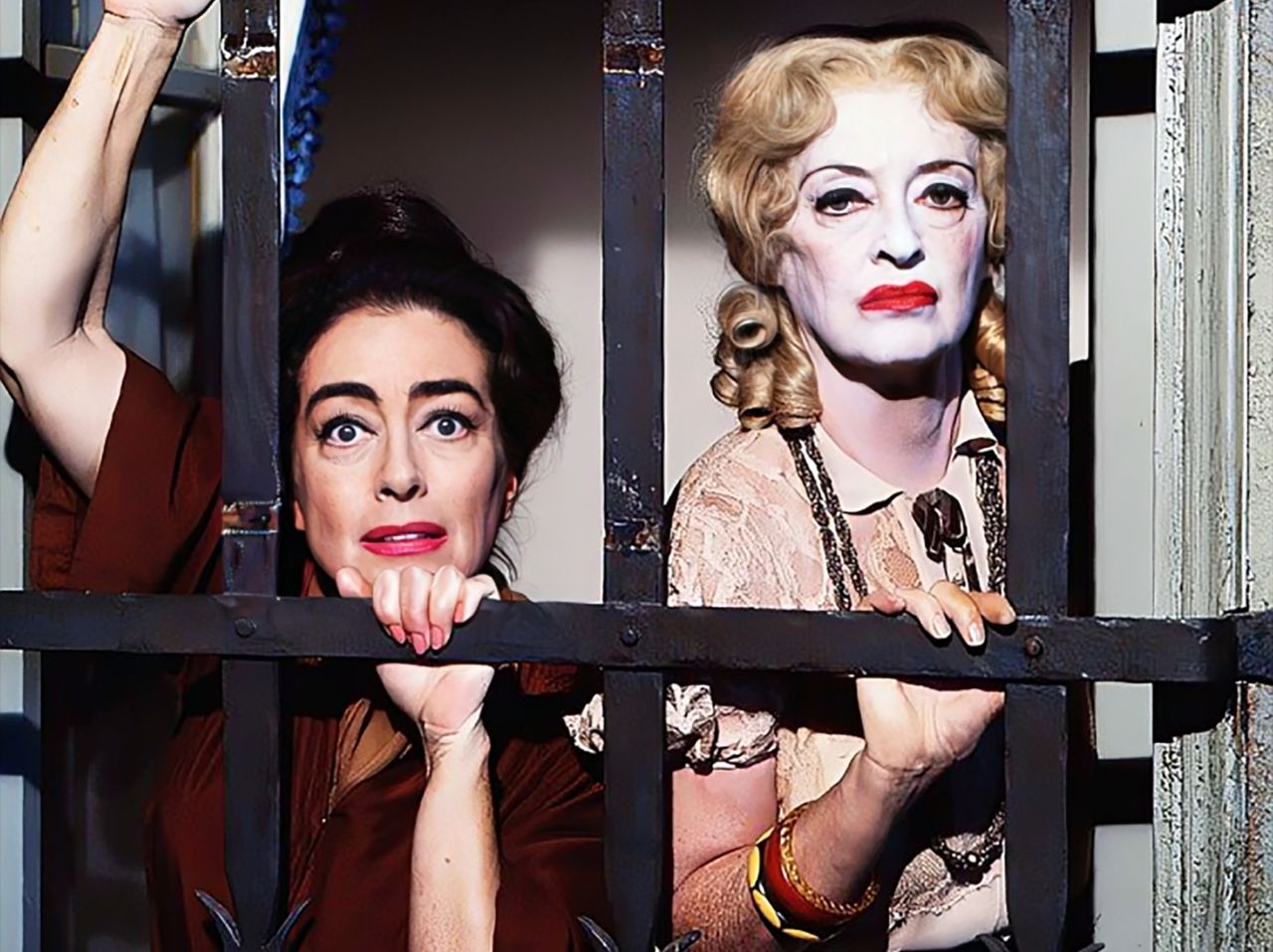
Hollywood’s most legendary "mean girl" feud was a masterclass in professional sabotage. These two powerhouse actresses spent decades trading insults and competing for roles. Their rivalry was so famous that it was leveraged for the 1962 film What Ever Happened to Baby Jane?

On set, Crawford reportedly put weights in her pockets during a scene where Davis had to drag her, just to hurt Davis's back. When Davis was nominated for an Oscar for the film, and Crawford wasn't, Crawford contacted the other nominees and offered to accept the award on their behalf if they won, which she did, just to spite Davis.

7

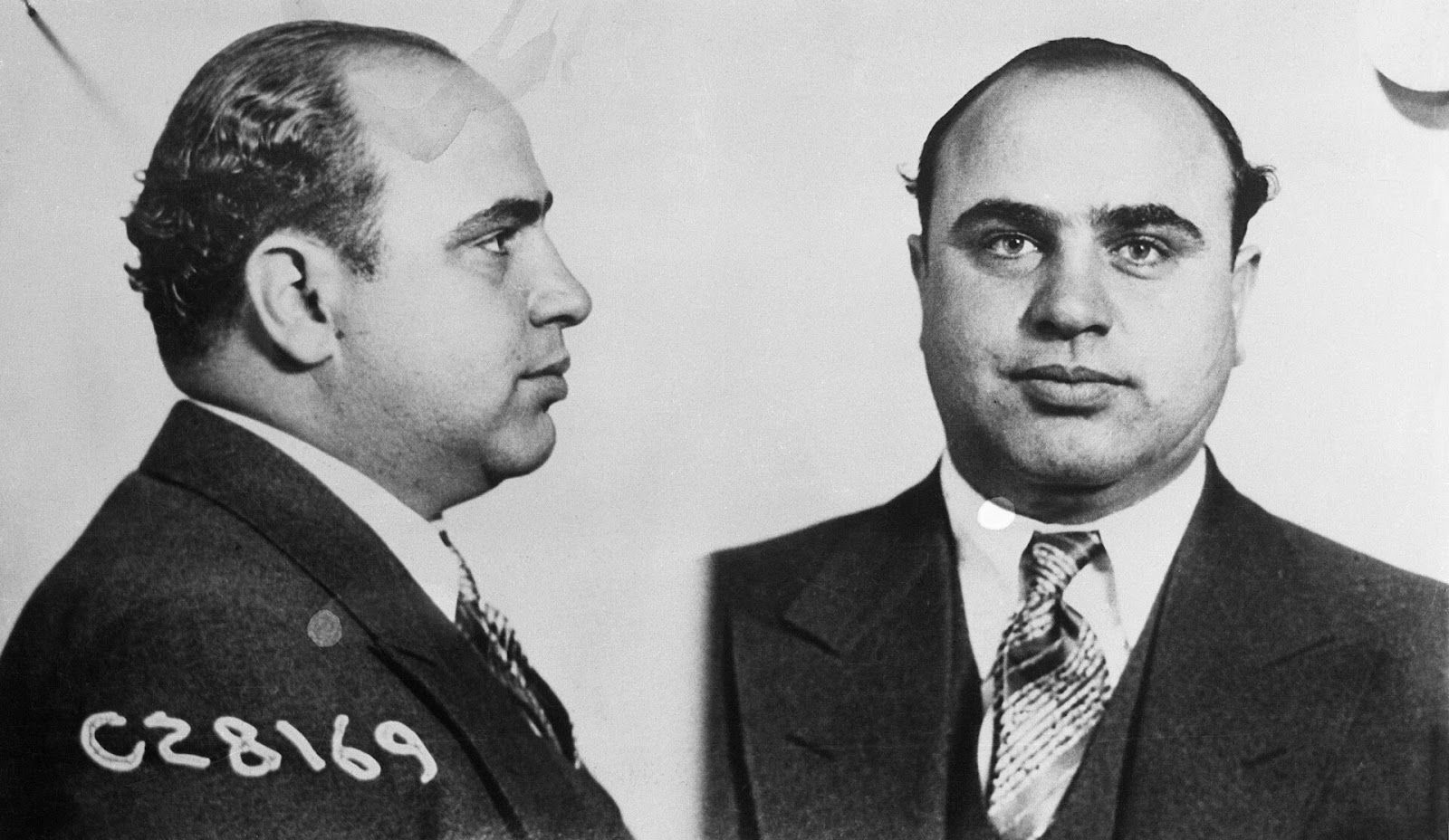
Al Capone vs. George "Bugs" Moran

Image: United States Bureau of Prisons, Public domain, via Wikimedia Commons

Prohibition-era Chicago was a chessboard, and Capone and Moran were the two most violent players. Capone’s Italian "Chicago Outfit" and Moran’s "North Side Gang" fought a bloody turf war for control of the city’s illegal booze trade.

The feud reached its horrific climax on February 14, 1929, with the St. Valentine’s Day Massacre, where Capone’s men, dressed as police, gunned down seven of Moran’s associates. Moran famously remarked, "Only Capone kills like that." Though Moran escaped the massacre, the event effectively broke his power and marked the beginning of the end for the gangland wars of the 1920s.

8

The Dassler Brothers (Adidas vs. Puma)
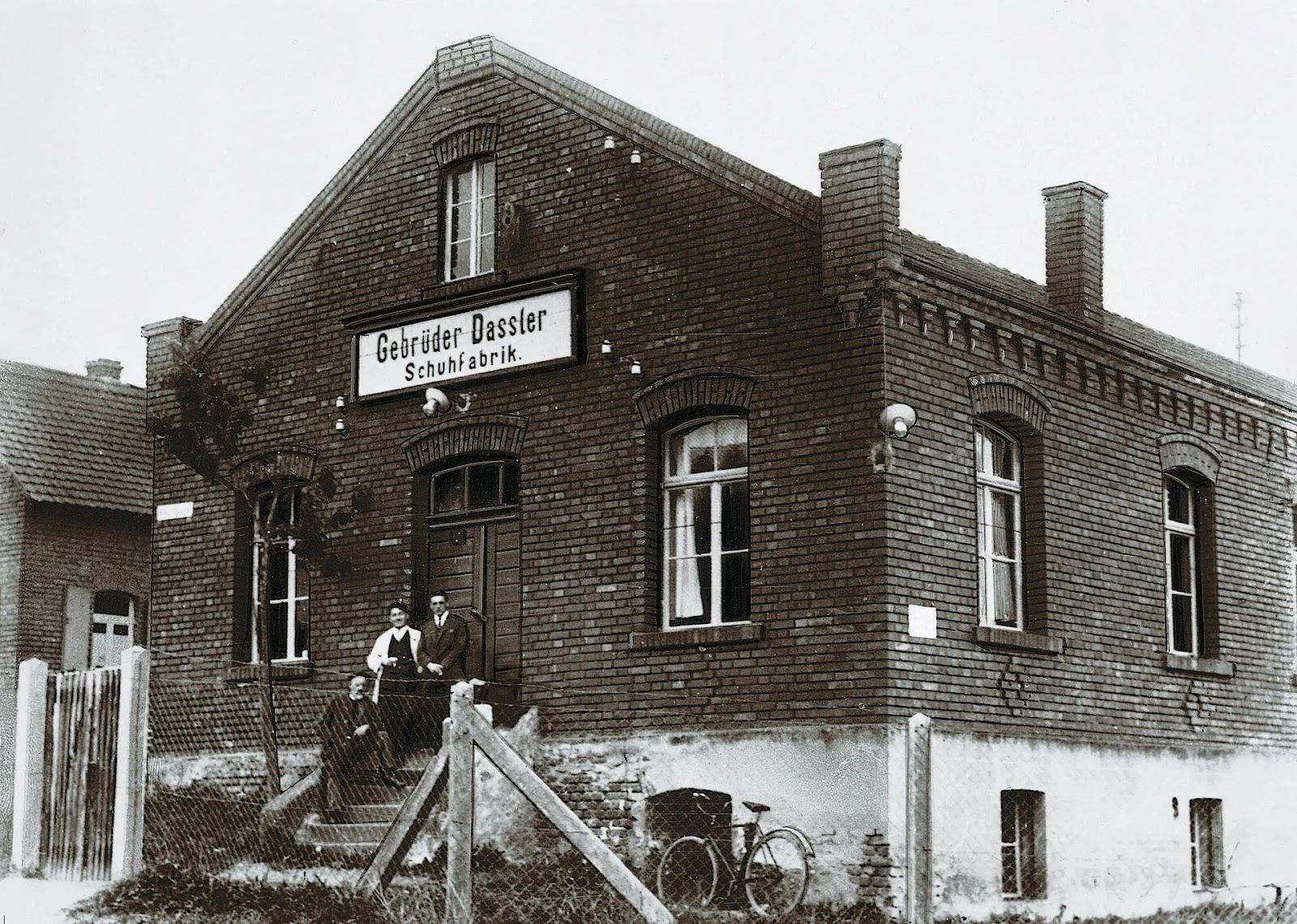
Image: Here, Public domain, via Wikimedia Commons

You might recognize these as sportswear giants, but they began as a bitter rift between two brothers, Adolf ("Adi") and Rudolf ("Rudi") Dassler. After a mysterious fallout during WWII—legend says it involved a misunderstood comment in a bomb shelter—the brothers split their shoe company in 1948.

Adi formed Adidas, and Rudi formed Puma. The feud divided their hometown of Herzogenaurach so deeply that it became known as "the town of bent necks," because residents would look at a person’s shoes before deciding whether to speak to them. The brothers were buried at opposite ends of the local cemetery, never having reconciled.

9

Ernest Hemingway vs. F. Scott Fitzgerald
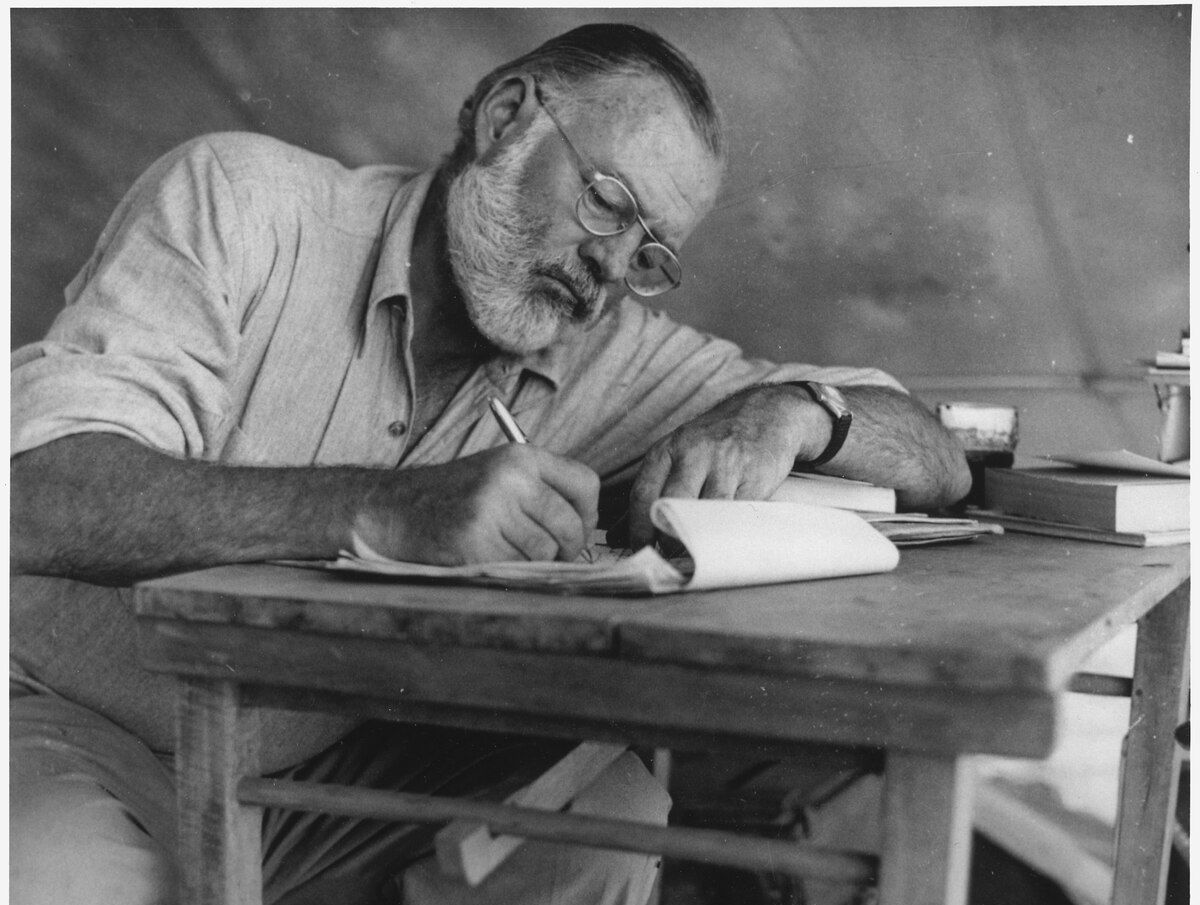
Image: National Archives and Records Administration, Public domain, via Wikimedia Commons

The two titans of "The Lost Generation" started as friends, but their relationship devolved into a toxic mix of jealousy and judgment. Hemingway, who prized masculine"stoicism, mocked Fitzgerald for his perceived weakness and his turbulent marriage to Zelda.

In his memoir A Moveable Feast, Hemingway took several posthumous jabs at Fitzgerald’s character and talent. Fitzgerald, meanwhile, was both awed and intimidated by Hemingway’s success. It was a rivalry of the pen where mutual admiration was eventually smothered by the crushing weight of their respective egos.

10

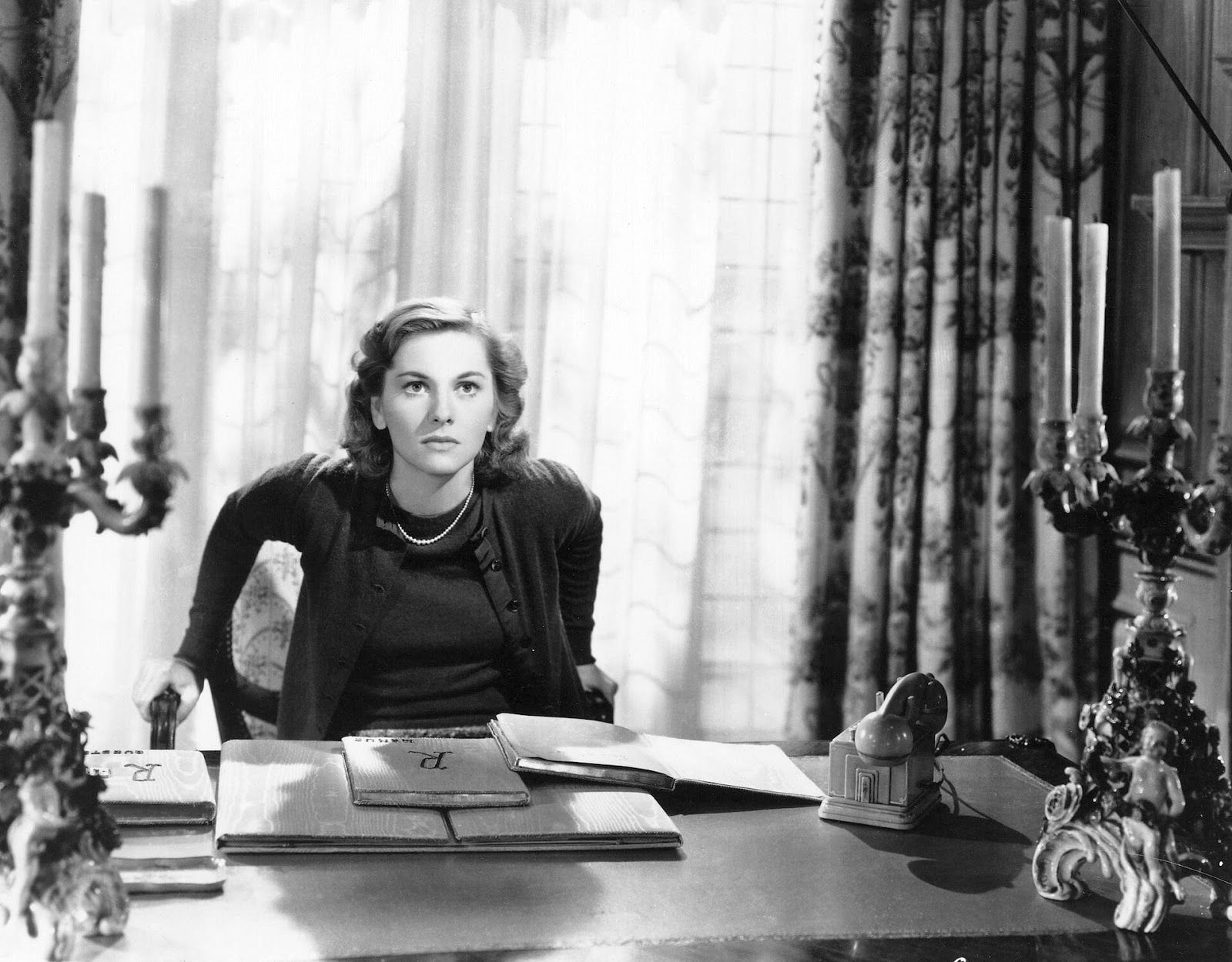
Olivia de Havilland vs. Joan Fontaine

Image: Macfadden Publications, Inc.; Selznick International Pictures, United Artists, Public domain, via Wikimedia Commons

The only thing more intense than a professional feud is a sibling one. These two Oscar-winning sisters didn't speak for the last 38 years of Fontaine’s life. The friction began in childhood but went nuclear when they were both nominated for Best Actress in 1942.

Fontaine won, and when de Havilland later won her own Oscar, she famously snubbed Fontaine’s attempt to congratulate her backstage. They disagreed on everything from their mother's medical care to who deserved the most fame. It remains the most enduring and frosty sibling rivalry in the history of the arts.



Secret uses

There’s a hidden microphone in your phone, and here’s where it is


Published on April 1, 2026


Image: Inside Creative House

You’ve probably twisted a bread bag closed, filled up your car, or pulled a sheet of aluminum foil from the box thousands of times without giving it a second thought. But many of the everyday objects we’ve used for decades have clever features that most people never notice. From the tiny pocket on blue jeans to the little arrow next to your gas gauge, these hidden designs have practical stories behind them, and once you know them, you’ll never look at these familiar items the same way again.

1

​Dot next to the iPhone camera

Image: DenPhotos

If you own an iPhone, you’ve probably noticed the tiny black dot next to the rear camera. It’s small, so people tend to assume it’s another camera sensor or even part of the phone’s design. The small hole found near the camera bump on every iPhone is actually a rear microphone.

It captures clearer audio when you’re recording videos and helps reduce background noise during FaceTime and regular phone calls. If you own an iPhone Pro model from the iPhone 12 Pro onward, you'll also see a larger dark circle. That’s the LiDAR scanner, which sends out invisible infrared light to create a 3D map of your surroundings. It helps the camera focus faster in low light, powers Apple’s Measure app, and makes augmented reality features much more accurate.

2

​Indent on the bottom of wine bottles

Image: tartaphotography

Whether it's a holiday dinner, an anniversary, or simply a nice meal with friends, you’ve probably held a wine bottle and noticed the deep indentation in the bottom. Many people tend to think the deeper the indent, the fancier the bottle.

That indentation is called a punt, and it’s been a part of the bottle-making for centuries. Originally, it helped strengthen hand-blown glass bottles, making them less likely to crack under pressure. Today, it still adds structural stability, particularly for sparkling wines, while also giving servers a comfortable place to rest their thumb when pouring, though some say it helps collect the sediment as wines age. In any case, a deeper pun doesn’t automatically mean a better or more expensive bottle.

3

​Dashboard gas gauge arrow

Image: happycreator

Almost every driver has experienced that awkward moment at the gas station. You pull up to the pump, step out of the car, and suddenly realize the fuel door is on the opposite side.

To help prevent exactly that situation, many modern vehicles include a small arrow next to the gas pump symbol on the dashboard’s fuel gauge. The arrow points towards the side of the vehicle where the fuel filler door is located. It’s a small detail on the dashboard, yet once you notice it, you’ll never have to circle the pump again.

4

​Tiny hole outside an elevator door

Image: chanonnat srisura

All elevators look pretty much the same. Bigger or smaller, they all look similar, a gray box with a mirror and buttons. But if you pay close attention, you may notice there’s a small round opening near the top of the door.

That opening is a keyhole used by trained maintenance technicians and emergency responders. With a special elevator key, they can manually unlock the landing doors when repairs are needed or if passengers become trapped inside. The system allows professionals to reach the elevator safely without damaging the doors or relying solely on electrical controls. Hopefully, most of us will never need to see it in action. But in an emergency, that tiny opening becomes one of the most important parts of the system.

5

Colored tags on store-bought bread

Image: Towfiqu ahamed barbhuiya

If you’ve ever stood in the bread aisle comparing loaves, you’ve probably noticed the colorful plastic clips or twist ties holding the bags shut. Contrary to what many think, they’re not simply a part of the packaging.

For many bakeries and grocery stores, the colors indicate the day a loaf was delivered or baked. While the exact color schedule can vary between bakeries and regions, employees use the system to quickly spot older inventory and rotate fresher bread to the back of the shelf. That way, customers are more likely to pick up the freshest loaf available.

6

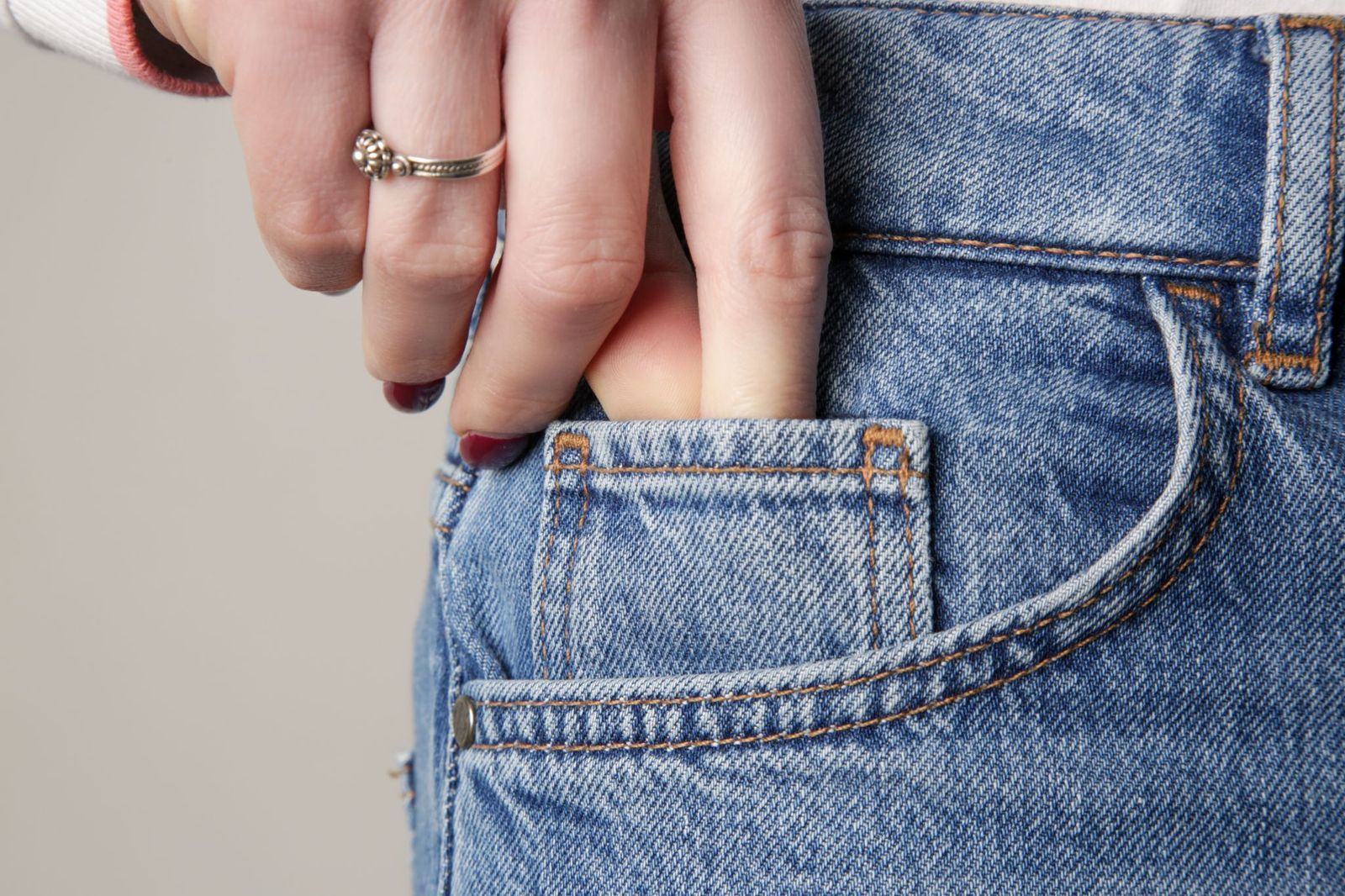
​Tiny pocket on blue jean

Image: triocean

Whether you wear jeans every day or only pull them out for yard work, you’ve probably noticed the tiny extra pocket tucked inside one of the front pockets. It’s too small for a phone and not very useful for loose change, but there’s a reason for it.

Back in the 1800s, when Levi Strauss & Co. created rugged denim pants for miners, ranchers, and cowboys working across the American West, pocket watches were commonplace. Workers needed a safe place to carry their watches while riding horses, so that little pocket was designed specifically to protect the watch from damage. Pocket watches disappeared, but the tiny pocket became such an iconic part of blue jeans that manufacturers have continued including it for well over a century.

7

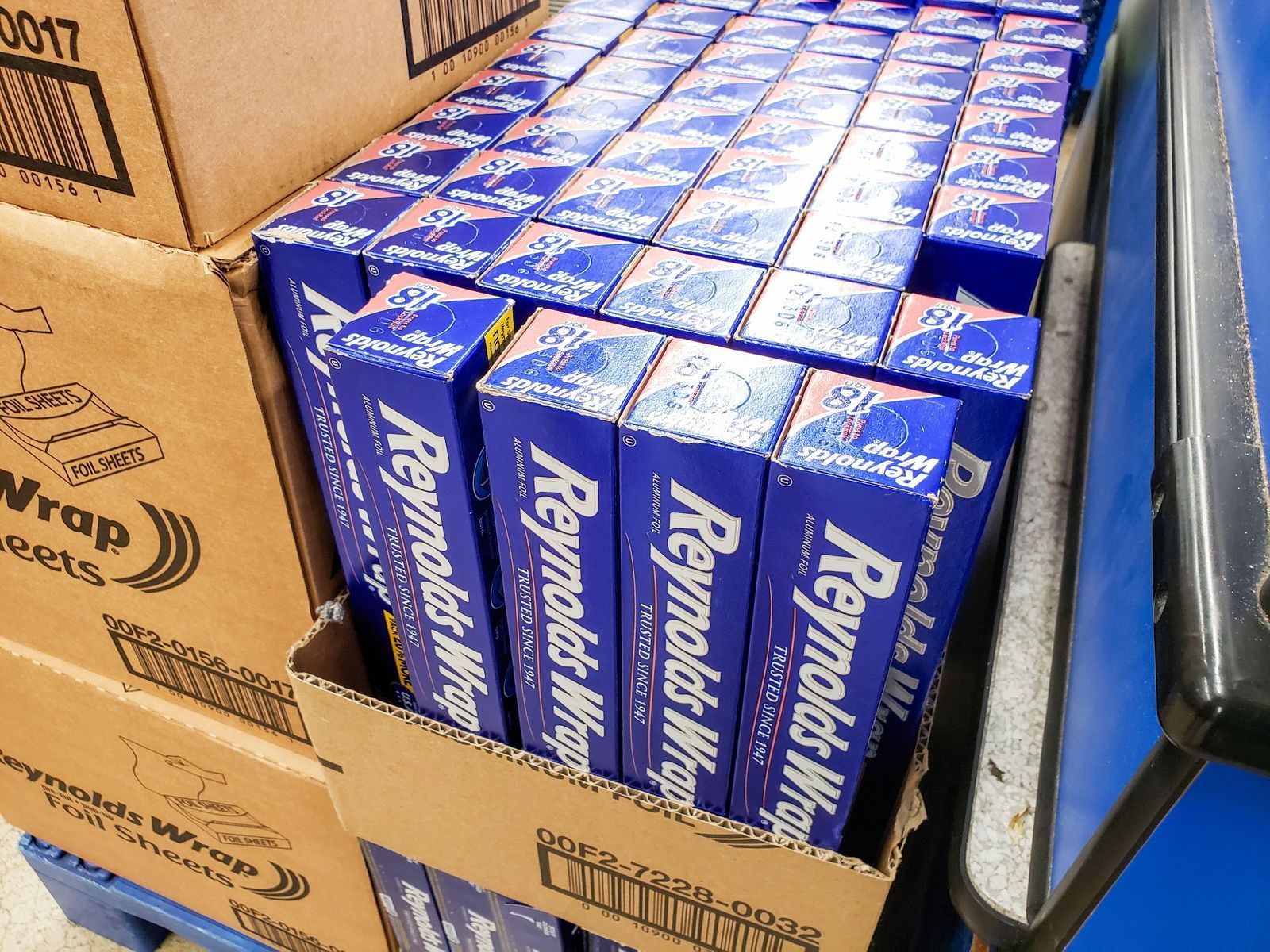
​Perforations on aluminum wrap boxes

Image: The Image Party

Almost everyone has had the same frustrating experience. You pull on a sheet of aluminum foil, and suddenly the entire roll slides out of the box and lands on the kitchen counter.

That’s exactly why major manufacturers such as Reynolds introduced the small side tabs, known as end locks, in the mid-1990s. By pressing the tabs inward, they hold the cardboard roll in place like built-in axles. This keeps the roll from sliding out of the box, makes it much more stable as you pull, and helps the serrated edge cut a cleaner, straighter sheet. It also reduces waste by preventing the foil from bunching up or tearing unevenly. It’s a simple design, yet useful as it can get.

8

​Hole in pen caps

Image: Konektus Photo

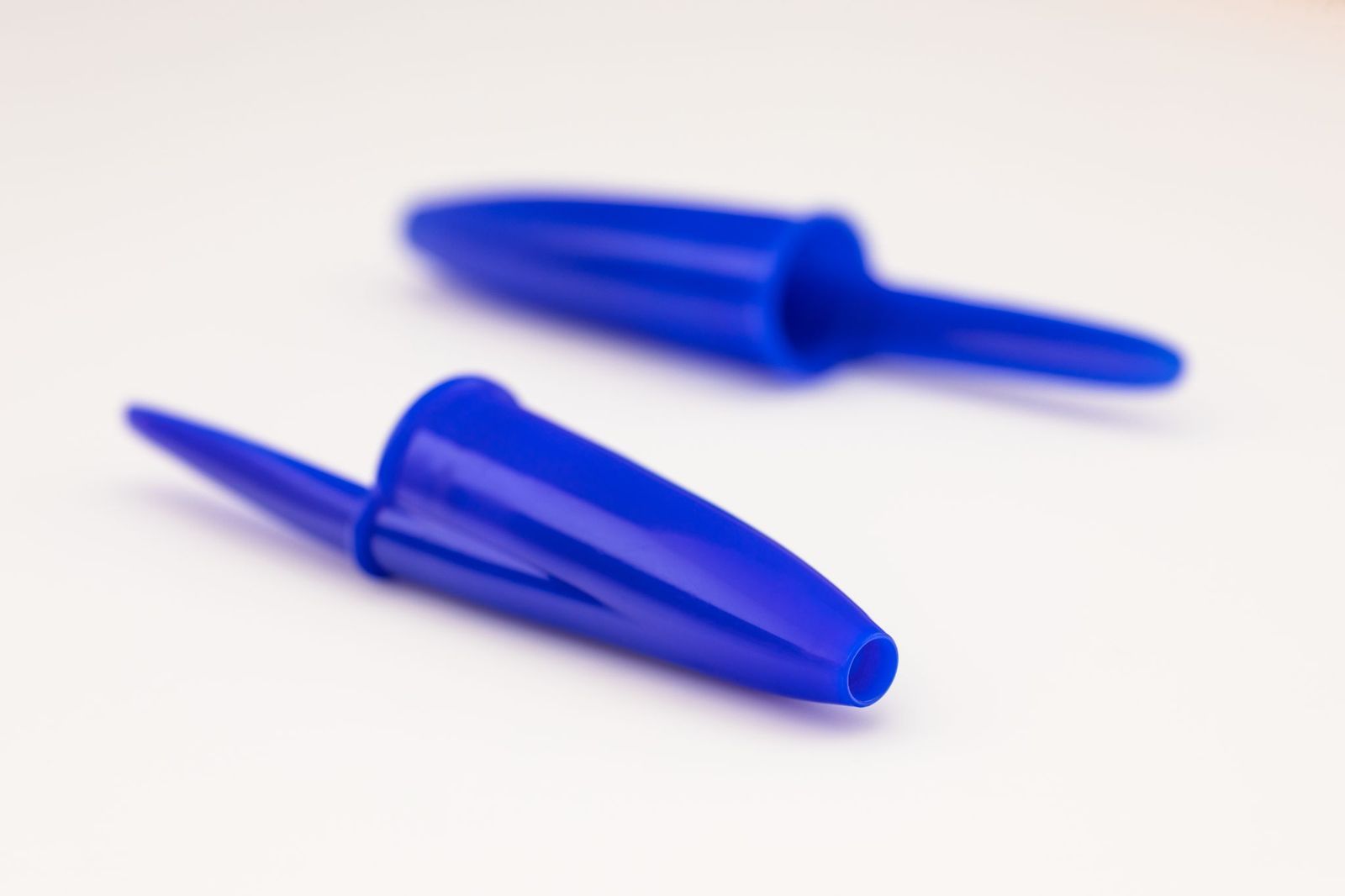
Every household has pens lying around for all kinds of purposes. And most of them have a common feature, a hole in the cap, which isn’t simply part of the design.

BIC and other pen manufacturers included the opening as a safety feature. If someone, especially a child, accidentally swallows a pen cap, the hole can allow a small amount of air to pass through, reducing the risk of complete airway blockage while emergency help is on the way. The design became part of border efforts to improve consumer product safety after choking incidents drew attention to the danger of small plastic objects.

9

​A strawberry attached to a pincushion

Image: Kimberly Hall

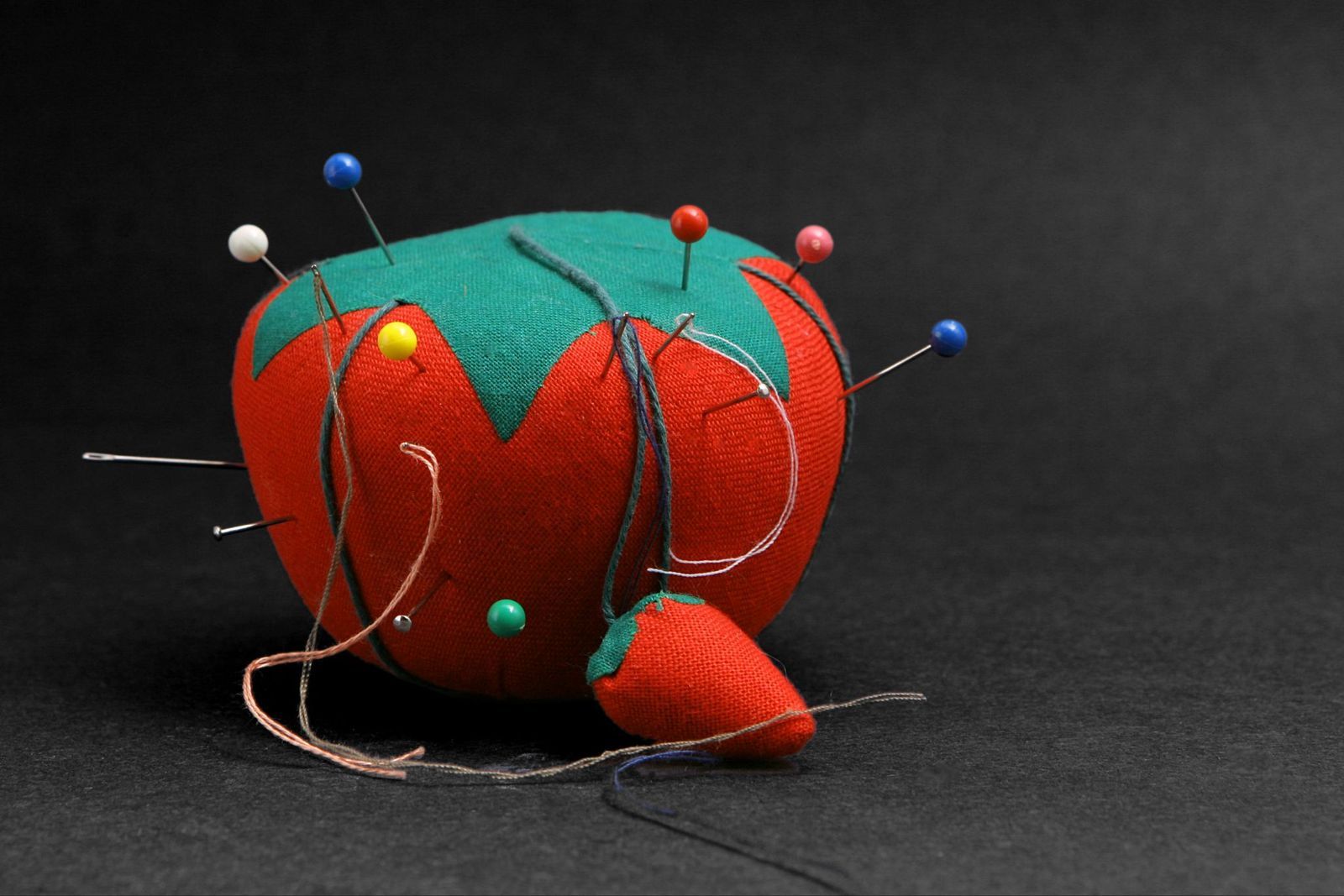
If you grew up sewing or watching somebody do it, you probably remember the classic tomato-shaped pincushion sitting beside the sewing basket. Hanging from it was a tiny red strawberry that looked like nothing more than a cute finishing touch.

In reality, that little strawberry has its own job. Instead of soft stuffing, it’s filled with emery, a gritty material made from crushed abrasive minerals. Running pins and needles through it helps polish away tiny spots of rust, smooth rough edges, and keep the points sharp enough to glide through fabric more easily.

10

​Ridges on the F and J keyboard keys

Image: alexkich

Think back to the first time you learned to type. Maybe it was at work, or on a family computer. Wherever it was, someone probably told you to keep your fingers on the "home row." That’s exactly why the F and J keys have tiny raised ridges.

The bumps let your index fingers find the correct starting position by touch alone, allowing you to type without constantly looking down at the keyboard. The technique, known as "touch typing," is widely credited to American court stenographer Frank Edward McGurrin, who demonstrated it in 1888. As typewriters became more common, manufacturers experimented with different ways to help typists orient their hands, and by the mid-20th century, companies such as IBM standardized the subtly raised plastic bars that remain on nearly every keyboard today.

Looking for an extra scoop of literary fun?

Learn more with our Word of the day

cumulative

/ˈkjumjələdɪv/