Delicious words!

Learn why nuts are crazy and the meaning of 11 other food terms


Published on March 31, 2026


Image: Rumman Amin

Our language loves to borrow from the dinner table. Many everyday words that sound delicious once referred only to food but have since taken on entirely new meanings. Think of "salty" moods or "cheesy" jokes, how did these expressions come to describe emotions or humor? Take a look at 12 of these idioms and see for yourself!

1

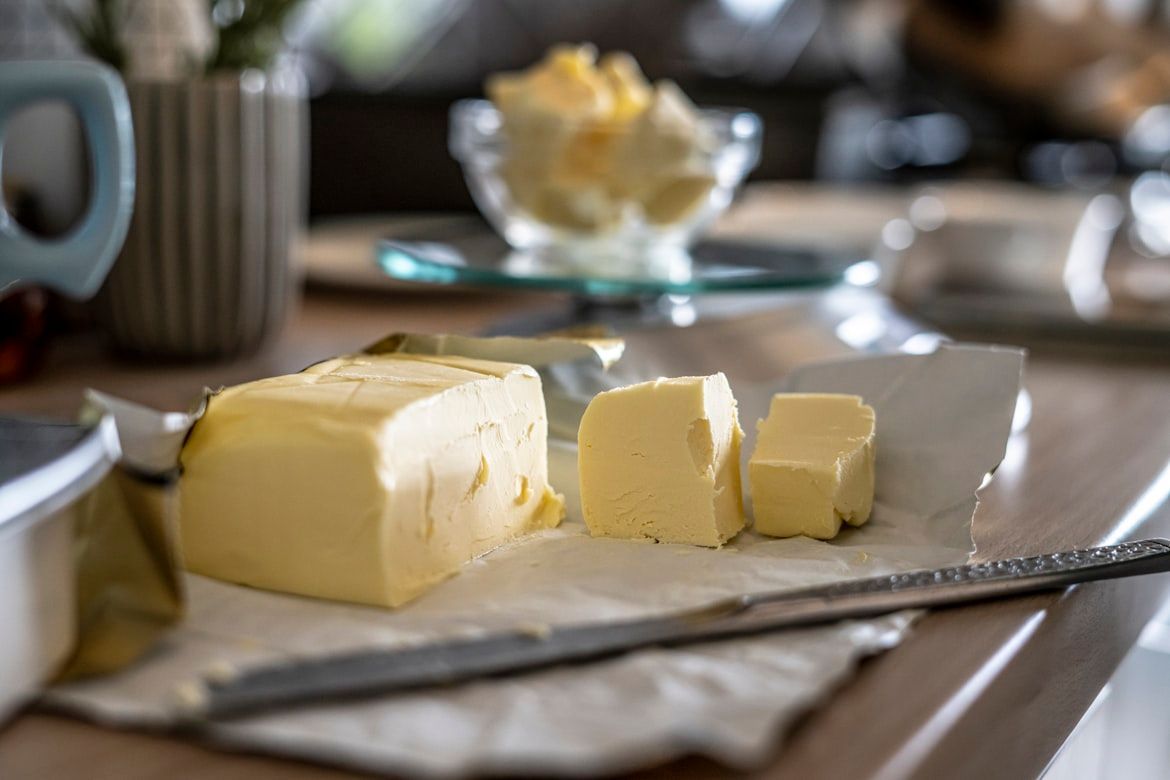
Butterfingers

Image: Sorin Gheorghita


A term once used for describing the act of dropping buttered food, "butterfingers" now labels anyone who fumbles objects easily. Baseball announcers helped popularize the term in the early 1900s.


These days, it’s used far beyond sports. If someone drops their phone or fumbles the remote, they might be called butterfingers.

2

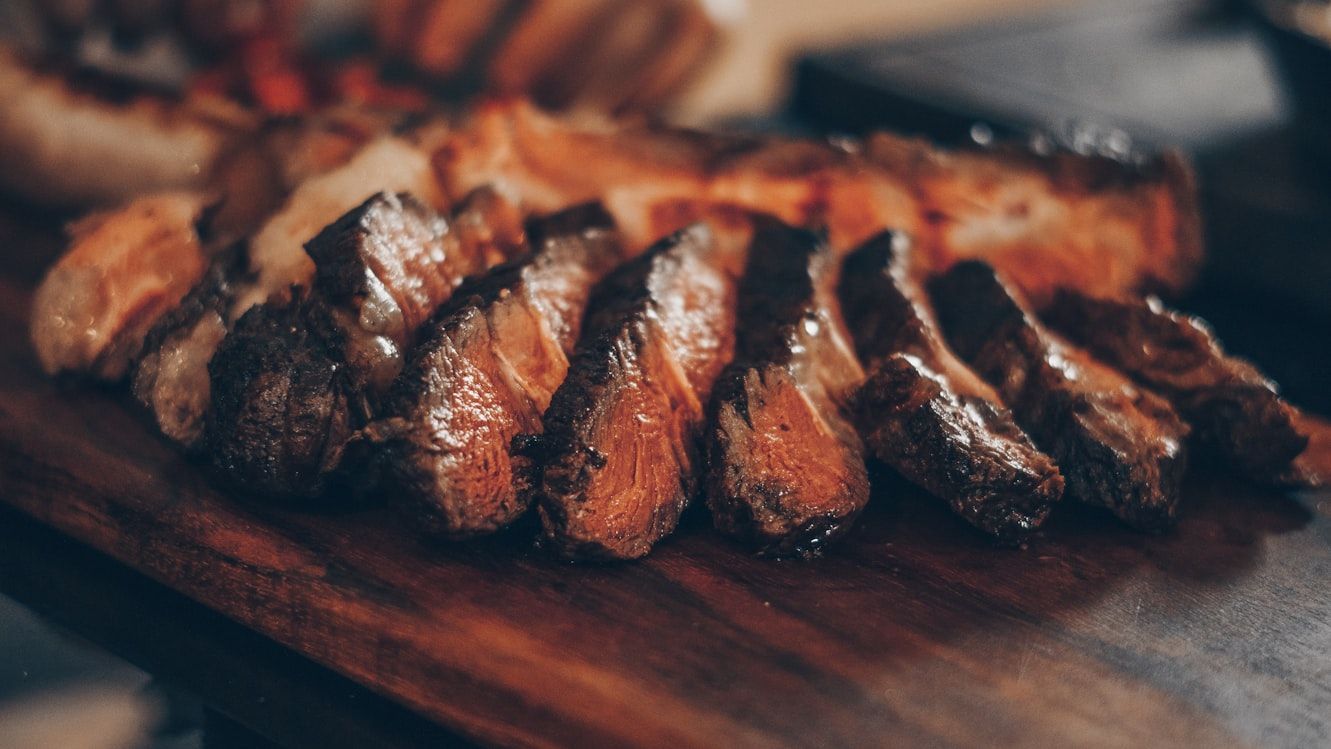
Meathead

Image: Emerson Vieira

3

This insult began with the idea of someone whose brain was replaced by meat (indeed, not the most flattering image). It became slang for brawny but dim-witted men.


After the television show All in the Family popularized its use in the 1970s, "meathead" stuck as shorthand for someone strong in muscle but short on sense.

4

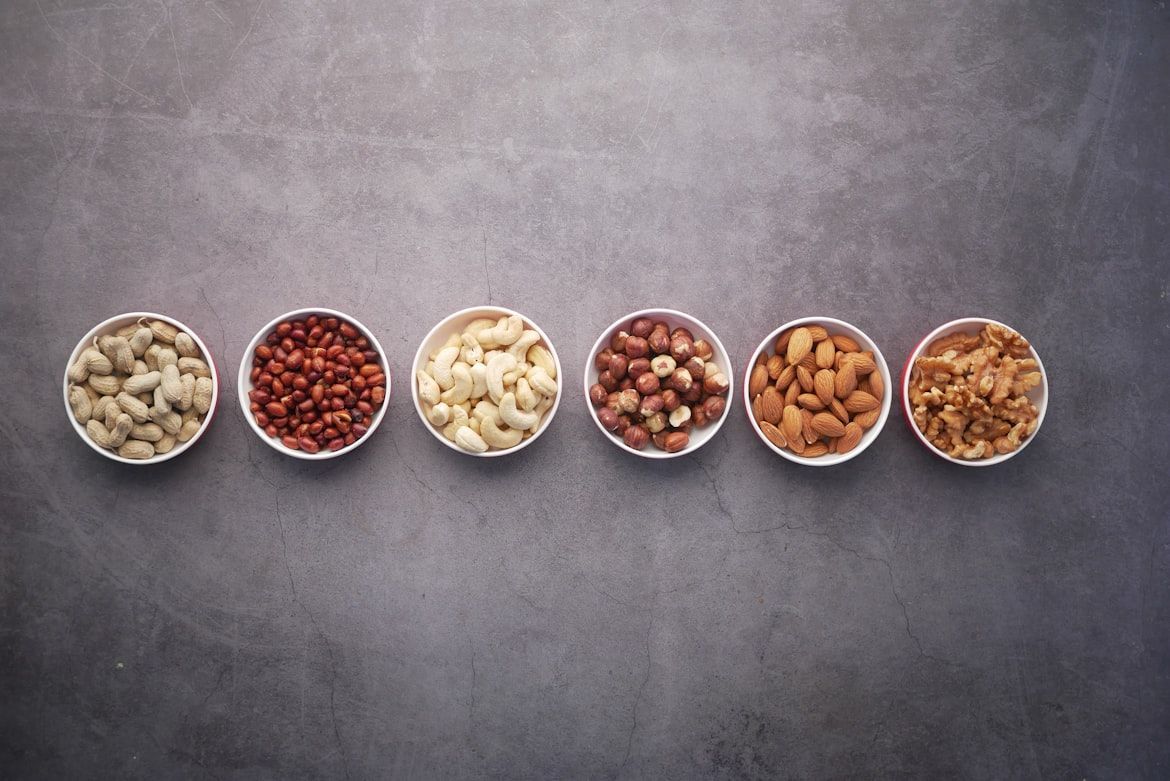
Nuts

Image: Towfiqu barbhuiya


Before it meant "crazy," it was just a snack. "Nuts" became slang for "insane" in early 20th-century slang, perhaps because nuts were small, round, and a bit "off the wall."

Now the word is often used affectionately as well, as in "I’m nuts about you," meaning deeply fond.

5

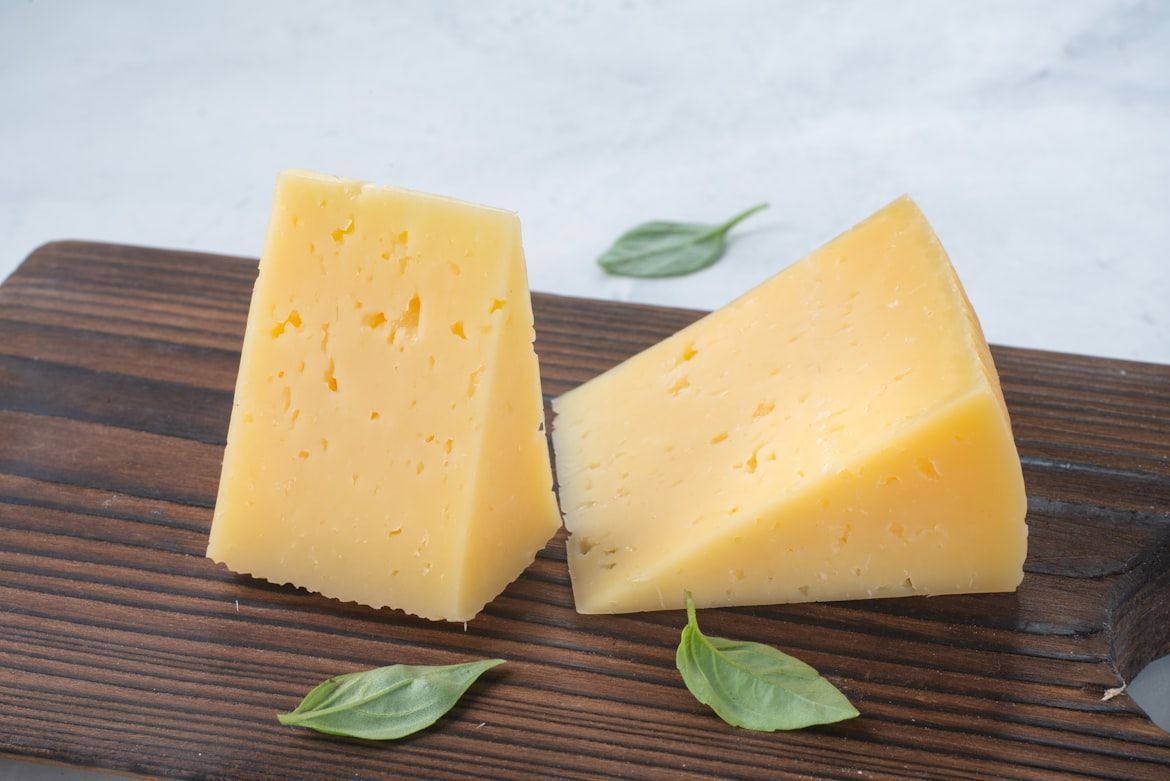
Cheesy

Image: David Foodphototasty

6

A term originally linked to cheap cheese or bad dairy smells, "cheesy" came to describe things lacking class or quality.

From clothing items to home décor, today, calling something "cheesy" means it’s corny, overdone, or trying too hard, with none of the charm of real cheese.

7

Salty

Image: Edi Libedinsky

8

Long ago, sailors who were "worth their salt" were admired, but by the 20th century, "salty" had shifted in meaning. It came to describe coarse language and, later, sour moods.

Today, being "salty" just means you’re irritated or resentful, a figurative taste of bitterness, no longer tied to the shaker.

9

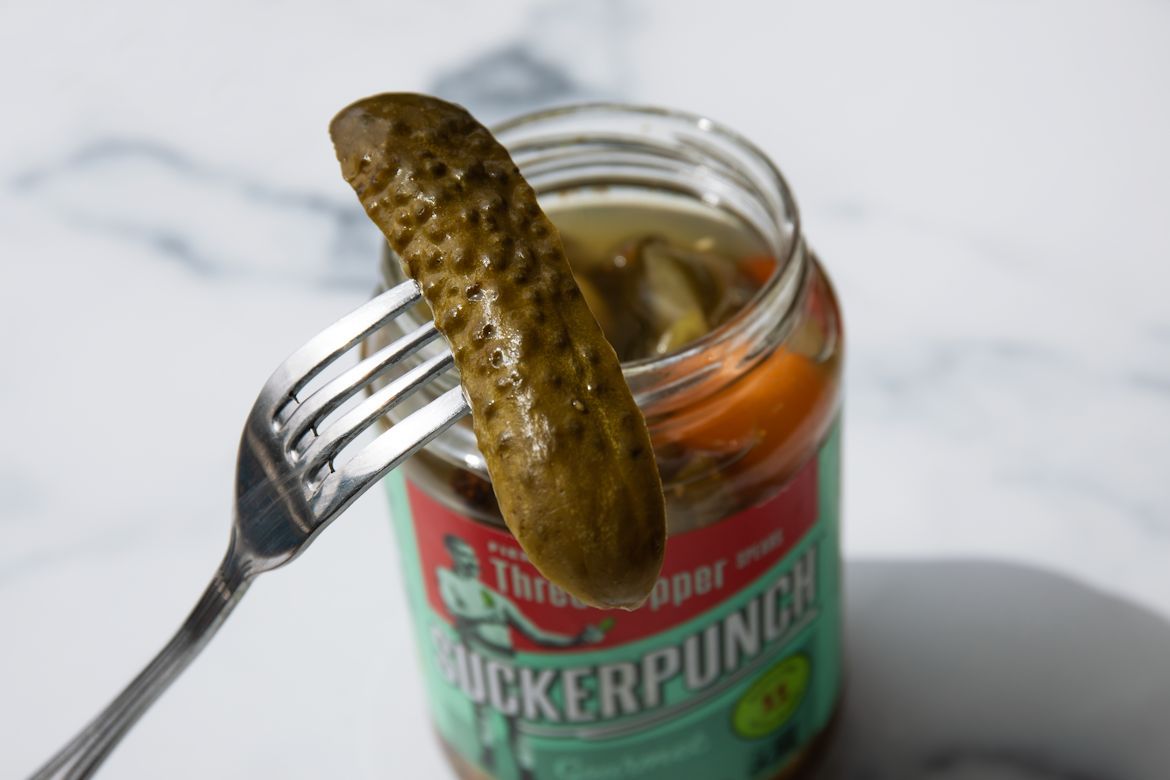
Pickle

Image: SuckerPunch Gourmet

10

Before it meant trouble, a pickle was simply a brined cucumber. William Shakespeare gave the word new figurative life when he wrote "in such a pickle," using it to suggest "a tricky situation."

Nowadays, being "in a pickle" just means you’ve landed in a mess that’s hard to escape.

11

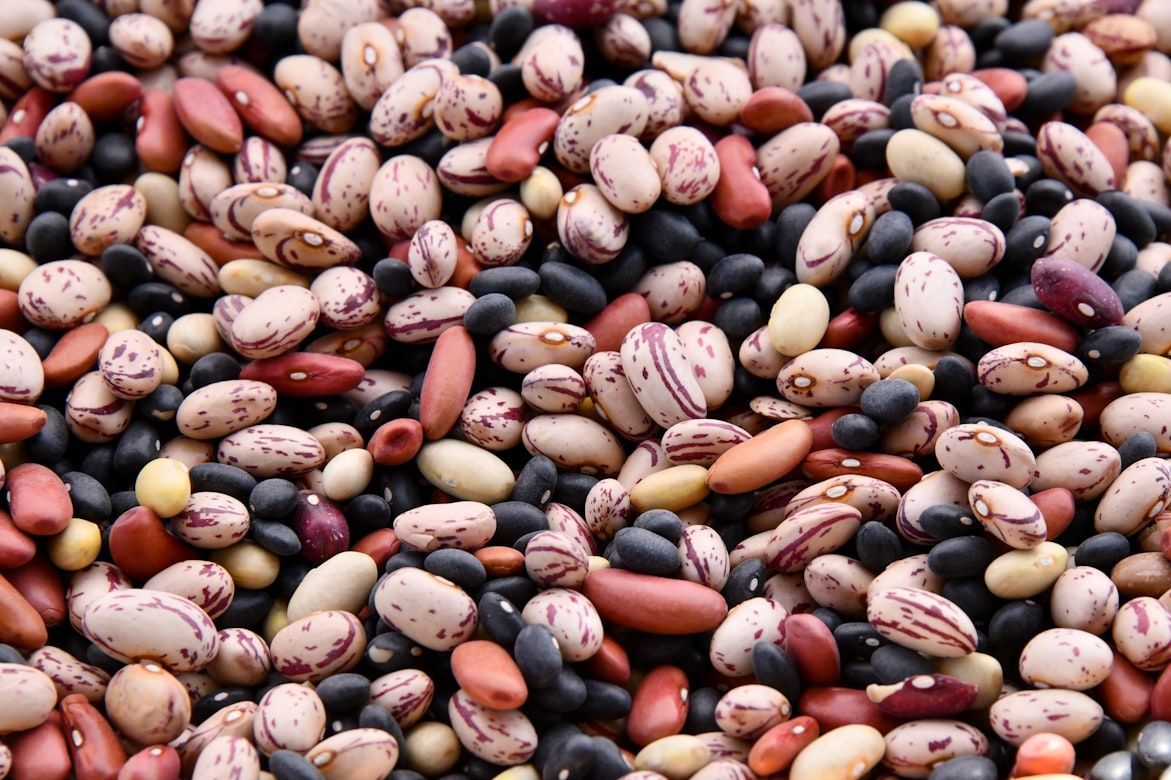
Cool Beans

Image: Shelley Pauls

12

The use of this word as a phrase began as college slang in the 1960s, possibly inspired by "cool" jazz culture. Beans were everyday and friendly, making them perfect for playfulness.

Saying "Cool beans!" today still feels sunny and casual, a lighthearted way to express approval without sounding too serious.

13

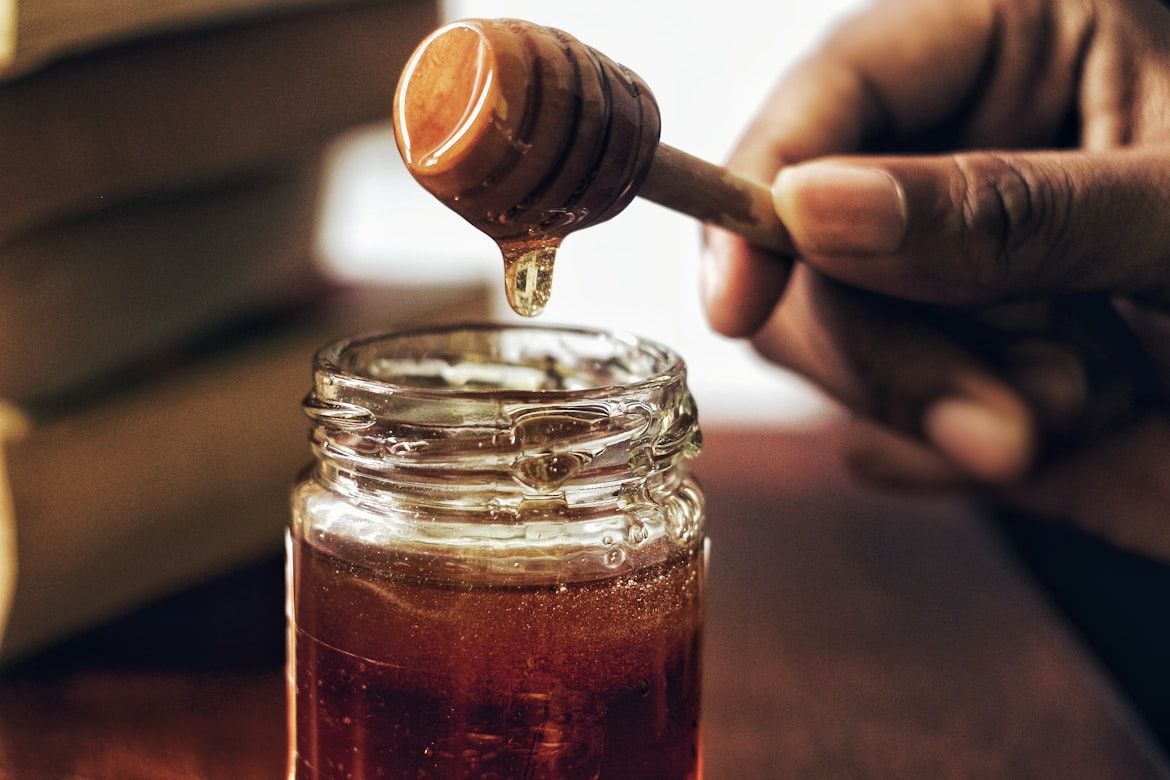
Honey

Image: Arwin Neil Baichoo

14

What was once purely a sticky treat, "honey" became a term of affection centuries ago, showing how sweetness appeals to both the tongue and the heart.

Today, it is one of English’s most common terms of endearment, heard in phrases ranging from "Honey, I’m home!" to "Hey, honey."

15

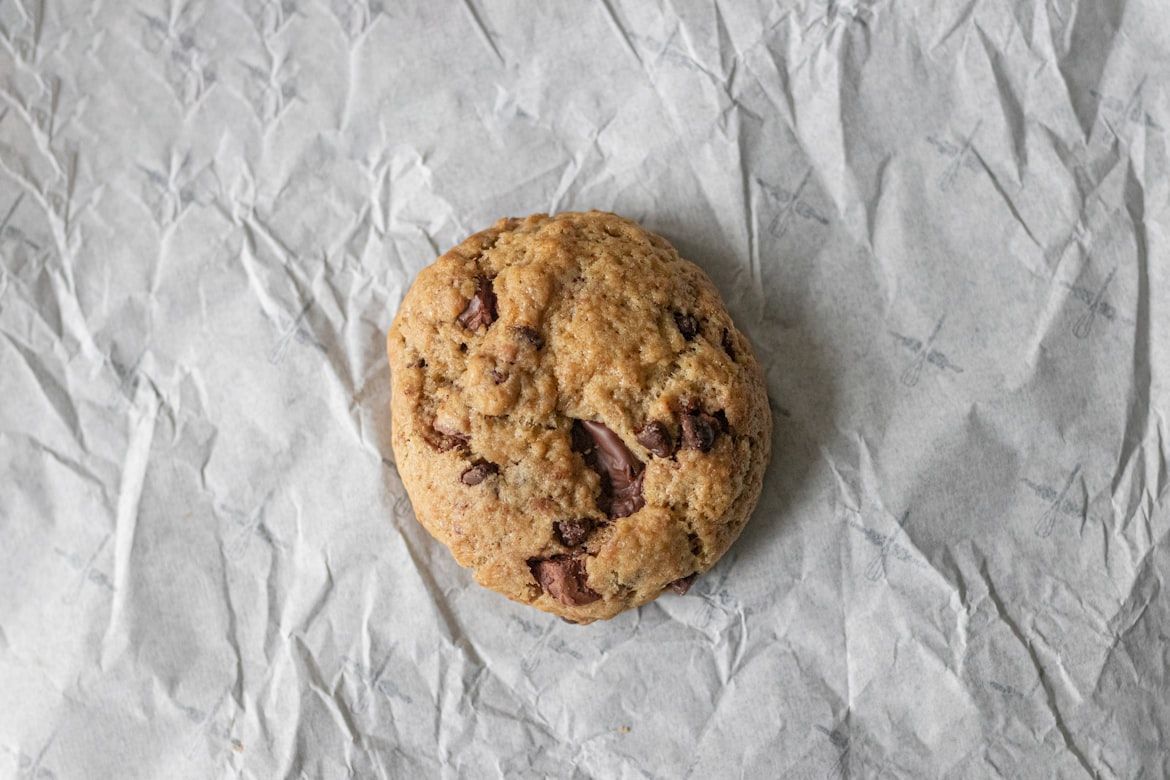
Cookie

Image: A S

16

The term might be more commonly used to describe baked goods, but cookies also became metaphors for people with distinctive traits or character.

Expressions like "smart cookie" or "tough cookie" show how language uses food to describe personalities in a lighthearted and playful way.

17

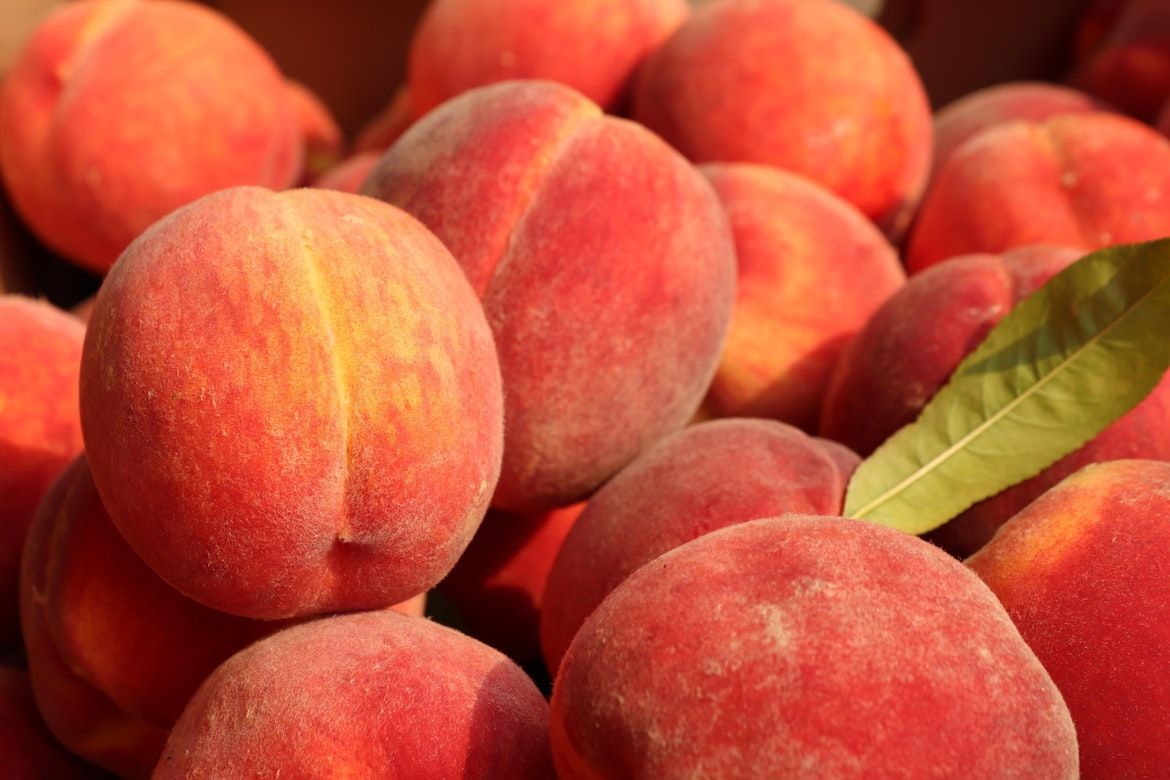
Peachy

Image: NisonCo PR and SEO

18

Peaches have long symbolized beauty, youth, and desirability. By the early 1900s, "peachy" had come to mean everything was fine or delightful.

Saying "Everything’s peachy!" expresses a sort of vintage sense of joy and optimism that is sometimes used ironically.

19

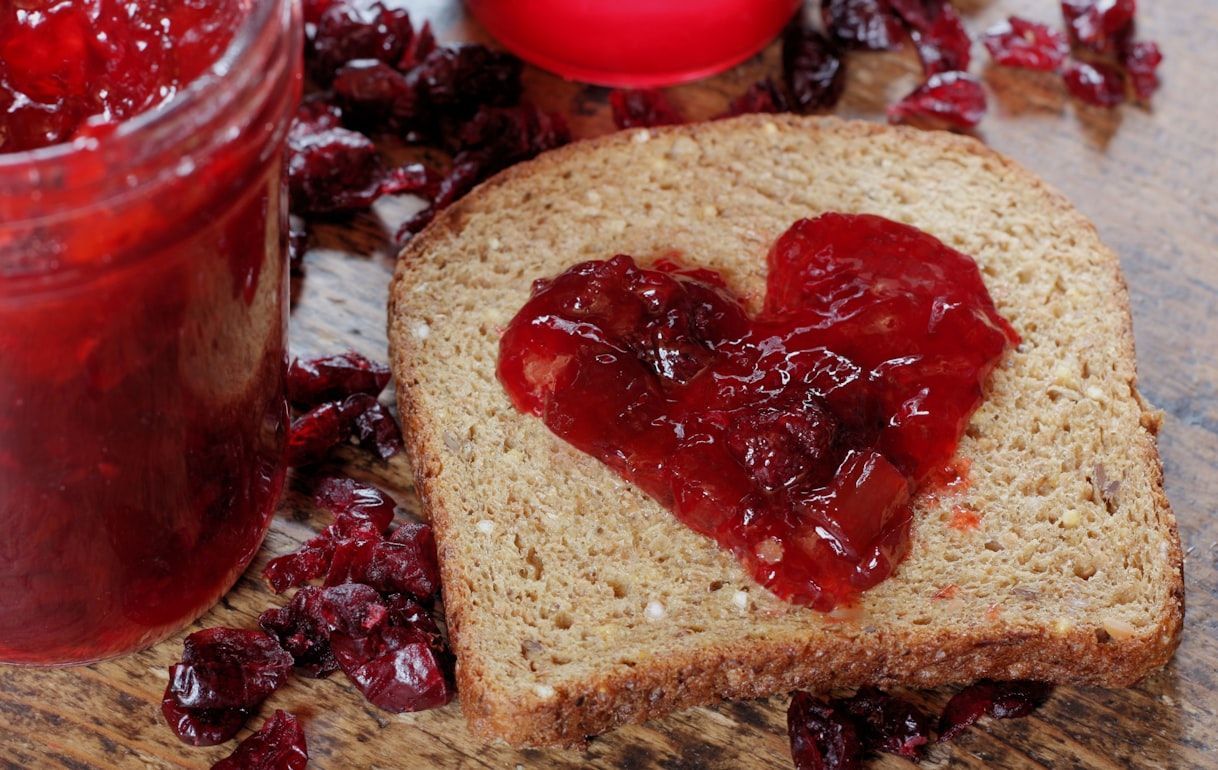
Jam

Image: Sharon Waldron

20

From fruit spread to music sessions, "jam" is a word that has branched out in surprisingly creative ways. Musicians "jam" together in improvised play, while people find themselves "in a jam" when facing trouble.

It’s a curious word that can sound both fun and frustrating, depending on whether you’re making music or missing a deadline.

21

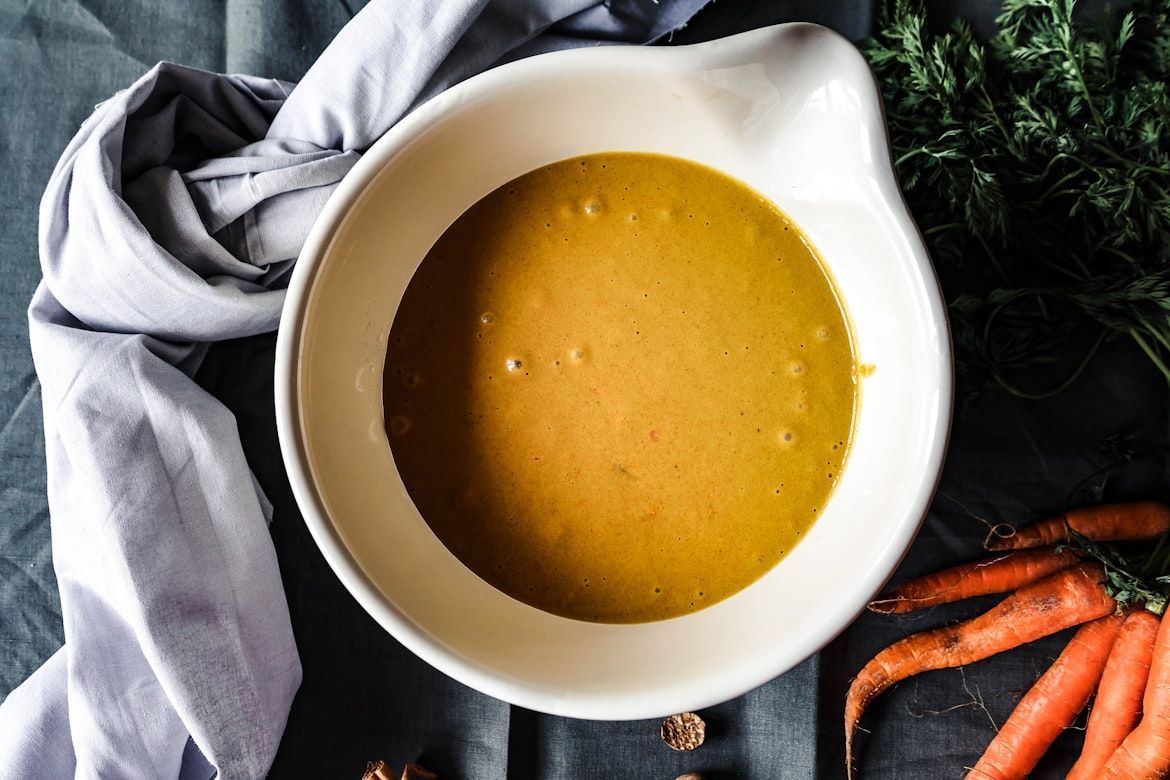
Gravy

Image: victoria.


This word, referring to a comfort food, once meant simply sauce, but by the 20th century, "gravy" came to describe bonuses or easy wins.

Expressions like "gravy job," "gravy train," and "it’s all gravy" share the same idea: smooth, rich, and effortless, just like a delicious serving of gravy.



What science says

It was false after all: 10 health myths that sound true—but aren't


Published on March 31, 2026


Image: Alicja Gancarz

Health myths are everywhere! These ideas were simply passed down for so long that they became part of what we believed. But now science has stepped in to clear things up. Does cold weather make you sick? Can lemon detox your body? Is reading in low light really harmful? Let's uncover the truth behind 10 common health myths!

1

Cutting your hair makes it grow faster

Image: Element5 Digital

Have you ever been told that cutting your hair will make it grow faster? We're sorry to say that's just a myth. Hair grows from the root, not the ends. So, trimming it won't boost growth, though it does help remove split ends that can make your hair look dry or unhealthy.

2

Cold weather causes colds

Image: Thom Holmes

This is one of the most common health myths. Cold weather often gets blamed, but it's not the temperature that makes you catch a cold. During winter, we tend to stay indoors with others and keep the windows closed, an environment that makes it easier for viruses to spread. That's why colds tend to be more common in winter!

3

Eating before bed makes you gain weight

Image: Michelen Studios

The idea that eating before bed automatically leads to weight gain is a myth. In reality, it has more to do with what you eat and how much, rather than the time of day. Often, when we eat very late at night, we're tired and more likely to reach for quick, high-calorie, heavy foods. This can disrupt sleep and lead to consuming more calories than we burn, both of which may affect weight. If it's close to bedtime, it's better to have something light and healthy in a moderate portion than to skip a meal altogether.

4

Wearing glasses weakens your vision

Image: Bud Helisson

Does wearing glasses weaken your vision? Myth! If an eye doctor prescribes glasses, wearing them as directed helps correct your vision; it won't make it worse. Additionally, the right glasses can help prevent or reduce headaches caused by reading or spending long hours in front of a screen.

5

Reading in low light causes permanent eye damage

Image: Amir Balam

This myth is closely related to the previous one. If you love reading and sometimes have to do it in low light because of the situation, don't worry. According to experts, reading in low light doesn't cause permanent or irreversible eye damage. However, it's not recommended because it can make your eyes feel tired or strained, leading to discomfort or headaches.

6

You need to drink 8 glasses of water a day

Image: engin akyurt

We're all different, and so are our bodies. The idea that everyone should drink exactly eight glasses of water a day is more of a general guideline than a rule. Staying well hydrated throughout the day is extremely important, but how much water you need depends on factors like your weight, age, climate, and overall health. We should prioritize staying consistently hydrated instead of obsessing over the number of glasses we drink.

7

Lemon water detox and cleanse your body

Image: Tirza van Dijk

Some people say drinking lemon water helps eliminate toxins and cleanse the body. While adding a slice of lemon to your water is a refreshing way to stay hydrated, it doesn't have any special "detoxifying" powers. The vitamin C in citrus fruits is beneficial, but the body has its own natural detox system. The liver and kidneys are the main organs that filter waste and eliminate toxins.

8

All fat is bad

Image: Aneta Voborilova

Not all fats are bad! Just like other food groups, your body needs fats to function properly. The important thing is knowing the difference between healthy fats and those that can be harmful. Foods like avocados, seeds, olive oil, fish, and nuts are rich in healthy fats. On the other hand, the fats found in processed or fried foods are the ones that can have a negative impact on your body.

9

Liver disease is always caused by alcohol or fats

Image: Elevate

Liver diseases can be serious. While heavy and frequent consumption of alcohol and fats is a major contributor, it's not the only cause. Liver problems can also result from many other factors. These include viral infections, autoimmune diseases, genetic disorders, high blood pressure, and exposure to certain chemicals.

10

Breakfast is the most important meal

Image: Brooke Lark

There's some truth to it: breakfast is important because it replenishes our glucose and energy levels and supports proper metabolism. However, the idea that it's the most important meal of the day might be an exaggeration. Everyone's body has different needs, and all meals are important, so we shouldn't skip any of them!

Looking for an extra scoop of literary fun?

Learn more with our Word of the day

instinctual

/ɪnˈstɪŋ(k)(t)ʃə(wə)l/