Popular, but untrue

It didn’t happen: 10 history myths that are regarded as true


Published on March 15, 2026
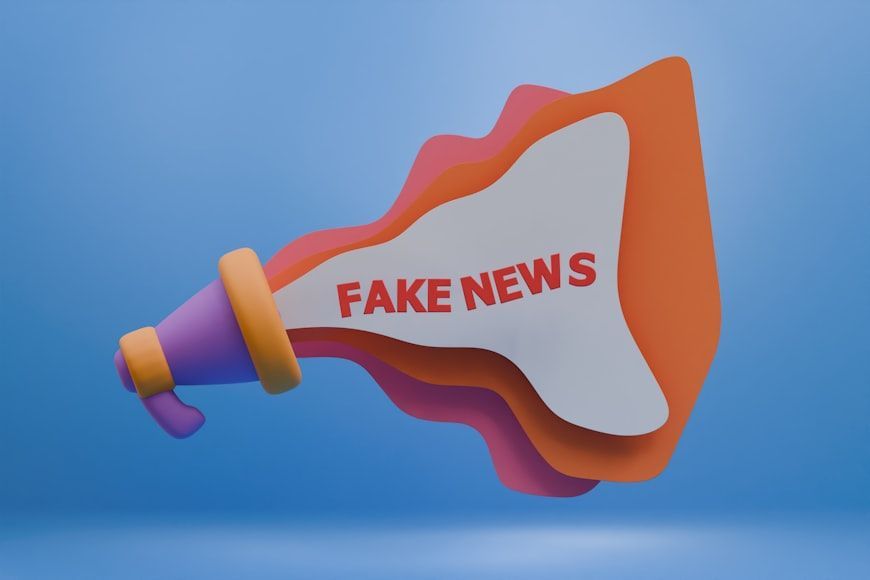

Image: Hartono Creative Studio

A big part of history is dependent on who’s telling it, but some facts are indisputable. However, some stories have become so widespread —be it because of popular legend or by honest mistake— that most would assure them to be true. Some have even been transmitted for generations, but they happened in a different way or not at all. Let’s revise 10 historic "facts" that are just myths.

1

Vikings wore horned helmets

Image: Steinar Engeland

The idea that Viking helmets had horns is consistent with their fame as frightening warriors, but it is simply not true. This misconception is a result of 19th-century artists, such as Richard Wagner, and their interest in the Middle Ages, which, in many cases, involved inventing facts when reliable information was lacking. We now know that Vikings wore cap-like helmets with nose guards, and without any protruding elements.

2

Marie Antoinette said, ‘Let them eat cake.’

Image: Takuya Nagaoka

The French Revolution and its rejection of the monarchy led to Marie Antoinette having a tarnished reputation, with many accusing her of not caring about her subjects and living an extravagant life while the French people suffered. The phrase ‘let them eat cake’, attributed to her, is a big part of this, but no matter how she actually behaved, we know as a fact that she never said it. This phrase was attributed to an unnamed princess by philosopher Jean Jacques Rousseau, but at that time, Marie Antoinette was 9 years old and still lived in Austria.

3

George Washington had wooden teeth

Image: Enis Yavuz

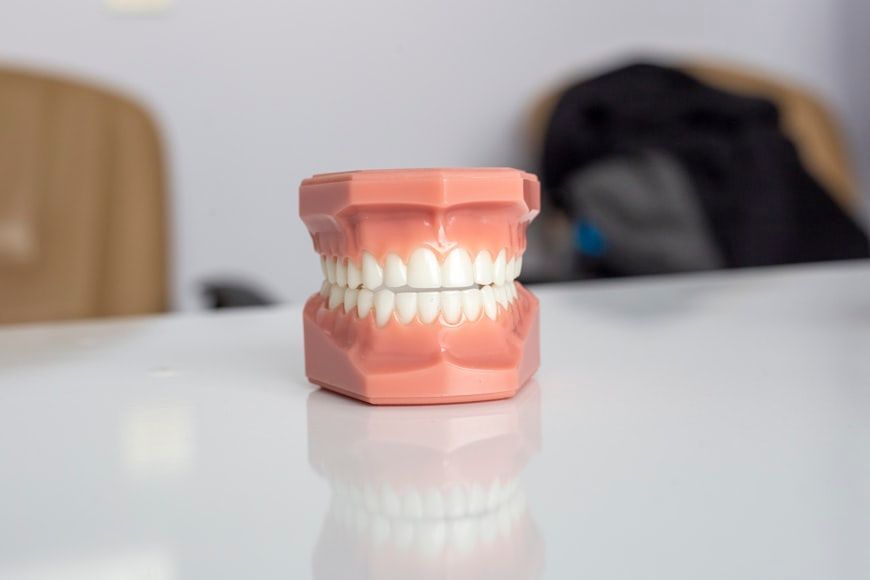
While the father of the nation did wear dentures, the widespread belief that these were made out of wood is not true. Historians have confirmed that his dentures were made from a mix of different materials, including ivory, human teeth, animal teeth, and metallic pieces. The idea that these were wooden is most likely a result of the brownish appearance of stained ivory.

4

Emperor Nero burned Rome intentionally
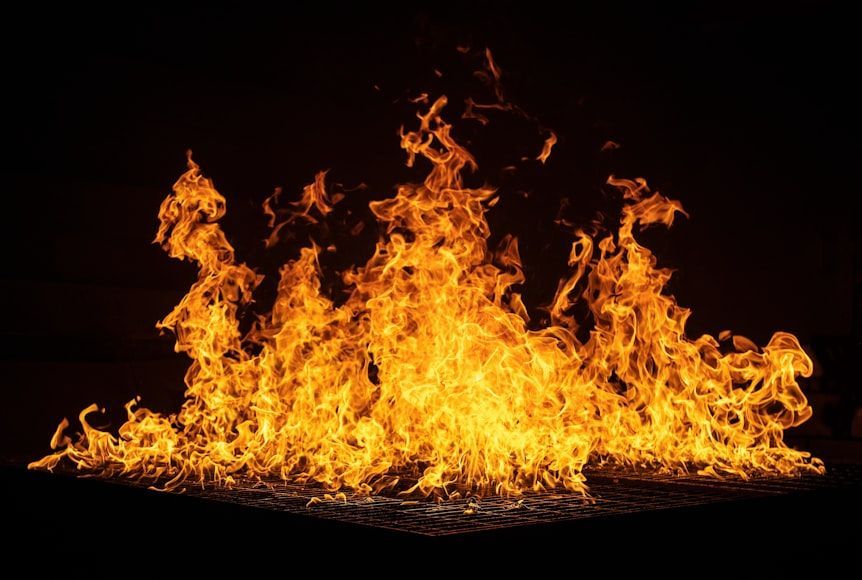
Image: Ricardo Gomez Angel

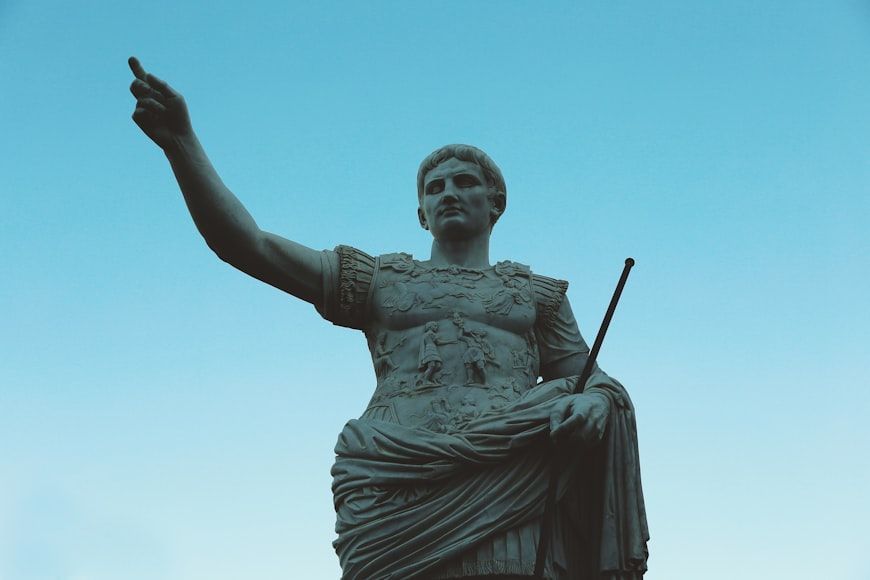
Roman emperor Nero has a well-deserved reputation as a tyrant. He habitually murdered opponents, persecuted thousands of Christians, and was known to enjoy animal cruelty. However, there is no solid proof that he intentionally started the fire of Rome, although we know that he did nothing to stop it, and played music as he watched the city burn. The fire was most likely an accident, and Nero took advantage of it to rebuild Rome in grandeur.

5

Medievals believed the Earth to be flat

Image: Andrew Stutesman

Scholars have known the Earth is a sphere since classical antiquity, and medievals inherited that knowledge from the ancient Greeks. Why did they not travel to the West then? Is not that they thought they would reach the end of the world, but that they were unsure of the dangers of such a travel. The idea of medieval people as flat-earthers is a result of 19th-century writers' concept of the Middle Ages as a ‘dark time’ of ignorance.

6

American independence was declared on July 4th
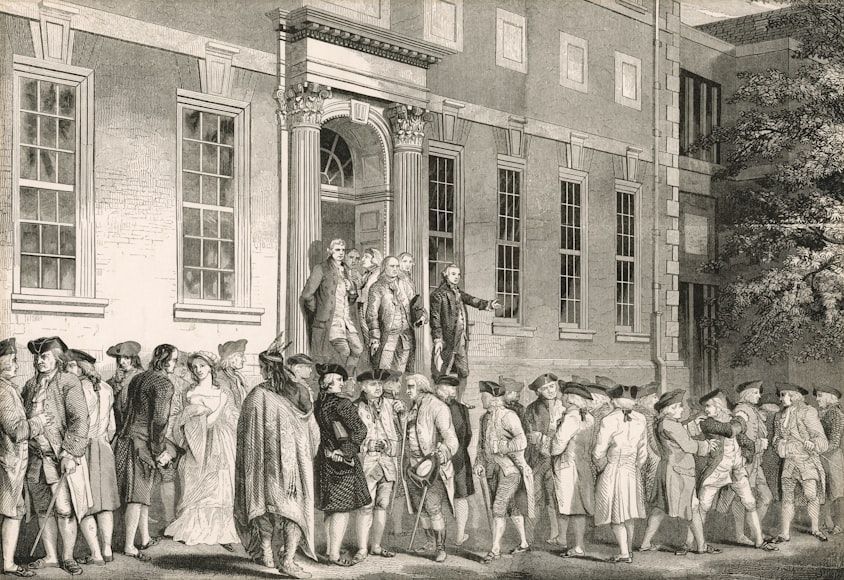
Image: The New York Public Library

To the surprise of many, the Continental Congress declared independence from Great Britain on July 2nd. But why is Independence Day not celebrated on that date? Founding Father John Adams asked the same question. While the voting was done on the 2nd, the document was finalized and distributed on the 4th, and most delegates adopted that date. John Adams wrote extensively about the importance of July 2nd, and he reportedly declined invitations to 4th of July celebrations in protest.

7

People were burned at the stake during the Salem witch trials
Image: Wesley Tingey

The Salem witch trials were undoubtedly outrageous, and modern historians believe that the result was mass hysteria. However, the idea that convicted individuals were burned at the stake is just a popular myth. 19 people were executed by hanging, and one other died during interrogation due to torture. In the years after, it was proven that evidence of witchery was fabricated, and the trials were declared unlawful.

8

Julius Caesar said, ‘Et tu, Brute?’

Image: tommao wang

While historians and chroniclers have several theories about Julius Caesar’s dying words, we know for a fact that he never said ‘_Et tu, Brute?’ (You too, Brutus?) to his adoptive son. This phrase was coined by Elizabethan playwright Richard Edes and later popularized by William Shakespeare. What did Caesar say instead? We don’t know, but the prevailing theories are that he remained silent or that he spoke in Greek and said ‘_καὶ σύ, τέκνον?" (‘You too, child?’).

9

Rosa Parks was sitting in the ‘white’ section of the bus
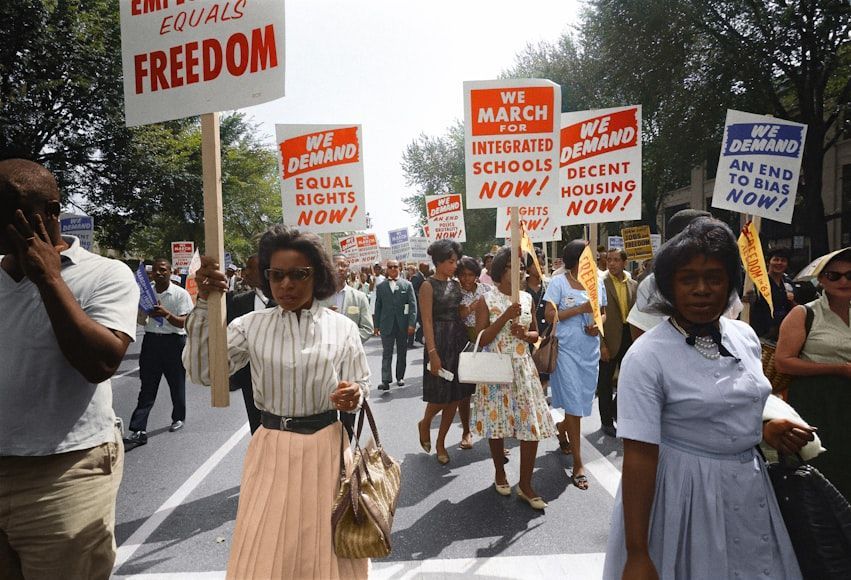
Image: Unseen Histories

When Rosa Parks refused to give up her seat, she knew she was making a political statement. However, contrary to what many believe, she was sitting on a part of the bus that African Americans were allowed to use. Why was she asked to give up the seat, then? She was sitting in a section that was for everyone, but where white people had priority. When the white section became full, she was asked to give up her spot. She refused, and the rest is history.

10

Galileo Galilei was executed by the Catholic Church

Image: Matthew Ansley

The story of Galileo Galilei’s trial is one of the most widespread historical myths, and most people are certain that he was tortured because of his beliefs and then executed. Galileo was indeed tried by the Church, but it was not the simplistic case of science vs. faith most believe it to be. In reality, it was a scientific debate and, while Galileo was ultimately right in defending Heliocentrism, he failed to prove it. After the trial, he received house arrest in a villa, where he died of natural causes.



Hospital secrets

What is a "Code Gray" and what you should know if you hear it at the E.R.


Published on March 15, 2026


Image: voronaman

A trip to the emergency room can be stressful enough without hearing doctors and nurses speak a language that sounds like a secret code. One minute, someone is asking for medication "STAT," the next there’s a "Code Gray," and another patient is suddenly "NPO." What do those words really mean? Some are official medical terms, others are insider slang, but they all help hospital staff communicate quickly when every second counts. Here are 10 of those codes explained.

1

Code Gray

Image: PeopleImages

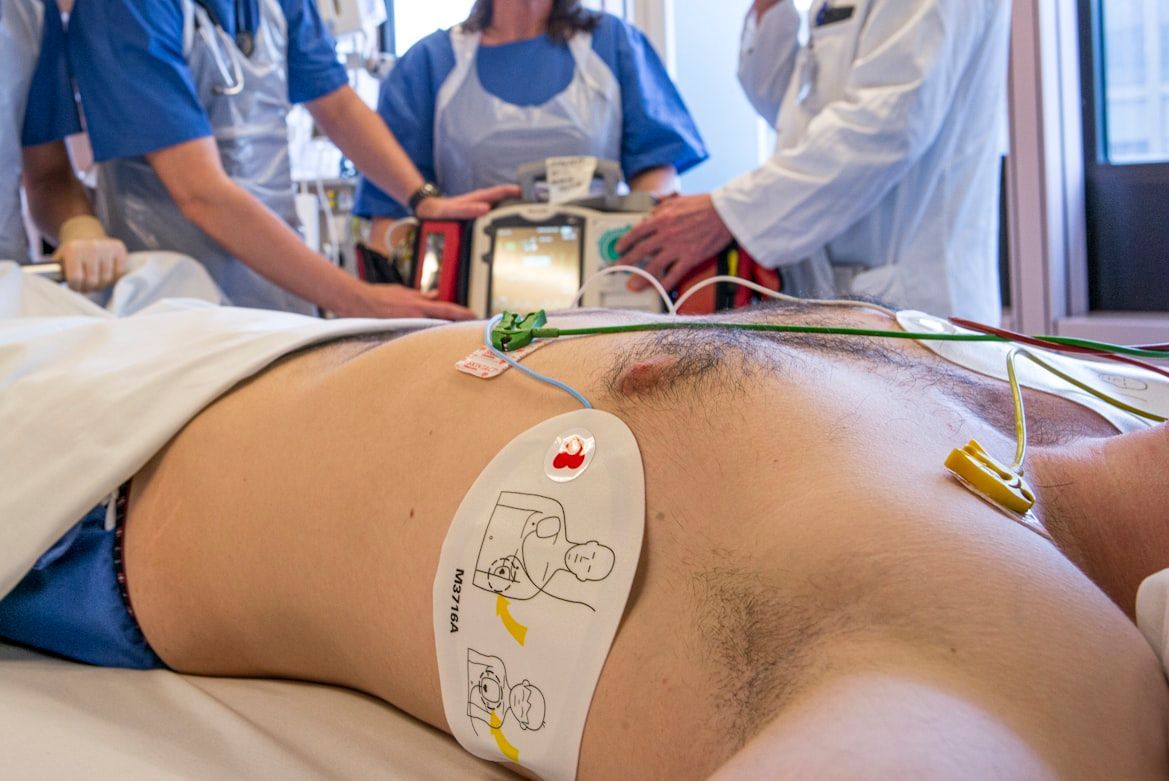
The E.R. can be hectic and unpredictable. Most patients are frightened or uncomfortable, but now and then someone becomes aggressive because of pain, confusion, mental illness, or the effects of alcohol or other substances. That’s when you can hear "Code Gray" announced over the speakers.

The code is used to summon security officers to help manage a violent or combative situation. While color codes vary from one hospital to another, Code Gray commonly signals that staff needs extra assistance to protect patients, visitors, and healthcare workers. Even if you know it now, most people in the waiting room never know what happened, and that’s exactly the point.

2

NPO

Image: PeopleImages

You have a scheduled surgery, you’re in your bed waiting to be taken to the surgery room, and you ask for a cup of coffee to make the wait lighter. The nurse will probably tell you you’re an NPO. You may think it’s serious, but it’s simply a procedure.

"NPO" is an abbreviation that comes from the Latin phrase Nil Per Os, which means "nothing by mouth." It tells patients they cannot eat, drink, or sometimes even take medication until doctors say it’s safe. The rule is most common before surgery or certain medical tests, when food or liquids could increase the risk of complications or alter the results. It may be frustrating, but it’s an important part of keeping patients safe.

3

STAT!

Image: PeopleImages

You’ve probably been through the experience of visiting an emergency room, either to get checked or to visit a loved one. In that part of the hospital where everyone is rushing to save lives, you’ve probably heard a doctor asking for the R.C.P. cart or medication "STAT!" It sounds urgent, and that's because it is.

The expression comes from the Latin statim, which means "immediately" or "without delay." Hospitals have used Latin medical terms for centuries, but STAT is one of the few that remains part of everyday conversation. When a doctor says it, the request jumps to the top of the priority list. It doesn’t always refer to a life-or-death situation, but it does mean the medical team needs something done as quickly as possible.

4

Code Pink

Image: Vladimir Tretyakov

Newborns are always a reason to celebrate at the hospital. Parents usually rest happily next to their child as they receive congratulations from close relatives. However, the hospital is always prepared to handle extremely rare emergencies under "code pink."

If you hear a "Code Pink," it usually means a baby or young child is suspected of being abducted from the hospital. Within seconds, security officers respond, exits may be monitored or blocked, and staff begins following carefully rehearsed procedures. Although different hospitals sometimes use different color codes, Code Pink has become widely recognized across North America as one of the most serious alerts a hospital can issue.

5

Walkie-talkie

Image: Arunporn Thanapotivirat

If you’ve ever spent a few days in the hospital, you’ve probably noticed that some patients are walking up and down the halls, while others need help just getting out of bed. When a nurse refers to someone as a "walkie-talkie," it’s actually good news.

This informal expression refers to patients who can walk on their own, use the bathroom without assistance, and handle most basic tasks independently. It’s not an official medical term, of course, but it’s commonly used among healthcare workers because it quickly tells the next shift that the patient requires less hands-on care than many others.

6

Total

Image: sebra

As nurses change shifts, you’ll often hear them give a quick report about each patient. One person may only need medication, while another is described as a "total."

The term is short for a patient who requires total care. They may need help eating, bathing, getting dressed, turning in bed, or moving from one place to another. Although the expression sounds impersonal, it’s simply a practical way for caregivers to communicate how much assistance someone needs.

7

Frequent flyer

Image: Studio Romantic

Most people hear "frequent flyer" and think of an airline reward program. And that’s correct, but in an emergency room, the phrase has a very different meaning.

A frequent flyer is an informal nickname for patients who repeatedly return to the hospital, often due to chronic illness, recurring medical conditions, or other ongoing health issues. Behind the light-hearted nickname is often a difficult reality. Many of these patients are simply dealing with medical problems that require regular emergency care, and the expression is just a way to make the experience a bit lighter among the familiar faces of doctors and nurses.

8

WOW

Image: Studio Romantic

Not all codes are for patients. The next time you’re in a hospital, look closely at what the nurse is pushing from room to room. It may look like a small rolling desk with a computer on top. Staff often call it a "WOW," short for "workstation on wheels."

As hospitals switched from paper charts to electronic medical records, these mobile computers became essential. Nurses use them to review test results, scan medications, update patient charts, and check doctors’ orders without leaving the bedside. The name sounds funny, but the technology helps caregivers spend more time with patients instead of walking back and forth to a nursing station.

9

Sharp container

Image: NMK-Studio

After getting a shot or having blood drawn, most patients never think about where the used needle ends up. It certainly doesn't go into an ordinary trash can.

Hospitals place needles, scalpels, and other sharp medical instruments into special containers designed to prevent accidental injuries. These sturdy, puncture-resistant boxes are sealed when full and safely disposed of in accordance with strict health regulations. This not only protects nurses, but it also protects cleaning crews, waste handlers, and even the public from dangerous needle sticks. It’s one of the most important safety measures in every hospital, even though most patients never notice it.

10

B-52

Image: Photoroyalty

If you’ve ever watched a medical drama, you've probably seen a patient become so agitated that several staff members rush into the room. In situations like that, a doctor or nurse may ask for a "B-52." But the name has nothing to do with numbers themselves; it actually comes from a medicine.

B-52 is hospital slang for a fast-acting injection used to calm down patients who are severely combative or at risk of harming themselves or others. The nickname comes from a commonly used combination of medications that usually include diphenhydramine, haloperidol, and lorazepam. It’s strictly reserved for when other methods of calming the patient haven’t worked.

Looking for an extra scoop of literary fun?

Learn more with our Word of the day

hushed

/həʃt/