Identity crisis

Why Holland isn’t Holland anymore — the surprising rebrand of a nation


Published on May 1, 2026
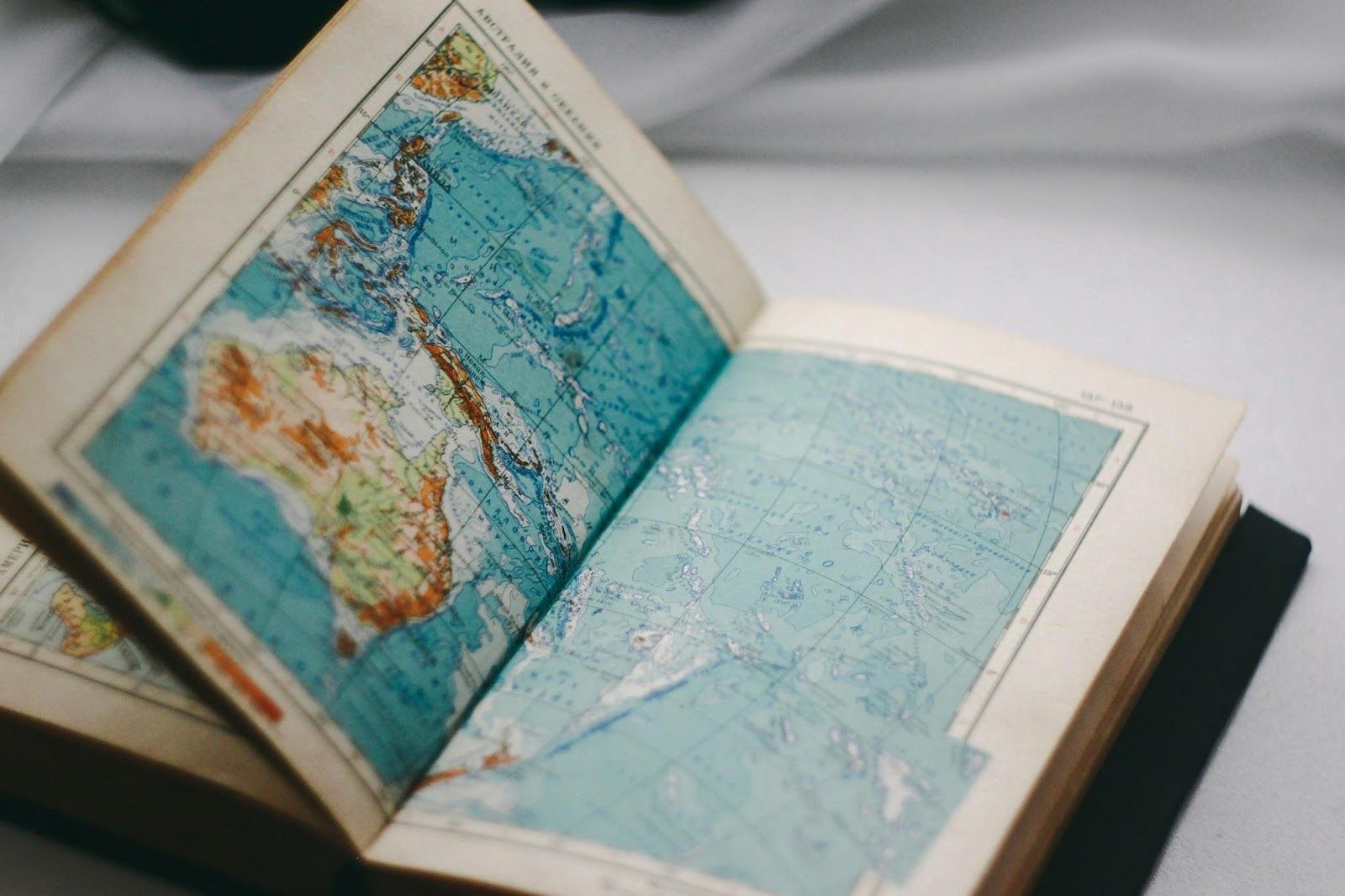

Image: pure julia

Countries rename themselves for many reasons—shedding colonial pasts, embracing local languages, or settling political disputes. Some changes are subtle, others dramatic, but each reflects deep historical, cultural, or geopolitical shifts. Here are 10 times a nation decided to swap out its old name for a new identity.

1

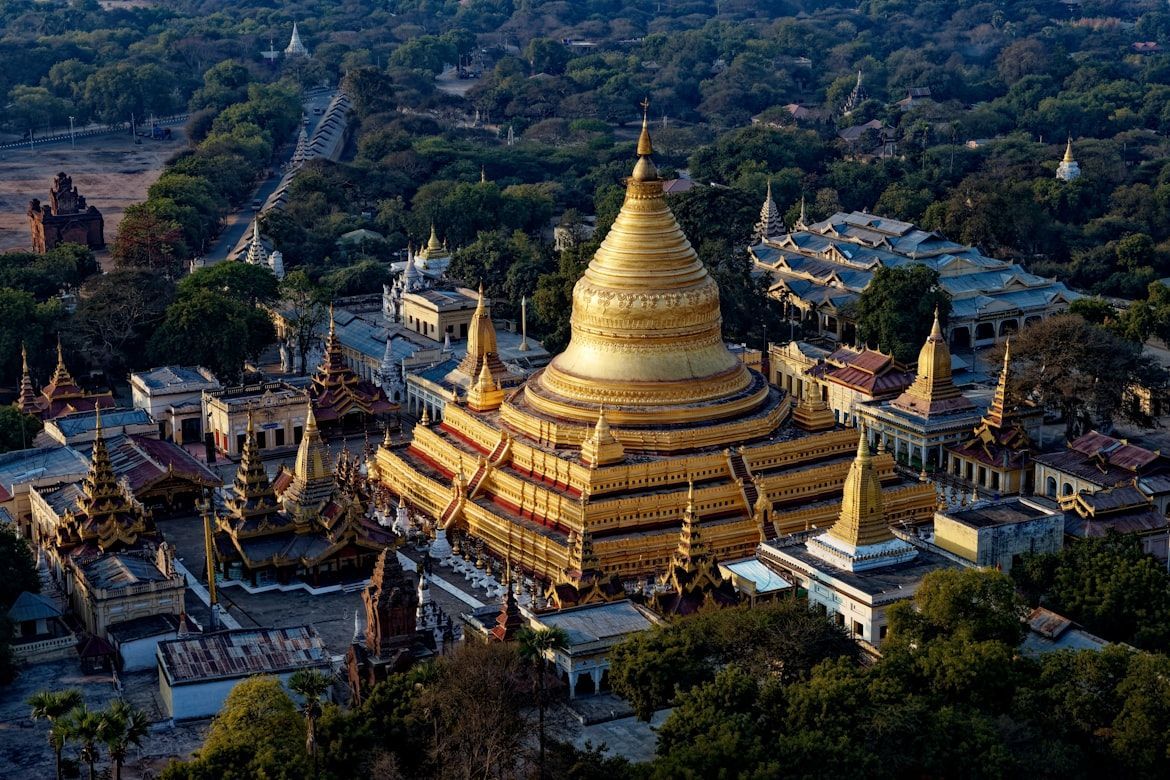
Burma to Myanmar

Image: Yves Alarie

In 1989, the ruling military junta of the country changed "Burma" to "Myanmar" to reflect what it said was a more inclusive, indigenous identity. The name "Burma" was strongly associated with British colonialism and the dominant Bamar ethnic group.

The UN and many countries recognized the change, but some, like the U.S. and UK, resisted for years as a political stance against the unelected military regime behind the change.

2

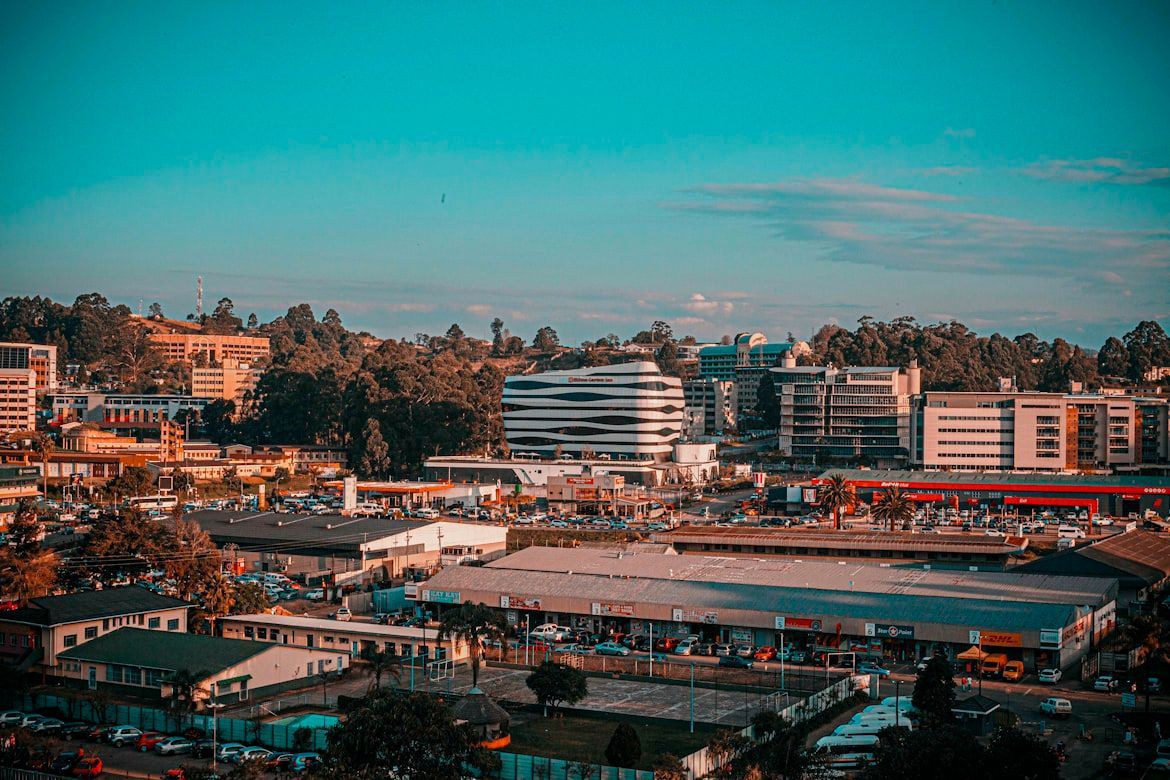
Swaziland to Eswatini

Image: S'mile Vilakati

In 2018, King Mswati III declared that Swaziland would become Eswatini, meaning "land of the Swazis" in the local language. He announced the change during the country’s 50th independence anniversary.

The king cited confusion with Switzerland and a desire to break with colonial-era names as reasons. Also, the new name had already been in unofficial use for years during local events.

3

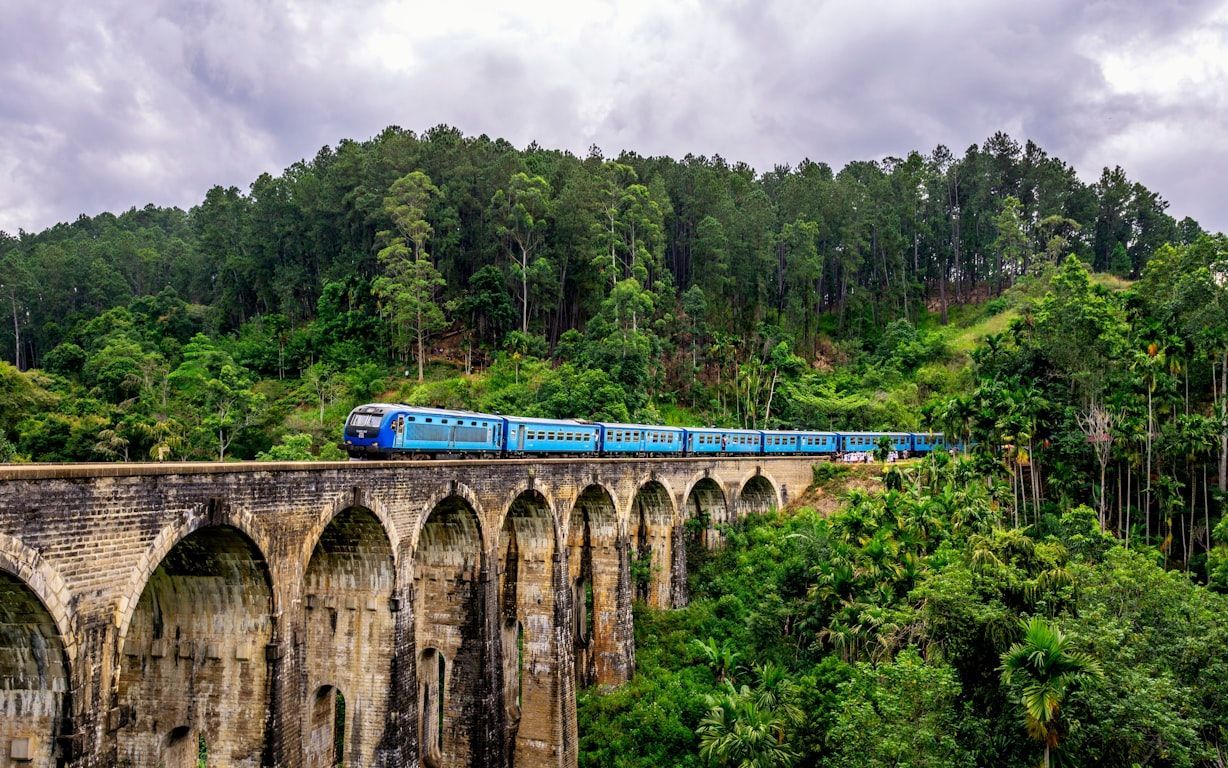
Ceylon to Sri Lanka

Image: Hendrik Cornelissen

In 1972, the island nation officially changed its name from Ceylon to Sri Lanka after becoming a republic. "Sri Lanka" derives from Sanskrit, meaning "resplendent island."

The name "Ceylon" was tied to Portuguese, Dutch, and British colonial rule. However, some companies (like Ceylon Tea) still use the old name as a global brand.

4

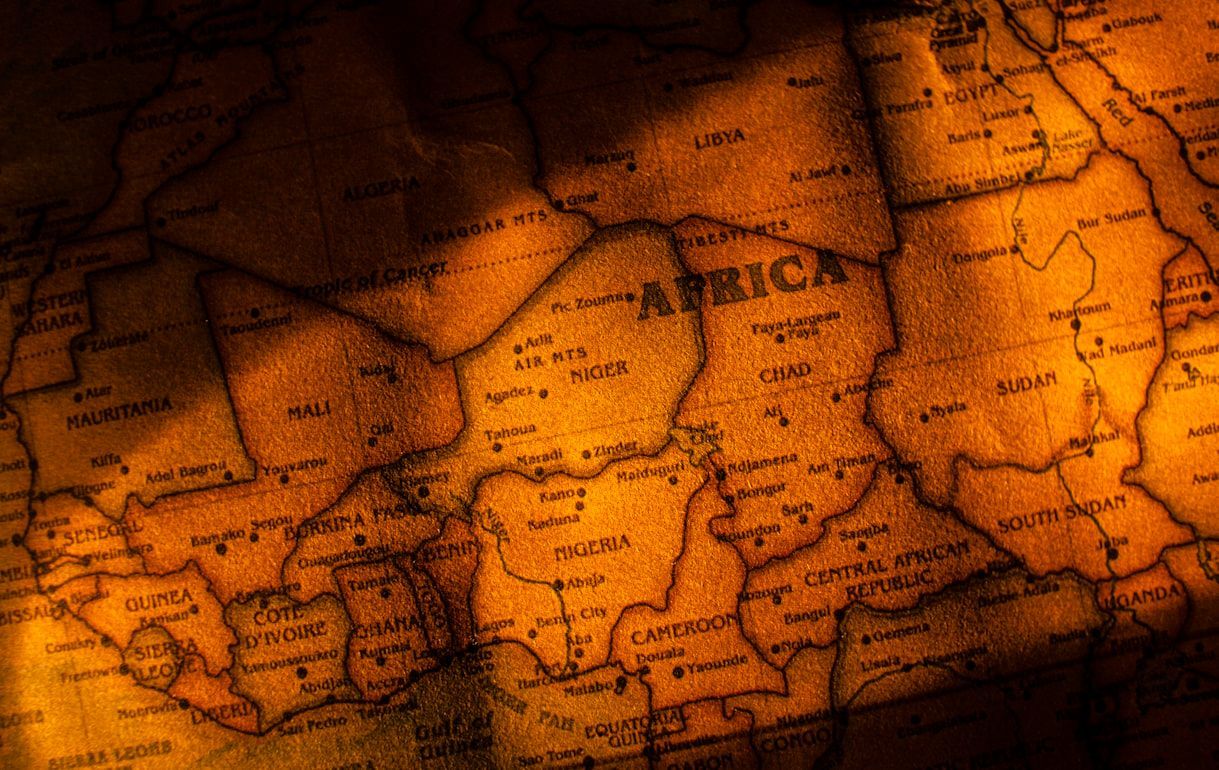
Zaire to Democratic Republic of the Congo
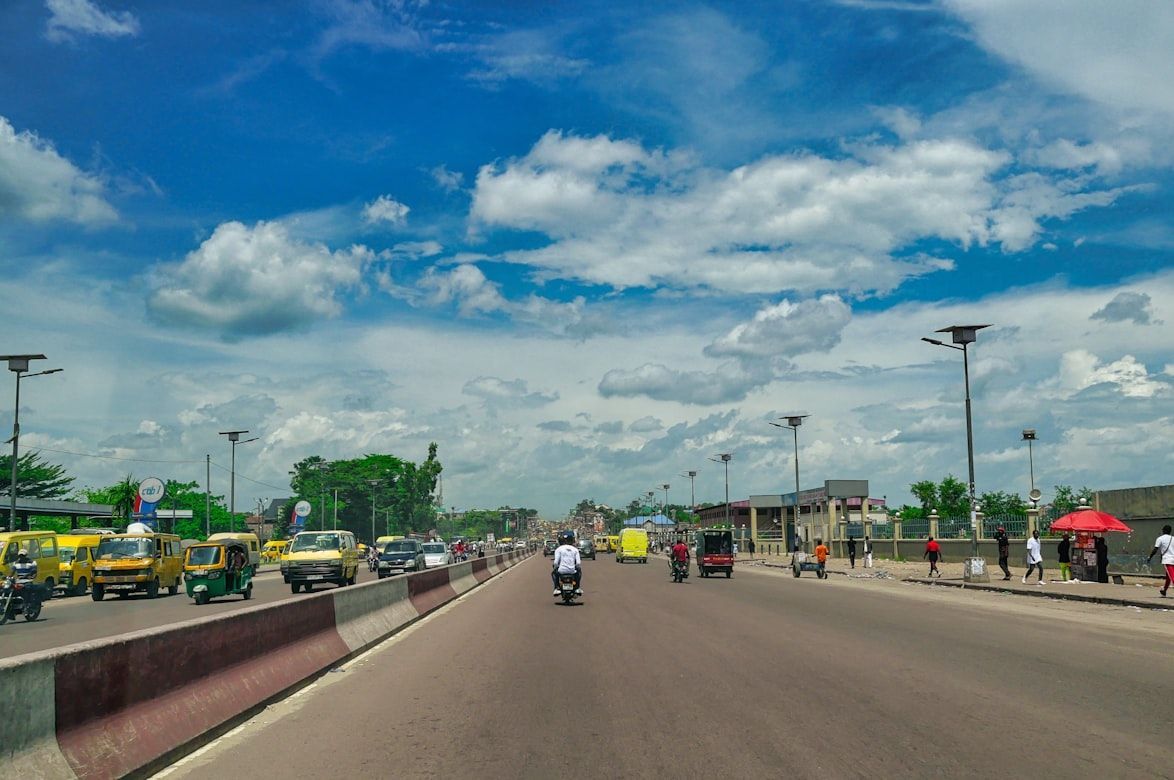
Image: Kaysha

In 1997, after the dictatorial regime of Mobutu Sese Seko was overthrown, Zaire reverted to its pre-1971 name: the Democratic Republic of the Congo.

"Zaire" had been Mobutu’s attempt to Africanize the nation, but reverting to the original name also caused its own problems, since its neighbor is also named the Republic of the Congo, leading to some confusion for both locals and tourists.

5

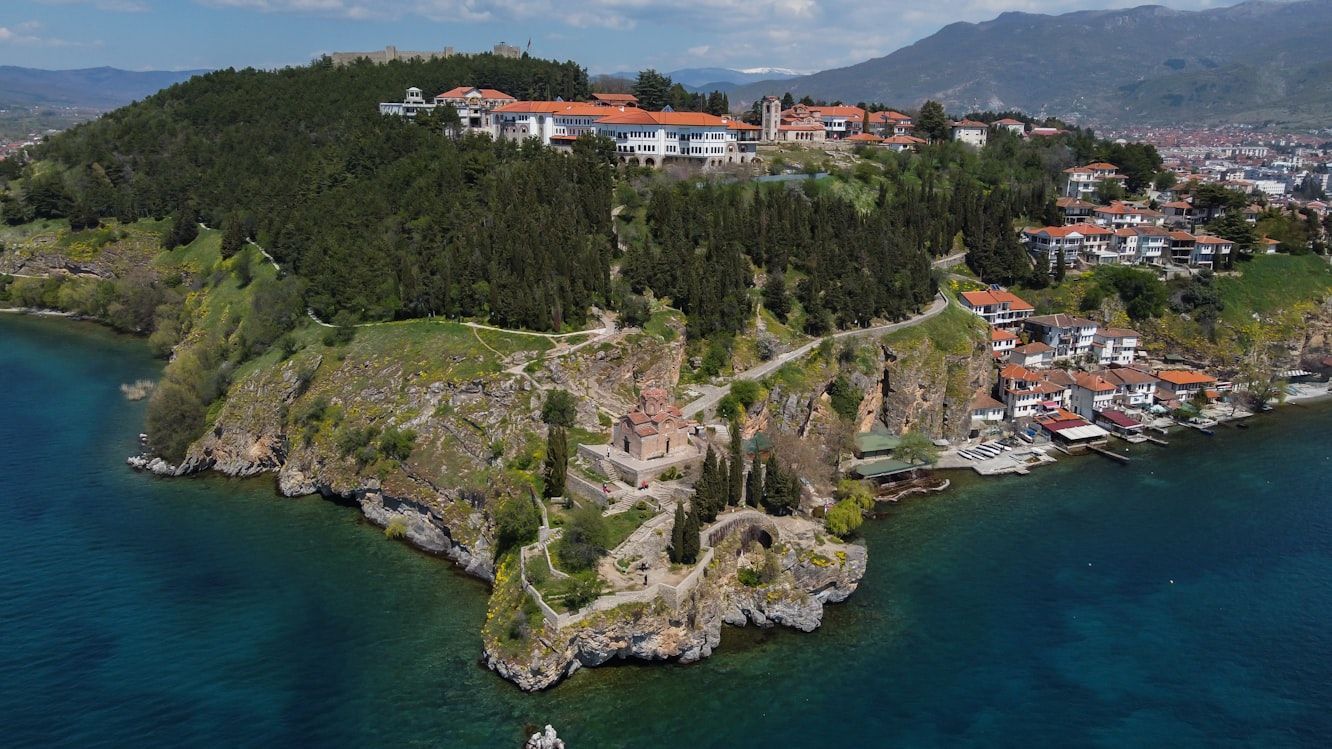
Macedonia to North Macedonia

Image: Ljupco Dzambazovski

After years of dispute with Greece over the name "Macedonia," the country officially became North Macedonia in 2019. Greece claimed "Macedonia" implied a territorial claim over its northern region of the same name.

The compromise unblocked North Macedonia’s path to NATO and EU talks. Though controversial domestically, the change ended a decades-long diplomatic standoff.

6

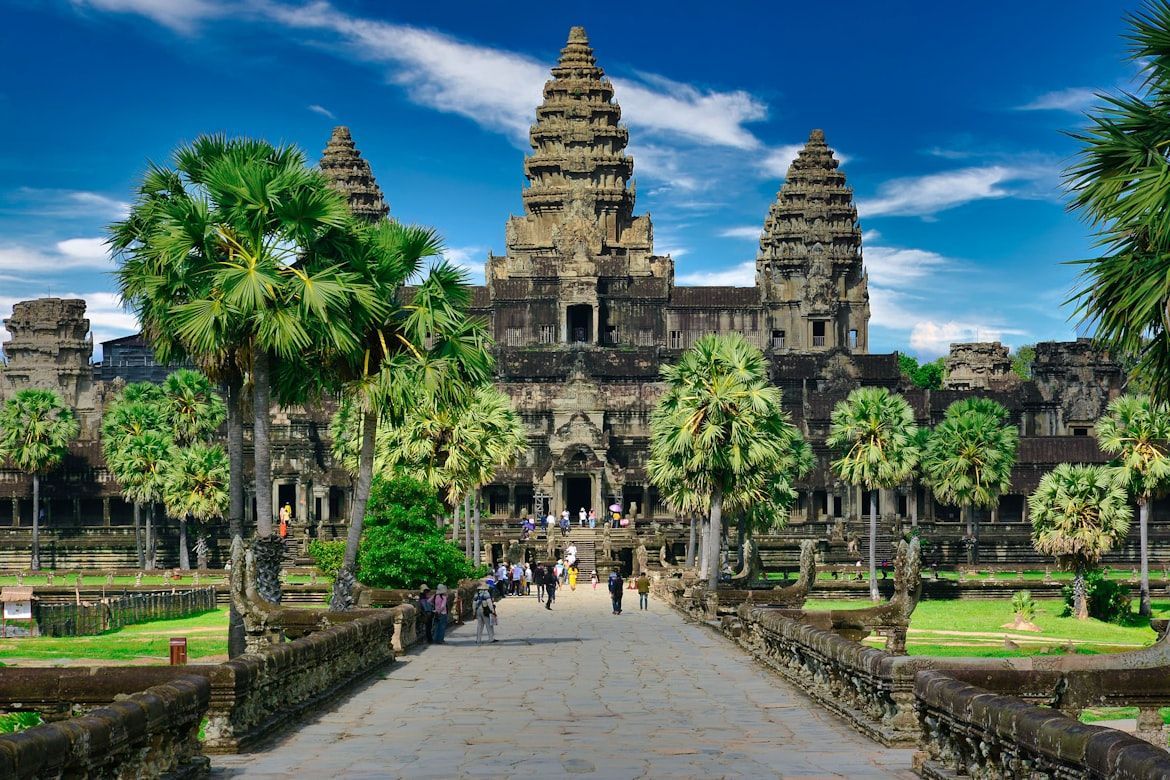
Kampuchea to Cambodia

Image: allPhoto Bangkok

Under the Khmer Rouge regime, the country was known as Democratic Kampuchea. After the regime’s fall in 1979, the name gradually returned to "Cambodia," the anglicized form of the original name.

By 1993, with the monarchy restored and a new constitution, "Kingdom of Cambodia" became official. "Kampuchea" is still used in the Khmer language, but not internationally.

7

Upper Volta to Burkina Faso

Image: Road Ahead

In 1984, revolutionary leader Thomas Sankara renamed Upper Volta to Burkina Faso, meaning "Land of Incorruptible People" in local languages. The old name referred to river tributaries of the region.

Sankara saw the change as a break from colonial legacy and a tribute to national dignity. The people became known as Burkinabé, a new term coined to reflect unity.

8

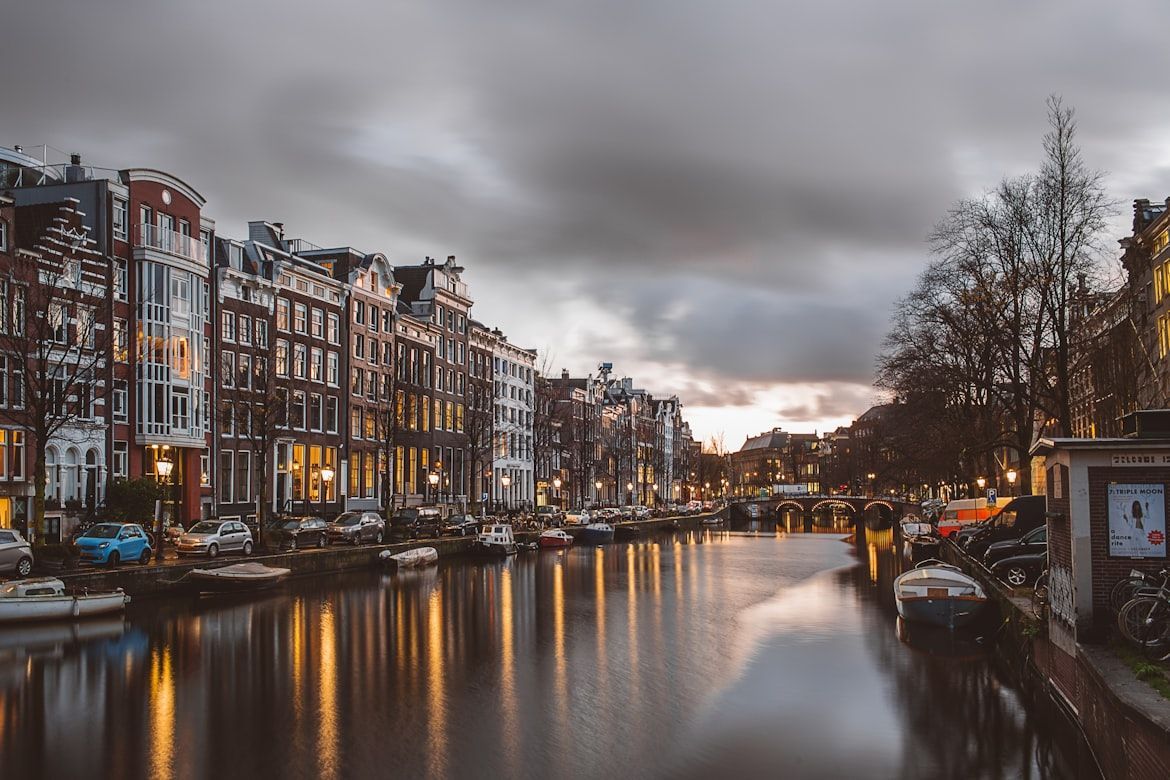
Holland to the Netherlands

Image: Azhar J

This was more a rebranding than a true name change. "The Netherlands" has always been the country’s official name, whereas "Holland" refers only to two provinces. In 2020, the Dutch government stopped using "Holland" in international marketing to avoid confusion.

The change was part of a tourism and trade branding overhaul, with major events like Eurovision and the Olympics adopting "Netherlands" exclusively in their materials.

9

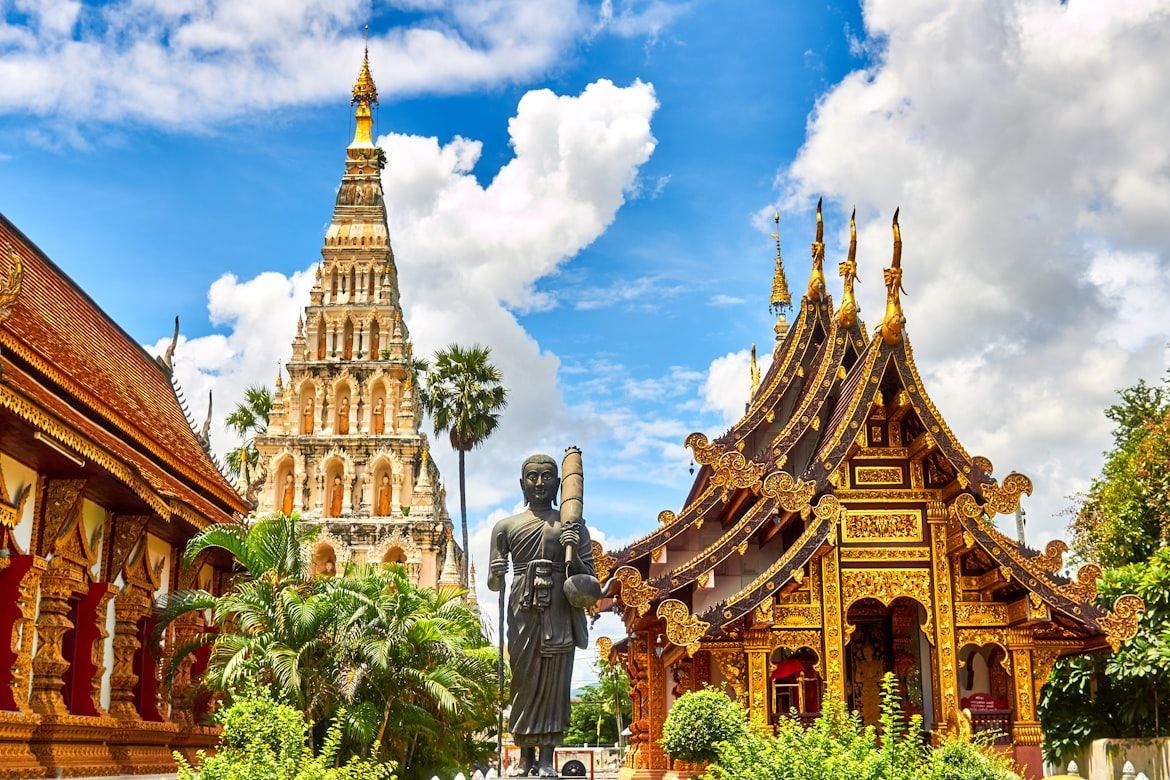
Siam to Thailand

Image: Mathew Schwartz

In 1939, and again officially after WWII in 1949, the country dropped the name Siam to become Thailand, meaning "land of the free."

The change was mainly driven by a nationalist movement that sought to unify the country under a more inclusive Thai identity. While the name "Siam" carried some specific cultural connotations, the name "Thailand" emphasized sovereignty and the ethnic majority’s rule.

10

Rhodesia to Zimbabwe

Image: Chloe Evans

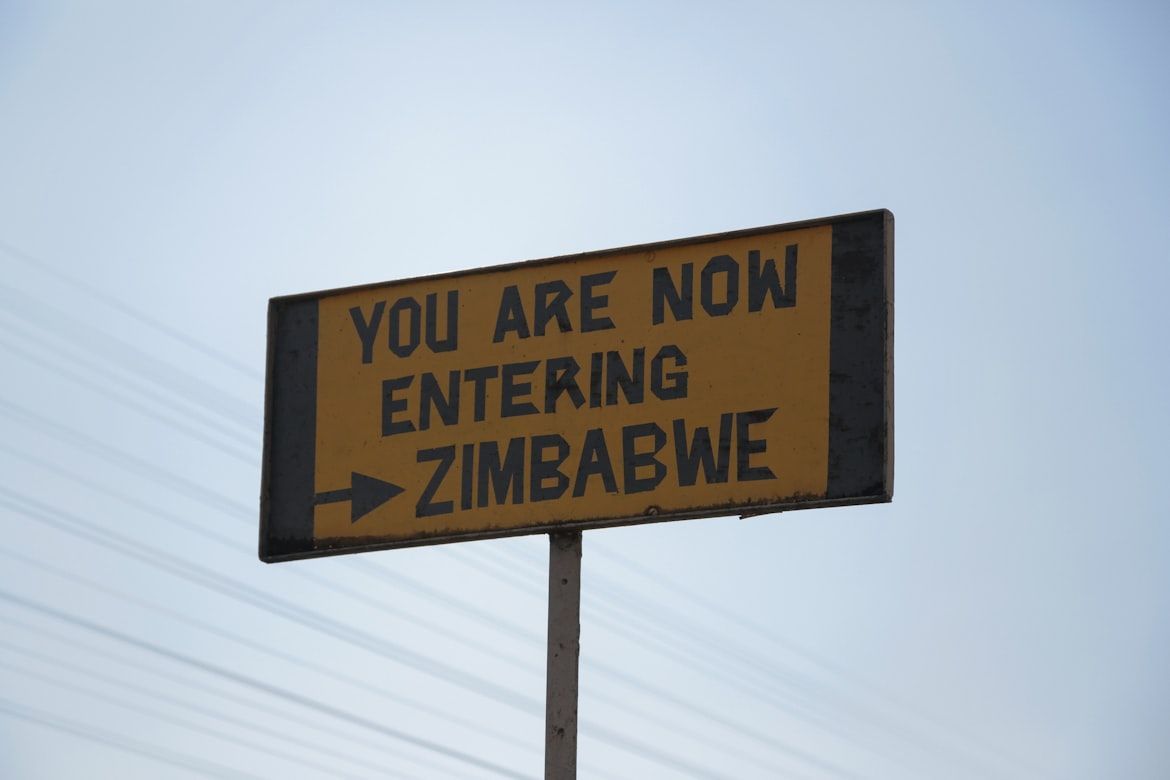
In 1980, the unrecognized white minority government of Rhodesia was replaced, and the country became Zimbabwe, derived from "Great Zimbabwe," an ancient city of the region.

The old name honored British imperialist Cecil Rhodes. The new one reclaimed African history and identity after years of brutal conflict.
We just know that we know nothing

12 facts that people often get wrong


Published on May 1, 2026


Image: Andrea De Santis

No one can claim to know everything, but most people go through life confident about certain things. However, some of these widely held beliefs are not actually correct, despite their popularity. Let’s have a look at some "facts" you might have gotten wrong!

1

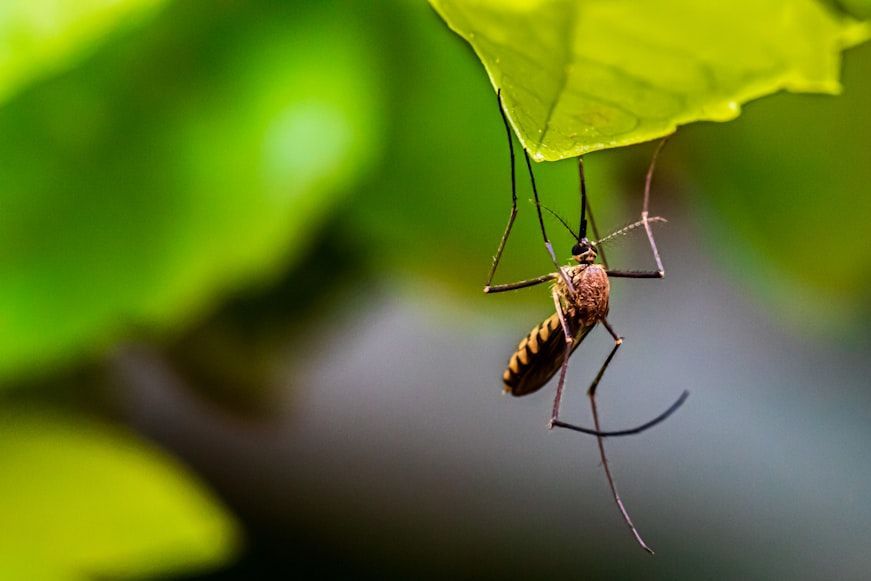
Insects are animals

Image: Syed Ali

The idea that insects—particularly mosquitoes—are not animals is widespread, but it’s also incorrect. In fact, insects are the most diverse group within the Animal kingdom, with more than a million species described and representing more than half of the animal population of the planet.

2

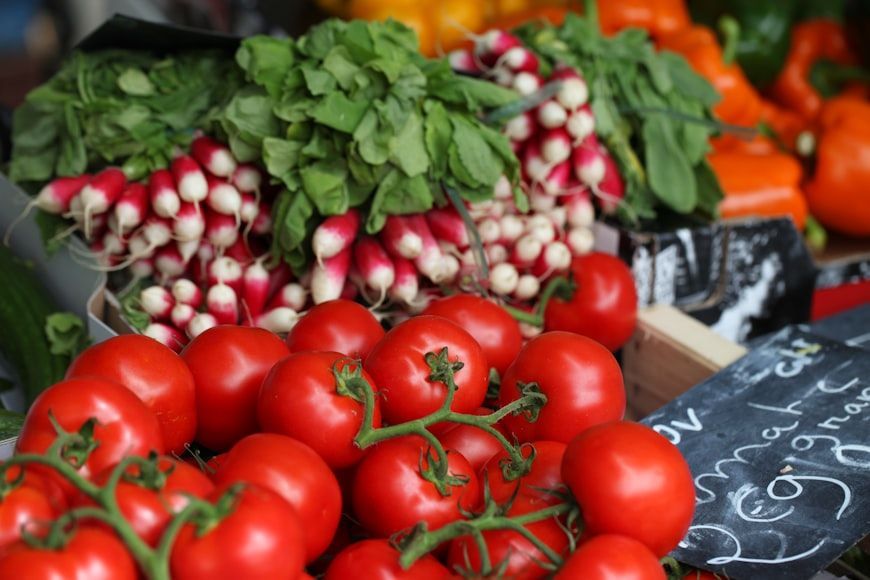
Tomatoes (and many other "veggies") are actually fruits

Image: Heder Neves

The mistake comes from not considering that "fruit" is not only a culinary term but also a botanical one. Botanically, a fruit is the part of a plant that develops from a flower and contains seeds. This makes tomatoes, peppers, cucumbers, eggplants, and many other foods that we call vegetables actually fruits in the scientific sense.

3

Russia is both in Europe and Asia

Image: Michael Parulava

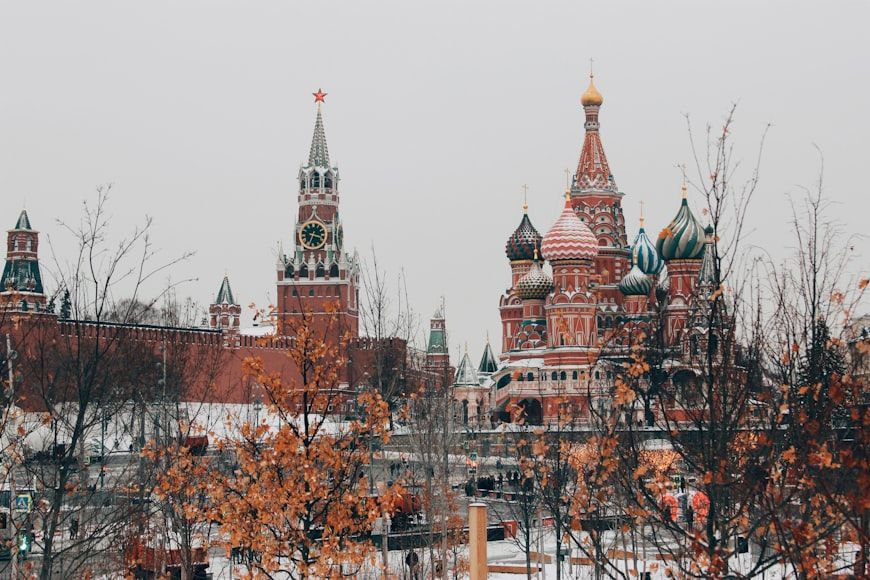
Countries have a political delimitation, while continents are divided according to geographical criteria. The Russian Federation is the largest country on Earth, bordering fourteen other countries and extending across eleven time zones. It spans across a good part of Eastern Europe, but also across the Ural mountains—one of the recognized borders between Europe and Asia—and stretches deep into northern Asia.

4

The flu is not caused by cold weather

Image: Towfiqu barbhuiya

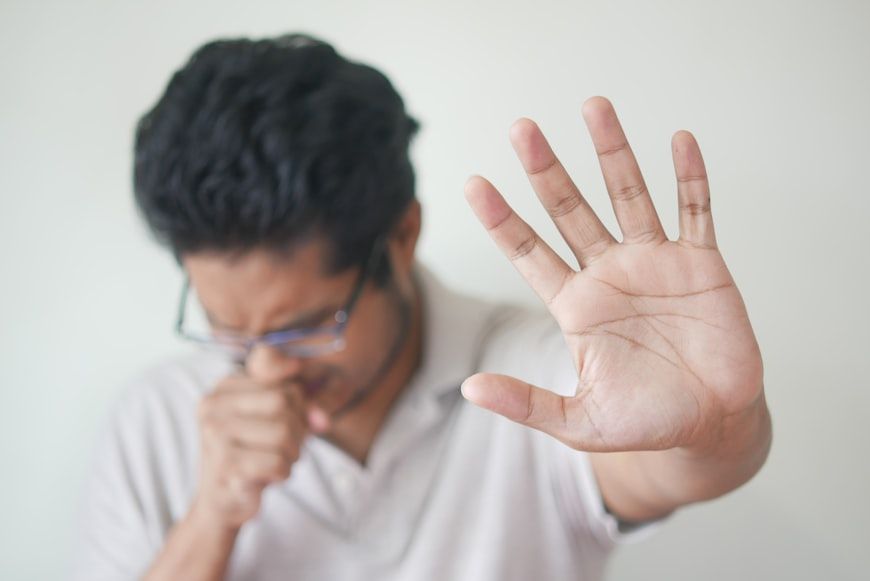
While cold weather isn’t harmless, it is not the direct cause of illnesses like the flu, which are caused by viruses. In colder months, people tend to spend more time indoors and often avoid ventilating rooms, creating conditions that make it easier for viruses to spread and cause illness.

5

Bats are not blind

Image: Riizz

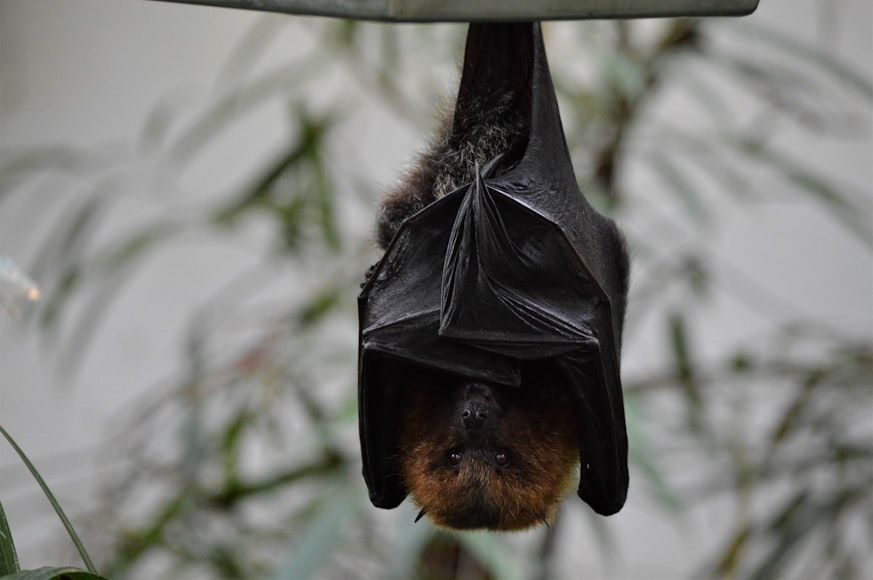
Bats might not prefer to be out during bright daylight, but this does not mean that they are blind. In fact, many species have excellent eyesight, though it is adapted to low-light or nighttime conditions. On top of that, bats also use echolocation, which allows them to navigate and hunt with remarkable precision in complete darkness.

6

You don't need to wait 24 hours to file a missing persons report

Image: Volodymyr Hryshchenko

The belief that you must wait a full day before reporting someone missing is a myth popularized by movies and TV shows. In reality, the law does not require a waiting period. In fact, law enforcement agencies stress that the first 24 hours are often the most critical, so a missing person should be reported immediately.

7

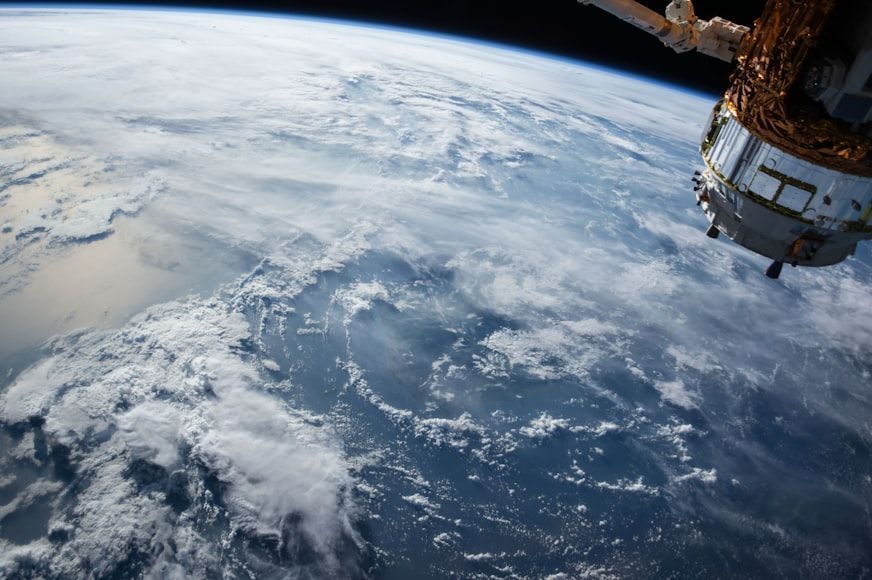
The Great Wall of China can’t be seen from space

Image: NASA

Some man-made structures are visible from space without magnification, but despite popular belief, the Great Wall of China is not one of them. While it is quite long, being over 13,000 miles long, it is relatively narrow, and its earthy colors blend in with the surrounding landscape, making it nearly impossible to spot with the naked eye from orbit.

8

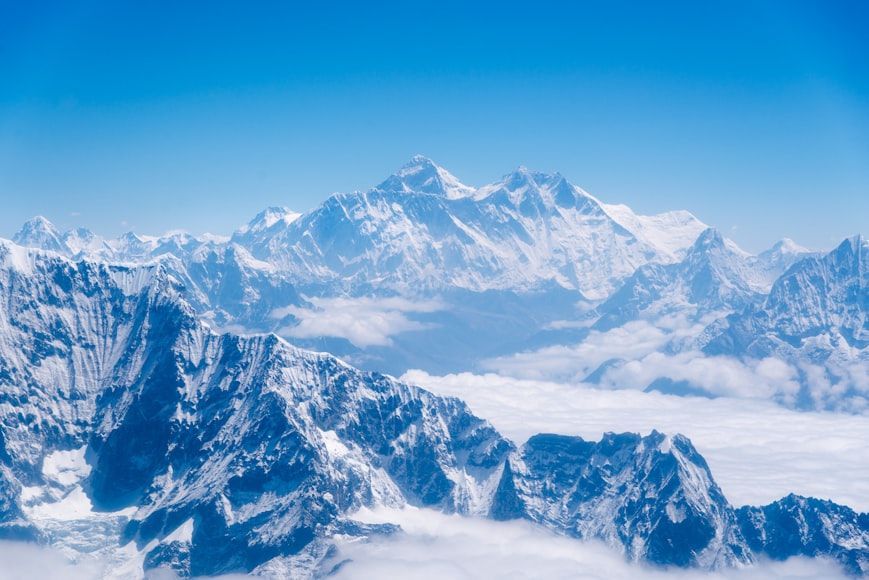
Mount Everest is not the tallest mountain on Earth

Image: Andreas Gäbler

This one is tricky: Mount Everest is the highest mountain on Earth (29,032 feet)… if you measure the distance from sea level to peak. For the actual tallest mountain, the answer might vary depending on how you measure. Measured from base to summit, Mauna Kea in Hawaii is the tallest at 33,474 feet—though much of it is underwater. Mount McKinley (Denali) in Alaska rises about 18,000 feet from its base to the peak, making it the tallest mountain entirely above sea level. And Ecuador’s Mount Chimborazo, while shorter in height, is the farthest point on Earth from the planet’s center due to the equatorial bulge.

9

The Northern and Southern Hemispheres have opposite seasons

Image: Kyle Glenn

The Earth is tilted on an axis, which causes the amount of sunlight each hemisphere receives to change as it orbits the Sun. Because of this tilt, when the Northern Hemisphere is tilted toward the Sun and experiences summer, the Southern Hemisphere is tilted away and experiences winter—and vice versa. This is why the Southern Hemisphere celebrates Christmas during summer.

10

It’s not dangerous to wake a sleepwalking person

Image: Kate Stone Matheson

Standard medical advice is to gently guide a sleepwalker back to bed rather than waking them, but not because waking them is inherently dangerous. People tend to sleepwalk during deep sleep, so waking them up might startle them or cause confusion and disorientation.

11

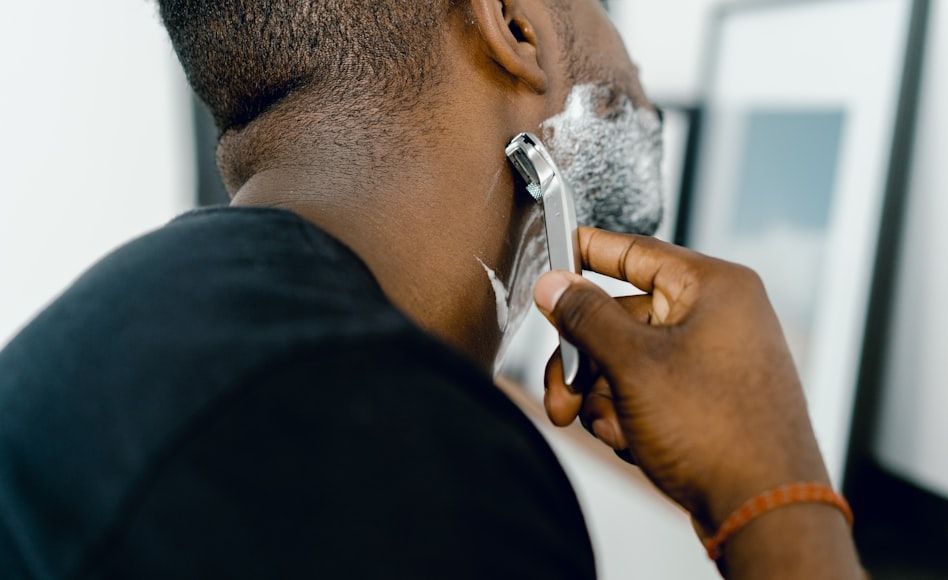
Shaving won’t make your hair grow thicker

Image: Supply

Hair color and thickness are determined by genetics, not by shaving. Hair naturally gets thin at the ends, so when you shave it, the hair shaft appears to be thicker and darker because of the blunt cut. But it's just an optical illusion; the natural size of the shaft remains unchanged.

12

Coffee won’t dehydrate you

Image: Mike Kenneally

Coffee is a natural diuretic, meaning it can increase trips to the bathroom. However, the water in brewed coffee still contributes to your hydration and offsets its mild diuretic effect. If you consume coffee in moderation—3 to 5 cups a day, depending on your tolerance—you should be alright. However, drinking extra water on the side is never a bad idea.

Looking for an extra scoop of literary fun?

Learn more with our Word of the day

debunk

/diˈbəŋk/