Born on the battlefield

From foxholes to fashion: 10 wartime innovations you can’t live without


Published on March 17, 2026
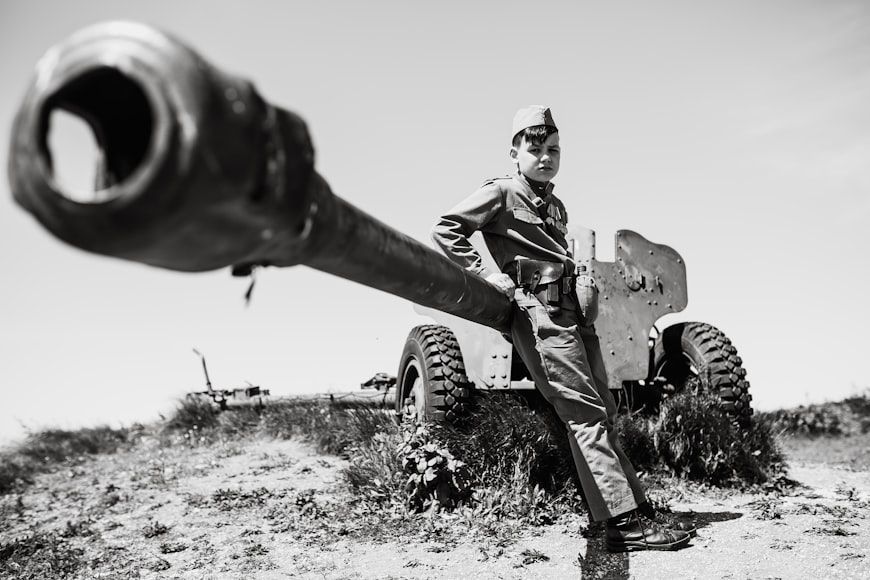

Image: Евгений Новиков

Since time immemorial, conflict and the urgent necessities of war have driven rapid innovation. Many everyday products trace their origins back to military needs. From wristwatches to instant coffee, items that once kept soldiers alive, efficient, or comfortable now fill our kitchens, closets, and offices. Here are 10 objects with surprisingly martial origins.

1

Nylon

Image: Paul Bright

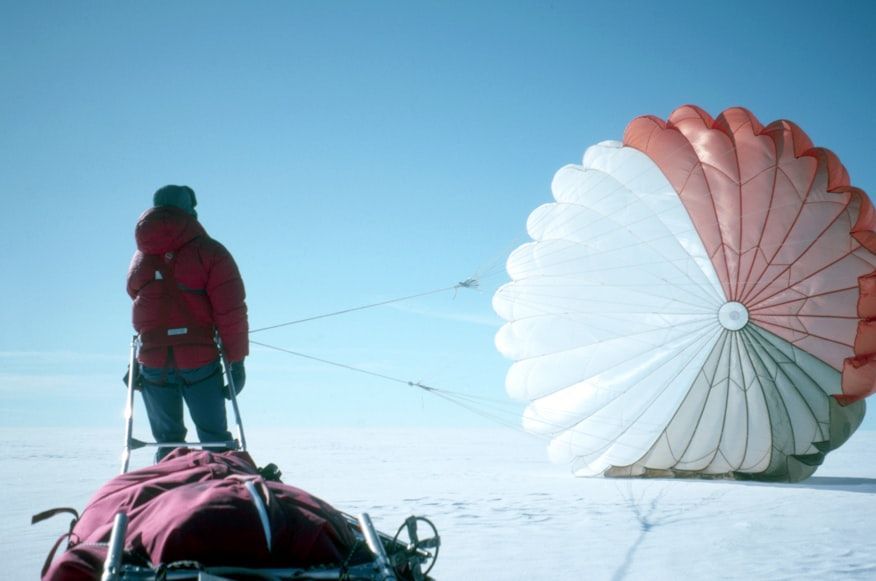
Now a ubiquitous fabric present in everything from clothes to carpets, nylon debuted in WWII as a replacement for scarce silk in parachutes, ropes, and tire cords.

Its lightweight durability made it indispensable for military supplies. After the war, nylon quickly transitioned into civilian life, with stockings becoming its first big hit.

2

Zippers

Image: Marcus Urbenz

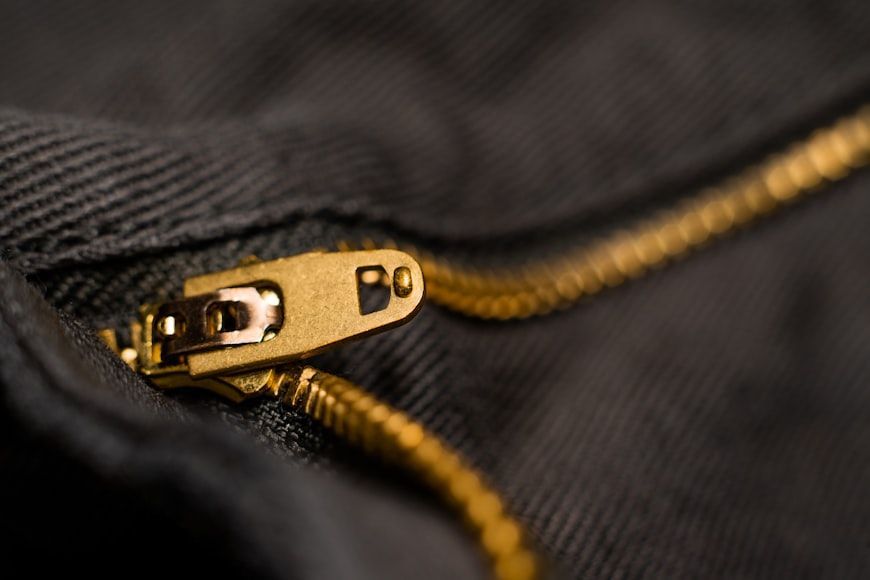
First patented in the late 19th century, zippers gained traction during WWI as fasteners for military uniforms and gear. Buttons proved slower and less reliable under battlefield conditions, making zippers a more efficient choice.

The military’s adoption helped standardize their use, and after the war, zippers spread rapidly into civilian clothing, luggage, and countless household items.

3

Canned Food

Image: Calle Macarone

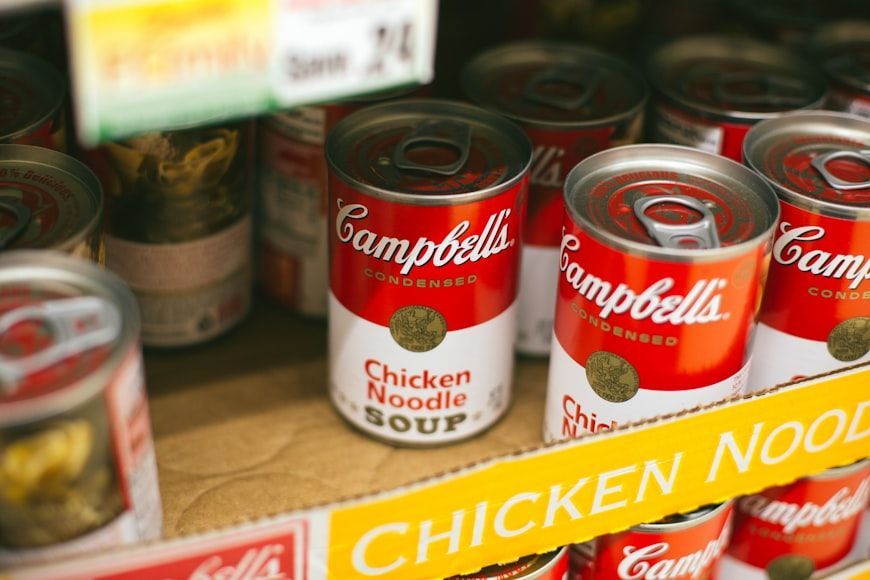
In 1795, Napoleon offered a prize for a food preservation method that could feed his armies on long marches without risk of spoilage.

Nicolas Appert, a French confectioner, spent 15 years experimenting before developing a process of sealing food in glass jars and heating them to sterilize the contents. Appert received the prize in 1810, and before long, the technique was adapted to tin cans, which soon found their way into military rations.

4

Instant Coffee

Image: Amr Taha™

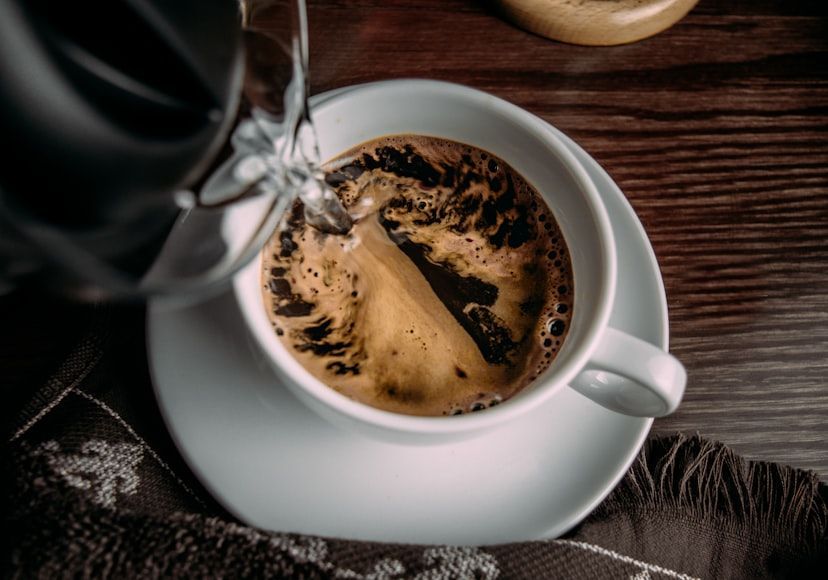
A precursor to modern instant coffee appeared during the American Civil War as a concentrated coffee, milk, and sugar mixture called Essence of Coffee. Soldiers mixed a teaspoon with hot water, but many complained it had the consistency of axle grease (yikes!).

In the decades that followed, the concept was refined, and by WWI and WWII, the U.S. military was mass-issuing instant coffee to troops for convenience and morale. Civilian popularity grew alongside military adoption.

5

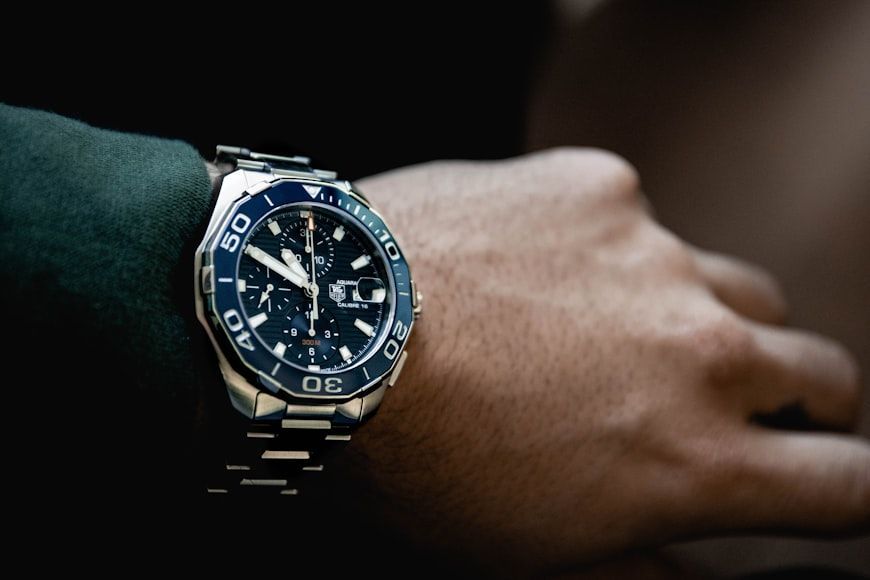
Wristwatches

Image: Bryan Angelo

During WWI, officers found pocket watches impractical during fast-paced and unpredictable combat conditions. Many soldiers began strapping them to their wrists for quick time checks, turning a personal improvisation into a battlefield necessity.

The first true wristwatches were designed specifically for this purpose, and the term "trench watch" soon became common. Surprisingly, these early designs already featured enduring innovations, such as luminous dials for nighttime visibility.

6

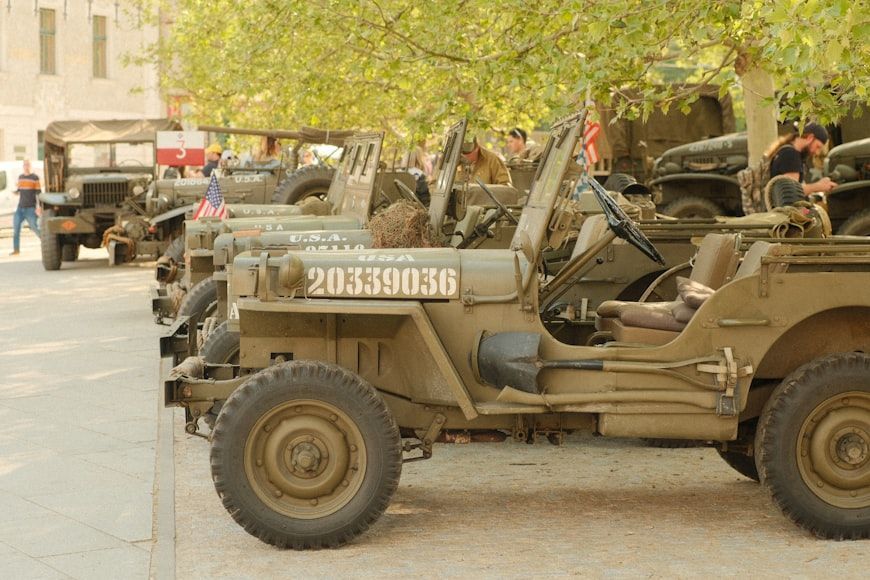
Jeeps

Image: Roman

When the U.S. entered WWII, the Army invited more than 130 companies to develop prototypes for a lightweight, four-wheel-drive reconnaissance vehicle; only Bantam and Willys-Overland responded. The resulting Willys MB "Jeep" proved rugged, versatile, and indispensable to soldiers.

After the war, surplus Jeeps hit civilian markets, sparking the off-road craze and laying the groundwork for modern SUVs.

7

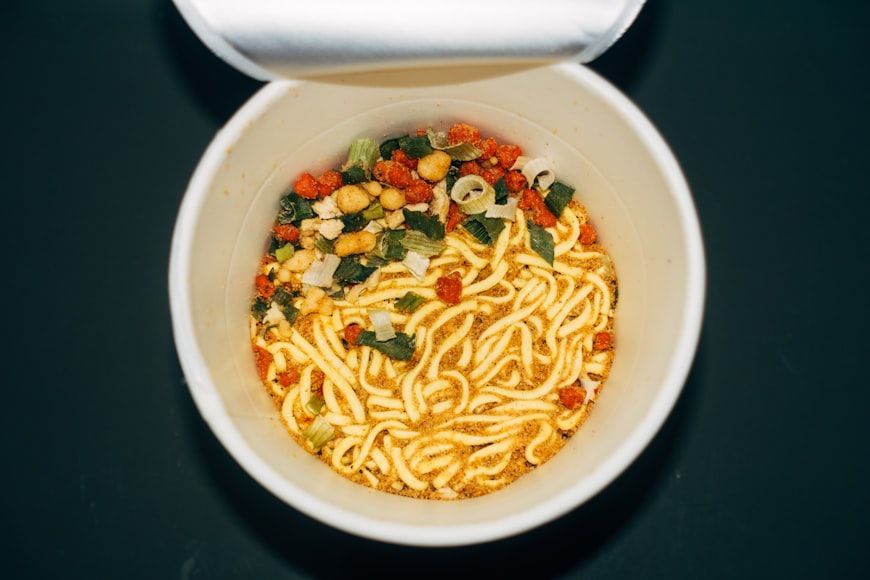
Instant Noodles

Image: Markus Winkler

Instant noodles were inspired by post-WWII food shortages in Japan. Momofuku Ando, founder of Nissin Foods, invented them in 1958 as a quick, affordable, and portable meal, ideal for a country struggling with limited food supplies.

The noodles were flash-fried to remove moisture, making them lightweight and long-lasting. The concept was influenced by military-style rations, designed for easy storage and preparation.

8

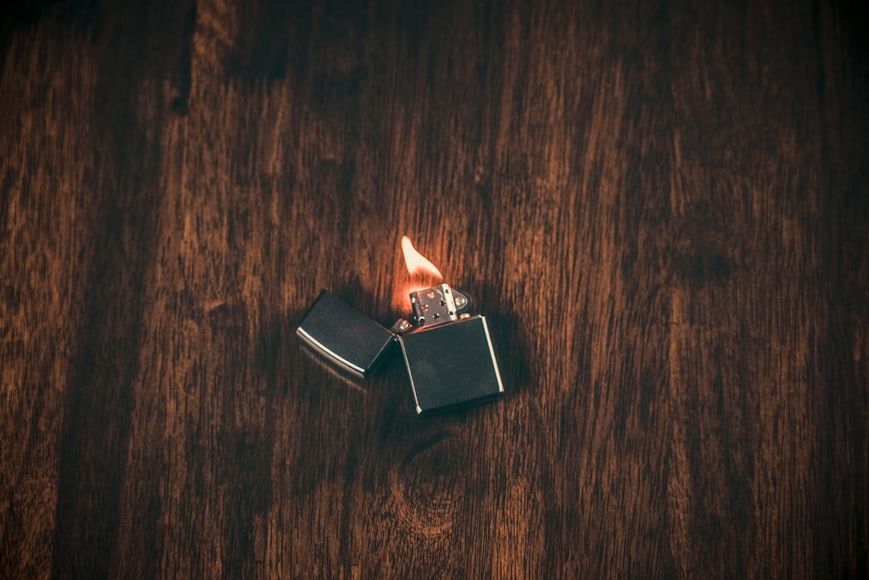
Zippo Lighters

Image: aaron boris

Zippo lighters were standard issue for U.S. troops in WWII and Vietnam, valued for their windproof flame and reliability in harsh conditions. Throughout the conflicts, the company devoted its full production capacity to meeting military demand.

Afterward, the iconic design and dependability spoke for themselves, turning Zippos into a pop culture symbol of ruggedness among civilians.

9

Cargo Pants

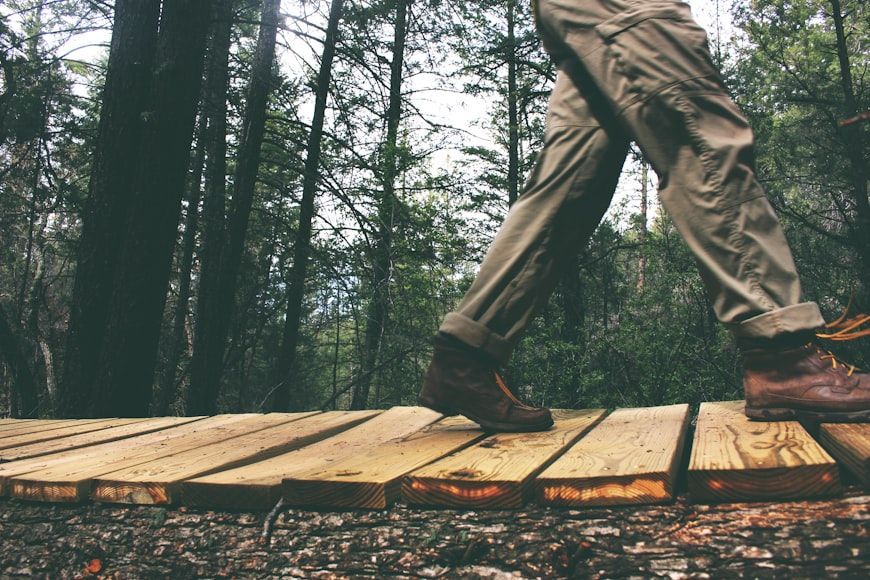
Image: Lacey Raper

Specially designed in the 1930s for British paratroopers, cargo pants featured extra pockets for maps, ammunition, and essential supplies, allowing soldiers to carry gear hands-free during airborne operations.

The practical design proved so effective that it was widely adopted by other Allied forces throughout WWII. After the war, the durable pants transitioned into civilian life as reliable workwear for laborers, hikers, and adventurers.

10

Freeze-Dried Food

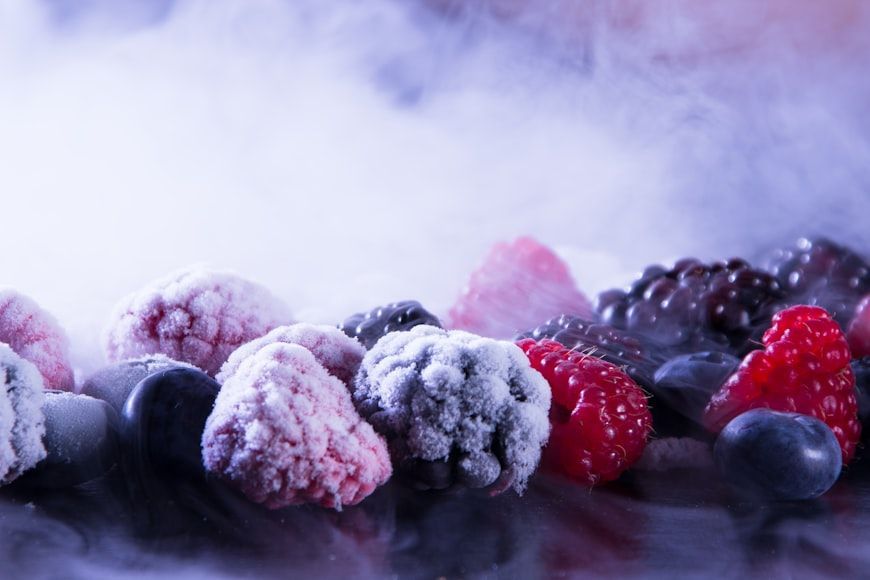
Image: Devin Rajaram

While freeze-drying, or lyophilization, has been known for centuries—the Inca were freeze-drying potatoes as early as the 13th century—it wasn’t until WWII that a commercially viable process was developed.

The military needed a way to preserve blood plasma and penicillin for soldiers in harsh battlefield conditions, where refrigeration was a rare luxury. This demand drove the development of modern freeze-drying techniques, which are still used today for food, medicine, and scientific materials.
Secret codes, decoded

Why pilots say "roger" and 9 other unspoken coded messages


Published on March 17, 2026


Image: Zoran Jesic

Every line of work has its own secret language. Pilots, nurses, actors, filmmakers, and sailors all use words and signals that mean something very specific to insiders. If you’re an outsider overhearing them, you probably wonder, "What the heck is going on?" Some of these terms are technical, some are funny, and some are just plain absurd. Take why pilots say "Roger" when they don’t mean "yes," or what "S.O.S." really stands for (spoiler: it doesn’t stand for anything). Let’s decode 10 of them.

1

Why pilots, ATC, and sailors say "Roger" instead of "Yes"

Image: LightField Studios

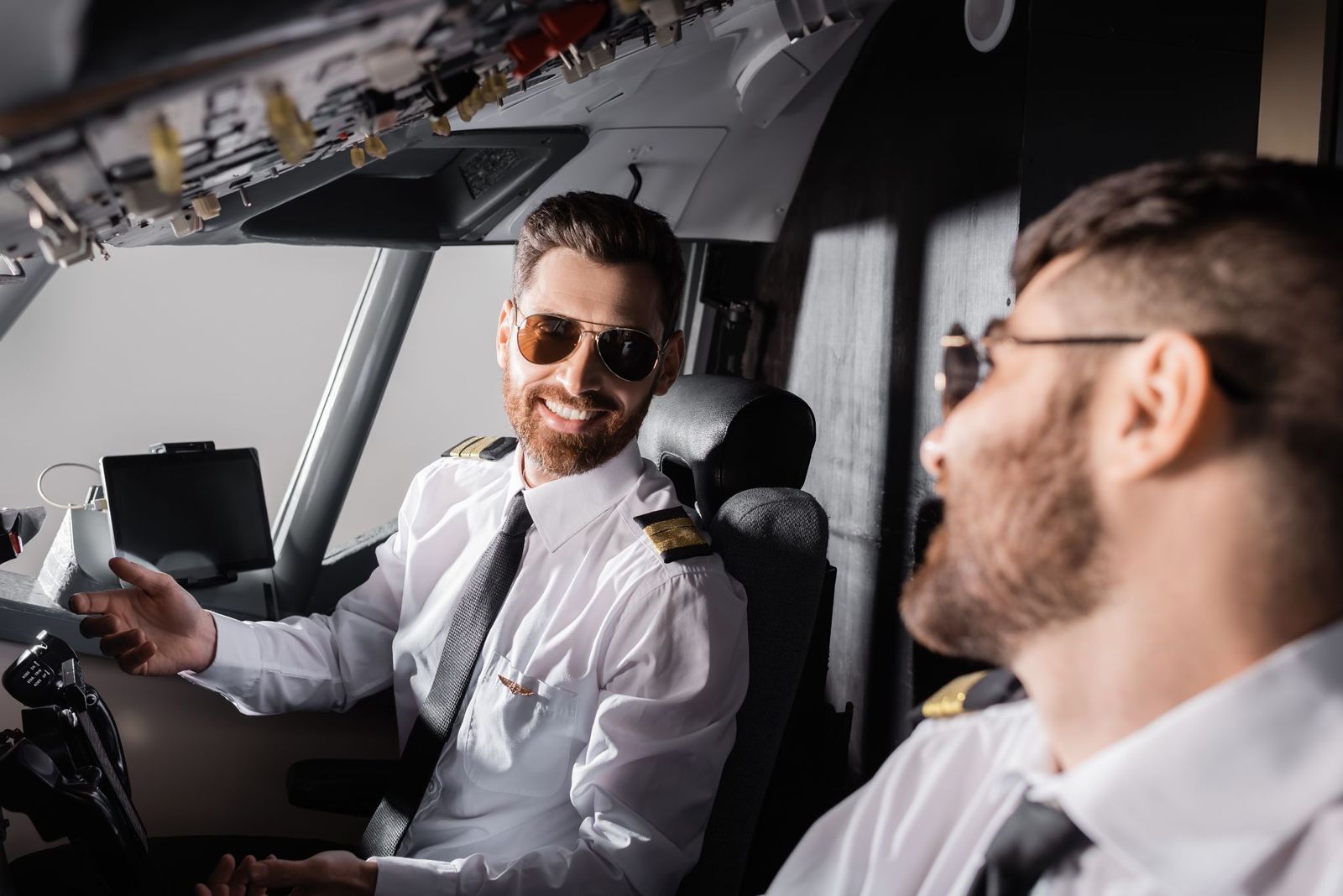
"Roger" doesn’t mean yes; it means "message received." Early radio operators spelled out letters with code words so garbled static wouldn’t ruin things, and the word for R was "Roger." R stood for "received," so the name stuck. The alphabet changed in 1957, and R became "Romeo," but "Roger" lived on like an old uncle at Thanksgiving. Civilians never learn it because most of us have never radioed a tower.

2

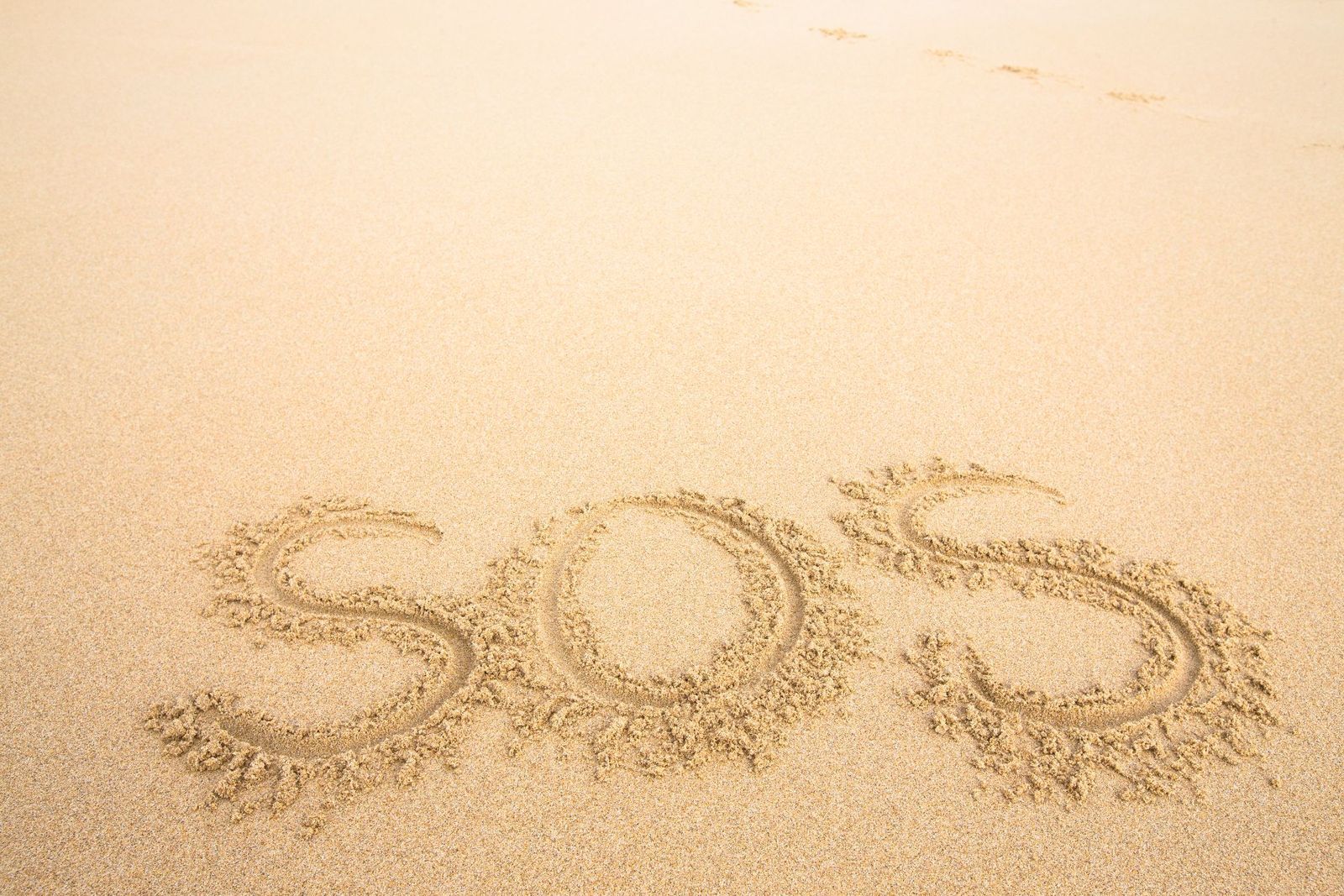
What "SOS" actually stands for in international maritime code

Image: Strannik_fox

Surprise: it doesn’t stand for anything. "Save Our Souls" is a catchy myth invented later. In Morse code, S is three dots, and O is three dashes, so the signal is just three dots, three dashes, three dots. It was adopted at a radio conference in Berlin in 1906, took effect in 1908, and was easy to send and hard to mistake. The Titanic famously used it in 1912. Since it isn’t an acronym, those periods in "S.O.S." are technically incorrect.

3

The reason hospital staff call out a "Code Red" instead of "Fire"

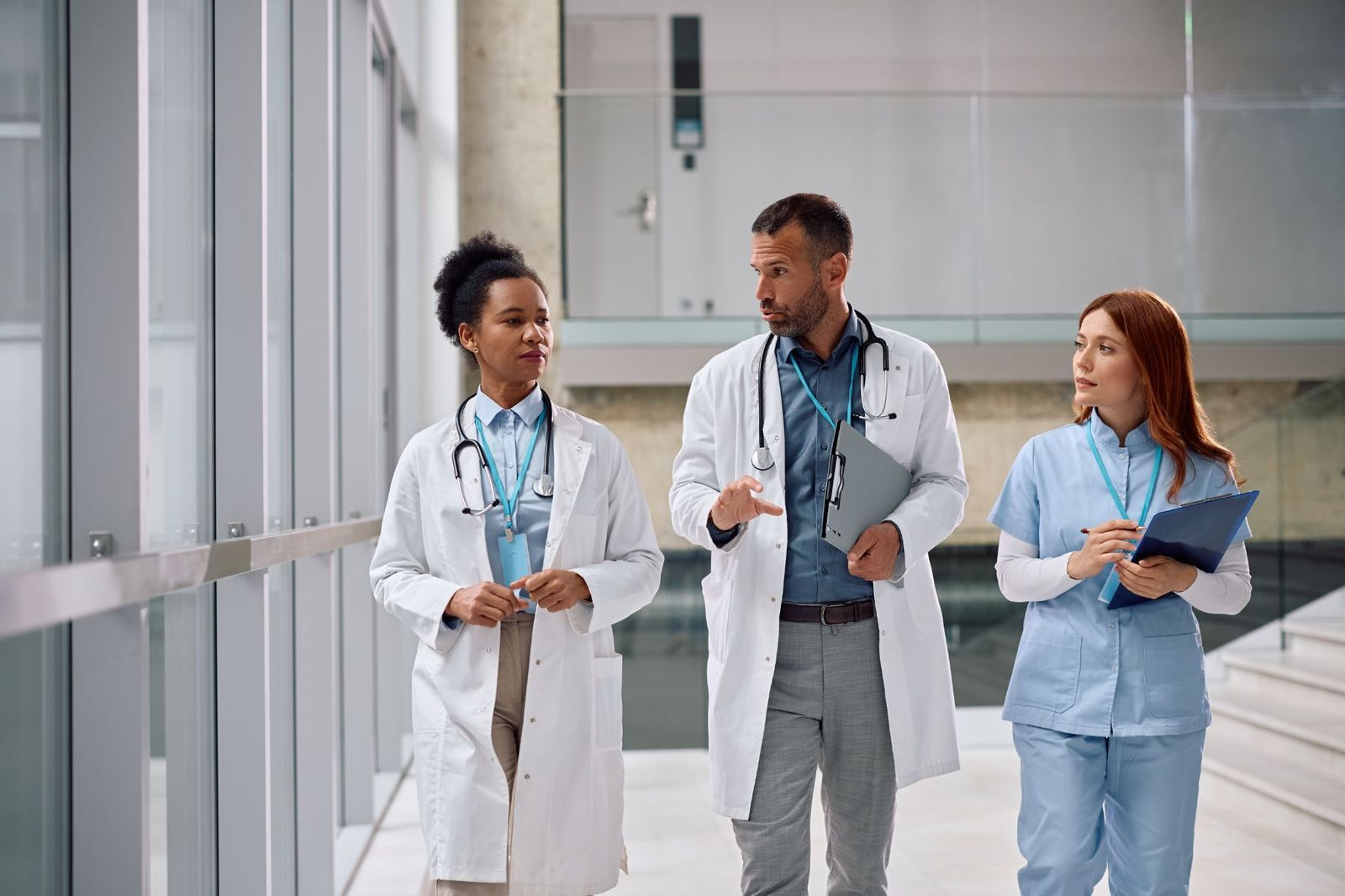
Image: Drazen Zigic

Imagine a hospital full of patients on oxygen, in surgery, or unable to walk, and then somebody shouts "FIRE!" That’s a recipe for panic. So hospitals use color codes: Code Red means fire, Code Blue means a patient needs resuscitation, and so on. Hospitals began adopting codes in the 1960s, and they still differ from state to state. Patients are often left confused, which is rather the point.

4

The secret phrase "Code Adam" in retail stores

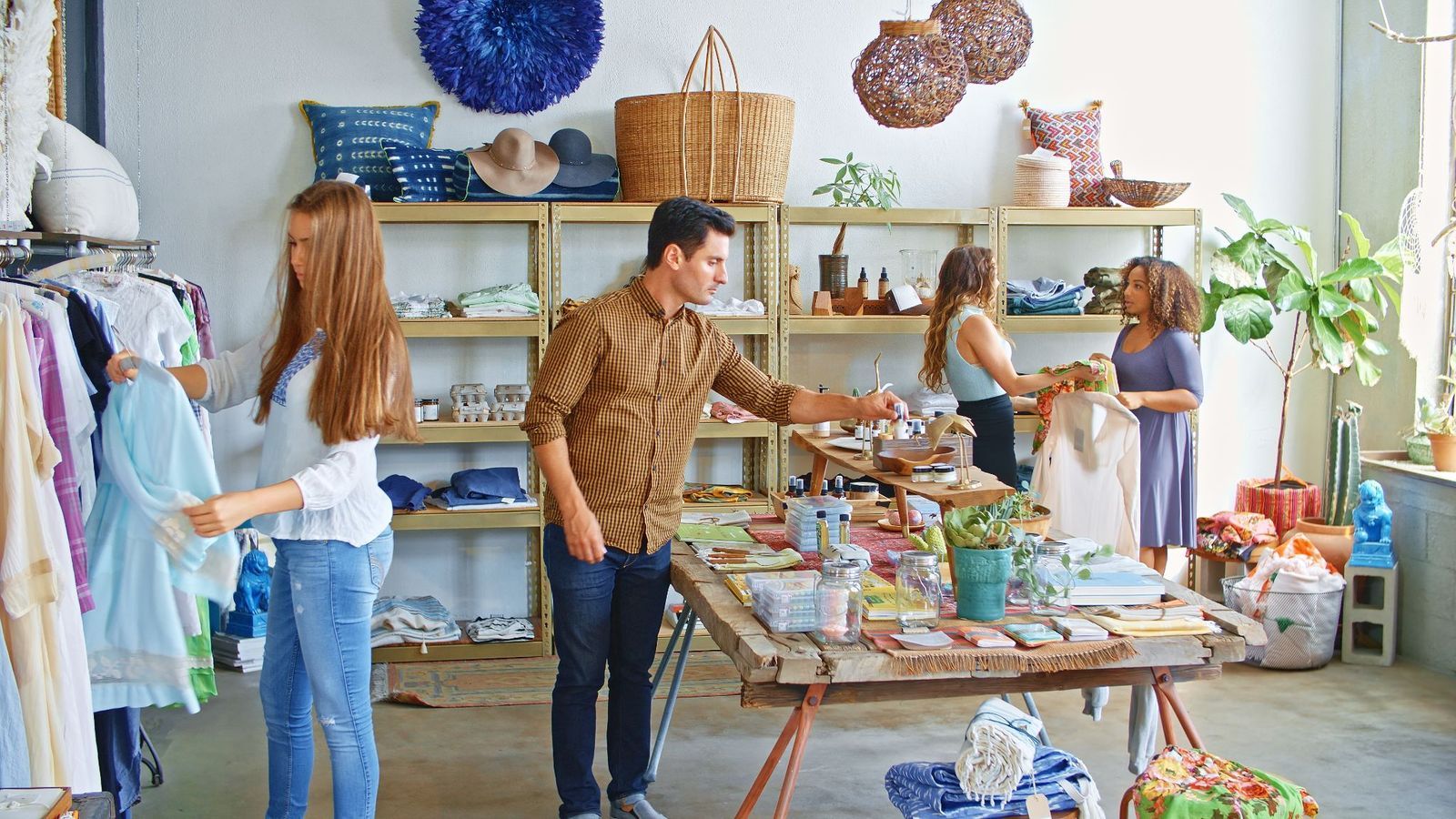
Image: Monkey Business Images

If you hear "Code Adam" over a store speaker, a child is missing. Staff lock the doors and search. It’s named for Adam Walsh, a six-year-old who vanished from a Sears store in Hollywood, Florida, in 1981. Walmart introduced the program in 1994, and many other stores followed. Stores use a code instead of a plain announcement so a possible abductor doesn’t panic and bolt.

5

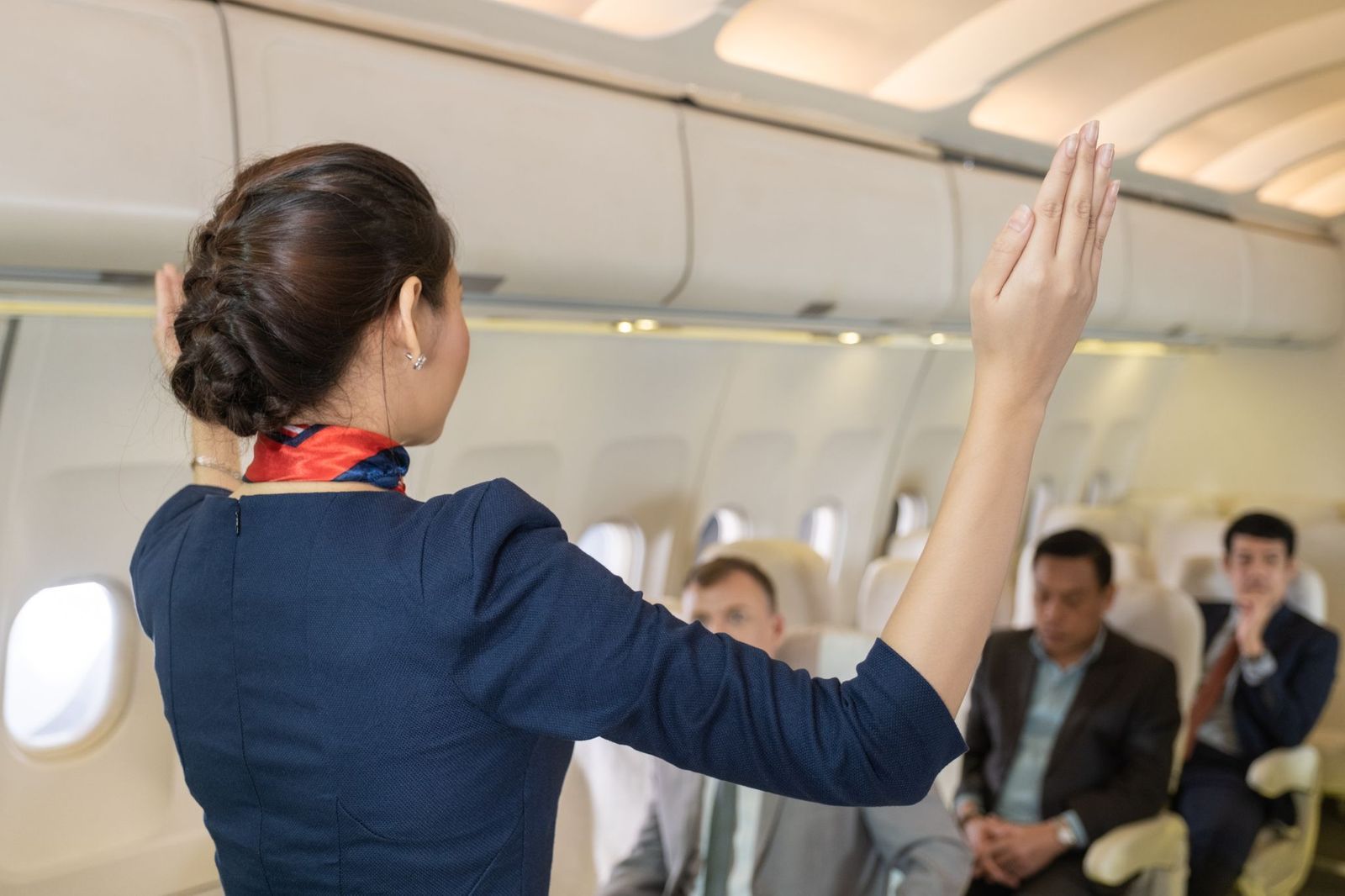
Why flight attendants perform a specific hand gesture when pointing out exits

Image: OSJPHOTO

That graceful sweep of the hands isn’t flight attendant theater. Federal rules require airlines to show passengers where the exits are, and the open-palm, arm-sweeping gesture makes the pointing clear and unmistakable, even in a noisy, crowded cabin. It dates back to the early days of commercial jets in the 1950s and ’60s. Most of us tune it out, usually while hunting for the little bag of pretzels.

6

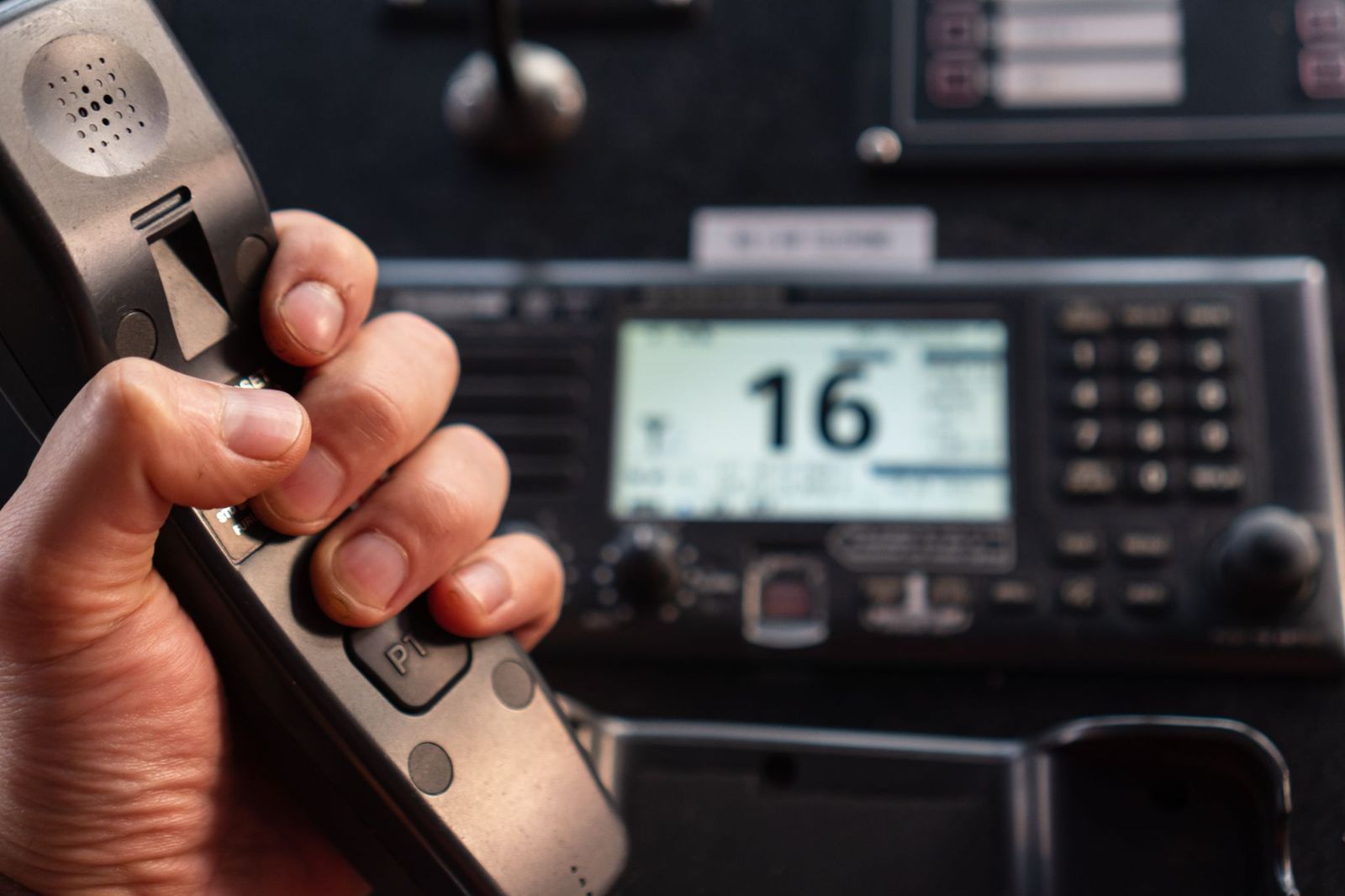
Why pilots and sailors say "Mayday" three times when they’re in trouble

Image: Volodymyr Dudenkov

Nothing to do with the May 1st holiday. In 1923, it was hard to make out the letter "S" over radio telephone, so "S.O.S." was swapped for "mayday" on cross-channel flights between Britain and France. The word sounds like the French "m’aidez," meaning "help me." It was made the official voice distress call in 1927. Saying it three times keeps it from being mistaken for a message that merely mentions it. Most of us only hear it in movies.

7

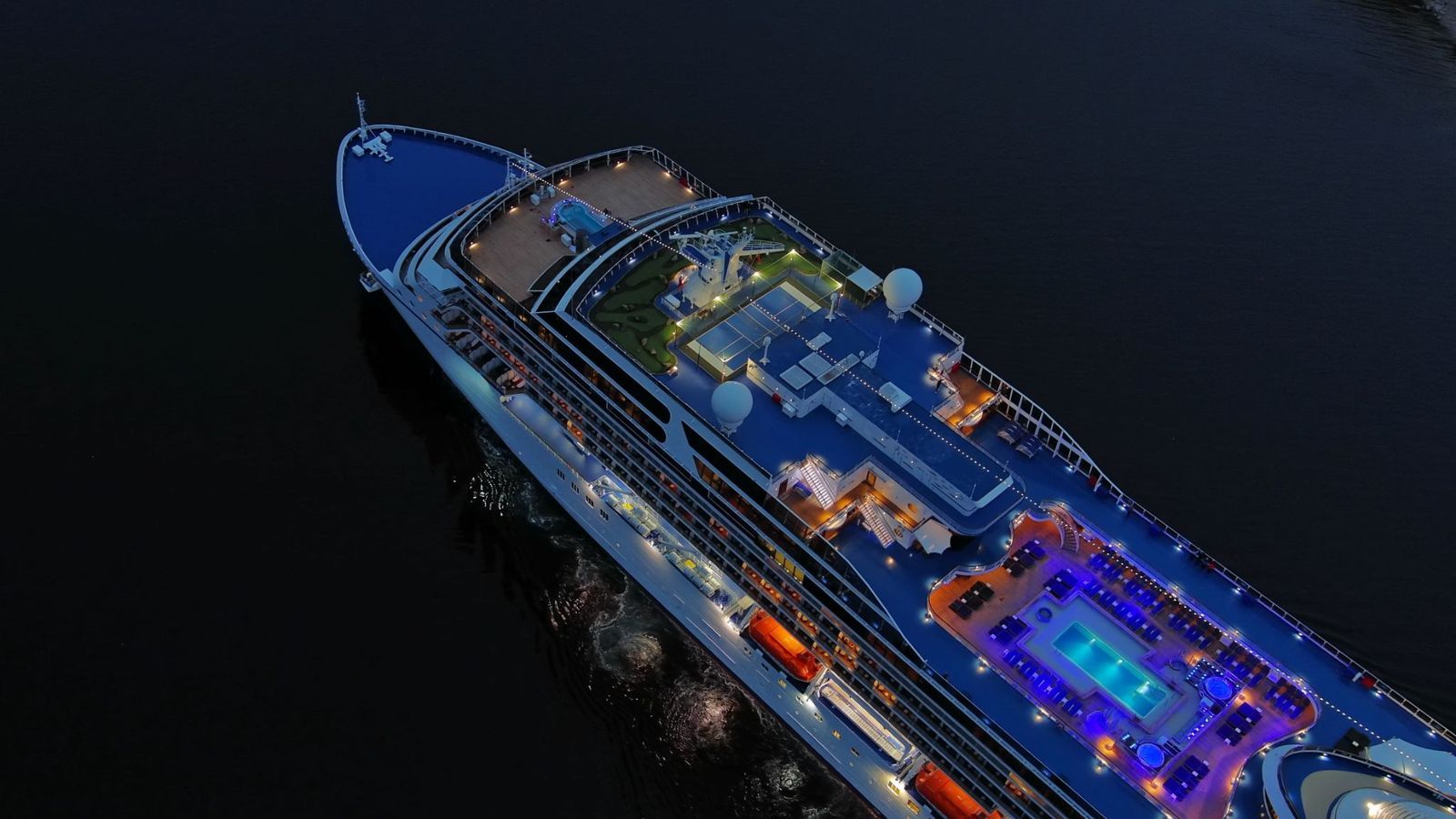
Why ships turn on blue lights at night in passenger areas

Image: Kokhanchikov

Even though there’s no single worldwide rule, ships do use dim red or blue lighting in some areas at night so crews keep their night vision when they step out on deck, and on European rivers a blue light can flag dangerous cargo. Cruise lines also use soft lighting for ambiance. Naturally, passengers rarely hear about any of it because ship rules are written for crews, not vacationers.

8

Subtle hand gestures that could get you in trouble in foreign countries

Image: Luis Molinero

Hand gestures don’t mean the same thing everywhere. Arrests are actually rare, but real trouble is possible. The "thumbs up" is rude in parts of the Middle East. The "OK" sign is an insult in Brazil and a few other countries. In Greece, an open palm shoved toward someone’s face, called the "moutza," is a serious insult dating back to Byzantine times. Americans stumble into this because we assume our gestures are universal. They aren’t.

9

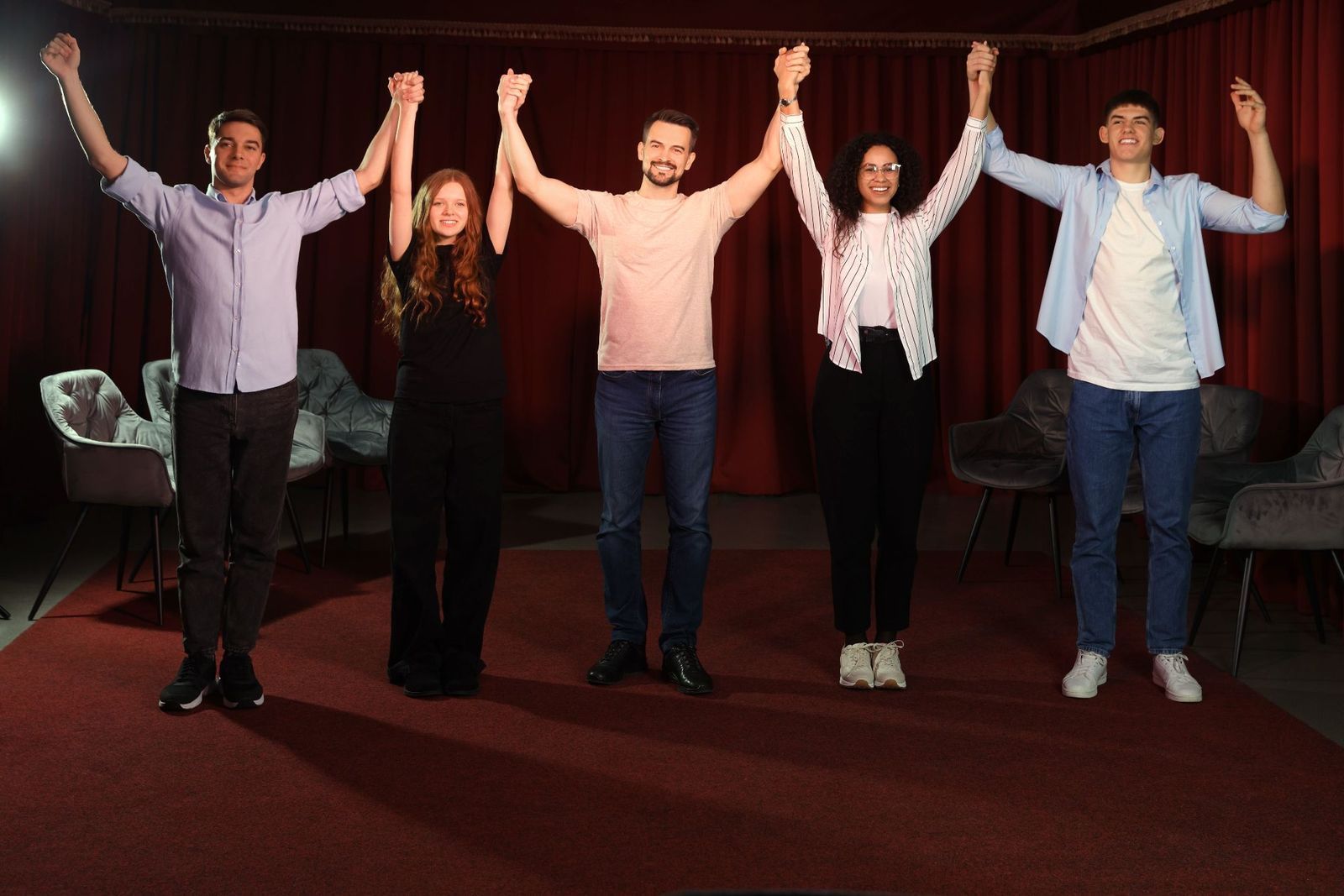
Why theater performers say "break a leg" instead of "good luck"

Image: New Africa

Actors consider it bad luck to wish each other luck, so they wish a little disaster instead. Nobody agrees on the origin. One theory says performers who bowed or took curtain calls were literally "breaking the leg" of the stage curtain. Another points to German pilots in the 1930s saying "neck and leg break." Either way, it’s an old theater superstition. If you say "good luck" backstage, expect some glares.

10

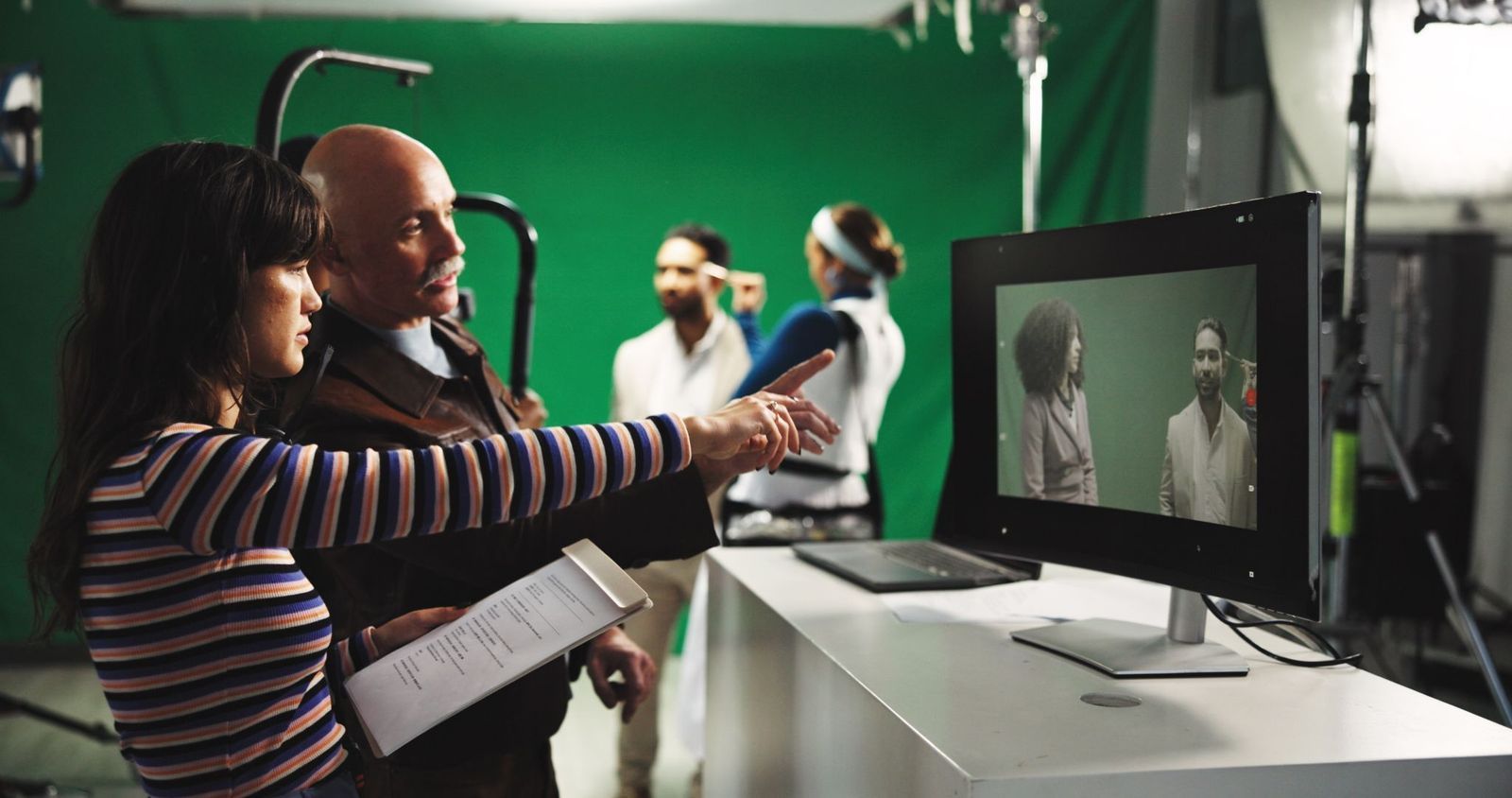
Why film crews cheer when someone yells "Martini shot"

Image: PeopleImages

On a movie or TV set, "martini shot" means the last setup of the day. The name is supposedly a joke that the next shot will be out of a glass. Its sidekick is the "Abby Singer," the second-to-last shot. It’s named after an assistant director who would call out "this, and one more" so the crew could prepare to move to the next set.

Looking for an extra scoop of literary fun?

Learn more with our Word of the day

sate

/seɪt/