Did you know any of these?

Learn why pilots say 'Whiskey Tango Foxtrot' — and what it really means


Published on April 25, 2026
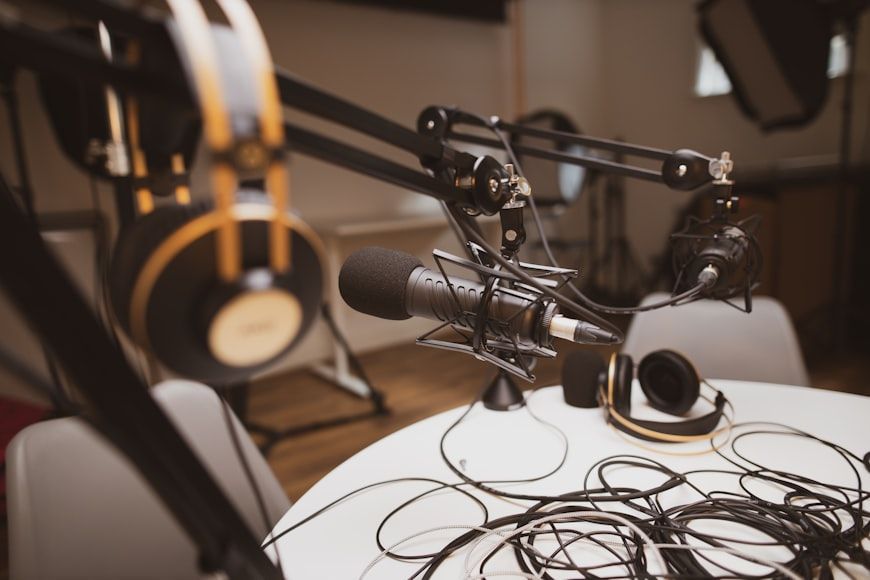

Image: Jonathan Farber

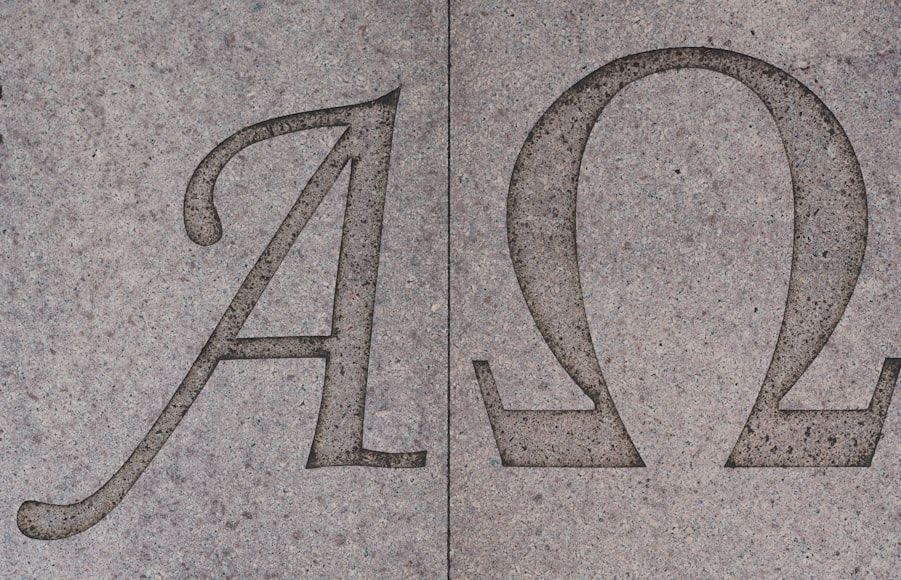
While most people have never heard of the NATO phonetic alphabet, they have likely encountered it in use, at least in movies and television. If you can recall a scene where a pilot says something like "Alpha," "Bravo," and "Charlie" over the radio, then you have heard the NATO phonetic alphabet at work. It is a system designed to ensure letters are clearly understood, even over crackly or noisy connections. It's been around since the 1950s, but its roots go back even further. Take a look at some interesting and cool facts about it!

1

What it is

Image: Sergey Svechnikov

Simply put, a spelling alphabet helps clarify letters and numbers in messages, since many of them sound alike—like B and P, or M and N.

This is especially useful when static or interference affects radio or phone communication. For example, "DH98" would be said as "Delta-Hotel-Niner-Ait" to avoid confusion.

2

The current alphabet

Image: Jason Dent

The following is the complete current NATO phonetic alphabet: Alfa, Bravo, Charlie, Delta, Echo, Foxtrot, Golf, Hotel, India, Juliett, Kilo, Lima, Mike, November, Oscar, Papa, Quebec, Romeo, Sierra, Tango, Uniform, Victor, Whiskey, X-ray, Yankee, and Zulu.

Each word starts with the letter that it represents, and the words were selected to be easily understood by speakers of many different languages.

3

Not every word made the cut

Image: Steve Johnson

The original International Civil Aviation Organization (ICAO) alphabet, the predecessor to the NATO phonetic alphabet, was officially adopted on November 1, 1951, and became effective for civil aviation on April 1, 1952.

However, issues soon arose. Words like Delta and Extra, or Nectar and Victor, sometimes caused confusion, especially in poor radio conditions.

4

Live words only

Image: Christina @ wocintechchat.com

To be included in the NATO phonetic alphabet, a word had to be a "live," or commonly used, word in English, French, and Spanish—the three working languages of the ICAO, which developed the system before NATO adopted it.

This rule helped ensure that the words were easily recognized and understood across different cultures and languages, improving international communication and reducing confusion.

5

Ease of pronunciation

Image: NOAA

The ICAO required each word to be easy to pronounce and recognize by speakers of many different languages.

This helped ensure clear communication between pilots and air traffic controllers worldwide, reducing the risk of misunderstandings.

6

Good radio transmission

Image: Museums Victoria

Another criterion for inclusion in the NATO phonetic alphabet was that a word had to be clearly transmissible over the radio and easy to understand.

This helped minimize confusion caused by static, poor signals, or accents, making communication in aviation safer and more reliable.

7

Similar spelling

Image: Glen Carrie

Each word in the NATO phonetic alphabet had to begin with the letter it represented and be easily recognizable across several major languages, including English, French, and Spanish.

This made the alphabet easier to learn and understand internationally, ensuring consistency and clarity in communication.

8

No objectionable meanings

Image: Andre Hunter

Words in the NATO phonetic alphabet had to be free of any offensive or inappropriate meanings in any of the major languages.

This helped ensure that the words could be used safely and respectfully across different cultures and regions without causing misunderstandings or offense.

9

"X-ray" to "Xray"

Image: Cara Shelton

NATO changed the spelling of "X-ray" to "Xray" early on to make sure it was pronounced as a single word.

The ease of pronunciation goes hand in hand with another crucial aspect: there can be no other meaning interpretations.

10

Alfa for Alpha

Image: Declan Sun

Two words in the NATO phonetic alphabet use non-standard English spellings: "Alfa" and "Juliett."

"Alfa" avoids the "ph" to ensure correct pronunciation by non-English speakers. "Juliett" includes a second "t" so French speakers don't mistakenly drop the final sound.


What science says

It was false after all: 10 health myths that sound true—but aren't


Published on April 25, 2026


Image: Alicja Gancarz

Health myths are everywhere! These ideas were simply passed down for so long that they became part of what we believed. But now science has stepped in to clear things up. Does cold weather make you sick? Can lemon detox your body? Is reading in low light really harmful? Let's uncover the truth behind 10 common health myths!

1

Cutting your hair makes it grow faster

Image: Element5 Digital

Have you ever been told that cutting your hair will make it grow faster? We're sorry to say that's just a myth. Hair grows from the root, not the ends. So, trimming it won't boost growth, though it does help remove split ends that can make your hair look dry or unhealthy.

2

Cold weather causes colds

Image: Thom Holmes

This is one of the most common health myths. Cold weather often gets blamed, but it's not the temperature that makes you catch a cold. During winter, we tend to stay indoors with others and keep the windows closed, an environment that makes it easier for viruses to spread. That's why colds tend to be more common in winter!

3

Eating before bed makes you gain weight

Image: Michelen Studios

The idea that eating before bed automatically leads to weight gain is a myth. In reality, it has more to do with what you eat and how much, rather than the time of day. Often, when we eat very late at night, we're tired and more likely to reach for quick, high-calorie, heavy foods. This can disrupt sleep and lead to consuming more calories than we burn, both of which may affect weight. If it's close to bedtime, it's better to have something light and healthy in a moderate portion than to skip a meal altogether.

4

Wearing glasses weakens your vision

Image: Bud Helisson

Does wearing glasses weaken your vision? Myth! If an eye doctor prescribes glasses, wearing them as directed helps correct your vision; it won't make it worse. Additionally, the right glasses can help prevent or reduce headaches caused by reading or spending long hours in front of a screen.

5

Reading in low light causes permanent eye damage

Image: Amir Balam

This myth is closely related to the previous one. If you love reading and sometimes have to do it in low light because of the situation, don't worry. According to experts, reading in low light doesn't cause permanent or irreversible eye damage. However, it's not recommended because it can make your eyes feel tired or strained, leading to discomfort or headaches.

6

You need to drink 8 glasses of water a day

Image: engin akyurt

We're all different, and so are our bodies. The idea that everyone should drink exactly eight glasses of water a day is more of a general guideline than a rule. Staying well hydrated throughout the day is extremely important, but how much water you need depends on factors like your weight, age, climate, and overall health. We should prioritize staying consistently hydrated instead of obsessing over the number of glasses we drink.

7

Lemon water detox and cleanse your body

Image: Tirza van Dijk

Some people say drinking lemon water helps eliminate toxins and cleanse the body. While adding a slice of lemon to your water is a refreshing way to stay hydrated, it doesn't have any special "detoxifying" powers. The vitamin C in citrus fruits is beneficial, but the body has its own natural detox system. The liver and kidneys are the main organs that filter waste and eliminate toxins.

8

All fat is bad

Image: Aneta Voborilova

Not all fats are bad! Just like other food groups, your body needs fats to function properly. The important thing is knowing the difference between healthy fats and those that can be harmful. Foods like avocados, seeds, olive oil, fish, and nuts are rich in healthy fats. On the other hand, the fats found in processed or fried foods are the ones that can have a negative impact on your body.

9

Liver disease is always caused by alcohol or fats

Image: Elevate

Liver diseases can be serious. While heavy and frequent consumption of alcohol and fats is a major contributor, it's not the only cause. Liver problems can also result from many other factors. These include viral infections, autoimmune diseases, genetic disorders, high blood pressure, and exposure to certain chemicals.

10

Breakfast is the most important meal

Image: Brooke Lark

There's some truth to it: breakfast is important because it replenishes our glucose and energy levels and supports proper metabolism. However, the idea that it's the most important meal of the day might be an exaggeration. Everyone's body has different needs, and all meals are important, so we shouldn't skip any of them!

Looking for an extra scoop of literary fun?

Learn more with our Word of the day

acute

/əˈkjut/