What did you say?

Did you know that these innocent words used to have much darker meanings?


Published on March 18, 2026


Image: Michelle Tresemer

Language is a living entity. We toss around words and phrases without thinking, but many of them once carried far darker meanings than the ones we give them today. Terms we use to describe work, relationships, or even advertising often began in contexts of violence, danger, or death. Take a look at 11 of these terms that had grim meanings but are now casual expressions or playful labels.
Image: Glenn Carstens-Peters

1

Blacklist

It might not be a decidedly happy word these days, either, but, in the past, a blacklist wasn’t just about being excluded from a group or denied access. To be blacklisted could mean losing your livelihood, reputation, or even your safety.

Today, the term is far less dire. We use it for email filters, blocked phone numbers, or companies refusing service. It’s still negative, but nowhere near the life-altering stigma it once carried.

2

Bombshell

Image: Oksana Zub

We are used to hearing this word in its current meaning, but originally, a bombshell was exactly that: a heavy metal shell filled with explosives, designed to wreak havoc on battlefields.

Nowadays, "bombshell" is more likely to describe surprising news or a stunningly attractive person. The word has gone from deadly force to a headline grabber or glamorous compliment.
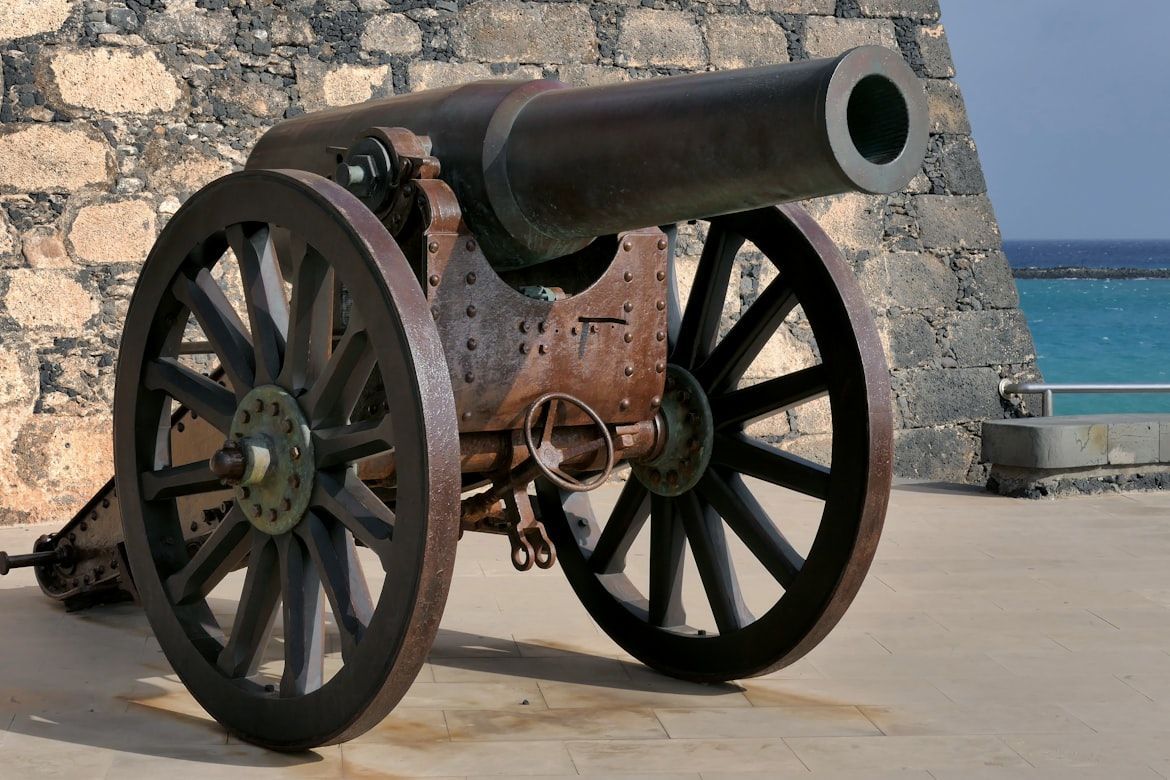
Image: zibik

3

Loose cannon

On old warships, heavy cannons could come loose during rough seas and smash through the deck or kill sailors in their path. A "loose cannon" was a serious threat to everyone on board.

Today, we use the phrase for someone unpredictable or uncontrollable. The danger is usually metaphorical: maybe an outspoken coworker or unpredictable friend, rather than a weapon rolling across the floor.

Image: Campaign Creators

4

Guerilla marketing

The word "Guerrilla" is used to describe small, irregular bands of fighters using ambushes and sabotage to disrupt larger armies. These tactics were dangerous, often deadly, and intended to surprise and overwhelm.

In modern speech, guerrilla marketing borrows the surprise factor but not the violence. It means unconventional advertising meant to catch people’s attention in creative ways.
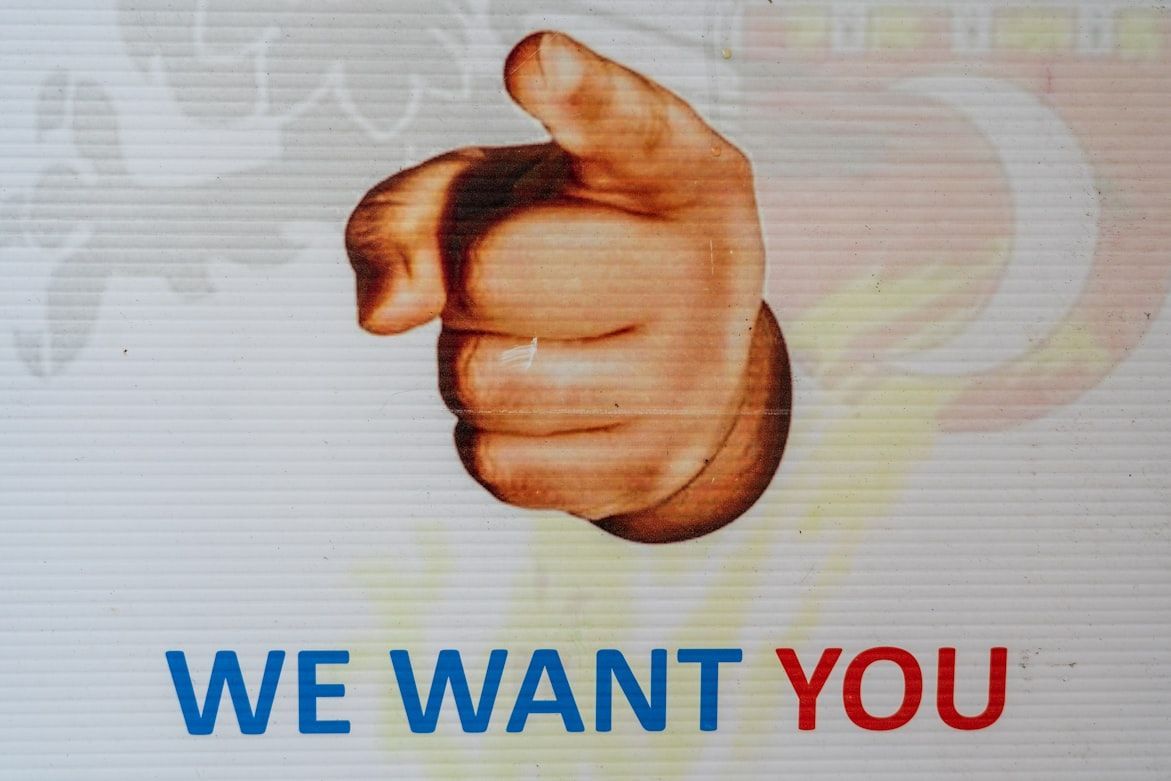
Image: Nick Fewings

5

Most Wanted

For decades, "most wanted" meant dangerous fugitives hunted by the law, often with rewards posted and warnings to the public. Being on that list was almost synonymous with a death sentence.

Now, the phrase has been softened and reused in lighter contexts. Advertisers and magazines call products or celebrities "most wanted," turning a once deadly label into a playful badge of popularity.
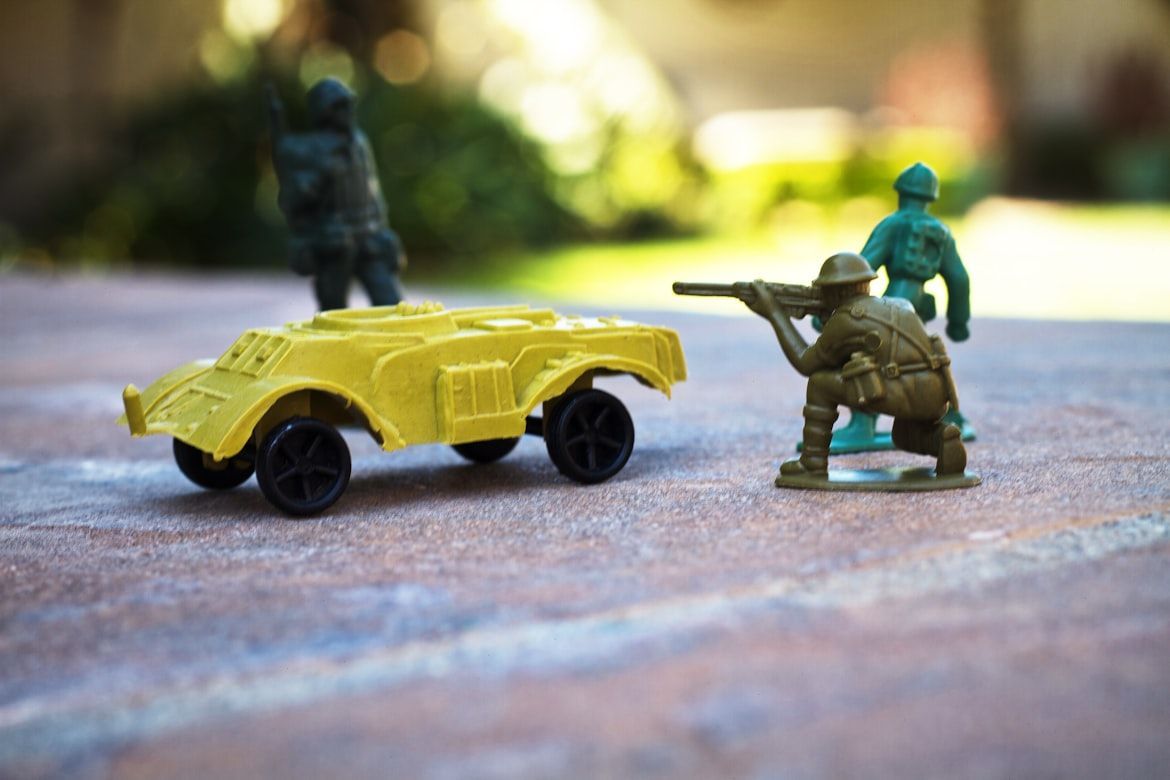
Image: Jonathan delange

6

Smoking gun

The image of a "smoking gun" once meant undeniable proof of a killing, the weapon still hot from being fired. It was direct, damning evidence of guilt in life-and-death situations.

Today, we use the phrase for any conclusive piece of evidence, whether in science, business, or gossip.
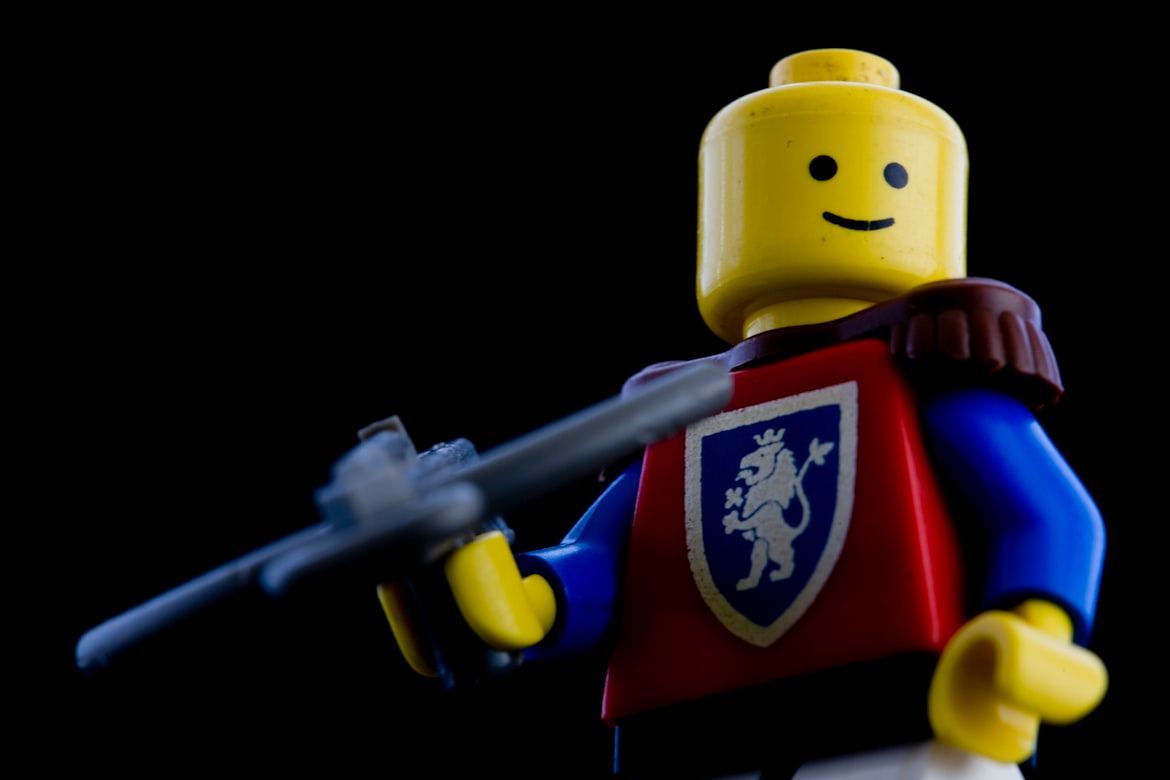
Image: Itay Mor

7

Hired gun

Originally, a hired gun was exactly what it sounds like: an armed mercenary or contract killer paid to do someone else’s dirty work. The role carried obvious danger and deadly intent.

Nowadays, the phrase often refers to a professional brought in for their expertise. A "hired gun" might be a consultant, a lawyer, or a musician filling in on tour.
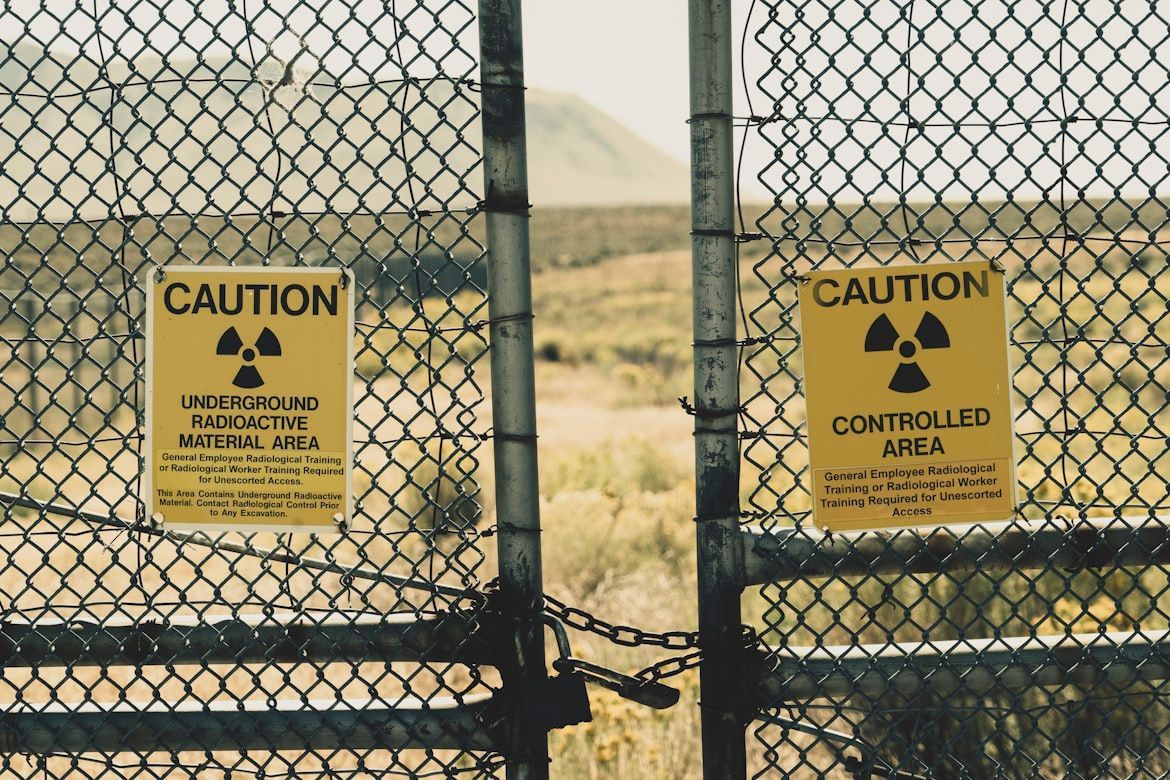
Image: Dan Meyers

8

Toxic

The word "toxic" can be used in relation to poisons, chemicals, and substances that could sicken or kill. It can be a literal warning label for things that spell physical danger.

Thankfully, in everyday use, "toxic" has somewhat lighter meanings. People talk about toxic workplaces, friendships, or attitudes. The sting remains, but the damage is more emotional than physical.

Image: Nandhu Kumar

9

Scapegoat

This term comes originally from ancient rituals where a goat was symbolically burdened with the sins of a community, then killed to carry those faults away.

Now, a scapegoat is just someone unfairly blamed for problems. Thankfully, the ritual is long gone, but the idea of shifting blame onto one person lingers.

Image: Nicholas Green

10

Fanatic

In its original sense, a fanatic was someone with extreme, often violent religious zeal, viewed as dangerous and unbalanced. The word carried strong warnings of destructive devotion.

These days, "fanatic" is usually watered down to mean an eager enthusiast.

11

Kamikaze

Image: Yomex Owo

The word "kamikaze" was tied to World War II pilots on suicide missions, a term meaning "divine wind." It was directly linked to deliberate, deadly sacrifice in combat.

In modern use, the sting has lessened. Calling someone "kamikaze" might mean they’re reckless or fearless, diving into risks without caution.


Hospital secrets

What is a "Code Gray" and what you should know if you hear it at the E.R.


Published on March 18, 2026


Image: voronaman

A trip to the emergency room can be stressful enough without hearing doctors and nurses speak a language that sounds like a secret code. One minute, someone is asking for medication "STAT," the next there’s a "Code Gray," and another patient is suddenly "NPO." What do those words really mean? Some are official medical terms, others are insider slang, but they all help hospital staff communicate quickly when every second counts. Here are 10 of those codes explained.

1

Code Gray

Image: PeopleImages

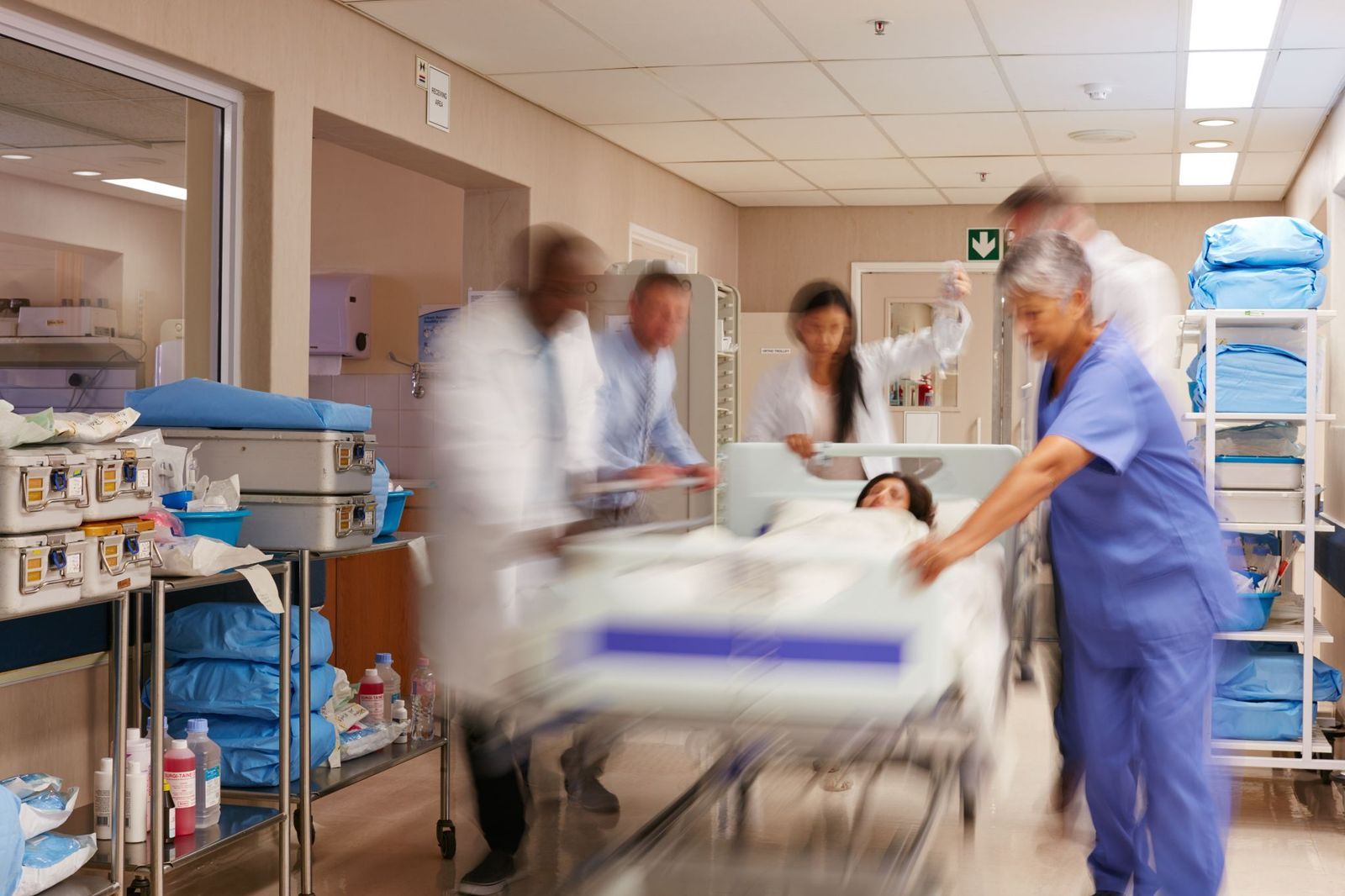
The E.R. can be hectic and unpredictable. Most patients are frightened or uncomfortable, but now and then someone becomes aggressive because of pain, confusion, mental illness, or the effects of alcohol or other substances. That’s when you can hear "Code Gray" announced over the speakers.

The code is used to summon security officers to help manage a violent or combative situation. While color codes vary from one hospital to another, Code Gray commonly signals that staff needs extra assistance to protect patients, visitors, and healthcare workers. Even if you know it now, most people in the waiting room never know what happened, and that’s exactly the point.

2

NPO

Image: PeopleImages

You have a scheduled surgery, you’re in your bed waiting to be taken to the surgery room, and you ask for a cup of coffee to make the wait lighter. The nurse will probably tell you you’re an NPO. You may think it’s serious, but it’s simply a procedure.

"NPO" is an abbreviation that comes from the Latin phrase Nil Per Os, which means "nothing by mouth." It tells patients they cannot eat, drink, or sometimes even take medication until doctors say it’s safe. The rule is most common before surgery or certain medical tests, when food or liquids could increase the risk of complications or alter the results. It may be frustrating, but it’s an important part of keeping patients safe.

3

STAT!

Image: PeopleImages

You’ve probably been through the experience of visiting an emergency room, either to get checked or to visit a loved one. In that part of the hospital where everyone is rushing to save lives, you’ve probably heard a doctor asking for the R.C.P. cart or medication "STAT!" It sounds urgent, and that's because it is.

The expression comes from the Latin statim, which means "immediately" or "without delay." Hospitals have used Latin medical terms for centuries, but STAT is one of the few that remains part of everyday conversation. When a doctor says it, the request jumps to the top of the priority list. It doesn’t always refer to a life-or-death situation, but it does mean the medical team needs something done as quickly as possible.

4

Code Pink

Image: Vladimir Tretyakov

Newborns are always a reason to celebrate at the hospital. Parents usually rest happily next to their child as they receive congratulations from close relatives. However, the hospital is always prepared to handle extremely rare emergencies under "code pink."

If you hear a "Code Pink," it usually means a baby or young child is suspected of being abducted from the hospital. Within seconds, security officers respond, exits may be monitored or blocked, and staff begins following carefully rehearsed procedures. Although different hospitals sometimes use different color codes, Code Pink has become widely recognized across North America as one of the most serious alerts a hospital can issue.

5

Walkie-talkie

Image: Arunporn Thanapotivirat

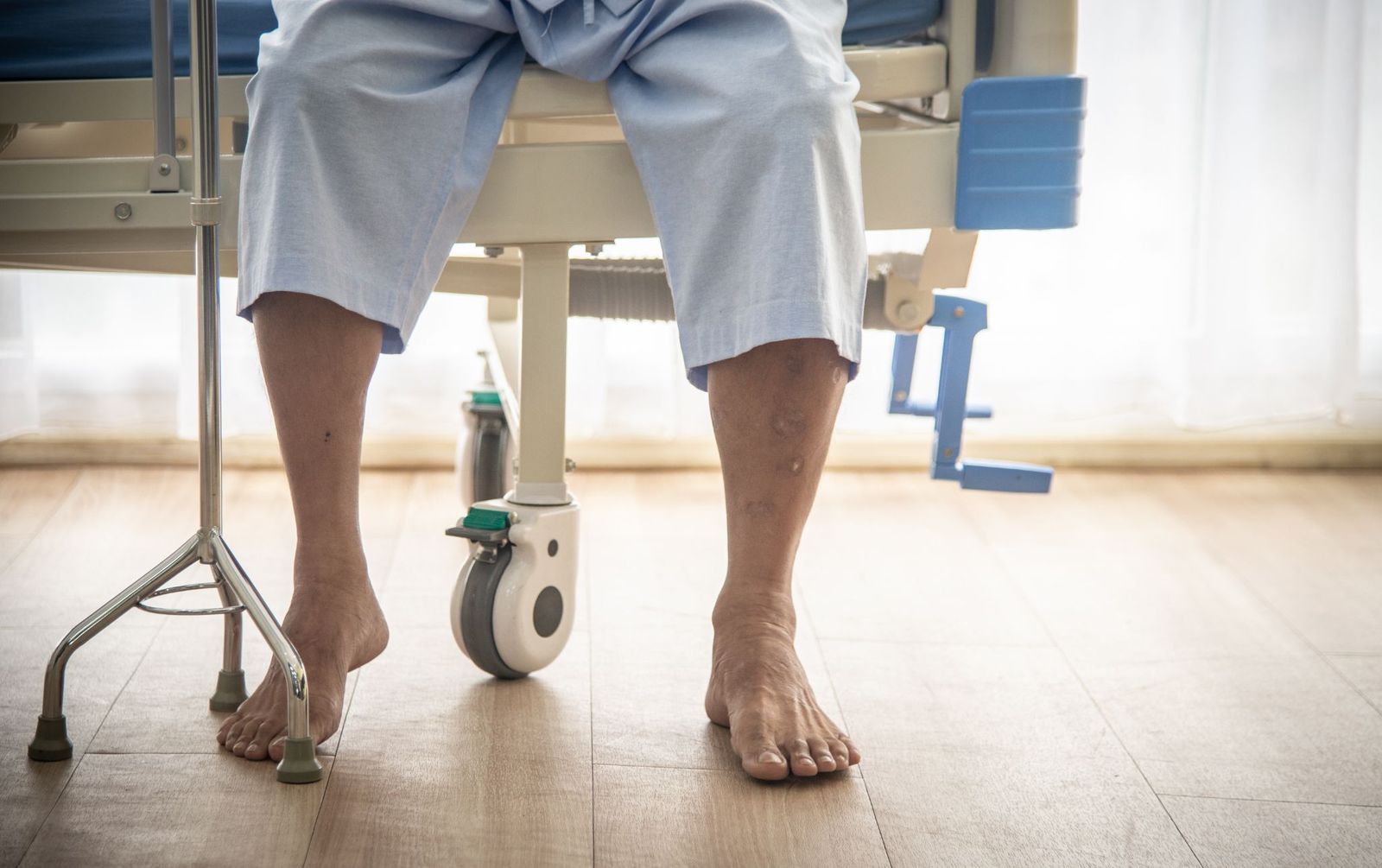
If you’ve ever spent a few days in the hospital, you’ve probably noticed that some patients are walking up and down the halls, while others need help just getting out of bed. When a nurse refers to someone as a "walkie-talkie," it’s actually good news.

This informal expression refers to patients who can walk on their own, use the bathroom without assistance, and handle most basic tasks independently. It’s not an official medical term, of course, but it’s commonly used among healthcare workers because it quickly tells the next shift that the patient requires less hands-on care than many others.

6

Total

Image: sebra

As nurses change shifts, you’ll often hear them give a quick report about each patient. One person may only need medication, while another is described as a "total."

The term is short for a patient who requires total care. They may need help eating, bathing, getting dressed, turning in bed, or moving from one place to another. Although the expression sounds impersonal, it’s simply a practical way for caregivers to communicate how much assistance someone needs.

7

Frequent flyer

Image: Studio Romantic

Most people hear "frequent flyer" and think of an airline reward program. And that’s correct, but in an emergency room, the phrase has a very different meaning.

A frequent flyer is an informal nickname for patients who repeatedly return to the hospital, often due to chronic illness, recurring medical conditions, or other ongoing health issues. Behind the light-hearted nickname is often a difficult reality. Many of these patients are simply dealing with medical problems that require regular emergency care, and the expression is just a way to make the experience a bit lighter among the familiar faces of doctors and nurses.

8

WOW

Image: Studio Romantic

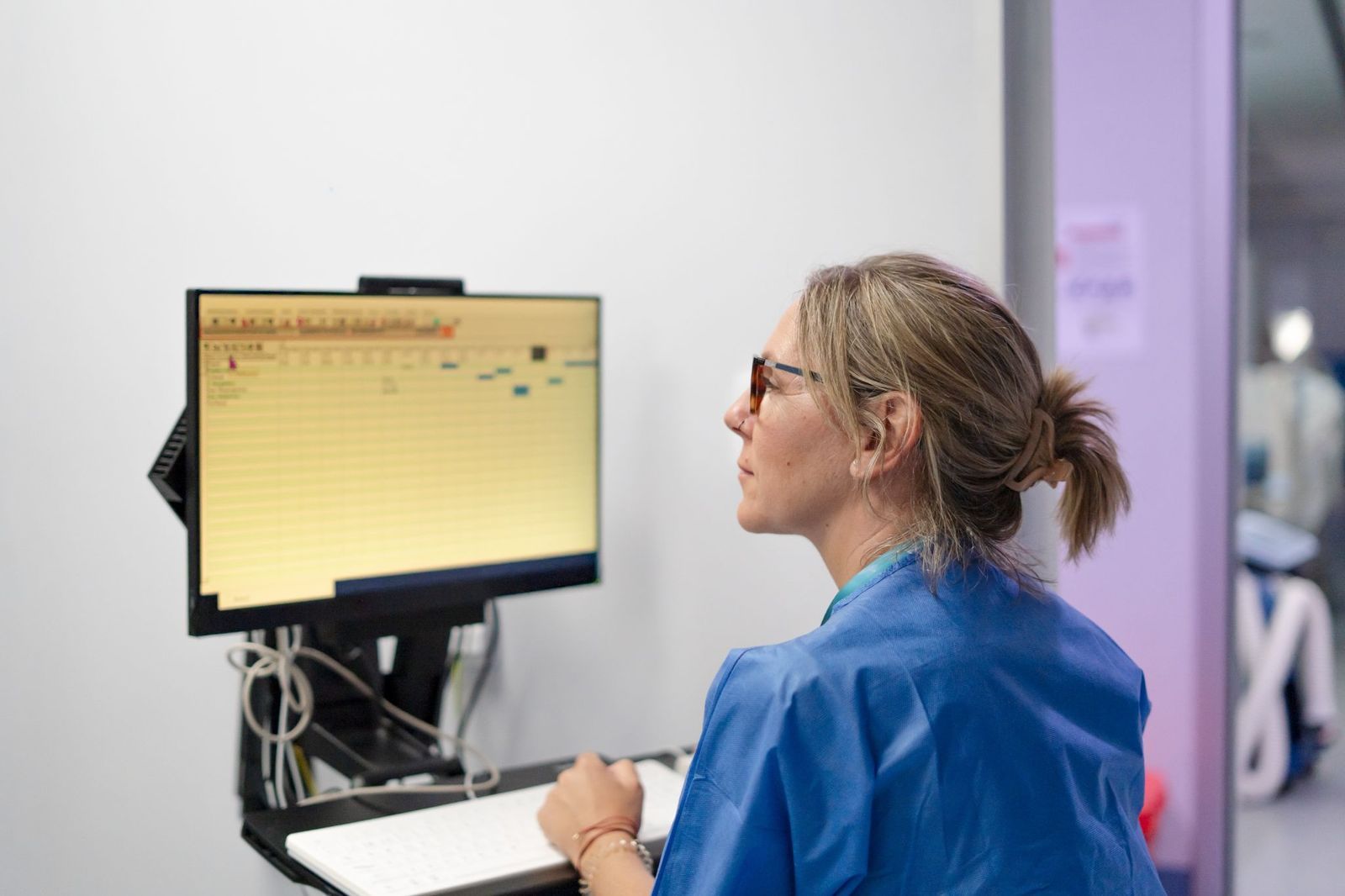
Not all codes are for patients. The next time you’re in a hospital, look closely at what the nurse is pushing from room to room. It may look like a small rolling desk with a computer on top. Staff often call it a "WOW," short for "workstation on wheels."

As hospitals switched from paper charts to electronic medical records, these mobile computers became essential. Nurses use them to review test results, scan medications, update patient charts, and check doctors’ orders without leaving the bedside. The name sounds funny, but the technology helps caregivers spend more time with patients instead of walking back and forth to a nursing station.

9

Sharp container

Image: NMK-Studio

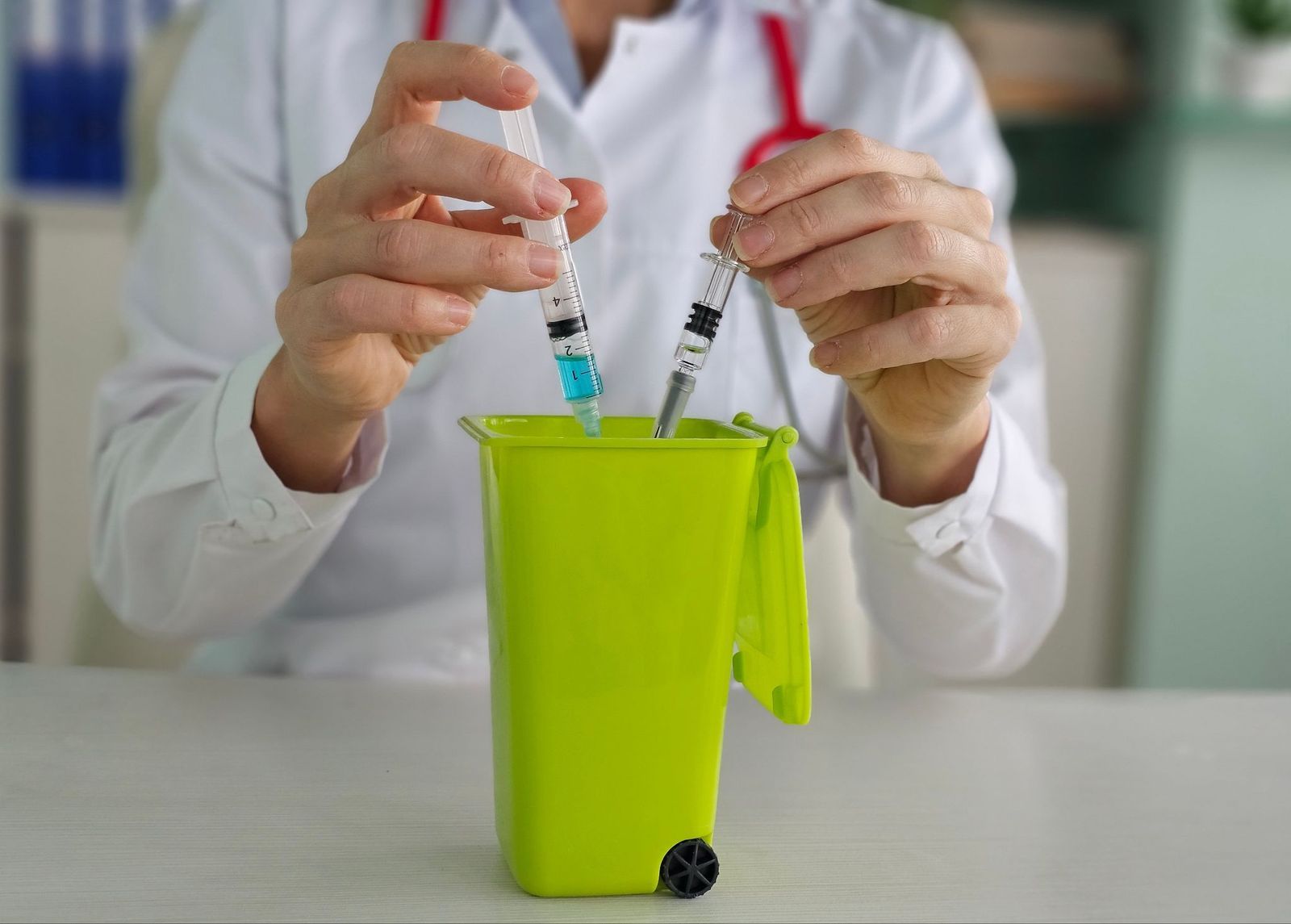
After getting a shot or having blood drawn, most patients never think about where the used needle ends up. It certainly doesn't go into an ordinary trash can.

Hospitals place needles, scalpels, and other sharp medical instruments into special containers designed to prevent accidental injuries. These sturdy, puncture-resistant boxes are sealed when full and safely disposed of in accordance with strict health regulations. This not only protects nurses, but it also protects cleaning crews, waste handlers, and even the public from dangerous needle sticks. It’s one of the most important safety measures in every hospital, even though most patients never notice it.

10

B-52

Image: Photoroyalty

If you’ve ever watched a medical drama, you've probably seen a patient become so agitated that several staff members rush into the room. In situations like that, a doctor or nurse may ask for a "B-52." But the name has nothing to do with numbers themselves; it actually comes from a medicine.

B-52 is hospital slang for a fast-acting injection used to calm down patients who are severely combative or at risk of harming themselves or others. The nickname comes from a commonly used combination of medications that usually include diphenhydramine, haloperidol, and lorazepam. It’s strictly reserved for when other methods of calming the patient haven’t worked.

Looking for an extra scoop of literary fun?

Learn more with our Word of the day

agenda

/əˈdʒɛndə/