Mapping vocabulary

What is a cay? And a fjord? Discover the meaning of 10 geographical terms


Published on February 6, 2026


Image: Andrew Neel

Geography, like all academic disciplines, has its own vocabulary and terminology. Concerned with everything from physical phenomena of the planet to social interactions, geographers have many specialized terms and concepts. You’ve probably used some of the words in this list. Do atlas, fjord, geyser, lagoon, and volcano ring a bell? Yet, do you know exactly what they mean or where they originated? In this article, we are going through 10 terms that will turn you into a true geographer!

1

Atlas

Image: StockSnap

An atlas is a collection of maps bound in a volume or book, but have you ever wondered why we call it that? The story is quite interesting and has to do with Greek mythology. Atlas was a member of the older family of Gods, a Titan. It is believed that in Ancient Greek, Atlas meant "The Bearer of the Heavens."

So, what’s the connection with maps? Apparently, it was so named because some early collections showed a representation of Atlas supporting the heavens on his shoulders. The first documented use of the term dates back to 1595 when a collection by the German-Flemish geographer Gerardus Mercator was published. In the preface, Mercator explains why he chose this particular allusion: He considered Titan Atlas to be the first great geographer.

2

Fjord

Image: Dong Zhang

In English fjord is a term applied to a deep and narrow inlet in the coast caused by the submergence of a deep glacial valley, with high rocky parallel sides, hanging valleys, and an irregular rocky floor. However, in Norwegian, it has a more general meaning and often refers to any long, narrow body of water, inlet, or channel.

The word fjord derives from the Old Norse fjǫrðr, meaning a "lake-like body of water used for passage" and is closely related to ferð, which means "traveling, ferrying, journey". Sounds familiar? Well, the English words ferry and fare have the same origin.

3

Geyser

Image: redcharlie

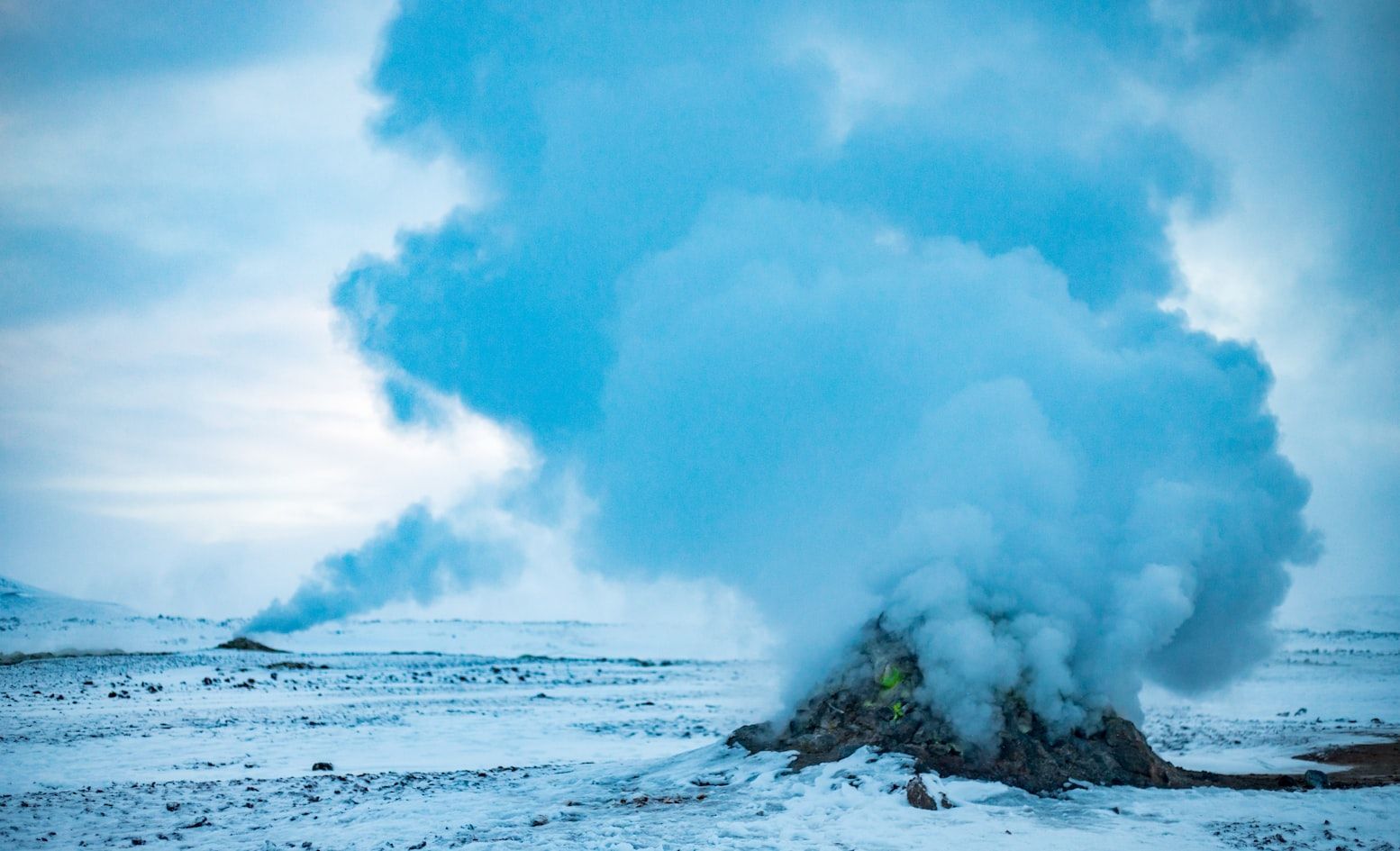
A geyser is a hot spring that intermittently, sometimes at regular intervals, throws up a jet of hot water and steam in areas that are or were volcanic. We can find famous examples of geysers in the volcanic districts of Iceland and in the United States, for example, in Yellowstone National Park.

The English word geyser originated in the late 18th century and was borrowed from Geysir, which is the name of a specific hot spring in the valley of Haukadal, Iceland. In turn, geysir comes from the Old Norse term geysa, meaning "to gush".

4

Jungle

Image: Thaizeal

Jungle is a word brought home from India by the British in the 18th century. It derives from the Hindi and Marathi term jangal, which means desert, wasteland, or uncultivated ground. This land was frequently covered with scrub and tangled vegetation, including long grass.

In turn, jangal comes from the Sanskrit word jaṅgala, meaning rough and arid. Today, the term jungle is used popularly for any type of tropical forest with thick undergrowth.

5

Volcano

Image: Jacob Lawler

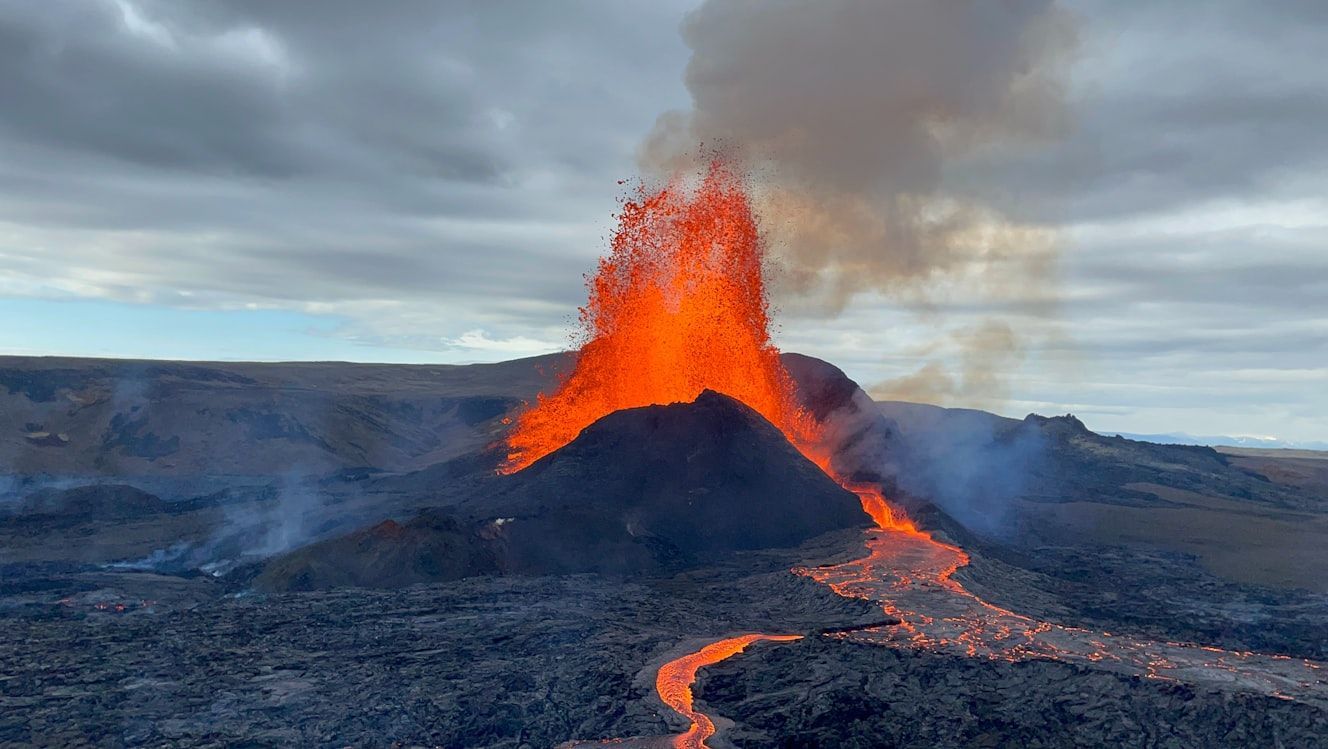
A volcano is a rift or vent in the Earth’s crust through which molten material erupts in the form of hot lava, gases, volcanic ash, and dust. In the United States, there are about 170 potentially active volcanoes, including Mount St. Helens in southwestern Washington, the Lassen Volcanic Center in California, the Yellowstone Caldera in Wyoming, and Kilauea in Hawaii.

The earliest known use of the word volcano in English dates from the early 1600s in the works of Samuel Purchas, a British compiler of travel and discovery writings. It comes from the Latin word Vulcan, the Ancient Roman god of fire. The name was first used by the Romans to refer to Mount Etna, an active volcano on the east coast of Sicily, Italy.

6

Tundra

Image: Marc Eggert

Tundra is the area comprising the barren plains of northern Canada, Alaska, and Eurasia. There's also an alpine tundra and an Antarctic tundra. It's a treeless region characterized by long, very cold winters and permafrost, where vegetation is restricted to mosses, lichens, and dwarf shrubs.

Since this particular biome includes vast areas of northern Russia, it makes sense that the word tundra has a Russian origin. It derives from the term tundar, from the Finno-Ugric languages of the Sami people, meaning "elevated wasteland, high-topped hill," or "a marshy plain".

7

Archipelago

Image: Hendrik Morkel

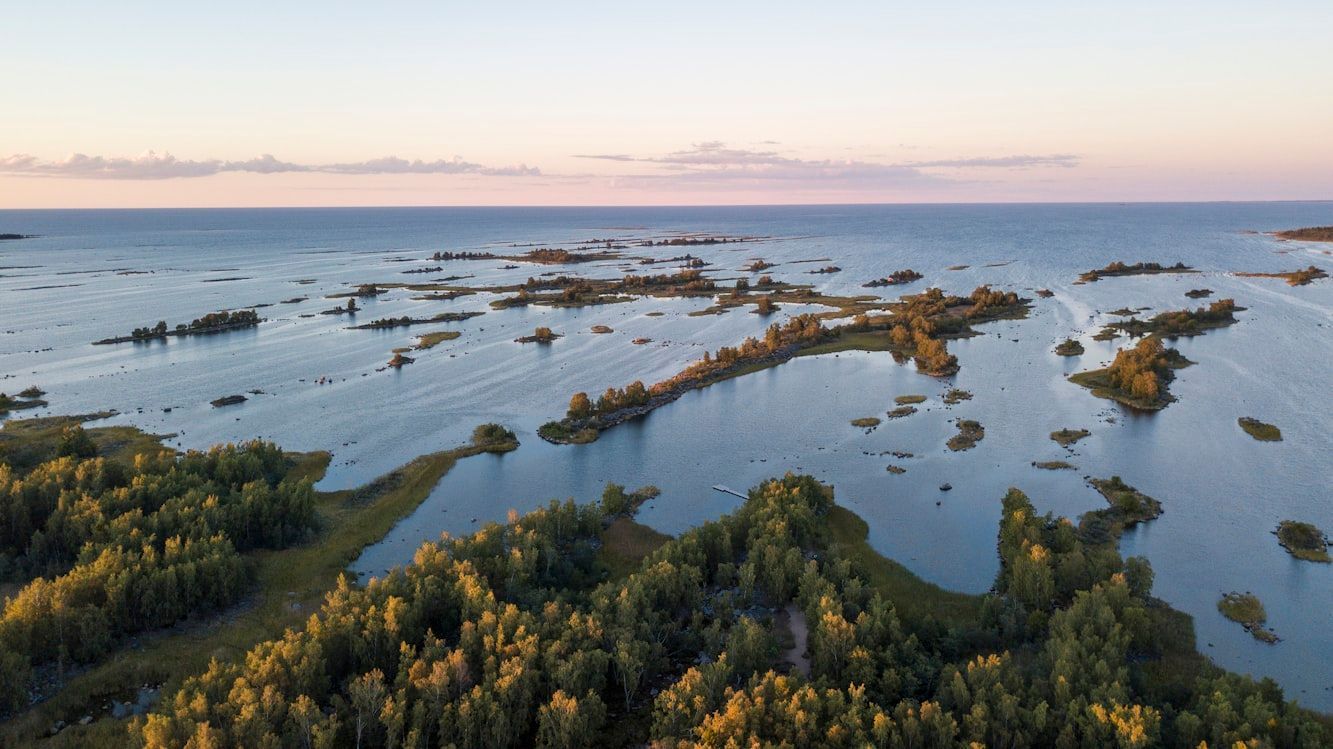
Nowadays, we use the word archipelago to refer to a group of islands scattered close to a sea. However, in Medieval Greek, archipelago was the proper name for the Aegean Sea, an arm of the Mediterranean where numerous large and small islands emerged from the clear blue waters.

Archipelago derives from the Ancient Greek arkhi, meaning "chief" and pélagos, "sea". The term was later applied to any sea over which numerous islands are dispersed, and more recently simply to the islands themselves.

8

Steppe

Image: anaterate

Another geographic term we borrowed form Russian is steppe. Steppe refers to the treeless midlatitude grassland stretching from central Europe to southern Siberia in Asia. Steppes can also be found in other regions, such as Patagonia in South America, western Canada, the northern part of Mexico, and the Great Basin region in the United States.

The word was introduced in Western Europe by German geographer and explorer Alexander von Humboldt in the early 19th century. It derives from the German steppe, which in turn comes from the Russian step, meaning "flat grassy plain."

9

Cay

Image: Freysteinn G. Jonsson

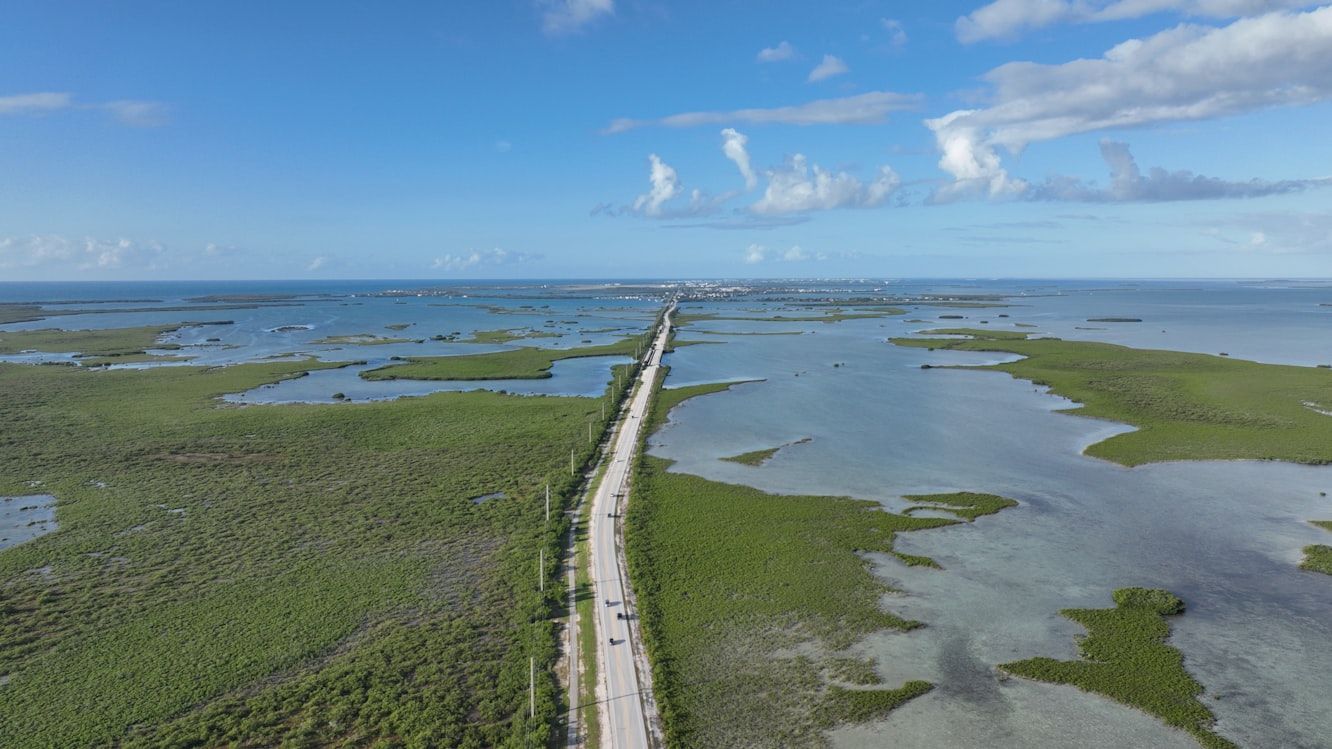
Are you familiar with the Florida Keys? What about the Elbow Cays in the Bahamas? And Cayo Grande off the coast of Venezuela? Although they are spelled slightly differently, all these places respond to the same geographical feature. A cay or key is a low island of sand and coral fragments, built up by waves on a reef-flat drying at low water. Cays occur in tropical environments in the Atlantic, Pacific, and Indian oceans.

But where does the word come from? Cay derives from the Spanish word cayo, which originates from cairi, the Taíno word for "small island". The spelling key, most used in American English, was probably influenced by the Middle English word key, meaning "wharf" or from the Old French kai, which means "sand bank".

10

Lagoon

Image: Yegor Chuperka

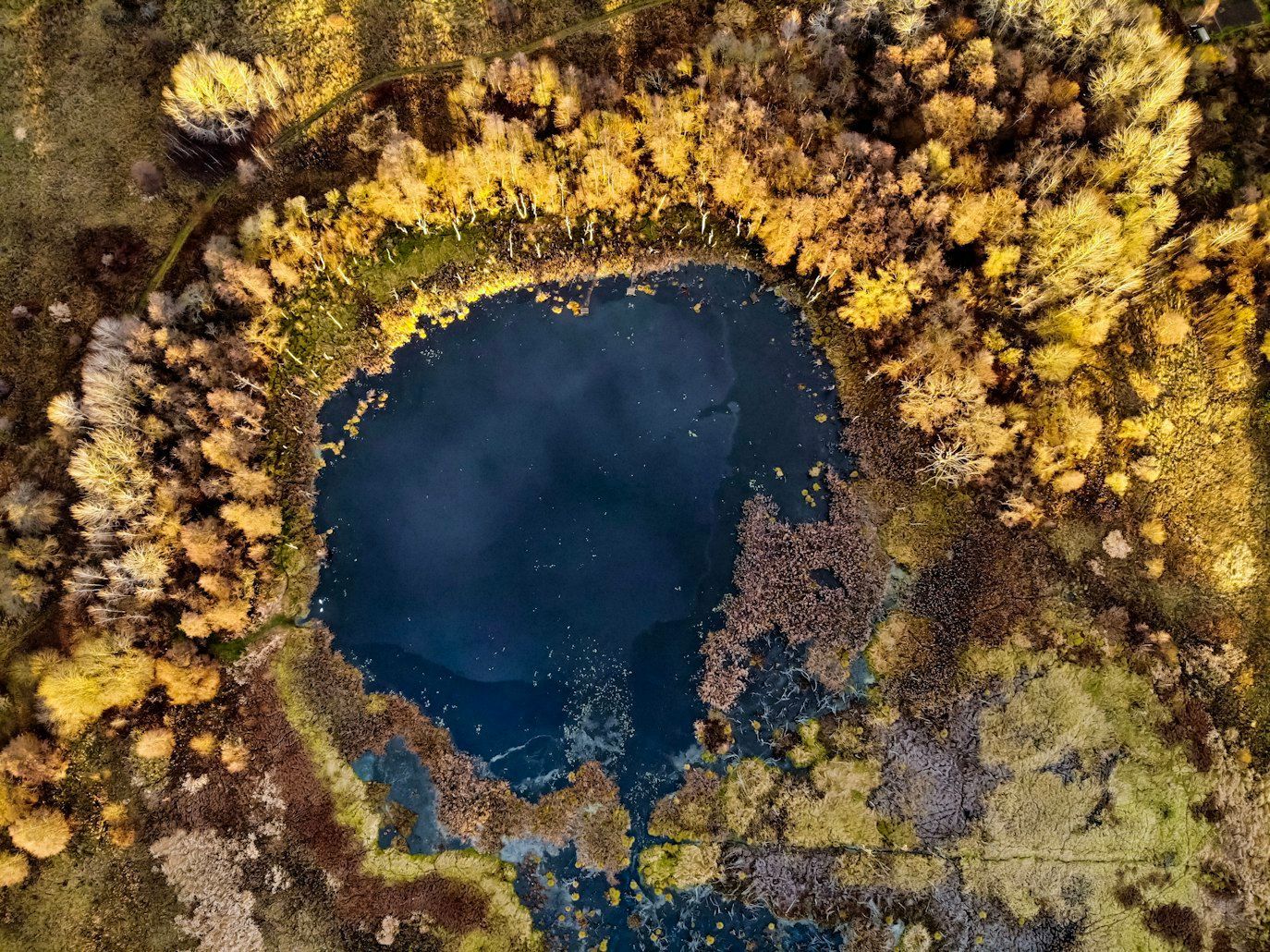
In this article, we have learned about the origin of geographical terms whose etymology derives from Greek, Old Norse, Spanish, and Sanskrit. Now it’s the turn of Italian. A lagoon is a shallow area of salt or brackish coastal water completely or partly separated from the open sea by some more or less effective obstacle, such as a low sandbank.

The word lagoon derives from the Italian laguna, which refers to the waters around Venice. It was such a specific term that it was used in this way in English until the 17th century. Later, it was anglicized to lagune, to finally take the form we use today —lagoon— in the late 18th century at the hand of none other than Captain James Cook.



Hospital secrets

What is a "Code Gray" and what you should know if you hear it at the E.R.


Published on February 6, 2026


Image: voronaman

A trip to the emergency room can be stressful enough without hearing doctors and nurses speak a language that sounds like a secret code. One minute, someone is asking for medication "STAT," the next there’s a "Code Gray," and another patient is suddenly "NPO." What do those words really mean? Some are official medical terms, others are insider slang, but they all help hospital staff communicate quickly when every second counts. Here are 10 of those codes explained.

1

Code Gray

Image: PeopleImages

The E.R. can be hectic and unpredictable. Most patients are frightened or uncomfortable, but now and then someone becomes aggressive because of pain, confusion, mental illness, or the effects of alcohol or other substances. That’s when you can hear "Code Gray" announced over the speakers.

The code is used to summon security officers to help manage a violent or combative situation. While color codes vary from one hospital to another, Code Gray commonly signals that staff needs extra assistance to protect patients, visitors, and healthcare workers. Even if you know it now, most people in the waiting room never know what happened, and that’s exactly the point.

2

NPO

Image: PeopleImages

You have a scheduled surgery, you’re in your bed waiting to be taken to the surgery room, and you ask for a cup of coffee to make the wait lighter. The nurse will probably tell you you’re an NPO. You may think it’s serious, but it’s simply a procedure.

"NPO" is an abbreviation that comes from the Latin phrase Nil Per Os, which means "nothing by mouth." It tells patients they cannot eat, drink, or sometimes even take medication until doctors say it’s safe. The rule is most common before surgery or certain medical tests, when food or liquids could increase the risk of complications or alter the results. It may be frustrating, but it’s an important part of keeping patients safe.

3

STAT!

Image: PeopleImages

You’ve probably been through the experience of visiting an emergency room, either to get checked or to visit a loved one. In that part of the hospital where everyone is rushing to save lives, you’ve probably heard a doctor asking for the R.C.P. cart or medication "STAT!" It sounds urgent, and that's because it is.

The expression comes from the Latin statim, which means "immediately" or "without delay." Hospitals have used Latin medical terms for centuries, but STAT is one of the few that remains part of everyday conversation. When a doctor says it, the request jumps to the top of the priority list. It doesn’t always refer to a life-or-death situation, but it does mean the medical team needs something done as quickly as possible.

4

Code Pink

Image: Vladimir Tretyakov

Newborns are always a reason to celebrate at the hospital. Parents usually rest happily next to their child as they receive congratulations from close relatives. However, the hospital is always prepared to handle extremely rare emergencies under "code pink."

If you hear a "Code Pink," it usually means a baby or young child is suspected of being abducted from the hospital. Within seconds, security officers respond, exits may be monitored or blocked, and staff begins following carefully rehearsed procedures. Although different hospitals sometimes use different color codes, Code Pink has become widely recognized across North America as one of the most serious alerts a hospital can issue.

5

Walkie-talkie

Image: Arunporn Thanapotivirat

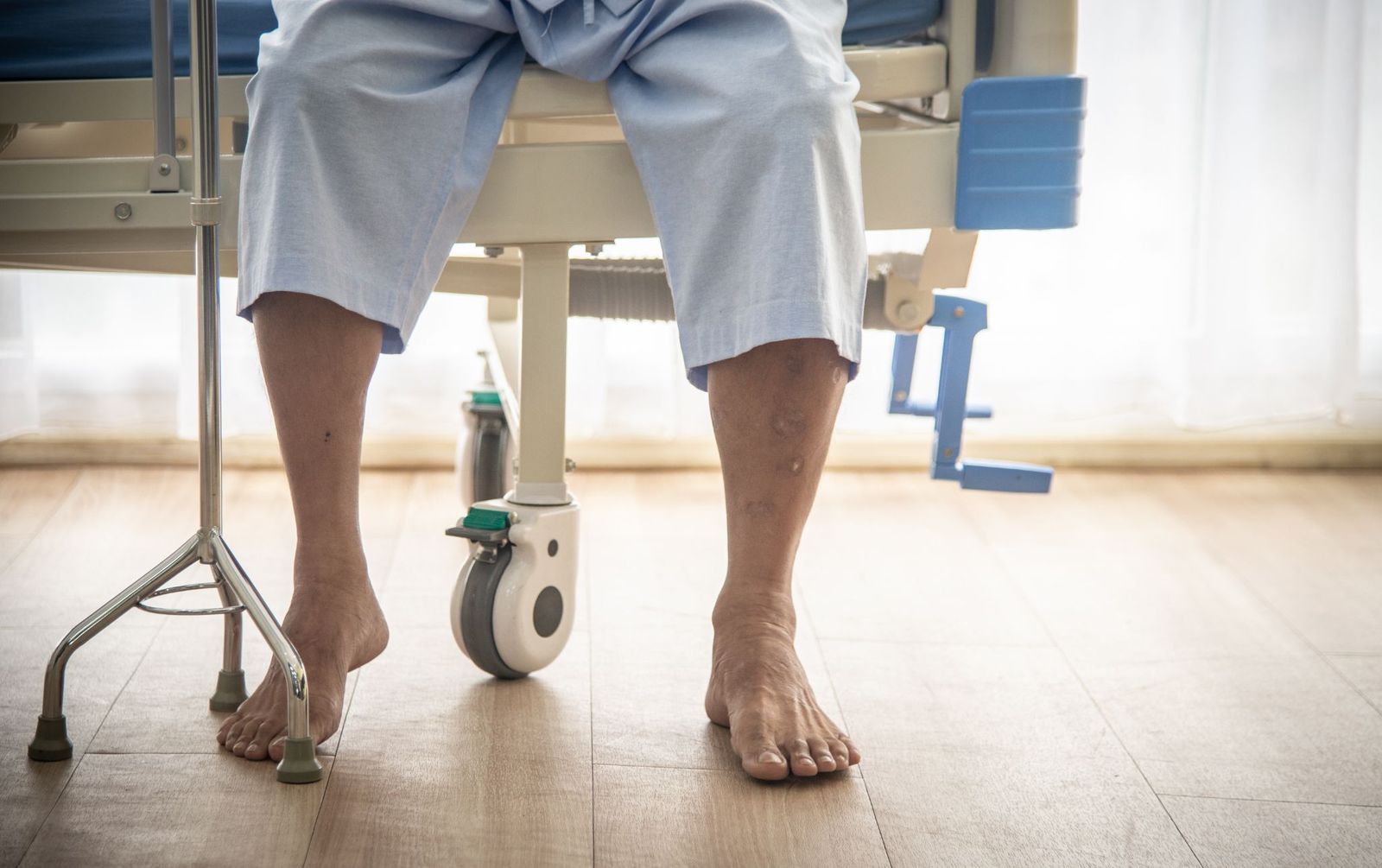
If you’ve ever spent a few days in the hospital, you’ve probably noticed that some patients are walking up and down the halls, while others need help just getting out of bed. When a nurse refers to someone as a "walkie-talkie," it’s actually good news.

This informal expression refers to patients who can walk on their own, use the bathroom without assistance, and handle most basic tasks independently. It’s not an official medical term, of course, but it’s commonly used among healthcare workers because it quickly tells the next shift that the patient requires less hands-on care than many others.

6

Total

Image: sebra

As nurses change shifts, you’ll often hear them give a quick report about each patient. One person may only need medication, while another is described as a "total."

The term is short for a patient who requires total care. They may need help eating, bathing, getting dressed, turning in bed, or moving from one place to another. Although the expression sounds impersonal, it’s simply a practical way for caregivers to communicate how much assistance someone needs.

7

Frequent flyer

Image: Studio Romantic

Most people hear "frequent flyer" and think of an airline reward program. And that’s correct, but in an emergency room, the phrase has a very different meaning.

A frequent flyer is an informal nickname for patients who repeatedly return to the hospital, often due to chronic illness, recurring medical conditions, or other ongoing health issues. Behind the light-hearted nickname is often a difficult reality. Many of these patients are simply dealing with medical problems that require regular emergency care, and the expression is just a way to make the experience a bit lighter among the familiar faces of doctors and nurses.

8

WOW

Image: Studio Romantic

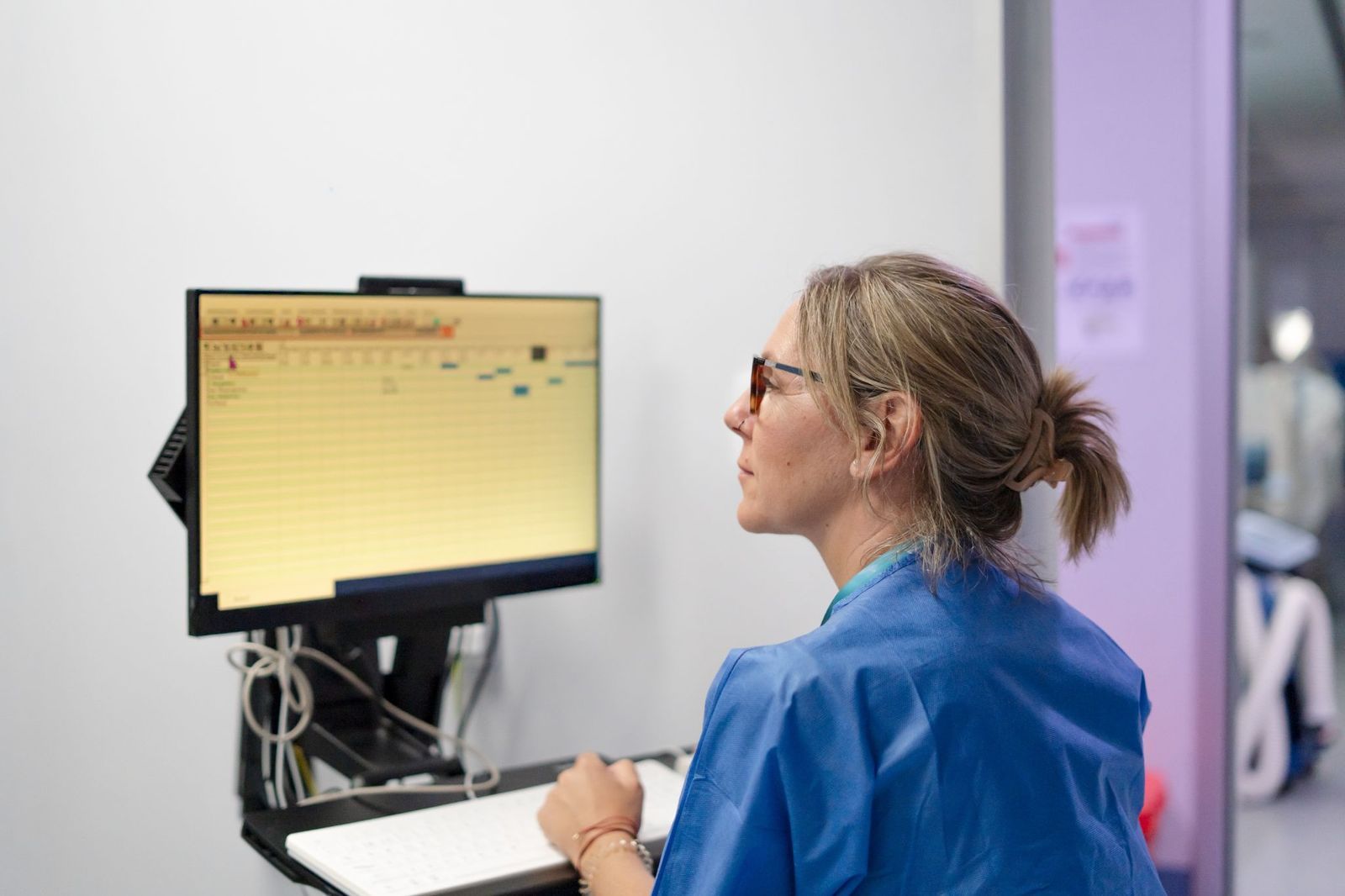
Not all codes are for patients. The next time you’re in a hospital, look closely at what the nurse is pushing from room to room. It may look like a small rolling desk with a computer on top. Staff often call it a "WOW," short for "workstation on wheels."

As hospitals switched from paper charts to electronic medical records, these mobile computers became essential. Nurses use them to review test results, scan medications, update patient charts, and check doctors’ orders without leaving the bedside. The name sounds funny, but the technology helps caregivers spend more time with patients instead of walking back and forth to a nursing station.

9

Sharp container

Image: NMK-Studio

After getting a shot or having blood drawn, most patients never think about where the used needle ends up. It certainly doesn't go into an ordinary trash can.

Hospitals place needles, scalpels, and other sharp medical instruments into special containers designed to prevent accidental injuries. These sturdy, puncture-resistant boxes are sealed when full and safely disposed of in accordance with strict health regulations. This not only protects nurses, but it also protects cleaning crews, waste handlers, and even the public from dangerous needle sticks. It’s one of the most important safety measures in every hospital, even though most patients never notice it.

10

B-52

Image: Photoroyalty

If you’ve ever watched a medical drama, you've probably seen a patient become so agitated that several staff members rush into the room. In situations like that, a doctor or nurse may ask for a "B-52." But the name has nothing to do with numbers themselves; it actually comes from a medicine.

B-52 is hospital slang for a fast-acting injection used to calm down patients who are severely combative or at risk of harming themselves or others. The nickname comes from a commonly used combination of medications that usually include diphenhydramine, haloperidol, and lorazepam. It’s strictly reserved for when other methods of calming the patient haven’t worked.

Looking for an extra scoop of literary fun?

Learn more with our Word of the day

beckon

/ˈbɛkən/