What if?

When humanity almost went extinct and 9 more shocking true stories


Published on May 8, 2025


Image: The New York Public Library

History is full of near misses—moments where a single decision, accident, or twist of fate could have completely changed the world. From avoided wars to scientific breakthroughs nearly lost, these events remind us how fragile the course of history can be. Here are 10 times history almost took a dramatically different path.

1

The near-extinction event

Image: Toby Elliott

Around 70,000 years ago, a supervolcanic eruption in Indonesia nearly wiped out humanity. Genetic evidence suggests that the human population dropped to just a few thousand!

Had the decline been any worse, human civilization might never have recovered or developed as we know it today.

2

Misinterpreted flares

Image: K. Mitch Hodge

The Titanic’s distress flares were seen by the SS Californian, a ship just 10 miles away. However, the captain misinterpreted the signals and failed to respond.

Had the Californian arrived in time, hundreds of lives could have been saved. Instead, the tragedy cemented its place as one of history’s deadliest maritime disasters.

3

The harshest winter

Image: Elimende Inagella

In 1812, Napoleon’s invasion of Russia seemed unstoppable—until an unexpectedly harsh winter decimated his army.

The Russian cold, coupled with severe supply shortages, forced Napoleon’s retreat. Only 10% of his troops survived, marking a turning point in European history.

4

Tragedy on the Moon

Image: NASA

During the moon landing, Buzz Aldrin noticed a broken circuit breaker that could have stranded them on the lunar surface. Fortunately, he used a felt-tip pen to fix it.

If the makeshift repair had failed, Neil Armstrong and Aldrin might have been the first men to die on the moon.

5

The scourge of Europe

Image: Peter Kvetny

In the 14th century, the bubonic plague killed millions. It nearly wiped out entire regions, transforming Europe’s social and economic structure.

If the disease had been slightly more virulent, the Renaissance and Industrial Revolution might never have happened.

6

Gambling on the beach

Image: Tim Marshall

The Allies originally planned to invade Normandy on June 5, 1944, but a last-minute weather forecast prompted a 24-hour delay.

Had they gone ahead, bad weather could have doomed the invasion. The successful landing on June 6 helped turn the tide of World War II. Fortunately, we learned the lesson from Napoleon!

7

Magnicide avoided

Image: Mark Stuckey

In 1605, Guy Fawkes’ plot to blow up the English Parliament was foiled at the last minute.

Had it succeeded, much of England’s leadership—including King James I—would have been killed, likely causing a massive power shift.

8

A computer error

Image: Dan Meyers

In 1979, a training tape mistakenly showed a full-scale Soviet attack simulation on U.S. computers. Military leaders prepared to launch a counterattack.

The mistake was caught just in time. A nuclear war was narrowly avoided due to human intervention.

9

Saving winds

Image: Su San Lee

In 1281, a massive Mongol fleet attempted to invade Japan but was wiped out by a typhoon.

The storm, later called the "Divine Wind" (Kamikaze), saved Japan from conquest and altered the course of Asian history.

10

The lost nuke

Image: Oo Jiflip

In 1961, a U.S. B-52 bomber broke apart over North Carolina, dropping two nuclear bombs. One nearly detonated—five of six safety switches had failed.

Had it exploded, the blast would have been 250 times more powerful than Hiroshima, devastating the Eastern Seaboard. The incident remains one of the closest calls in nuclear history.


What science says

It was false after all: 10 health myths that sound true—but aren't


Published on May 8, 2025


Image: Alicja Gancarz

Health myths are everywhere! These ideas were simply passed down for so long that they became part of what we believed. But now science has stepped in to clear things up. Does cold weather make you sick? Can lemon detox your body? Is reading in low light really harmful? Let's uncover the truth behind 10 common health myths!

1

Cutting your hair makes it grow faster

Image: Element5 Digital

Have you ever been told that cutting your hair will make it grow faster? We're sorry to say that's just a myth. Hair grows from the root, not the ends. So, trimming it won't boost growth, though it does help remove split ends that can make your hair look dry or unhealthy.

2

Cold weather causes colds

Image: Thom Holmes

This is one of the most common health myths. Cold weather often gets blamed, but it's not the temperature that makes you catch a cold. During winter, we tend to stay indoors with others and keep the windows closed, an environment that makes it easier for viruses to spread. That's why colds tend to be more common in winter!

3

Eating before bed makes you gain weight

Image: Michelen Studios

The idea that eating before bed automatically leads to weight gain is a myth. In reality, it has more to do with what you eat and how much, rather than the time of day. Often, when we eat very late at night, we're tired and more likely to reach for quick, high-calorie, heavy foods. This can disrupt sleep and lead to consuming more calories than we burn, both of which may affect weight. If it's close to bedtime, it's better to have something light and healthy in a moderate portion than to skip a meal altogether.

4

Wearing glasses weakens your vision

Image: Bud Helisson

Does wearing glasses weaken your vision? Myth! If an eye doctor prescribes glasses, wearing them as directed helps correct your vision; it won't make it worse. Additionally, the right glasses can help prevent or reduce headaches caused by reading or spending long hours in front of a screen.

5

Reading in low light causes permanent eye damage

Image: Amir Balam

This myth is closely related to the previous one. If you love reading and sometimes have to do it in low light because of the situation, don't worry. According to experts, reading in low light doesn't cause permanent or irreversible eye damage. However, it's not recommended because it can make your eyes feel tired or strained, leading to discomfort or headaches.

6

You need to drink 8 glasses of water a day

Image: engin akyurt

We're all different, and so are our bodies. The idea that everyone should drink exactly eight glasses of water a day is more of a general guideline than a rule. Staying well hydrated throughout the day is extremely important, but how much water you need depends on factors like your weight, age, climate, and overall health. We should prioritize staying consistently hydrated instead of obsessing over the number of glasses we drink.

7

Lemon water detox and cleanse your body

Image: Tirza van Dijk

Some people say drinking lemon water helps eliminate toxins and cleanse the body. While adding a slice of lemon to your water is a refreshing way to stay hydrated, it doesn't have any special "detoxifying" powers. The vitamin C in citrus fruits is beneficial, but the body has its own natural detox system. The liver and kidneys are the main organs that filter waste and eliminate toxins.

8

All fat is bad

Image: Aneta Voborilova

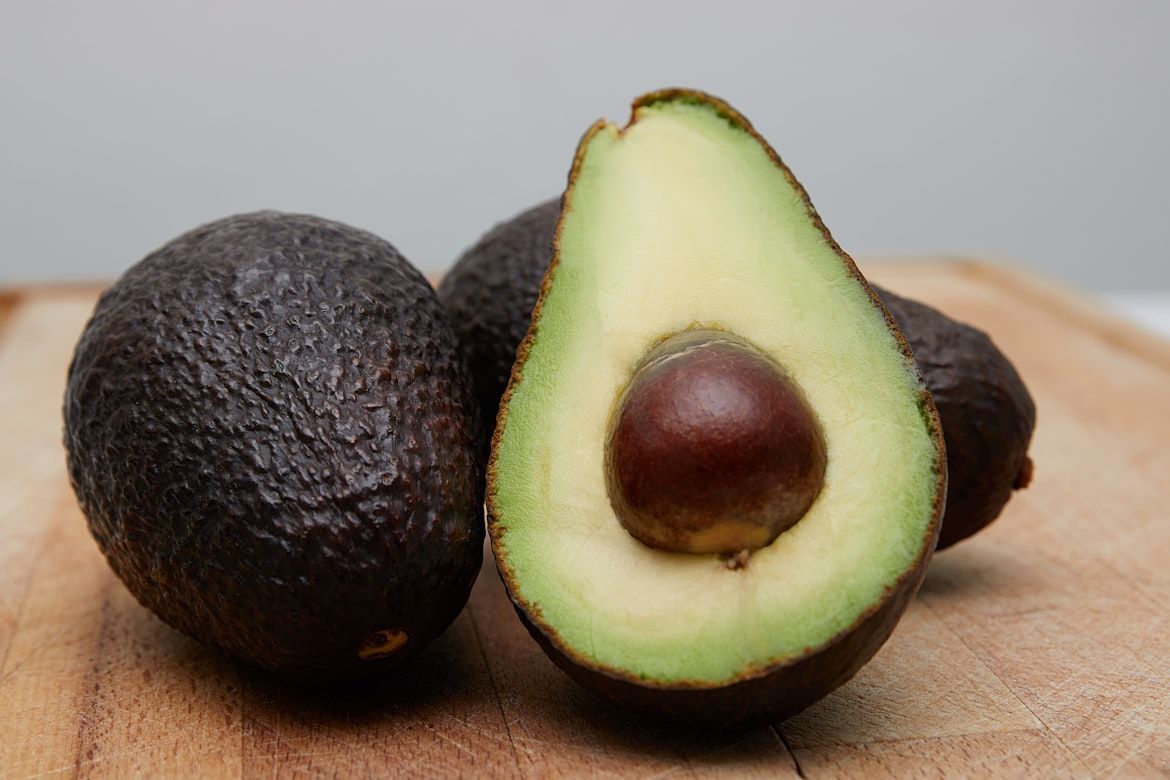
Not all fats are bad! Just like other food groups, your body needs fats to function properly. The important thing is knowing the difference between healthy fats and those that can be harmful. Foods like avocados, seeds, olive oil, fish, and nuts are rich in healthy fats. On the other hand, the fats found in processed or fried foods are the ones that can have a negative impact on your body.

9

Liver disease is always caused by alcohol or fats

Image: Elevate

Liver diseases can be serious. While heavy and frequent consumption of alcohol and fats is a major contributor, it's not the only cause. Liver problems can also result from many other factors. These include viral infections, autoimmune diseases, genetic disorders, high blood pressure, and exposure to certain chemicals.

10

Breakfast is the most important meal

Image: Brooke Lark

There's some truth to it: breakfast is important because it replenishes our glucose and energy levels and supports proper metabolism. However, the idea that it's the most important meal of the day might be an exaggeration. Everyone's body has different needs, and all meals are important, so we shouldn't skip any of them!

Looking for an extra scoop of literary fun?

Learn more with our Word of the day

notoriety

/ˌnoʊdəˈraɪədi/