Expensive origins

Living as kings: 10 everyday things that were once worth more than gold


Published on March 25, 2026


Image: Annie Spratt

Many of the things we take for granted today were once the stuff of dreams for kings, aristocrats, and the wealthy few. From basic household staples to everyday technology, these now-common goods were once markers of status and privilege. Here’s a look at 10 items that were once nearly unattainable luxuries.

1

Sugar

Image: Daniel Kraus

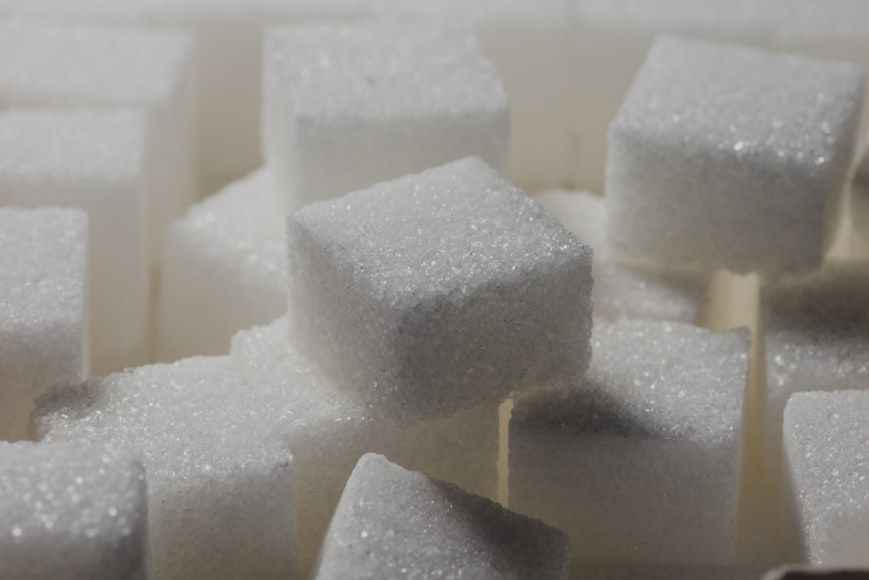
Once called "white gold," sugar was a luxury in Europe during the Middle Ages, imported at high cost from the East. Only the wealthy could afford it, and it was often displayed as a status symbol.

By the 18th century, however, colonial plantations had increased supply, driving down global prices. Today, it’s one of the cheapest commodities in the world.

2

Black pepper

Image: Anas Alhajj

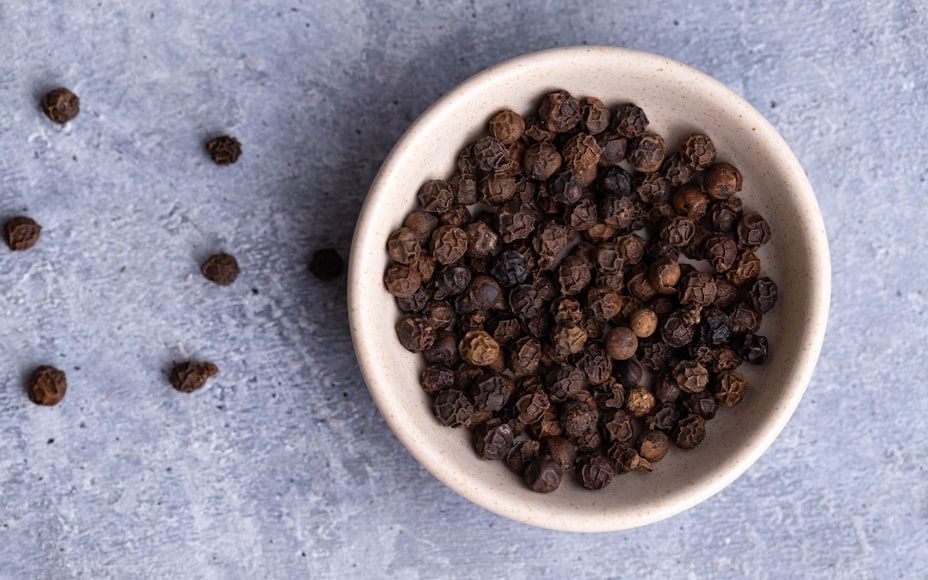
Highly coveted, black pepper was once used as currency in medieval Europe. Imported from India, it was so valuable that entire expeditions were launched just to secure trade routes.

Only the wealthiest households could afford to season their food with pepper regularly. Now, thanks to mass cultivation, it’s the most common spice in kitchens worldwide.

3

Glass windows

Image: Vidar Nordli-Mathisen

Who would have thought transparent windows were once a luxury? In the Middle Ages, glass windows were reserved for cathedrals and palaces, while most homes relied on wooden shutters or oiled cloth.

It wasn’t until the 19th century that mass production made window glass affordable for ordinary households.

4

Coffee

Image: Mike Kenneally

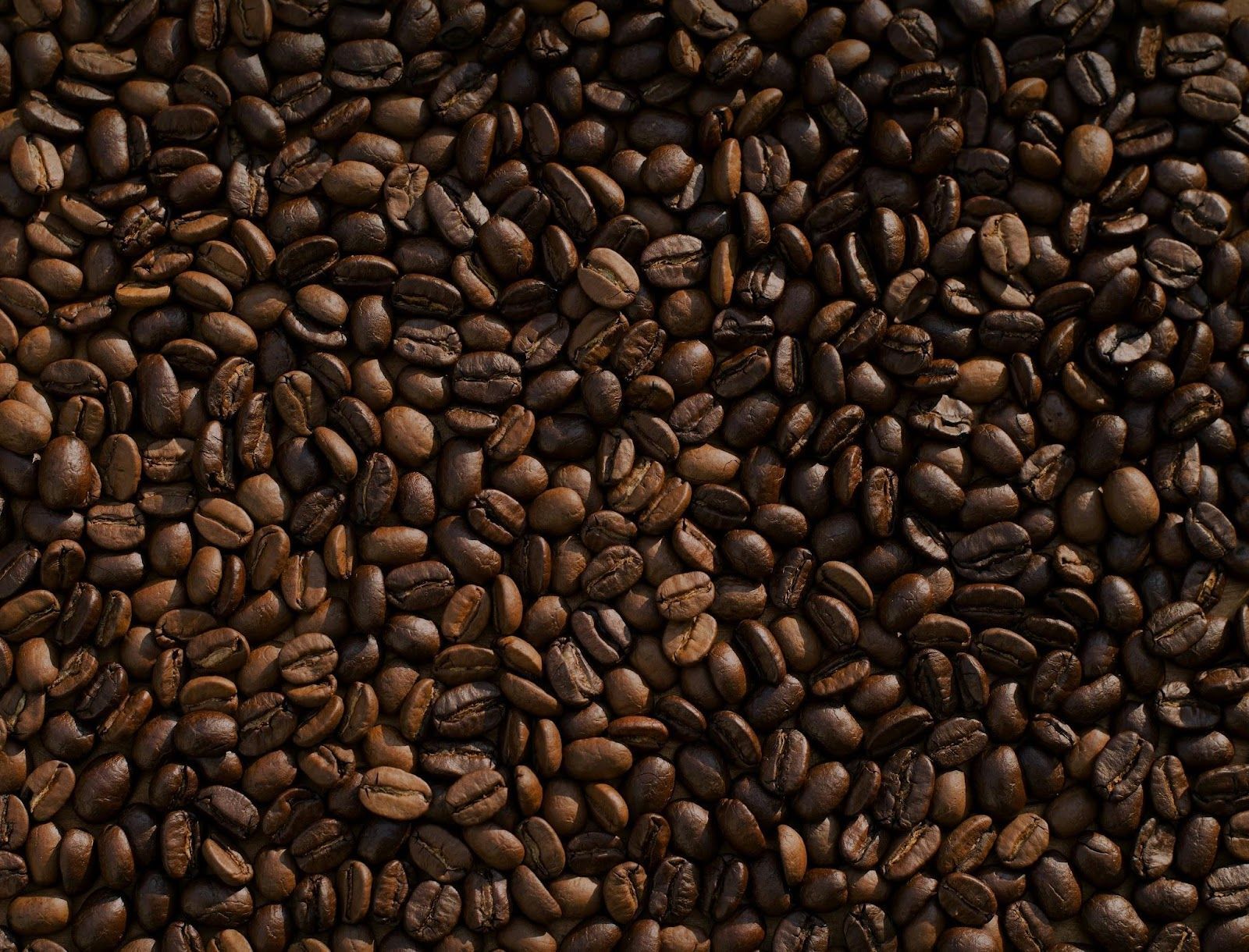
Coffee didn’t reach Europe until the 17th century, where it was considered an exotic and costly import. Coffeehouses soon became elite meeting places for merchants and intellectuals.

By the 19th century, improved trade routes and colonial plantations made coffee affordable for the masses.

5

Ice

Image: Scott Rodgerson

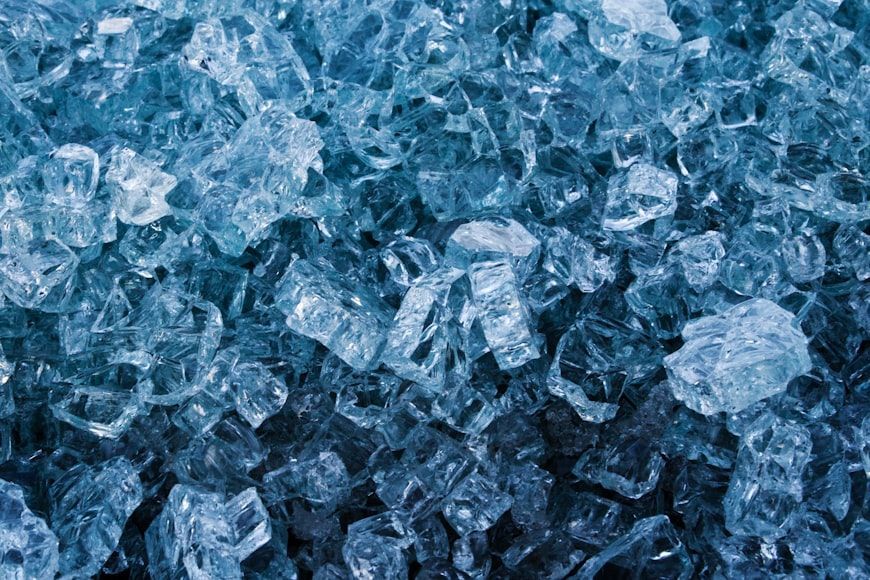
A humble ice cube wasn’t always a common sight. Before refrigeration, ice was harvested from frozen lakes and shipped long distances, making it expensive and seasonal.

Some insulation techniques allowed it to be preserved year-round, but it remained a privilege mostly reserved for the wealthy. Ice production plants in the late 19th century democratized cold storage, and by the mid‑20th century, home freezers had made ice an everyday convenience.

6

Salt

Image: Emmy Smith

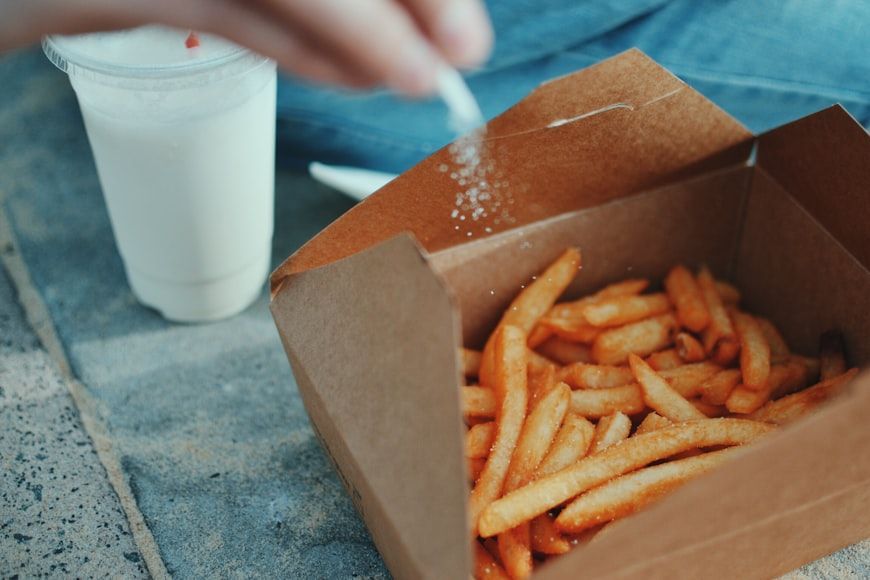
Though abundant now, salt was once vital—not just for flavor, but for preserving food and countless other uses—and notoriously difficult to produce in inland regions. Heavily taxed and fiercely coveted, it even sparked wars.

The Roman practice of paying soldiers partly in salt is often said to have given us the word "salary," literally meaning payment in salt. Only with modern mining and global shipping did salt lose its status as a precious commodity.

7

Books

Image: Vrînceanu Iulia

Before the printing press, books were handwritten manuscripts that could take months or even years to produce. Only monasteries, royalty, and the very wealthy could afford to own them.

Fortunately, Gutenberg’s press in the 15th century revolutionized access by lowering prices and helping to spread literacy to the broader public.

8

Mirrors

Image: Noah Clark

The earliest mirrors were made from polished obsidian or metal, making them very difficult to produce. Even after more refined techniques using glass backed with a thin layer of silver were developed, mirrors remained luxury goods.

It wasn’t until the 19th century that industrial glassmaking and silvering techniques made mirrors affordable for middle-class homes.

9

Soap

Image: Nadia Clabassi

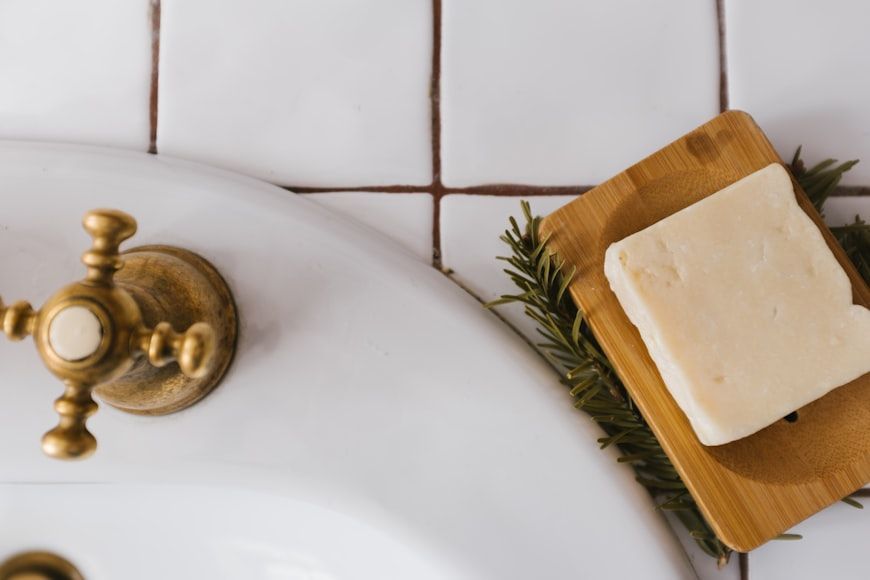
In medieval Europe, soap was costly—largely because it was made using olive oil, itself an expensive commodity. Those who couldn’t afford soap relied on water or abrasive cleaning materials.

Heavy taxation kept soap prices high until the 19th century, when a combination of lifted taxes and industrial manufacturing made soap affordable for the masses.

10

Photographs

Image: Museums Victoria

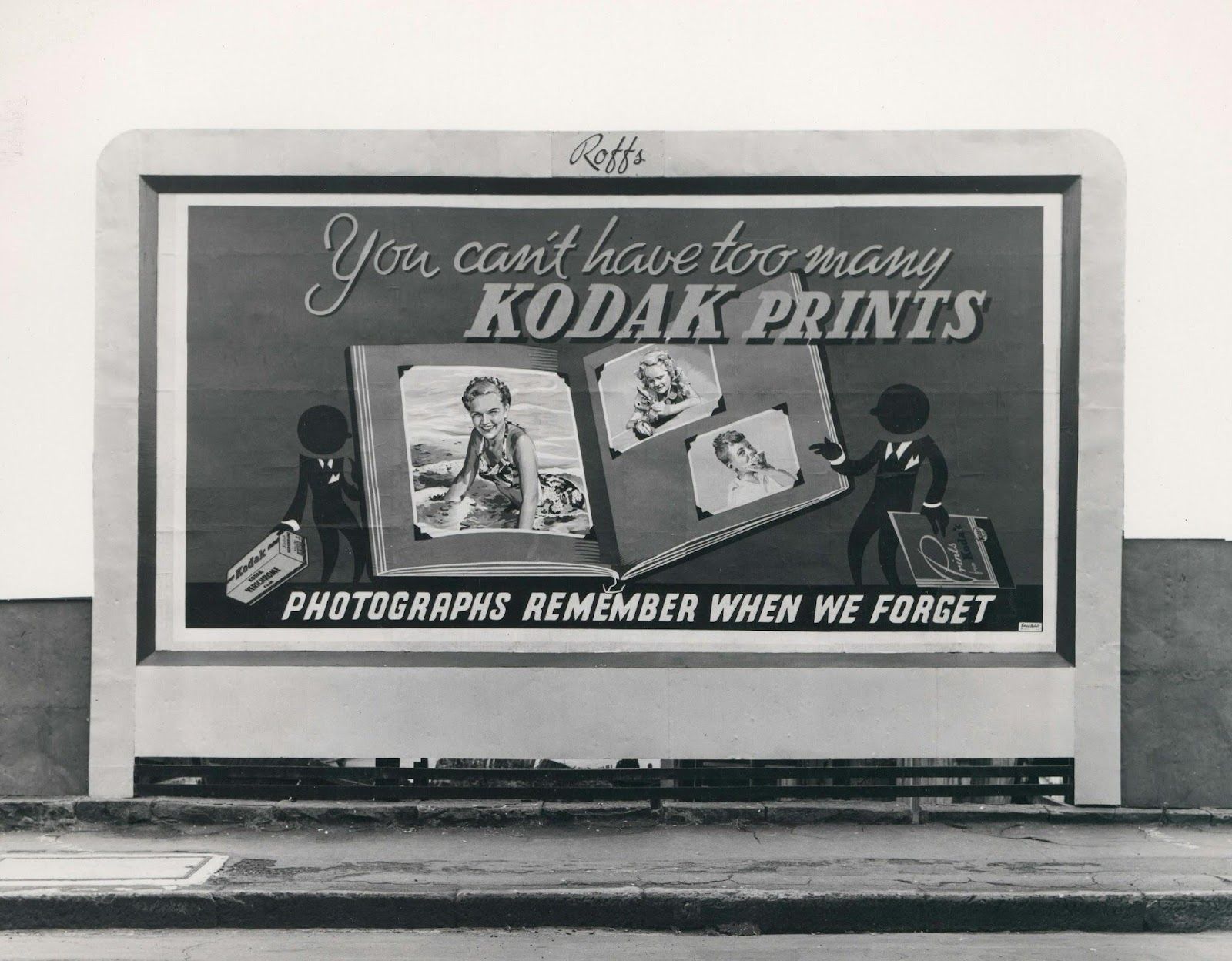
Soon after its invention, photography remained an expensive and formal process that required a professional studio. Only the wealthy could afford photographic portraits.

It wasn’t until the 20th century, with mass-market cameras like Kodak’s Brownie and simpler film development techniques, that photography became accessible to everyone.



What science says

It was false after all: 10 health myths that sound true—but aren't


Published on March 25, 2026


Image: Alicja Gancarz

Health myths are everywhere! These ideas were simply passed down for so long that they became part of what we believed. But now science has stepped in to clear things up. Does cold weather make you sick? Can lemon detox your body? Is reading in low light really harmful? Let's uncover the truth behind 10 common health myths!

1

Cutting your hair makes it grow faster

Image: Element5 Digital

Have you ever been told that cutting your hair will make it grow faster? We're sorry to say that's just a myth. Hair grows from the root, not the ends. So, trimming it won't boost growth, though it does help remove split ends that can make your hair look dry or unhealthy.

2

Cold weather causes colds

Image: Thom Holmes

This is one of the most common health myths. Cold weather often gets blamed, but it's not the temperature that makes you catch a cold. During winter, we tend to stay indoors with others and keep the windows closed, an environment that makes it easier for viruses to spread. That's why colds tend to be more common in winter!

3

Eating before bed makes you gain weight

Image: Michelen Studios

The idea that eating before bed automatically leads to weight gain is a myth. In reality, it has more to do with what you eat and how much, rather than the time of day. Often, when we eat very late at night, we're tired and more likely to reach for quick, high-calorie, heavy foods. This can disrupt sleep and lead to consuming more calories than we burn, both of which may affect weight. If it's close to bedtime, it's better to have something light and healthy in a moderate portion than to skip a meal altogether.

4

Wearing glasses weakens your vision

Image: Bud Helisson

Does wearing glasses weaken your vision? Myth! If an eye doctor prescribes glasses, wearing them as directed helps correct your vision; it won't make it worse. Additionally, the right glasses can help prevent or reduce headaches caused by reading or spending long hours in front of a screen.

5

Reading in low light causes permanent eye damage

Image: Amir Balam

This myth is closely related to the previous one. If you love reading and sometimes have to do it in low light because of the situation, don't worry. According to experts, reading in low light doesn't cause permanent or irreversible eye damage. However, it's not recommended because it can make your eyes feel tired or strained, leading to discomfort or headaches.

6

You need to drink 8 glasses of water a day

Image: engin akyurt

We're all different, and so are our bodies. The idea that everyone should drink exactly eight glasses of water a day is more of a general guideline than a rule. Staying well hydrated throughout the day is extremely important, but how much water you need depends on factors like your weight, age, climate, and overall health. We should prioritize staying consistently hydrated instead of obsessing over the number of glasses we drink.

7

Lemon water detox and cleanse your body

Image: Tirza van Dijk

Some people say drinking lemon water helps eliminate toxins and cleanse the body. While adding a slice of lemon to your water is a refreshing way to stay hydrated, it doesn't have any special "detoxifying" powers. The vitamin C in citrus fruits is beneficial, but the body has its own natural detox system. The liver and kidneys are the main organs that filter waste and eliminate toxins.

8

All fat is bad

Image: Aneta Voborilova

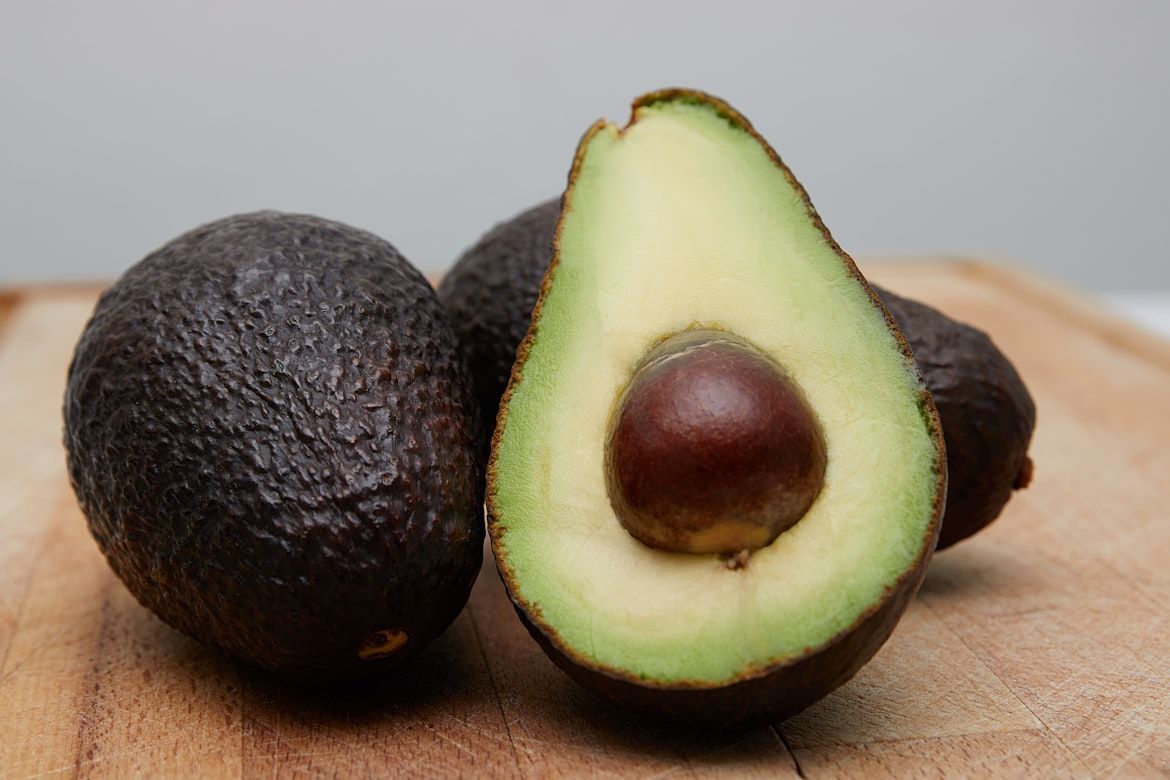
Not all fats are bad! Just like other food groups, your body needs fats to function properly. The important thing is knowing the difference between healthy fats and those that can be harmful. Foods like avocados, seeds, olive oil, fish, and nuts are rich in healthy fats. On the other hand, the fats found in processed or fried foods are the ones that can have a negative impact on your body.

9

Liver disease is always caused by alcohol or fats

Image: Elevate

Liver diseases can be serious. While heavy and frequent consumption of alcohol and fats is a major contributor, it's not the only cause. Liver problems can also result from many other factors. These include viral infections, autoimmune diseases, genetic disorders, high blood pressure, and exposure to certain chemicals.

10

Breakfast is the most important meal

Image: Brooke Lark

There's some truth to it: breakfast is important because it replenishes our glucose and energy levels and supports proper metabolism. However, the idea that it's the most important meal of the day might be an exaggeration. Everyone's body has different needs, and all meals are important, so we shouldn't skip any of them!

Looking for an extra scoop of literary fun?

Learn more with our Word of the day

miff

/mɪf/