Skol!

We are using Viking words daily and didn’t even know it: 12 examples


Published on February 15, 2026


Image: hao qin

The English language has adopted words from multiple other languages into its daily lexicon, and Norse is not an exception. Many terms that we use every day come from very similar-sounding counterparts from our Scandinavian friends. The following 12 examples range from the obvious to the surprising ones. Which ones did you already know about?

1

Thursday

Image: Kelly Sikkema

Once you see this one, it becomes almost impossible to unsee it: the word used to define the fourth day of the work week, Thursday, has a Norse origin, meaning "Thor’s day."

2

Club

Image: REGINE THOLEN

In today's world, we usually associate the word "club" with more civilized instruments, like a golf club. But in its origin, the word was associated with heavy things used as beating weapons, a Viking specialty. The word club came from the Old Norse word of the same meaning, "klubba".

3

Ransack

Image: Allef Vinicius

Unsurprisingly, another word that the Vikings gave us is the one used to describe the action of going through a place, stealing things, and causing damage: ransack. This word originates from the Old Norse term "rannsaka".

4

Mire

Image: Luke Jones

A common geographical landscape in England and Scandinavian countries is that shallow water bog with vegetation on its shores. The English word for mire comes from the Old Norse word "myrr".

5

Cast

Image: Knut Troim

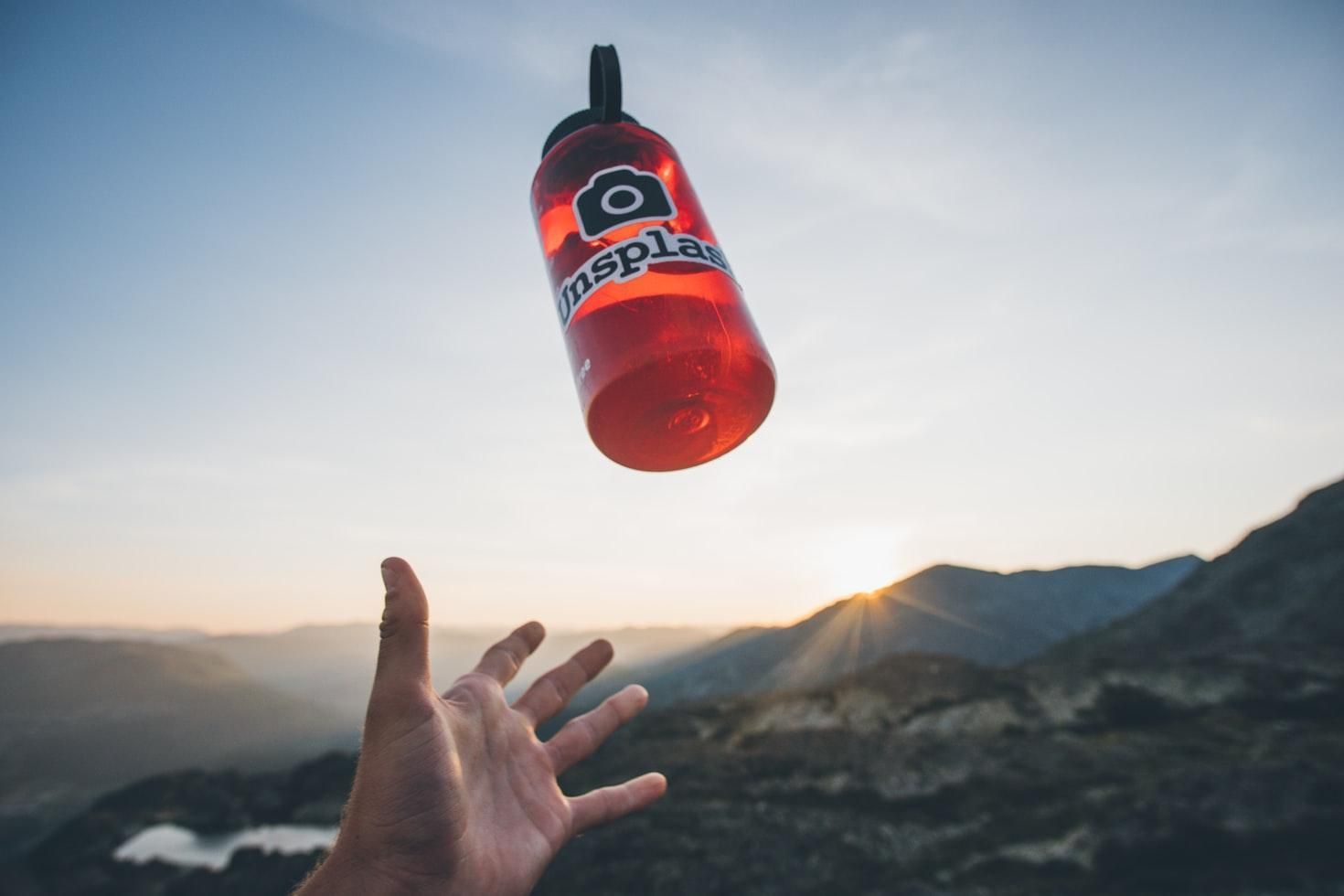
The action of throwing an object into the distance is as old as mankind, but the word that the English language uses to describe it stems from the Old Norse word "kasta".

6

Clip

Image: Markus Winkler

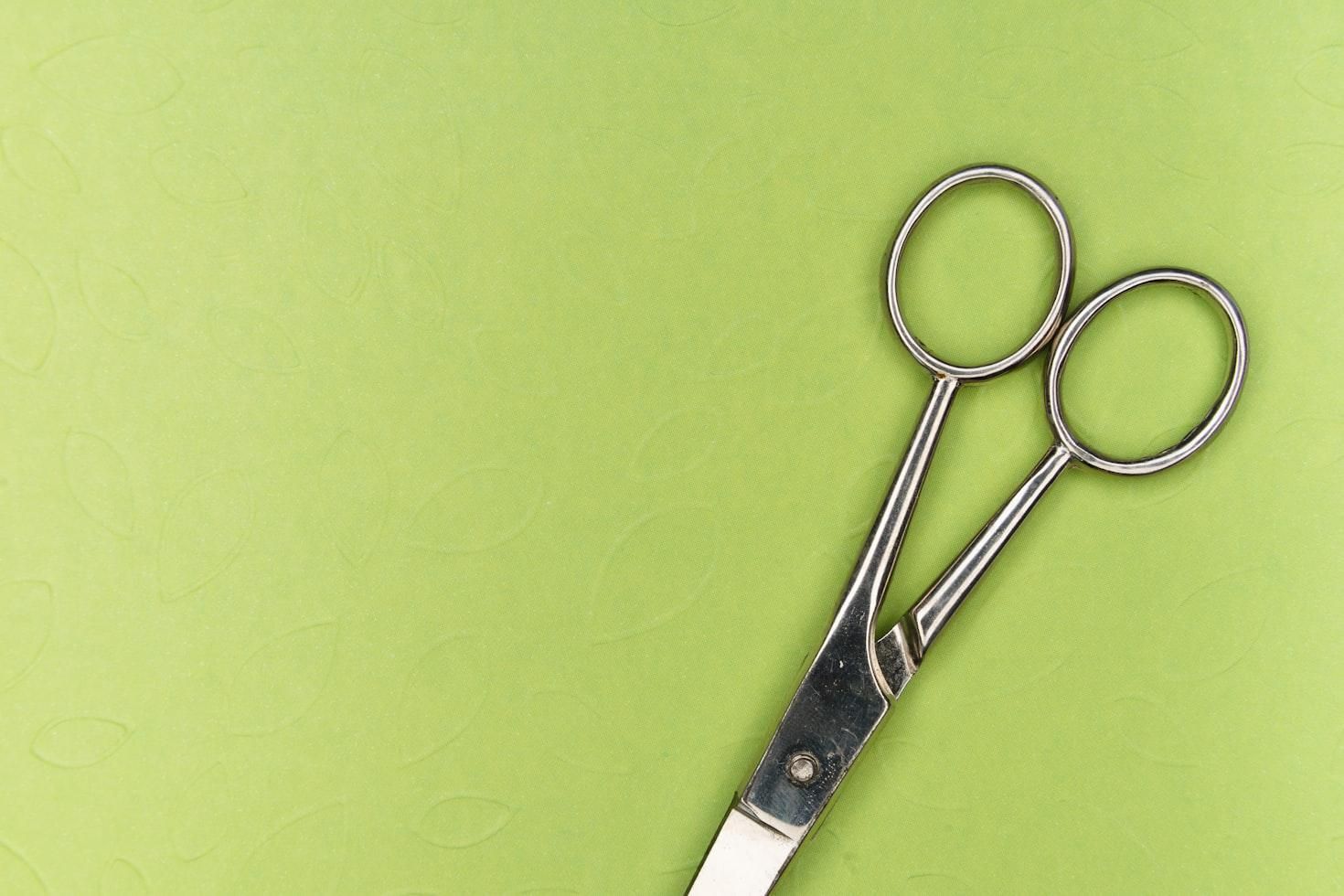
The word used to describe the action of clipping something, usually with scissors, also has a Norse origin in the word "klippa".

7

Glitter

Image: Pierre Bamin

Violent words are not the only word legacy from the Vikings: the word glitter, used to describe those shiny particles ubiquitous at parties everywhere, comes from the old Norse word "glitra".

8

Bag

Image: Creative Headline

Bags have been around for quite a long time now, but still, the word that the English language has settled on comes from the Old Norse word "baggin".

9

Cake

Image: American Heritage Chocolate

While the cakes from centuries past were probably not as decadent and spectacular as their modern equivalents, they still existed. The English word cake originated from the Old Norse word of the same meaning, "kaka".

10

Fellow

Image: Duy Pham

A fellow is a person in the same position, involved in the same activity, or otherwise associated with another individual. This household word comes from the Old Norse word "felagi".

11

Anger

Image: engin akyurt

Whether it is justified or not, anger is a feeling that is easy to associate with Vikings, especially because of their cultural depictions and stereotypes. The word anger itself can be traced to the Old Norse word "angr".

12

Husband

Image: Thomas Curryer

The last entry on our list is the one that describes a married man considered in relation to his spouse. This word originated in a very similar-sounding Norse word: "husbondi".


What science says

It was false after all: 10 health myths that sound true—but aren't


Published on February 15, 2026


Image: Alicja Gancarz

Health myths are everywhere! These ideas were simply passed down for so long that they became part of what we believed. But now science has stepped in to clear things up. Does cold weather make you sick? Can lemon detox your body? Is reading in low light really harmful? Let's uncover the truth behind 10 common health myths!

1

Cutting your hair makes it grow faster

Image: Element5 Digital

Have you ever been told that cutting your hair will make it grow faster? We're sorry to say that's just a myth. Hair grows from the root, not the ends. So, trimming it won't boost growth, though it does help remove split ends that can make your hair look dry or unhealthy.

2

Cold weather causes colds

Image: Thom Holmes

This is one of the most common health myths. Cold weather often gets blamed, but it's not the temperature that makes you catch a cold. During winter, we tend to stay indoors with others and keep the windows closed, an environment that makes it easier for viruses to spread. That's why colds tend to be more common in winter!

3

Eating before bed makes you gain weight

Image: Michelen Studios

The idea that eating before bed automatically leads to weight gain is a myth. In reality, it has more to do with what you eat and how much, rather than the time of day. Often, when we eat very late at night, we're tired and more likely to reach for quick, high-calorie, heavy foods. This can disrupt sleep and lead to consuming more calories than we burn, both of which may affect weight. If it's close to bedtime, it's better to have something light and healthy in a moderate portion than to skip a meal altogether.

4

Wearing glasses weakens your vision

Image: Bud Helisson

Does wearing glasses weaken your vision? Myth! If an eye doctor prescribes glasses, wearing them as directed helps correct your vision; it won't make it worse. Additionally, the right glasses can help prevent or reduce headaches caused by reading or spending long hours in front of a screen.

5

Reading in low light causes permanent eye damage

Image: Amir Balam

This myth is closely related to the previous one. If you love reading and sometimes have to do it in low light because of the situation, don't worry. According to experts, reading in low light doesn't cause permanent or irreversible eye damage. However, it's not recommended because it can make your eyes feel tired or strained, leading to discomfort or headaches.

6

You need to drink 8 glasses of water a day

Image: engin akyurt

We're all different, and so are our bodies. The idea that everyone should drink exactly eight glasses of water a day is more of a general guideline than a rule. Staying well hydrated throughout the day is extremely important, but how much water you need depends on factors like your weight, age, climate, and overall health. We should prioritize staying consistently hydrated instead of obsessing over the number of glasses we drink.

7

Lemon water detox and cleanse your body

Image: Tirza van Dijk

Some people say drinking lemon water helps eliminate toxins and cleanse the body. While adding a slice of lemon to your water is a refreshing way to stay hydrated, it doesn't have any special "detoxifying" powers. The vitamin C in citrus fruits is beneficial, but the body has its own natural detox system. The liver and kidneys are the main organs that filter waste and eliminate toxins.

8

All fat is bad

Image: Aneta Voborilova

Not all fats are bad! Just like other food groups, your body needs fats to function properly. The important thing is knowing the difference between healthy fats and those that can be harmful. Foods like avocados, seeds, olive oil, fish, and nuts are rich in healthy fats. On the other hand, the fats found in processed or fried foods are the ones that can have a negative impact on your body.

9

Liver disease is always caused by alcohol or fats

Image: Elevate

Liver diseases can be serious. While heavy and frequent consumption of alcohol and fats is a major contributor, it's not the only cause. Liver problems can also result from many other factors. These include viral infections, autoimmune diseases, genetic disorders, high blood pressure, and exposure to certain chemicals.

10

Breakfast is the most important meal

Image: Brooke Lark

There's some truth to it: breakfast is important because it replenishes our glucose and energy levels and supports proper metabolism. However, the idea that it's the most important meal of the day might be an exaggeration. Everyone's body has different needs, and all meals are important, so we shouldn't skip any of them!

Looking for an extra scoop of literary fun?

Learn more with our Word of the day

enervation

/ˌɛnərˈveɪʃən/