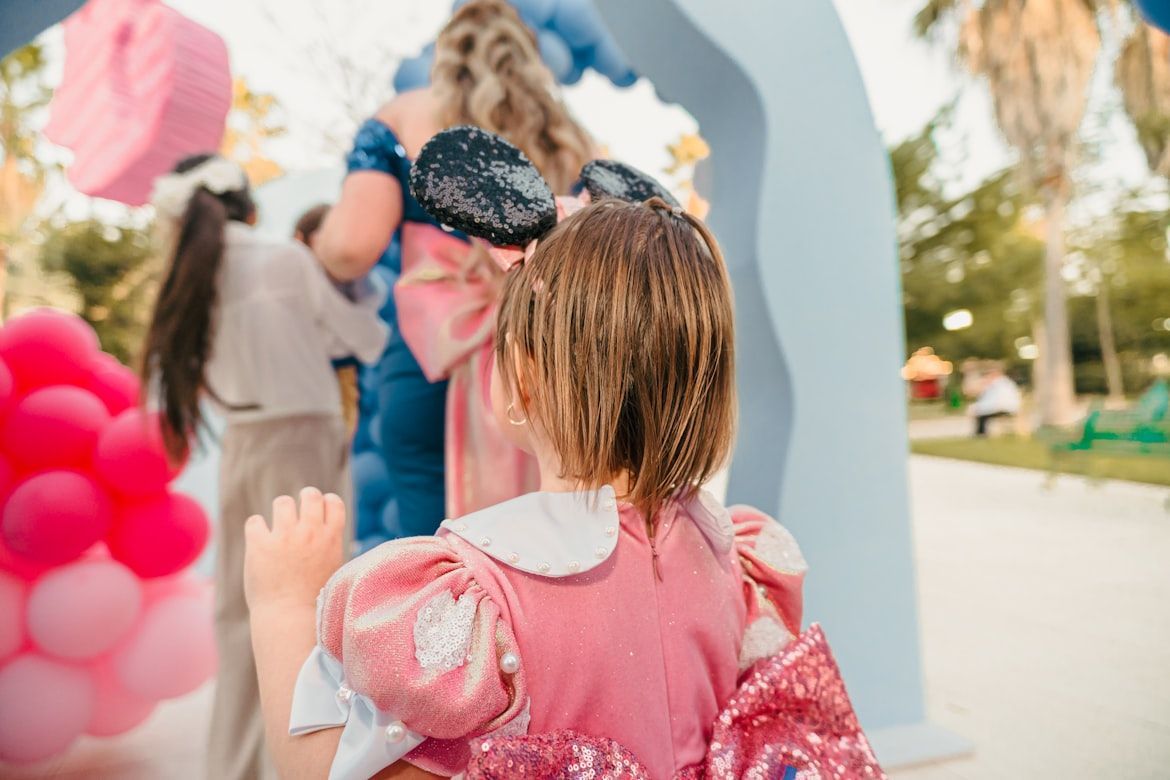
"Spitting On The Bride" and 9 other bizarre wedding rituals


Published on March 21, 2026
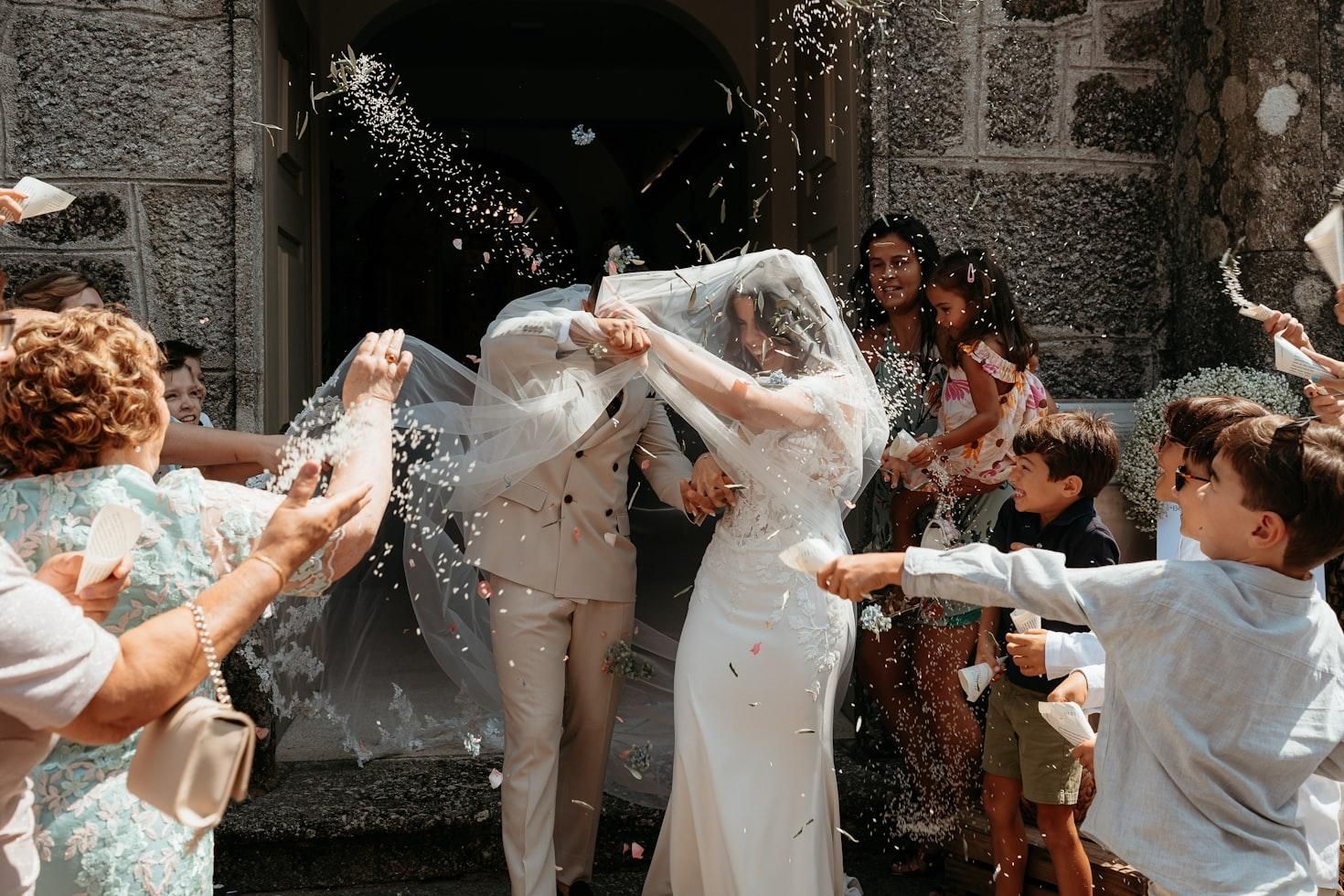

Image: Pedro Pulido

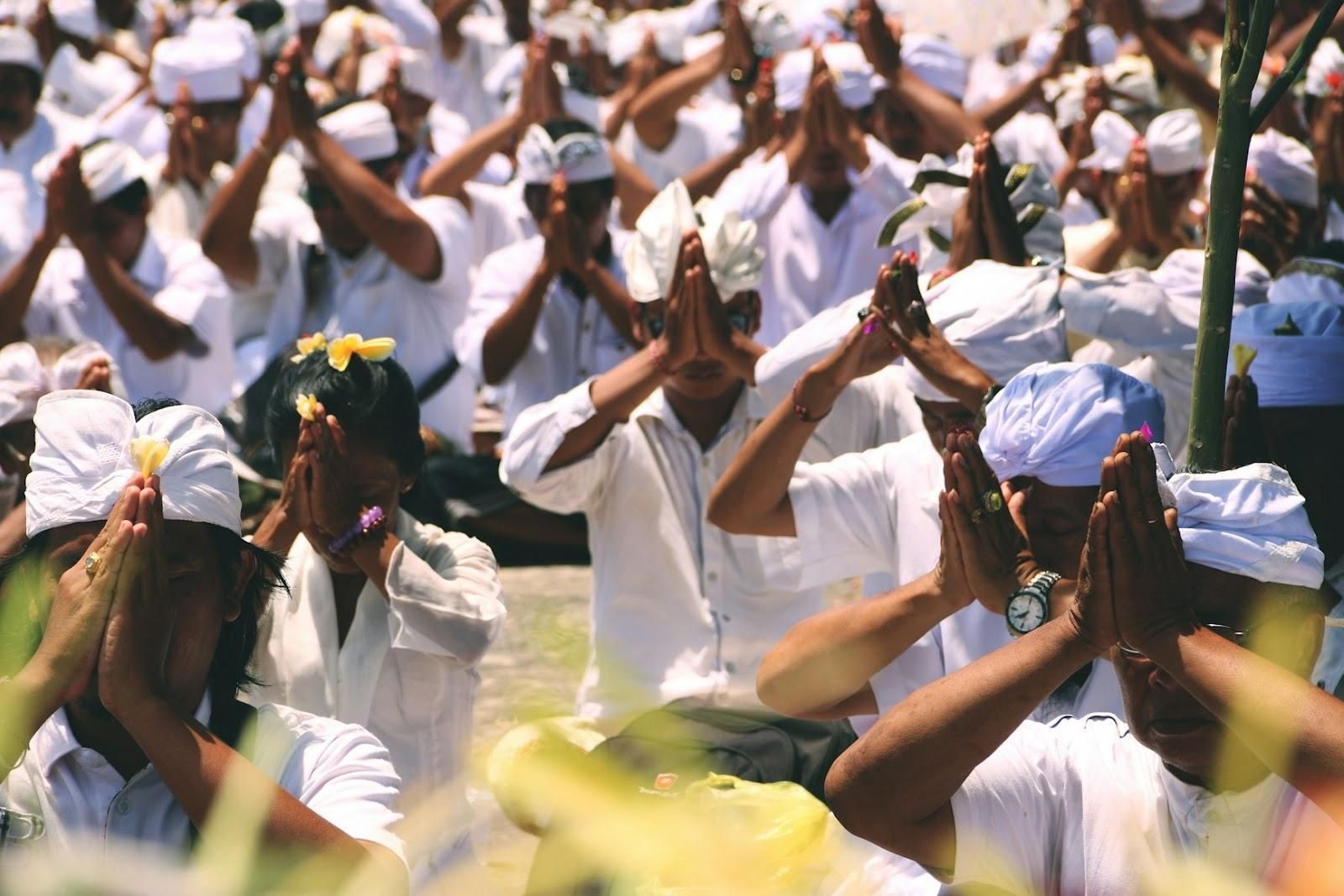
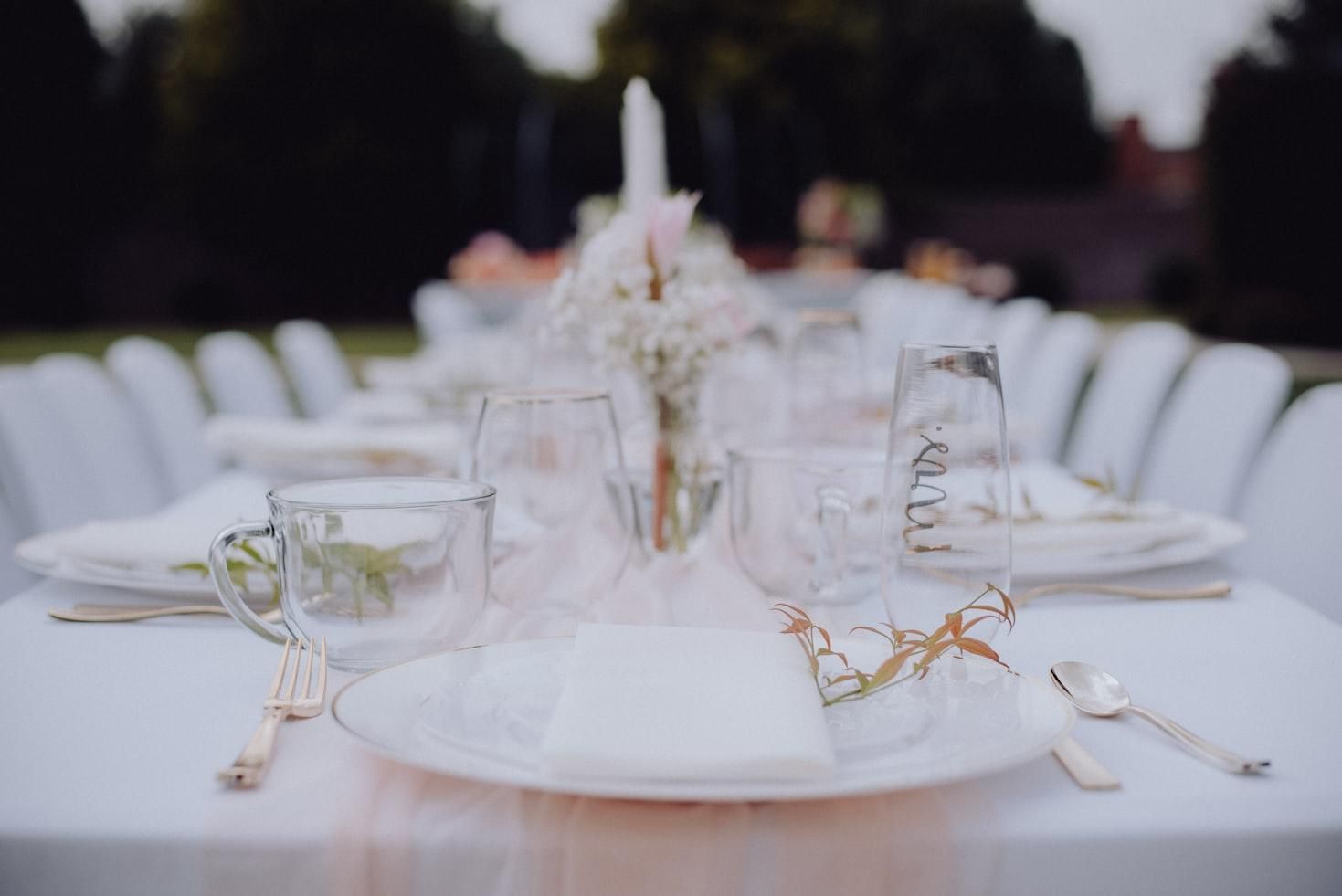
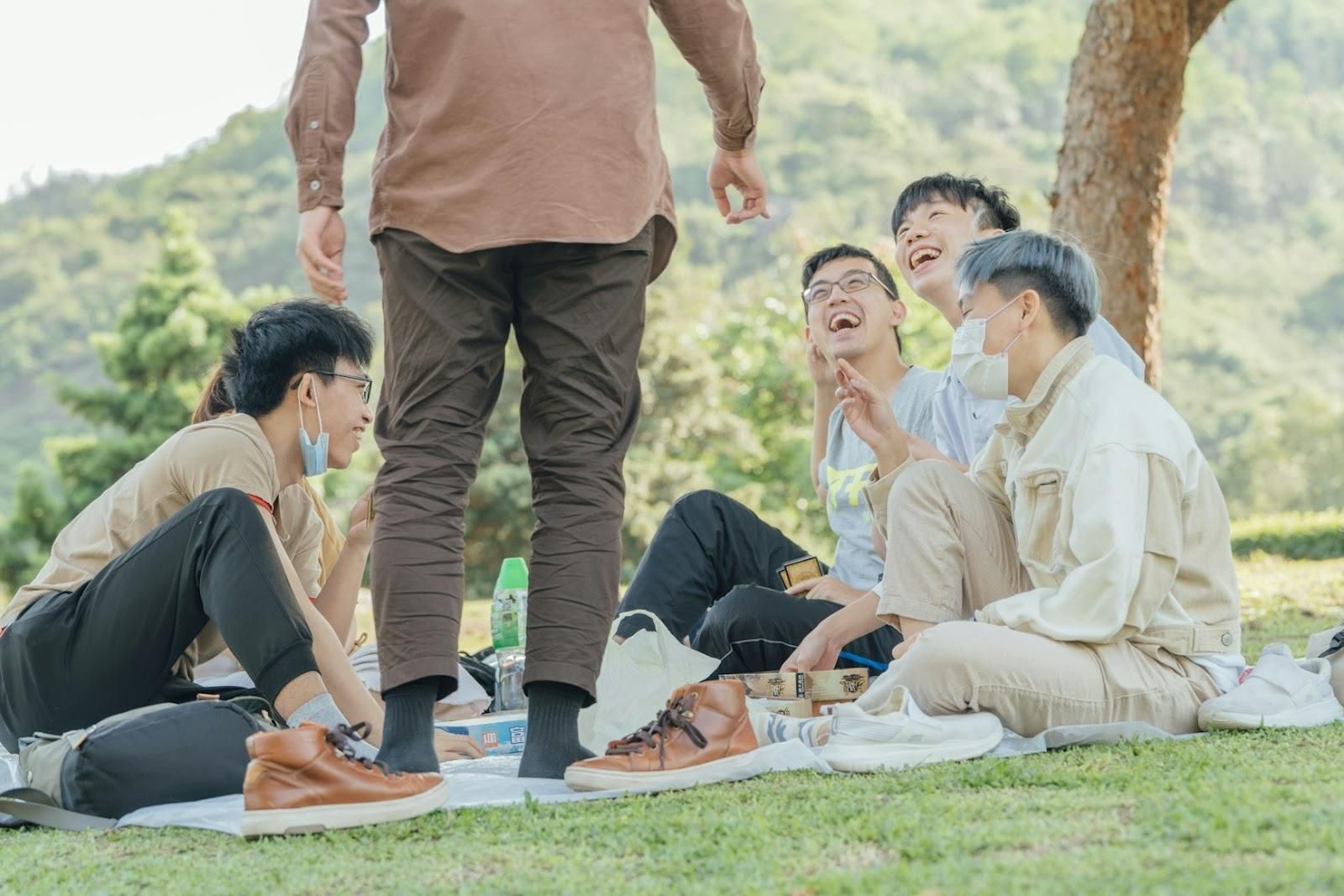
Love may be universal, but the ways people celebrate it couldn’t be more different. Some couples toast with champagne and dance under candlelight, while others begin their journey with leftovers, arrows, or even a month's worth of tears. Across the globe—from Chinese villages to remote Pacific islands—wedding rituals range from deeply symbolic to downright strange. Here are some of the wildest wedding traditions from around the world.

1

A month of joyful tears

Image: Hu bo

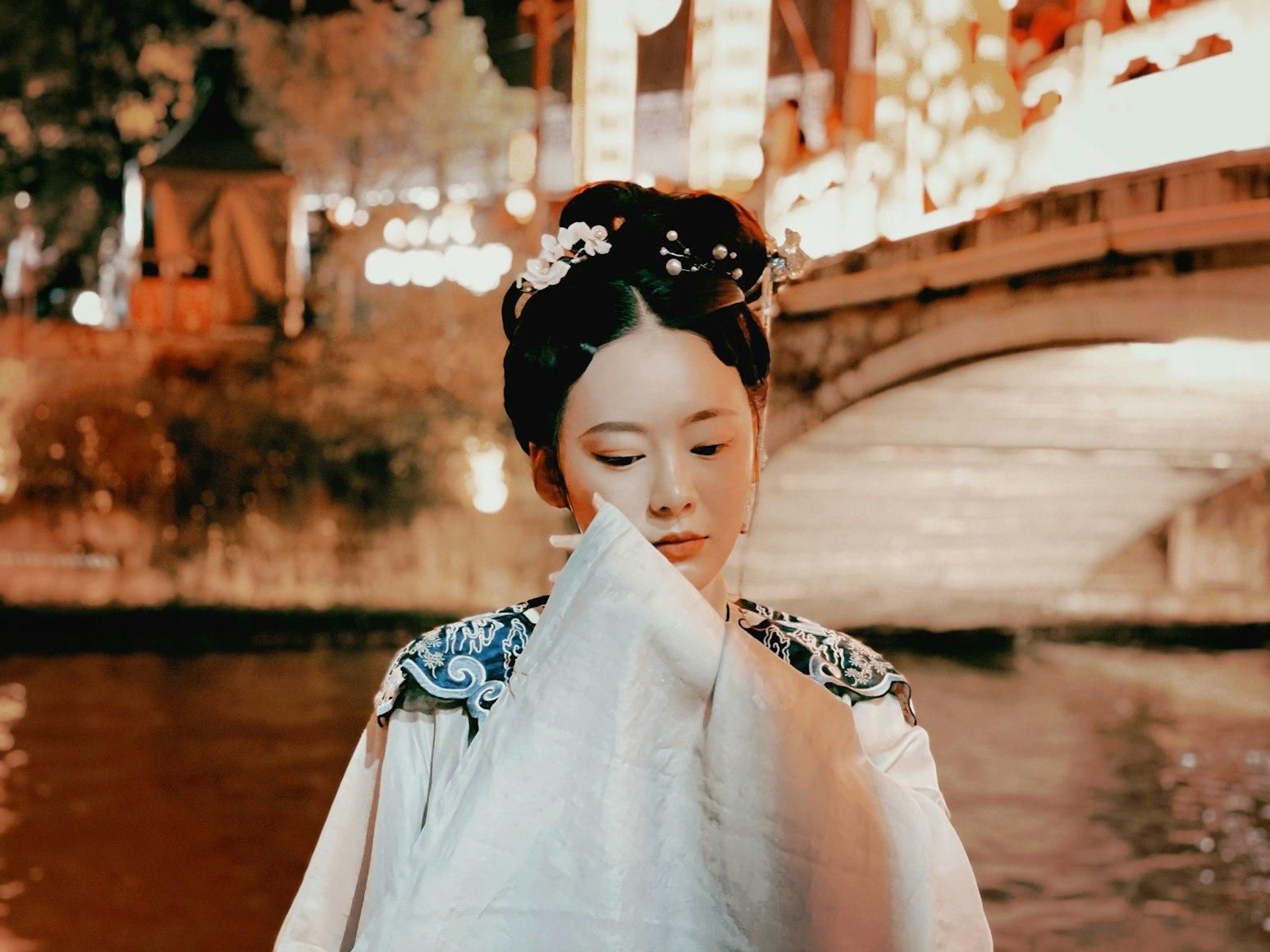
Imagine a wedding tradition where joy is measured not by laughter but by tears. In certain regions of China, brides from the Tujia ethnic group begin crying a full month before their big day. For one hour each evening, the bride weeps to express happiness and gratitude. Ten days in, her mother joins her, and by the final week, her grandmother, sisters, aunts, and cousins take part as well. The sound is said to resemble a "symphony of tears," as locals call it. It may seem dramatic to outsiders, but for the Tujia, this ritual is believed to wash away misfortune and welcome joy into the marriage, turning tears into a celebration of family and future.

2

A smile-free ceremony

Image: Asso Myron

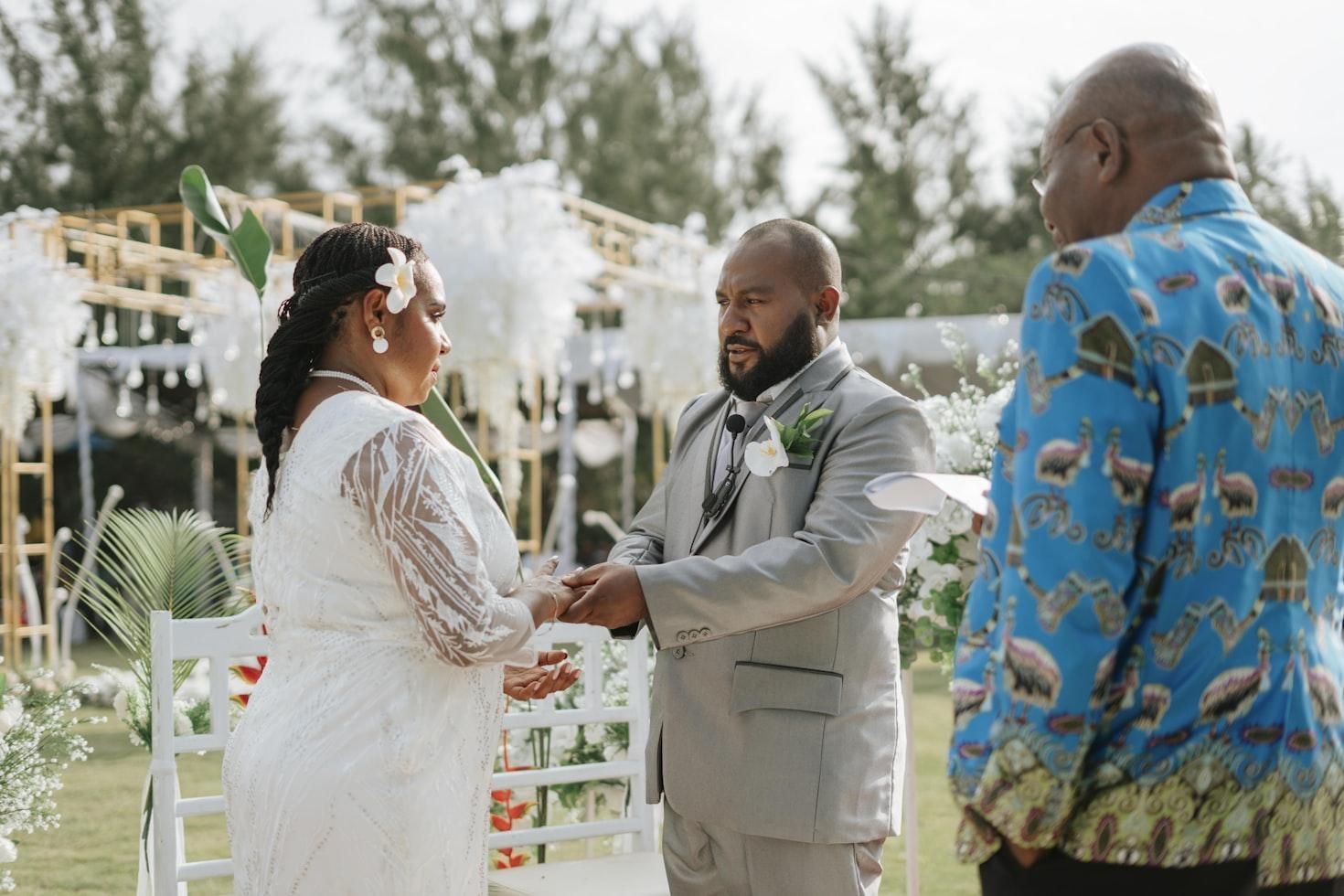
In some parts of Africa, weddings are not always centered on laughter and dancing. In the Democratic Republic of the Congo, for example, certain traditional ceremonies are described as austere and solemn. The bride and groom are expected to remain serious from start to finish, not even a hint of a smile allowed. The reasoning is that marriage is a sacred commitment, too important for outward giggles or casual grins. To an outsider, the sight might look less like a celebration of love and more like the world’s most intense staring contest; for locals, it’s a symbol of respect, devotion, and gravity.

3

A mucky proof of love

Image: KoolShooters

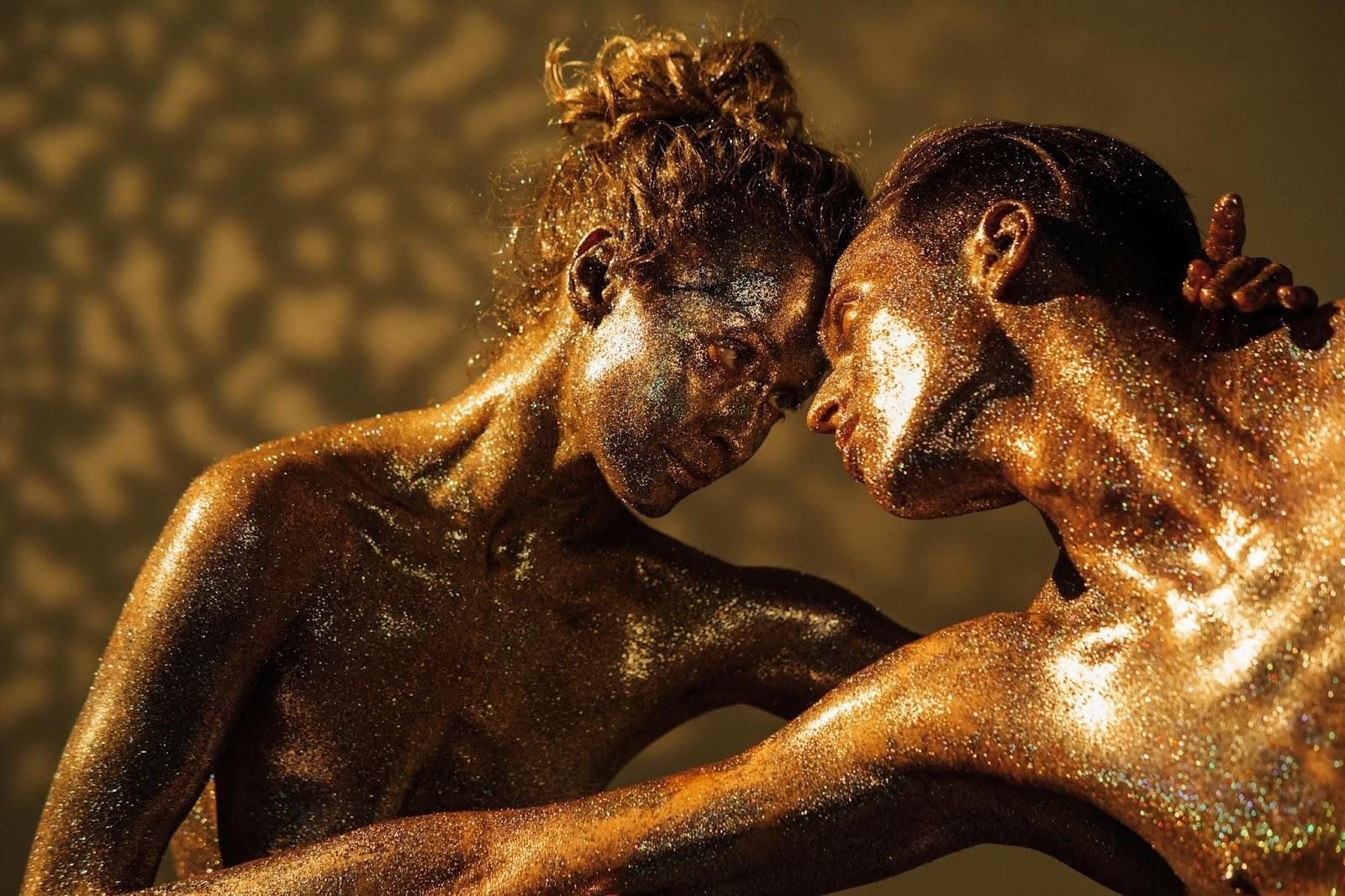
Scotland’s version of pre-wedding "fun" isn’t for the faint of heart. Here, the couple’s closest friends gather before the ceremony to stage the blackening, a messy and mischievous ritual meant to test the pair’s endurance. The bride and groom are chased, caught, and covered in a vile mix of sticky leftovers, spoiled milk, fish guts, flour, and rotten eggs. Once properly coated, they’re paraded through town for everyone to admire. It’s smelly, chaotic, and a little cruel, but there’s meaning behind the madness: if two people can handle such public embarrassment together, they can probably handle anything marriage throws their way.

4

Kisses on standby

Image: Carlo Buttinoni

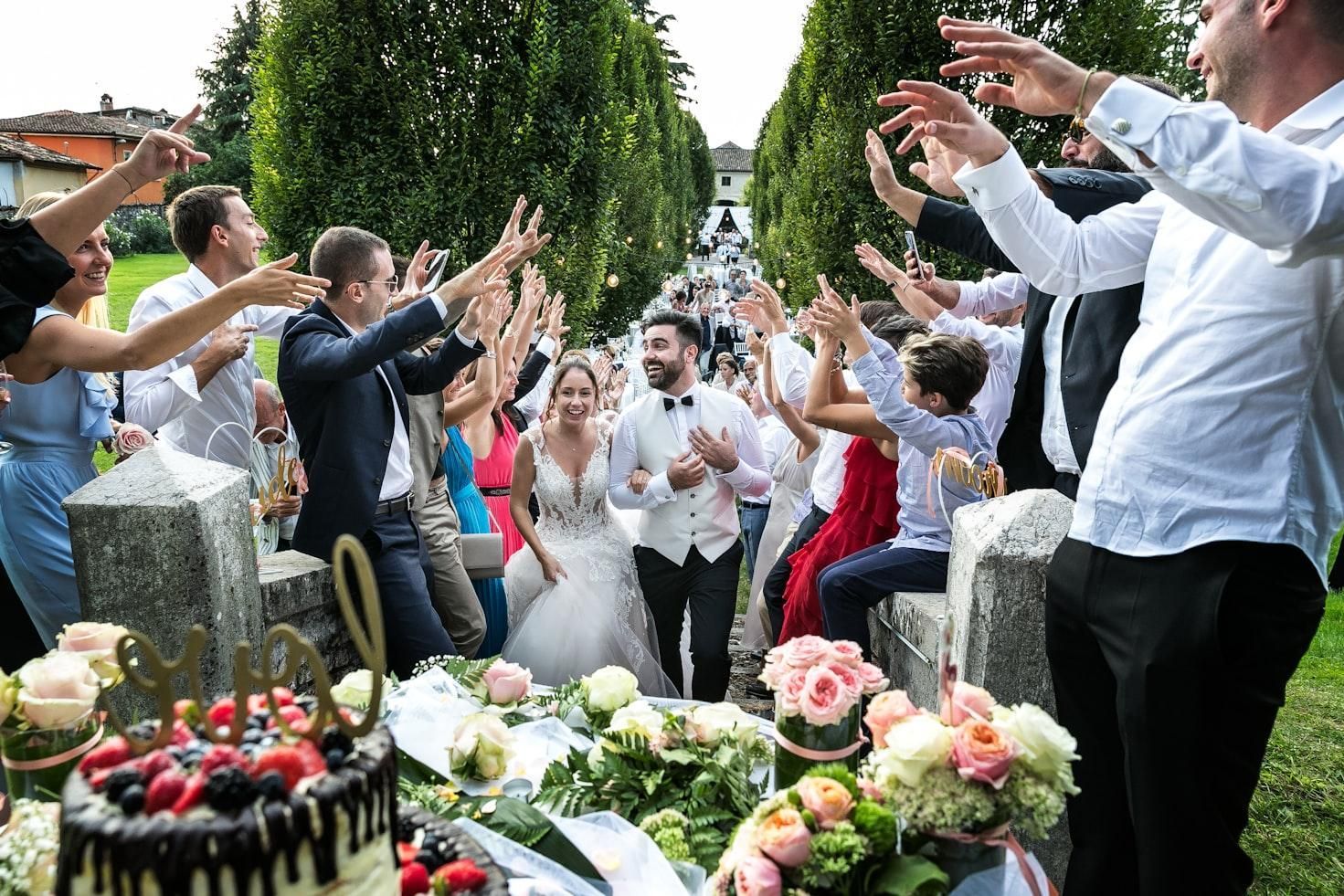
Would you let your new spouse kiss every guest on your wedding day? No, it’s not the plot of some surreal romantic comedy. As it happens, in Sweden it’s a lighthearted wedding tradition! Whenever the bride or groom leaves the room, the guests line up to give a kiss to the one who stays behind. It may sound a little too wild to some, but in Sweden it’s generally seen as a playful and harmless way to celebrate the newlyweds.

5

The human carpet

Image: Hakan Nural

In the remote Marquesas Islands of French Polynesia, love takes a surprisingly literal form. At the end of the ceremony, family members may lie down on the ground to form what is sometimes described as a "human carpet." The newlyweds then walk across their relatives’ backs on their way out, a gesture meant to honor the family’s blessing and symbolize unity between both sides. It works as a reminder that marriage rests, quite literally, on the support of loved ones. The only caution? It’s best if the bride leaves the high heels aside for this one.

6

Toilet dinner

Image: Bailey Alexander

France, known for elegant cuisine and candlelit dinners, once had a wedding custom that was far less glamorous. After the celebration ended, family and friends would gather the leftovers and serve them to the newlyweds in a toilet bowl or chamber pot. The concoction, commonly referred to as la soupe, was meant to "restore the couple’s strength" after their long day. In later versions of the tradition, guests substituted the original mixture with chocolate or champagne to make it more "festive." While it sounds more like a prank than a tradition, it symbolized good fortune and fertility. Thankfully, modern French couples now prefer to recover their energy with a croissant and café au lait instead of… whatever that was.

7

A wet blessing

Image: Tom Rumble

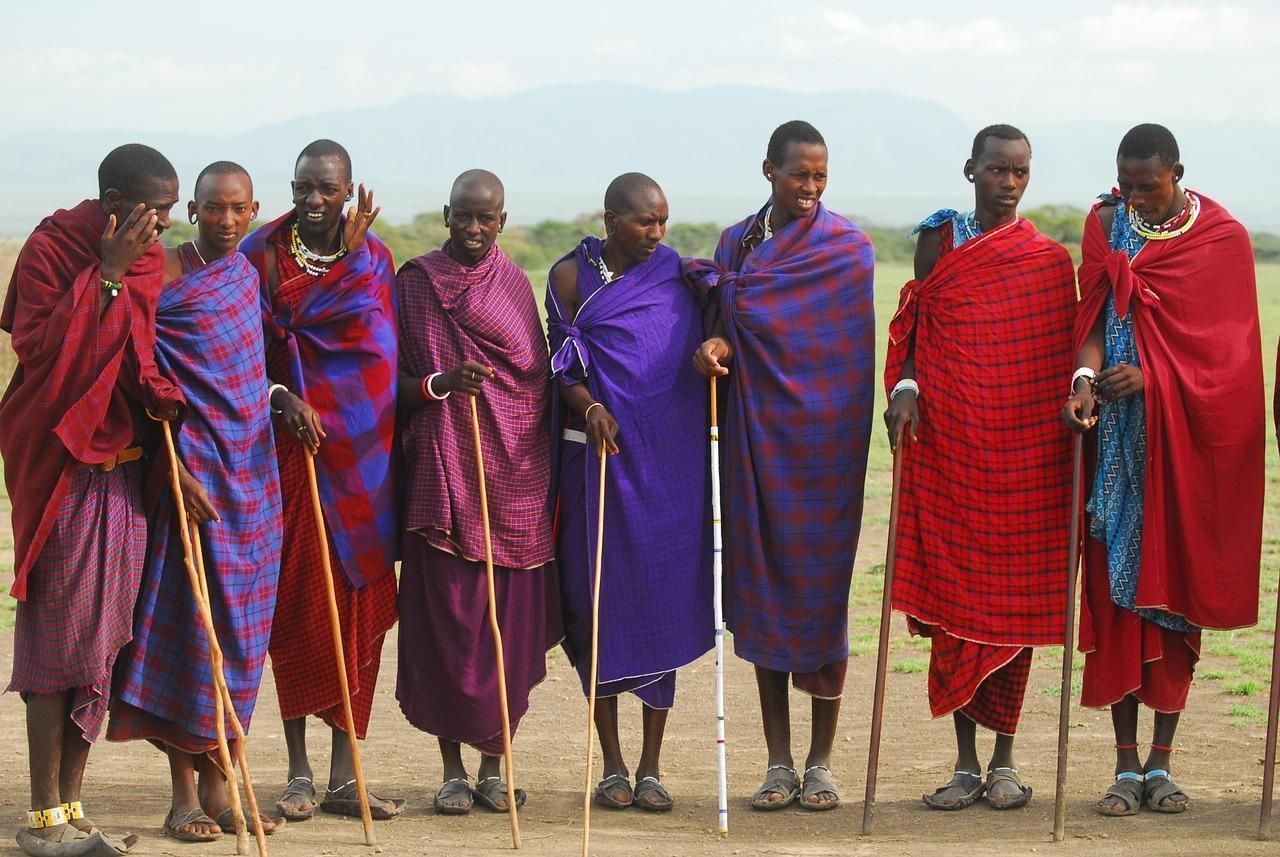
In Maasai culture in Kenya and northern Tanzania, blessings sometimes take an unexpected yet heartfelt form. Instead of a long speech or formal ceremony, a father offers his daughter good fortune with a simple gesture: he spits lightly on her head and chest before she leaves to begin her married life. It may sound disgusting, but among the Maasai, it’s a deeply respectful gesture. In a region where water is scarce and every drop is precious, even a small amount of saliva carries powerful symbolism. It represents life, protection, and the hope that the union will be strong and prosperous.

8

Feet of steel

Image: Samuel Chan

In South Korea, a groom’s path to the altar sometimes comes with one final challenge. Before the ceremony, his friends tie his ankles together, lift his feet, and playfully strike the soles with sticks or dried fish while firing off trivia questions. The custom, commonly known as bal dalli gi (literally "beating the feet"), is less about pain and more about proving the groom’s resilience and quick wit under pressure. The blows are meant to sting just enough to keep him alert, while the laughter from the crowd keeps the mood light. It’s a comical mix of endurance test and friendship ritual.

9

Love at first arrow

Image: Volodymyr Tokar

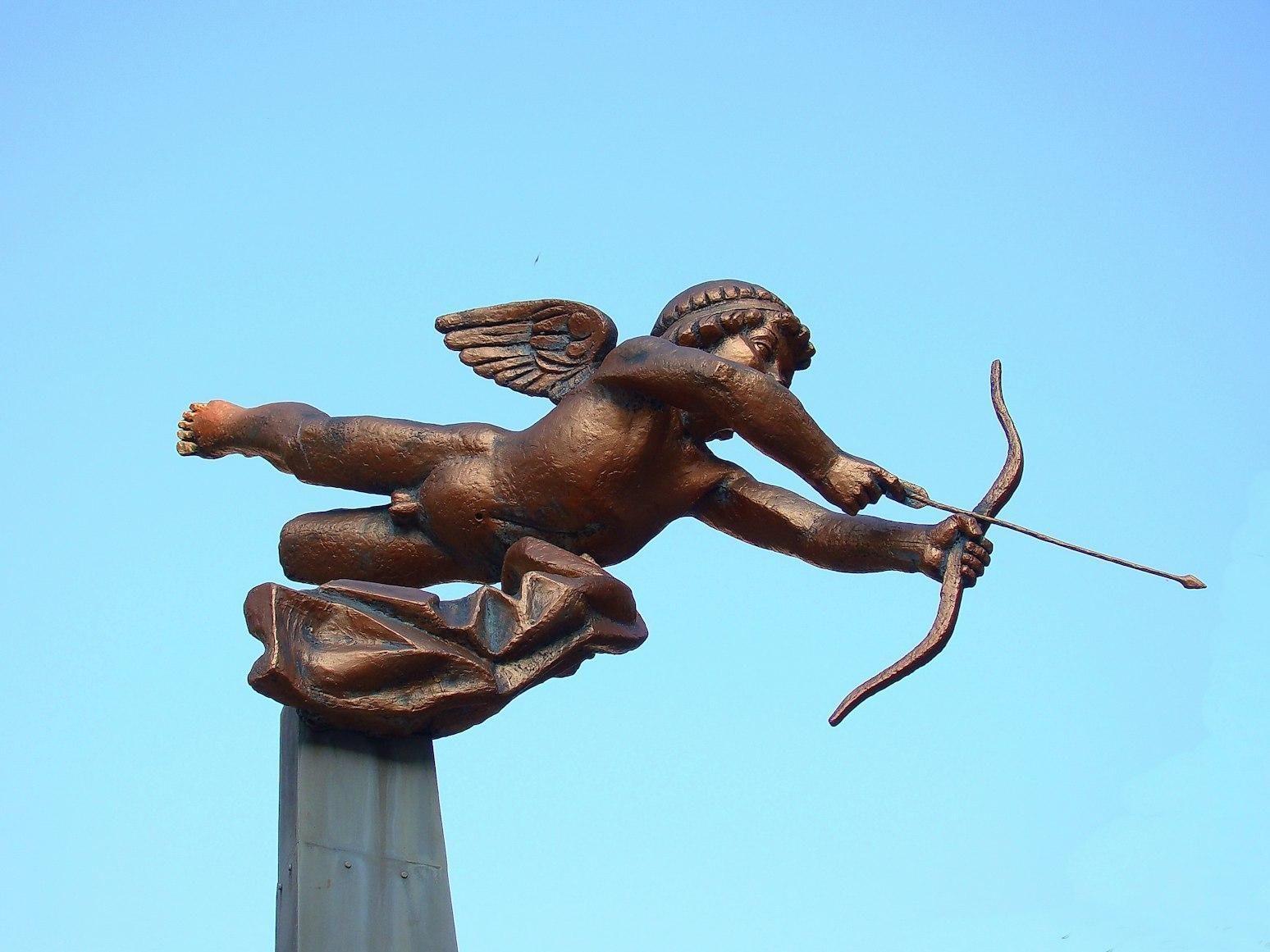
Among the Yugur (also known as the Yughur) people of northwestern China, love traditionally begins with a symbolic act of archery. In this centuries-old ritual, the groom takes a bow and fires three arrows directly at his bride. Don’t worry, the arrows are deliberately blunted or have their tips removed to ensure safety. Once the arrows have struck her dress, he retrieves them and breaks them in half, symbolizing that their bond can never be broken. All in all, the gesture represents both trust and eternal devotion, showing that true love doesn’t always come in diamond form.

10

The honeymoon lock-in

Image: cocoparisienne

On the misty island of Borneo, love begins with an endurance test worthy of a reality show. According to widely circulated accounts, among the Tidong people, newlyweds spend their honeymoon locked in a small room for three full days and nights—not even bathroom breaks allowed! Family members monitor the couple to ensure the rules are observed. The couple is given just enough food and water to get by, but the challenge is mostly symbolic: a test of patience, trust, and teamwork. If they can face three days in close quarters without escaping (or arguing), legend says their marriage will be long and unbreakable. It’s not exactly a tropical getaway, but it might just be the ultimate test of compatibility!
Decoding

Being a "treasured guest" is not a compliment. This is the hidden meaning


Published on March 21, 2026


Image: Hitesh Choudhary

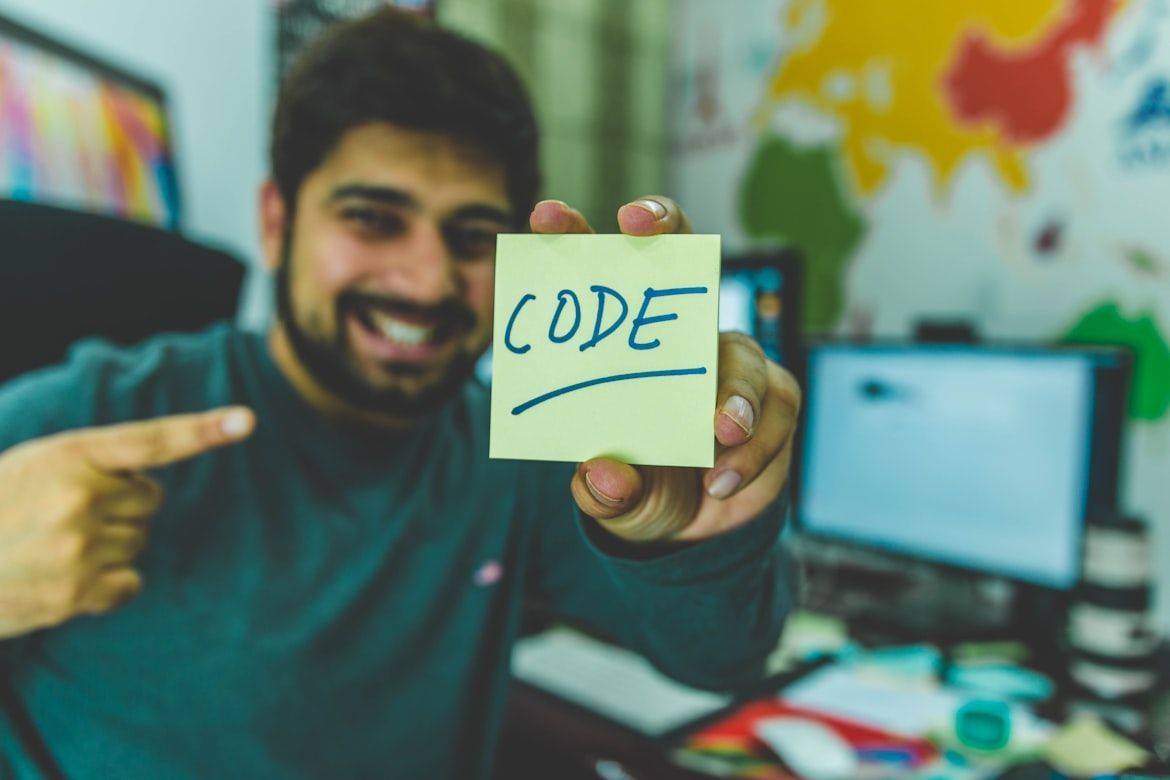
Have you ever heard "Code Adam" while shopping for groceries at Walmart? Or maybe you’ve heard how "Dr. Firestone" was being paged during a routine hospital visit. They sound like harmless announcements. But behind these ordinary words are secret codes staff use to signal emergencies without causing panic. From hospitals and supermarkets to airports and Disney Parks, these phrases quietly warn employees that something is happening. You hope you never hear them, but if you do, it helps to know exactly what they mean.

1

Treasured guest

Image: Helena Lopes

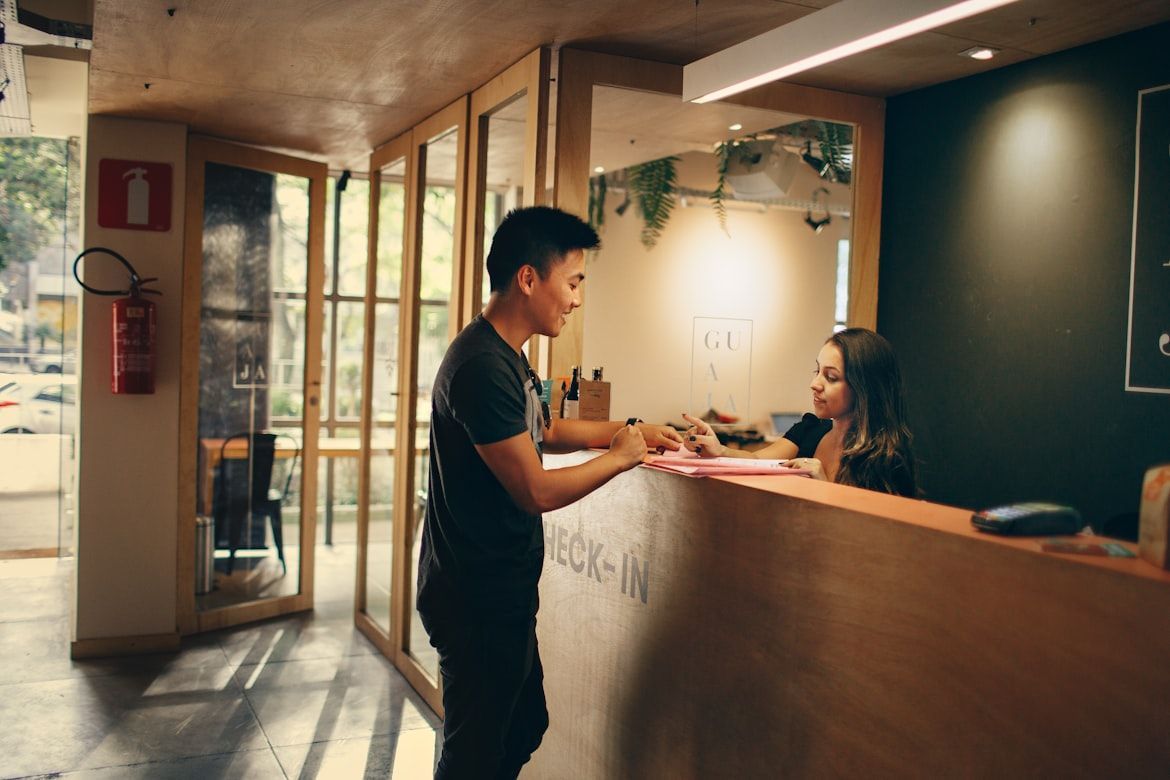
We all love getting special attention at airports or hotel desks, but if you hear the clerk call you a "treasured guest," don’t feel so flattered. You may not be as VIP as one could think.

In the hospitality industry, "treasured guest" has become a humorous bit of industry folklore to describe someone causing trouble. Maybe a customer yelling at staff over expired coupons, demanding impossible accommodations, or throwing a full-blown tantrum at the front desk. Whatever it is, the phrase has become the staff’s secret way to warn co-workers without escalating the situation in front of the customers. Most guests don’t realize the meaning, but once you know it, you may start hearing it more often. We just hope it’s not about you.

2

Code Adam

Image: Karsten Winegeart

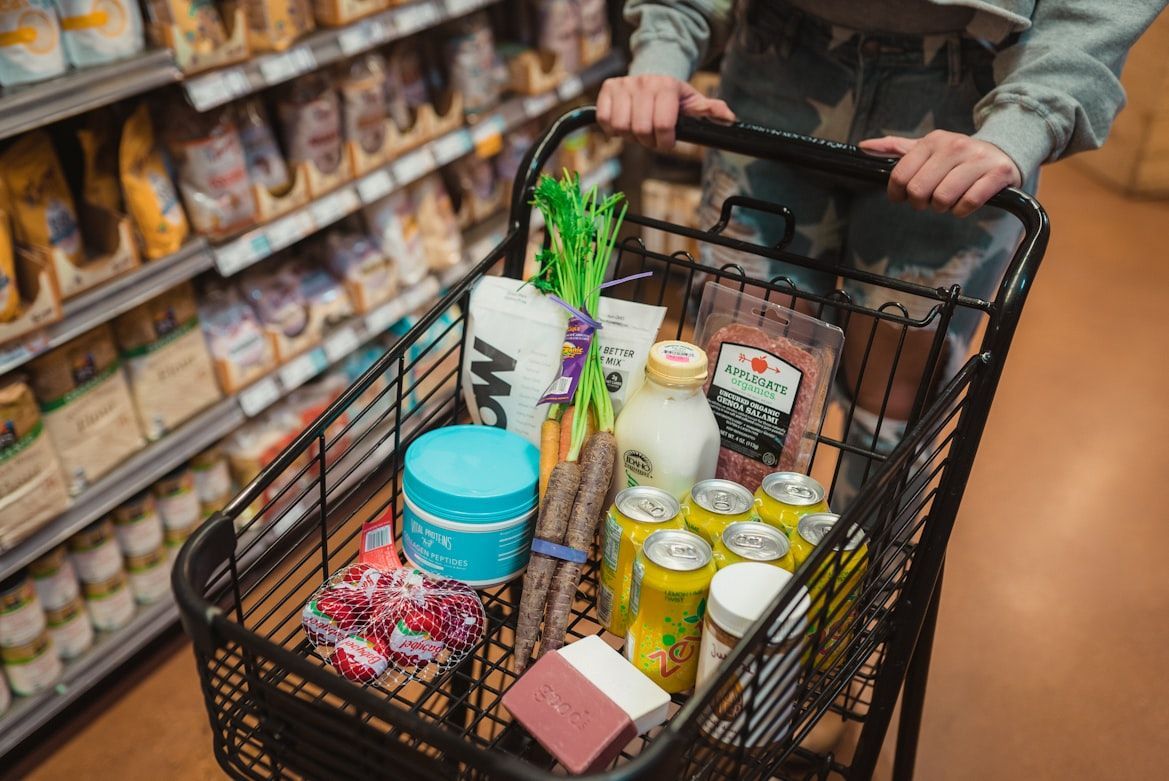
Imagine you’re pushing a shopping cart through Walmart when suddenly the overhead speaker announces, "Code Adam." You can easily assume it’s some kind of employee meeting or cleanup request. But when you see them start locking the exits and moving around, you know something’s wrong.

This code was created in 1994 by Walmart in collaboration with the National Center for Missing & Exploited Children (NCMEC), in memory of the tragic case of 6-year-old Adam Walsh. Adam was abducted from a Sears department store in 1981 while shopping with his mother. His father, John Walsh, later became famous for hosting the TV program America’s Most Wanted and advocating for missing children. Even if Adam’s story ended in tragedy, Walmart created the emergency system in Adam’s memory, and other retailers soon adopted it nationwide, intending to have a quick response to missing or abducted children.

3

Code Blue

Image: Günter Valda

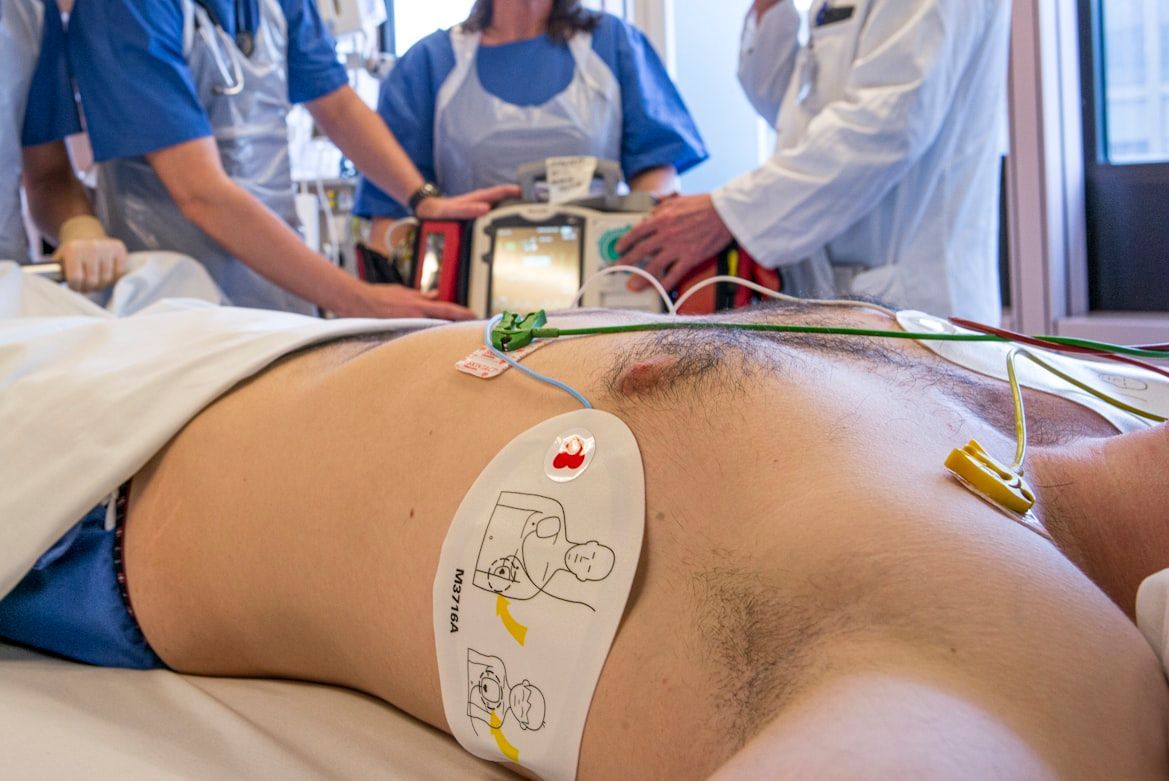
You’re sitting in a hospital waiting room during a routine check-up when you suddenly hear "Code Blue, Room 214." Most people immediately know it sounds serious, even if they are not entirely sure why.

The phrase "Code Blue" is used at hospitals to draw the necessary staff and equipment to perform a resuscitation. It was created in the early 1960s at Beathany Medical Center by Dr. Hughes Day. Before then, hospital resuscitations were often chaotic and poorly coordinated. In 1961, Dr. Day received a grant to build one of America’s first cardiac care centers, and he developed both the Code Blue alert system and the modern crash cart to improve survival rates during cardiac emergencies. Today, the system is used in hospitals across the country, sometimes with specialized versions like "Code Blue Pediatric" or "Code Blue Neonate."

4

Dr. Firestone

Image: Cdn Pages

Imagine visiting a loved one in the hospital when the intercom calmly announces, "Paging Dr. Firectone to the third floor." Your head surely goes, "Dr. Firestone’s probably having a busy day up there." He is, but it’s not what you think.

The phrase is actually a discreet fire alert used to warn staff about smoke, flames, or overheating equipment without frightening patients and visitors. Hospitals adopted these coded announcements after realizing that openly yelling "fire" over loudspeakers could create panic, especially among patients who aren’t able to move quickly. "Code Red" is an alternative used by many health centers today, but it also hints at the situation while keeping hallways calm.

5

Code 10

Image: Blake Wisz

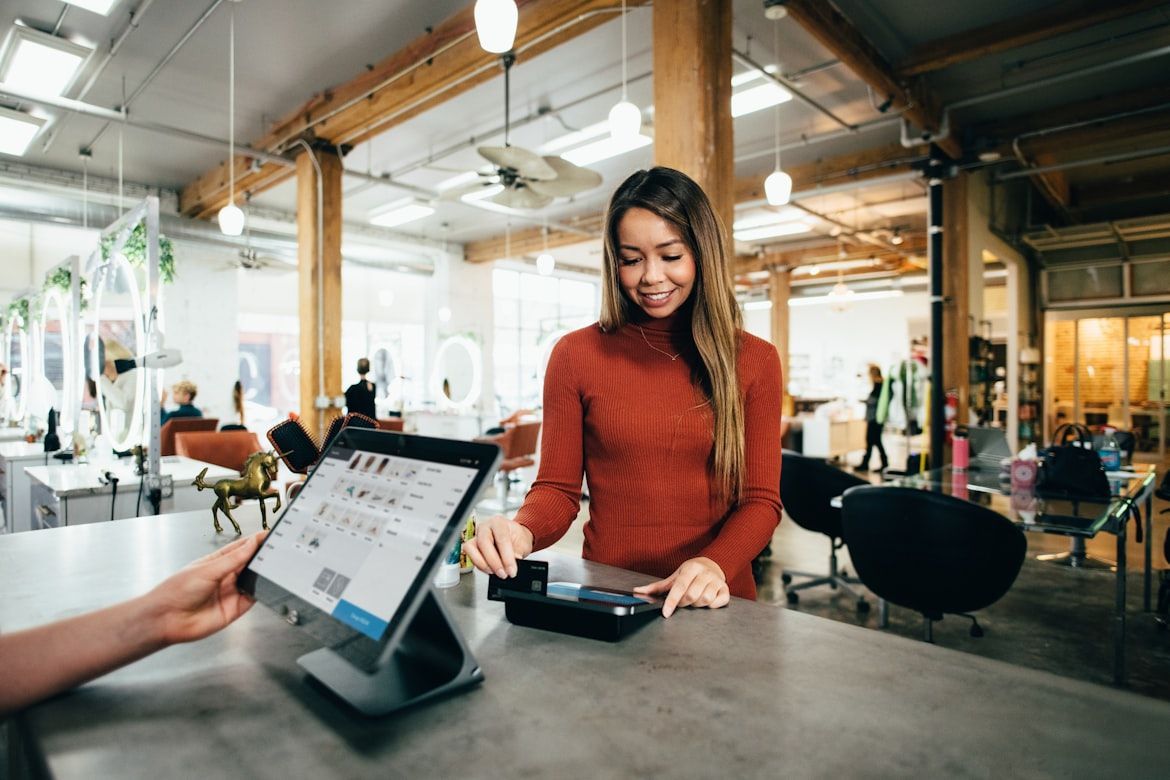
You’re standing at a checkout counter when the cashier picks up the phone and quietly says, "I need a Code 10 authorization." If you think that’s just another way to get a supervisor’s approval or technical issue, think again. In reality, the cashier may suspect the credit card is stolen or fraudulent.

Code 10 was developed through a cooperative effort between major credit card companies like Visa and Mastercard, along with international standard organizations. As credit cards became more common in the 1960s and 1970s, stores needed a discreet way to alert banks about suspicious activity without directly accusing customers and potentially putting employees at danger. When a cashier requests a Code 10, the bank’s operator begins asking yes-or-no questions to assess the situation and guide the employee on what to do next.

6

Code Bravo

Image: CDC

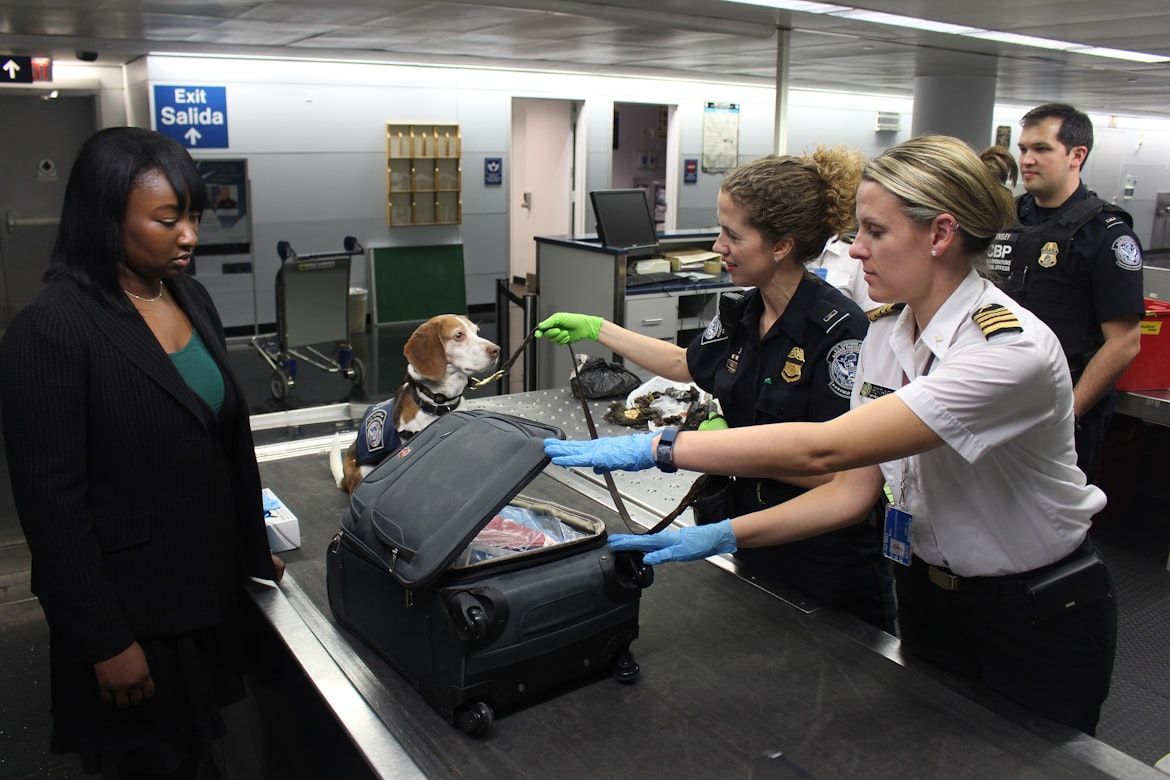
You’ve probably experienced those long airport security lines. The wait is usually uneventful. But sometimes, you can hear "Code Bravo" over the speakers. Maybe it’s a delay, or maybe it’s an issue with luggage. Within seconds, people stop moving, the security line freezes, and exits may even close. It’s something bigger.

Code Bravo is the emergency phrase used by airport security and the Transportation Security Administration to signal a serious security threat, such as an unattended bag, a breach at a checkpoint, or someone slipping into a restricted area. The term comes from the international phonetic alphabet used in aviation and military communications, where "Bravo" represents the letter B. When this is called, security staff immediately lock down affected areas, stop screening lines, and search for the source of the threat. To passengers, it’s sudden and confusing, but to security, it’s a carefully rehearsed response.

7

Code Alpha

Image: Navy Medicine

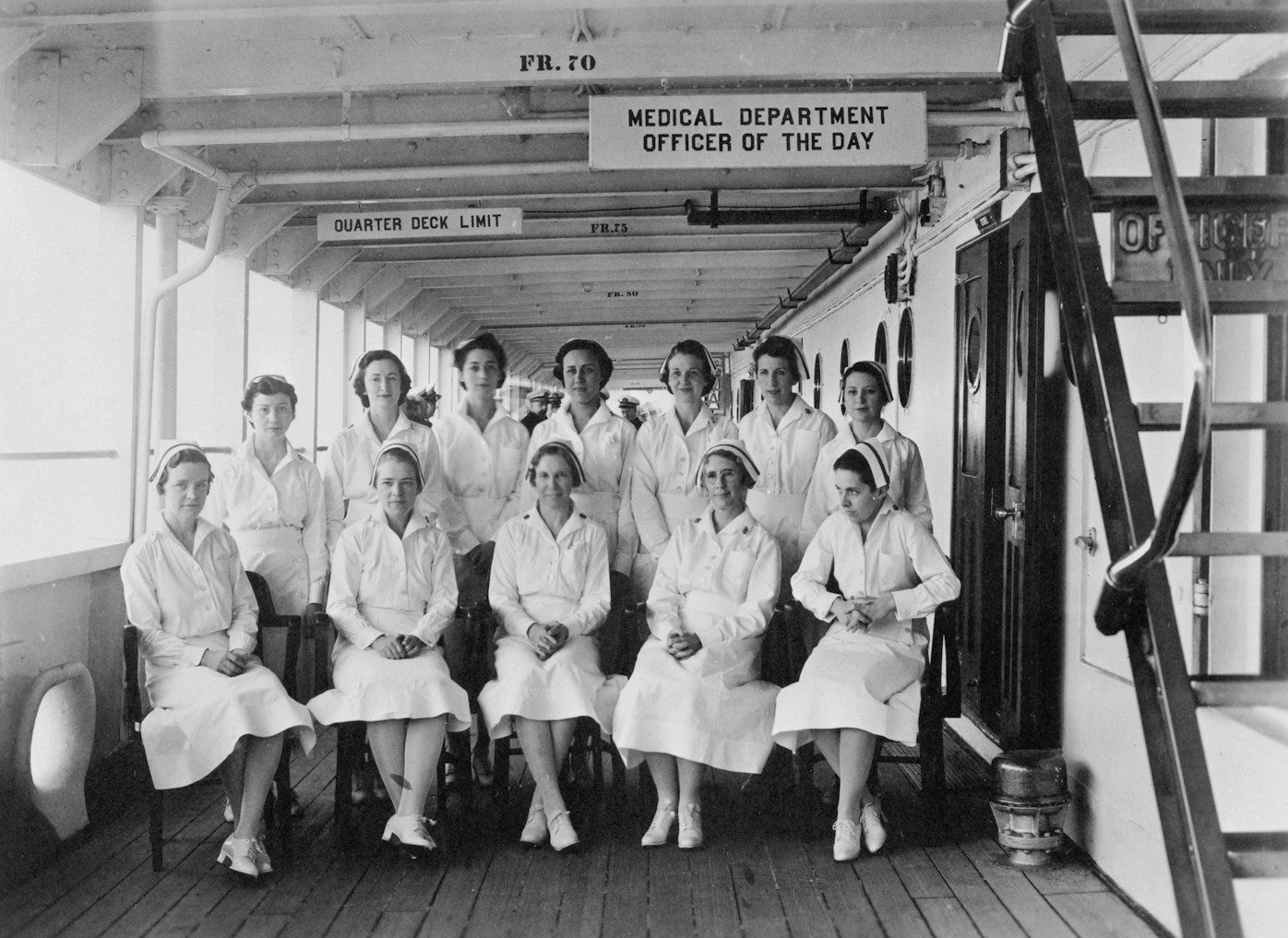
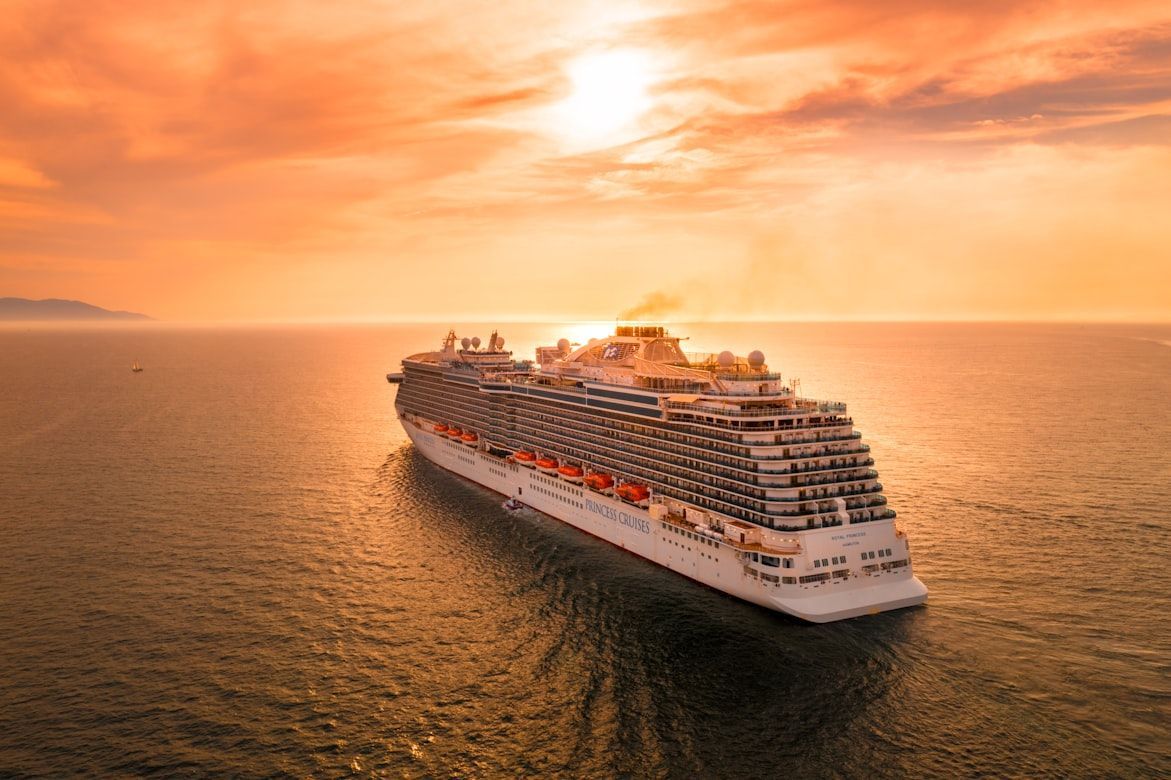
You are heading back to your cabin on a cruise ship when the speakers announce, "Code Alpha, Deck 7." You may think Alpha is related to the captain, but that’s not the case. It means someone on board is suffering a medical emergency.

The phrase comes from the NATO phonetic alphabet, where "Alpha" represents the letter A. In maritime emergency jargon, it became shorthand for a Priority A medical situation requiring immediate response. Cruise lines such as Royal Caribbean and Disney Cruise Line commonly use the term, though some ships use variations like repeating "Alpha" three times. Once the code is announced, onboard medical teams rush toward the specified deck or cabin. If necessary, stretcher crews are mobilized, and in severe cases, the ship may even divert course toward the nearest port for emergency evacuation. Passengers are enjoying the views, but the staff is running to save a life.

8

10-33

Image: chris robert

Anyone who remembers the CB radio craze of the 1970s probably smiles when they hear "10-4." Movies, truckers, and radio fans turned those number codes into a part of American culture. So if you overhear "10-33" on a police scanner, you might assume it’s just another routine message. But it’s not as simple as it sounds.

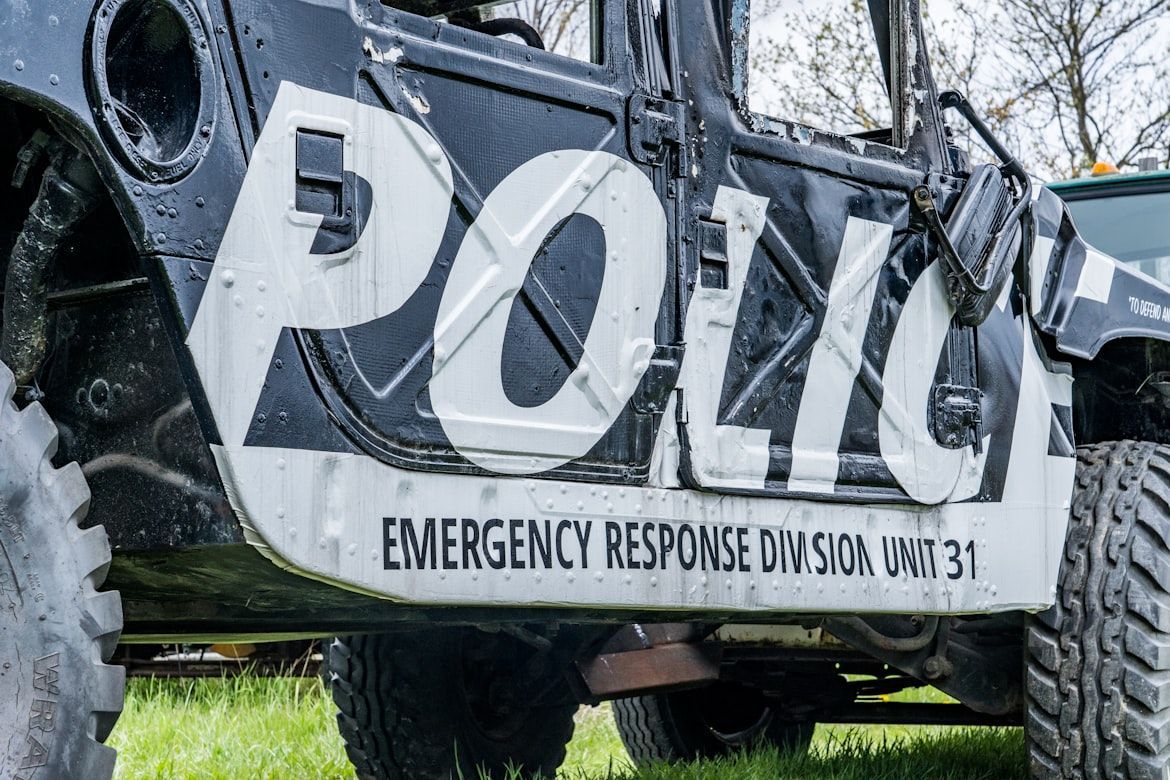
The 10-code system was first created in 1937 by Illinois State Police communications director Charles Hopper and later standardized by the Association of Public Safety Communications Officials, better known as APCO. Officers needed short phrases they could understand clearly over crackling radio signals. The 10-33 code commonly means an officer needs emergency assistance. In some departments, it also signals radio silence so dispatchers can focus on the crisis unfolding in real time.

9

Signal 70

Image: Samuel Lopez Cruz

Disney World is amazing, the parks offer something for everyone, and there are things to see wherever you look. But that’s exactly the kind of place where a child can easily disappear into a sea of strollers, balloons, characters, and crowds. For that reason, Disney has developed the "Signal 70," which alerts cast members and security that a child has become separated from their family.

The number comes from older police and emergency radio systems, where "70" was commonly associated with missing persons. Disney adopted the phrase because it allows employees to communicate discreetly without frightening or alarming nearby guests. If a member finds the child, they gently -and magically- escort them to Baby Care Center, where they coordinate the reunion.

10

Echo, Echo, Echo

Image: Alonso Reyes

Cruises are great to relax, enjoying a good book under the sun with a nice drink by the side. Until you hear "Echo, echo, echo" on the speakers. If you do, something is happening somewhere else on the ship.

The code is used among cruise employees to signal that dangerous winds or a navigational hazard are affecting the ship. It comes from the international maritime phonetic alphabet, where "Echo" stands for the letter E. In maritime signalling, the letter traditionally means "I am altering my course to starboard." And, in time, the phrase became associated with urgent ship maneuvers and weather-related warnings. However urgent, the repetition of the word by three doesn’t represent life-threatening situations. It alerts the crew of a certain hazard to prepare while avoiding panic among passengers.

Looking for an extra scoop of literary fun?

Learn more with our Word of the day

pristine

/ˈprɪˌstin/