Stranger danger

What is the deadliest animal on the planet? The answer will shock you!


Published on May 30, 2025


Image: GEORGE DESIPRIS

When we think of the most dangerous species of the animal kingdom, the first things that come to mind are snakes, sharks, and crocodiles. While these animals are sometimes lethal to humans, others are even more so. Read on to discover 12 of the world's most terrifying animals. Some of them will probably shock you!

1

Hippos

Image: Chris Stenger

Hippos can be as adorable as they are dangerous. They love water and spend up to two-thirds of their day submerged in rivers and swamps in central and southern sub-Saharan Africa. But behind that gentle, easy-going image lies one of the most aggressive species —even more so than lions and rhinos— killing up to 500 people a year.

With long tusks, strong jaws, and a weight that can reach 5,000 lb, they do not hesitate to confront any species when it comes to guarding their territory. Although they may seem somewhat lazy, they are fast, strong, and territorial. So be respectful and do not disturb their habitat!

2

Snakes

Image: Peter Bartel

There are many dangerous snakes in the world, but the one you should be more cautious about is the Taipan. The inland Taipan, a species endemic to Australia and New Guinea, has the most lethal toxins, and its bite can kill a person in just 45 minutes. Fortunately, there is an antidote to counteract its venom!

This species and others as dangerous as the Black Mamba and the King Cobra are responsible for the death of no less than 80,000 to 130,000 people per year globally.

3

Sharks

Image: Gerald Schömbs

There are more than 350 species of sharks, but only three are responsible for the highest percentage of attacks on humans: the great white shark, the tiger shark, and the bull shark. Although sharks are dangerous, they are not the most lethal animal for humans. In the last century, there has been an average of only 6 fatal attacks per year, with Australia having the highest number of incidents.

As a matter of fact, despite their reputation as vicious predators in movies, they are often the victims. Sharks are heavily hunted for their skin, fins, meat, and even their organs.

4

Scorpions

Image: Andrey Tikhonovskiy

This predatory arachnid arthropod is another of the most dangerous animals for humans: it kills approximately 5,000 people per year worldwide. Scorpions can live in a variety of habitats, from deserts to urban areas, and it’s common to find them under rocks, in crevices, or in construction debris.

However, of the more than 1,000 venomous scorpion species, only about 25 can be deadly to humans. The most venomous scorpion is the thick-tailed scorpion, responsible for 90% of the deaths caused by scorpion attacks in Africa.

5

Bees

Image: Gary Yost

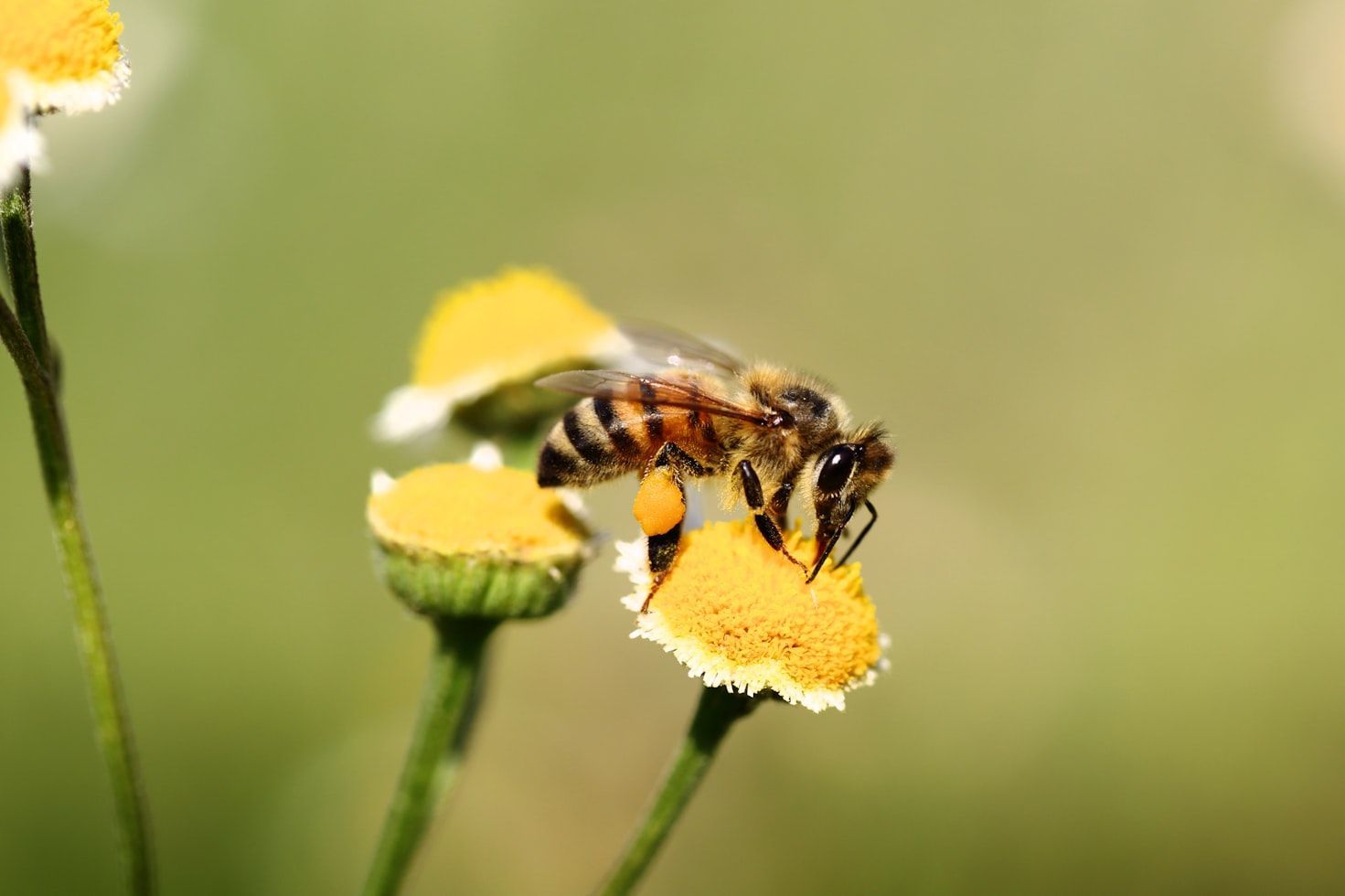
In general, bees aren’t violent, but they should be treated with the utmost respect and care since they tend to act in self-defense. When they sting, they can cause anything from a minor injury to acute poisoning if the attack occurs on a person allergic to their venom.

The Apis mellifera scutellata (Africanized honey bee) are among the most fearsome because they act in swarms: although they attack only if provoked, their defense mechanism is so aggressive that they do not stop until they catch and sometimes kill their prey. In the United States alone, between 50 and 100 people die each year as victims of bee attacks.

6

Lions

Image: Amar Yashlaha

Despite being carnivores and eating any animal they come across to satisfy their hunger, they kill far fewer people in the world than one might expect. In Tanzania, the birthplace of the African lion, about 22 humans die each year attacked by these animals and it is estimated that there are no more than 100 victims worldwide.

Not that lions are not to be feared: they attack in groups, are capable of running at a speed of 46.0 mph, and can digest 66 lb of meat in a single meal with their sharp teeth and particular claws. So, beware!

7

Jellyfish

Image: Mathieu CHIRICO

Although it’s not in their nature to attack their prey, jellyfish can be dangerous to humans. If you accidentally touch one while swimming, you will be stung and its tentacles will immediately release venom, in many cases even if the animal is dead.

Some species, such as the box jellyfish —found in Australia, the Philippines, and other tropical areas—, are the most lethal. They send out toxic stingers capable of stopping a person's heart in less than five minutes. Jellyfish stings affect hundreds of thousands of humans globally, and numbers indicate that up to 100 of those are fatal. Believe it or not, the smallest are the most poisonous!

8

Spiders

Image: Wyxina Tresse

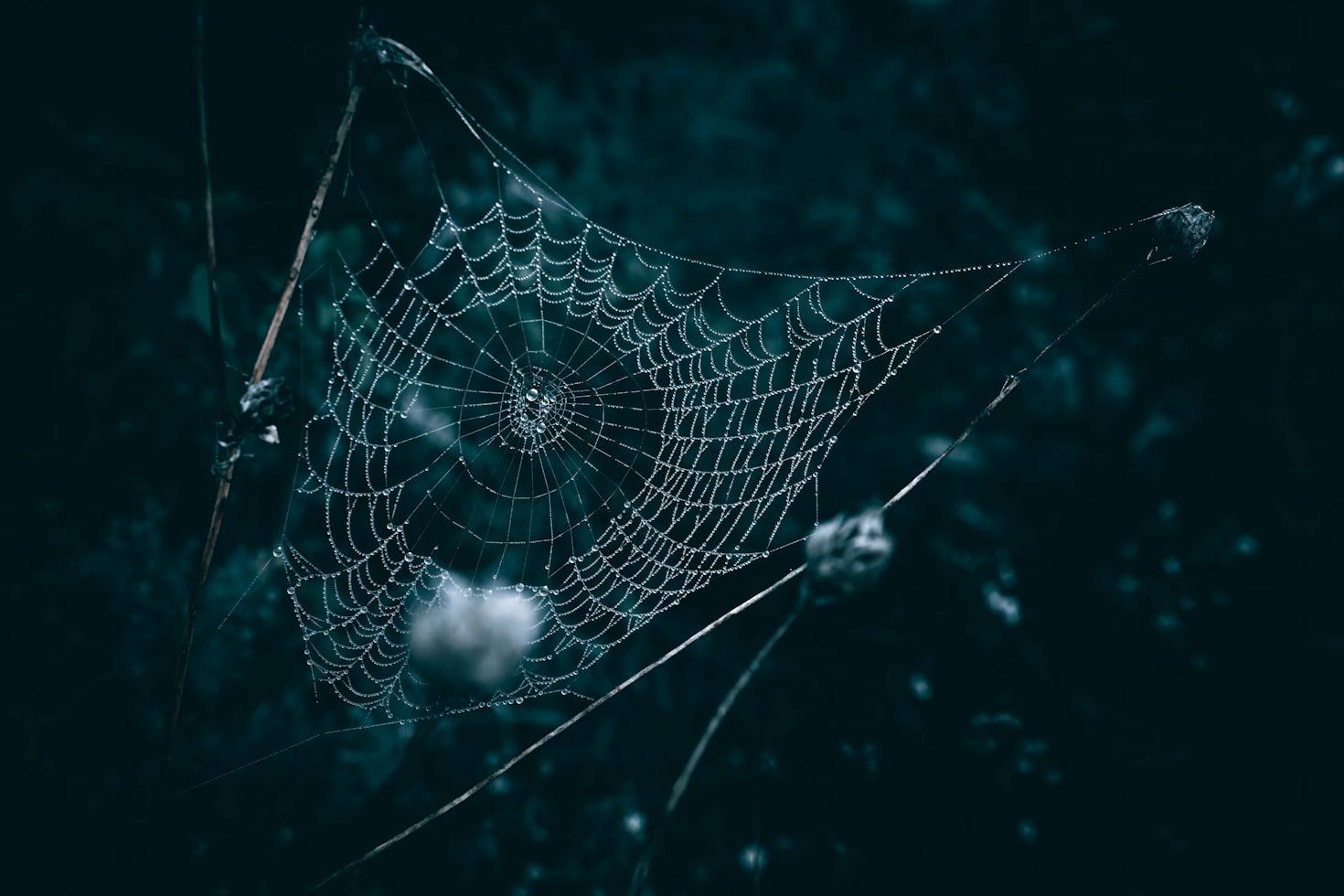
Like most animals, spiders will attack only if they feel in danger. If they bite, many pose no threat to humans other than mild swelling or a rash. Others, however, carry deadly venom, such as the Brown Widow, the Red Widow, the Redback, and the Funnel-web spiders.

Fortunately, there are effective antidotes for almost all spider bites. Yet, at least 50 people die worldwide each year, 7 of them in the United States.

9

Crocodiles

Image: Jen Palmer

These ancient animals are the largest reptiles in the world —they can be up to 20 feet long and weigh over 2,200 lbs. Their powerful jaws and high-action speed make them terrifying to their prey, including humans.

The most dangerous are the saltwater species, abundant in swampy areas of Southeast Asia, northern Australia, and Africa. Saltwater crocodiles are responsible for at least 1,000 deaths annually, the highest number of victims for a large animal.

10

Ants

Image: Yanuka Deneth

Did you know that there is a species of ant that releases a poison even more powerful than arsenic or cyanide? The bulldog ant, considered the most dangerous ant in the world, is solitary and aggressive. It lives in parts of Australia, and if it feels threatened, it can cling to its prey with its jaws and sting simultaneously, killing an adult in just 15 minutes.

Another ant to watch out for is the Siafu ant, also known as the army ant. Known for having larger mandibles than most insects of its size, it is found in West Africa and the Congo. This species of ant attacks in groups and can devour an animal a thousand times bigger than their size.

11

Dogs

Image: Devon Janse van Rensburg

Although it may sound strange, man's best friend is the third-deadliest animal to humans. While deaths from dog attacks are uncommon, a bite from these animals can transmit a lethal disease.

According to the World Health Organization (WHO), 59,000 people die each year worldwide from rabies —95% of them in Asia and Africa— a virus transmitted by the saliva of unvaccinated dogs.

12

Mosquitoes

Image: National Institute of Allergy and Infectious Diseases

When you think of the most lethal animal to humans, what comes to mind? Perhaps a shark or any of the venomous creatures listed in this article, such as snakes and scorpions. Well, you’d be wrong. According to the U.S. Centers for Disease Control and Prevention (CDC), the animal that threatens human life the most is none other than the mosquito.

Yes, this slender, long-legged little insect, whose buzzing sound is one of the most annoying sounds in the world, is the deadliest animal on the planet. Why? Because mosquitoes are vectors of many dangerous diseases, such as malaria and dengue fever. According to the WHO, mosquito-borne diseases cause some 700,000 deaths a year.


Decoding

Being a "treasured guest" is not a compliment. This is the hidden meaning


Published on May 30, 2025


Image: Hitesh Choudhary

Have you ever heard "Code Adam" while shopping for groceries at Walmart? Or maybe you’ve heard how "Dr. Firestone" was being paged during a routine hospital visit. They sound like harmless announcements. But behind these ordinary words are secret codes staff use to signal emergencies without causing panic. From hospitals and supermarkets to airports and Disney Parks, these phrases quietly warn employees that something is happening. You hope you never hear them, but if you do, it helps to know exactly what they mean.

1

Treasured guest

Image: Helena Lopes

We all love getting special attention at airports or hotel desks, but if you hear the clerk call you a "treasured guest," don’t feel so flattered. You may not be as VIP as one could think.

In the hospitality industry, "treasured guest" has become a humorous bit of industry folklore to describe someone causing trouble. Maybe a customer yelling at staff over expired coupons, demanding impossible accommodations, or throwing a full-blown tantrum at the front desk. Whatever it is, the phrase has become the staff’s secret way to warn co-workers without escalating the situation in front of the customers. Most guests don’t realize the meaning, but once you know it, you may start hearing it more often. We just hope it’s not about you.

2

Code Adam

Image: Karsten Winegeart

Imagine you’re pushing a shopping cart through Walmart when suddenly the overhead speaker announces, "Code Adam." You can easily assume it’s some kind of employee meeting or cleanup request. But when you see them start locking the exits and moving around, you know something’s wrong.

This code was created in 1994 by Walmart in collaboration with the National Center for Missing & Exploited Children (NCMEC), in memory of the tragic case of 6-year-old Adam Walsh. Adam was abducted from a Sears department store in 1981 while shopping with his mother. His father, John Walsh, later became famous for hosting the TV program America’s Most Wanted and advocating for missing children. Even if Adam’s story ended in tragedy, Walmart created the emergency system in Adam’s memory, and other retailers soon adopted it nationwide, intending to have a quick response to missing or abducted children.

3

Code Blue

Image: Günter Valda

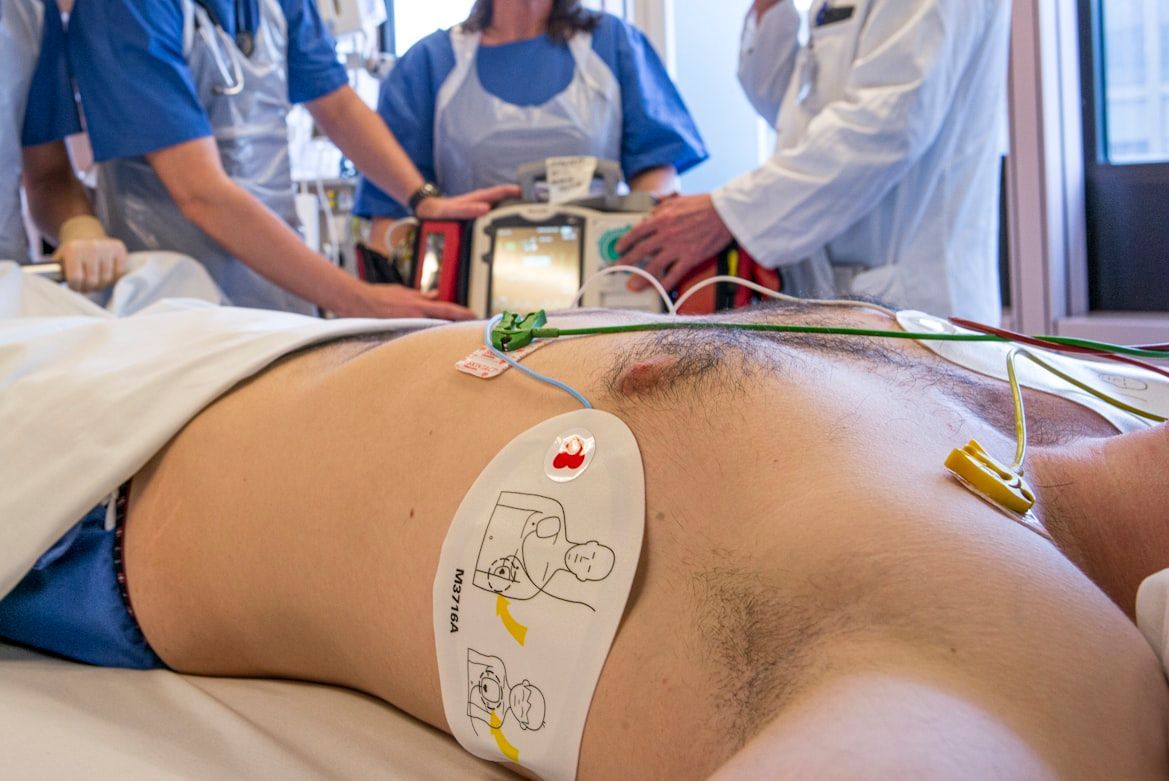
You’re sitting in a hospital waiting room during a routine check-up when you suddenly hear "Code Blue, Room 214." Most people immediately know it sounds serious, even if they are not entirely sure why.

The phrase "Code Blue" is used at hospitals to draw the necessary staff and equipment to perform a resuscitation. It was created in the early 1960s at Beathany Medical Center by Dr. Hughes Day. Before then, hospital resuscitations were often chaotic and poorly coordinated. In 1961, Dr. Day received a grant to build one of America’s first cardiac care centers, and he developed both the Code Blue alert system and the modern crash cart to improve survival rates during cardiac emergencies. Today, the system is used in hospitals across the country, sometimes with specialized versions like "Code Blue Pediatric" or "Code Blue Neonate."

4

Dr. Firestone

Image: Cdn Pages

Imagine visiting a loved one in the hospital when the intercom calmly announces, "Paging Dr. Firectone to the third floor." Your head surely goes, "Dr. Firestone’s probably having a busy day up there." He is, but it’s not what you think.

The phrase is actually a discreet fire alert used to warn staff about smoke, flames, or overheating equipment without frightening patients and visitors. Hospitals adopted these coded announcements after realizing that openly yelling "fire" over loudspeakers could create panic, especially among patients who aren’t able to move quickly. "Code Red" is an alternative used by many health centers today, but it also hints at the situation while keeping hallways calm.

5

Code 10

Image: Blake Wisz

You’re standing at a checkout counter when the cashier picks up the phone and quietly says, "I need a Code 10 authorization." If you think that’s just another way to get a supervisor’s approval or technical issue, think again. In reality, the cashier may suspect the credit card is stolen or fraudulent.

Code 10 was developed through a cooperative effort between major credit card companies like Visa and Mastercard, along with international standard organizations. As credit cards became more common in the 1960s and 1970s, stores needed a discreet way to alert banks about suspicious activity without directly accusing customers and potentially putting employees at danger. When a cashier requests a Code 10, the bank’s operator begins asking yes-or-no questions to assess the situation and guide the employee on what to do next.

6

Code Bravo

Image: CDC

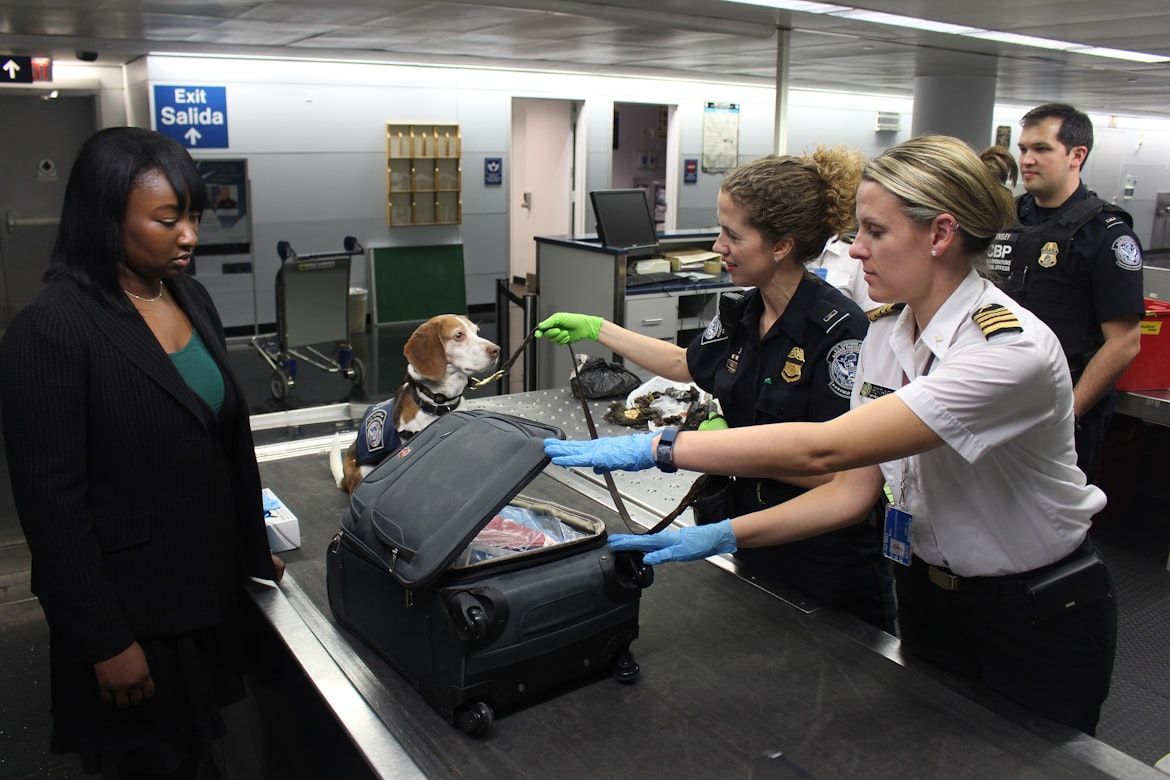
You’ve probably experienced those long airport security lines. The wait is usually uneventful. But sometimes, you can hear "Code Bravo" over the speakers. Maybe it’s a delay, or maybe it’s an issue with luggage. Within seconds, people stop moving, the security line freezes, and exits may even close. It’s something bigger.

Code Bravo is the emergency phrase used by airport security and the Transportation Security Administration to signal a serious security threat, such as an unattended bag, a breach at a checkpoint, or someone slipping into a restricted area. The term comes from the international phonetic alphabet used in aviation and military communications, where "Bravo" represents the letter B. When this is called, security staff immediately lock down affected areas, stop screening lines, and search for the source of the threat. To passengers, it’s sudden and confusing, but to security, it’s a carefully rehearsed response.

7

Code Alpha

Image: Navy Medicine

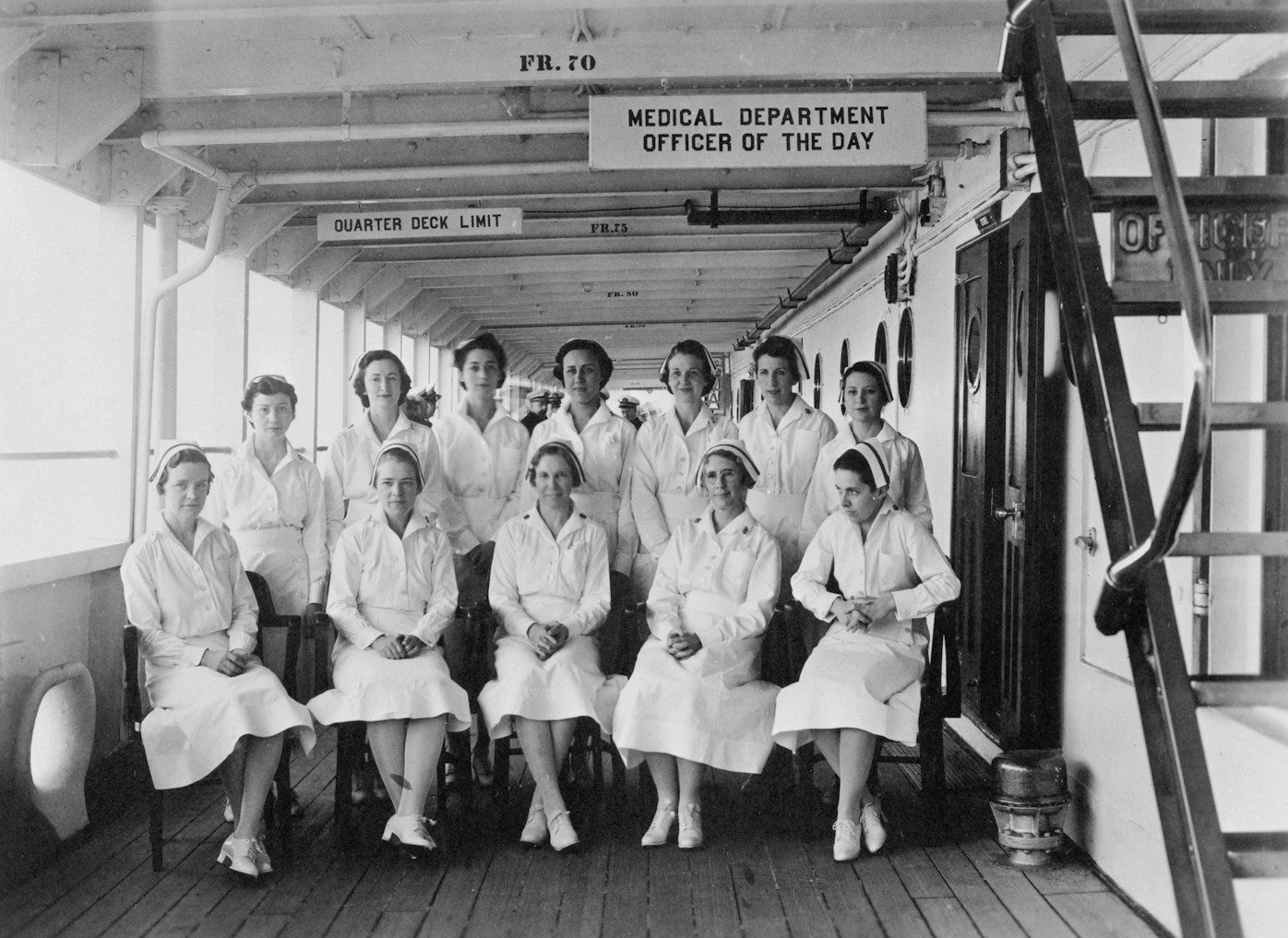
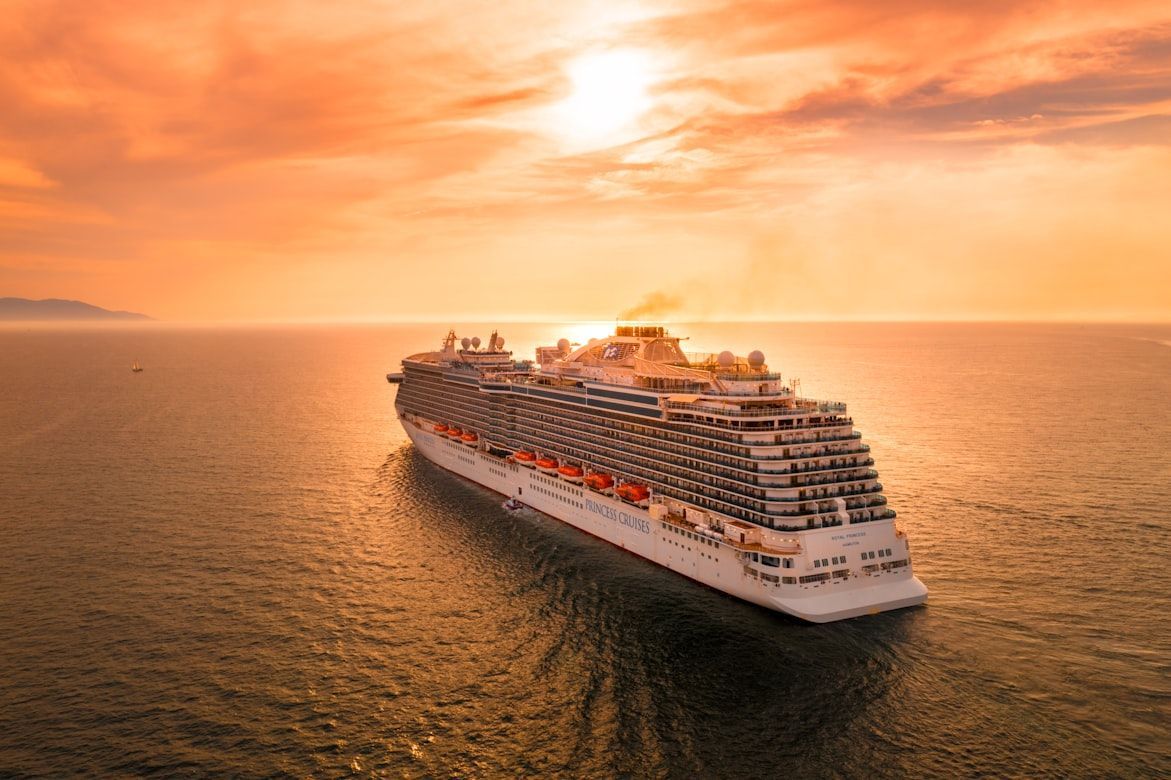
You are heading back to your cabin on a cruise ship when the speakers announce, "Code Alpha, Deck 7." You may think Alpha is related to the captain, but that’s not the case. It means someone on board is suffering a medical emergency.

The phrase comes from the NATO phonetic alphabet, where "Alpha" represents the letter A. In maritime emergency jargon, it became shorthand for a Priority A medical situation requiring immediate response. Cruise lines such as Royal Caribbean and Disney Cruise Line commonly use the term, though some ships use variations like repeating "Alpha" three times. Once the code is announced, onboard medical teams rush toward the specified deck or cabin. If necessary, stretcher crews are mobilized, and in severe cases, the ship may even divert course toward the nearest port for emergency evacuation. Passengers are enjoying the views, but the staff is running to save a life.

8

10-33

Image: chris robert

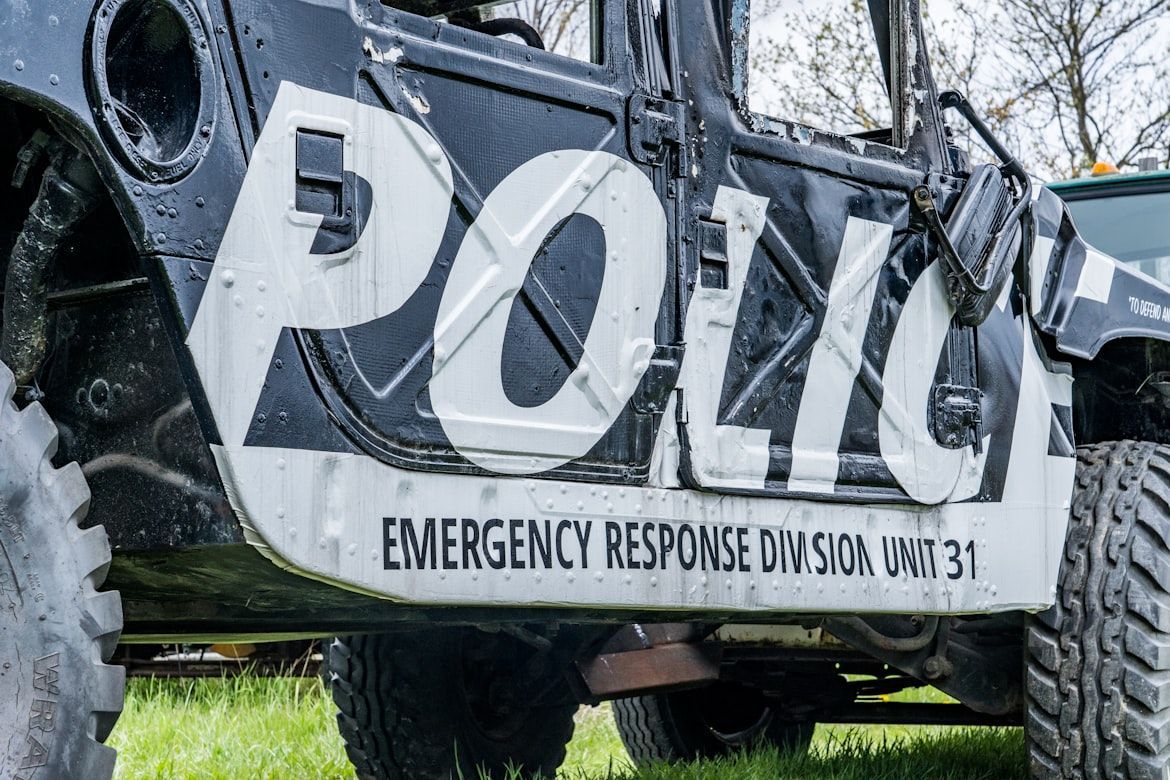
Anyone who remembers the CB radio craze of the 1970s probably smiles when they hear "10-4." Movies, truckers, and radio fans turned those number codes into a part of American culture. So if you overhear "10-33" on a police scanner, you might assume it’s just another routine message. But it’s not as simple as it sounds.

The 10-code system was first created in 1937 by Illinois State Police communications director Charles Hopper and later standardized by the Association of Public Safety Communications Officials, better known as APCO. Officers needed short phrases they could understand clearly over crackling radio signals. The 10-33 code commonly means an officer needs emergency assistance. In some departments, it also signals radio silence so dispatchers can focus on the crisis unfolding in real time.

9

Signal 70

Image: Samuel Lopez Cruz

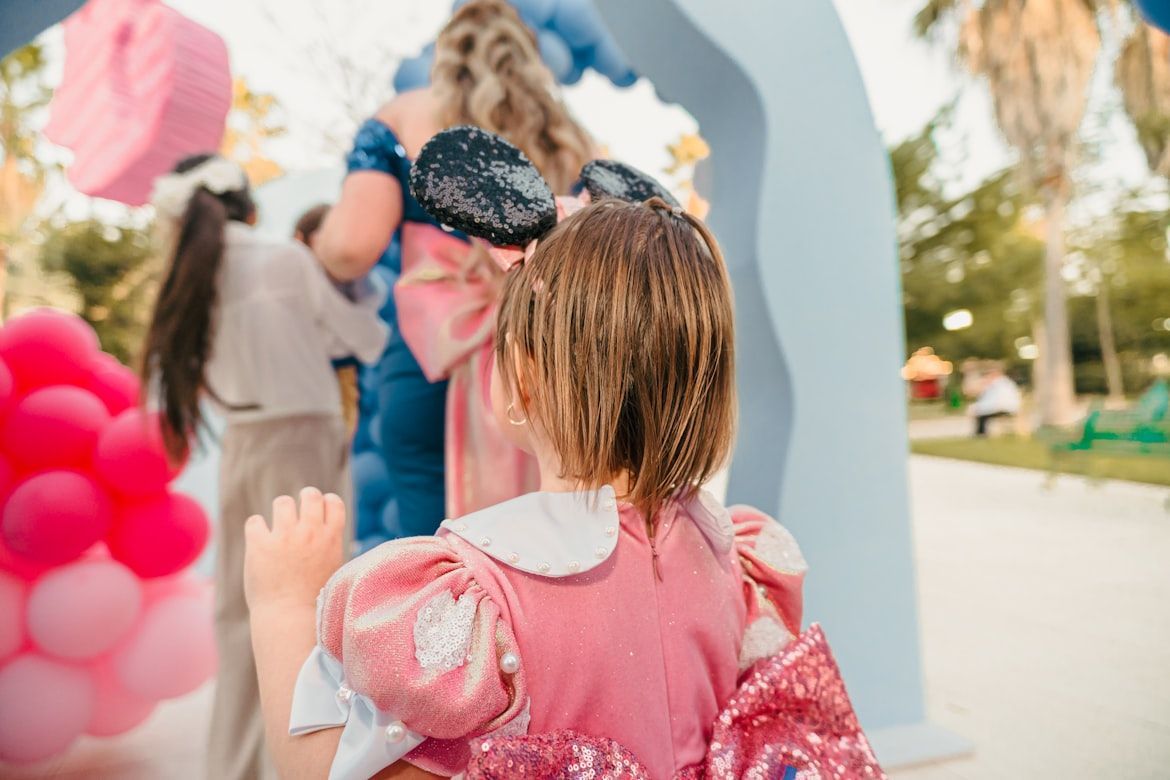
Disney World is amazing, the parks offer something for everyone, and there are things to see wherever you look. But that’s exactly the kind of place where a child can easily disappear into a sea of strollers, balloons, characters, and crowds. For that reason, Disney has developed the "Signal 70," which alerts cast members and security that a child has become separated from their family.

The number comes from older police and emergency radio systems, where "70" was commonly associated with missing persons. Disney adopted the phrase because it allows employees to communicate discreetly without frightening or alarming nearby guests. If a member finds the child, they gently -and magically- escort them to Baby Care Center, where they coordinate the reunion.

10

Echo, Echo, Echo

Image: Alonso Reyes

Cruises are great to relax, enjoying a good book under the sun with a nice drink by the side. Until you hear "Echo, echo, echo" on the speakers. If you do, something is happening somewhere else on the ship.

The code is used among cruise employees to signal that dangerous winds or a navigational hazard are affecting the ship. It comes from the international maritime phonetic alphabet, where "Echo" stands for the letter E. In maritime signalling, the letter traditionally means "I am altering my course to starboard." And, in time, the phrase became associated with urgent ship maneuvers and weather-related warnings. However urgent, the repetition of the word by three doesn’t represent life-threatening situations. It alerts the crew of a certain hazard to prepare while avoiding panic among passengers.

Looking for an extra scoop of literary fun?

Learn more with our Word of the day

solicitous

/səˈlɪsədəs/