JOURNEY THROUGH AMERICAN MUSIC
Here are 10 songs that celebrate the beauty of America!
Published on January 6, 2024
 Image: Marius Masalar
It’s no surprise that "America the Beautiful" and its landscapes, oceans, and mountains have been recognized by countless works of art. Every state has inspired legendary musicians and songwriters with the many wonders they have to offer. From Frank Sinatra’s moonlit Vermont to Elvis's wild nights in Vegas, we remember some of these iconic composers with a selection of ten songs that celebrate U.S. states.
"Georgia on My Mind" by Ray Charles
 Image: ibuki Tsubo
We start this list with a timeless classic. Ray Charles sings a tender and moving love song to his home state, pining for a "road that leads back" to his sweet Georgia. You might be surprised to learn that this song wasn’t actually written by Ray Charles, but rather by Hoagy Carmichael and Stuart Gorrell, and first recorded by Carmichael in 1930.
Nevertheless, Ray Charles’ version is, without a doubt, the most iconic, so much so that it was declared Georgia’s official state song in 2006.
"Connecticut" by Judy Garland and Bing Cosby
 Image: Rusty Watson
As Dorothy Gale sings in The Wizard of Oz, "There’s no place like home." Who else but Dorothy herself could make you miss Connecticut with just a song? Judy Garland and Bing Cosby sing their praises of Connecticut in this 1944 tune written by Broadway legends Ira and George Gershwin. Garland’s happy-go-lucky voice lovingly describes this "land of dreams and moonlit streams" before declaring "Connecticut will always be my home, sweet home."
"Moonlight in Vermont" by Frank Sinatra
 Image: Tyler Cordaro
This 1944 song has had many incredible versions (including legendary names like Louis Armstrong, Billie Holiday, and Ella Fitzgerald), but perhaps Frank Sinatra’s version is the most well-known. The Sultan of Swoon’s dulcet tones line perfectly with the lyrics: an idyllic image frozen in time of a hypnotizing, dimly lit summer night in Vermont’s majestic mountains.
"Floridays" by Jimmy Buffett
 Image: Unsplash
Jimmy Buffet’s 1986 album Floridays, and the track of the same name, paint a lovely picture of the Sunshine State. The song’s narrator keeps "looking for better days", while apparently finding them on those Floridays filled with "blue skies and ultraviolet rays."
While the song has an unquestionable nostalgic feeling to it, one can’t help but picture cold beers and the sun setting over the Miami coastline while listening to this song. Fun fact: This was the last studio album to feature Jimmy Buffet’s trademark mustache since he shaved it by 1988’s Hot Water.
"Jersey Girl" by Tom Waits (and Bruce Springsteen)
 Image: Manisha Raghunath
Another tale of a version becoming more popular than the original, "Jersey Girl" was written by legendary composer and musician Tom Waits for his 1980 album Heartattack and Vine, and was first covered by Springsteen in 1981. You can tell how the Boss is truly one of New Jersey’s favorite sons in his live performance of this song at Meadowlands Arena: when he sings about riding "across the river to the Jersey side", the crowd erupts in deafening cheers.
"Chicago" by Sufjan Stevens
 Image: Joel Mott
While this is the first song in this list to reference a city rather than a whole state, Sufjan Stevens's 2005 concept album Illinois is a beautiful exploration of a state the songwriter describes as the "center of gravity of the American midwest." In that sense, "Chicago" is a sad but beautiful depiction of the Windy City. A powerful orchestra backs Steven’s melancholic voice in a song about love, mistakes, and driving back to Chicago while "all things go."
"Viva Las Vegas" by Elvis Presley
 Image: Grant Cai
Another song named after a city, this iconic track is one of the King’s most popular songs. "Viva Las Vegas" (and the 1964 film of the same name) have become synonymous with the Entertainment Capital of the World. Elvis's energetic lyrics about the city that would be his home five years later describe the frenzy and enjoyment this "bright light city" has to offer.
"Kentucky Woman" by Neil Diamond
 Image: lauren barton
We could have easily included Diamond’s powerful patriotic song "America" in this list, but this ode to the Bluegrass State was too good to pass. Diamond sings about a strong-willed gal who "shines with her own kind of light," and that seems to incarnate all the qualities that Kentuckians take pride in. Many are more familiar with Deep Purple’s rock cover, filled with drum fills and electric guitar solos, but Diamond’s acoustic ballad is a classic love letter to a whole state.
"Song of Wyoming" by John Denver
 Image: Karsten Koehn
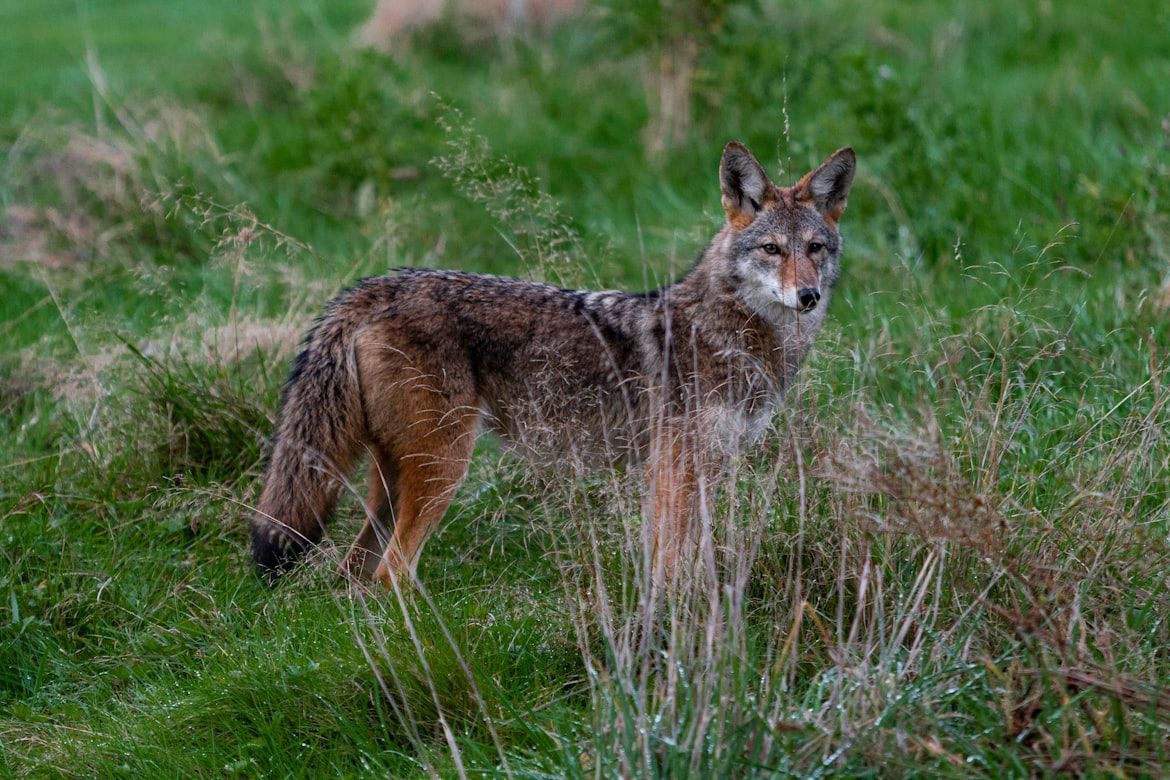
John Denver’s songs are known for their acoustic guitar chords and lyrics filled with praise for nature and disdain for city life. This melancholic ballad to the Cowboy State is no exception. The song that Wyoming sings for Denver’s narrator (a lonesome cowboy tired of riding) is comprised of the sounds of a moonlit prairie, filled with the "cottonwood whispers" and the wild melodies of nightbirds and coyotes.
"South Dakota Morning" by the Bee Gees
 Image: Jonathan Mast
While they might be more well-known for writing the quintessential soundtrack to New York’s disco scene, the Bee Gees’s 1973 "South Dakota Morning" is a slow-paced, melodic ballad about the "Mount Rushmore" State. The Gibb brothers sing a sad but beautiful tale about a rainy South Dakota morning, and about laying down "on the South Dakota grass."