No, Atlantis is not on this list

What does Brazil mean? Discover the origin of 10 countries’ names


Published on October 19, 2025
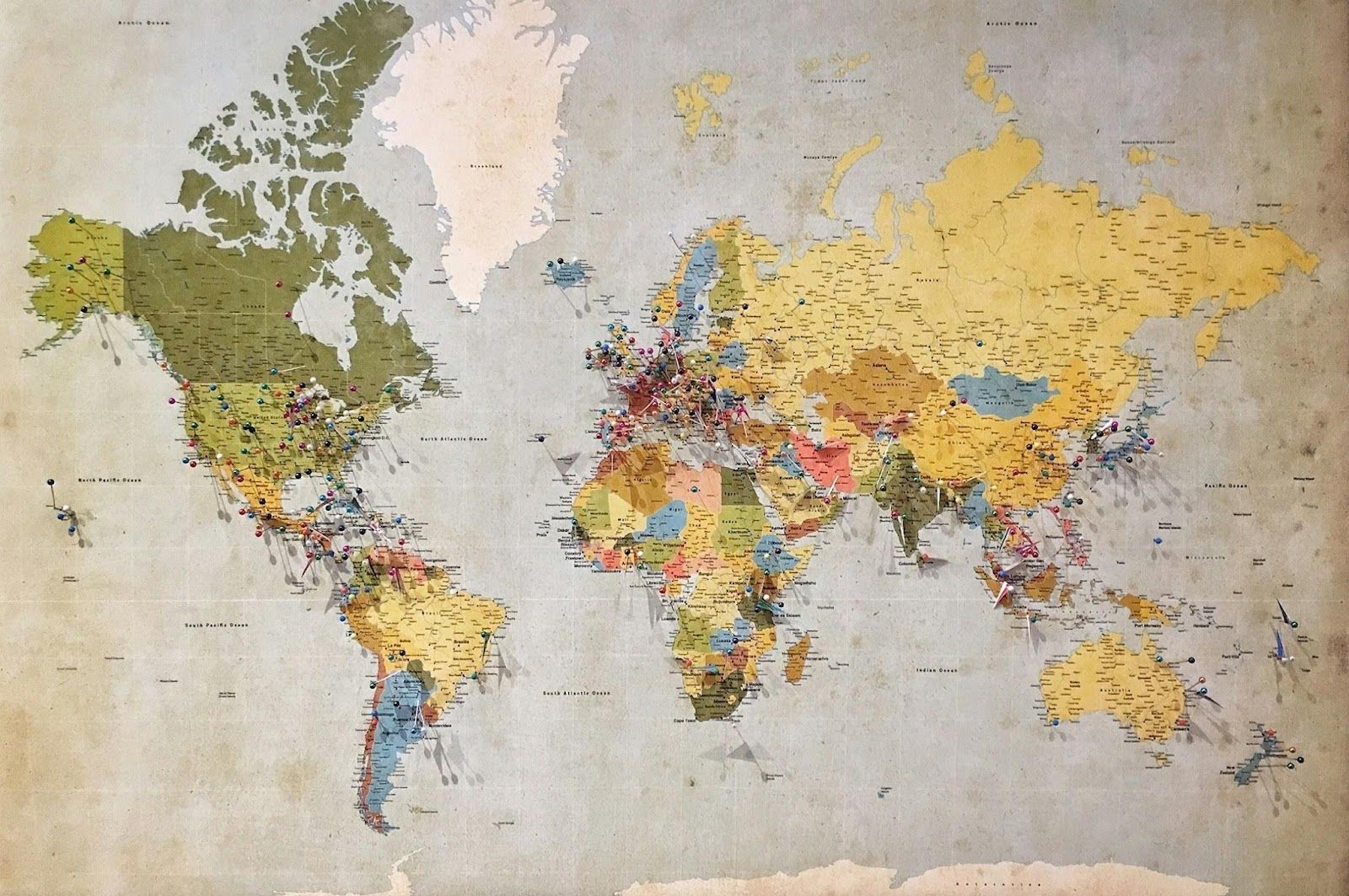

Image: Andrew Stutesman

Some things are never questioned simply because they’ve always been that way. But even countries have origins—and so do their names. Some names are quite straightforward from the beginning: The United States of America is exactly that—a union of states in America. But others, like Brazil or India, are not quite as simple. Scroll on to learn about the origin of ten countries’ names. You might just pick up a cool little fact to share with your friends.

1

Canada

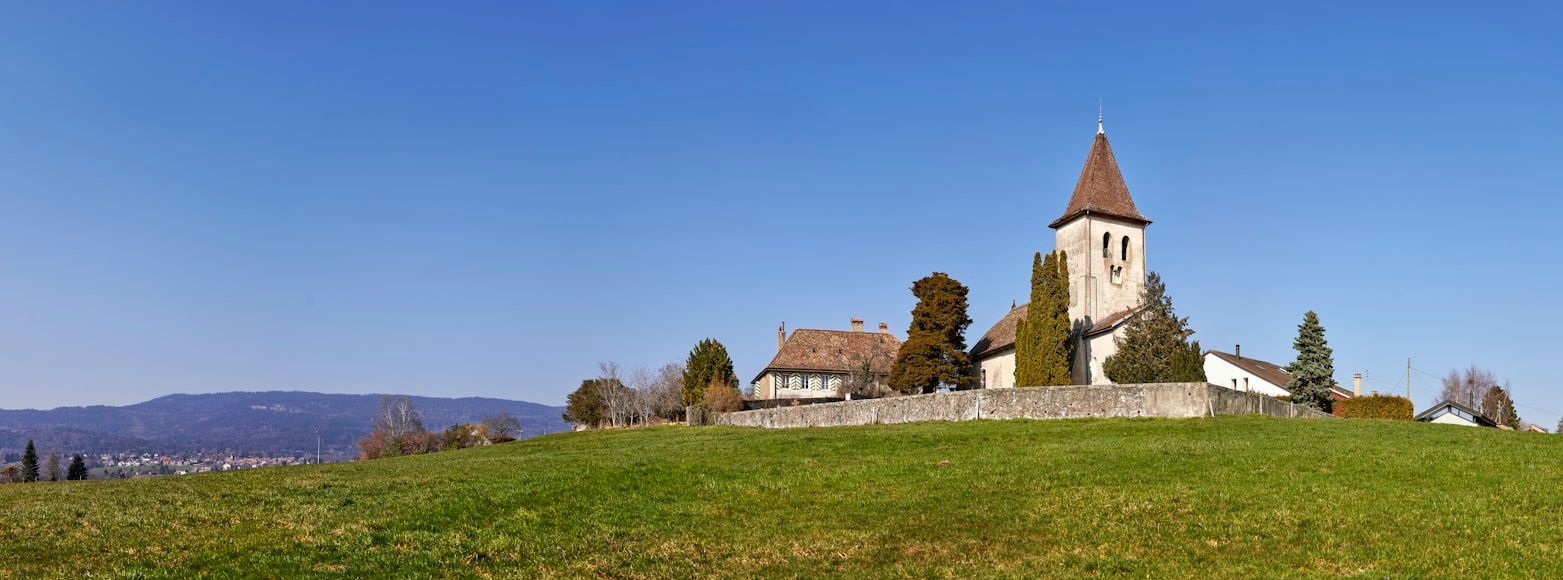
Image: Xavier von Erlach

It might seem curious that a country so vast is named after a small settlement—but it is. The name Canada likely comes from the Huron-Iroquois word kanata, meaning "village" or "settlement." The first official use of Canada as a name came in 1791, when the Province of Quebec was divided into the colonies of Upper Canada and Lower Canada. In 1841, the two colonies were united under a single name: the Province of Canada.

Then, on July 1, 1867, the provinces of Canada, Nova Scotia, and New Brunswick joined to form "one Dominion under the name of Canada."

2

Argentina

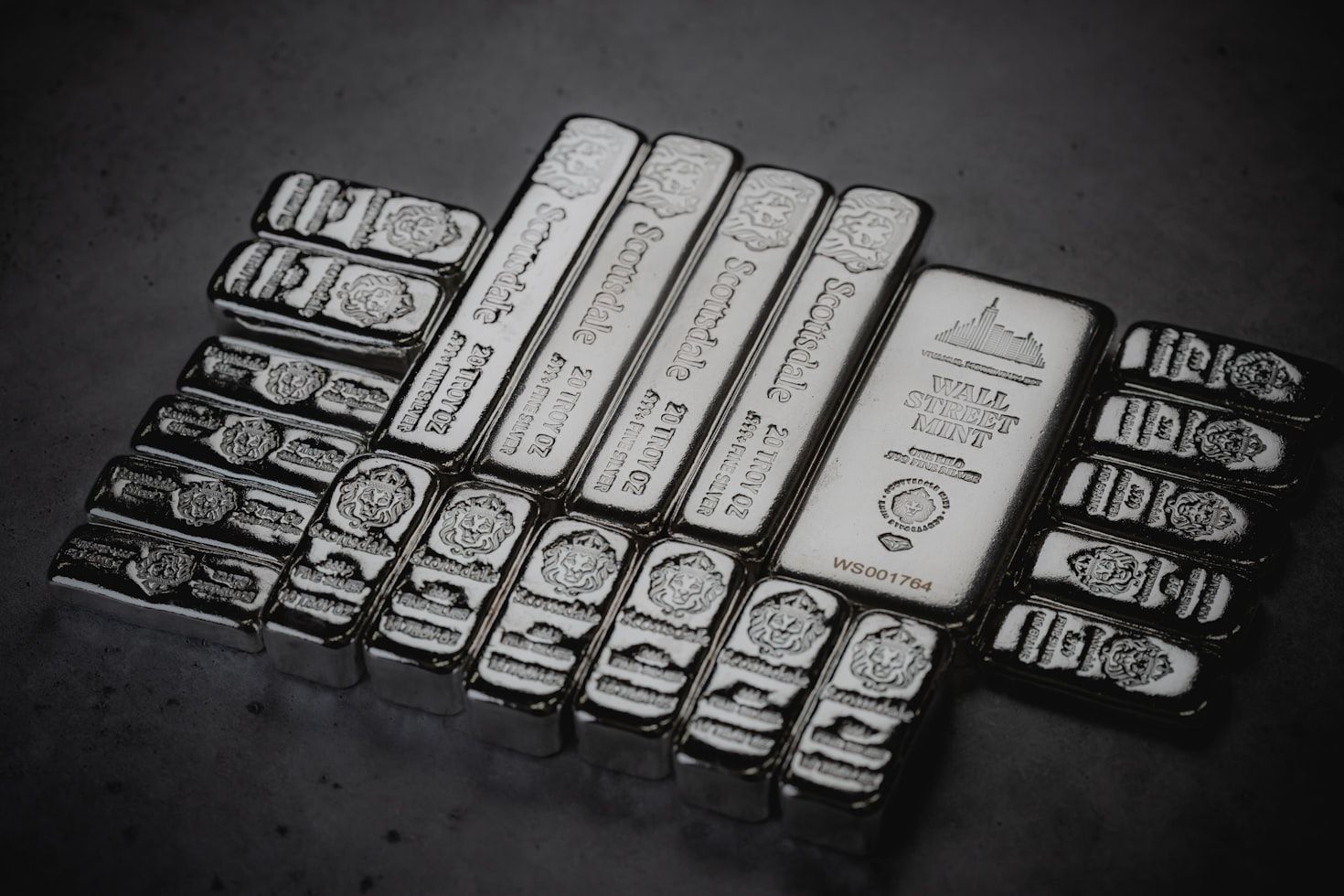
Image: Scottsdale Mint

This South American country’s name first appeared on a Venetian map in 1536. Argentina means "(made) of silver" or "silver-colored" in Italian, derived from the Latin argentum, meaning silver. The name was originally associated with the legend of the "Silver Mountains," which was widespread among the first European explorers of the La Plata Basin.

In 1860, a presidential decree officially established the country’s name as the Argentine Republic, and that year’s constitutional amendment recognized all names used since 1810 as legally valid.

3

Spain

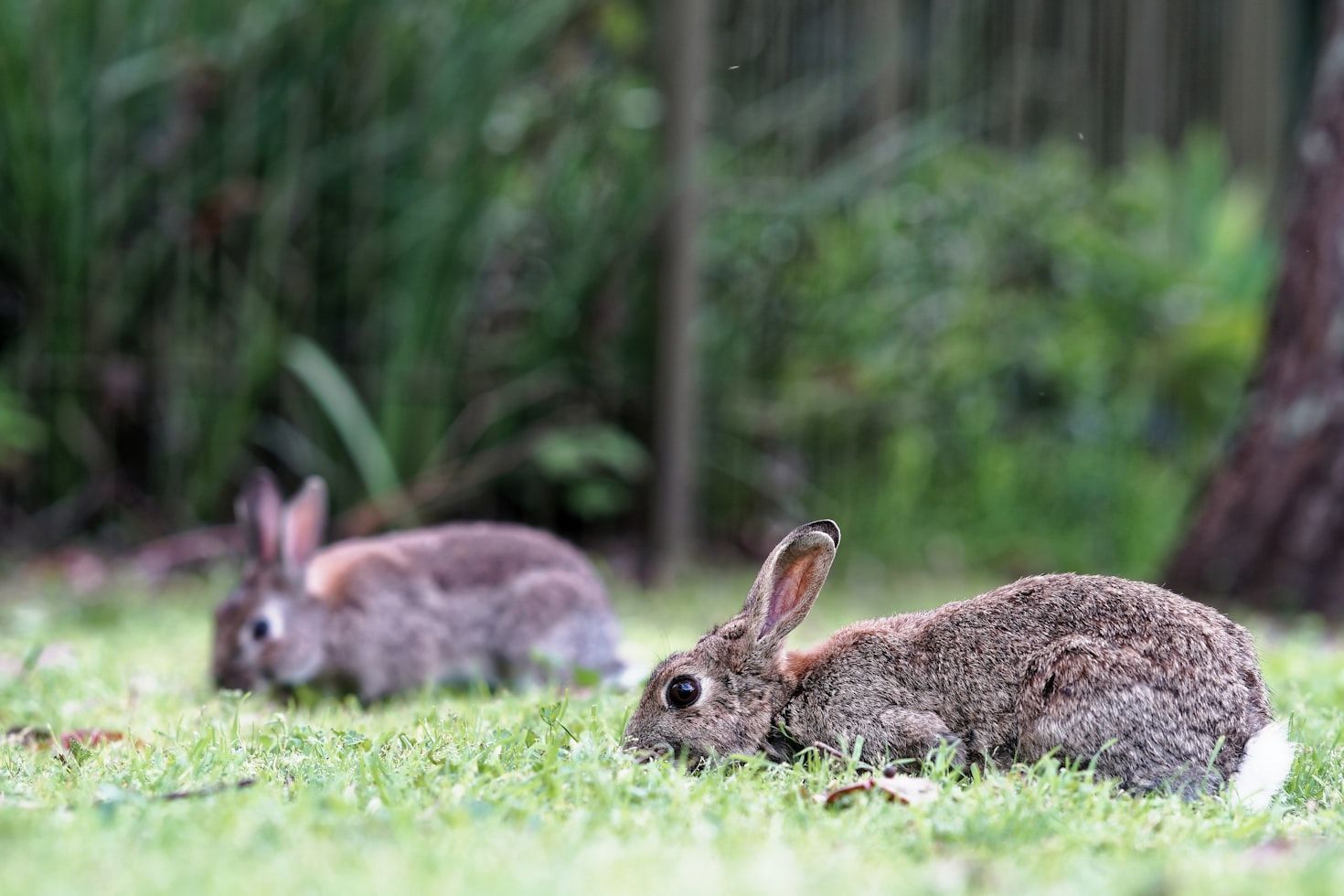
Image: Fidel Fernando

A close connection with rabbits is probably not the first thing that comes to mind when you hear the word Spain. But that connection plays a role in the origin of the country’s name. The earliest version, Hispania, is believed to have come from the Phoenician word i-spn-ya, which the Romans interpreted as "land of rabbits" or "region rich in rabbits."

Other theories suggest that Hispania may derive from a Punic word meaning "land of metals" or from an Iberian or Basque root referring to the region's geography, but rabbits is the widely popular theory.

4

Norway

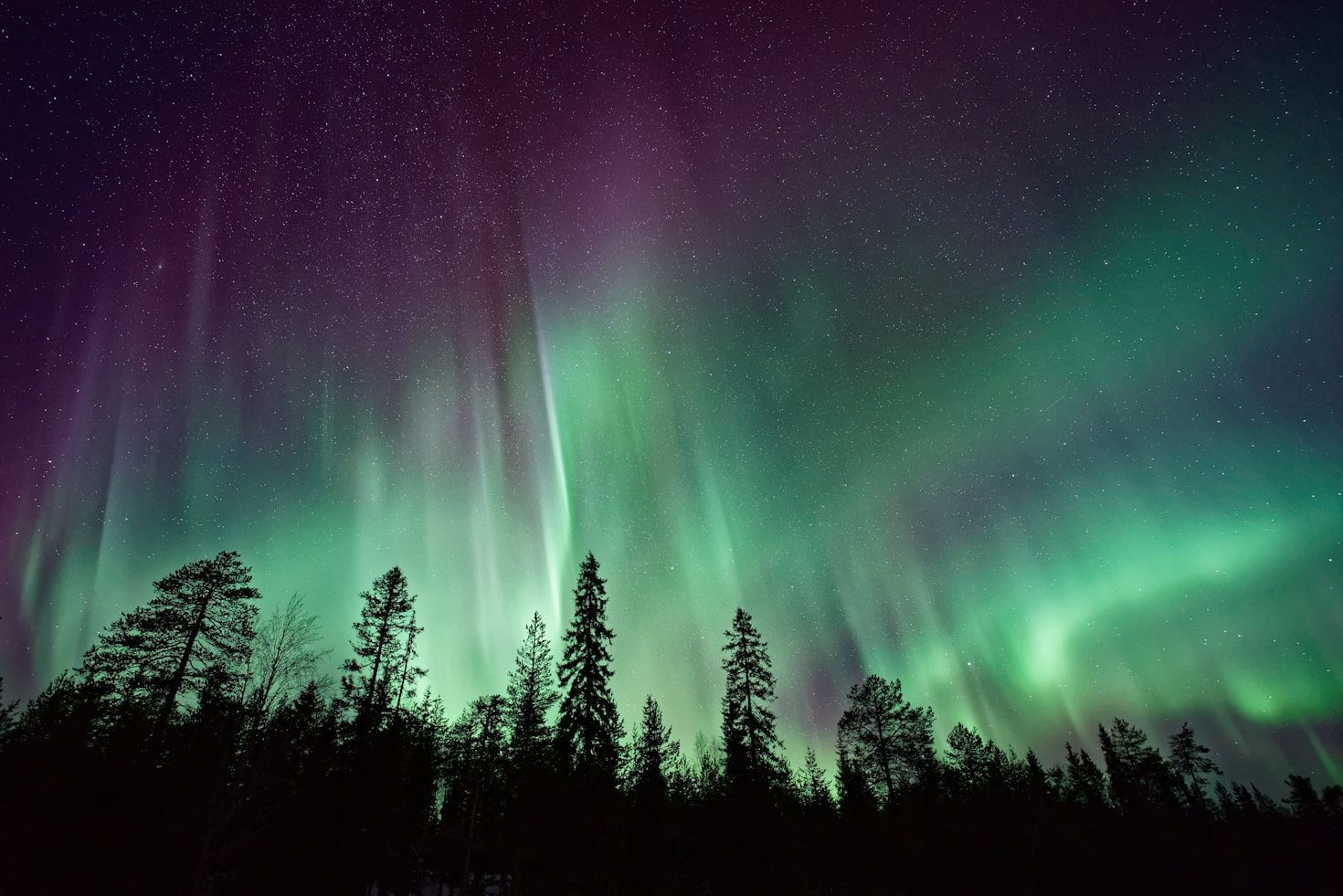
Image: Vincent Guth

Norway’s name origin makes sense—it comes from the Old English word Norþweg, first mentioned around 880, meaning "northern way" or "way leading to the north." This is how the Anglo-Saxons referred to the Atlantic coast of what is now Norway. The same idea aligns with the leading theory about the origin of the country’s name in the Norwegian language.

5

India

Image: Nathan Anderson

The name India is derived from a corruption of the word Sindhu, the ancient name of the Indus River. Neighboring peoples, particularly the Persians, pronounced the "s" as "h" and referred to the land as Hindu. The Greeks later adapted this to Indos, which led to the Latin India.

The name India was known in Old English, but under French influence, it was sometimes replaced by Ynde or Inde. The form Indie appears in the first edition of the King James Bible and the works of William Shakespeare, both from the late phase of Early Modern English.

6

Australia

Image: Bob Walker

Quite fittingly, the name Australia is derived from the Latin australis, meaning "southern," and specifically from the hypothetical _Terra Australis_—a "southern land" postulated in pre-modern geography.

The name was popularized by the explorer Matthew Flinders in 1804, and it has been in official use since 1817, replacing New Holland, an English translation of the Dutch name first given in 1643 to the continent.

7

Cameroon

Image: note thanun

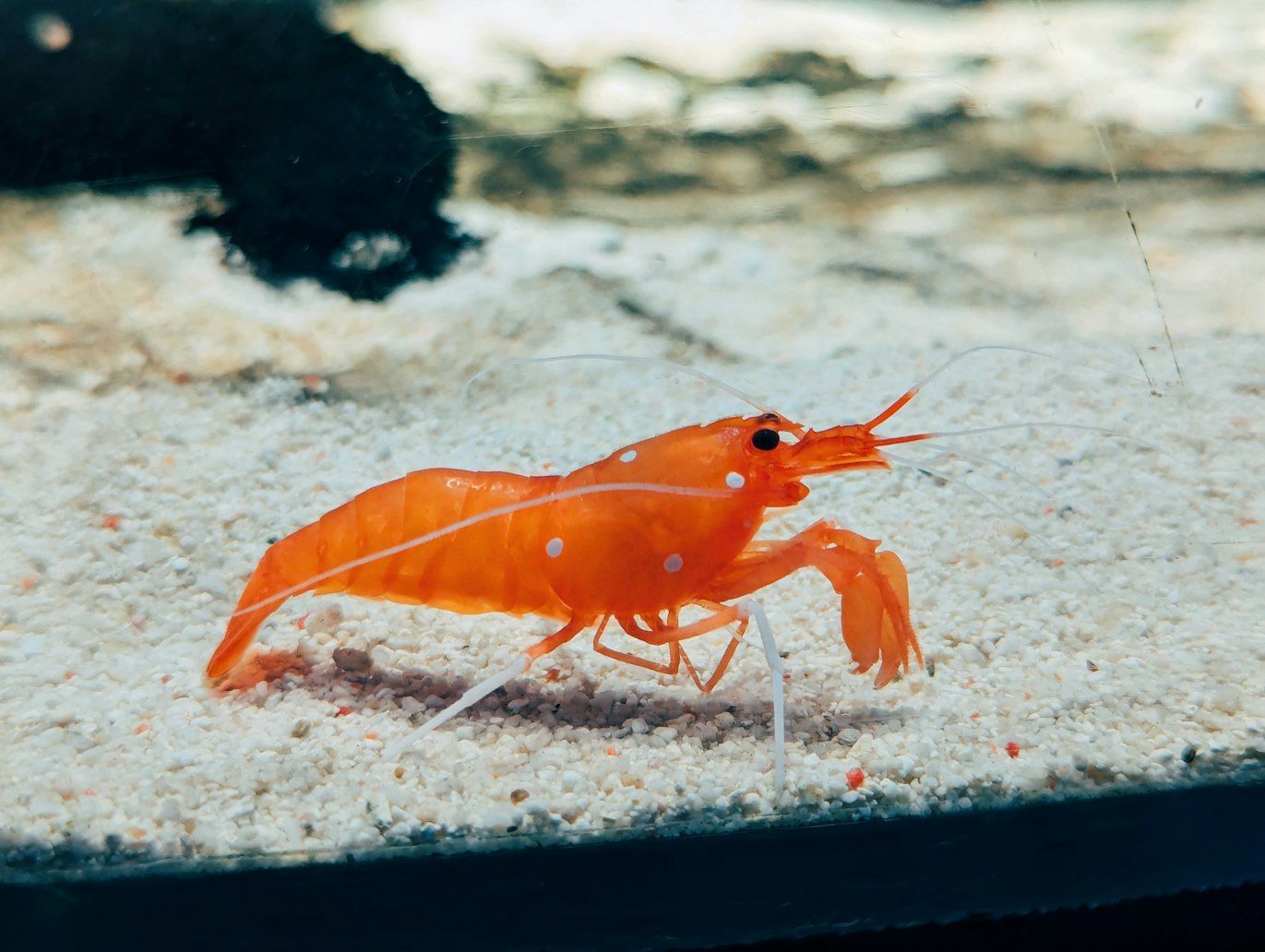
The name of this Central African republic comes from the name given by the Portuguese to the Wouri River, which they called Rio dos Camarões, meaning "river of shrimps" or "shrimp river," in reference to the once-abundant Cameroon ghost shrimp. Today, the country’s name in Portuguese remains Camarões.

8

Brazil

Image: niko photos

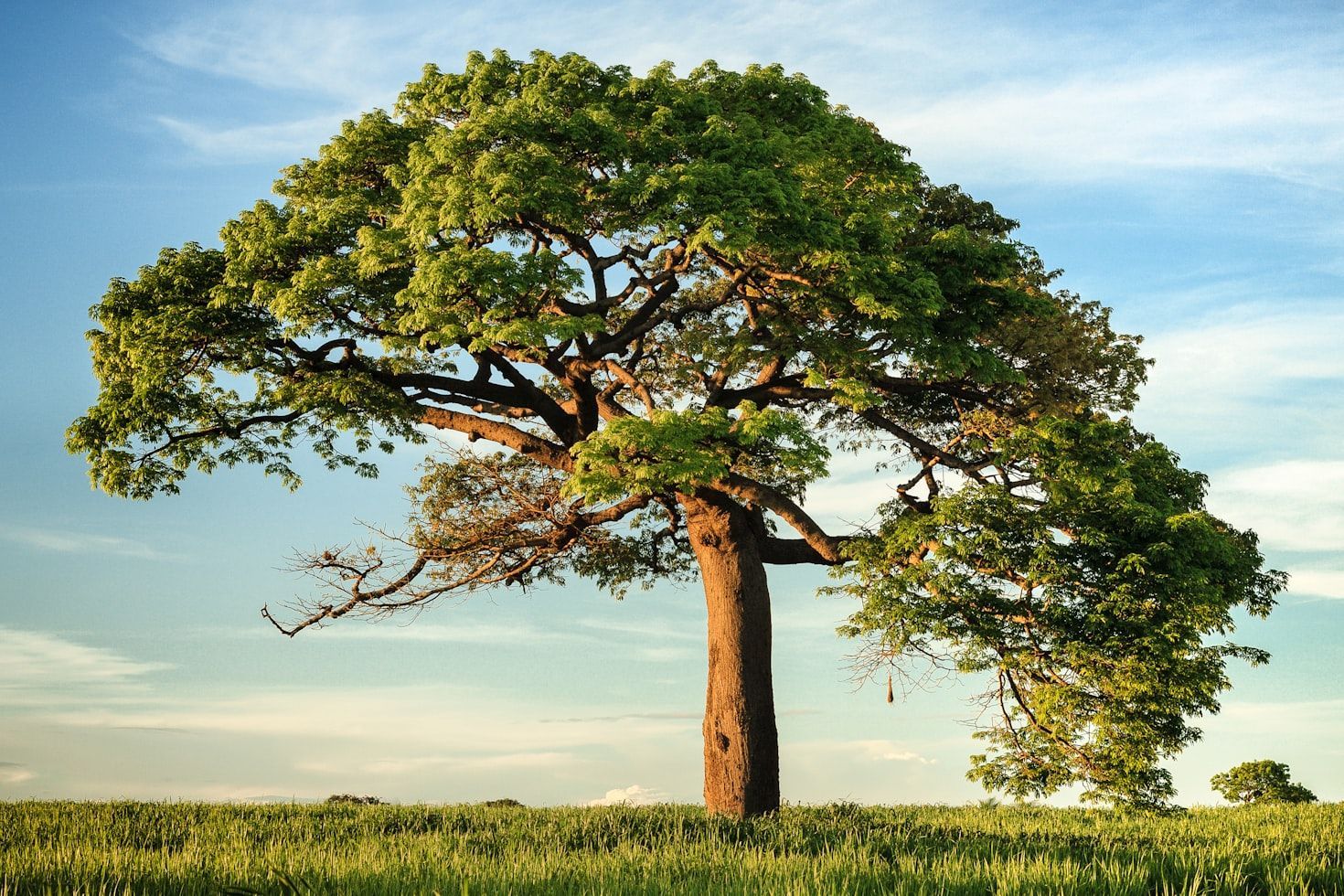
This beautiful country takes its name from the pau-brasil tree, which was once plentiful in its coastal forests. Pau is a colloquial Portuguese word for "wood" or "tree," and brasil comes from brasa, meaning "ember"—a reference to the tree’s reddish sap, once used for dyeing cloth. Today, the wood of the pau-brasil is prized for making cello and violin bows.

9

Greenland

Image: Jeremy Cai

Someone who has never seen a picture of Greenland could be forgiven for thinking the country is covered in green, lush pastures—after all, the name implies just that. So how did this ice-covered island come to be called Greenland? It got its name from the Norwegian adventurer Erik Thorvaldsson, better known as Erik the Red, in 985 A.D.

The popular explanation is that the name was a kind of public relations strategy to encourage settlement. However, ice core and mollusk shell data indicate that between 800 and 1300 A.D., the island’s temperatures were considerably warmer than they are today—so perhaps Erik was simply reacting to a greener landscape that has long since vanished.

10

Moldova

Image: Ariana Prestes

Moldavia was a historic principality along the Danube River, ruled successively by the Ottomans, the Russians, and the Romanians before becoming the Moldavian Soviet Socialist Republic after World War II. After the dissolution of the Soviet Union in 1991, it adopted the name Moldova, after the Moldova River.

Local lore attributes the name to a Transylvanian prince whose favorite hunting dog, Molda, drowned in the river. While this makes for a charming origin story, the name more likely derives from a Proto-Indo-European root, melh, meaning "dark," or from the Gothic word mulda, meaning "dust."


Odd words, old meanings

These 10 idioms and phrases are still in use, but don’t always make sense


Published on October 19, 2025


Image: Towfiqu barbhuiya

How much is a notch when it comes to volume? Who is Bob, and why is he everyone’s uncle? What is the difference between a spider web and a cobweb? Languages change with time and use, and English is no exception, but some phrases remain frozen in time, and while we still use them, we don’t always know their literal meaning. Here are 10 idioms and words that don’t make sense, but once did.

1

To a T

Image: Tobias Schwindling

We often use the phrase "to a T" (sometimes spelled "to a tee") to indicate something done perfectly, with precision. But is it about the letter "T"? Not really. The original phrase used to be "to a tittle," with tittle being the proper name for the dot of the "i" or the "j," and it conveyed the idea of doing something accurately, down to the smallest detail. Eventually, "tittle" was shortened to "T," but the phrase had already stuck, even if its literal meaning was lost.

2

Fathom

Image: Uliana Semenova

Although "fathom" might sound very formal, we all know that it is synonymous with "understand." But did you know that fathom is actually a nautical unit of measurement? From the Old English fæðm ("the span of the arms" or "embrace"), it represented the distance between the left and right fingertips of outstretched arms. Eventually, a "fathom" was standardized to about six feet or two yards, and was mainly used by sailors to measure water depth. It was this connection with depth that led the word to take on a figurative meaning of "getting to the bottom" of something, or understanding it thoroughly.

3

Red herring

Image: Pixel-Shot

Popularly, we understand that a "red herring" is something meant to give false clues or distract from another pressing issue. But why a herring? Herrings turn red when smoked and also acquire a strong, pungent smell, which made them a great tool for training hunting dogs, as the smell of the fish covered the trail of the prey. As a metaphor, though, it was popularized in the early 19th century by journalist William Cobbett, who used it to describe how the press was easily swayed by false news.

4

Rule of thumb

Image: PeopleImages

If something is a "rule of thumb," it means that it’s a common guideline, usually based on experience rather than science. In its origins, this phrase was quite literal: thumbs served as a rule. Tradesmen often used the width and length of their thumbs to take and remember measurements, a system that, though practical and effective, only worked for the owner of the thumb in question. Its use as an idiom comes from 17th century writers comparing this popular method with more scientific measuring systems.

5

Turn it down a notch

Image: Wahyu TH

If someone asks us to "take it down a notch," how much should we lower our volume? With "notch," this idiom refers to mechanical dials, like the ones used in a radio, where the notches signal the different levels. And while radios only date back to the 20th century, the roots of this idiom go all the way back to the 17th century and to the phrase "take it down a peg," related to wooden pins used for measurements.

6

Cobweb

Image: freestocks

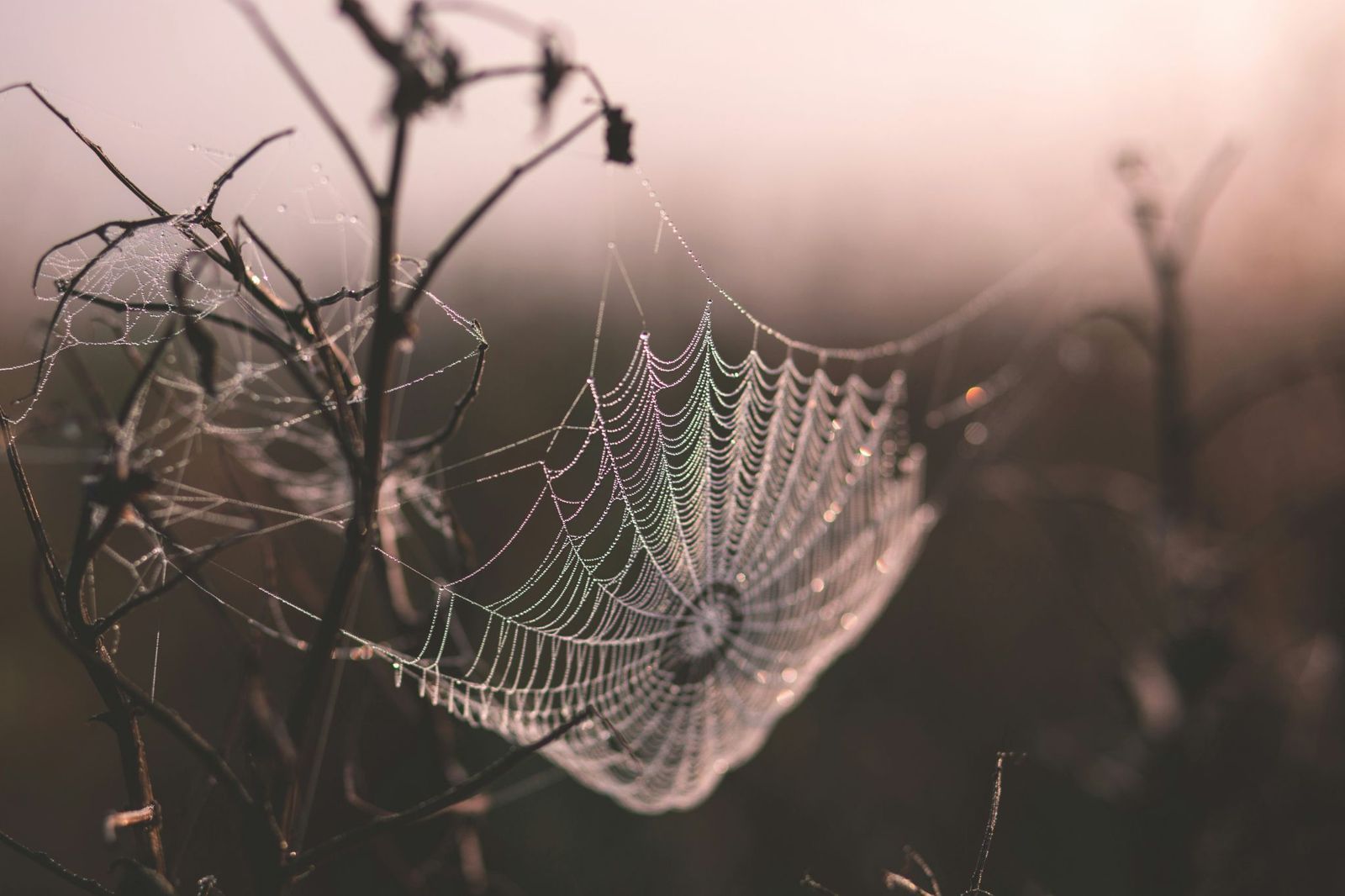
Is there a difference between a cobweb and a spiderweb? Although they are synonymous, most dictionaries will make the distinction that "cobweb" is particularly used for dusty, abandoned spiderwebs. But what does the "cob" part mean? "Cobweb" is derived from the Middle English coppeweb, composed of coppe ("spider") and web ("woven fabric"). If we go one step further, coppe comes from the Old English attorcoppe ("spider"), a mix of attor ("poison") and coppe ("head" or "round thing"). So, despite the slight difference in their actual use, "cobweb" and "spiderweb" mean the same thing.

7

Break the ice

Image: NOAA

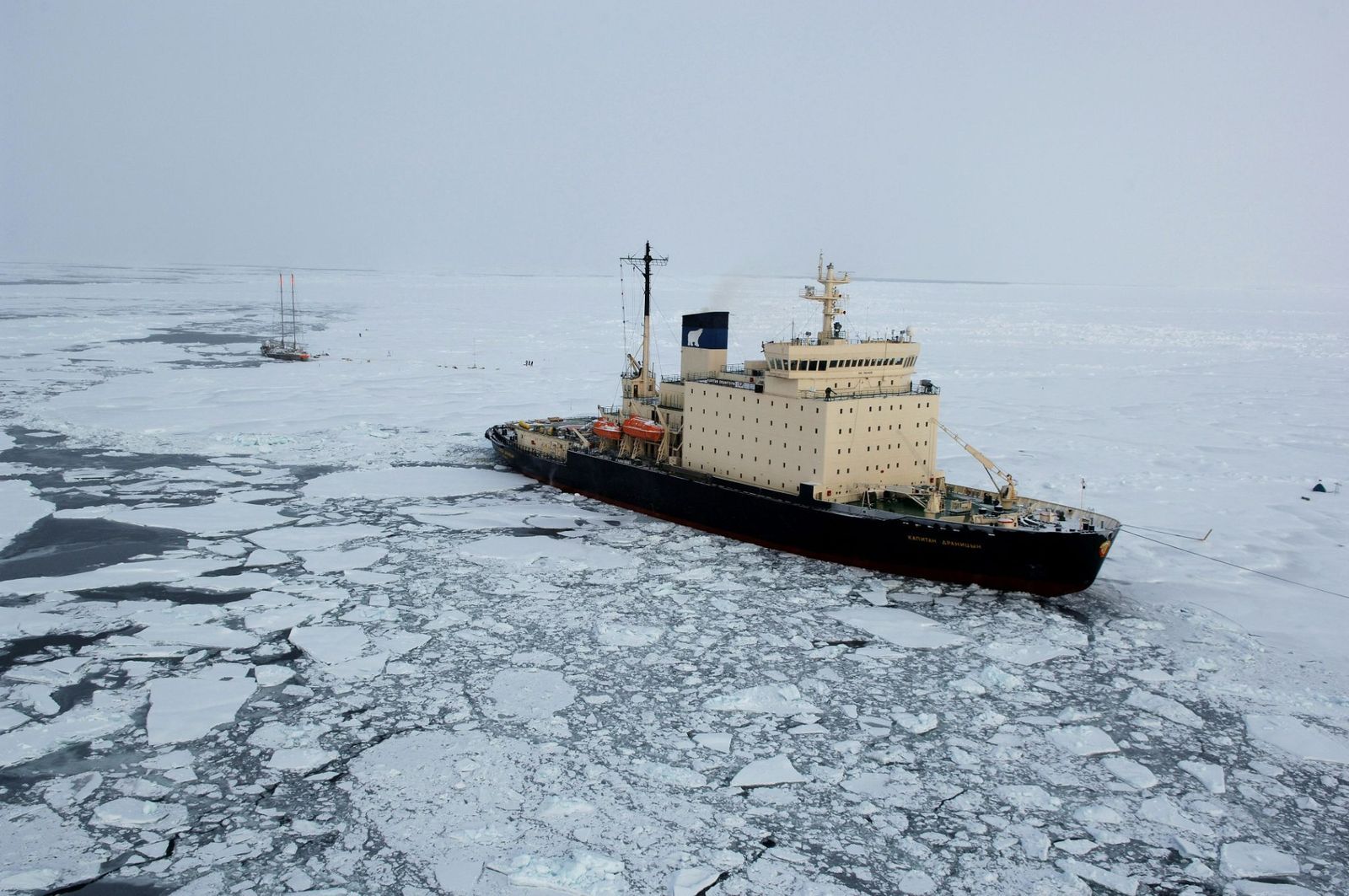
It isn’t difficult to see how "breaking the ice" might have originated from people actually breaking ice, but what many ignore is that this custom (and the phrase) is rooted in diplomacy and trade. When large trade vessels were unable to advance due to frozen rivers, canals, or harbors, it was common to send people in a small boat to "break the ice" and allow the ship to continue its course. In some places, however, locals would send "icebreakers" to clear the path for a foreign vessel as a welcome and a sign of goodwill. The metaphorical use of the phrase exists in many languages, but it was first recorded in English in the 16th century.

8

Let one’s hair down

Image: Element5 Digital

The idea of "letting down your hair" is popularly associated with relaxing and letting formalities aside, but the phrase is rooted in an actual Medieval and Renaissance custom. Traditionally, single women would keep their hair loose and uncovered, but would pin it up once they married. It was not proper for a married woman to be seen in public with their hair down, something they would only do in the comfort of their home, foregoing elaborate hairstyles and uncomfortable pins. Eventually, loose hair lost its social status meaning, but the connection with relaxation remained.

9

Bob's your uncle

Image: Pablo Arroyo

According to historians, no one knows who Uncle Bob is, or what his connection is with simple and easily accomplished tasks, but popular folklore claims to have the answer. According to this theory, the phrase refers to British Prime Minister Robert Gascoyne-Cecil (who went by Bob), appointing his nephew Arthur Balfour as Chief Secretary for Ireland, a position he was woefully unqualified for, but that was made possible because "Bob’s your uncle".

10

Midwife

Image: Juice Flair

Have you ever wondered why midwives have that name? After all, there is nothing "mid" nor necessarily "wifely" in helping someone give birth. The answer takes us back to Old English, where mid meant "with" or "together with," and wif (the origin of "wife") meant "woman," "female," or "lady," and not necessarily a married female. First recorded around the year 1300, "midwife" was an accompanying person (typically a woman) who assisted mothers during labor. Although the literal meaning of the term is lost to us, the importance of the role was surely the reason this word survived through the centuries.

Looking for an extra scoop of literary fun?

Learn more with our Word of the day

appalling

/əˈpɔlɪŋ/