Be articulate

What do you call a fork’s tips? 12 fancy terms to impress thy neighbors


Published on August 22, 2026


Image: Iren_Geo

English has a word for almost everything, even the things most people never think to name. From the tiny metal ring on a paintbrush to the groove above your upper lip, countless everyday objects, sounds, and sensations have surprisingly specific names. Most of these words come from Latin, Greek, or centuries-old trades, and many are still used by doctors, architects, musicians, and craftspeople today. Here are 12 wonderfully obscure terms that might just become your new favorite vocabulary words.

1

Ferrule

Image: Steve A Johnson

That little metal band holding the bristles onto a paintbrush or reinforcing the end of an umbrella has a name: a ferrule. Its job is to strengthen the object and prevent wood or other materials from splitting after repeated use. Without ferrules, many everyday tools simply wouldn't last as long.

The word entered English in the early 1600s and ultimately traces back to Latin. Today, you'll find ferrules on fishing rods, golf clubs, pool cues, pencils, electrical cables, furniture, and even dental restorations. It's one of those tiny parts you've probably seen thousands of times without ever knowing its name.

2

Agraffe

Image: Bauda Laboratorio Creativ

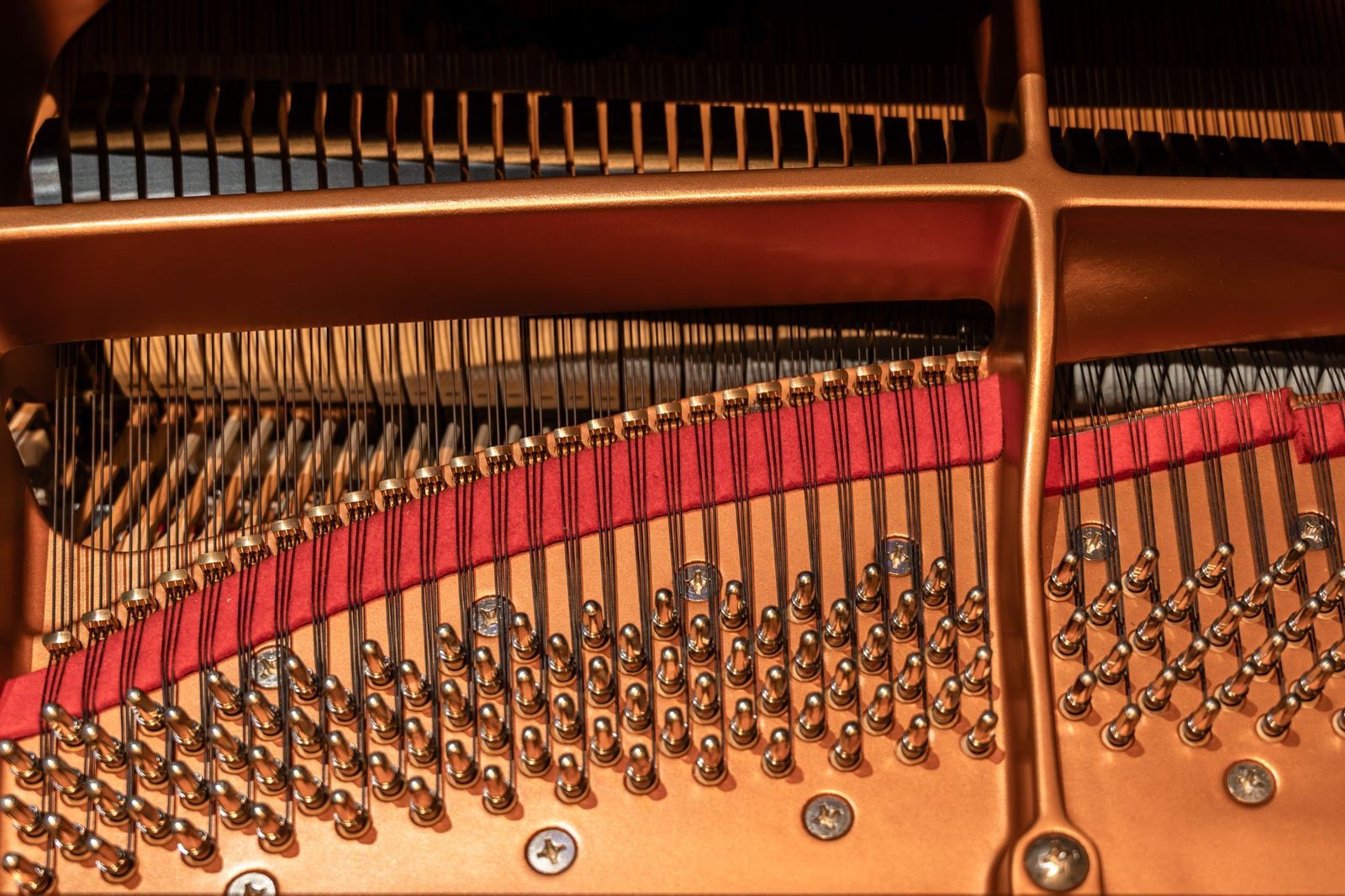
Peek inside a high-quality grand piano and you may find an agraffe, a small metal guide that keeps the strings perfectly aligned as they leave the tuning pins. That tiny piece plays an important role in producing the instrument's clear, balanced sound.

Borrowed from the French word for "hook" or "clasp," agraffe also refers to decorative fasteners used in jewelry and clothing. It's a highly specialized word that is used in two very different worlds: elegant fashion and world-class music.

3

Philtrum

Image: Simeon Jacobson

The narrow groove between your nose and your upper lip isn't just part of your face, it has a name. It's called the philtrum, and everyone has one, although its shape and depth vary from person to person.

The name comes from the ancient Greek philtron, meaning "love charm" or "love potion." Physicians sometimes examine the philtrum when diagnosing certain congenital conditions, but for most of us, it's simply one of those familiar facial features we never realized deserved its own entry in the dictionary.

4

Lunula

Image: PixelCommerceStudio

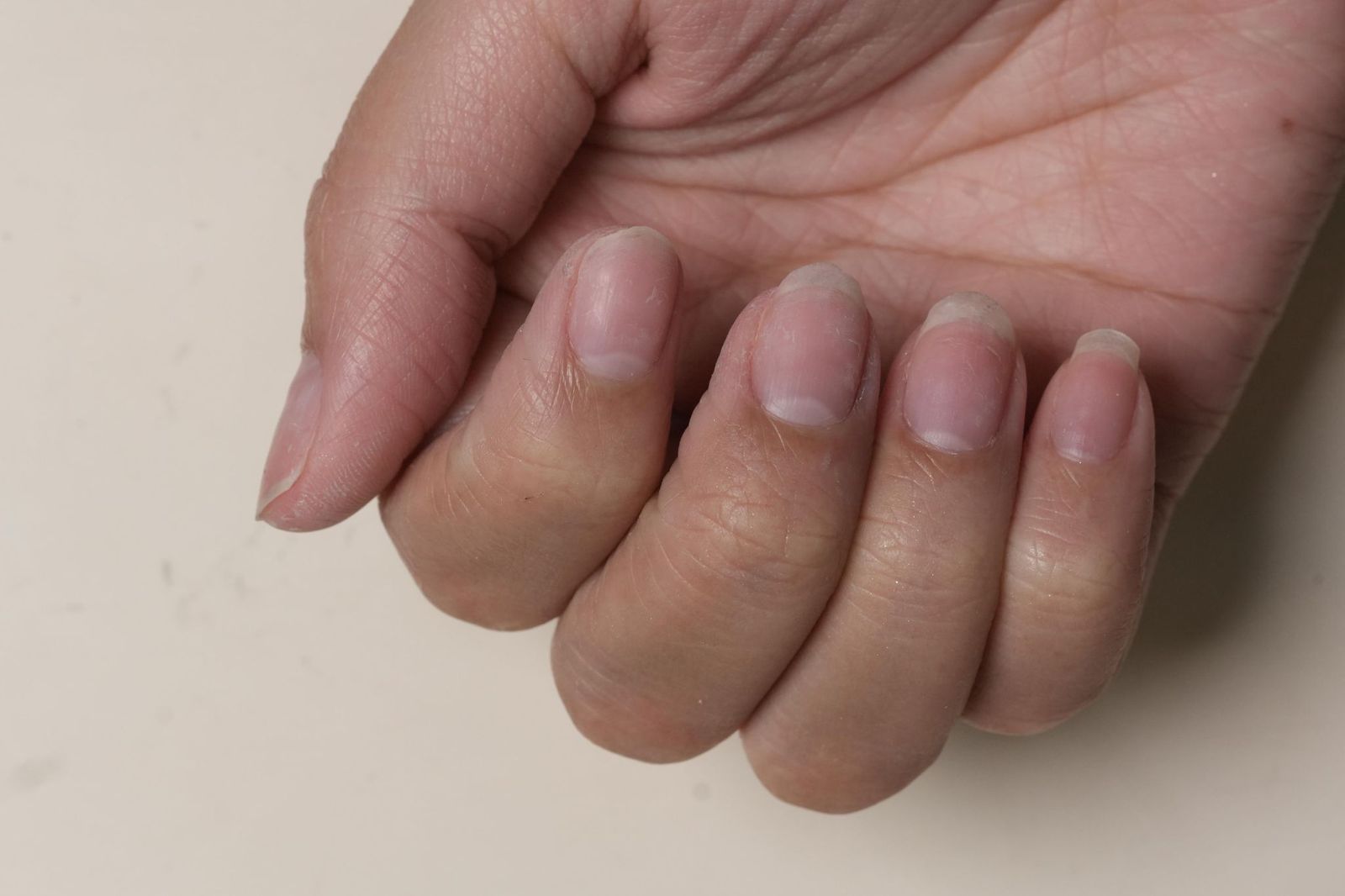
Look at the base of your thumbnail, and you'll probably notice a pale, crescent-shaped area. That's the lunula, the visible portion of the nail matrix where new nail cells are formed before the nail grows outward.

Its name comes from the Latin word for "little moon," an obvious nod to its shape. Lunulae are usually easiest to spot on the thumbs and may be faint or even invisible on other fingers. Surprisingly, that's perfectly normal and varies widely from one person to another.

5

Phosphene

Image: Chanin Dasri

Ever rubbed your closed eyes and seen flashes, sparkles, or floating patterns of light? Those mysterious little bursts are called phosphenes, and they happen even though no actual light is entering your eyes.

Scientists have studied phosphenes for centuries because they reveal how the brain processes visual information. Even astronauts have reported seeing them aboard spacecraft, where cosmic rays can stimulate the visual system and create brief flashes in the darkness of space.

6

Susurration

Image: Joshua J. Cotten

Some words sound like what they describe, and susurration is one of the best examples. It refers to a soft whispering, rustling, or murmuring sound, like leaves swaying in the wind, gentle ocean waves, or rain falling through a forest.

The word comes from the Latin susurrare, meaning "to whisper." Writers and poets have long adored it because the repeated "s" sounds seem to imitate the quiet noises themselves. It's hard to say susurration without almost whispering it.

7

Collywobbles

Image: Sasun Bughdaryan

Butterflies in your stomach before a speech? A nervous feeling before an exam? The British have a delightfully funny word for that: collywobbles. It refers to mild stomach discomfort, jitters, or anxious digestive unease.

Unlike many entries on this list, its exact origin isn't entirely clear, though it became popular in Britain during the early twentieth century. Today, it's usually used humorously, making an unpleasant feeling sound a little less unpleasant.

8

Muntin

Image: Bits And Splits

Those thin strips dividing old-fashioned window panes into neat little rectangles aren't just decorative; they're called muntins. Before modern manufacturing made large sheets of glass practical, muntins helped hold many small panes together.

Today, they're often added purely for appearance, giving newer homes a classic look. They're frequently confused with mullions, but there's an important difference: mullions separate entire window units, while muntins divide the individual panes within a single window.

9

Tines

Image: Julian Wallner

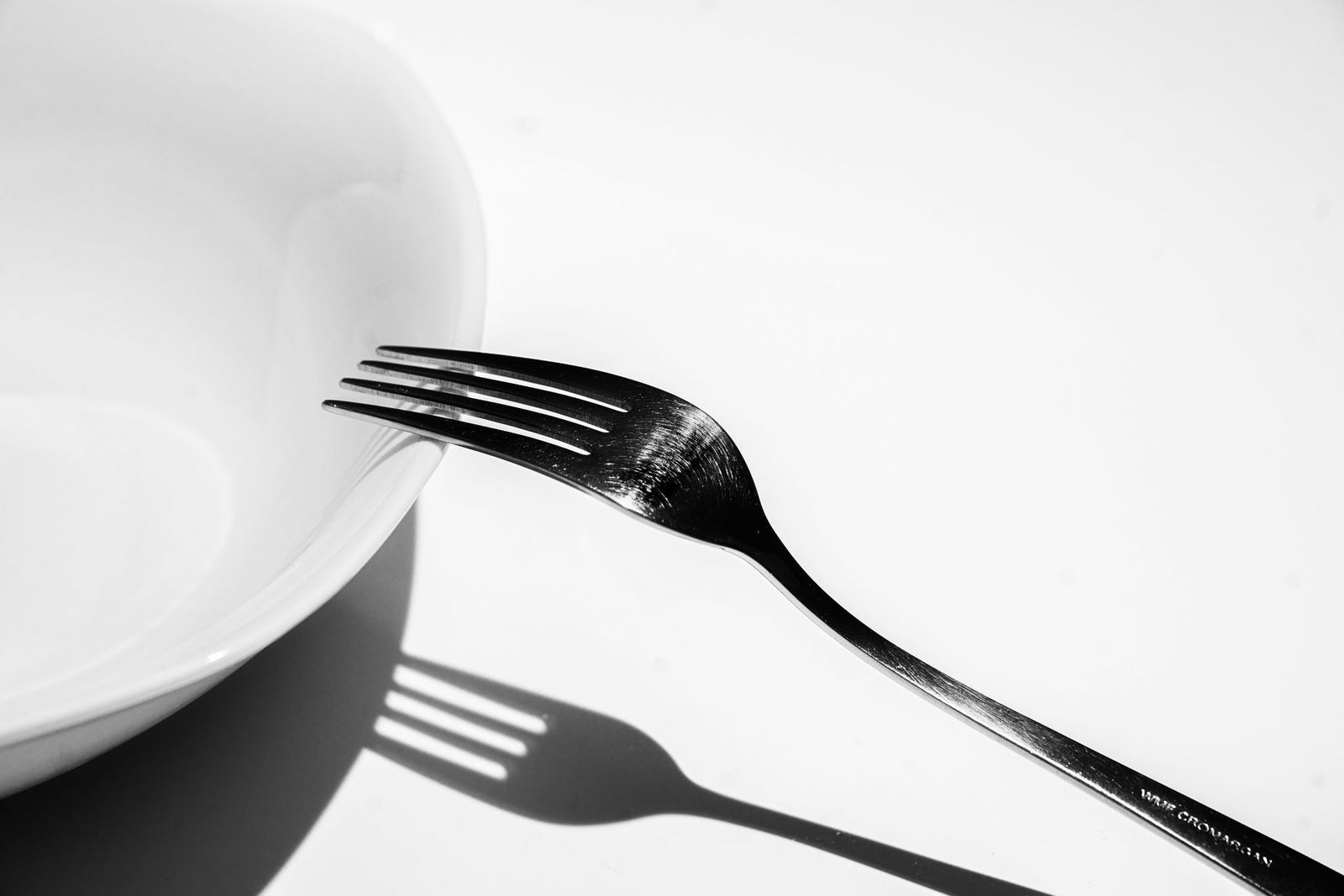
The pointed parts of your dinner fork aren't simply "prongs." Their proper name is tines. The same word also describes the spikes on rakes, pitchforks, combs, and even the branching points on a deer's antlers.

The term has existed since Old English and remains surprisingly useful. Hunters count antler tines, gardeners replace broken rake tines, and engineers carefully design tine shapes for farming equipment.

10

Pip

Image: Tracey Parish

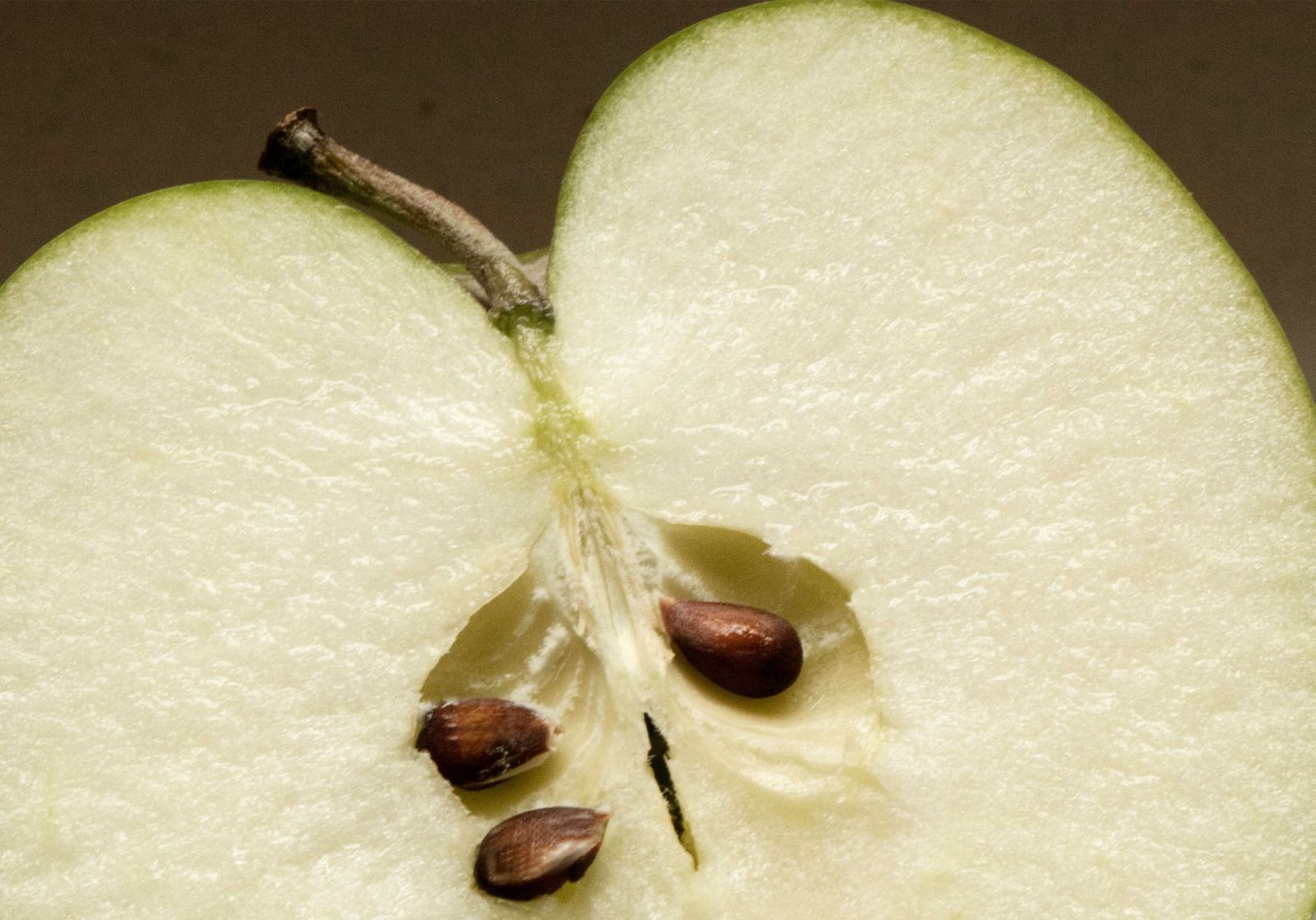
Slice open an apple, and you'll find several pips inside. In British English, pip is the everyday word for the small seeds found in fruits like apples, grapes, oranges, and lemons, while American English usually sticks with simply "seed."

The word has branched into many other fields as well. The tiny dots on dice, the symbols on playing cards, and even certain military insignia are all called pips. It's proof that one small word can sprout into several completely different meanings.

11

Paresthesia

Image: Sasun Bughdaryan

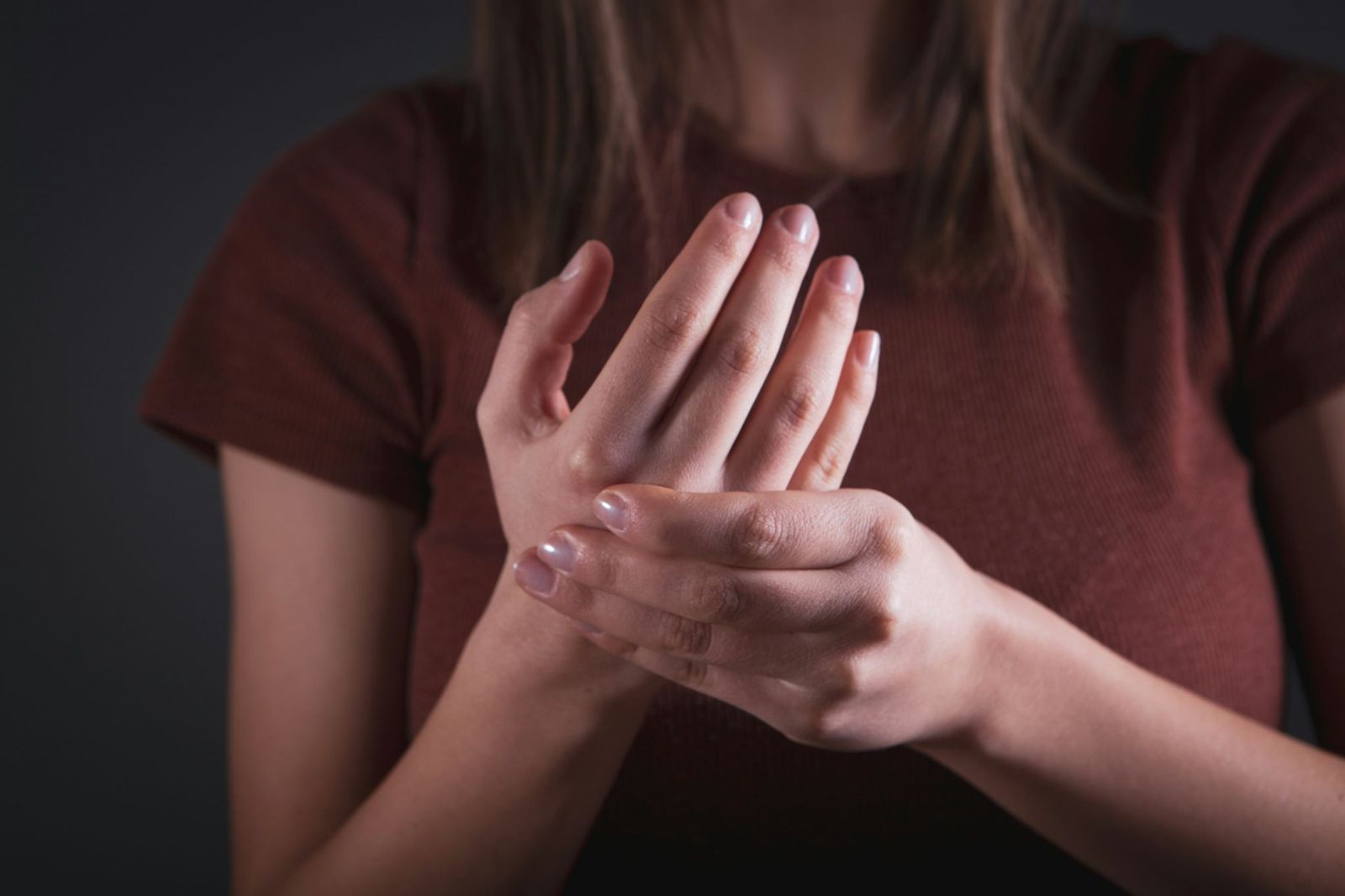
Almost everyone has experienced paresthesia, even if they've never heard the word. It's the medical name for the tingling "pins and needles" sensation that happens when a nerve is temporarily compressed, like after sitting awkwardly or sleeping on your arm.

Most episodes disappear within minutes as normal nerve function returns. However, persistent paresthesia can sometimes signal nerve disorders, diabetes, or vitamin deficiencies, which is why doctors pay close attention when the symptom doesn't go away.

12

Vagitus

Image: Tim Bish

A newborn baby's first cry has a surprisingly mysterious name: vagitus. That first loud wail does much more than announce a new arrival, it helps expand the lungs as the baby begins breathing independently for the very first time.

Derived from the Latin word for "cry" or "wail," vagitus remains a standard medical term in obstetrics and pediatrics. Doctors even use the expression vagitus uterinus for the exceptionally rare phenomenon of a baby crying before complete delivery, one of medicine's most unusual recorded events.

Decoding

Being a "treasured guest" is not a compliment. This is the hidden meaning


Published on August 22, 2026


Image: Hitesh Choudhary

Have you ever heard "Code Adam" while shopping for groceries at Walmart? Or maybe you’ve heard how "Dr. Firestone" was being paged during a routine hospital visit. They sound like harmless announcements. But behind these ordinary words are secret codes staff use to signal emergencies without causing panic. From hospitals and supermarkets to airports and Disney Parks, these phrases quietly warn employees that something is happening. You hope you never hear them, but if you do, it helps to know exactly what they mean.

1

Treasured guest

Image: Helena Lopes

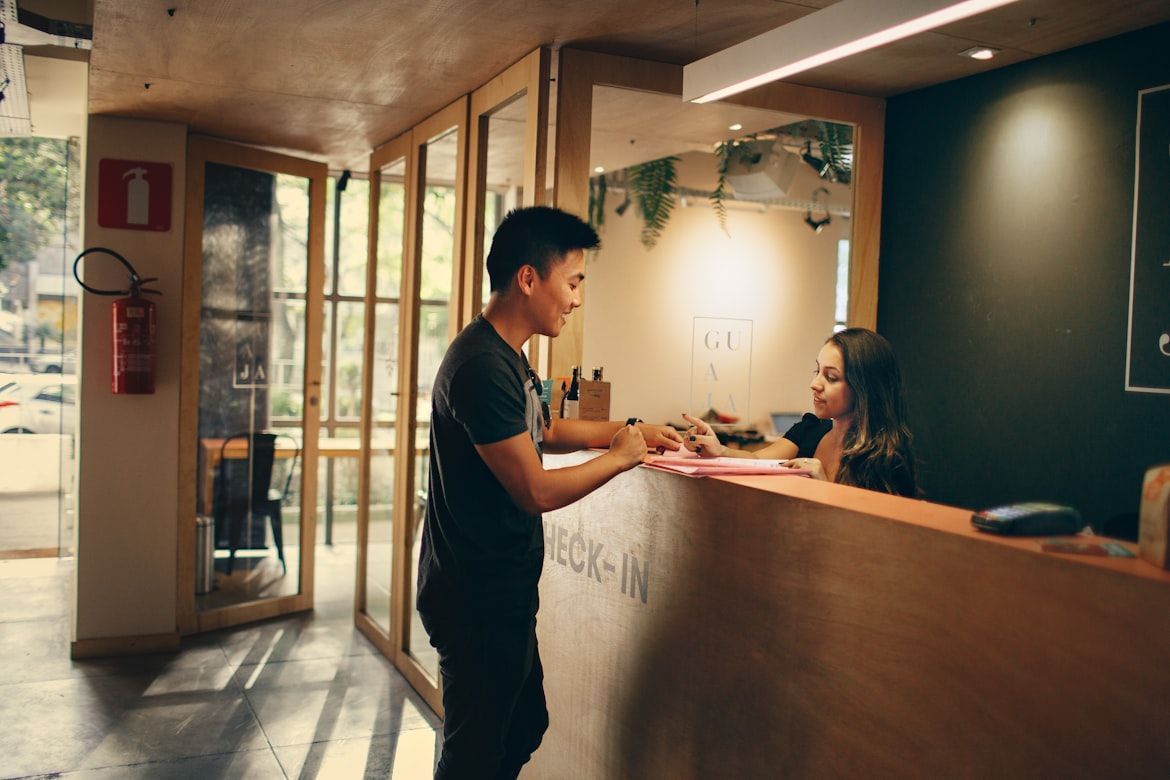
We all love getting special attention at airports or hotel desks, but if you hear the clerk call you a "treasured guest," don’t feel so flattered. You may not be as VIP as one could think.

In the hospitality industry, "treasured guest" has become a humorous bit of industry folklore to describe someone causing trouble. Maybe a customer yelling at staff over expired coupons, demanding impossible accommodations, or throwing a full-blown tantrum at the front desk. Whatever it is, the phrase has become the staff’s secret way to warn co-workers without escalating the situation in front of the customers. Most guests don’t realize the meaning, but once you know it, you may start hearing it more often. We just hope it’s not about you.

2

Code Adam

Image: Karsten Winegeart

Imagine you’re pushing a shopping cart through Walmart when suddenly the overhead speaker announces, "Code Adam." You can easily assume it’s some kind of employee meeting or cleanup request. But when you see them start locking the exits and moving around, you know something’s wrong.

This code was created in 1994 by Walmart in collaboration with the National Center for Missing & Exploited Children (NCMEC), in memory of the tragic case of 6-year-old Adam Walsh. Adam was abducted from a Sears department store in 1981 while shopping with his mother. His father, John Walsh, later became famous for hosting the TV program America’s Most Wanted and advocating for missing children. Even if Adam’s story ended in tragedy, Walmart created the emergency system in Adam’s memory, and other retailers soon adopted it nationwide, intending to have a quick response to missing or abducted children.

3

Code Blue

Image: Günter Valda

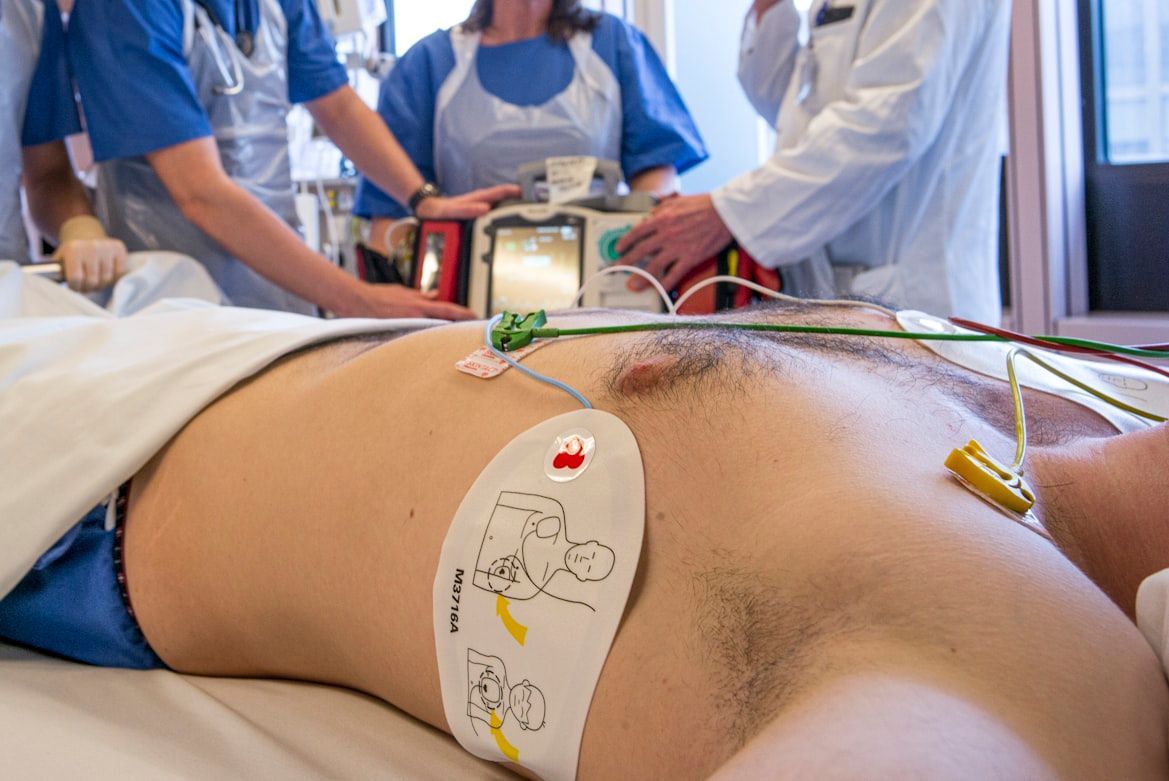
You’re sitting in a hospital waiting room during a routine check-up when you suddenly hear "Code Blue, Room 214." Most people immediately know it sounds serious, even if they are not entirely sure why.

The phrase "Code Blue" is used at hospitals to draw the necessary staff and equipment to perform a resuscitation. It was created in the early 1960s at Beathany Medical Center by Dr. Hughes Day. Before then, hospital resuscitations were often chaotic and poorly coordinated. In 1961, Dr. Day received a grant to build one of America’s first cardiac care centers, and he developed both the Code Blue alert system and the modern crash cart to improve survival rates during cardiac emergencies. Today, the system is used in hospitals across the country, sometimes with specialized versions like "Code Blue Pediatric" or "Code Blue Neonate."

4

Dr. Firestone

Image: Cdn Pages

Imagine visiting a loved one in the hospital when the intercom calmly announces, "Paging Dr. Firectone to the third floor." Your head surely goes, "Dr. Firestone’s probably having a busy day up there." He is, but it’s not what you think.

The phrase is actually a discreet fire alert used to warn staff about smoke, flames, or overheating equipment without frightening patients and visitors. Hospitals adopted these coded announcements after realizing that openly yelling "fire" over loudspeakers could create panic, especially among patients who aren’t able to move quickly. "Code Red" is an alternative used by many health centers today, but it also hints at the situation while keeping hallways calm.

5

Code 10

Image: Blake Wisz

You’re standing at a checkout counter when the cashier picks up the phone and quietly says, "I need a Code 10 authorization." If you think that’s just another way to get a supervisor’s approval or technical issue, think again. In reality, the cashier may suspect the credit card is stolen or fraudulent.

Code 10 was developed through a cooperative effort between major credit card companies like Visa and Mastercard, along with international standard organizations. As credit cards became more common in the 1960s and 1970s, stores needed a discreet way to alert banks about suspicious activity without directly accusing customers and potentially putting employees at danger. When a cashier requests a Code 10, the bank’s operator begins asking yes-or-no questions to assess the situation and guide the employee on what to do next.

6

Code Bravo

Image: CDC

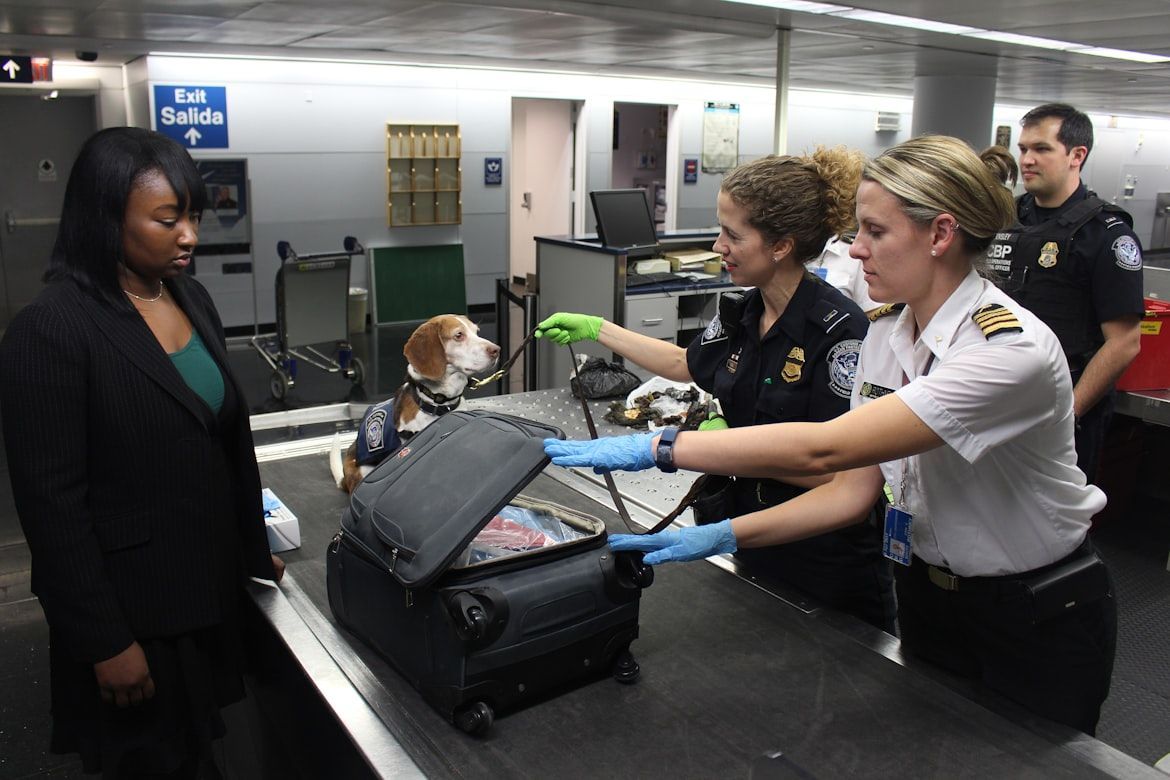
You’ve probably experienced those long airport security lines. The wait is usually uneventful. But sometimes, you can hear "Code Bravo" over the speakers. Maybe it’s a delay, or maybe it’s an issue with luggage. Within seconds, people stop moving, the security line freezes, and exits may even close. It’s something bigger.

Code Bravo is the emergency phrase used by airport security and the Transportation Security Administration to signal a serious security threat, such as an unattended bag, a breach at a checkpoint, or someone slipping into a restricted area. The term comes from the international phonetic alphabet used in aviation and military communications, where "Bravo" represents the letter B. When this is called, security staff immediately lock down affected areas, stop screening lines, and search for the source of the threat. To passengers, it’s sudden and confusing, but to security, it’s a carefully rehearsed response.

7

Code Alpha

Image: Navy Medicine

You are heading back to your cabin on a cruise ship when the speakers announce, "Code Alpha, Deck 7." You may think Alpha is related to the captain, but that’s not the case. It means someone on board is suffering a medical emergency.

The phrase comes from the NATO phonetic alphabet, where "Alpha" represents the letter A. In maritime emergency jargon, it became shorthand for a Priority A medical situation requiring immediate response. Cruise lines such as Royal Caribbean and Disney Cruise Line commonly use the term, though some ships use variations like repeating "Alpha" three times. Once the code is announced, onboard medical teams rush toward the specified deck or cabin. If necessary, stretcher crews are mobilized, and in severe cases, the ship may even divert course toward the nearest port for emergency evacuation. Passengers are enjoying the views, but the staff is running to save a life.

8

10-33

Image: chris robert

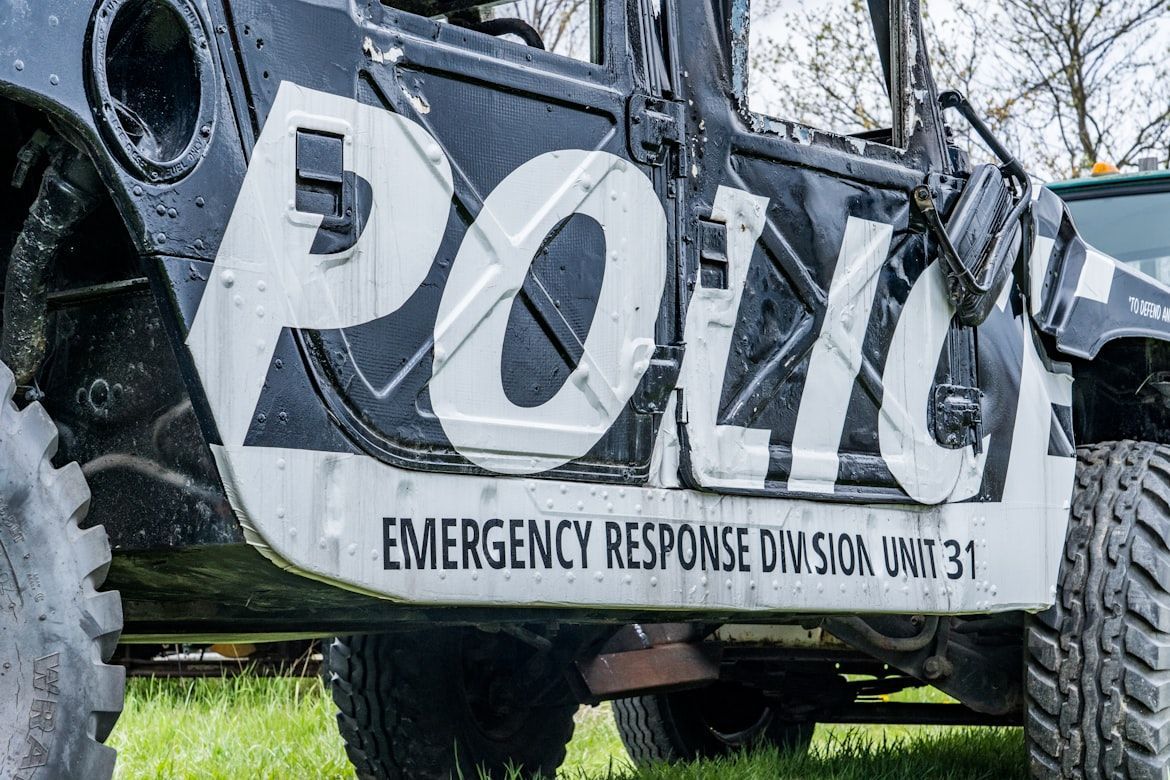
Anyone who remembers the CB radio craze of the 1970s probably smiles when they hear "10-4." Movies, truckers, and radio fans turned those number codes into a part of American culture. So if you overhear "10-33" on a police scanner, you might assume it’s just another routine message. But it’s not as simple as it sounds.

The 10-code system was first created in 1937 by Illinois State Police communications director Charles Hopper and later standardized by the Association of Public Safety Communications Officials, better known as APCO. Officers needed short phrases they could understand clearly over crackling radio signals. The 10-33 code commonly means an officer needs emergency assistance. In some departments, it also signals radio silence so dispatchers can focus on the crisis unfolding in real time.

9

Signal 70

Image: Samuel Lopez Cruz

Disney World is amazing, the parks offer something for everyone, and there are things to see wherever you look. But that’s exactly the kind of place where a child can easily disappear into a sea of strollers, balloons, characters, and crowds. For that reason, Disney has developed the "Signal 70," which alerts cast members and security that a child has become separated from their family.

The number comes from older police and emergency radio systems, where "70" was commonly associated with missing persons. Disney adopted the phrase because it allows employees to communicate discreetly without frightening or alarming nearby guests. If a member finds the child, they gently -and magically- escort them to Baby Care Center, where they coordinate the reunion.

10

Echo, Echo, Echo

Image: Alonso Reyes

Cruises are great to relax, enjoying a good book under the sun with a nice drink by the side. Until you hear "Echo, echo, echo" on the speakers. If you do, something is happening somewhere else on the ship.

The code is used among cruise employees to signal that dangerous winds or a navigational hazard are affecting the ship. It comes from the international maritime phonetic alphabet, where "Echo" stands for the letter E. In maritime signalling, the letter traditionally means "I am altering my course to starboard." And, in time, the phrase became associated with urgent ship maneuvers and weather-related warnings. However urgent, the repetition of the word by three doesn’t represent life-threatening situations. It alerts the crew of a certain hazard to prepare while avoiding panic among passengers.

Looking for an extra scoop of literary fun?

Learn more with our Word of the day

sluggard

/ˈsləɡərd/