What is your Ikigai? 10 foreign words that celebrate life's pleasures


Published on August 4, 2026

Image: 9dream studio

In English, we often rely on the single, broad term "happiness" to describe everything from winning the lottery to eating a piece of pie. Yet, around the world, different cultures have come up with precise words to capture the different flavors of joy. From the quiet peace of dawn in Scandinavia to the musical ecstasy of the Middle East, here are 10 foreign words that describe unique types of happiness.

1

Hygge (Danish)

Image: Olena Rudo

Pronounced hoo-ga, this Danish word has captured global attention over the past decade. Hygge is a psychological state of warm, cozy contentment.

It’s the feeling of sitting around a wooden dining table illuminated by soft candlelight, sharing a cup of coffee with close friends. Hygge encourages us to forget about life’s superficial distractions and savor the present moment with warmth, safety, and human connection.

2

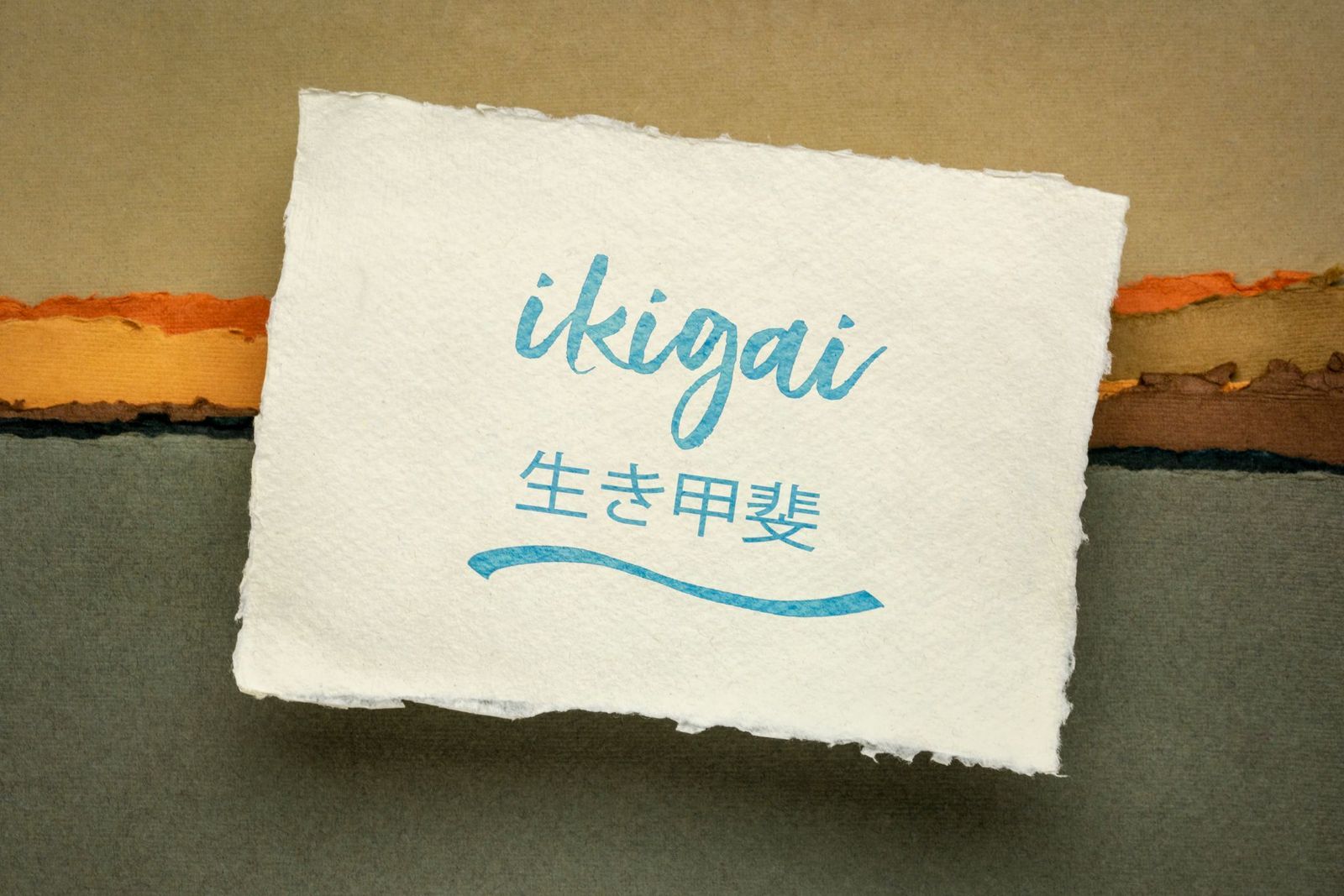
Ikigai (Japanese)

Image: marekuliasz

Originating from Okinawa, an island known for its high concentration of centenarians, ikigai (pronounced ee-kee-guy) translates to "a reason for being". It represents the sweet spot where your passions, talents, values, and practical skills overlap.

Unlike grand notions of success, ikigai is often quiet and deeply personal. It’s the joy that motivates you to get up in the morning, whether that reason is tending to your garden, perfecting a craft, or caring for your family. It’s happiness not as a distant goal, but as a daily practice.

3

Gökotta (Swedish)

Image: javi_indy

It’s no surprise that the Scandinavian culture has a specific word for outdoor bliss. Gökotta (pronounced yoh-koh-tah) literally translates to "cuckoo-dawn". It describes the deliberate act of waking up early in the morning, often at the break of dawn in spring, specifically to go outside into nature.

Gökotta reminds us that peace and renewal are often waiting for us in the quietest hours of the morning, as long as we are willing to wake up early enough to catch them.

4

Schadenfreude (German)

Image: Gorgev

Who said happiness can’t be a little mischievous? Schadenfreude (pronounced shah-den-froy-duh) combines the German words for "damage" (Schaden) and "joy" (Freude). It describes the secret, malicious pleasure a person feels when watching someone else suffer a minor, non-tragic mishap.

Whether it’s smirking when a politician stumbles on stage or watching an arrogant rival lose a game, schadenfreude captures a raw side of human psychology that almost everyone has experienced but rarely admits to.

5

Firgun (Hebrew)

Image: PeopleImages

On the opposite side of schadenfreude is the Hebrew concept of firgun (pronounced feer-goon). This informal term, which entered modern Hebrew in the mid-20th century, describes genuine, unselfish joy felt for another person’s accomplishments or good fortune.

To practice firgun means celebrating someone else’s promotion, engagement, or success without envy or resentment. It’s an empathetic form of happiness that strengthens community ties.

6

Arbejdsglæde (Danish)

Image: voronaman

While many societies view labor as a tedious chore, the Nordic countries have a different view. The Danish word arbejdsglæde (pronounced ah-beyds-gleh-theh) combines arbejde (work) and glæde (joy).

This term describes the satisfaction derived from a job well done. It stems from the feeling of enjoying your colleagues and having a healthy work-life balance. Also, knowing that your daily efforts contribute meaning to the world.

7

Tarab (Arabic)

Image: MAYA LAB

In Arab musical tradition, tarab (pronounced tah-rab) refers to a transcendent state of emotional ecstasy induced by listening to moving music.

It describes the moment when a performer’s vocals or instrumental mastery captivates the audience, filling the room with an overwhelming wave of emotion. In other words, tarab highlights music as a vehicle for profound joy.

8

Ayodele (Yoruba)

Image: Anatoliy Cherkas

In the Yoruba language of West Africa, Ayodele (pronounced ah-yoh-deh-leh) is both a traditional given name and a statement meaning "joy has come home".

The term conveys the happiness felt when a baby is born. This new child is more than an addition to the family; it’s an entity that carries warmth, light, and a renewed purpose.

9

Waldeinsamkeit (German)

Image: DimaBerlin

Rooted in German Romanticism, Waldeinsamkeit (pronounced valt-ayn-zahm-kayt) joins Wald (forest) and Einsamkeit (solitude). It describes the feeling of bliss experienced when wandering alone through the woods.

It’s all about a restorative connection with the natural world. Stepping away from the buzz of city life to walk beneath a canopy of green leaves allows the mind to slow down, reset, and experience a quiet, elemental happiness.

10

Joie de vivre (French)

Image: frantic00

Perhaps this is the most famous expression of happiness. The French phrase joie de vivre (pronounced zhwah duh veev-ruh) translates literally to "the joy of living".

It represents an infectious love for existence itself. Someone who has joie de vivre finds delight in a fresh baguette, a good conversation, or a casual afternoon walk. It’s a philosophy that treats living as an art form worthy of celebration.



Hospital secrets

What is a "Code Gray" and what you should know if you hear it at the E.R.


Published on August 4, 2026


Image: voronaman

A trip to the emergency room can be stressful enough without hearing doctors and nurses speak a language that sounds like a secret code. One minute, someone is asking for medication "STAT," the next there’s a "Code Gray," and another patient is suddenly "NPO." What do those words really mean? Some are official medical terms, others are insider slang, but they all help hospital staff communicate quickly when every second counts. Here are 10 of those codes explained.

1

Code Gray

Image: PeopleImages

The E.R. can be hectic and unpredictable. Most patients are frightened or uncomfortable, but now and then someone becomes aggressive because of pain, confusion, mental illness, or the effects of alcohol or other substances. That’s when you can hear "Code Gray" announced over the speakers.

The code is used to summon security officers to help manage a violent or combative situation. While color codes vary from one hospital to another, Code Gray commonly signals that staff needs extra assistance to protect patients, visitors, and healthcare workers. Even if you know it now, most people in the waiting room never know what happened, and that’s exactly the point.

2

NPO

Image: PeopleImages

You have a scheduled surgery, you’re in your bed waiting to be taken to the surgery room, and you ask for a cup of coffee to make the wait lighter. The nurse will probably tell you you’re an NPO. You may think it’s serious, but it’s simply a procedure.

"NPO" is an abbreviation that comes from the Latin phrase Nil Per Os, which means "nothing by mouth." It tells patients they cannot eat, drink, or sometimes even take medication until doctors say it’s safe. The rule is most common before surgery or certain medical tests, when food or liquids could increase the risk of complications or alter the results. It may be frustrating, but it’s an important part of keeping patients safe.

3

STAT!

Image: PeopleImages

You’ve probably been through the experience of visiting an emergency room, either to get checked or to visit a loved one. In that part of the hospital where everyone is rushing to save lives, you’ve probably heard a doctor asking for the R.C.P. cart or medication "STAT!" It sounds urgent, and that's because it is.

The expression comes from the Latin statim, which means "immediately" or "without delay." Hospitals have used Latin medical terms for centuries, but STAT is one of the few that remains part of everyday conversation. When a doctor says it, the request jumps to the top of the priority list. It doesn’t always refer to a life-or-death situation, but it does mean the medical team needs something done as quickly as possible.

4

Code Pink

Image: Vladimir Tretyakov

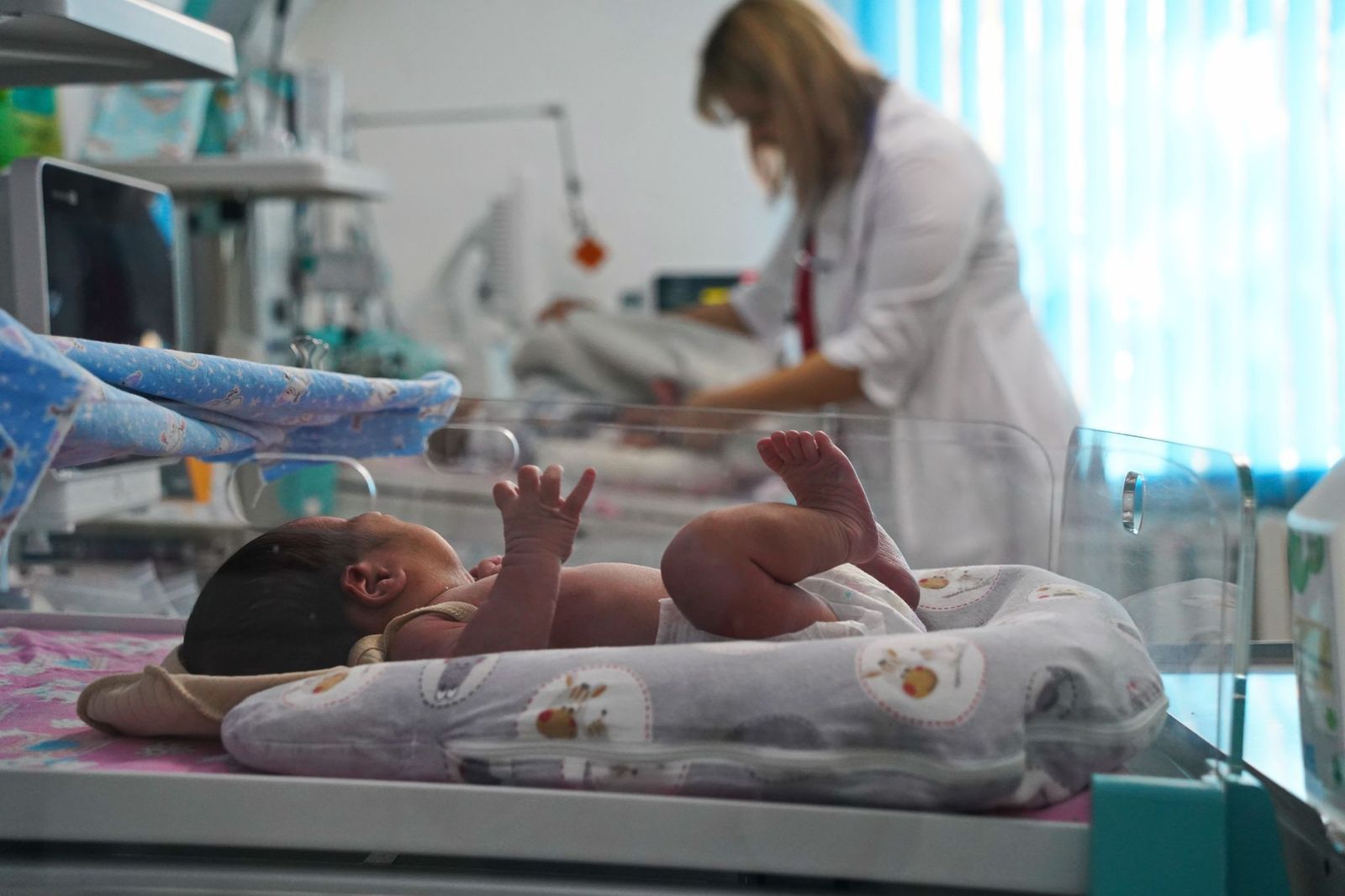
Newborns are always a reason to celebrate at the hospital. Parents usually rest happily next to their child as they receive congratulations from close relatives. However, the hospital is always prepared to handle extremely rare emergencies under "code pink."

If you hear a "Code Pink," it usually means a baby or young child is suspected of being abducted from the hospital. Within seconds, security officers respond, exits may be monitored or blocked, and staff begins following carefully rehearsed procedures. Although different hospitals sometimes use different color codes, Code Pink has become widely recognized across North America as one of the most serious alerts a hospital can issue.

5

Walkie-talkie

Image: Arunporn Thanapotivirat

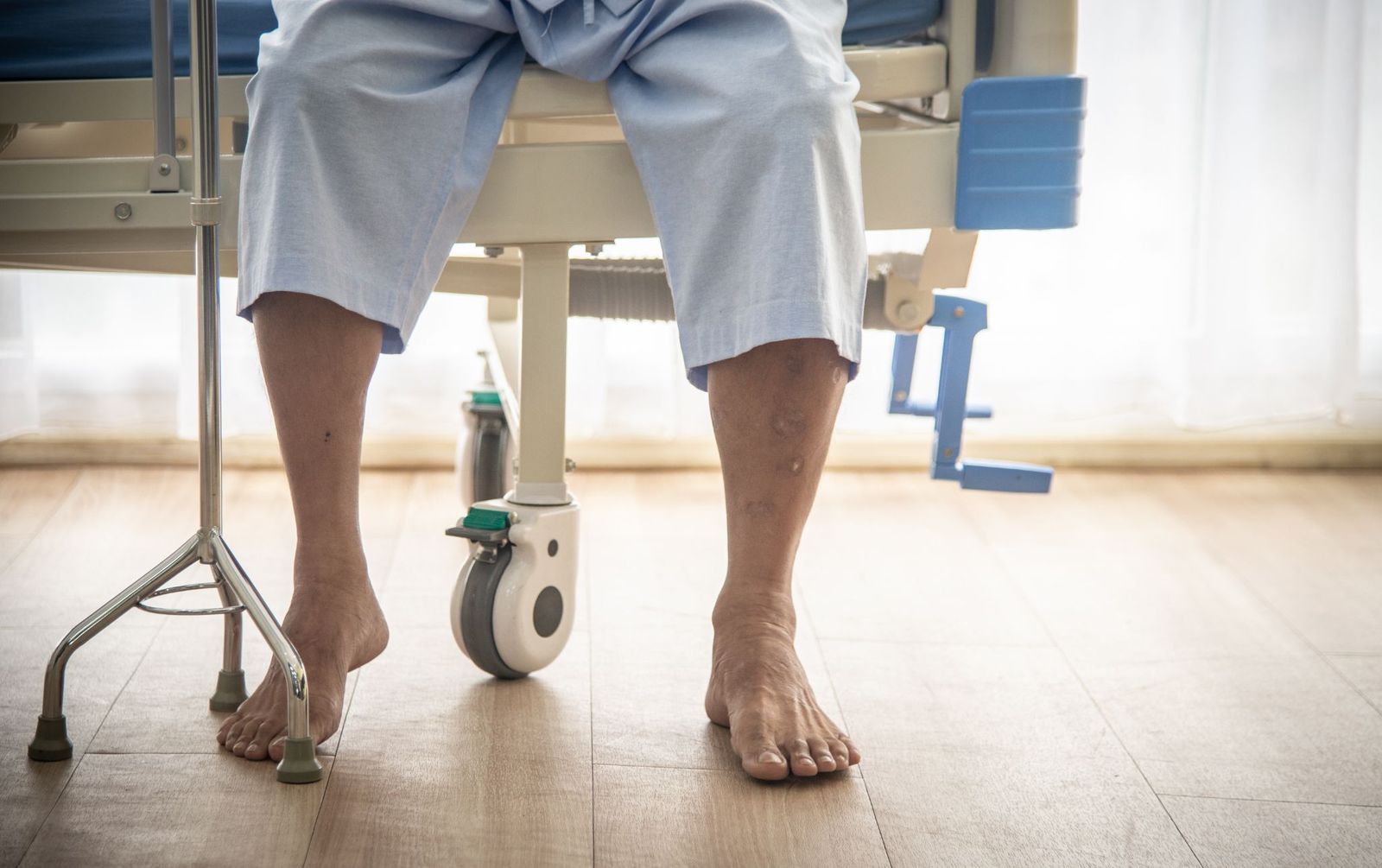
If you’ve ever spent a few days in the hospital, you’ve probably noticed that some patients are walking up and down the halls, while others need help just getting out of bed. When a nurse refers to someone as a "walkie-talkie," it’s actually good news.

This informal expression refers to patients who can walk on their own, use the bathroom without assistance, and handle most basic tasks independently. It’s not an official medical term, of course, but it’s commonly used among healthcare workers because it quickly tells the next shift that the patient requires less hands-on care than many others.

6

Total

Image: sebra

As nurses change shifts, you’ll often hear them give a quick report about each patient. One person may only need medication, while another is described as a "total."

The term is short for a patient who requires total care. They may need help eating, bathing, getting dressed, turning in bed, or moving from one place to another. Although the expression sounds impersonal, it’s simply a practical way for caregivers to communicate how much assistance someone needs.

7

Frequent flyer

Image: Studio Romantic

Most people hear "frequent flyer" and think of an airline reward program. And that’s correct, but in an emergency room, the phrase has a very different meaning.

A frequent flyer is an informal nickname for patients who repeatedly return to the hospital, often due to chronic illness, recurring medical conditions, or other ongoing health issues. Behind the light-hearted nickname is often a difficult reality. Many of these patients are simply dealing with medical problems that require regular emergency care, and the expression is just a way to make the experience a bit lighter among the familiar faces of doctors and nurses.

8

WOW

Image: Studio Romantic

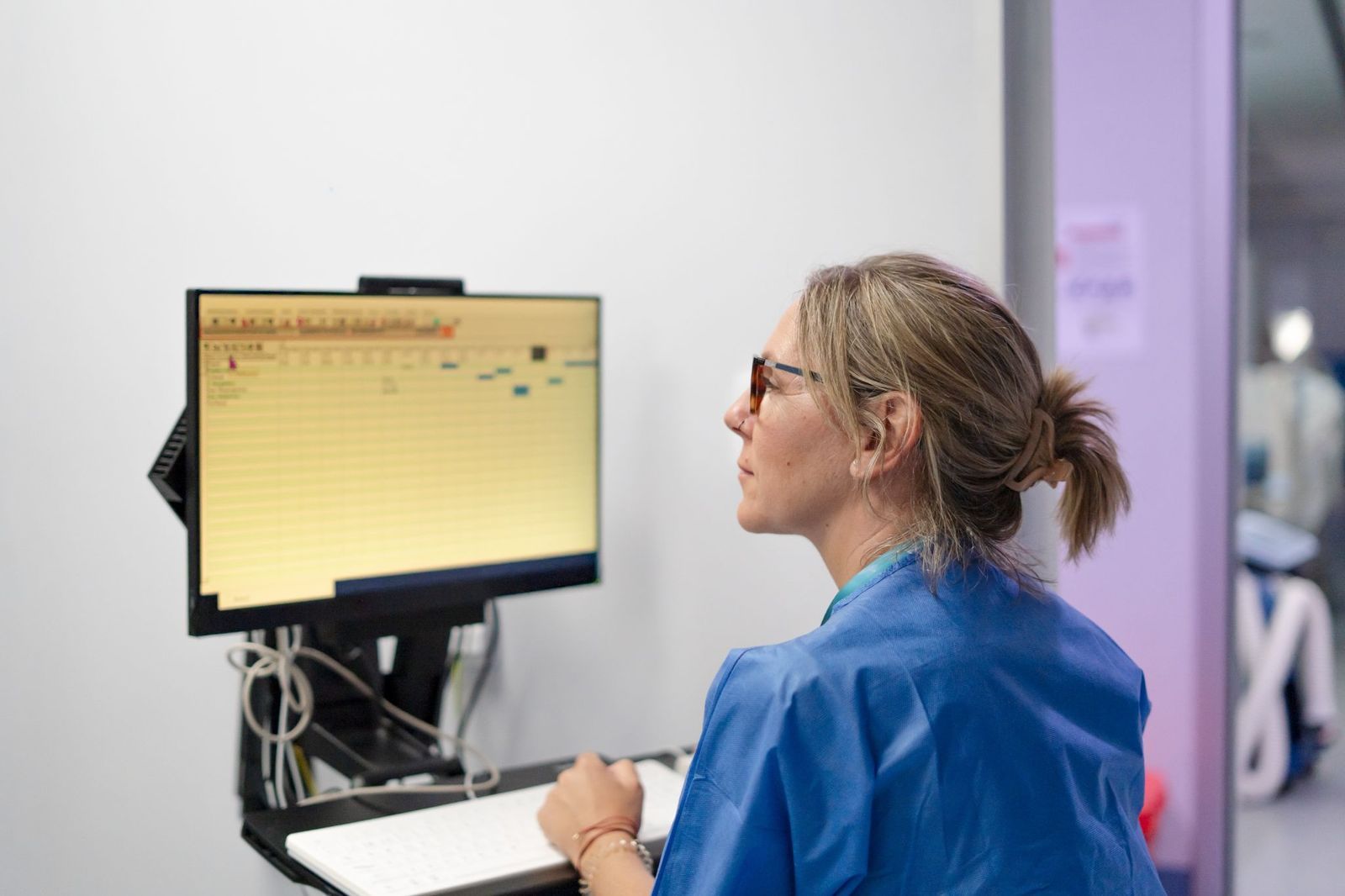
Not all codes are for patients. The next time you’re in a hospital, look closely at what the nurse is pushing from room to room. It may look like a small rolling desk with a computer on top. Staff often call it a "WOW," short for "workstation on wheels."

As hospitals switched from paper charts to electronic medical records, these mobile computers became essential. Nurses use them to review test results, scan medications, update patient charts, and check doctors’ orders without leaving the bedside. The name sounds funny, but the technology helps caregivers spend more time with patients instead of walking back and forth to a nursing station.

9

Sharp container

Image: NMK-Studio

After getting a shot or having blood drawn, most patients never think about where the used needle ends up. It certainly doesn't go into an ordinary trash can.

Hospitals place needles, scalpels, and other sharp medical instruments into special containers designed to prevent accidental injuries. These sturdy, puncture-resistant boxes are sealed when full and safely disposed of in accordance with strict health regulations. This not only protects nurses, but it also protects cleaning crews, waste handlers, and even the public from dangerous needle sticks. It’s one of the most important safety measures in every hospital, even though most patients never notice it.

10

B-52

Image: Photoroyalty

If you’ve ever watched a medical drama, you've probably seen a patient become so agitated that several staff members rush into the room. In situations like that, a doctor or nurse may ask for a "B-52." But the name has nothing to do with numbers themselves; it actually comes from a medicine.

B-52 is hospital slang for a fast-acting injection used to calm down patients who are severely combative or at risk of harming themselves or others. The nickname comes from a commonly used combination of medications that usually include diphenhydramine, haloperidol, and lorazepam. It’s strictly reserved for when other methods of calming the patient haven’t worked.

Looking for an extra scoop of literary fun?

Learn more with our Word of the day

strident

/ˈstraɪdnt/