The etymological twist: 10 common words that used to mean the opposite


Published on August 25, 2026


Image: Snapwire

Language is a moving target. What we consider a precise definition today is often just the latest stop on a centuries-long journey of semantic drift. A 17th-century scholar would likely be horrified by how we use words like sophisticated or anecdote. Etymology is like a fossil record of human behavior, class struggles, and cultural priorities. Here are 10 common words that have undergone radical transformations.

1

Geek

Image: Andrea Piacquadio

Before it was a badge of honor for Silicon Valley billionaires, a geek was a social pariah of the most literal kind. In the early 20th century, the term referred to a specific type of carnival performer, a side show "freak" whose primary act involved biting the heads off live chickens or snakes.

The word likely stems from the Low German geck, meaning "fool" or "simpleton". It wasn’t until the mid-20th century that the meaning drifted toward social awkwardness and, eventually, an obsessive devotion to technical or niche subjects. Today, the geek has moved from the dirt of the carnival floor to the top of the global economy, but the word’s gruesome origins remain a hidden layer of its history.

2

Sophisticated

Image: Vika Glitter

In a modern context, being sophisticated is an aspiration, it implies refinement, worldliness, and complexity. However, for most of its history, the word was pejorative. Derived from the Greek sophistēs (the Sophists, a group of philosophers often accused of using clever but fallacious reasoning), a sophisticated thing was something that had been corrupted or adulterated.

In the 1600s, you might have been accused of "sophisticating" wine by watering down or adding lead to sweeten it. To be sophisticated was to be "unnatural" or "adulterated". It wasn’t until the 19th century that the complexity of being sophisticated began to be viewed through a positive lens, evolving into the mark of high culture we recognize today.

3

Handsome

Image: Alexa Popovich

We currently use the term handsome to describe a person, usually a man, with pleasing, symmetrical features. But the word’s roots are purely functional. In the late 14th century, a handsome object was simply something that was hand-some, meaning "easy to handle" or "handy".

Over time, the utility of an object became associated with its quality. If a tool was handsome, it was well-made and fit for its purpose. This led to the word describing things that were "generous" or "substantial" (for example, a "handsome reward"), and eventually, by the late 16th century, it settled into its current role as a physical descriptor for an attractive person.

4

Anecdote

Image: Engin Akyurt

An anecdote is now a brief, often amusing story about a real person or incident. But in its original Greek, anekdota, it literally meant "things unpublished".

The term gained fame through the 6th-century historian Procopius, who wrote a public history of the Emperor Justinian and his court. At the same time, he also wrote a "Secret History" filled with scandalous details that he didn’t dare release while the subjects were still alive. These unpublished secrets were the original anecdotes. The meaning eventually shifted from secrets to short, private narratives, and finally to the casual stories we share at parties today.

5

Brutalize

Image: Alexa Popovich

This word is currently the subject of a massive linguistic tug-of-war. Most people today use brutalize to mean "to treat someone in a brutal or violent way". However, its original 18th-century meaning was the exact opposite: "to become a brute" or "to make someone brutal".

The original logic was that the person committing the violence (or the person exposed to it) was being stripped of their humanity and turned into a beast. If you were brutalized by war, it didn’t mean you were hurt; it meant you had been made a savage by experience. While the modern "attacked violently" definition is now widely accepted, purists still argue that the word should describe the state of one’s character, not just the physical assault.

6

Nostalgia

Image: Ante Majic

We think of nostalgia as a bittersweet, sentimental longing for the past. But in the 17th century, it was a terrifying medical diagnosis. Coined by a Swiss medical student, the term combined the Greek nostos (homecoming) and algos (pain).

It was considered a physical "disease of the imagination" that primarily affected soldiers fighting far from home. Symptoms included persistent melancholy, heart palpitations, and even death. It was treated as a literal sickness, sometimes cured by sending the soldier home, but occasionally met with more gruesome 17th-century medical interventions. Only in the 20th century did it soften into the purely emotional, non-lethal state we discuss today.

7

Backlog

Image: cottonbro studio

In the modern office, a backlog is a source of stress, a pile of unfinished tasks or orders. But in the 1600s, a backlog was a luxury. It was literally the "back log," the largest, thickest piece of wood placed at the back of the fireplace to reflect heat forward and keep the fire burning through the night.

Because it was so large, the backlog was the last thing to burn. Over time, the concept of something "kept in reserve" or "accumulated at the back" moved from the fireplace to the ledger book. By the 1880s, the "unburned" log had become the "unfinished" work.

8

Manipulate

Image: Polina Tankilevitch

To manipulate someone today carries a heavy connotation of deception or unfair control. Yet, the word began as a neutral, even positive, term for manual dexterity. Rooted in the Latin manus (hand), it originally meant "to treat or operate with the hands."

It was a term used by scientists and doctors to describe the skillful handling of tools or physical objects. It wasn't until the mid-19th century that the word jumped from the physical to the psychological, describing the skillful (but often dishonest) handling of people or information for one’s own advantage.

9

Condominium

Image: quang vinh

Long before it was a type of real estate, a condominium was a system of government. Coming from the Latin con- (together) and dominium (right of ownership), it referred to "joint sovereignty" over a territory by two or more states.

For instance, a piece of land ruled by both England and Egypt would be called a condominium. It wasn't until the 1960s that the term was co-opted by the American real estate market to describe a building where individuals own their units but share the common areas—a miniature, domestic version of "joint sovereignty."

10

Scavenger

Image: Denitsa Kireva

Few words have tumbled as far down the social ladder as scavenger. In the Middle Ages, a scavager (from the Old French escauwer, "to inspect") was a respected customs official. Their job was to inspect imported goods and collect "scavage," a tax on foreign merchants.

As part of their duties, these officials often had to oversee the cleaning of the streets where the merchants set up shop. Eventually, the name for the official (scavager) was applied to the laborers who actually did the cleaning. From there, it became a general term for anyone who picked through trash, and finally, it was adopted by biology to describe animals that feed on carrion.

Beloved lyrics

"For what is a man?": Some of the wisest lyric lines ever written


Published on August 25, 2026


Image: Hanna-J

Paul Anka was terrified when he sat down to write the lyrics for a song that Frank Sinatra would be singing. Jokingly, he started with a dramatic, "And now, the end is near…" The rest is history. Who are the people who pen the words that others will spend decades repeating? How did they come up with words so precise and true that listeners would compare them with those of great philosophers? Here are 10 of people’s favorite lyrics of all time, decoded.

1

"For what is a man? What has he got?"

Image: Arthur D'Amario III

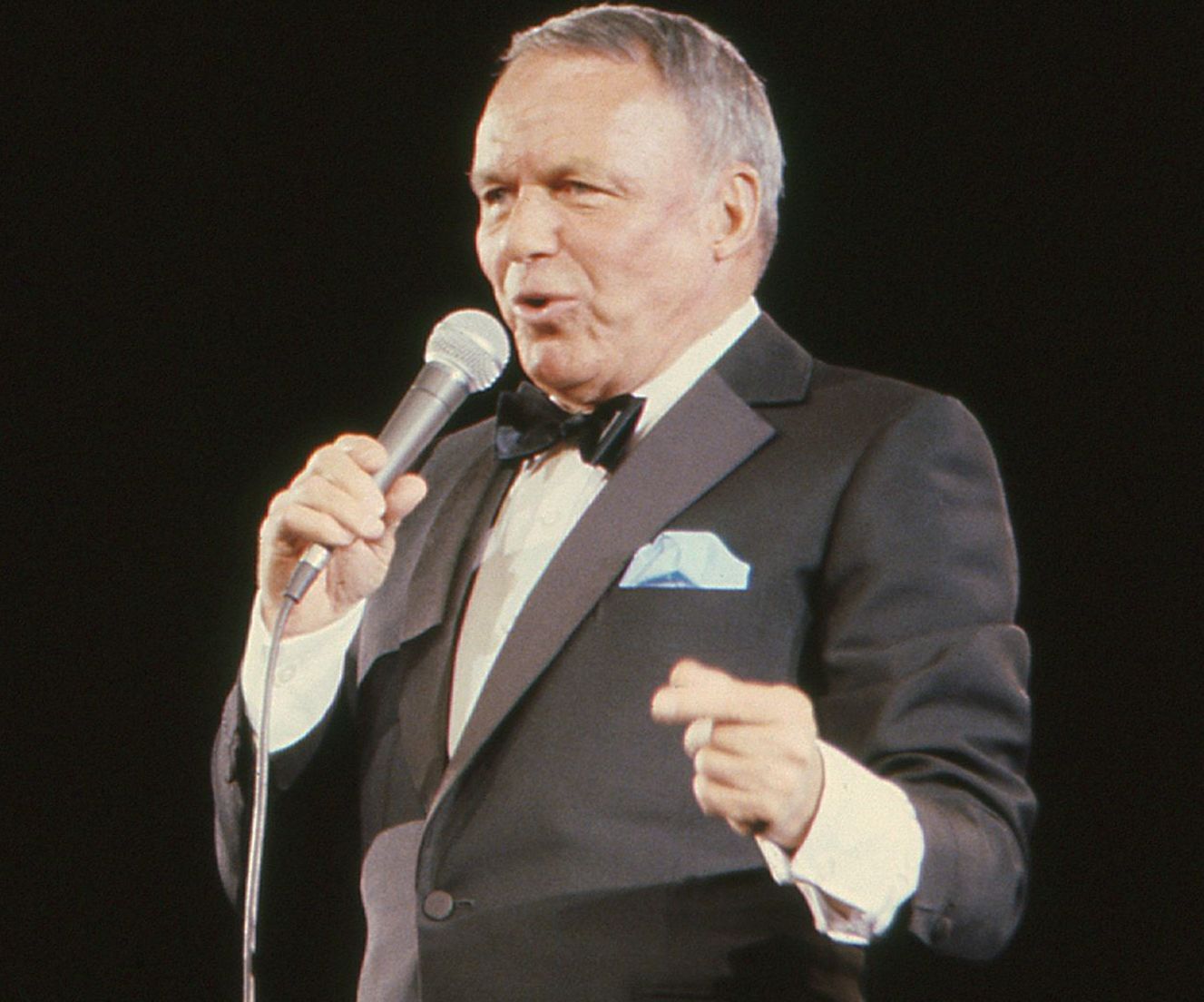
"For what is a man? What has he got? If not himself, then he has naught." The melody of "My Way" wasn't originally American. It began as a French song called Comme d'habitude, a number about a couple stuck in a stale marriage. Paul Anka heard it on the radio while in France and bought the rights on the spot, before he had any use for it.

That use arrived at a dinner in Miami, when Sinatra told him, almost in passing, that he was quitting the business. Anka flew home, sat down at a typewriter, and spent one night writing lyrics as if Sinatra himself were speaking them. Sinatra recorded it in two takes and later called it his "national anthem," and many agreed; Anka had written the exact words one wants to belt while closing an episode of their life.

2

"Life is what happens to you…"

Image: Public Record Office of Northern Ireland, No restrictions, via Wikimedia Commons

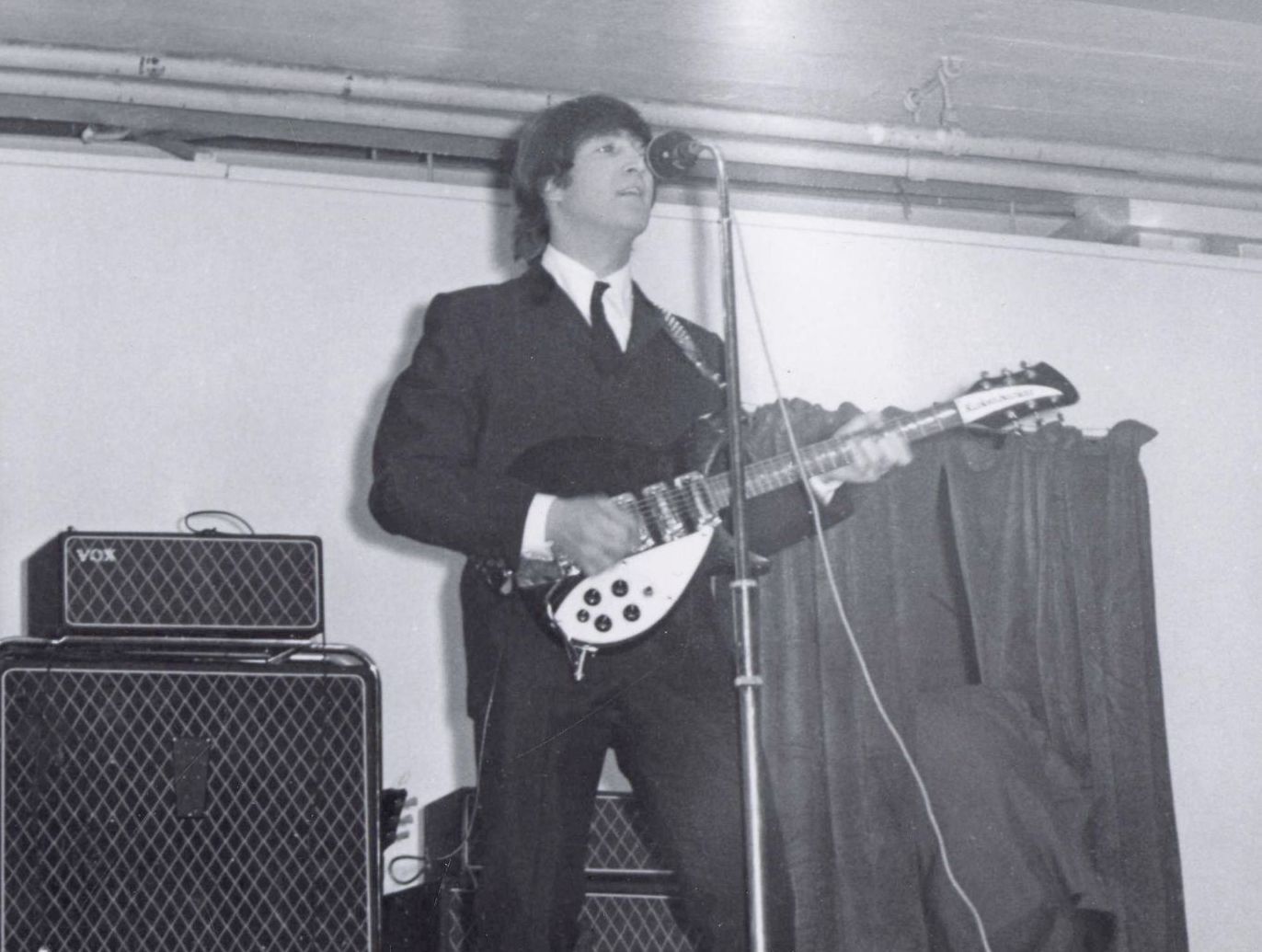
In "Beautiful Boy (Darling Boy)," John Lennon wrote: "Life is what happens to you while you are busy making other plans." But the phrase originated with American writer and cartoonist Allen Saunders, who published it in a 1957 issue of Reader's Digest ("Life is what happens to us while we are making other plans").

The line outlived everything else about the song, repeated at graduations and eulogies for decades since. Lennon was murdered shortly after the album's release, which means the song now carries a weight of hindsight neither he nor his listeners could have intended at the time.

3

"How many roads must a man walk down…"

Image: Hadrian

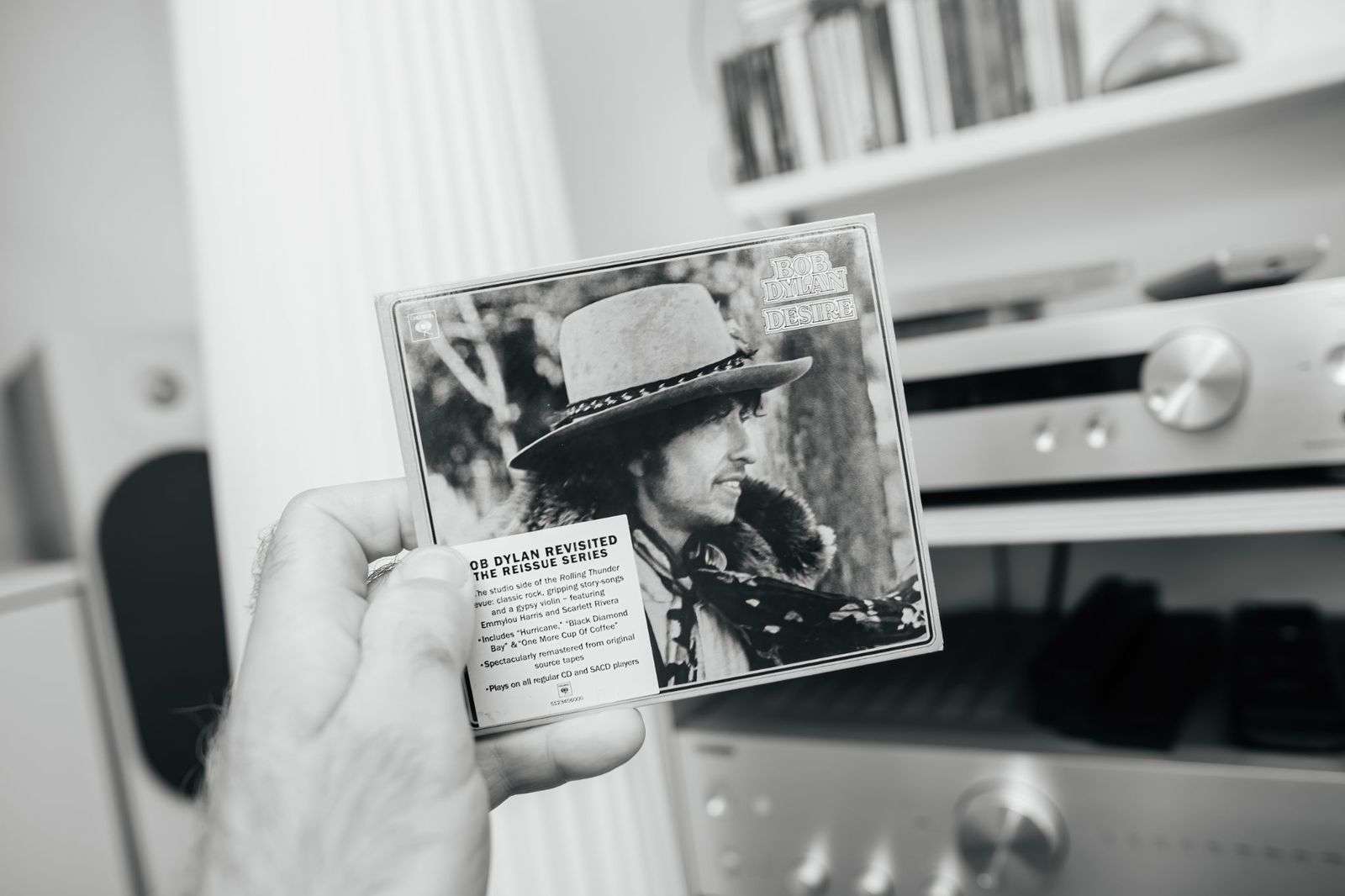
"How many roads must a man walk down before you call him a man?" A young Bob Dylan wrote "Blowin' in the Wind" in 1962. He later claimed he wrote the entire song in about ten minutes at the Gaslight Cafe in Greenwich Village, borrowing its melody from the old spiritual "No More Auction Block." He was twenty-one, barely a year into his New York career, and insisted at the time it wasn't a protest song at all.

The song never answers its questions, but keeps asking them. First published in the folk magazine Broadside in May 1962, it became the unofficial anthem of the civil rights and antiwar movements once Peter, Paul and Mary's cover shot to number two on the charts in 1963.

4

"And in the end, the love you take…"

Image: Jim Summaria, CC BY-SA 3.0, via Wikimedia Commons

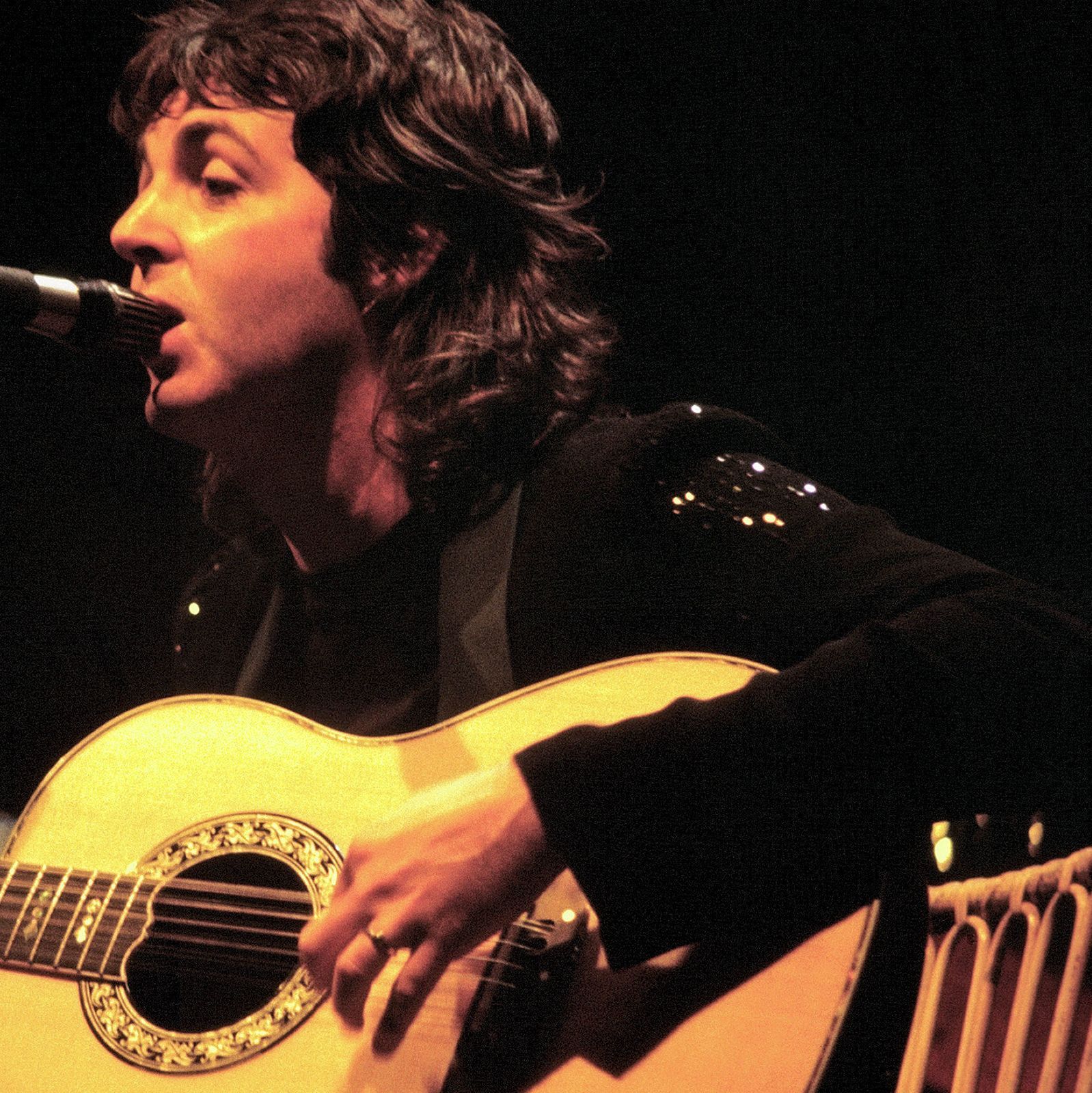
"... is equal to the love you make." This is the last song the four Beatles ever recorded together, and Paul McCartney built it deliberately as a farewell. He gave Ringo Starr his only drum solo in the band's history, a fight McCartney had to win through what he called "gentle persuasion," since Starr detested solos on principle.

For the closing line, McCartney said he'd been thinking about Shakespeare, who often ended a scene with a rhyming couplet so the audience would know it was truly over. Even John Lennon, who generally disliked the Abbey Road medley and rarely praised his old partner's work by 1980, admitted the closing thought was "a very cosmic, philosophical line."

5

"They’re sharing a drink they call loneliness…"

Image: Debby Wong

"... but it’s better than drinking alone." "Piano Man", by Billy Joel, narrates a song in which the character is real. Joel wrote it about the six months he spent playing piano under the fake name "Bill Martin" at a Los Angeles lounge called The Executive Room. Even the waitress "practicing politics" was Elizabeth Weber, the woman who'd soon become his wife.

Joel wrote it while hiding out from a record label he was desperate to escape after his debut album flopped. It became a bittersweet anthem that many people love singing with others; it seems like, as the song suggests, singing sorrows together at the bar is better than feeling them at home.

6

"I've looked at love from both sides now…"

Image: Arthur D'Amario III

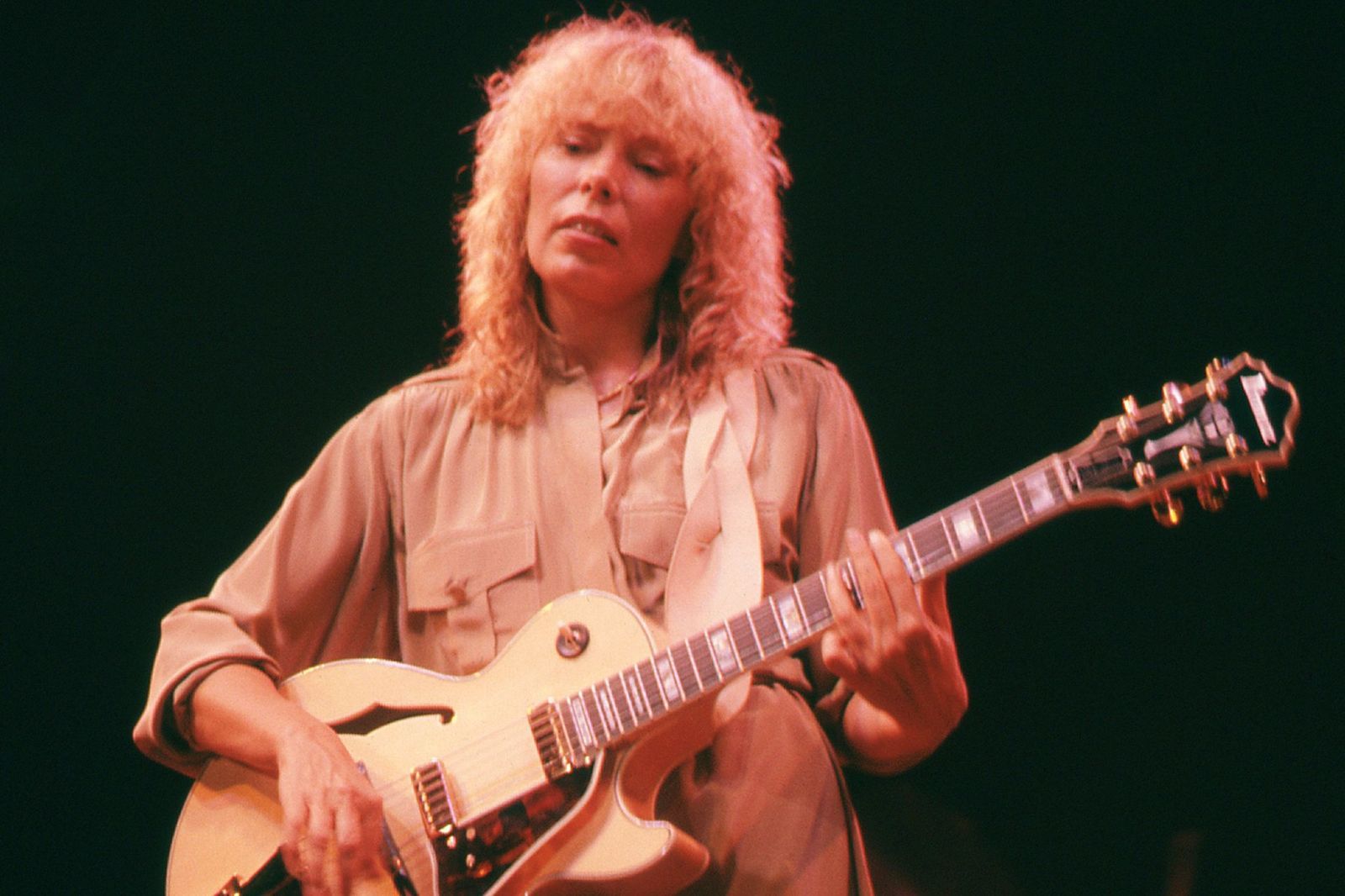
The whole song "Both Sides Now," by Joni Mitchell, is often quoted as a deeply philosophical observation of life. It concludes that some mysteries of life are as unknowable as the clouds, or love, despite accumulating experience.

When she wrote it, Mitchell had recently given up a daughter for adoption after being left by the child's father. She was twenty-three, mid-flight, after a passage in Saul Bellow's novel Henderson the Rain King described its narrator looking down at clouds from an airplane, something human eyes had only been able to do for a few decades. Judy Collins released it first in 1967 and won a Grammy for it; Mitchell's own version didn't appear until her 1969 album Clouds.

7

"I’d trade all of my tomorrows for one single yesterday"

Image: Sterling Munksgard

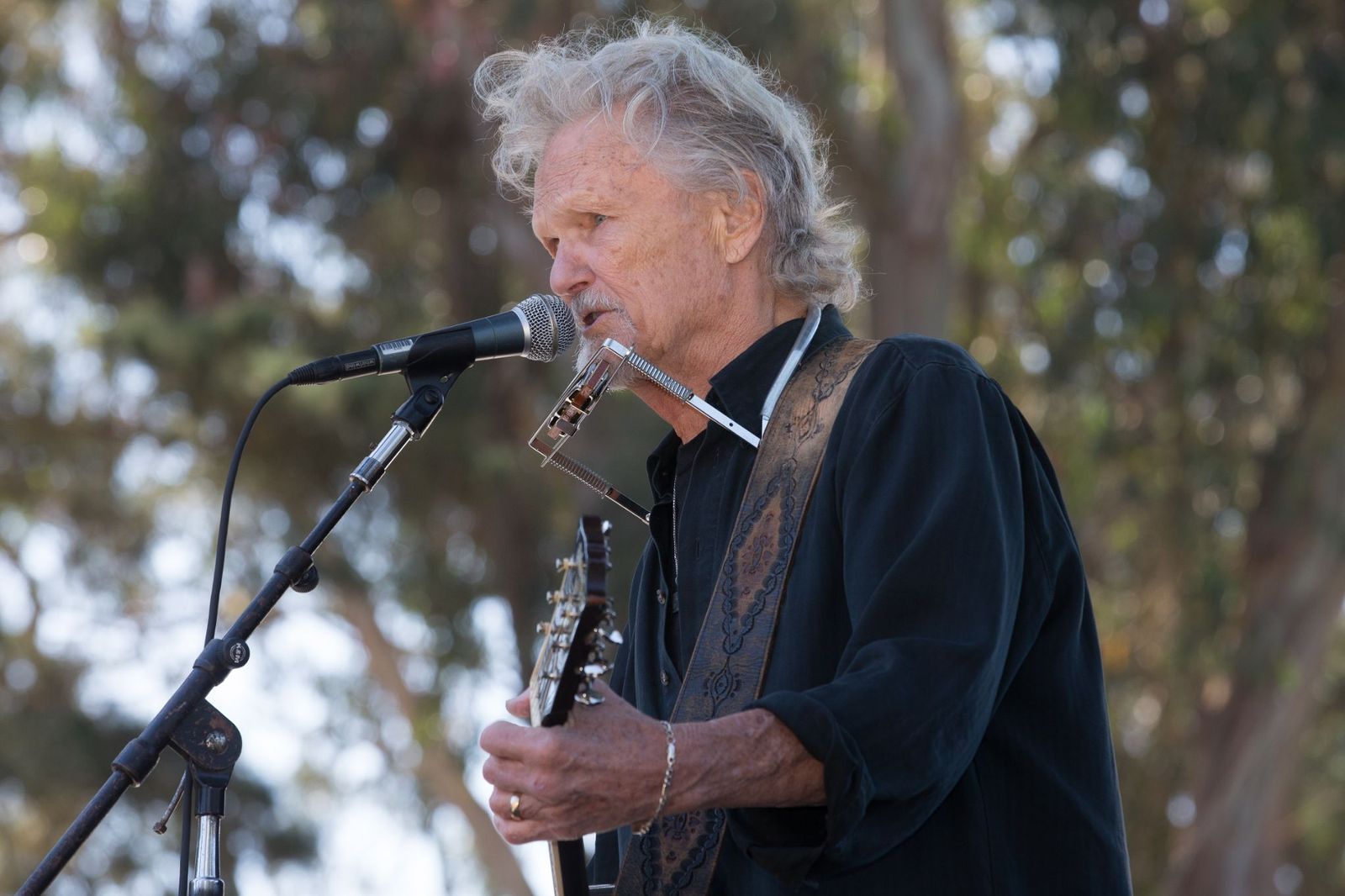
Kris Kristofferson’s song, "Me and Bobby McGee", contains one of people’s favorite quotes from song lyrics. Its title came from producer Fred Foster, who suggested Kristofferson write a song about his colleague's secretary, Barbara "Bobbie" McKee.

Its most quoted idea about freedom and loss was inspired, Kristofferson later said, by the final scene of Fellini's La Strada, in which a man realizes too late what he threw away. Roger Miller released it first, but it was Janis Joplin's posthumous 1971 recording, finished mere days before her death, that turned it into a number one hit and an accidental epitaph.

8

"But time makes you bolder, even children get older…"

Image: L Paul Mann

"... and I'm getting older too." Nicks says she wrote "Landslide" in about five minutes, sitting in a rented house in Aspen while her partner and musical collaborator, Lindsey Buckingham, was on tour rehearsing with the Everly Brothers. The song's real subject isn't romance, but the vertigo of watching time pass. She was twenty-seven, broke, working as a waitress and a cleaner, and their duo album had just been dropped by its label.

Looking at the snow on the Rockies, she found herself deciding whether to keep chasing music at all. Three months later, Mick Fleetwood heard Buckingham's guitar work on a demo and invited the pair into Fleetwood Mac, which changed their lives. The song has now aged into an anthem for anyone facing a hinge point in their own life.

9

"You can't always get what you want…"

Image: Kari Pulkkinen, Public domain, via Wikimedia Commons

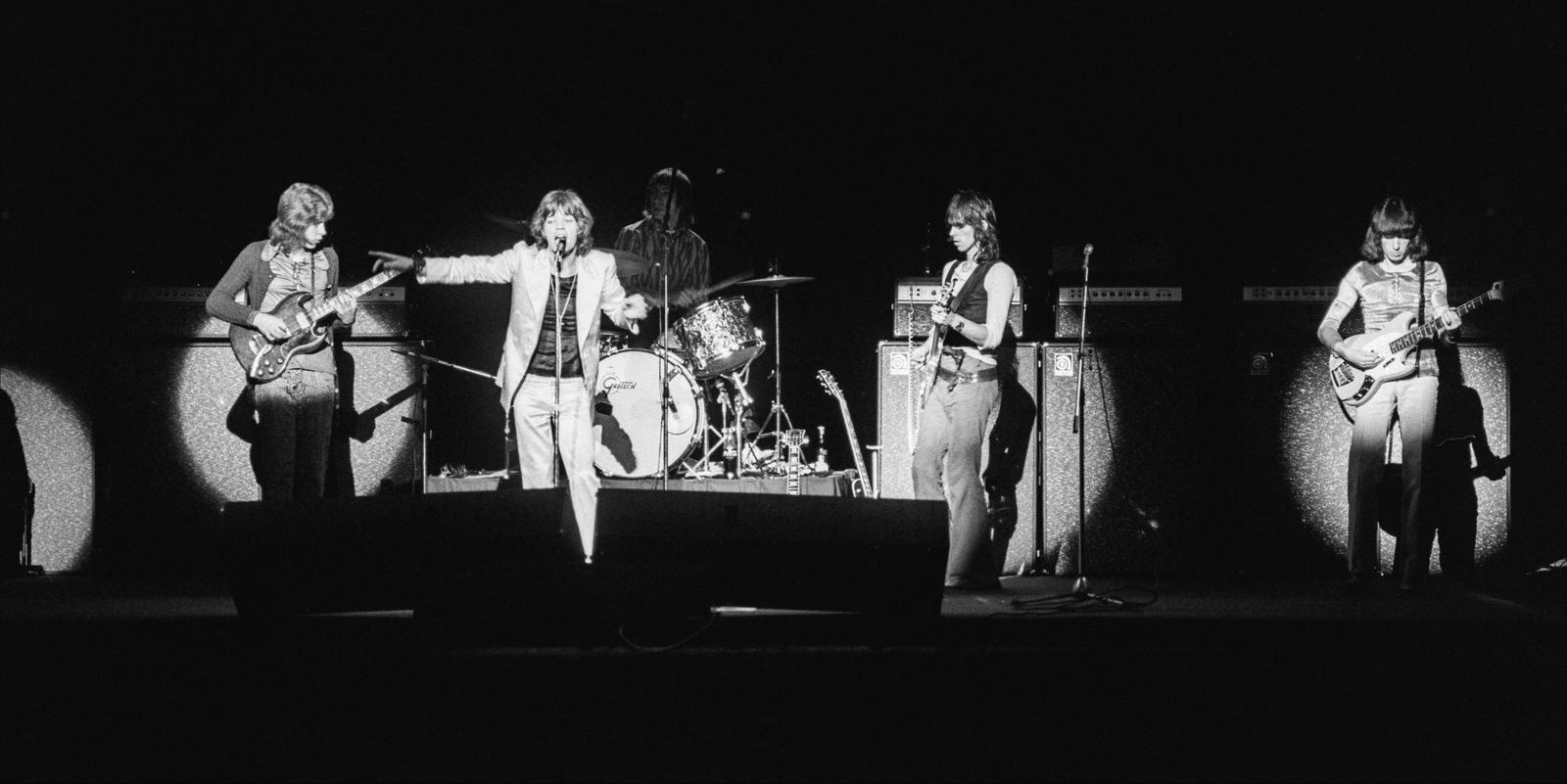
"You can't always get what you want, but if you try sometime you'll find you get what you need." Mick Jagger sketched this one alone on an acoustic guitar, calling it "one of those bedroom songs." It closed 1969's Let It Bleed just as the decade's peace-and-love optimism was cracking.

The song is upbeat and simple, and unexpectedly insists on an idea of acceptance or surrender that has more to do with Stoic philosophy than with pop rock optimism. But the listeners liked it, and many quote it often.

10

"There is a crack in everything…"

Image: Route66

"...that's how the light gets in." Leonard Cohen worked on "Anthem" for roughly a decade, discarding draft after draft, before it finally appeared on his 1992 album The Future. He wasn't a man given to explaining his own lyrics, having spent years training as an ordained Zen Buddhist monk and generally preferring silence to self-analysis.

But "Anthem" has the clearest statement of a philosophy he'd circled his entire career: that brokenness can give way to grace. It has since been invoked by human rights activists, quoted at protests, and performed at civic ceremonies.

Looking for an extra scoop of literary fun?

Learn more with our Word of the day

jejune

/dʒəˈdʒun/