The 10 books that changed us (and still do)


Published on July 16, 2026


Image: Mike_shots

Accepting death as part of life, that growing up is painful, and that love is often what saves us are just a few of the lessons these stories bring, through tears and laughter. For those of you who have been lucky enough to read these gems, this is a chance to rediscover them. For those of you who have yet to encounter some of these books, here are the powerful lessons they offer.

1

"To Kill a Mockingbird" and moral courage
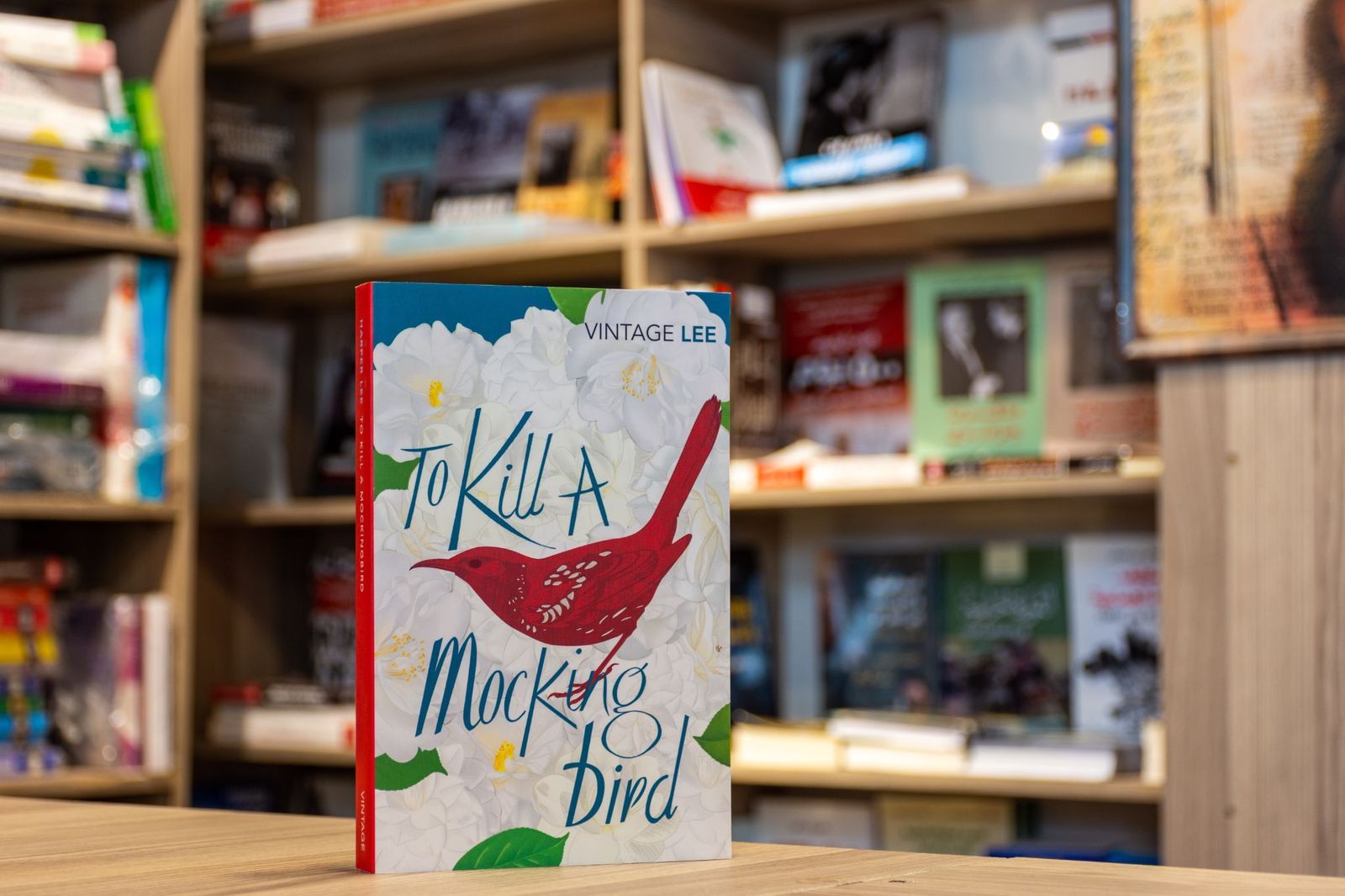
Image: hamdi bendali

"To Kill a Mockingbird" is a classic 1960 novel by American writer Harper Lee. It is a coming-of-age story set in Alabama during the Great Depression. The plot follows a young girl named Scout, as her lawyer father, Atticus, defends a Black man who is falsely accused of a crime.

The book has many powerful lessons, and moral courage is key. The story shows how racism and unfair judgment can hurt innocent people. The mockingbird is the symbol of innocence, since Atticus teaches his children that they must never kill one because these birds don’t harm anyone; they only make beautiful music.

2

"The Catcher in the Rye" and teenage voice
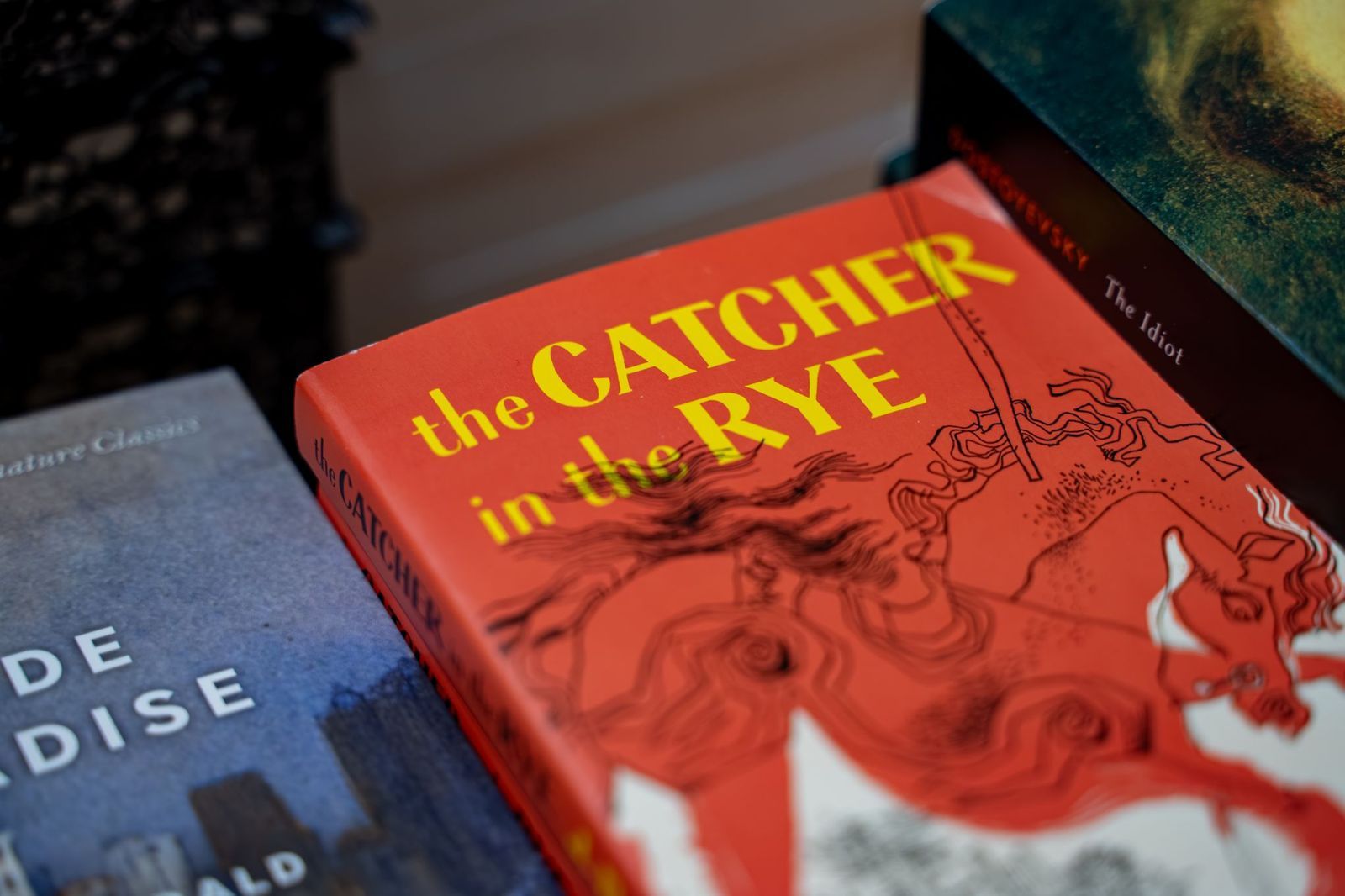
Image: Erman Gunes

"The Catcher in the Rye" is a 1951 novel by American writer J.D. Salinger. It follows Holden Caulfield, a troubled 16-year-old who is expelled from boarding school just before the Christmas holidays. During this time, he wanders the streets of New York alone, searching for a real connection as he deals with growing up.

The core message centers on how teenagers really think, through everyday slang, while reflecting on the adult world, which Holden considers full of "phonies" who fake it to fit in. The angst of feeling lonely and like an outsider is central. Holden also wants to protect the innocence of children and imagines being the "catcher in the rye" who saves children from falling off a cliff while they play in a rye field.

3

"The Outsiders" and belonging & identity

Image: BERMIX STUDIO

"The Outsiders" is a 1967 novel by American author S.E. Hinton that defined the young adult (YA) literary genre. It is a story about a group of teens divided by class. It follows two different groups: the "Greasers" (poor kids) and the "Socs" (rich kids) living in Tulsa, Oklahoma, during the 1960s.

The plot centers around Ponyboy Curtis, who is 14 years old and discovers that people are much more than their social labels. The story is an iconic representation of the raw emotional challenges, social divides, and search for identity that occurs during adolescence.

4

"1984" and the fear of control

Image: Jeff Whyte

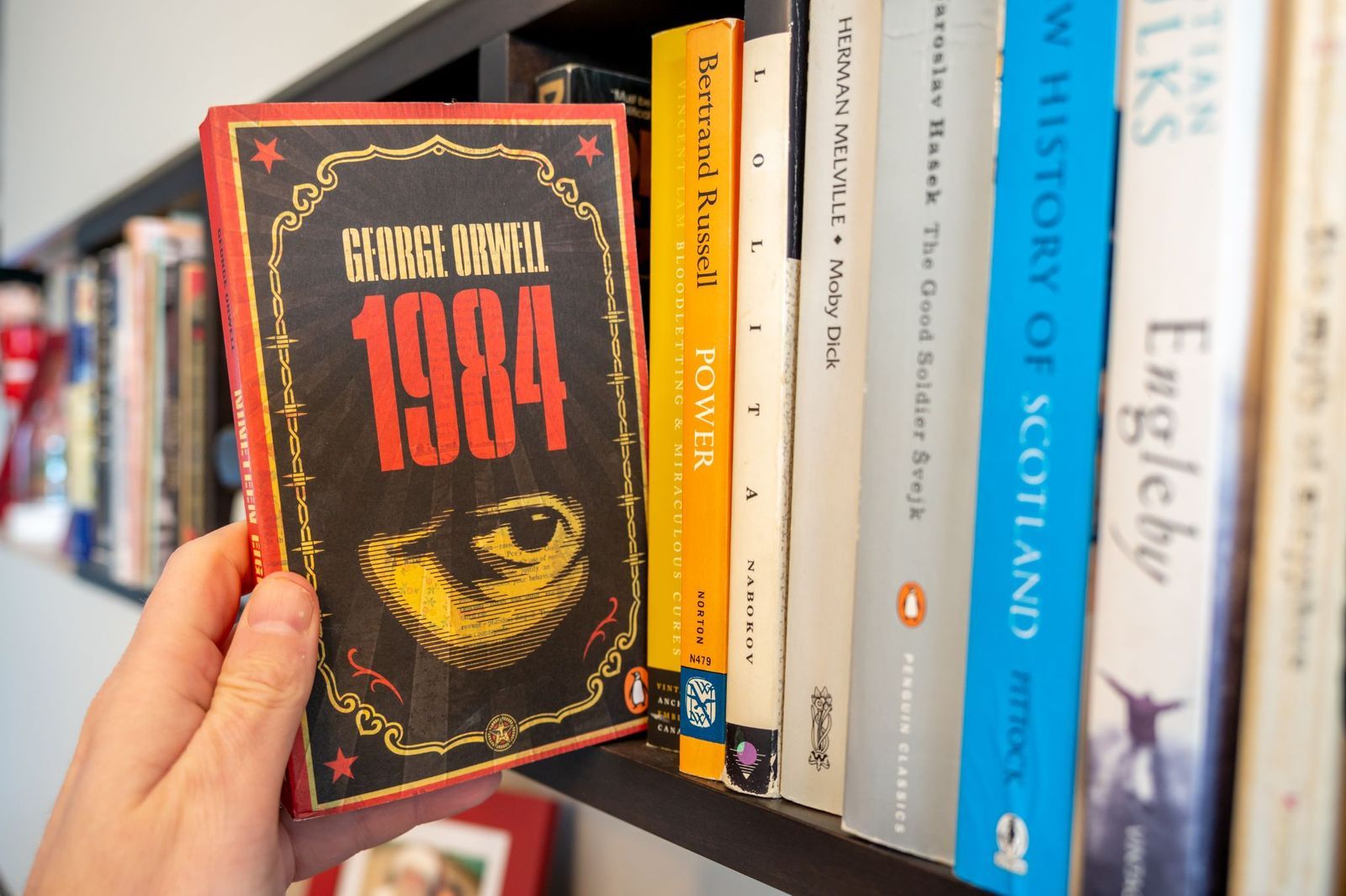
"1984" is a 1949 dystopian novel by English writer George Orwell. It is set in a totalitarian regime where the Party is led by the omnipresent figure known as Big Brother, who exercises extreme control over everyday life, including "thoughtcrime" (questioning those in power is already a crime) and "newspeak" (the destruction of old words so rebellious ideas are impossible).

It remains one of the most important novels of human history. It is a horrifying warning about what happens when a government has too much power, including control of truth, language, and even privacy. Its message is considered by many a crucial reminder to stay vigilant and protect our personal freedoms.

5

"Animal Farm" and political allegory

Image: Steve Travelguide

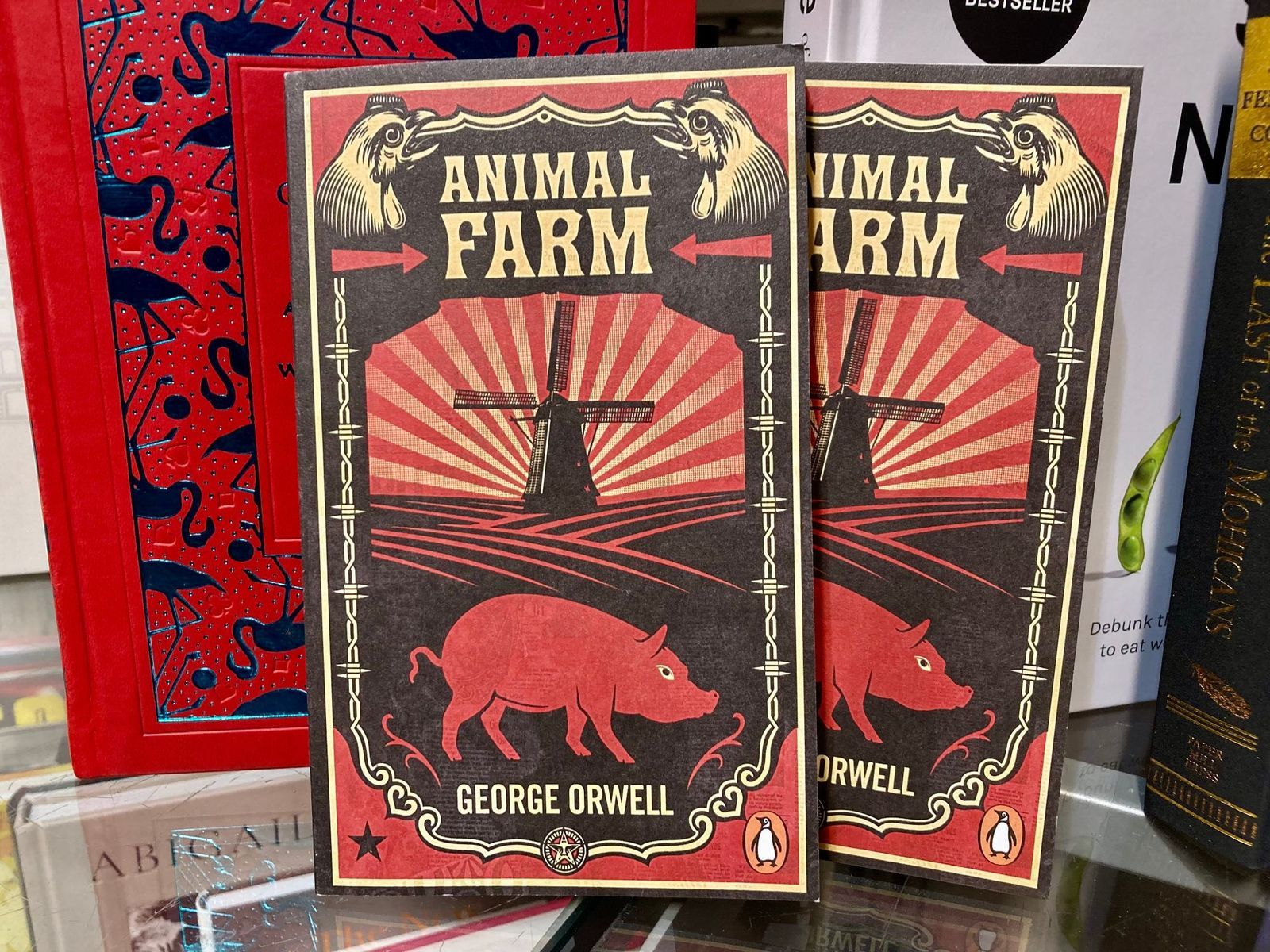
"Animal Farm" is another novel written by British author George Orwell in 1945. It is an allegorical novella that puts farm animals center stage, as they seek to overthrow their tyrannical human farmer. The aim was to create an equal society, but the revolution ended up being betrayed by the pigs that led a dictatorship as ruthless as the humans'.

It is a satire of the 1917 Russian Revolution, alongside the rise of Stalinism in the Soviet Union. Each animal represents different leaders and groups, such as the Pigs who signify Stalin and Trotsky, the loyal, hard-working Horse who symbolizes the working class, and Mr. Jones, who represents the dethroned monarch, Tsar Nicholas Romanov II.

6

"The Great Gatsby" and the American Dream
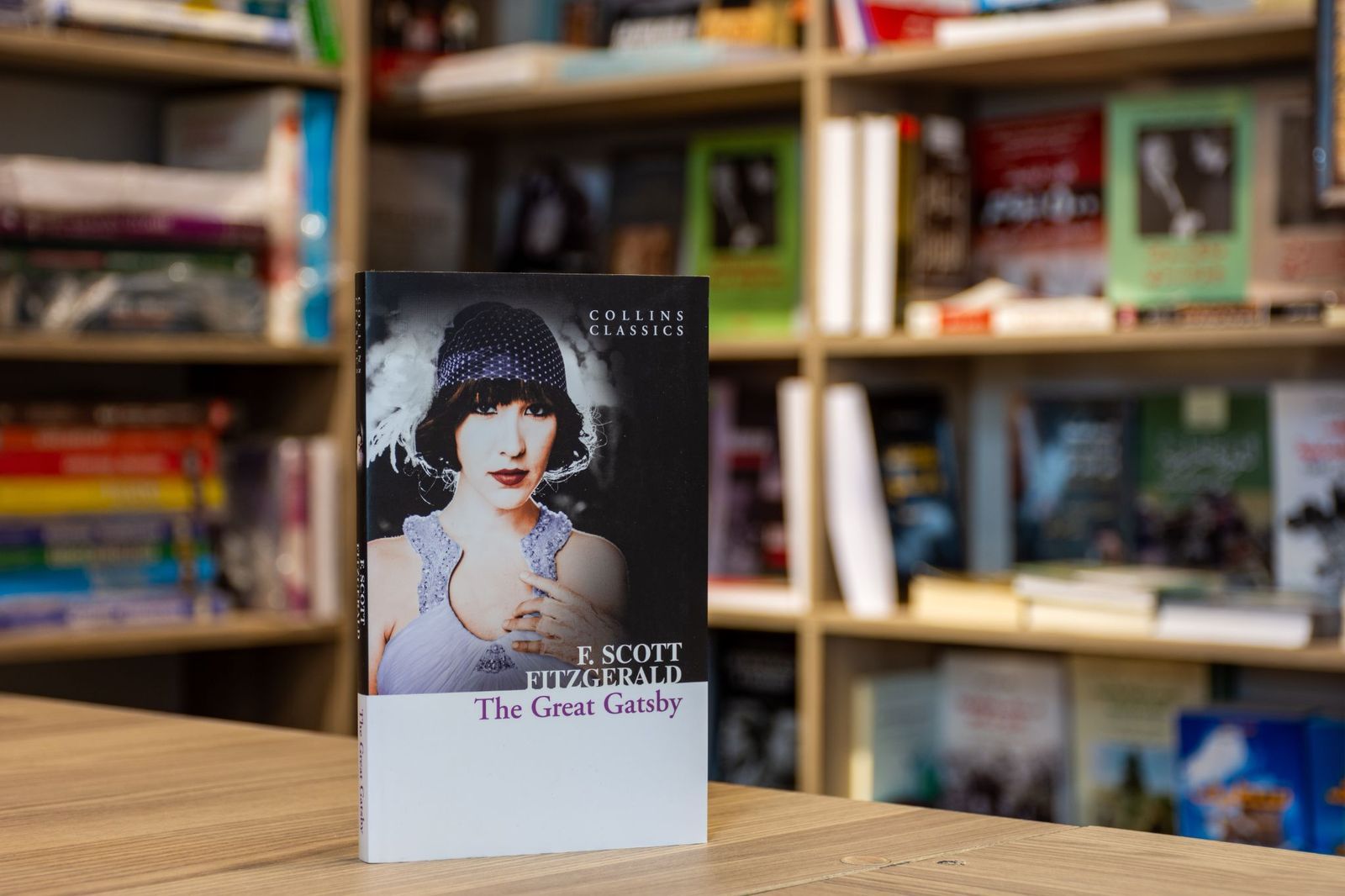
Image: hamdi bendali

"The Great Gatsby" is a 1925 novel by American author F. Scott Fitzgerald. It is set in the 1920s in New York, and it's told by Nick Carraway, who moves next door to an intriguing, newly rich man named Jay Gatsby. Gatsby is completely obsessed with reclaiming his long-lost love, Daisy Buchanan, who is trapped in a marriage to Tom, by throwing lavish parties to win her back; this pursuit ends in betrayal and death.

Throughout the story, themes such as love and greed are explored, exposing the dark side of the Roaring Twenties and the pursuit of wealth. To this day, it remains a warning that the limitless desire for money can corrupt even our deepest dreams.

7

"Pride and Prejudice" and wit in relationships
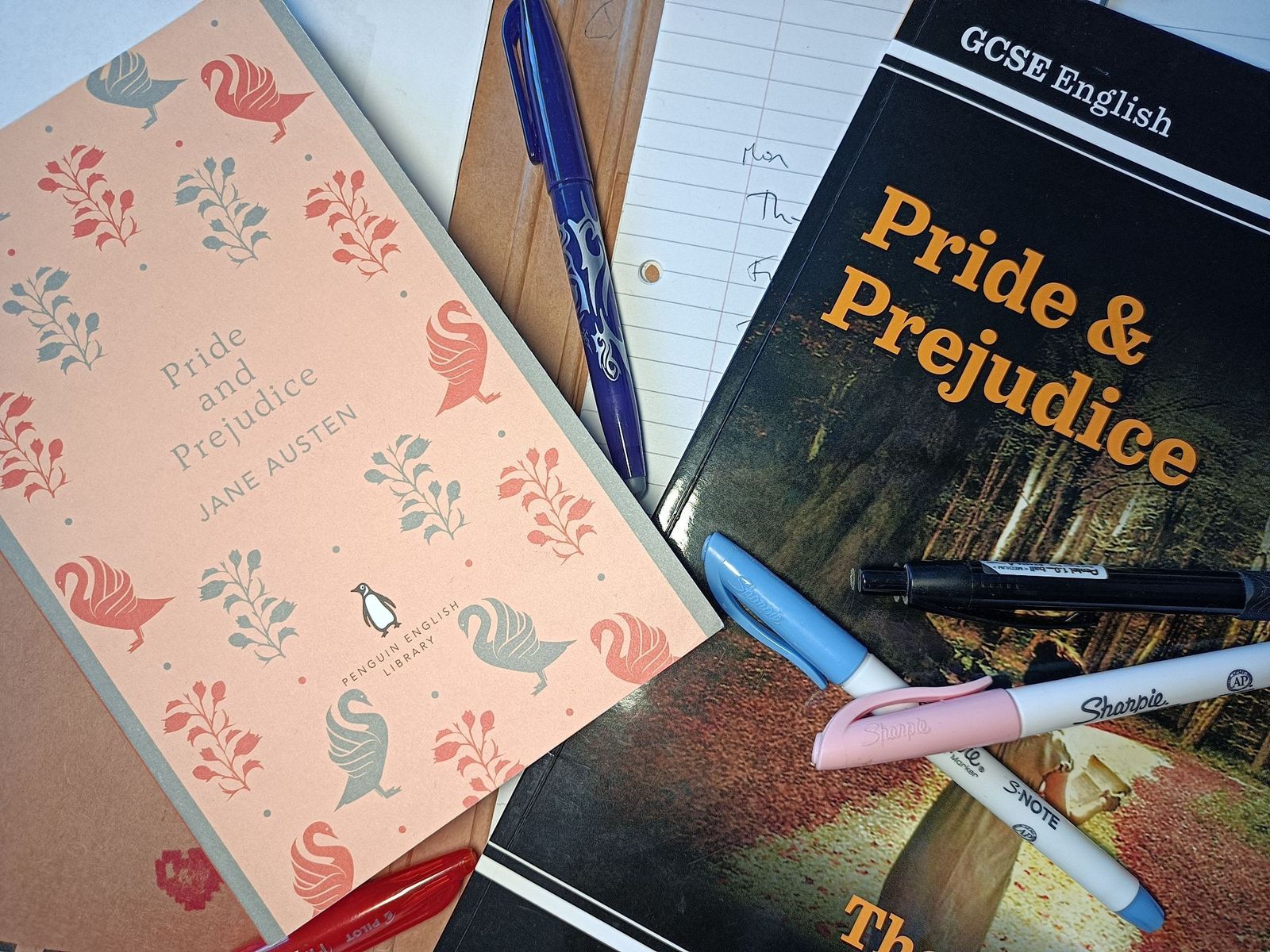
Image: Wirestock Creators

"Pride and Prejudice" is a novel first published in 1813 by British author Jane Austen. This romantic story follows sharp Elizabeth Bennet and wealthy, quiet Mr. Darcy. Each of them must overcome their personal flaws of pride and prejudice to stand a chance at falling in love and getting married.

It has become a cultural touchstone by showcasing something that affects us all: how people misjudge others based on first impressions, wealth, and social status. As each character faces family drama, social rules, and personal mistakes, they learn to look past their flaws to find true love.

8

"Little Women" and timeless family values
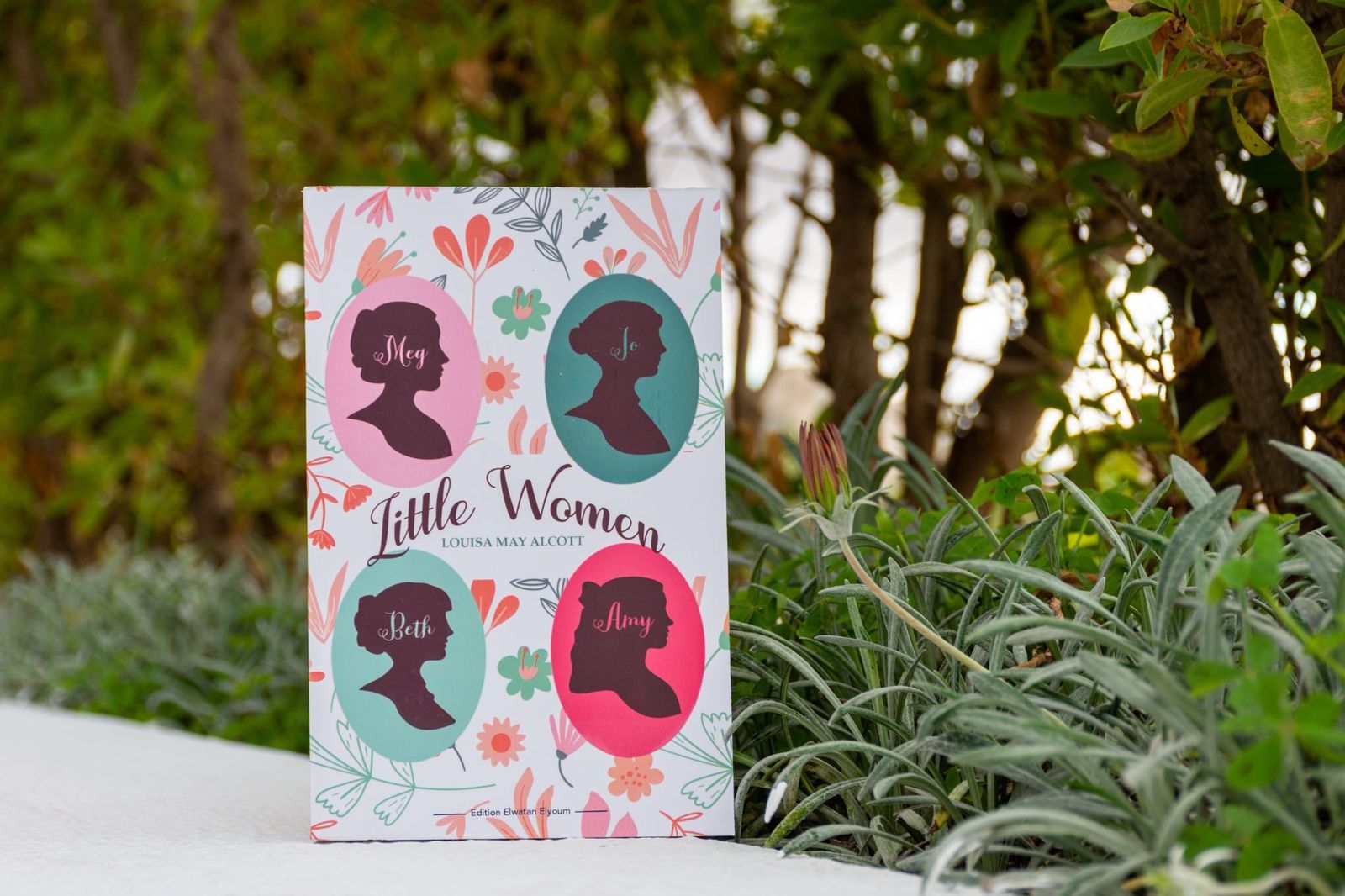
Image: hamdi bendali

"Little Women" is a novel by American writer Louisa May Alcott, originally published in two volumes in 1868 and 1869. Set in the 1860s in Massachusetts during the Civil War, it follows the lives of four sisters: Meg, Jo, Beth, and Amy March, as they learn about love, loss, poverty, and the importance of family.

It’s considered a timeless coming-of-age classic because, for many readers, it is a realistic portrayal of what growing up is about. The March sisters are far from perfect, and each one makes mistakes that they then learn from. It is also a foundational text on female ambition, giving a voice to young women and showing that their daily lives, feelings, and dreams matter too.

9

"Jane Eyre" and inner strength & independence
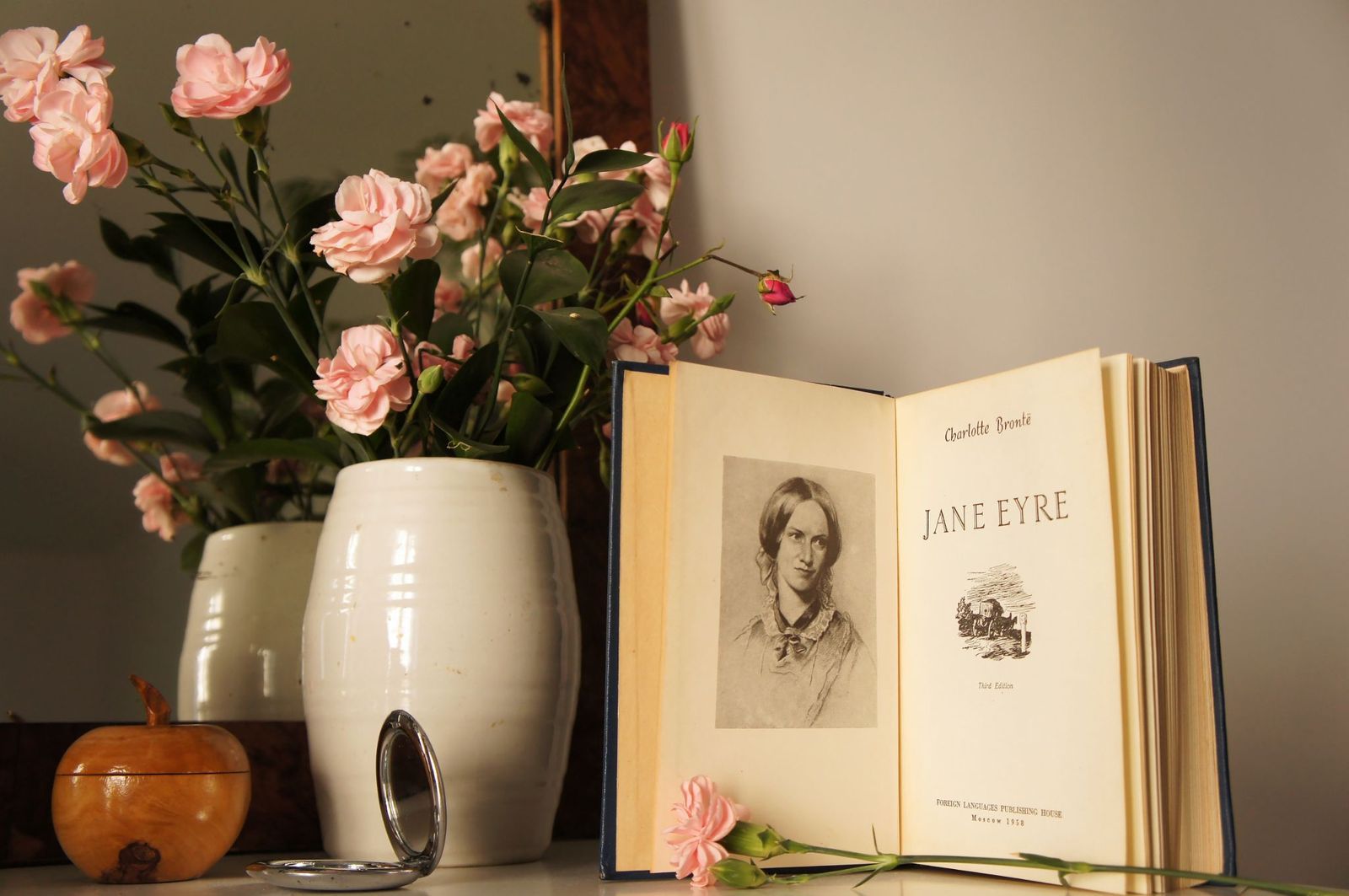
Image: marhus

"Jane Eyre" is a classic 1847 novel by British author Charlotte Brontë, written under the pen name Currer Bell. This story centers on an orphan named Jane and her experiences. The school she goes to is harsh, and she faces a cruel childhood. Later on, she begins to work as a governess (teacher) at a mysterious estate known as "Thornfield Hall", where she falls in love with her moody boss, Mr. Rochester.

This story revolutionized literature as it is the first novel to focus on the moral and spiritual growth of a young woman who wasn’t rich, passive, or traditionally beautiful. The main character, Jane, finds purpose in becoming a governess after all the hardships she endured and fights for her dignity and independence, refusing to settle for anyone who doesn’t see her as an equal, prioritizing herself over love.

10

"Charlotte’s Web" and emotional storytelling
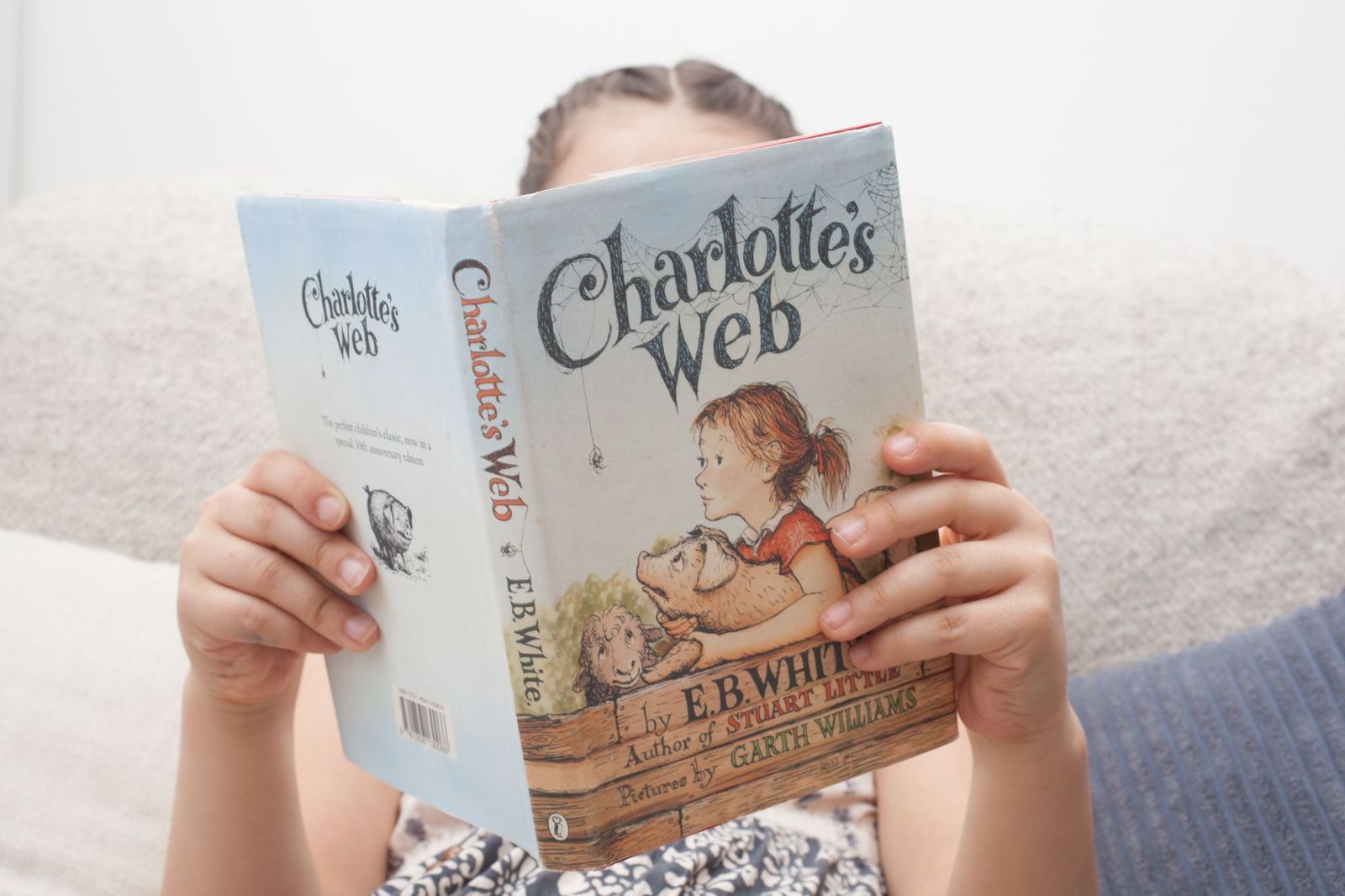
Image: Ben Molyneux

"Charlotte’s Web" is a 1952 children’s novel by American author E.B. White, illustrated by Garth Williams. It tells the story of a sweet pig named Wilbur who is saved from slaughter and befriends clever Charlotte, a spider who writes words in her web to save his life. In doing so, this book explores universal themes such as friendship, loyalty, and the inevitable cycle of life.

It is a timeless masterpiece that stands out for its simple prose, offering deep lessons about life and loss, including how simple acts can save the world, and Charlotte's words show how the way we speak about others matters. Wilbur once asked Charlotte why she did all of this for him, and she replied: "By helping you, perhaps I was trying to lift up my life a trifle. Heaven knows anyone’s life can stand a bit of that."

Beloved lyrics

"For what is a man?": Some of the wisest lyric lines ever written


Published on July 16, 2026


Image: Hanna-J

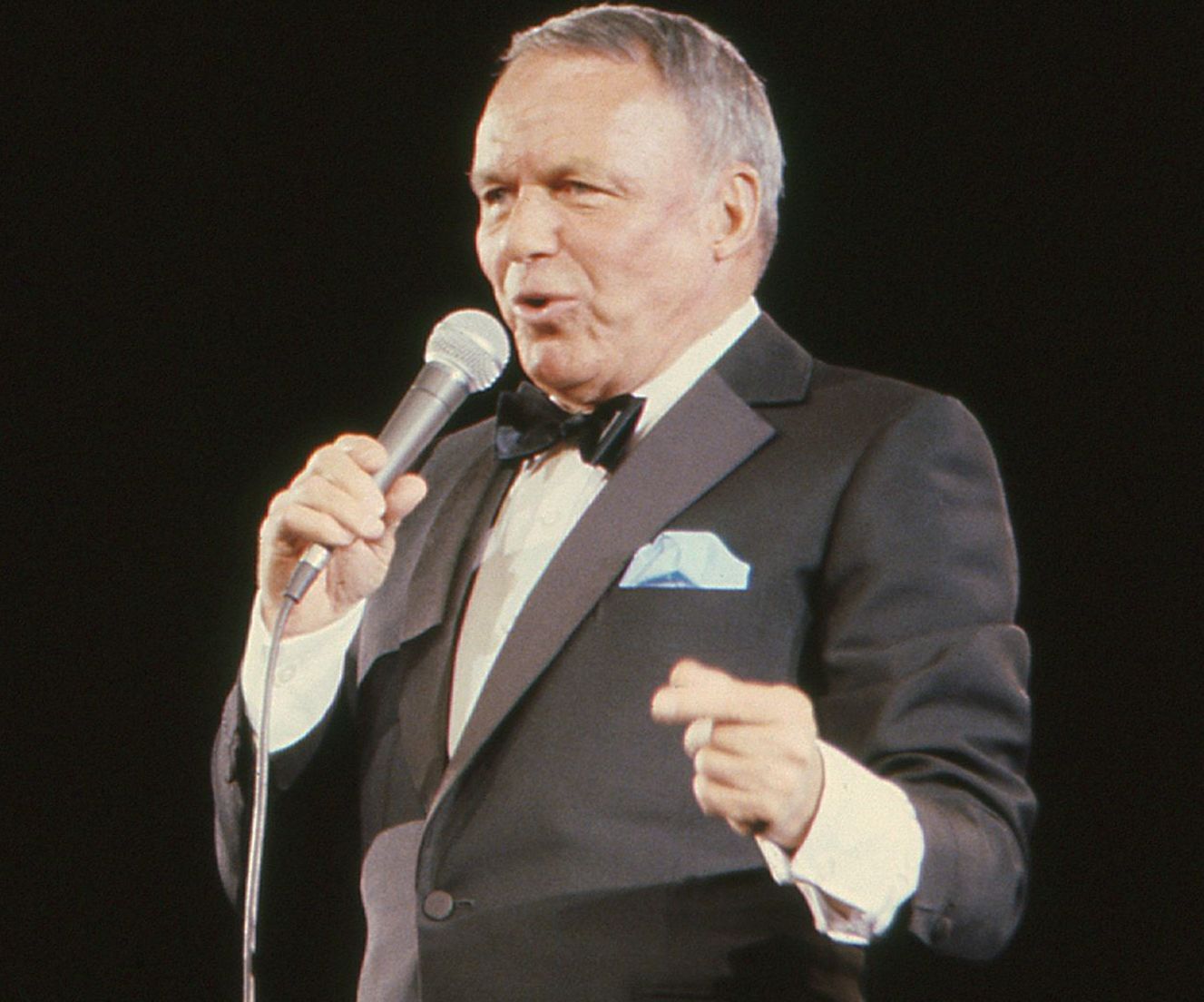
Paul Anka was terrified when he sat down to write the lyrics for a song that Frank Sinatra would be singing. Jokingly, he started with a dramatic, "And now, the end is near…" The rest is history. Who are the people who pen the words that others will spend decades repeating? How did they come up with words so precise and true that listeners would compare them with those of great philosophers? Here are 10 of people’s favorite lyrics of all time, decoded.

1

"For what is a man? What has he got?"

Image: Arthur D'Amario III

"For what is a man? What has he got? If not himself, then he has naught." The melody of "My Way" wasn't originally American. It began as a French song called Comme d'habitude, a number about a couple stuck in a stale marriage. Paul Anka heard it on the radio while in France and bought the rights on the spot, before he had any use for it.

That use arrived at a dinner in Miami, when Sinatra told him, almost in passing, that he was quitting the business. Anka flew home, sat down at a typewriter, and spent one night writing lyrics as if Sinatra himself were speaking them. Sinatra recorded it in two takes and later called it his "national anthem," and many agreed; Anka had written the exact words one wants to belt while closing an episode of their life.

2

"Life is what happens to you…"

Image: Public Record Office of Northern Ireland, No restrictions, via Wikimedia Commons

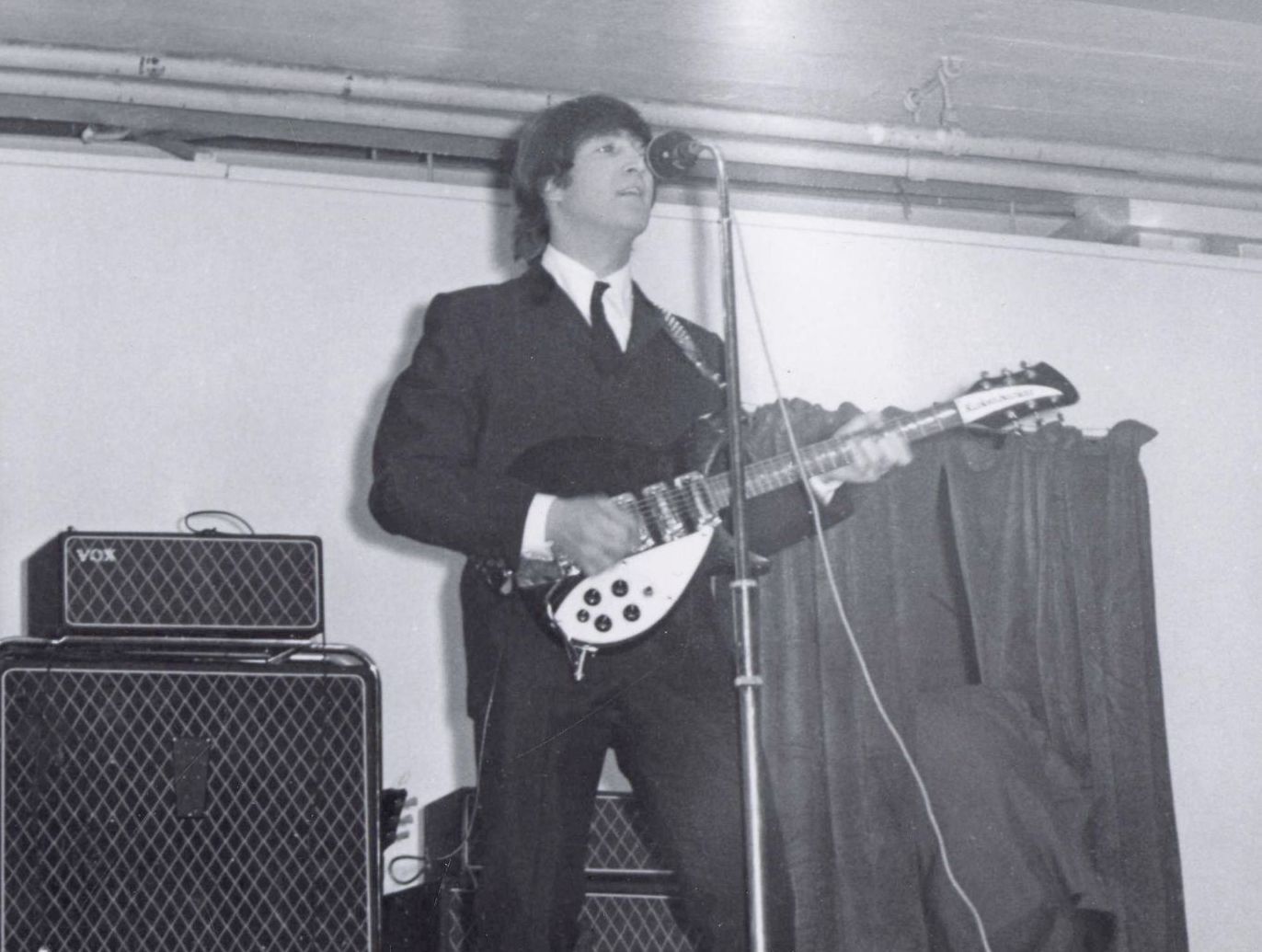
In "Beautiful Boy (Darling Boy)," John Lennon wrote: "Life is what happens to you while you are busy making other plans." But the phrase originated with American writer and cartoonist Allen Saunders, who published it in a 1957 issue of Reader's Digest ("Life is what happens to us while we are making other plans").

The line outlived everything else about the song, repeated at graduations and eulogies for decades since. Lennon was murdered shortly after the album's release, which means the song now carries a weight of hindsight neither he nor his listeners could have intended at the time.

3

"How many roads must a man walk down…"

Image: Hadrian

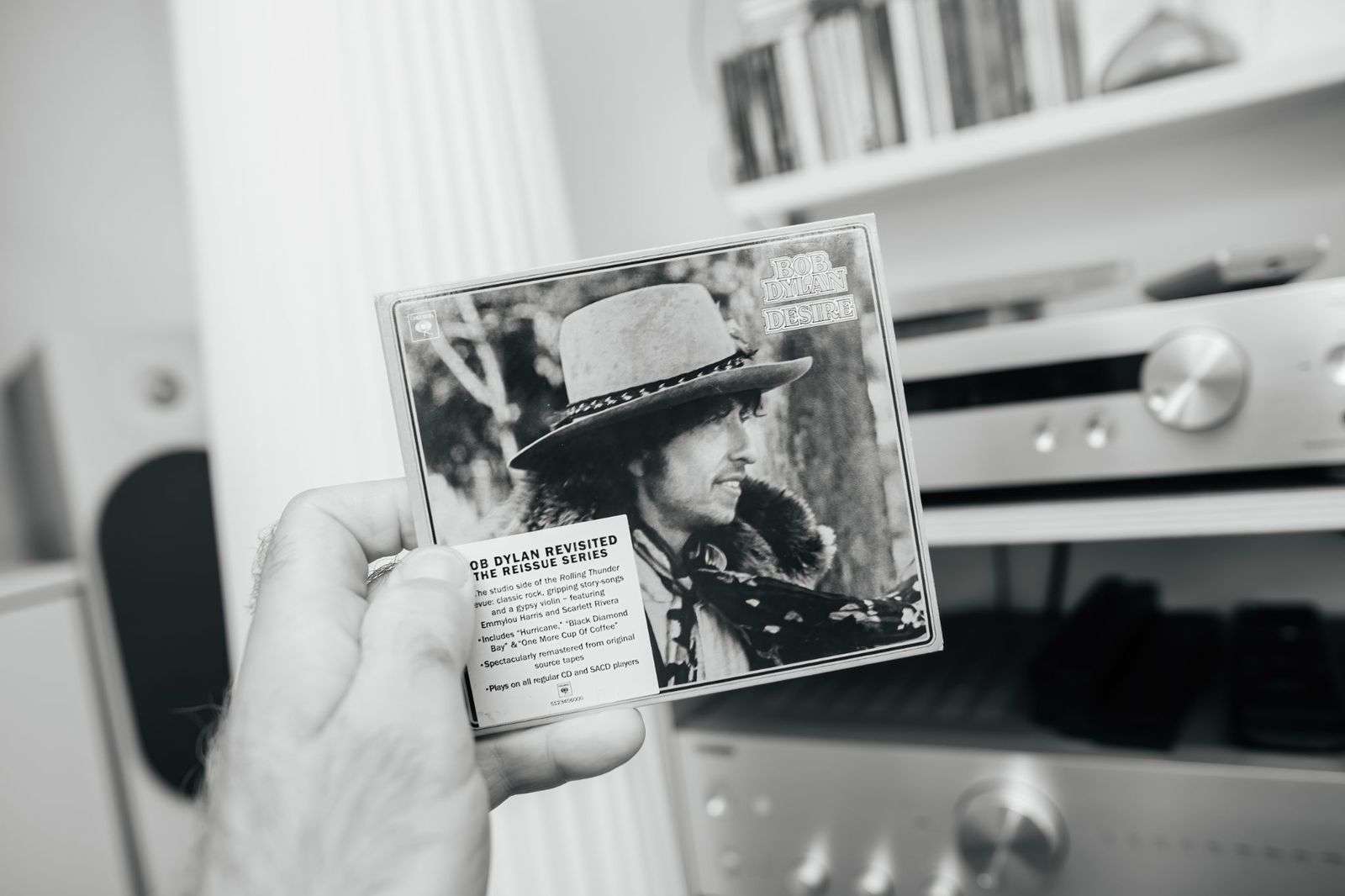
"How many roads must a man walk down before you call him a man?" A young Bob Dylan wrote "Blowin' in the Wind" in 1962. He later claimed he wrote the entire song in about ten minutes at the Gaslight Cafe in Greenwich Village, borrowing its melody from the old spiritual "No More Auction Block." He was twenty-one, barely a year into his New York career, and insisted at the time it wasn't a protest song at all.

The song never answers its questions, but keeps asking them. First published in the folk magazine Broadside in May 1962, it became the unofficial anthem of the civil rights and antiwar movements once Peter, Paul and Mary's cover shot to number two on the charts in 1963.

4

"And in the end, the love you take…"

Image: Jim Summaria, CC BY-SA 3.0, via Wikimedia Commons

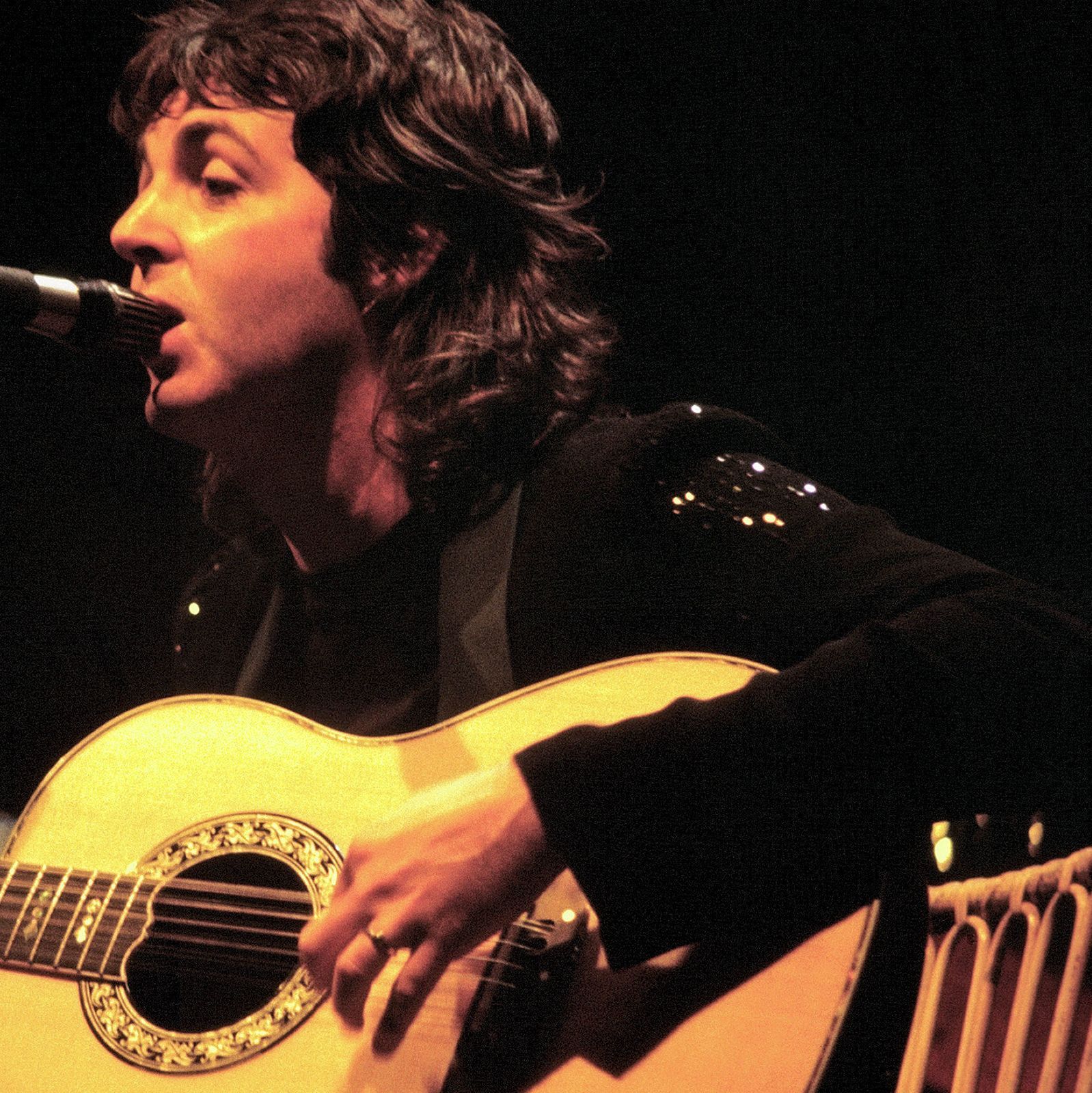
"... is equal to the love you make." This is the last song the four Beatles ever recorded together, and Paul McCartney built it deliberately as a farewell. He gave Ringo Starr his only drum solo in the band's history, a fight McCartney had to win through what he called "gentle persuasion," since Starr detested solos on principle.

For the closing line, McCartney said he'd been thinking about Shakespeare, who often ended a scene with a rhyming couplet so the audience would know it was truly over. Even John Lennon, who generally disliked the Abbey Road medley and rarely praised his old partner's work by 1980, admitted the closing thought was "a very cosmic, philosophical line."

5

"They’re sharing a drink they call loneliness…"

Image: Debby Wong

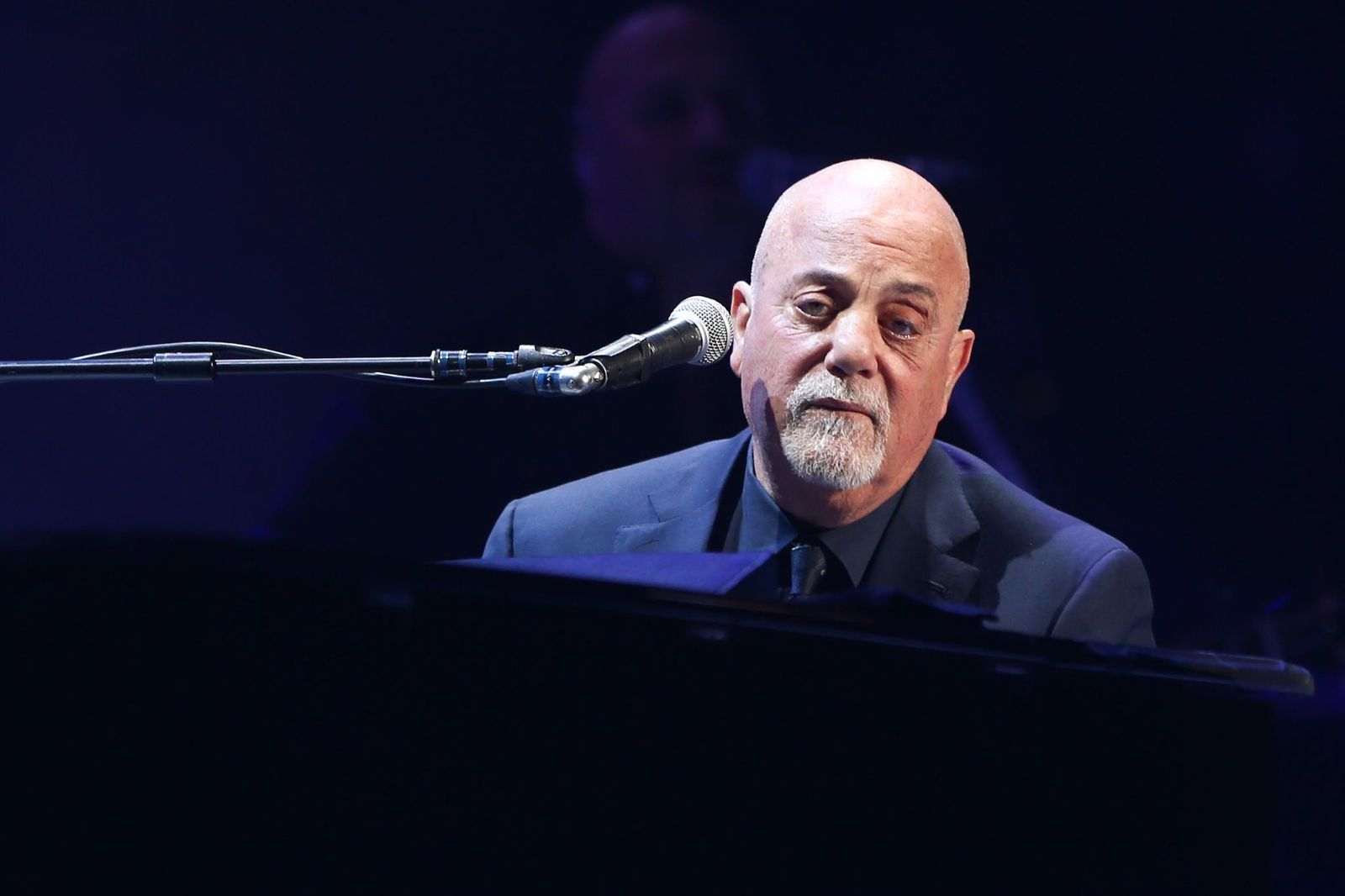
"... but it’s better than drinking alone." "Piano Man", by Billy Joel, narrates a song in which the character is real. Joel wrote it about the six months he spent playing piano under the fake name "Bill Martin" at a Los Angeles lounge called The Executive Room. Even the waitress "practicing politics" was Elizabeth Weber, the woman who'd soon become his wife.

Joel wrote it while hiding out from a record label he was desperate to escape after his debut album flopped. It became a bittersweet anthem that many people love singing with others; it seems like, as the song suggests, singing sorrows together at the bar is better than feeling them at home.

6

"I've looked at love from both sides now…"

Image: Arthur D'Amario III

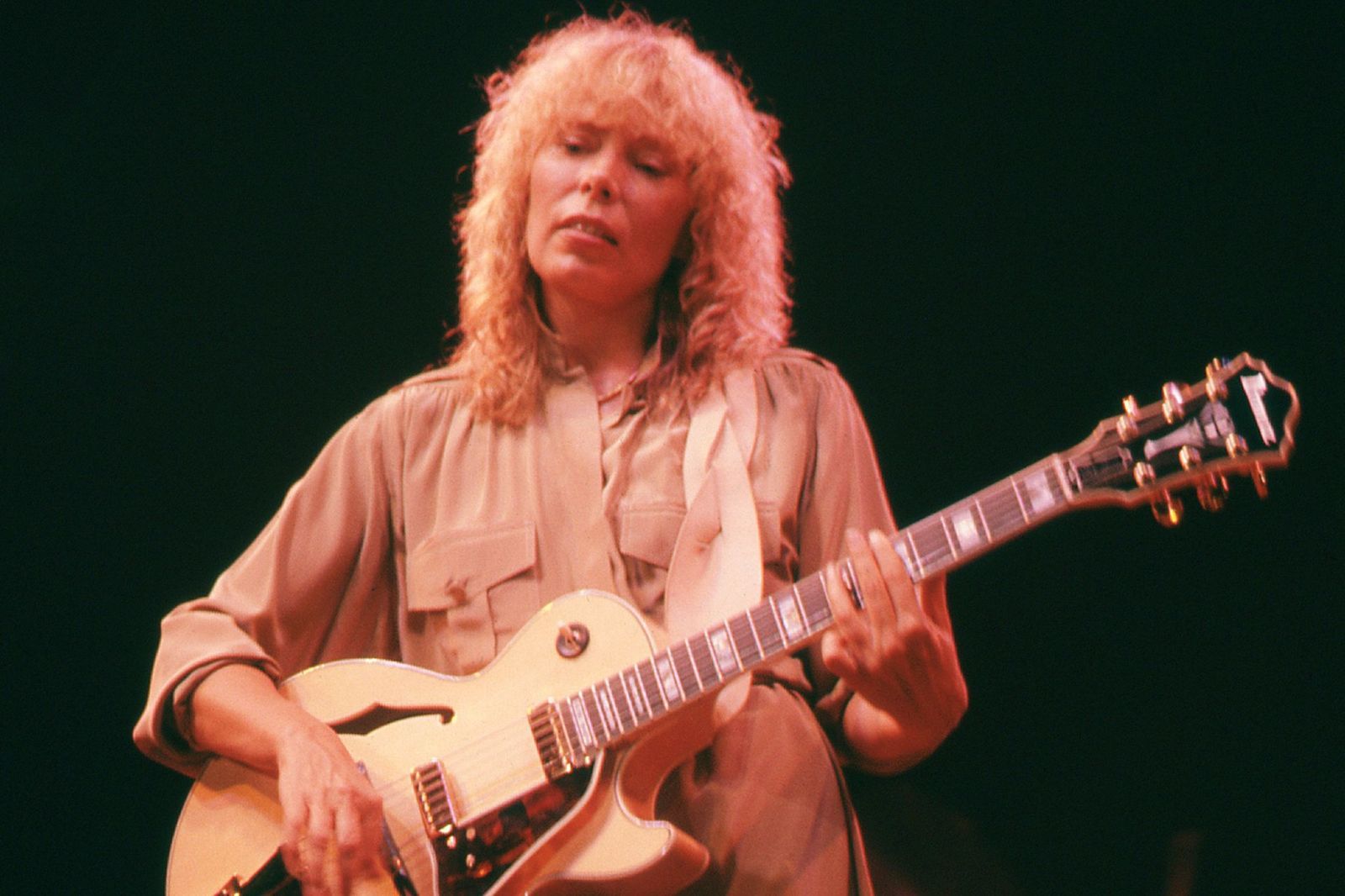
The whole song "Both Sides Now," by Joni Mitchell, is often quoted as a deeply philosophical observation of life. It concludes that some mysteries of life are as unknowable as the clouds, or love, despite accumulating experience.

When she wrote it, Mitchell had recently given up a daughter for adoption after being left by the child's father. She was twenty-three, mid-flight, after a passage in Saul Bellow's novel Henderson the Rain King described its narrator looking down at clouds from an airplane, something human eyes had only been able to do for a few decades. Judy Collins released it first in 1967 and won a Grammy for it; Mitchell's own version didn't appear until her 1969 album Clouds.

7

"I’d trade all of my tomorrows for one single yesterday"

Image: Sterling Munksgard

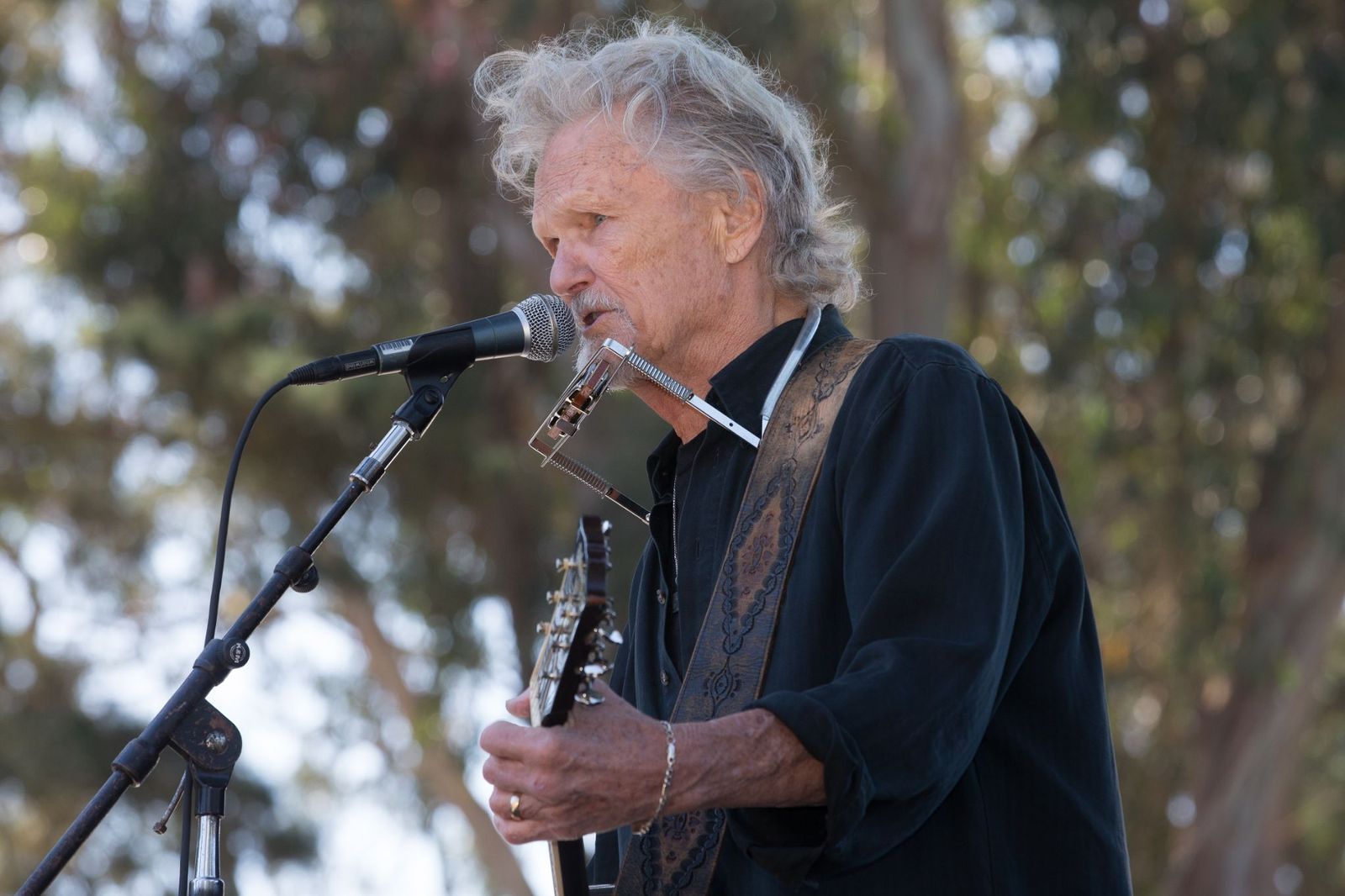
Kris Kristofferson’s song, "Me and Bobby McGee", contains one of people’s favorite quotes from song lyrics. Its title came from producer Fred Foster, who suggested Kristofferson write a song about his colleague's secretary, Barbara "Bobbie" McKee.

Its most quoted idea about freedom and loss was inspired, Kristofferson later said, by the final scene of Fellini's La Strada, in which a man realizes too late what he threw away. Roger Miller released it first, but it was Janis Joplin's posthumous 1971 recording, finished mere days before her death, that turned it into a number one hit and an accidental epitaph.

8

"But time makes you bolder, even children get older…"

Image: L Paul Mann

"... and I'm getting older too." Nicks says she wrote "Landslide" in about five minutes, sitting in a rented house in Aspen while her partner and musical collaborator, Lindsey Buckingham, was on tour rehearsing with the Everly Brothers. The song's real subject isn't romance, but the vertigo of watching time pass. She was twenty-seven, broke, working as a waitress and a cleaner, and their duo album had just been dropped by its label.

Looking at the snow on the Rockies, she found herself deciding whether to keep chasing music at all. Three months later, Mick Fleetwood heard Buckingham's guitar work on a demo and invited the pair into Fleetwood Mac, which changed their lives. The song has now aged into an anthem for anyone facing a hinge point in their own life.

9

"You can't always get what you want…"

Image: Kari Pulkkinen, Public domain, via Wikimedia Commons

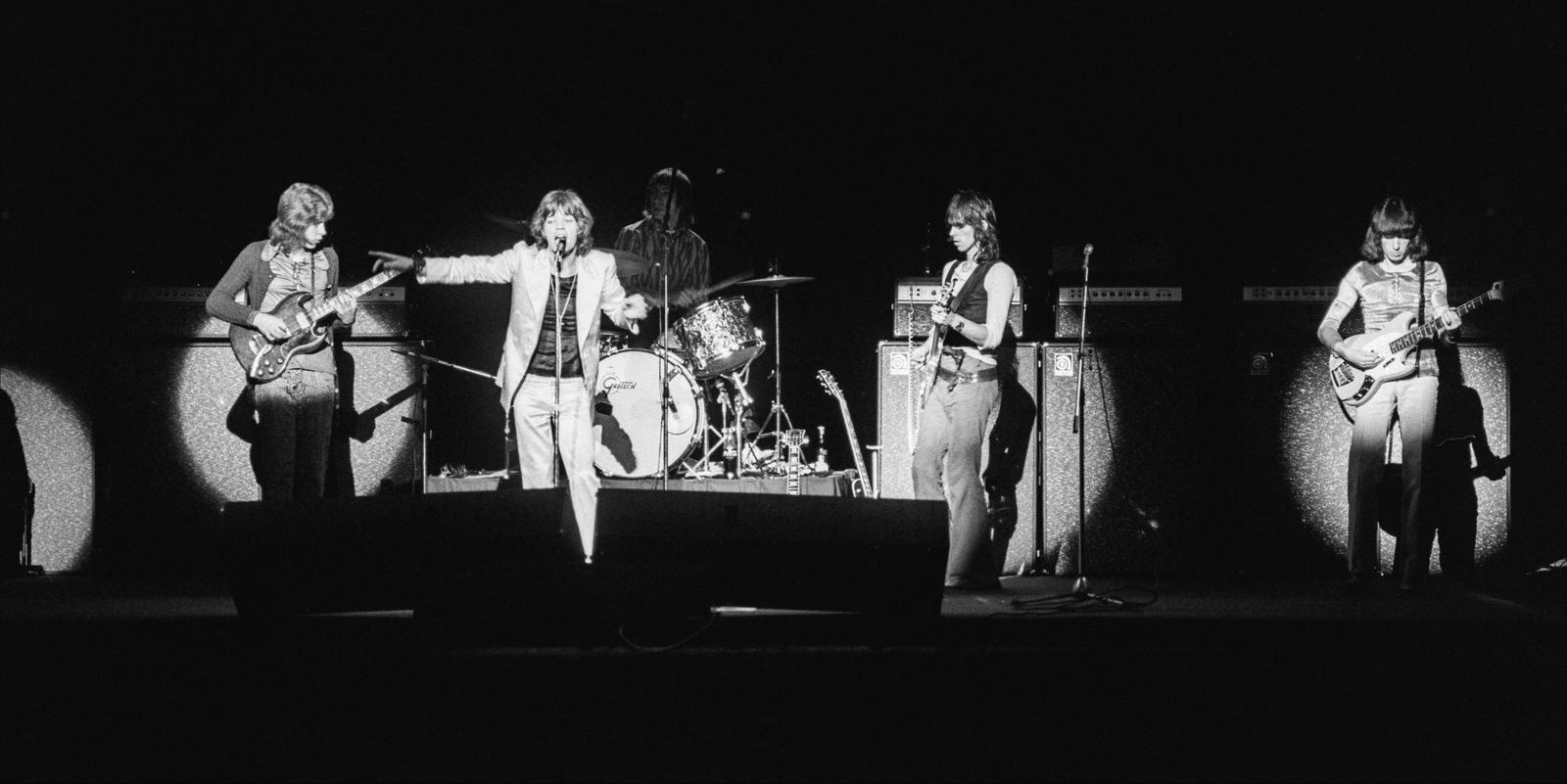
"You can't always get what you want, but if you try sometime you'll find you get what you need." Mick Jagger sketched this one alone on an acoustic guitar, calling it "one of those bedroom songs." It closed 1969's Let It Bleed just as the decade's peace-and-love optimism was cracking.

The song is upbeat and simple, and unexpectedly insists on an idea of acceptance or surrender that has more to do with Stoic philosophy than with pop rock optimism. But the listeners liked it, and many quote it often.

10

"There is a crack in everything…"

Image: Route66

"...that's how the light gets in." Leonard Cohen worked on "Anthem" for roughly a decade, discarding draft after draft, before it finally appeared on his 1992 album The Future. He wasn't a man given to explaining his own lyrics, having spent years training as an ordained Zen Buddhist monk and generally preferring silence to self-analysis.

But "Anthem" has the clearest statement of a philosophy he'd circled his entire career: that brokenness can give way to grace. It has since been invoked by human rights activists, quoted at protests, and performed at civic ceremonies.

Looking for an extra scoop of literary fun?

Learn more with our Word of the day

refute

/rəˈfjut/