Whose line is it, anyway?

No, Churchill never said that: 10 wrongly attributed quotes


Published on January 19, 2026


Image: Crisoforo Gaspar Hernandez

We’ve all seen those inspirational quotes floating around with famous names attached, like Gandhi, Einstein, or Churchill, to name a few, but how many of them are genuine? As it turns out, a lot of the most well-known quotes were never actually said by the people they're credited to. Here are 10 of the most famously misattributed quotes. Did you know about any of these?

1

"Let them eat cake." Not Marie Antoinette
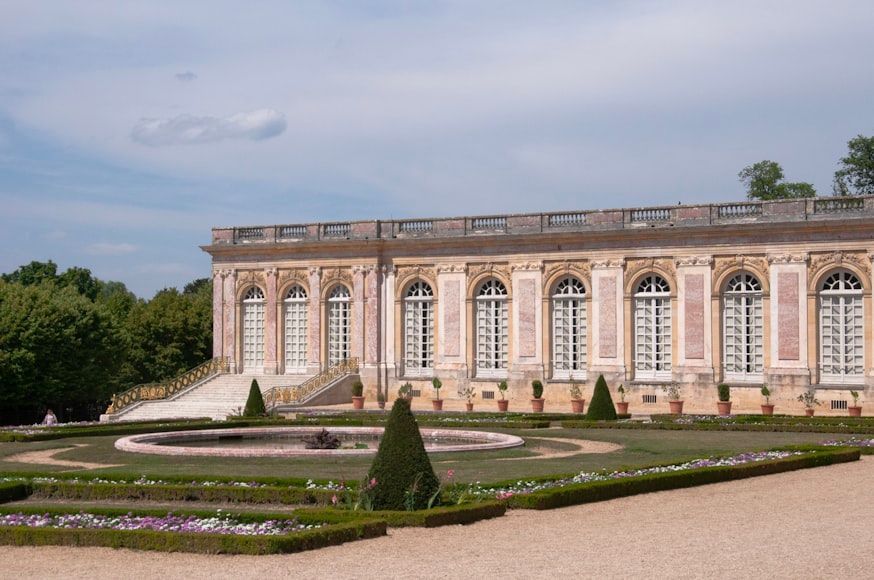
Image: Kaleb Duperre

This infamous line was never said by Marie Antoinette. Actually, it appeared in Rousseau’s writing when the Queen was just a child.

It became a symbol of elite ignorance during the French Revolution, but blaming her directly is unfair historical myth-making.

2

"Be the change you wish to see in the world." Not Gandhi
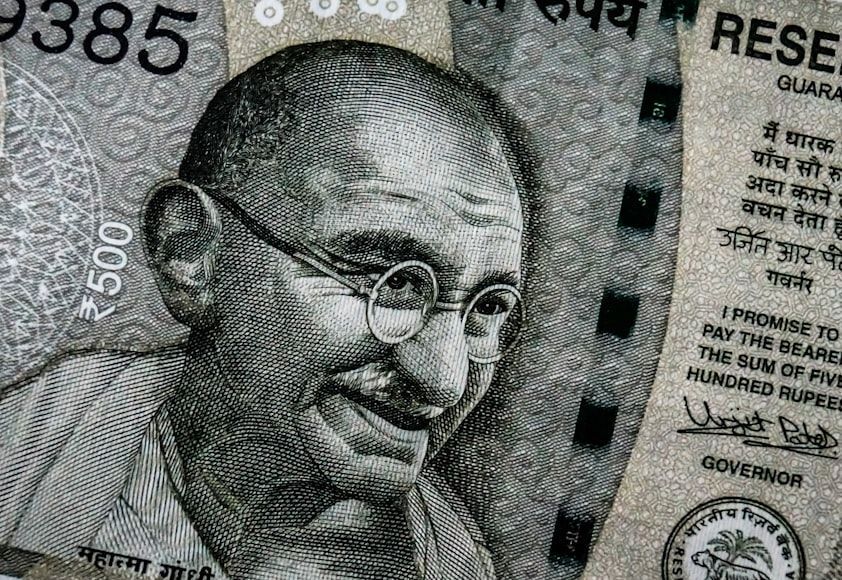
Image: Ishant Mishra

Gandhi said and did many inspirational things, but he never said it like that. The quote is more of a paraphrase of his broader teachings on self-responsibility.


While it fits his vibe, this line, ubiquitous on Instagram, isn’t something he wrote or said.

3

"I disapprove of what you say, but I will defend to the death your right to say it." Not Voltaire
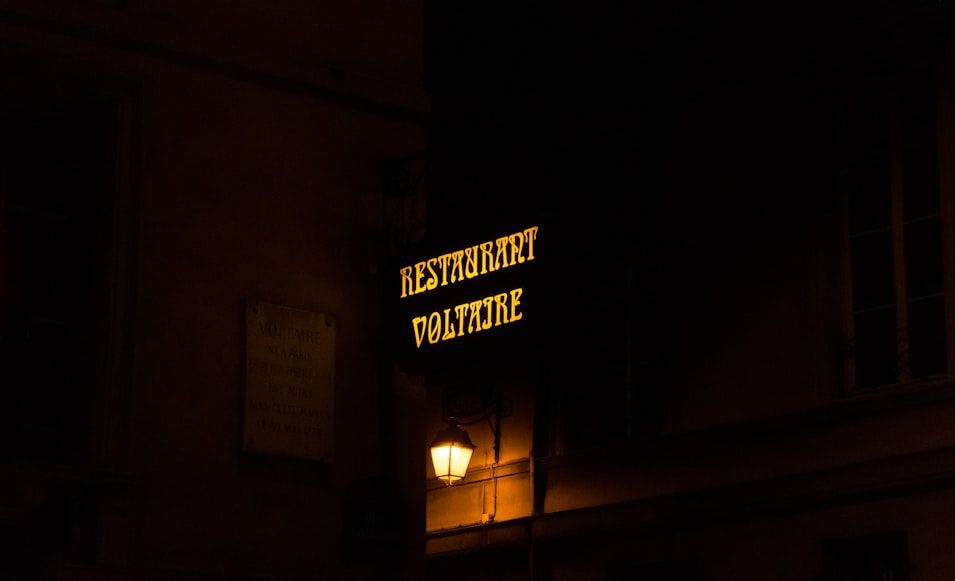
Image: Nicolas Michot

This quote was written by Evelyn Beatrice Hall, summarizing Voltaire’s attitude, but not quoting him directly.

Still, it sounds very much like something Voltaire would say, which is probably why it has been associated with his name over the years.

4

"The only thing necessary for the triumph of evil is for good men to do nothing." Not Edmund Burke

Image: Kenny Eliason

Just as it happened with the fake quotes attributed to Gandhi and Voltaire, Burke never said this, but it is one of those lines that captures his general views, albeit not in the exact wording.

Despite that, it’s often slapped onto memes and motivational pictures with his name under it. Classic case of too good to fact-check.

5

"Elementary, my dear Watson." Not Sherlock Holmes
Image: Clément Falize

This might come as a shock, but Sherlock Holmes never actually said this in the books. The phrase was invented by screenwriters later on.


It stuck because it's catchy, but Arthur Conan Doyle's Holmes was a bit more verbose and formal in style.

6

"Insanity is doing the same thing over and over and expecting different results." Not Einstein
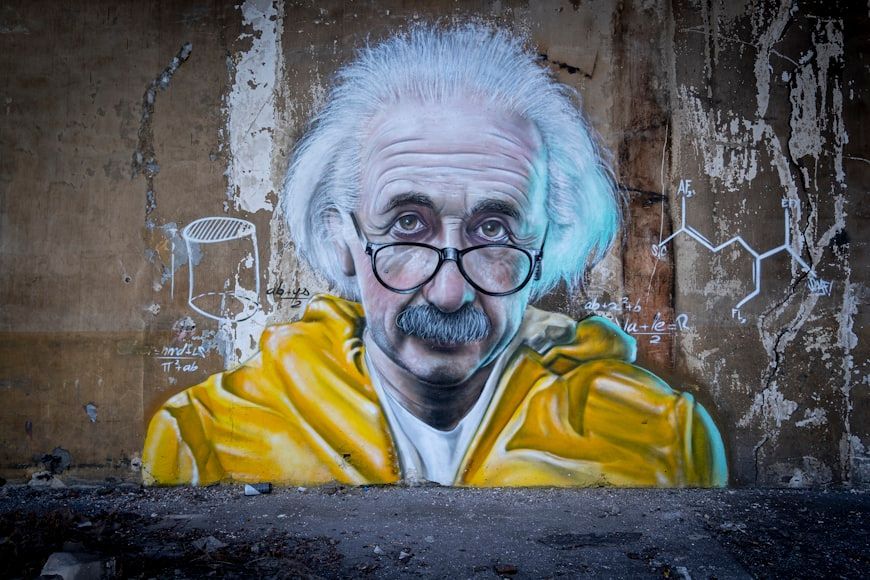
Image: Taton Moïse

This phrase has been widely attributed to Albert Einstein, but, despite what every motivational poster wants you to believe, the brilliant man didn’t say it.

It supposedly came from a Narcotics Anonymous text or a novel by Rita Mae Brown in the 1980s.

7

"If I had more time, I would have written a shorter letter." Not Mark Twain
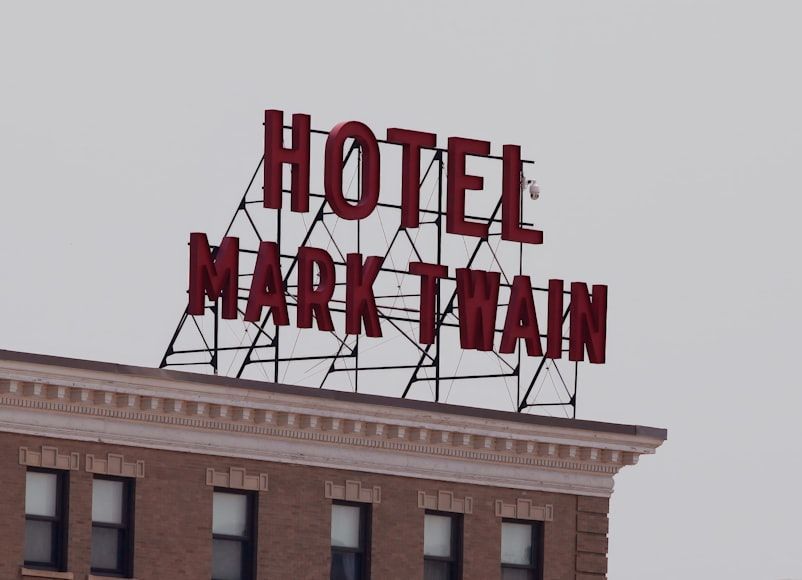
Image: Preston A Larimer

Although Mark Twain was as witty as they come, he didn’t say this. Instead, Blaise Pascal did, way back in 1657. The idea is that concise writing takes time.

Others like Churchill and Cicero expressed similar ideas, but Pascal was the first to put it so clearly.

8

"Blood, sweat, and tears." Not originally Churchill
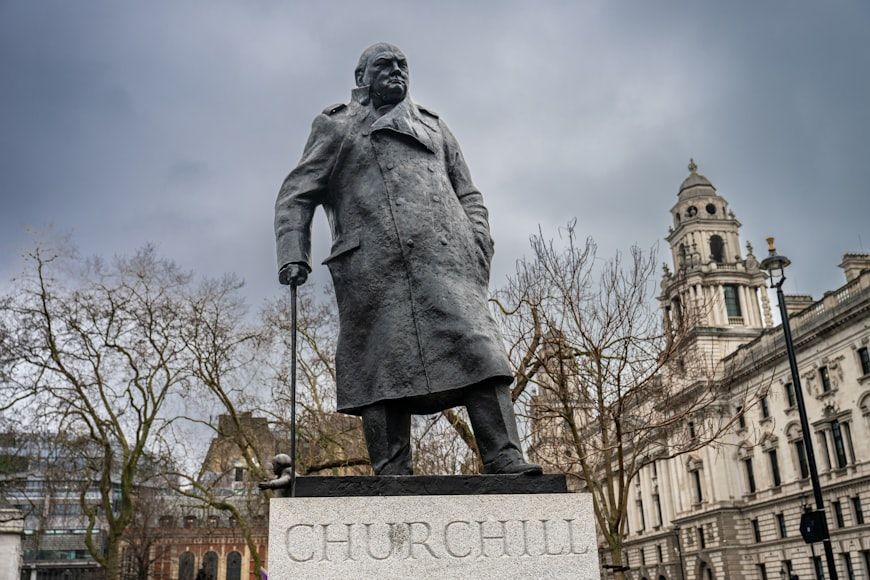
Image: Toby Dagenhart

And while we are on the subject of Churchill, we can mention this line. He said "blood, toil, tears, and sweat," which is slightly clunkier but still powerful.


The simpler version predates him and was used by others, including Theodore Roosevelt and Garibaldi.

9

"I cannot tell a lie." Not George Washington
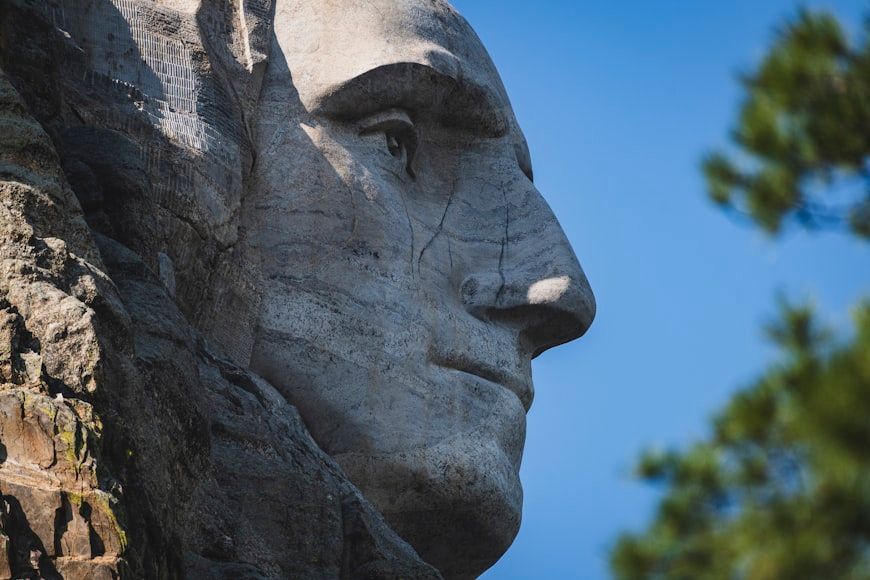
Image: Jon Sailer

Believe it or not, the cherry tree story is fiction. It was made up by Mason Locke Weems to give Washington a moral glow.

There’s no real evidence that the first U.S. president ever said it, but it’s still in textbooks and kids’ stories.

10

"Well-behaved women seldom make history." Not Marilyn or Eleanor
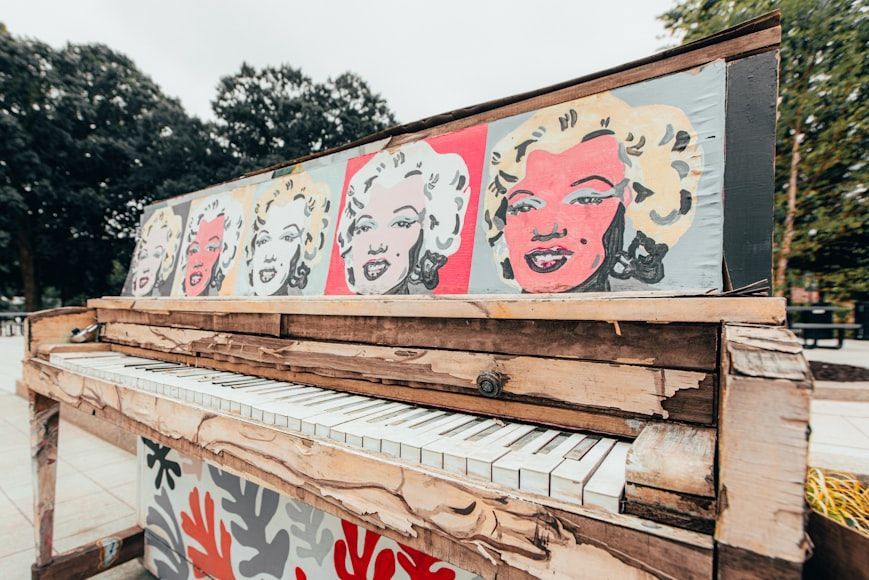
Image: Jarvik Joshi

This famous line wasn’t said by Marilyn Monroe or Eleanor Roosevelt. It was written by historian Laurel Thatcher Ulrich.

The reputed historian meant it as an observation, not a call to rebellion, but the internet memes gave it a whole new meaning.
Tango, Bravo

Codewords decoded: How many did you know?


Published on January 19, 2026


Image: orso bianco

In situations where clear communication is paramount, especially when lives are at stake, professionals often rely on standardized codewords and phonetic alphabets designed to prevent confusion. Either from movies or from personal experience, it's probable that you've heard at least some of these before, and many have found their way into everyday conversation. Let's find out how many of these code expressions you can recognize.

1

Mayday

Image: Zhuravlev Andrey

Mayday is the international distress call used when the sender is in immediate, life-threatening danger. Pilots and mariners use it to signal that they require urgent assistance due to situations such as engine failure, fire, flooding, or medical emergencies.

The word was introduced in 1923 by British radio officer Frederick Stanley Mockford, who based it on the French phrase m'aider, meaning "help me," in an attempt to make it internationally recognizable. Hearing this transmission immediately alerts emergency responders that every second counts.

2

Pan-Pan

Image: DenisProduction.com

Not every emergency is severe enough to warrant a mayday call. When a crew faces a problem that is urgent but not immediately life-threatening, the appropriate codeword is Pan-Pan.

Like mayday, it comes from French: it derives from panne, meaning a breakdown or mechanical failure. A Pan-Pan call might be used if an aircraft loses an engine but can still fly safely, or if a ship experiences equipment problems while remaining under control. It tells responders that assistance is needed, but that the situation has not yet become critical.

3

SOS

Image: Grisha Bruev

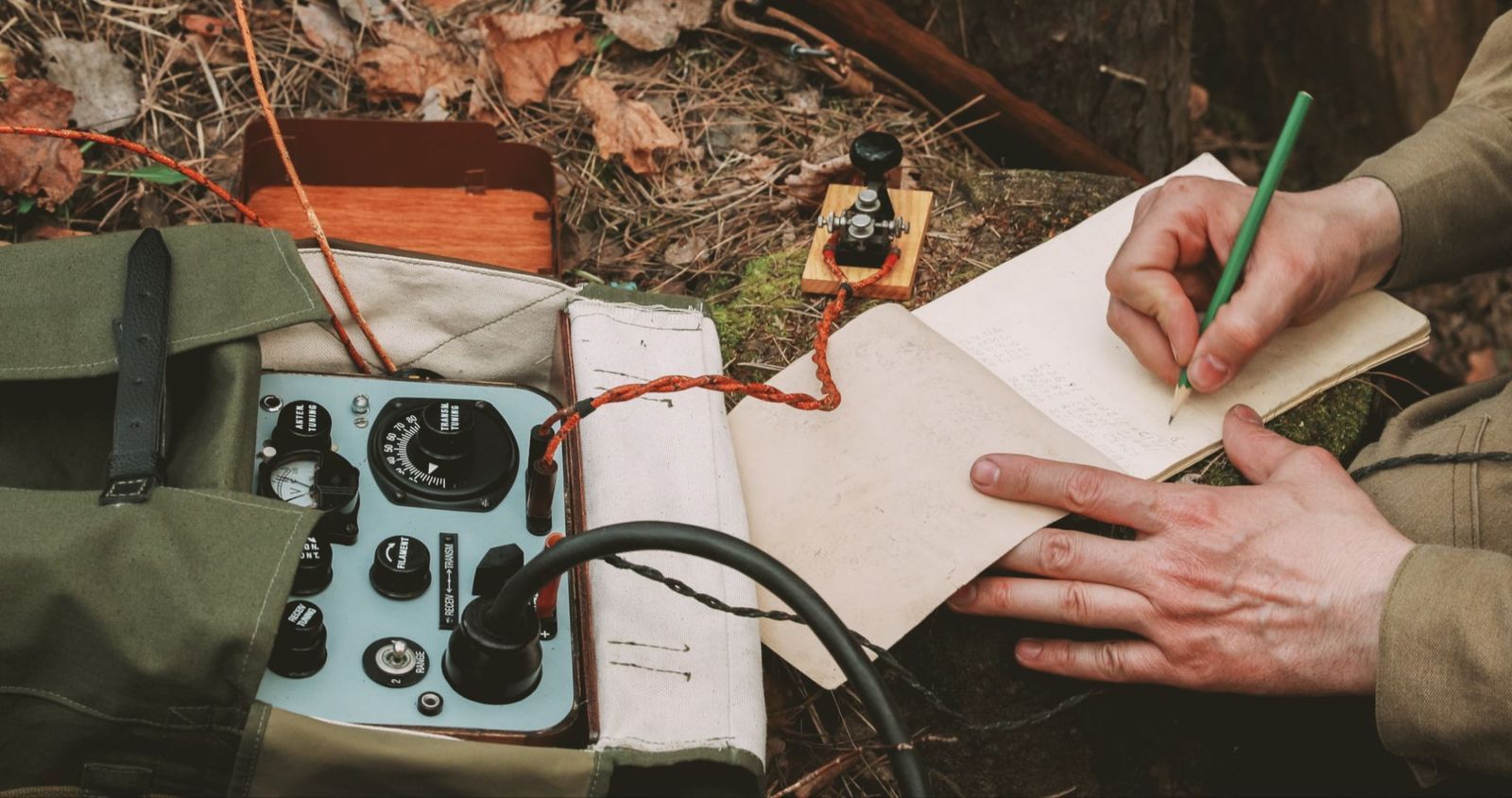
Few emergency signals are as universally recognizable as SOS. Contrary to popular belief, the letters do not officially stand for "Save Our Ship" or "Save Our Souls." It was adopted in 1906 because SOS is an extremely simple, easy-to-transmit, and unmistakable pattern in Morse code.

SOS remains one of the world's most enduring distress signals, and it's still recognized by rescue organizations all around the globe.

4

NATO Alphabet

Image: Alexandros Michailidis

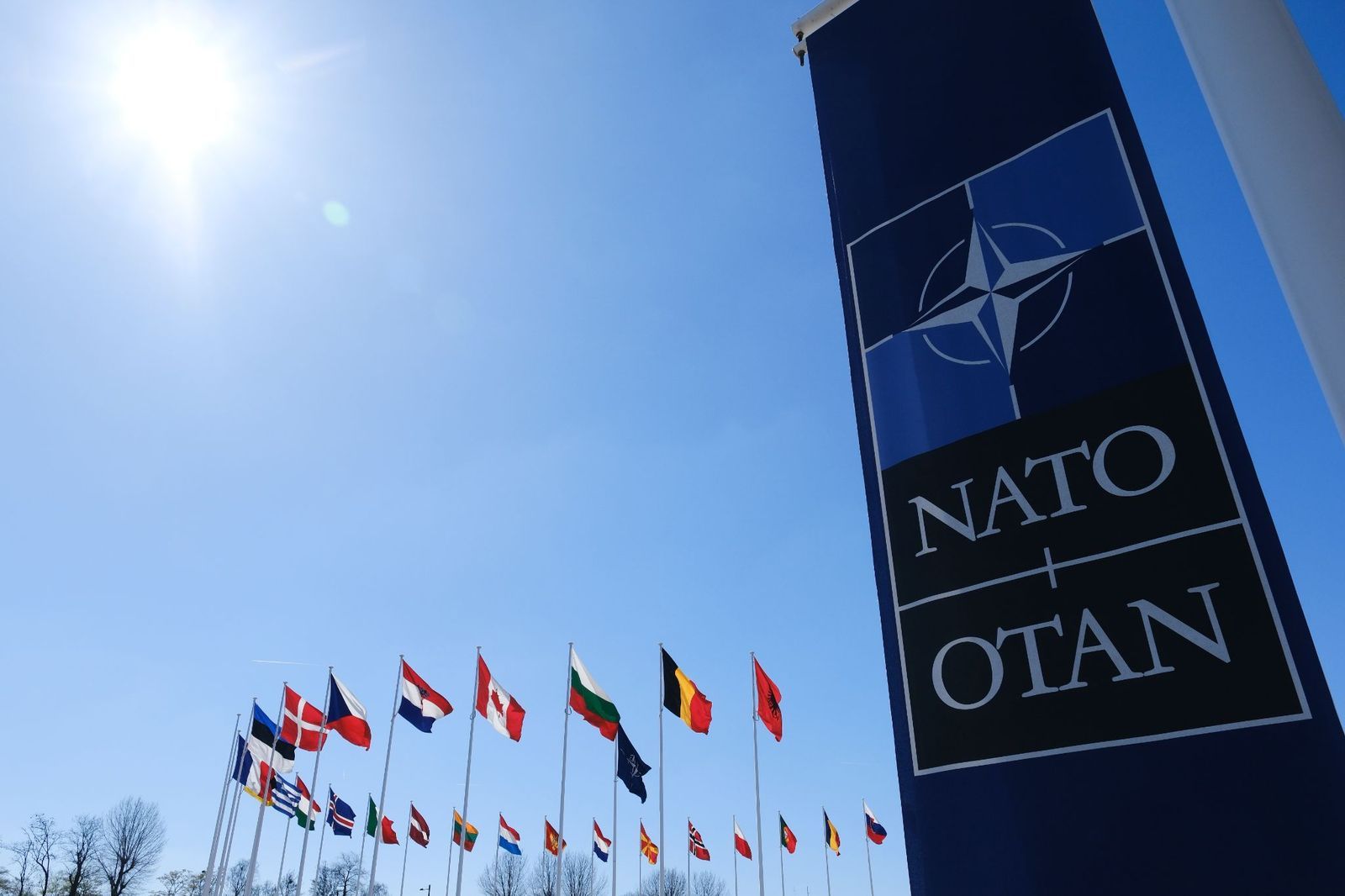
In the NATO phonetic alphabet, each letter is assigned a unique word to eliminate confusion when radio transmissions are distorted by noise or poor reception. If you've ever heard someone spell a name as "Mike Alpha Romeo Yankee," you've encountered the NATO phonetic alphabet.

The system was officially adopted by NATO in the 1950s and is now widely used by militaries, airlines, emergency responders, and many police departments worldwide. Using it greatly reduces the chance of misunderstanding important information over radio.

5

Roger

Image: nelikdulatov

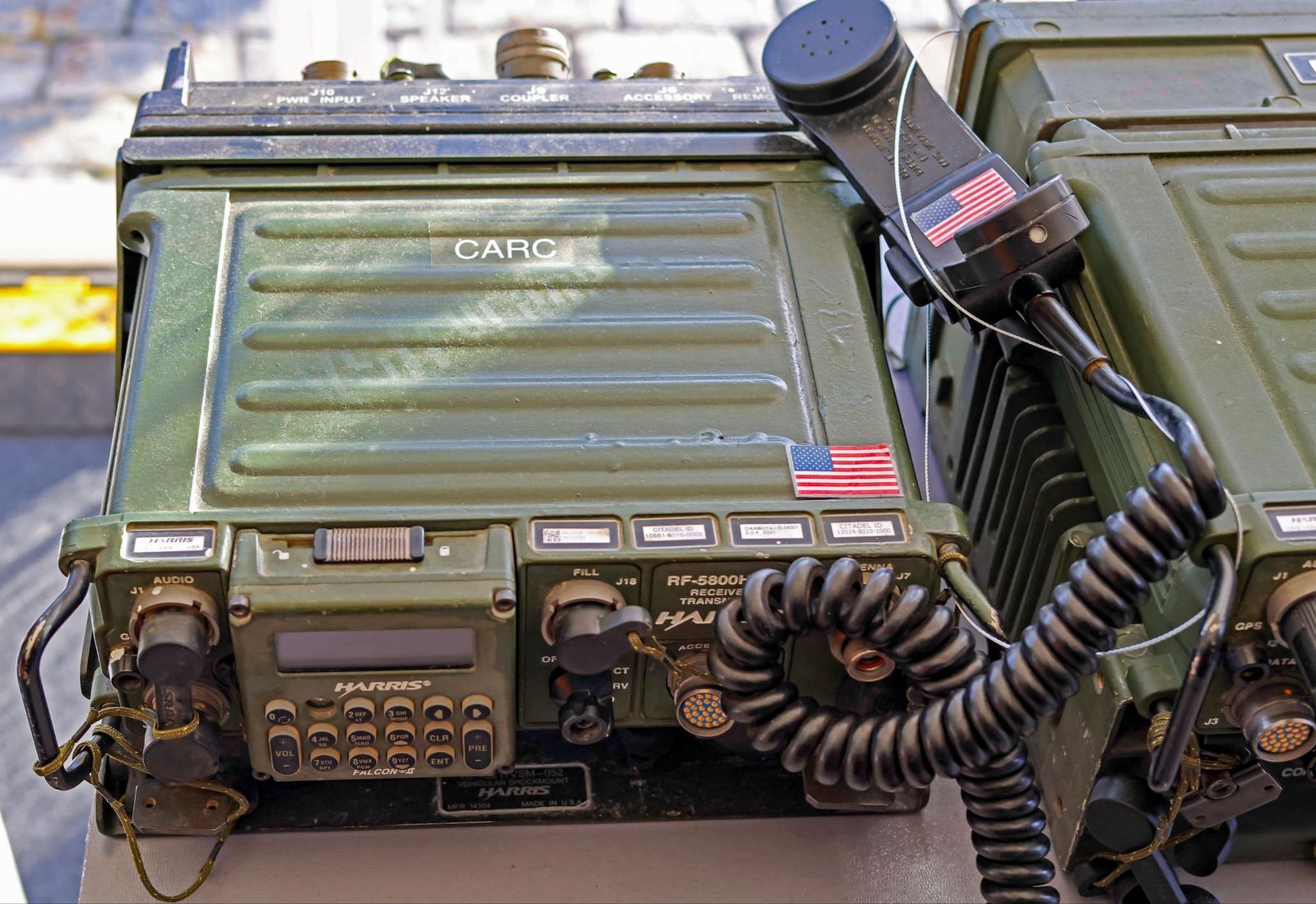
Roger dates back to the early days of radio communication, when the letter R stood for "received." Before the adoption of the NATO alphabet, the US military used Roger instead of Romeo to represent that letter_._

Although modern communications systems have changed and the US military has fully embraced the use of the NATO alphabet, Roger remains standard aviation terminology, and it's one of the best-known radio acknowledgments in the world. It conveys a very simple but important meaning: "I have received and understood your message."

6

Wilco

Image: alleks19760526

Although many people assume Roger and Wilco mean the same thing, they actually convey different messages. Wilco is short for "will comply." In other words, it tells the sender not only that the message was received and understood, but that the instruction will be carried out.

Saying both Roger and Wilco is technically redundant in proper radio communication, since complying necessarily implies understanding, but the combination is often heard in movies and television.

7

Tango

Image: Quality Stock Arts

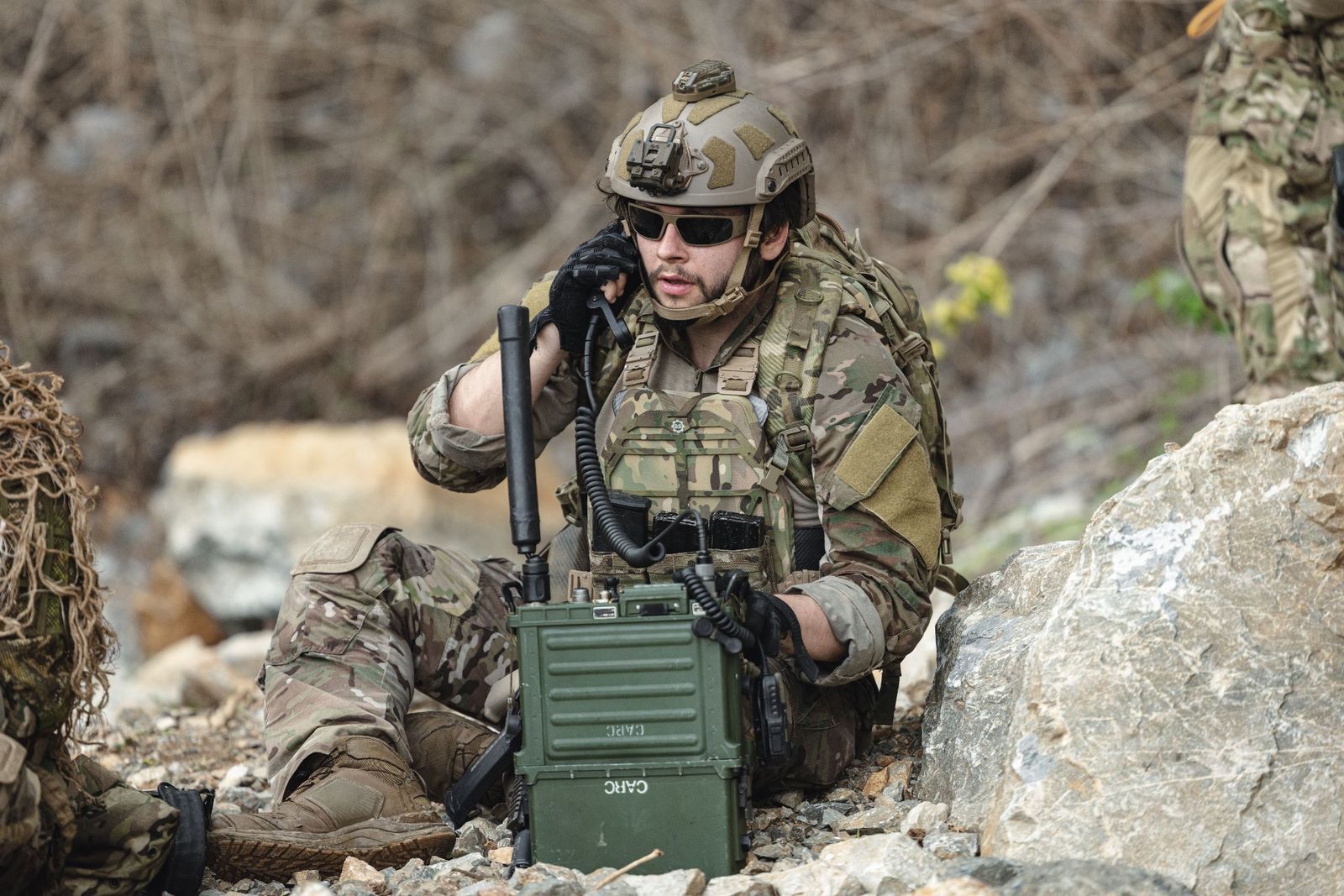
In the NATO phonetic alphabet, Tango simply represents the letter T. However, US military personnel have also adopted it as a shorthand when referring to a target or a hostile.

This secondary meaning became widely known through military operations in the twentieth century and has since appeared in countless books, films, and video games in phrases like "We've got one Tango moving north."

8

Oscar Mike

Image: Dragos Asaftei

Oscar Mike, NATO for the letters O and M, is military shorthand for "On the Move." It's a quick way of reporting that a unit has begun moving toward its objective.

The expression is especially common in the US military and has become more familiar to the general public through documentaries, memoirs, and films. It's finding its way into civilian life, meaning simply "I'm heading out."

9

10-4

Image: Elliott Cowand Jr

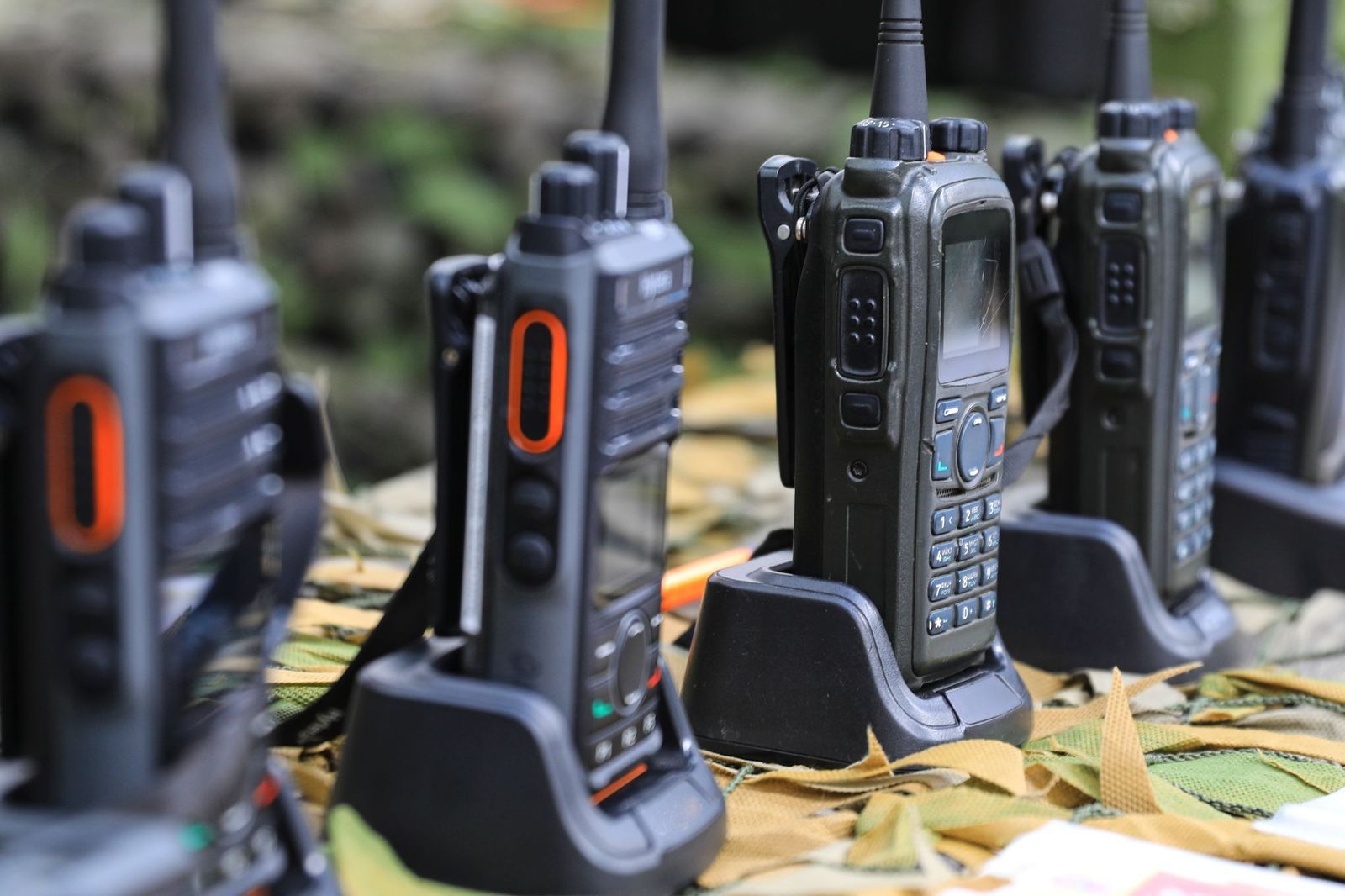
Ten-codes were developed during the 1930s to allow for brevity and standardization of message traffic in radio communications. They were widely adopted by US public safety departments and by radio enthusiasts.

While the system is being slowly phased out in favor of plain language communications, many local police, fire, and sheriff departments keep using it, and it is still strongly associated with radio culture by the general public. One of the most famous ten-codes is 10-4, meaning "received and understood."

10

Code Blue

Image: PeopleImages

Hospitals around the world use color-coded announcements to communicate emergencies without causing unnecessary panic among patients and visitors. Perhaps the best known is Code Blue, indicating that a patient is experiencing cardiac or respiratory arrest and requires immediate medical assistance.

While some hospitals use their own custom color codes, Code Blue has become so widely recognized that it now appears frequently in television dramas and everyday conversation whenever someone refers to a life-threatening medical emergency.

Looking for an extra scoop of literary fun?

Learn more with our Word of the day

overtone

/ˈoʊvərˌtoʊn/