From the U.S. to the world
Which are the 12 most used American terms worldwide? 12 strong contenders
Published on June 10, 2026

American English has influenced global vocabulary for more than a century through movies, advertisements, literature, music, businesses, and technology. Some words that began as distinctly American expressions eventually became common almost everywhere, even in places where English is not an official language. From casual slang to everyday terms for housing, transportation, and anything you can think of, these 12 Americanisms have crossed oceans and cemented themselves into the daily speech of dozens of countries.
OK
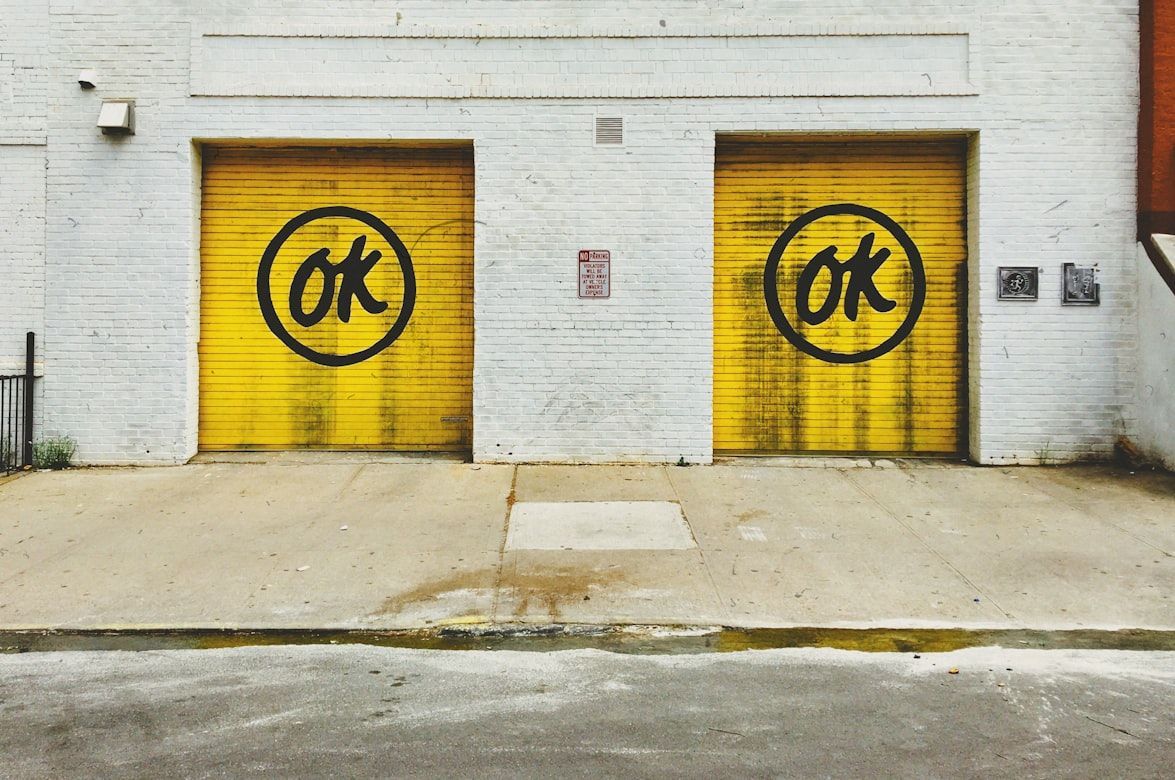
"OK" may be the most successful American word ever exported. It first appeared in print on March 23, 1839, in the Boston Morning Post, where editor Charles Gordon Green jokingly abbreviated "oll korrect," a humorous misspelling of "all correct."
The term exploded nationally during the 1840 U.S. presidential campaign of Martin Van Buren, nicknamed "Old Kinderhook" after Kinderhook, New York. Today, "OK" is used almost everywhere on Earth.
Teenager

The word "teenager" became popular in the U.S. during the 1940s, especially through advertising and youth marketing. Earlier generations did not usually view adolescence as a separate social category the way modern culture does.
American magazines, fashion brands, and music companies helped spread the idea worldwide after World War II. Publications such as Seventeen magazine and Hollywood films helped establish the teenager as a distinct cultural identity across Europe and beyond.
Movie
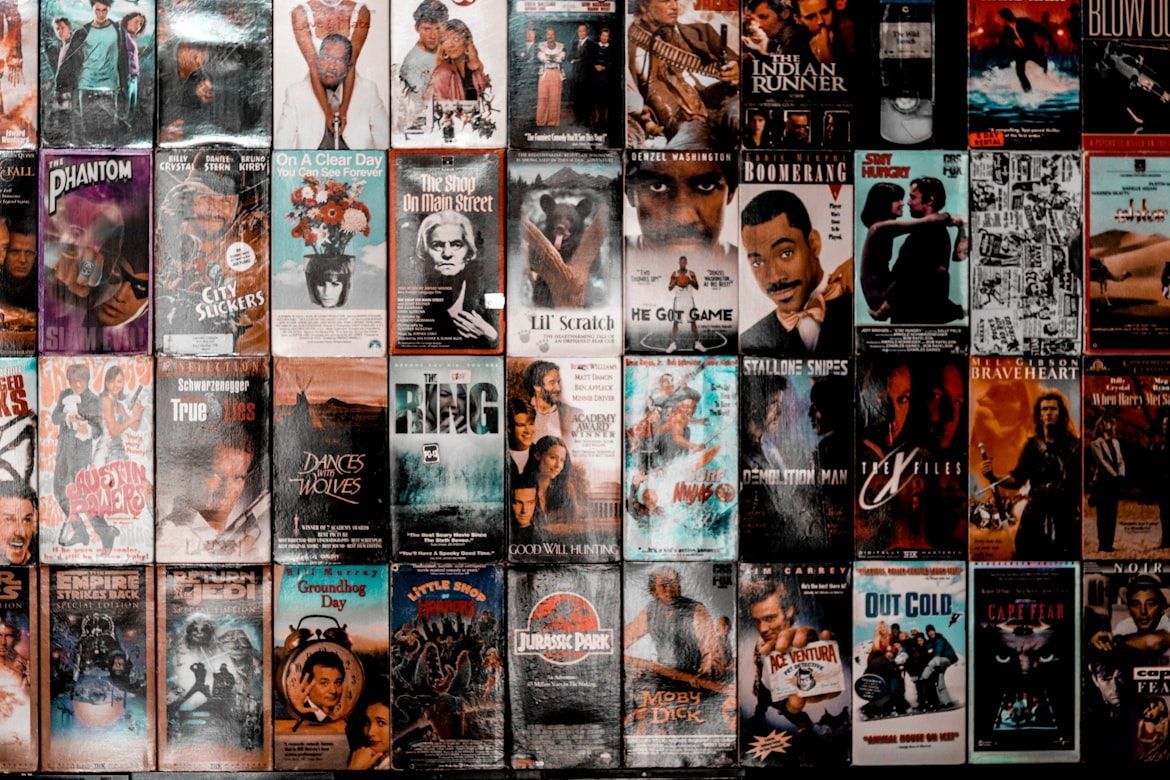
"Movie" emerged in the U.S. around 1912 as a shortened version of "moving picture." Americans favored the informal nickname, while Britain and some other countries kept preferring "film" or "cinema."
Hollywood’s rise during the 20th century carried the term across the globe. By the 1930s and 1940s, millions of people worldwide were watching American "movies," and the word became internationally recognizable even in places where local terms still existed.
Elevator

Americans popularized the word "elevator" for the vertical lift system invented in the 19th century. In Britain, the same machine became known as a "lift," but American terminology spread internationally through U.S. companies and skyscraper culture.
The word gained prominence after inventor Elisha Otis demonstrated a safe passenger elevator in New York City in 1854 at the Crystal Palace Exhibition. As American-style office towers spread worldwide during the 20th century, so did the "elevator."
Cookie

The American word "cookie" comes from the Dutch word koekje, meaning "little cake." Dutch settlers brought the term to New Amsterdam, later renamed New York, during the 1600s. Over time, Americans adopted it as the standard word for sweet baked treats.
Britain traditionally used "biscuit," but American culture helped spread "cookie" globally through packaged snacks, television advertising, and brands like Oreo and Chips Ahoy! Today, both terms are recognized internationally, often with slightly different meanings.
Apartment

"Apartment" became the dominant American term for a rented residential unit during the late 19th century as cities like New York and Chicago rapidly expanded upward with multi-family buildings.
British English traditionally favored "flat," but "apartment" spread internationally through American real-estate marketing, television, and films. Luxury developments worldwide now commonly advertise "apartments," even in countries where local words exist.
Gas

Americans shortened "gasoline" to simply "gas" in the early automotive era of the 1900s. The rise of Ford, General Motors, and America’s highway culture helped export the term globally alongside U.S. car culture.
While many countries still prefer "petrol," travelers almost anywhere understand "gas station." American road movies, music, and television helped cement the term in international vocabulary.
Truck

The American word "truck" replaced the older freight term during the industrial boom of the late 1800s and early 1900s. In Britain, the same vehicle is usually called a "lorry," but American English has spread widely through commerce and manufacturing.
As American trucking companies, military vehicles, and exports became globally visible after World War II, "truck" entered everyday speech in many countries. Today, international brands from Toyota to Mercedes often market "pickup trucks" using the American term.
Sidewalk

Americans adopted "sidewalk" during the 18th and 19th centuries to describe paved pedestrian paths beside the streets. British English preferred "pavement," but U.S. urban terminology spread through engineering, mapping, and popular culture.
The term became especially associated with American city life in places like New York and Los Angeles. Jazz songs, movies, and Broadway culture helped introduce "sidewalk" to international audiences during the 20th century.
Store

"Store" became the standard American word for a retail shop during the country’s commercial expansion in the 1800s. Britain traditionally favored "shop," but American business culture later spread "store" internationally.
Department stores such as Macy’s, founded in New York in 1858, and later chains like Walmart and Target helped popularize the term worldwide. Today, many countries use both "shop" and store, often interchangeably.
Vacation

The U.S. popularized "vacation" as the standard word for leisure travel and time away from work. The term comes from the Latin vacatio, meaning freedom or exemption from duty, but gained especially strong impulse and use in the U.S. during the late 19th century.
British English prefers "holiday," yet "vacation" has spread globally through American tourism, airlines, and entertainment. Expressions like "summer vacation" became internationally familiar thanks to movies, television, and school-related American culture.
Guy

"Guy" originally referred to Guy Fawkes, the English conspirator involved in the failed Gunpowder Plot of 1605. In Britain, "guy" first described strange-looking figures burned during Bonfire Night celebrations.
Americans later transformed the word into an informal term for a man, and eventually for groups of people in general, as in "you guys." Hollywood films, television sitcoms, and everyday American speech helped spread this casual usage worldwide.