Slang on the tracks

Nobody died: "deadhead" just meant business was slow


Published on September 22, 2026
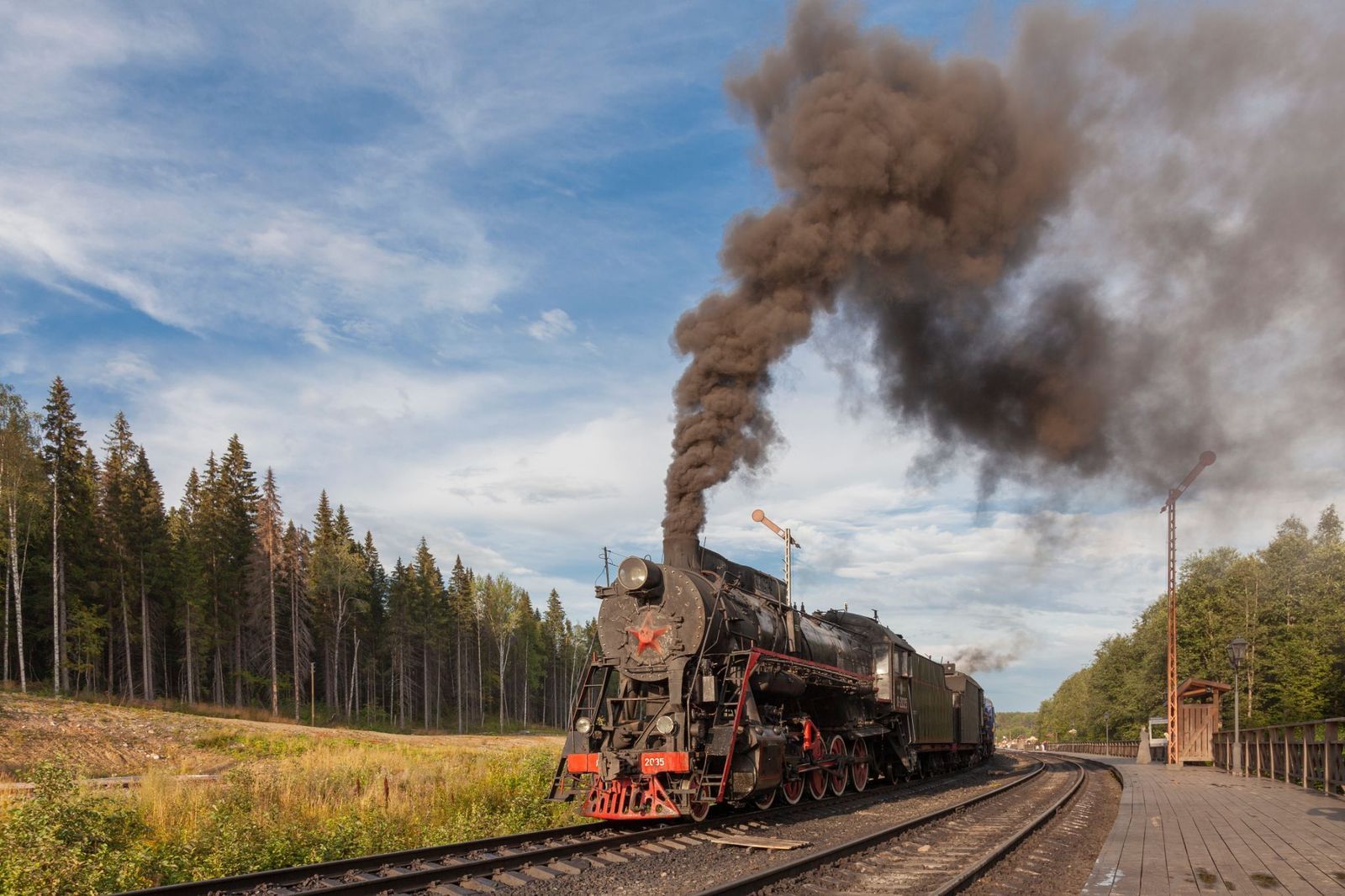

Image: Zubkov Igor

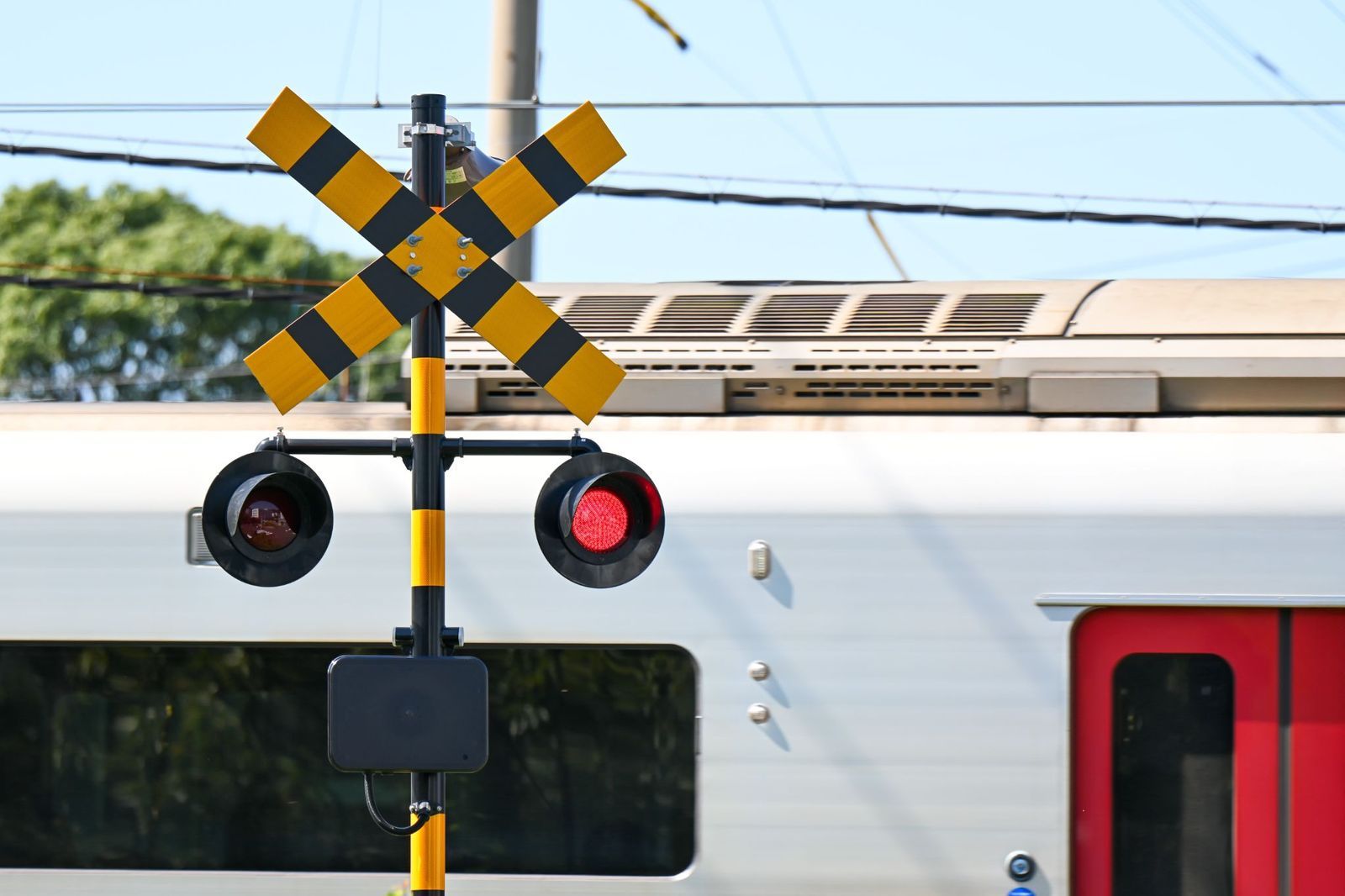
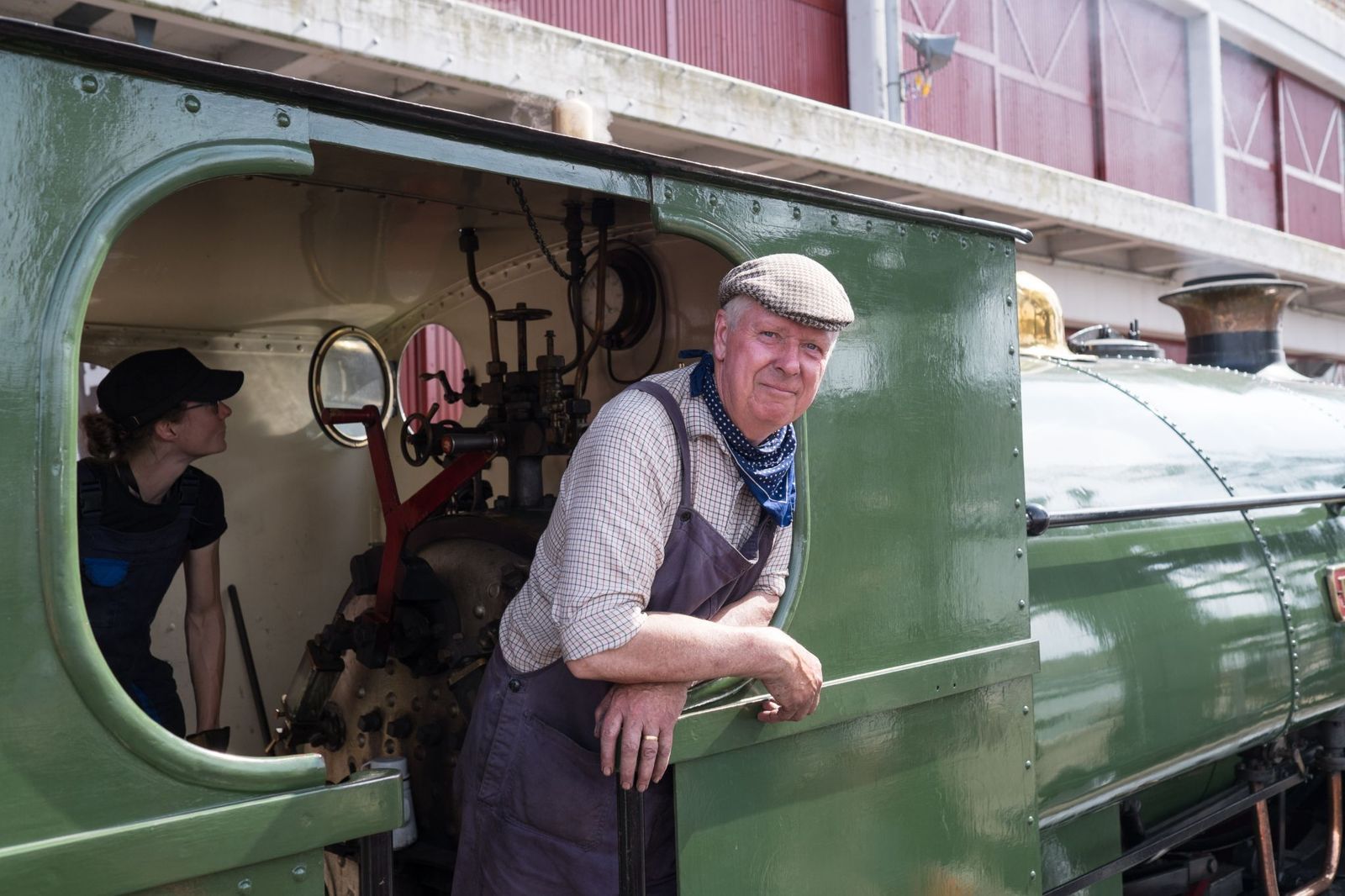
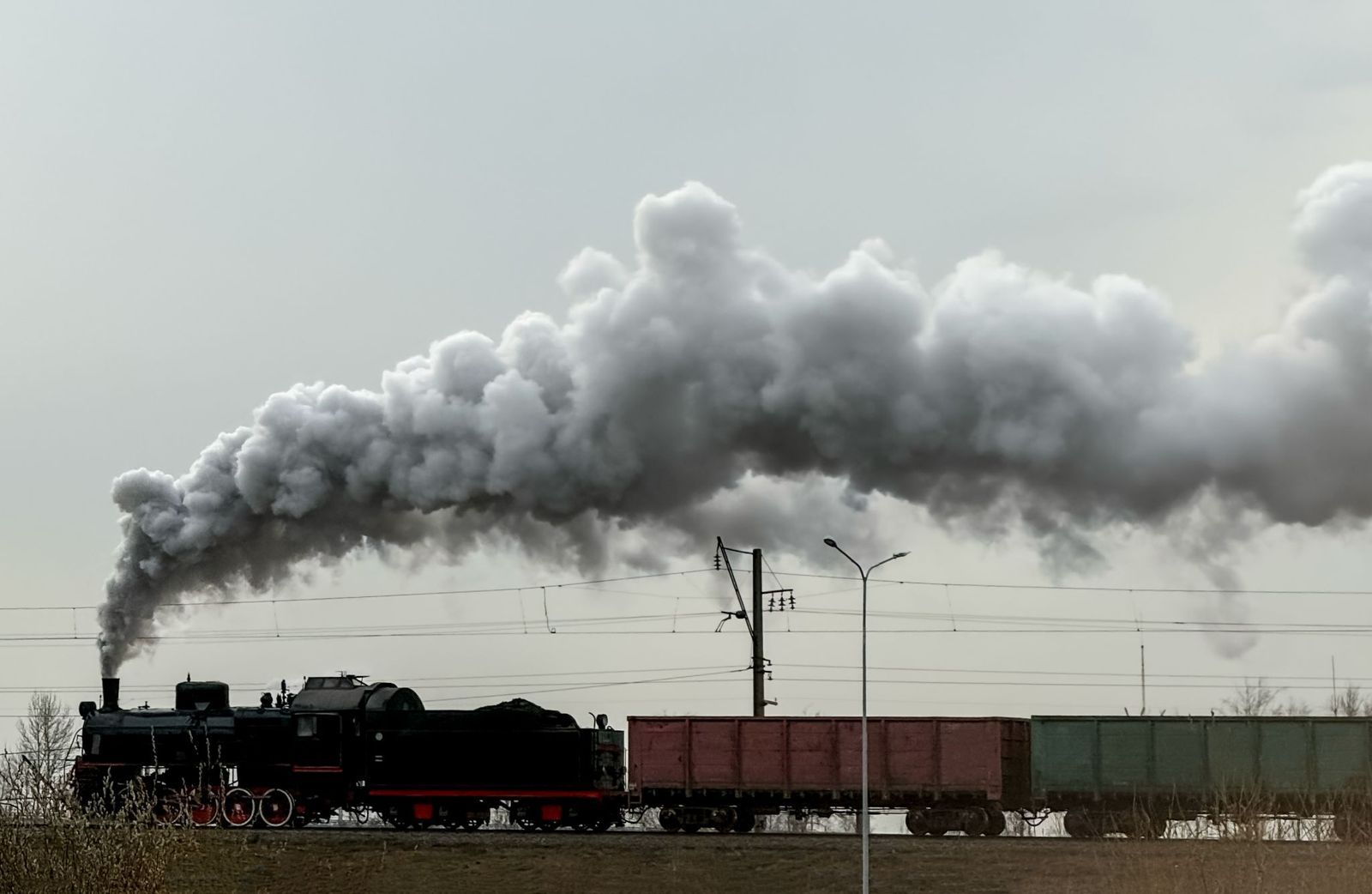
Railroads changed America. They hauled manufactured goods, spare parts, mail, and millions of everyday folks across a country that used to take weeks to cross on foot or wagon. But railroading also built its own tight-knit culture, complete with its own slang. Take highball, the old signal for "all clear, full speed ahead," or caboose, that funny little car that used to trail every freight train. Both are still tossed around today, decades after steam gave way to diesel. Here are 10 more terms that show just how colorful railroad talk really was.

1

Highball

Image: pimpampix

Around the late 1800s, American rail yards used a big wooden ball hoisted up a pole. When the ball was raised high, it meant the track ahead was clear, and the train could go full speed. Crews started saying "highball it," and the phrase stuck around long after those ball signals disappeared, replaced by colored lights.

Today, "highball" still means "go for it, full speed," even outside railroading.

2

Deadhead

Image: kelvn

This term goes back to 1800s American railroading. It described a worker riding a train without actually being on duty for that trip, just catching a ride to reach their next assignment. The term later jumped the rails entirely, showing up in airline talk ("deadhead flights") and everyday business slang for anything moved without generating revenue, like an empty return trip.

3

Caboose

Image: GE_4530

Nobody's totally sure where this one came from, but many word-history experts trace it back to a Dutch sailing term, "kombuis," meaning a ship's kitchen. Somehow, that crossed over into American railroading in the 1800s to describe the little car at the back of a freight train where the crew ate, slept, and kept watch.

Cabooses mostly vanished by the 1980s thanks to new tracking tech, but the word lives on in memory.

4

Gandy dancer

Image: narai chal

First recorded around 1918, this nickname described the crews who laid and maintained track by hand, before machines took over. Nobody agrees on where "gandy" came from—a popular but unproven story blames a Chicago tool company—but the "dancer" part makes sense: workers moved in rhythmic, coordinated steps, often guided by a caller singing out the beat, much like old work songs.

5

Hogger

Image: Johann Knox

Old-time locomotives, especially the big freight-hauling kind, got nicknamed "hogs" by rail crews sometime in the 1800s. Naturally, the men who drove them became "hoggers," or sometimes "hogheads." It's a good-natured, slightly teasing nickname, the kind railroaders loved tossing at each other.

You'll still hear "hogger" used by old-timers and rail buffs today when talking about engineers.

6

Brass hat

Image: Spech

This one didn't actually start on the railroad. It came from the 19th-century British military, where high-ranking officers wore caps trimmed in gold braid, or "brass." The nickname spread to American business and railroading by the early 1900s, where it became a common, half-joking way to refer to the company president or top bosses, the folks calling the shots from a comfortable office.

7

Foamer

Image: Daniel_Ferryanto

This newer term describes a railfan so excited about trains that they practically "foam at the mouth," snapping photos and chasing locomotives with total enthusiasm. Nobody agrees exactly how it started; some blame the foam scenery hobbyists use for model railroads, others say it's just about that over-the-top excitement.

8

Shoofly

Image: Dani A Castro

First showing up in American newspapers around 1903 to 1905, a "shoofly" is a temporary track built to route trains around a blocked section, like a landslide or construction site. The name likely just comes from "shoo" plus "fly": basically waving traffic out of the way.

It's sometimes mixed up with the old molasses shoofly pie or a Civil War-era song of the same name, but there's no real evidence those are connected.

9

Frog

Image: Alena Lom

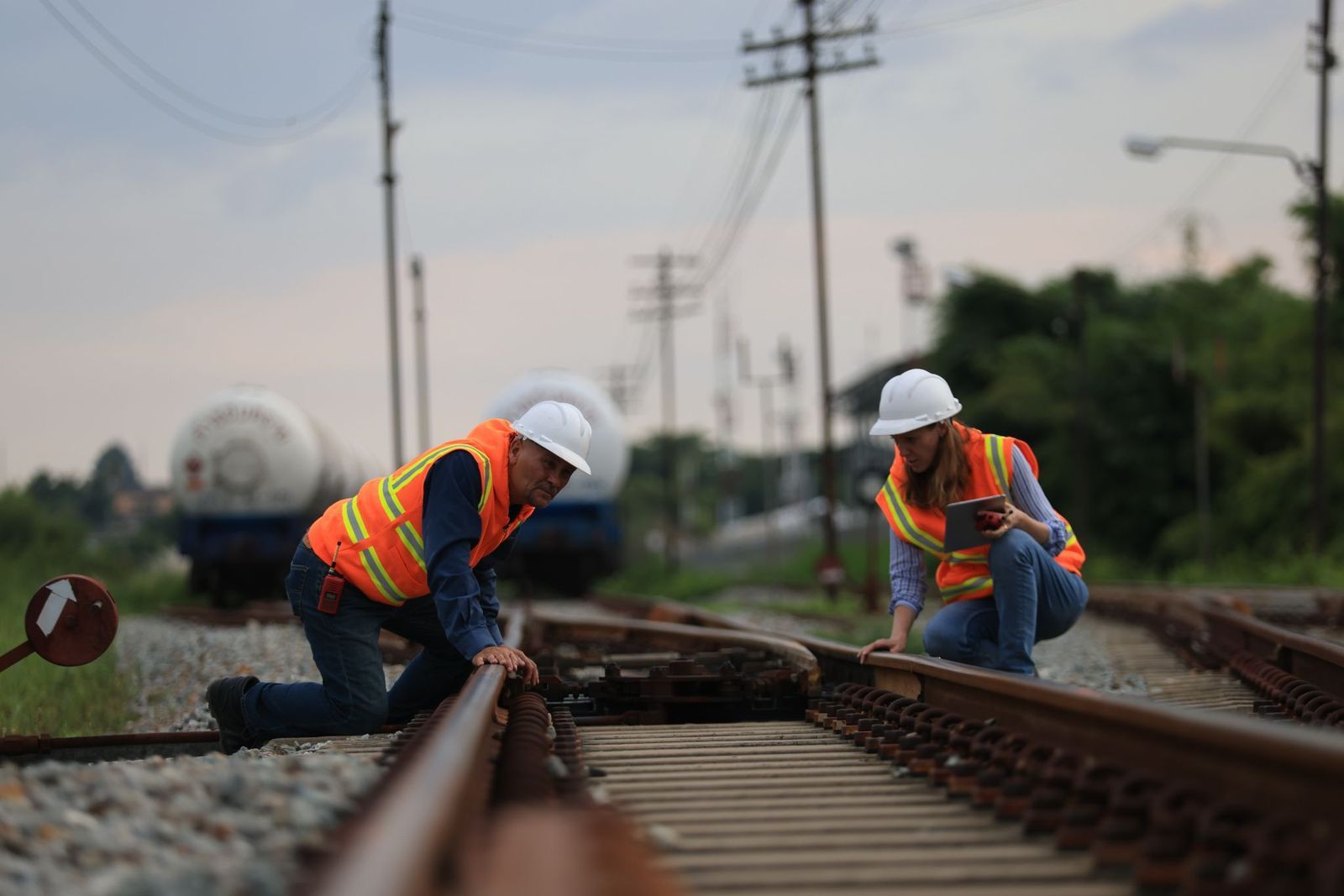
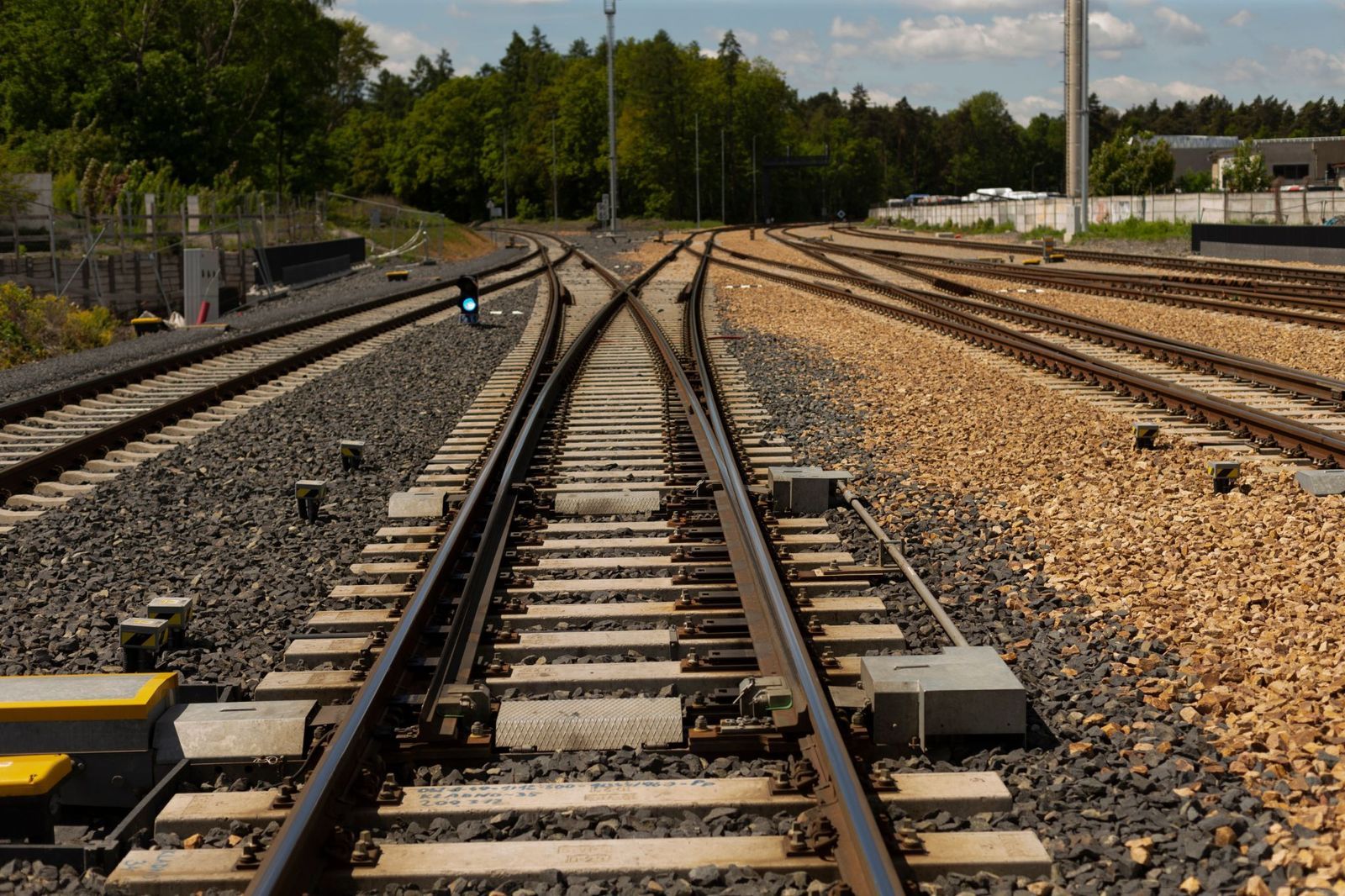
Despite the funny name, a frog has nothing to do with amphibians directly; it's the X-shaped metal piece at a track junction that lets train wheels cross from one rail to another. Railroaders started using the term in the 1800s, likely because the casting's shape reminded someone of a frog's splayed legs.

10

Consist

Image: DiPres

Railroaders took the everyday verb "to consist of" and flipped it into a noun sometime in the 1900s. A train's "consist" is simply its lineup: how many locomotives, freight cars, or passenger cars are hooked together, and in what order. It's a small grammatical trick, but it's stuck around as standard railroad shorthand ever since.
Tango, Bravo

Codewords decoded: How many did you know?


Published on September 22, 2026


Image: orso bianco

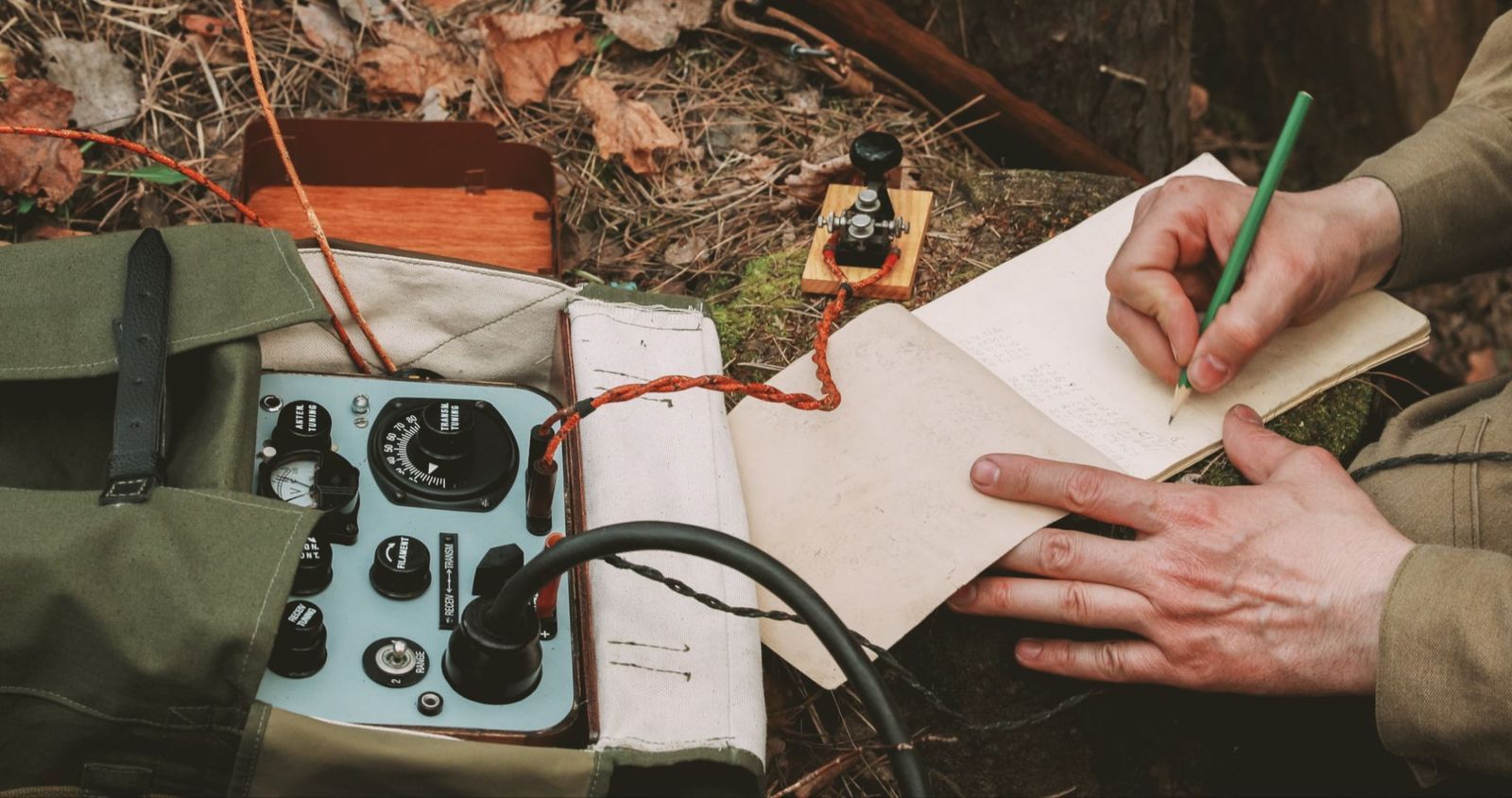
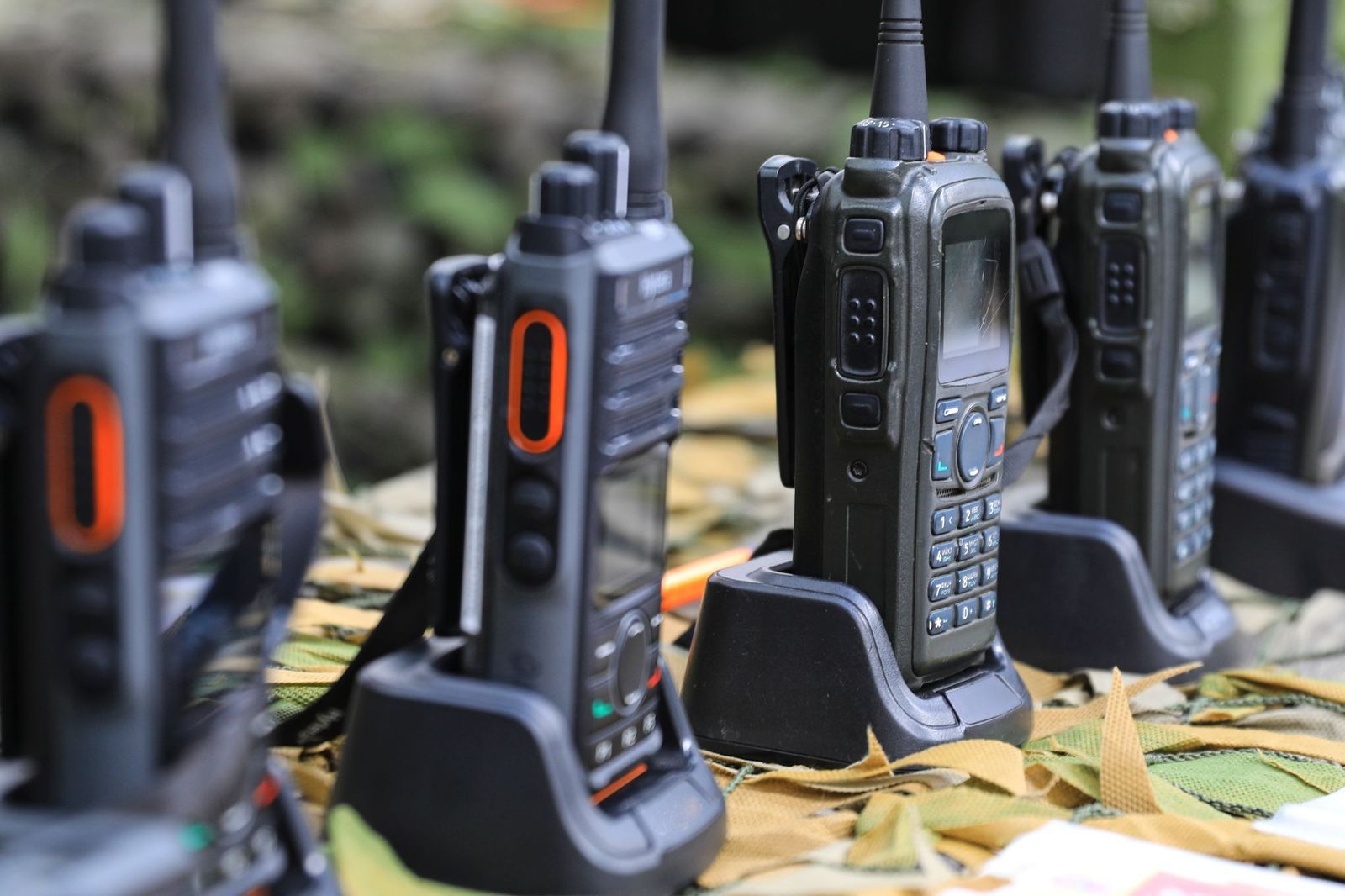
In situations where clear communication is paramount, especially when lives are at stake, professionals often rely on standardized codewords and phonetic alphabets designed to prevent confusion. Either from movies or from personal experience, it's probable that you've heard at least some of these before, and many have found their way into everyday conversation. Let's find out how many of these code expressions you can recognize.

1

Mayday

Image: Zhuravlev Andrey

Mayday is the international distress call used when the sender is in immediate, life-threatening danger. Pilots and mariners use it to signal that they require urgent assistance due to situations such as engine failure, fire, flooding, or medical emergencies.

The word was introduced in 1923 by British radio officer Frederick Stanley Mockford, who based it on the French phrase m'aider, meaning "help me," in an attempt to make it internationally recognizable. Hearing this transmission immediately alerts emergency responders that every second counts.

2

Pan-Pan

Image: DenisProduction.com

Not every emergency is severe enough to warrant a mayday call. When a crew faces a problem that is urgent but not immediately life-threatening, the appropriate codeword is Pan-Pan.

Like mayday, it comes from French: it derives from panne, meaning a breakdown or mechanical failure. A Pan-Pan call might be used if an aircraft loses an engine but can still fly safely, or if a ship experiences equipment problems while remaining under control. It tells responders that assistance is needed, but that the situation has not yet become critical.

3

SOS

Image: Grisha Bruev

Few emergency signals are as universally recognizable as SOS. Contrary to popular belief, the letters do not officially stand for "Save Our Ship" or "Save Our Souls." It was adopted in 1906 because SOS is an extremely simple, easy-to-transmit, and unmistakable pattern in Morse code.

SOS remains one of the world's most enduring distress signals, and it's still recognized by rescue organizations all around the globe.

4

NATO Alphabet

Image: Alexandros Michailidis

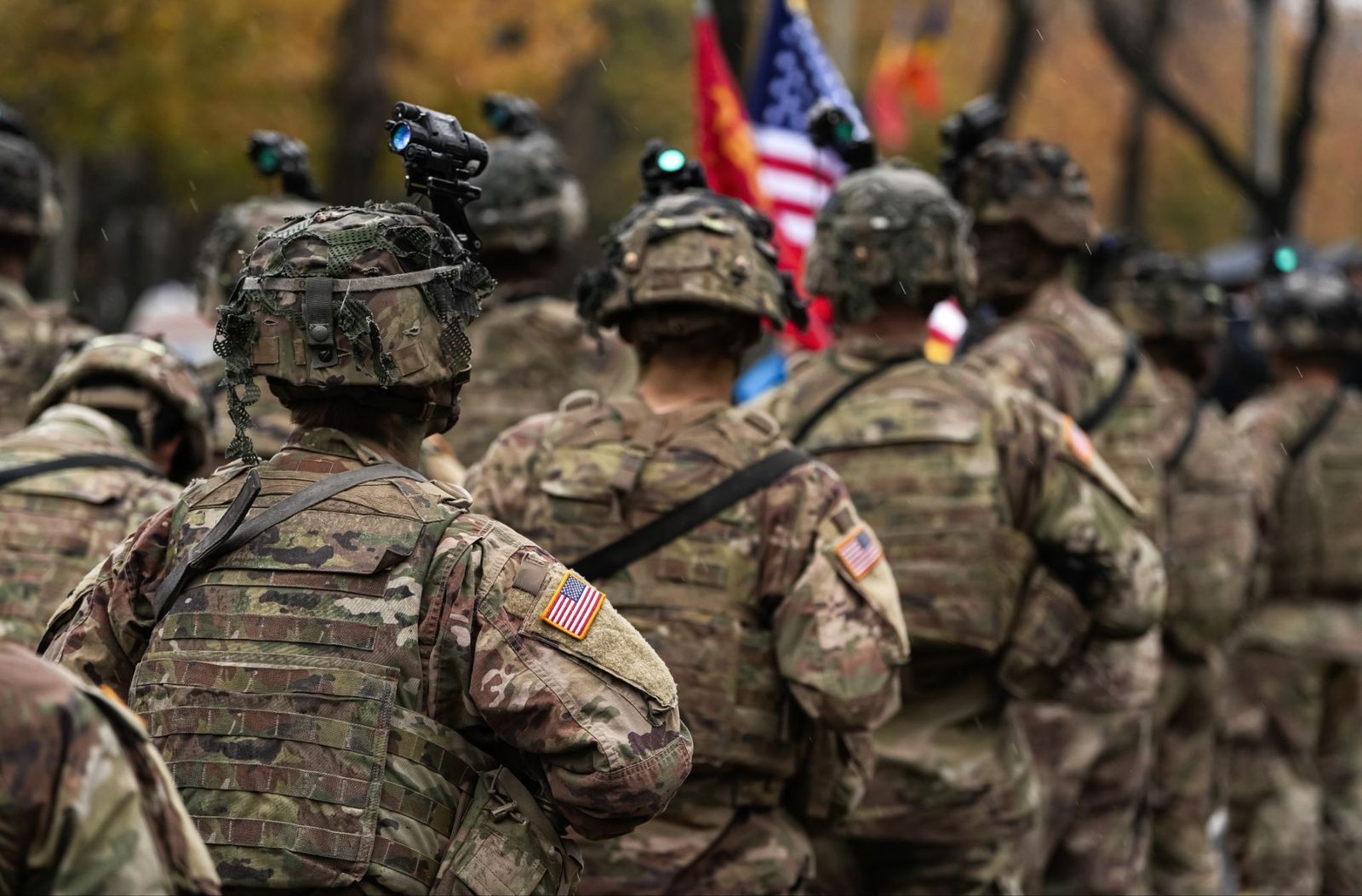
In the NATO phonetic alphabet, each letter is assigned a unique word to eliminate confusion when radio transmissions are distorted by noise or poor reception. If you've ever heard someone spell a name as "Mike Alpha Romeo Yankee," you've encountered the NATO phonetic alphabet.

The system was officially adopted by NATO in the 1950s and is now widely used by militaries, airlines, emergency responders, and many police departments worldwide. Using it greatly reduces the chance of misunderstanding important information over radio.

5

Roger

Image: nelikdulatov

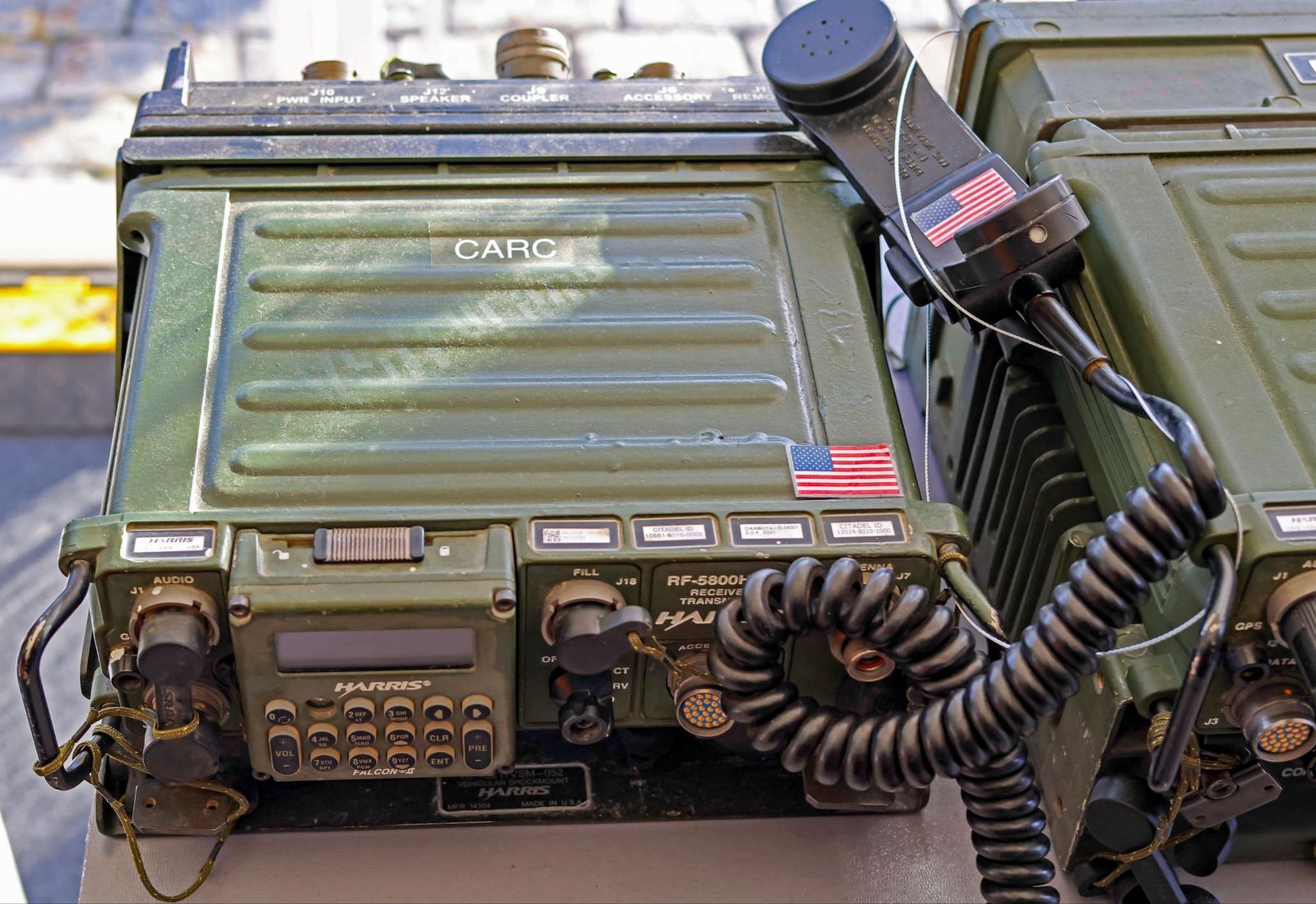
Roger dates back to the early days of radio communication, when the letter R stood for "received." Before the adoption of the NATO alphabet, the US military used Roger instead of Romeo to represent that letter_._

Although modern communications systems have changed and the US military has fully embraced the use of the NATO alphabet, Roger remains standard aviation terminology, and it's one of the best-known radio acknowledgments in the world. It conveys a very simple but important meaning: "I have received and understood your message."

6

Wilco

Image: alleks19760526

Although many people assume Roger and Wilco mean the same thing, they actually convey different messages. Wilco is short for "will comply." In other words, it tells the sender not only that the message was received and understood, but that the instruction will be carried out.

Saying both Roger and Wilco is technically redundant in proper radio communication, since complying necessarily implies understanding, but the combination is often heard in movies and television.

7

Tango

Image: Quality Stock Arts

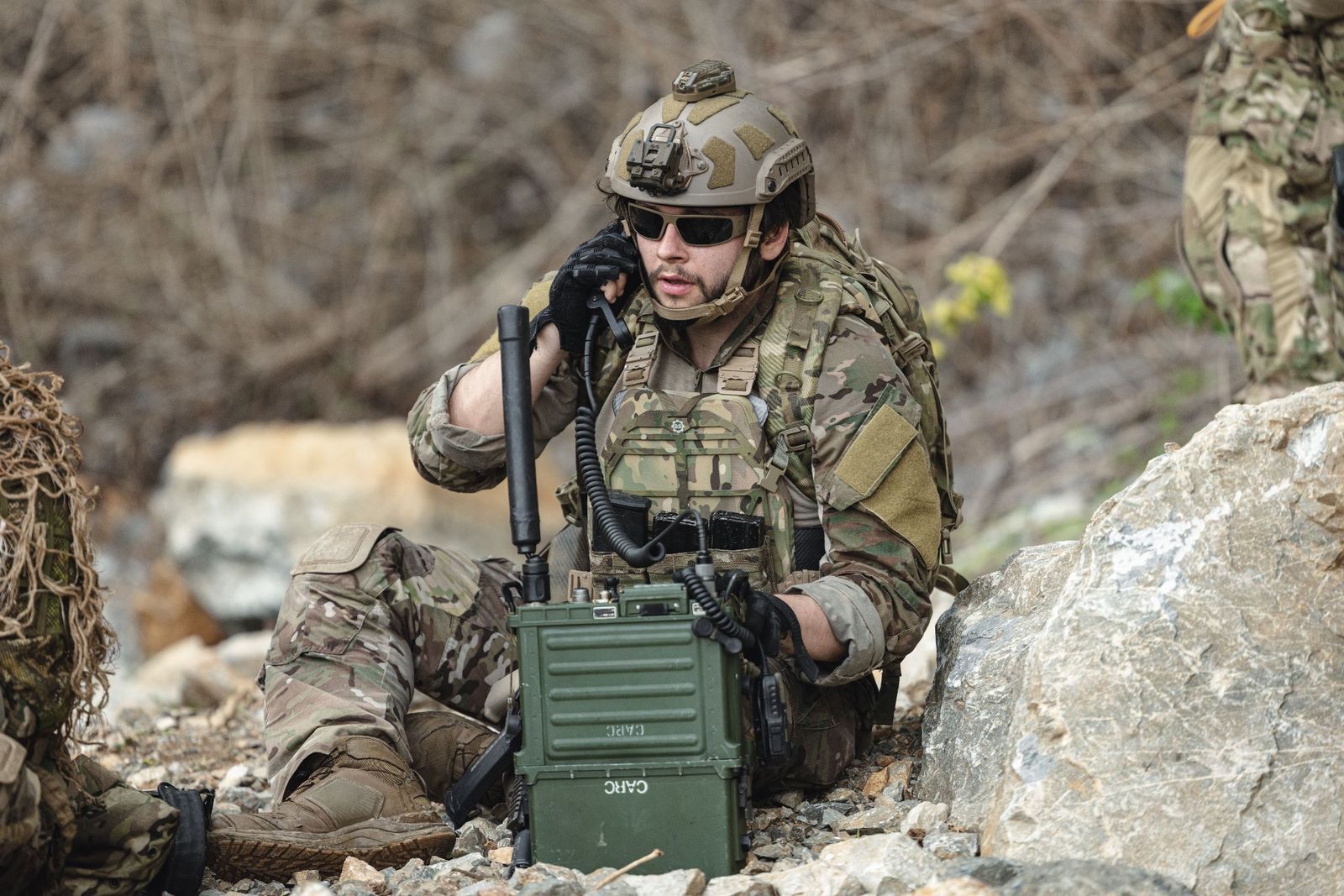
In the NATO phonetic alphabet, Tango simply represents the letter T. However, US military personnel have also adopted it as a shorthand when referring to a target or a hostile.

This secondary meaning became widely known through military operations in the twentieth century and has since appeared in countless books, films, and video games in phrases like "We've got one Tango moving north."

8

Oscar Mike

Image: Dragos Asaftei

Oscar Mike, NATO for the letters O and M, is military shorthand for "On the Move." It's a quick way of reporting that a unit has begun moving toward its objective.

The expression is especially common in the US military and has become more familiar to the general public through documentaries, memoirs, and films. It's finding its way into civilian life, meaning simply "I'm heading out."

9

10-4

Image: Elliott Cowand Jr

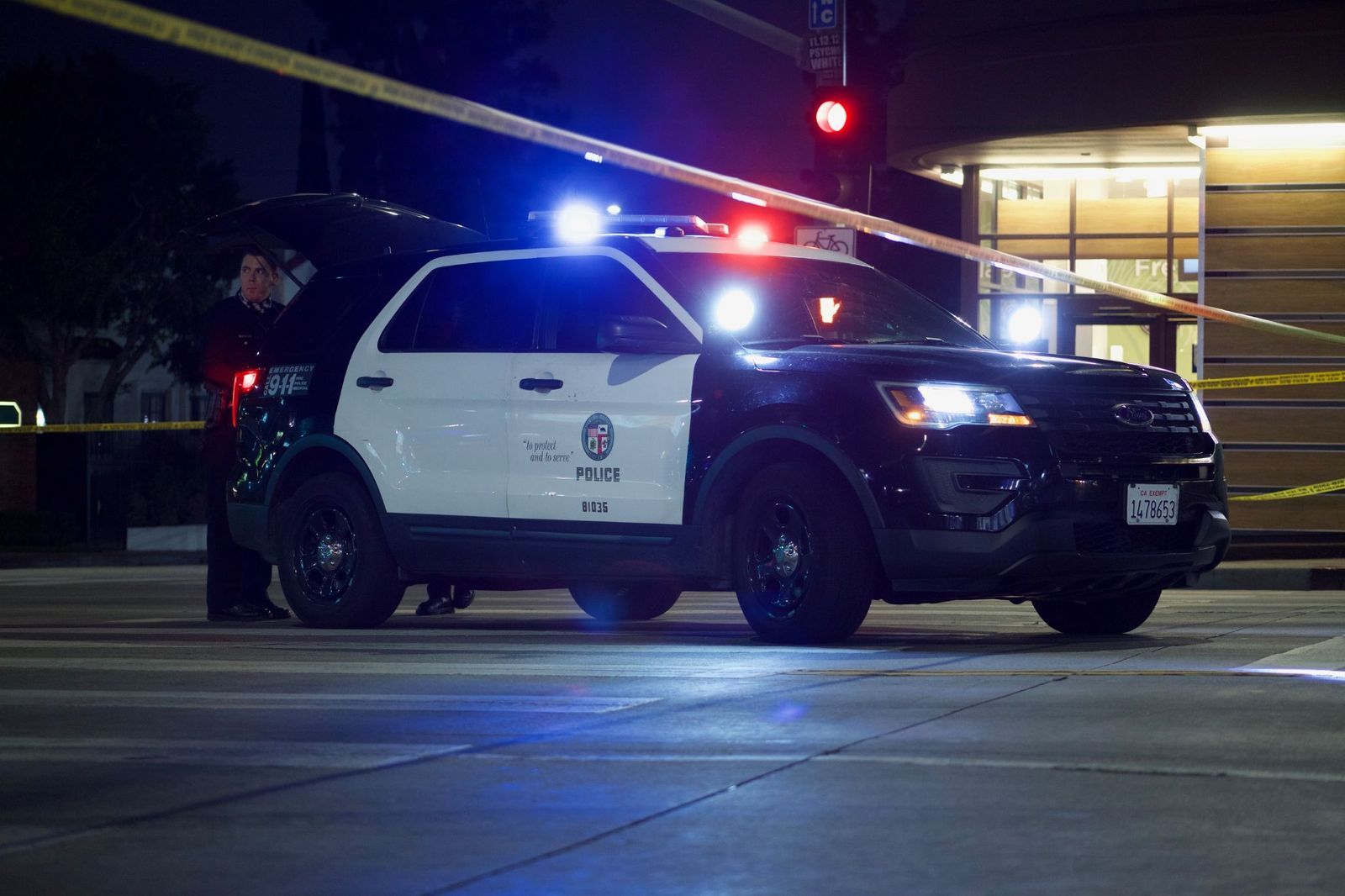
Ten-codes were developed during the 1930s to allow for brevity and standardization of message traffic in radio communications. They were widely adopted by US public safety departments and by radio enthusiasts.

While the system is being slowly phased out in favor of plain language communications, many local police, fire, and sheriff departments keep using it, and it is still strongly associated with radio culture by the general public. One of the most famous ten-codes is 10-4, meaning "received and understood."

10

Code Blue

Image: PeopleImages

Hospitals around the world use color-coded announcements to communicate emergencies without causing unnecessary panic among patients and visitors. Perhaps the best known is Code Blue, indicating that a patient is experiencing cardiac or respiratory arrest and requires immediate medical assistance.

While some hospitals use their own custom color codes, Code Blue has become so widely recognized that it now appears frequently in television dramas and everyday conversation whenever someone refers to a life-threatening medical emergency.

Looking for an extra scoop of literary fun?

Learn more with our Word of the day

monotonous

/məˈnɑtənəs/