Words filled with meaning

Why you should never say "ATM machine"


Published on August 23, 2026

Image: Jason Leung

Compared to other languages, English employs a relatively high number of acronyms and initialisms. According to linguists, this happens because English words tend to be short, and the word order is quite strict. While initialisms are easy to distinguish because they are not pronounced as a word, we don’t always recognize acronyms, especially when they refer to everyday things. Here are 11 popular acronyms and initialisms and their meaning.

1

SCUBA

Image: Jesse van Vliet

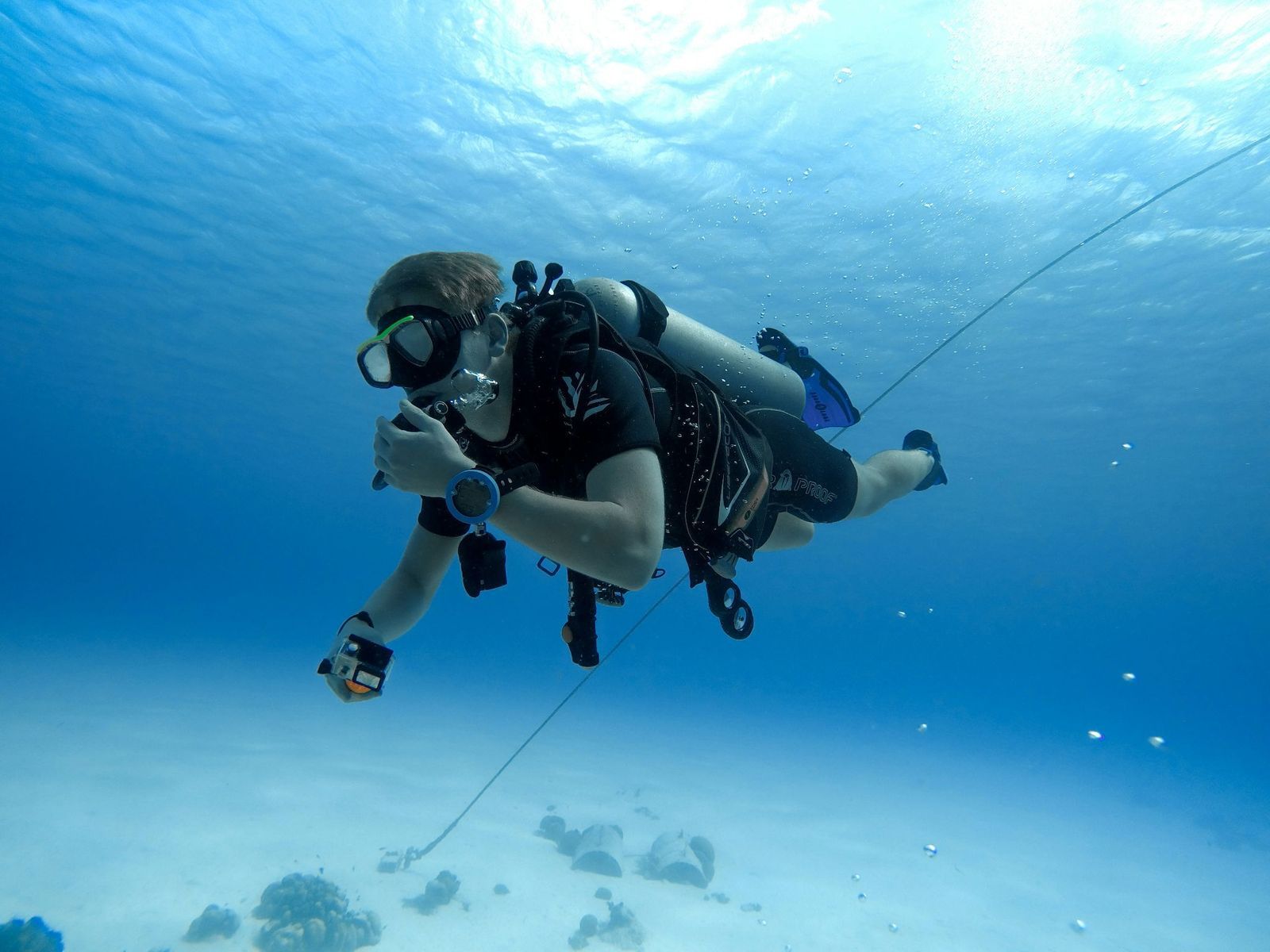
When the scuba was invented in 1952 by Christian J. Lambertsen, it had a different name that, coincidentally, was also an acronym. Lambertsen had named his invention LARU, or ‘Lambertsen Amphibious Respiratory Unit’, but he changed it when it was time to apply for a patent. The name in the patent application was SCUBA, after ‘Self-Contained Underwater Breathing Apparatus’. Nowadays, scuba is a word of its own and has developed into words like scuba-diving.

2

LASER

Image: Artem Bryzgalov

In 1955, scientists who had developed a microwave radiation technology patented it as MASER or ‘Microwave Amplification by Stimulated Emission of Radiation’. A few years later, American physicist Gordon Gould developed a similar technology, this time using light instead of microwaves. Following the pattern of MASER, he registered it as LASER or ‘Light Amplification by Stimulated Emission of Radiation’. While the scientific community initially referred to this technology as the "optical maser", Gould’s acronym quickly became the preferred term.

3

ATM

Image: Ali Mkumbwa

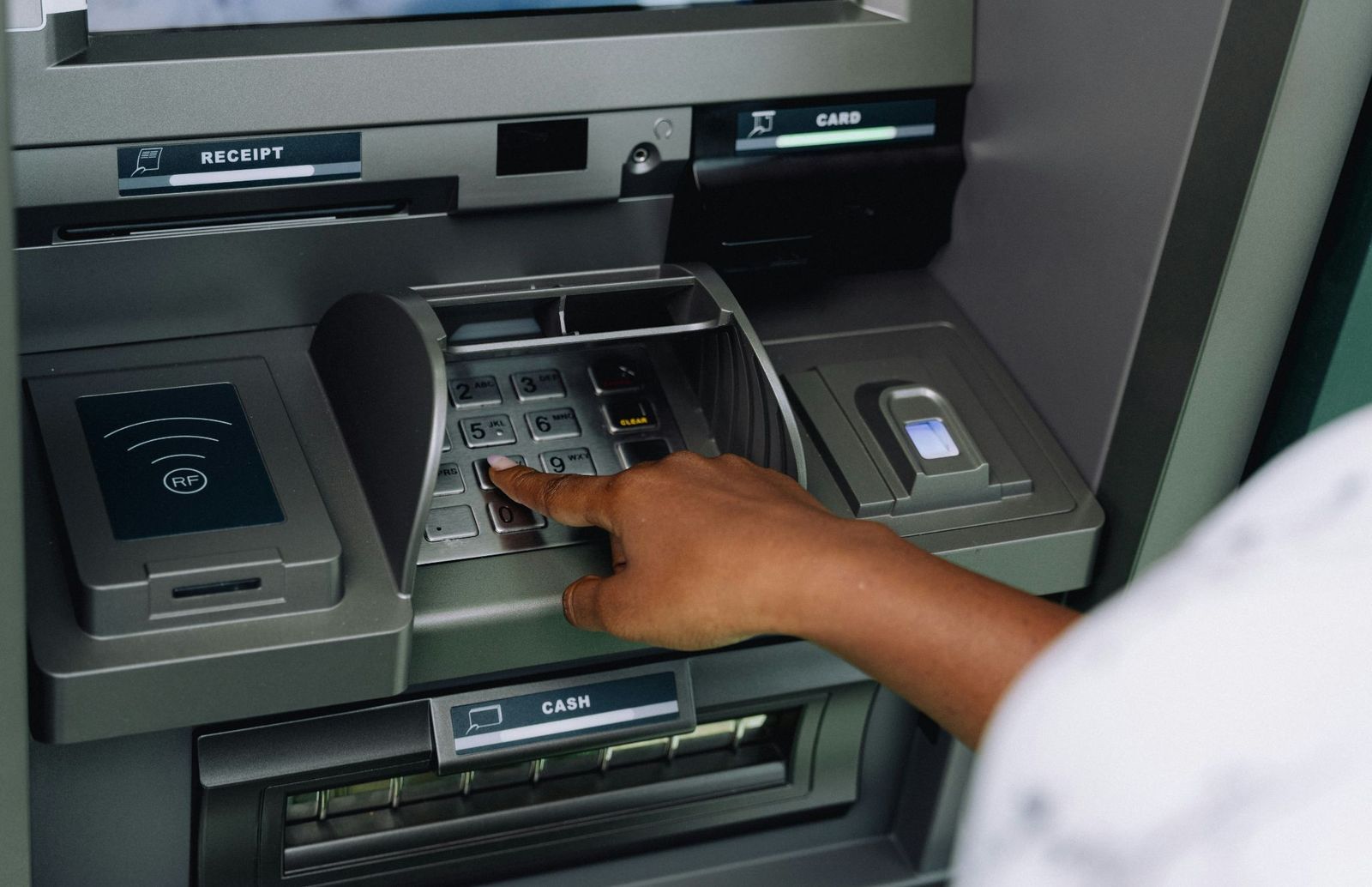
If you’ve ever used the phrase "ATM machine", you need to know that you’re saying ‘machine’ twice. But don’t worry, this is a common error stemming from the fact that many people don’t know that ATM stands for ‘Automated Teller Machine’, a name that creates a parallelism between ATMs and bank tellers. Although the ATM was installed in 1967 in a London bank, no one really knows who was the first to call it ‘ATM’ instead of ‘cash-dispensing machine’.

4

RADAR

Image: Stephan Widua

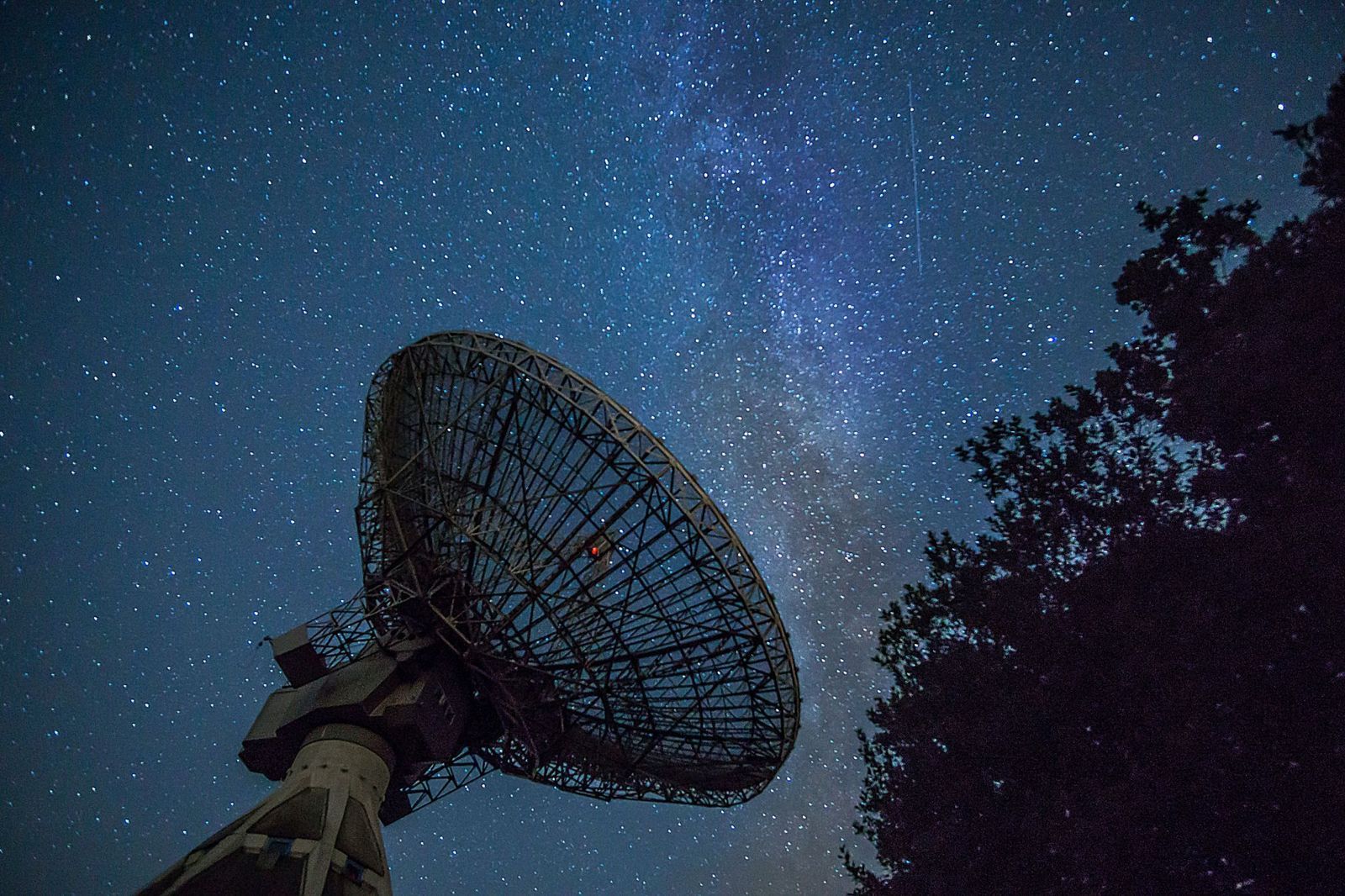
The use of radio waves as a detection mechanism dates back to the late 19th century, but it was not properly developed until the 1920s, when the U.S. Navy started creating the first modern radars. By the Second World War, most military powers were using radio wave detection, but the technology did not have a name. In 1940, Lieutenant-Commanders Samuel M. Tucker and F. R. Furth of the U.S. Navy decided to come up with a code name and, after trying several phrases, landed on ‘Radio Detection And Ranging’, or RADAR.

5

CAPTCHA

Image: shofiphoto

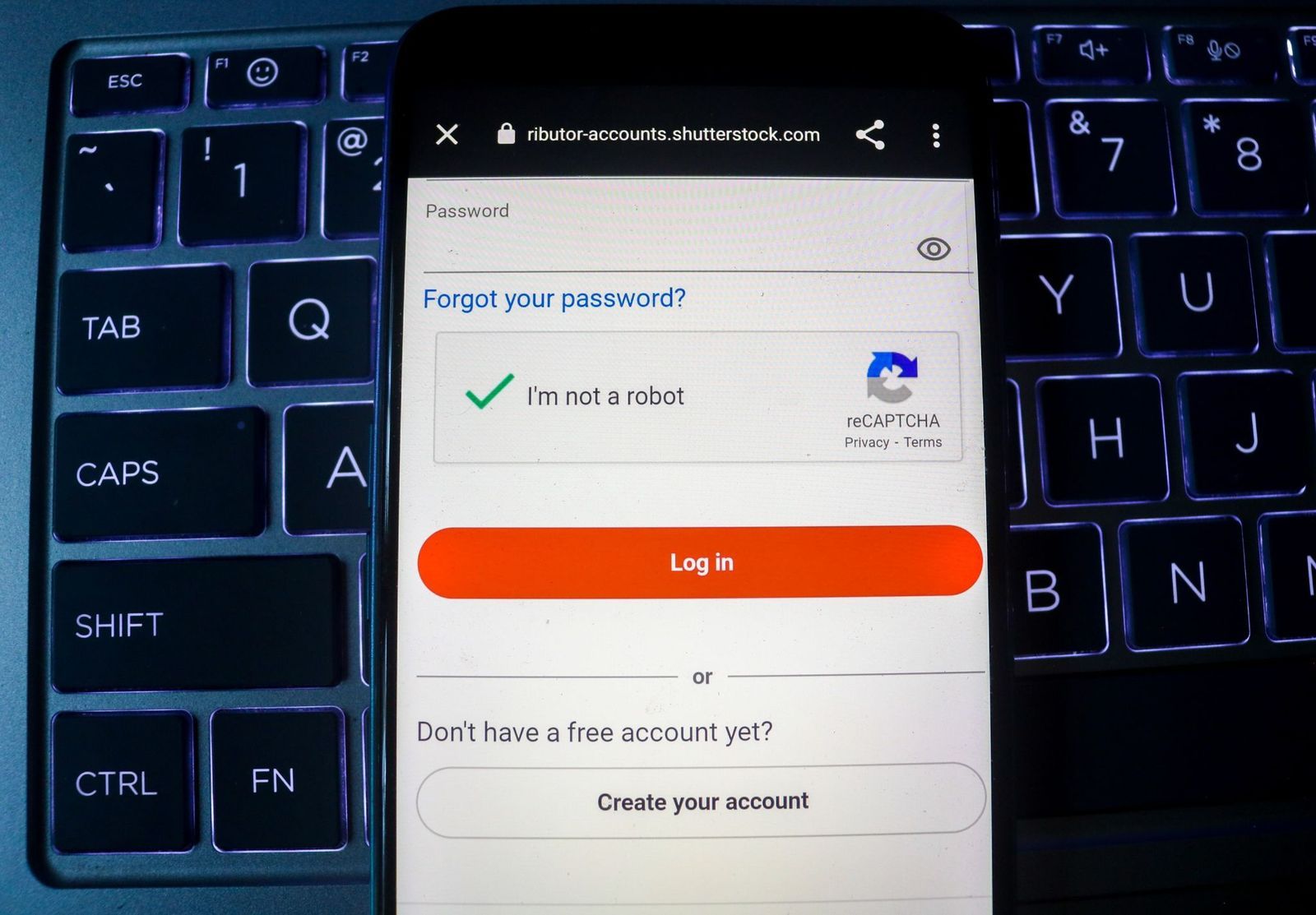
If you are not familiar with the term CAPTCHA, you might recognize it as the test used by websites to make sure that you are human and not a robot. While clicking a box or selecting a picture is simple for a human, it’s extremely hard for a machine. What does the term CAPTCHA stand for? ‘Completely Automated Public Turing test to tell Computers and Humans Apart’. The name contains a reference to the Turing test —a method used to check if machines can behave like humans— and the acronym also functions as a portmanteau of ‘capture’ and ‘gotcha’.

6

NATO

Image: Alexandros Michailidis

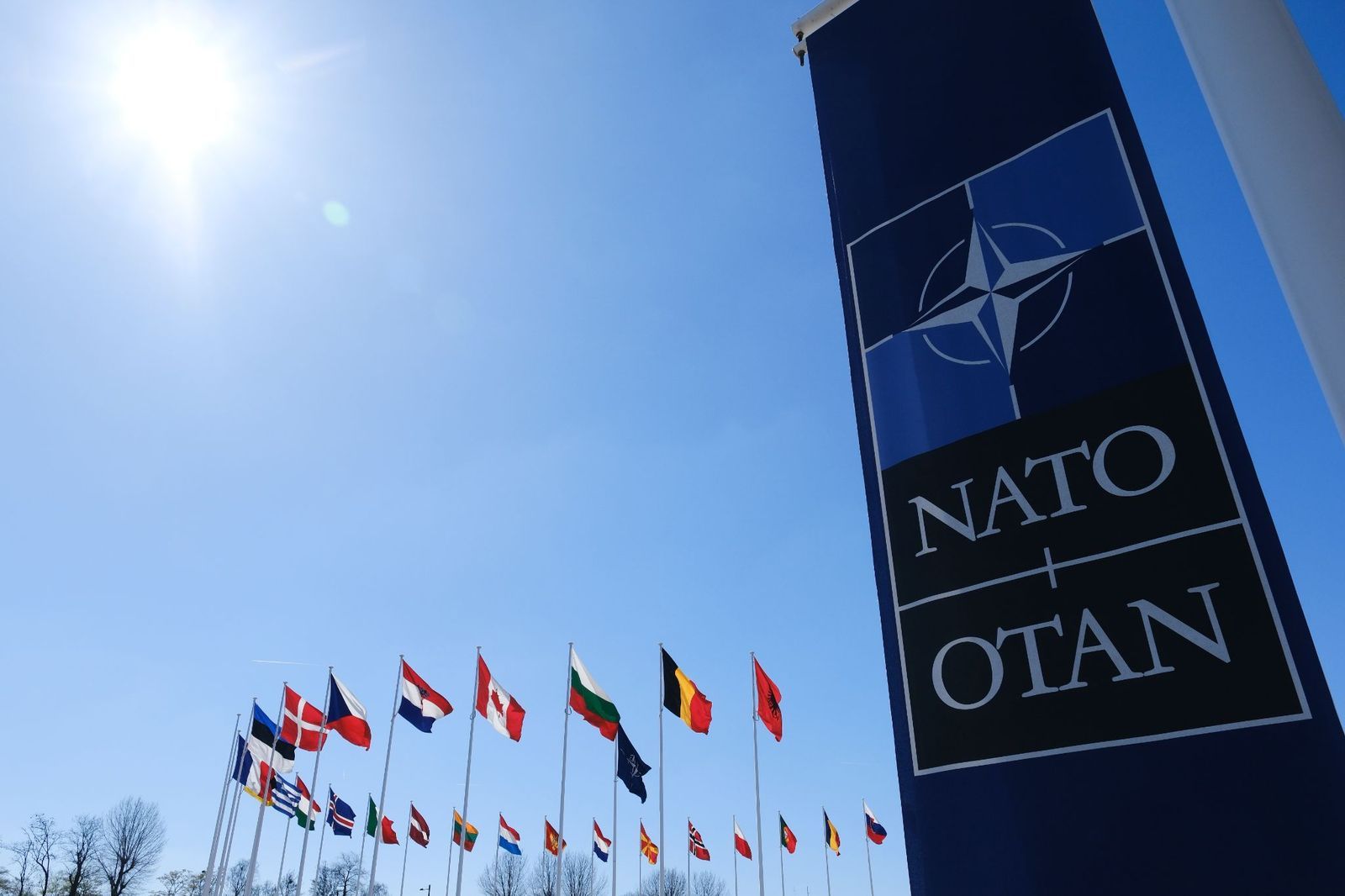
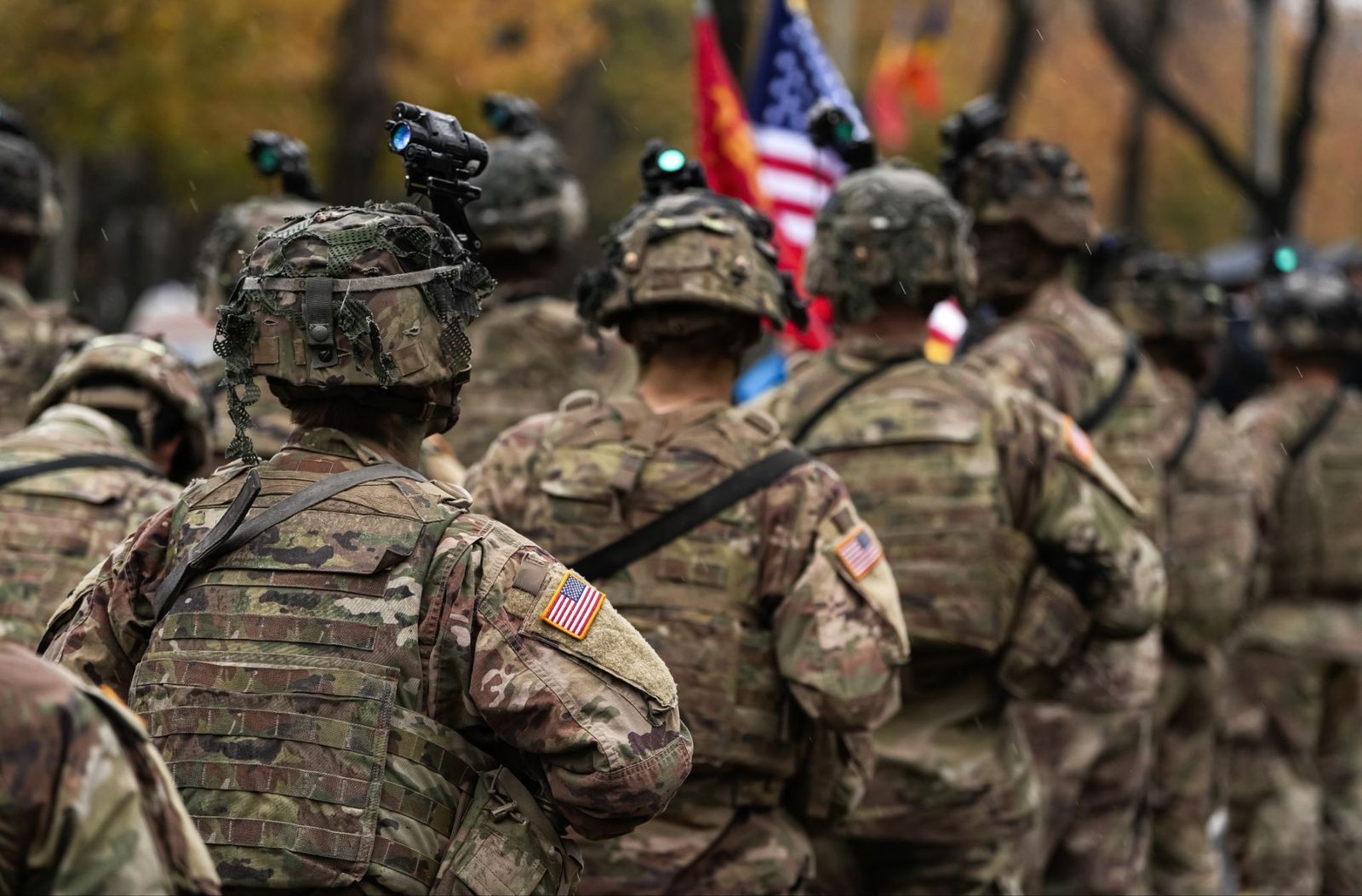
If you follow international politics, you might have heard about NATO, a military alliance between several countries, the U.S. included. But have you ever wondered what NATO stands for? This alliance was established with the signing of the 1949 North Atlantic Treaty by several European and North American nations, and its name stands for ‘North Atlantic Treaty Organization’.

7

GIF

Image: monticello

The discussions around GIF tend to focus on whether it’s pronounced "gif" or "jif", and one would think that the meaning of the acronym would shed some light on the matter, but it doesn’t. GIF stands for ‘Graphics Interchange Format’, a reference to its development to transfer compressed images across computers. While the ‘g’ in ‘graphic’ would suggest that the correct pronunciation is "gif", creator Steve Wilhite has stated that the acronym was modelled after the peanut butter brand Jif, and should be pronounced in the same way.

8

BBC

Image: K. Mitch Hodge

The BBC is one of the most famous broadcasters in the world, and its name is so iconic that it has evolved from an initialism to the official name for the company. Established in 1923 as the British Broadcasting Company, initialized as BBC, it became officially known as the BBC when the company transitioned from private to public. The BBC has become so connected with standard British culture that "BBC English" has been historically promoted as the standard speech for newscasters and network announcers.

9

CEO

Image: Hunters Race

Nowadays, we use the term CEO in corporate settings, but did you know that its origins are military and political? The first records of CEO as ‘Chief Executive Officer’ date back to legal and government texts from the 1780s, and the term is used in reference to leaders and state governors. However, the term would not become popular until the 1970s, when it was adopted by the corporate world for the highest-ranking person in a company.

10

TASER

Image: Maximumm

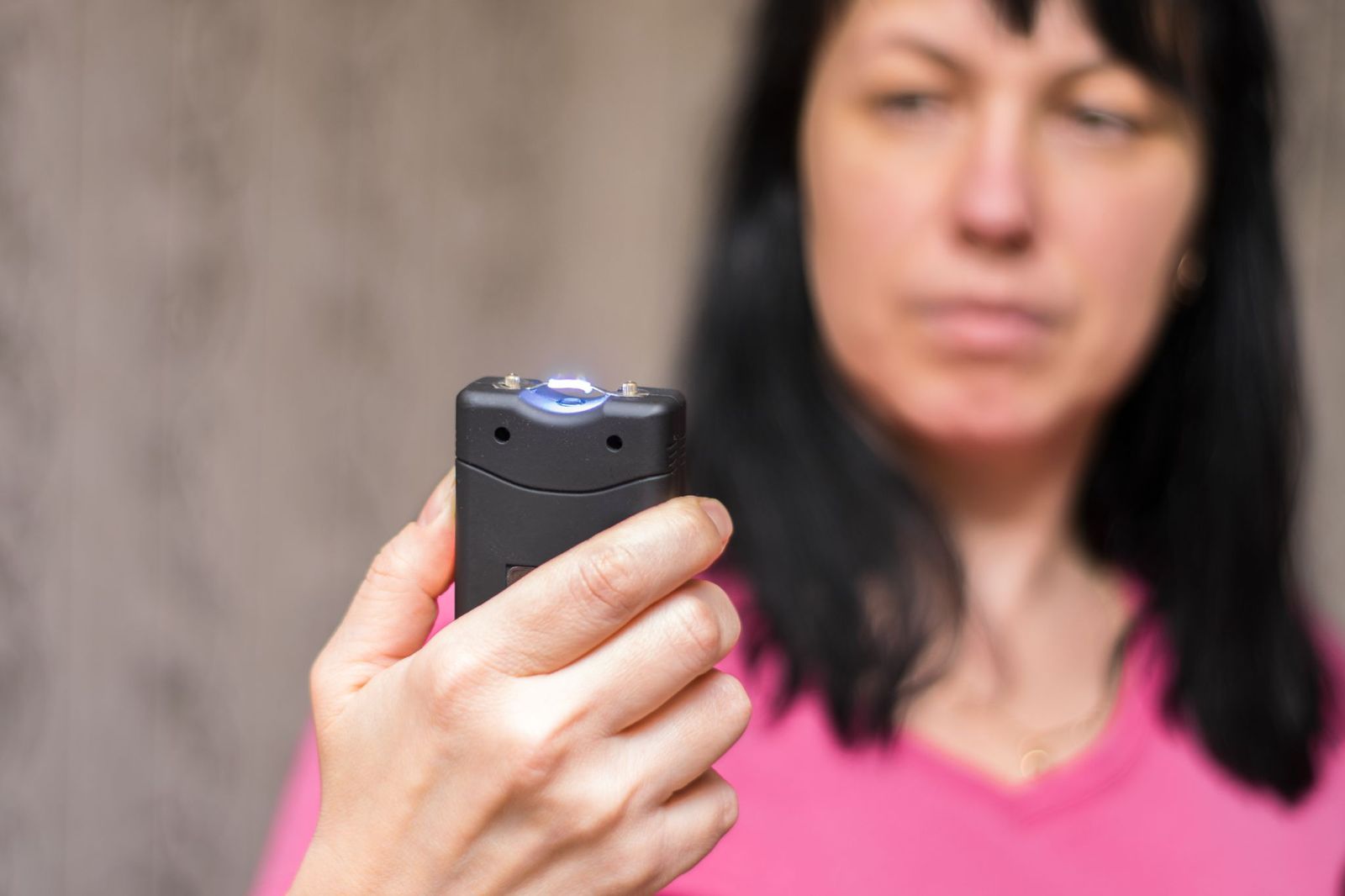
When acronyms for an invention include a name, it’s often the name of its inventor. But sometimes, as it happened with the TASER, they include a name that has nothing to do with the person behind the invention. The TASER was developed by Jack Cover, but its acronym stands for ‘Tom A. Swift's Electric Rifle’. Who is Tom Swift? The protagonist of the 1911 science fiction novel_._ Cover added the ‘A’ initial to the name to make the acronym easier to pronounce.

11

ZIP

Image: Karolis Kavolelis

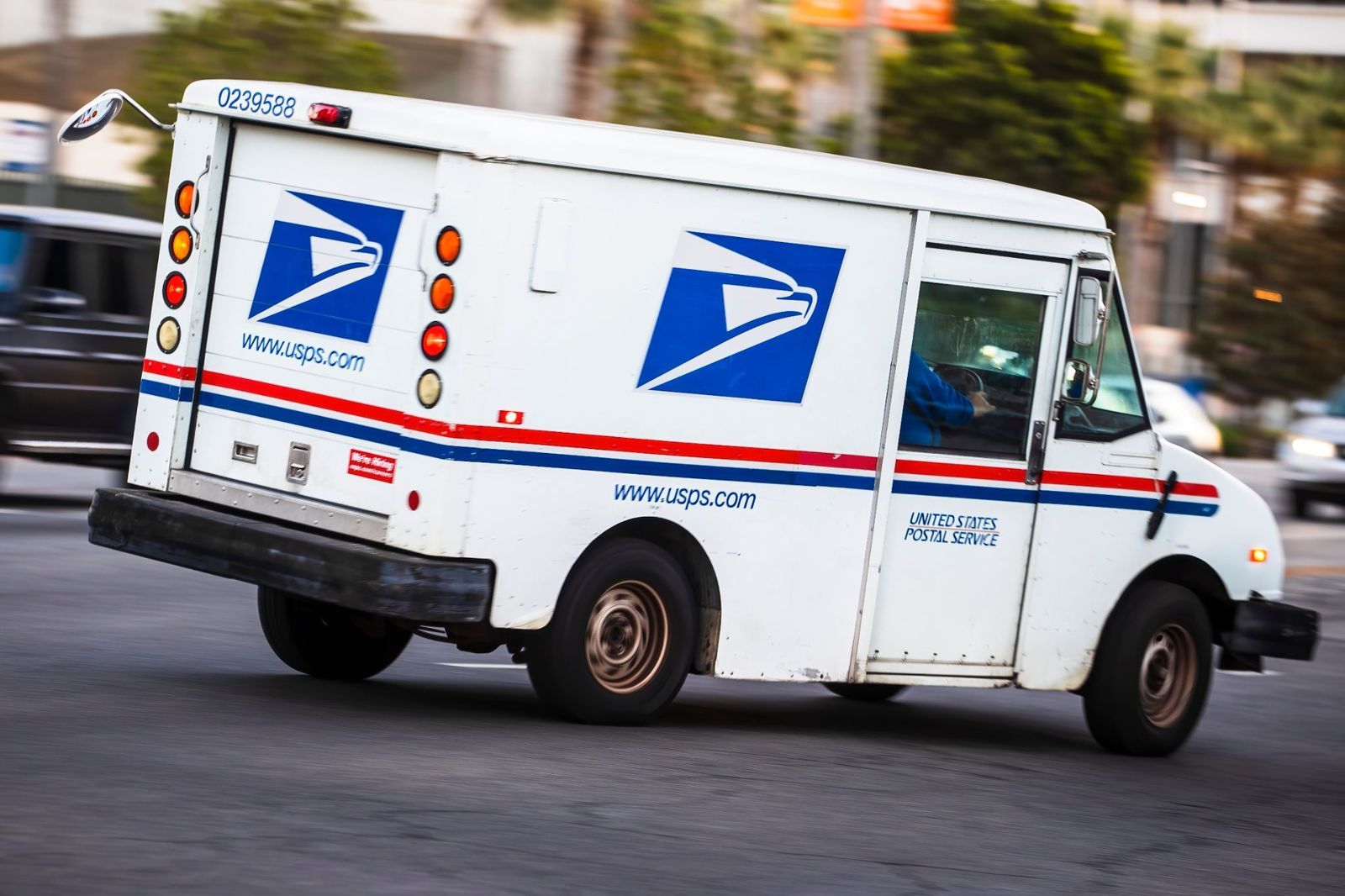
When the U.S. Postal Service created its postal code system, also known as a ZIP code, they used an acronym for the name, but the meaning of the acronym was not really important. ZIP stands for ‘Zone Improvement Plan’, but this phrase doesn’t make complete sense. This is because the USPS was more interested in using the name ZIP to convey the idea that using postal codes would make deliveries faster and more efficient than what these letters stood for.
Tango, Bravo

Codewords decoded: How many did you know?


Published on August 23, 2026


Image: orso bianco

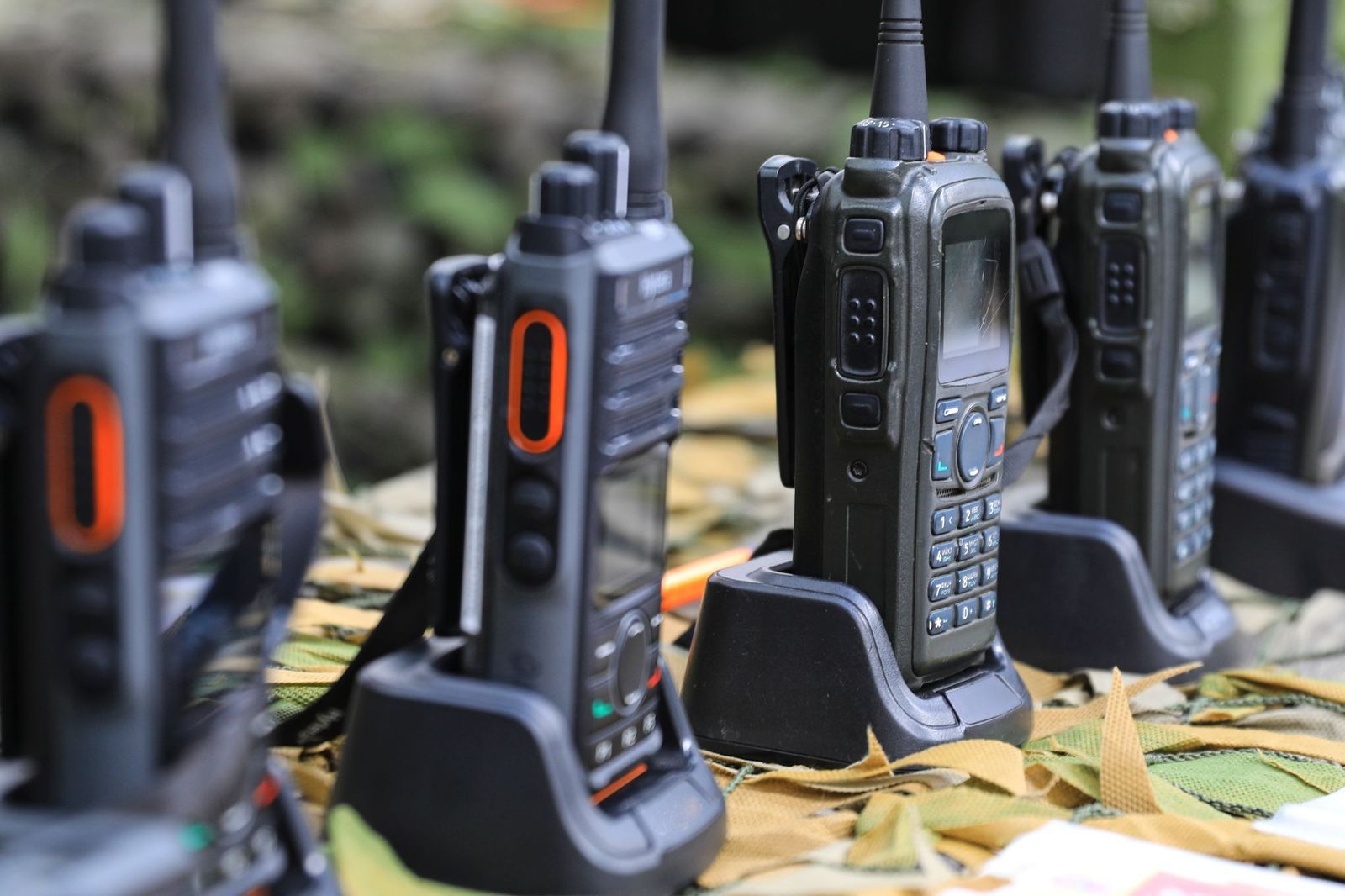
In situations where clear communication is paramount, especially when lives are at stake, professionals often rely on standardized codewords and phonetic alphabets designed to prevent confusion. Either from movies or from personal experience, it's probable that you've heard at least some of these before, and many have found their way into everyday conversation. Let's find out how many of these code expressions you can recognize.

1

Mayday

Image: Zhuravlev Andrey

Mayday is the international distress call used when the sender is in immediate, life-threatening danger. Pilots and mariners use it to signal that they require urgent assistance due to situations such as engine failure, fire, flooding, or medical emergencies.

The word was introduced in 1923 by British radio officer Frederick Stanley Mockford, who based it on the French phrase m'aider, meaning "help me," in an attempt to make it internationally recognizable. Hearing this transmission immediately alerts emergency responders that every second counts.

2

Pan-Pan

Image: DenisProduction.com

Not every emergency is severe enough to warrant a mayday call. When a crew faces a problem that is urgent but not immediately life-threatening, the appropriate codeword is Pan-Pan.

Like mayday, it comes from French: it derives from panne, meaning a breakdown or mechanical failure. A Pan-Pan call might be used if an aircraft loses an engine but can still fly safely, or if a ship experiences equipment problems while remaining under control. It tells responders that assistance is needed, but that the situation has not yet become critical.

3

SOS

Image: Grisha Bruev

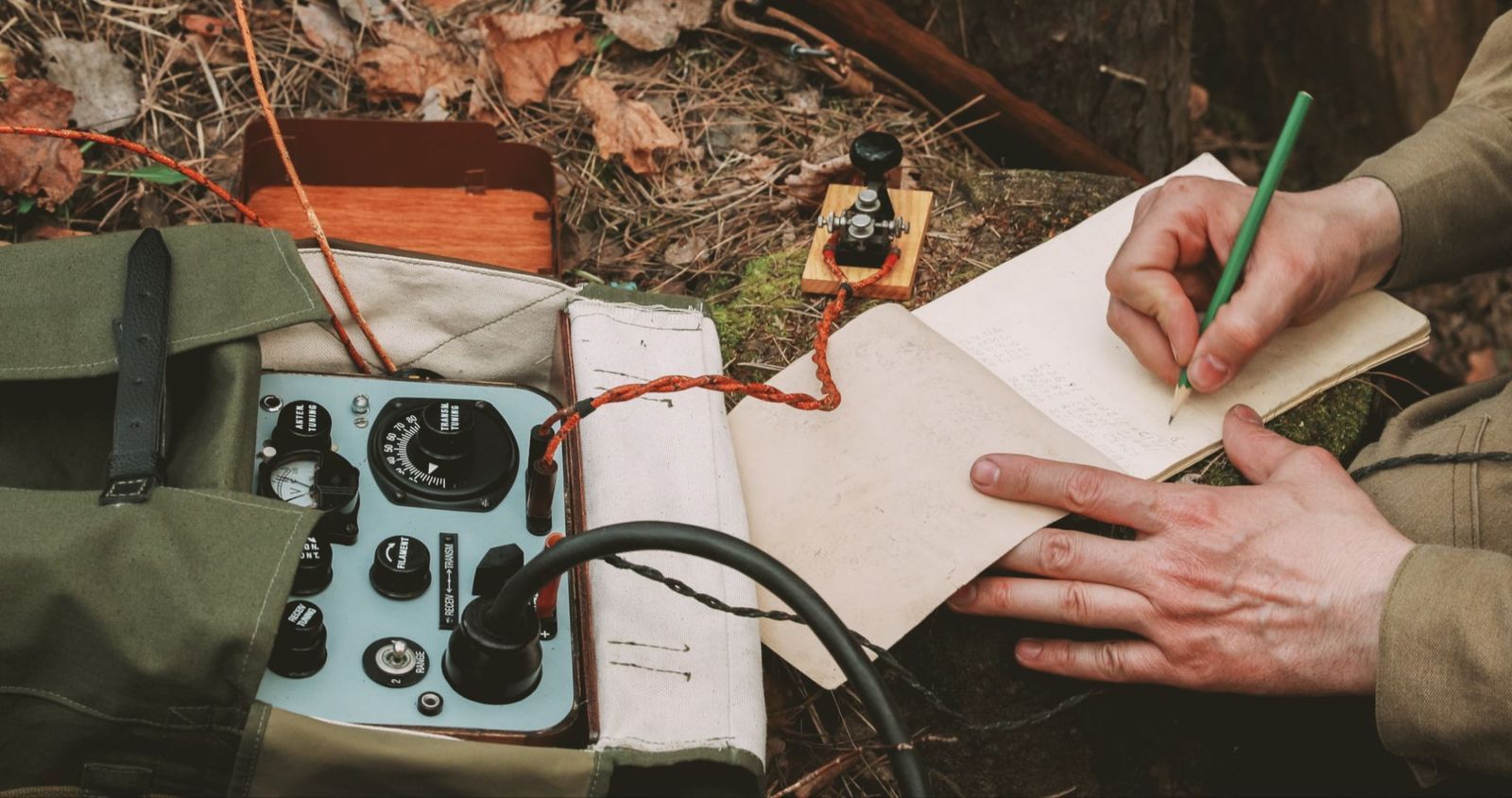
Few emergency signals are as universally recognizable as SOS. Contrary to popular belief, the letters do not officially stand for "Save Our Ship" or "Save Our Souls." It was adopted in 1906 because SOS is an extremely simple, easy-to-transmit, and unmistakable pattern in Morse code.

SOS remains one of the world's most enduring distress signals, and it's still recognized by rescue organizations all around the globe.

4

NATO Alphabet

Image: Alexandros Michailidis

In the NATO phonetic alphabet, each letter is assigned a unique word to eliminate confusion when radio transmissions are distorted by noise or poor reception. If you've ever heard someone spell a name as "Mike Alpha Romeo Yankee," you've encountered the NATO phonetic alphabet.

The system was officially adopted by NATO in the 1950s and is now widely used by militaries, airlines, emergency responders, and many police departments worldwide. Using it greatly reduces the chance of misunderstanding important information over radio.

5

Roger

Image: nelikdulatov

Roger dates back to the early days of radio communication, when the letter R stood for "received." Before the adoption of the NATO alphabet, the US military used Roger instead of Romeo to represent that letter_._

Although modern communications systems have changed and the US military has fully embraced the use of the NATO alphabet, Roger remains standard aviation terminology, and it's one of the best-known radio acknowledgments in the world. It conveys a very simple but important meaning: "I have received and understood your message."

6

Wilco

Image: alleks19760526

Although many people assume Roger and Wilco mean the same thing, they actually convey different messages. Wilco is short for "will comply." In other words, it tells the sender not only that the message was received and understood, but that the instruction will be carried out.

Saying both Roger and Wilco is technically redundant in proper radio communication, since complying necessarily implies understanding, but the combination is often heard in movies and television.

7

Tango

Image: Quality Stock Arts

In the NATO phonetic alphabet, Tango simply represents the letter T. However, US military personnel have also adopted it as a shorthand when referring to a target or a hostile.

This secondary meaning became widely known through military operations in the twentieth century and has since appeared in countless books, films, and video games in phrases like "We've got one Tango moving north."

8

Oscar Mike

Image: Dragos Asaftei

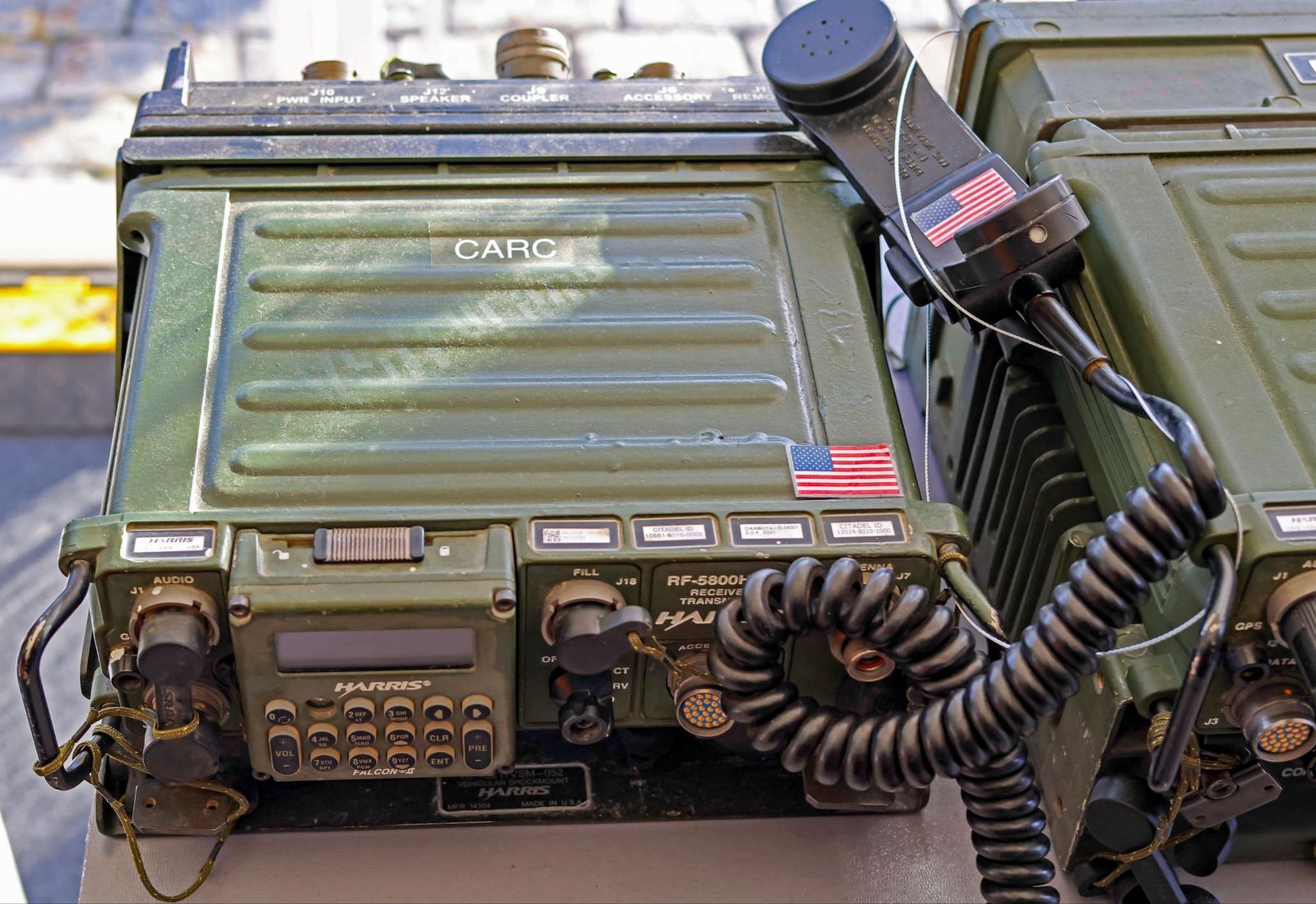
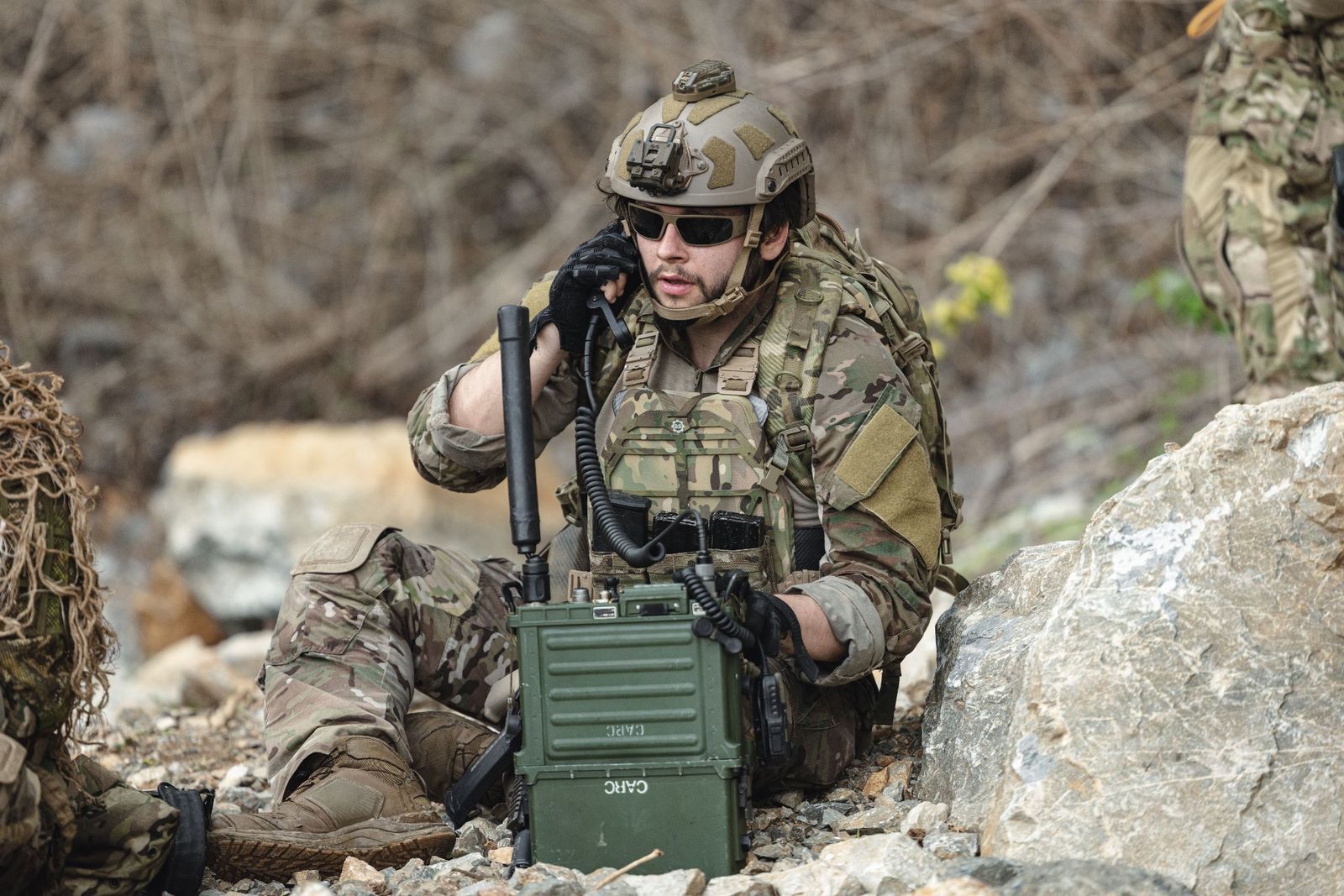
Oscar Mike, NATO for the letters O and M, is military shorthand for "On the Move." It's a quick way of reporting that a unit has begun moving toward its objective.

The expression is especially common in the US military and has become more familiar to the general public through documentaries, memoirs, and films. It's finding its way into civilian life, meaning simply "I'm heading out."

9

10-4

Image: Elliott Cowand Jr

Ten-codes were developed during the 1930s to allow for brevity and standardization of message traffic in radio communications. They were widely adopted by US public safety departments and by radio enthusiasts.

While the system is being slowly phased out in favor of plain language communications, many local police, fire, and sheriff departments keep using it, and it is still strongly associated with radio culture by the general public. One of the most famous ten-codes is 10-4, meaning "received and understood."

10

Code Blue

Image: PeopleImages

Hospitals around the world use color-coded announcements to communicate emergencies without causing unnecessary panic among patients and visitors. Perhaps the best known is Code Blue, indicating that a patient is experiencing cardiac or respiratory arrest and requires immediate medical assistance.

While some hospitals use their own custom color codes, Code Blue has become so widely recognized that it now appears frequently in television dramas and everyday conversation whenever someone refers to a life-threatening medical emergency.

Looking for an extra scoop of literary fun?

Learn more with our Word of the day

hyperbole

/haɪˈpərbəli/