Clever illusions

What casinos, supermarkets, and subways don’t want you to know


Published on February 27, 2026

Image: Bret Kavanaugh

Ever had the feeling that something about everyday life was just a little off? That’s because in many cases, it is. From grocery store layouts to casino carpets, clever minds are shaping what we see, smell, and even how we move without us realizing it. Let’s pull back the curtain and peek at the hidden tricks tucked into the ordinary places we all know.

1

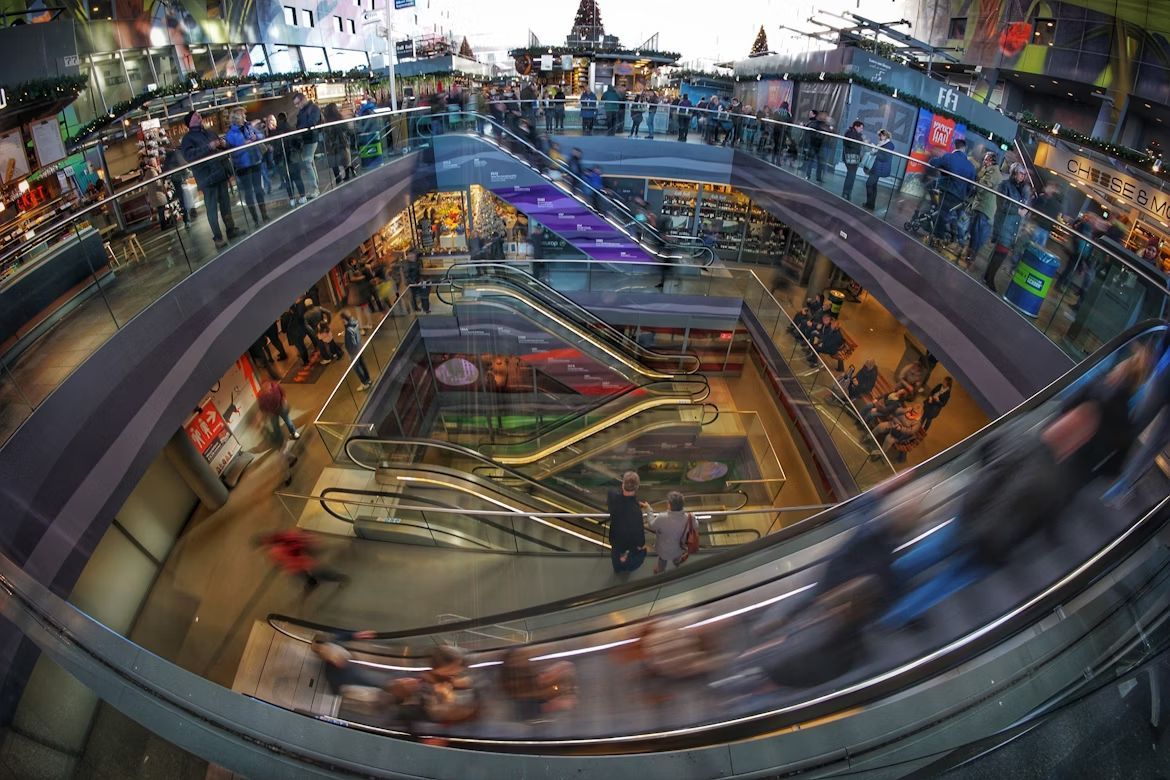
Shopping malls are indeed mazes

Image: Dieter de Vroomen

Shopping malls weren’t built like mazes by accident. Have you ever heard of the "Gruen Transfer"? It’s the moment you forget what you came in for and start browsing aimlessly. Architects design confusing layouts and winding paths to trigger it. The longer you wander, the more likely you are to grab things you didn’t plan on buying. If you’ve ever left a store with three extra bags and no memory of why, you’ve been "Gruened."

2

Supermarkets play hide and seek with your milk
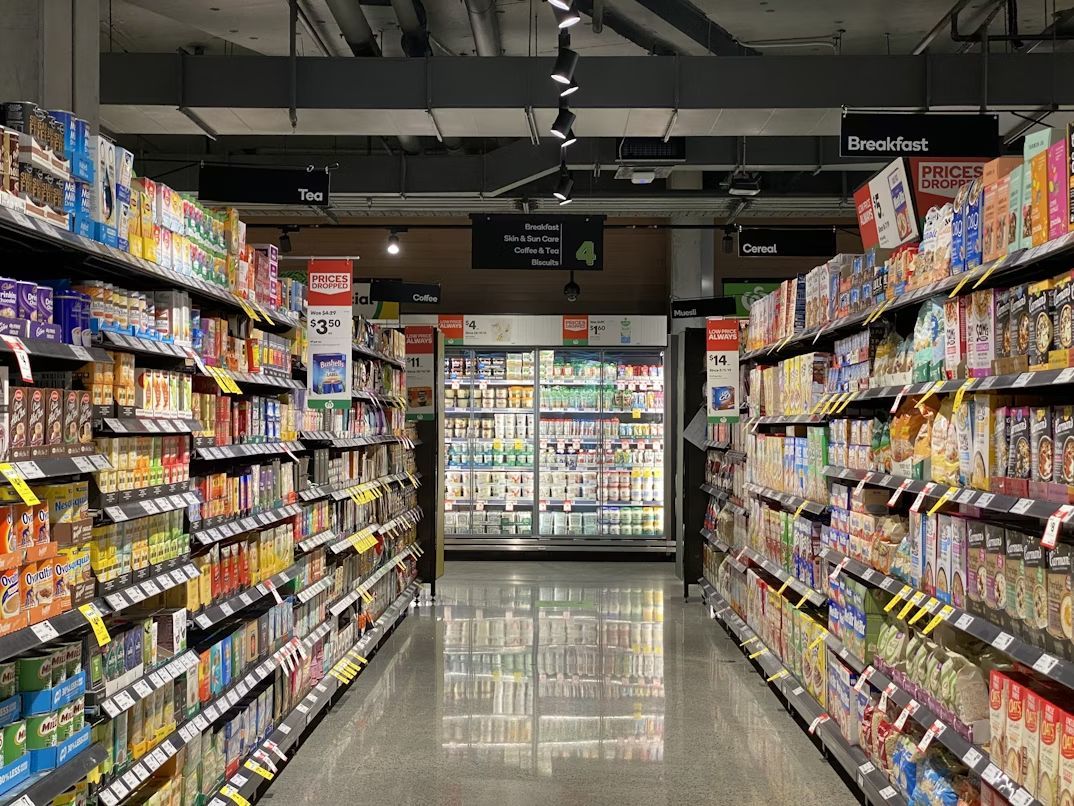
Image: Franki Chamaki

Why is milk always at the back of the store? It’s not poor planning, it’s strategy. By placing essentials far away, supermarkets force you to stroll past shelves of tempting snacks, fresh flowers, and discounted items. Every extra step raises the odds that something unplanned lands in your cart. So while you may only need a gallon of milk, the store is betting you’ll walk out with chips, cookies, and maybe even a magazine.

3

Fast food chains know how to lure your nose
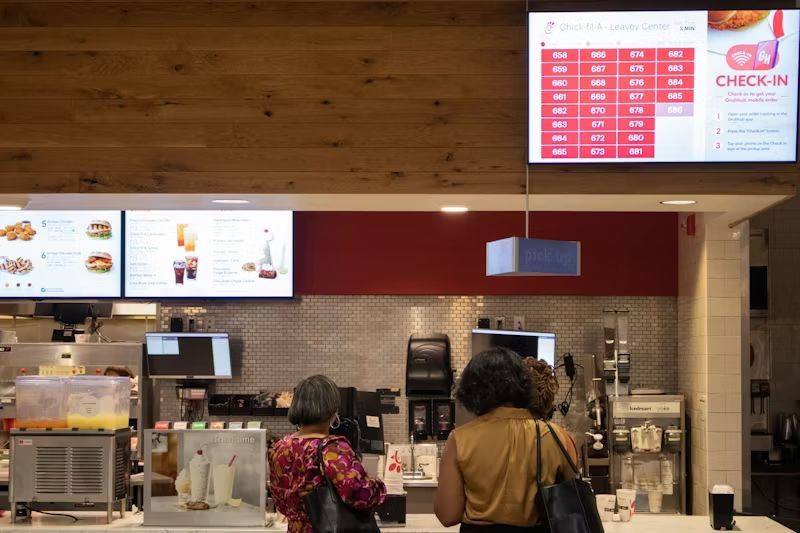
Image: Zoshua Colah

Ever wondered why the smell of French fries can make you turn your head? That’s no happy accident. Many fast-food joints pump cooking aromas right onto the street. Since smell is the strongest trigger for cravings, it’s an irresistible lure. The scent hits your brain before your stomach has a chance to argue, and suddenly a quick errand turns into a burger run.

4

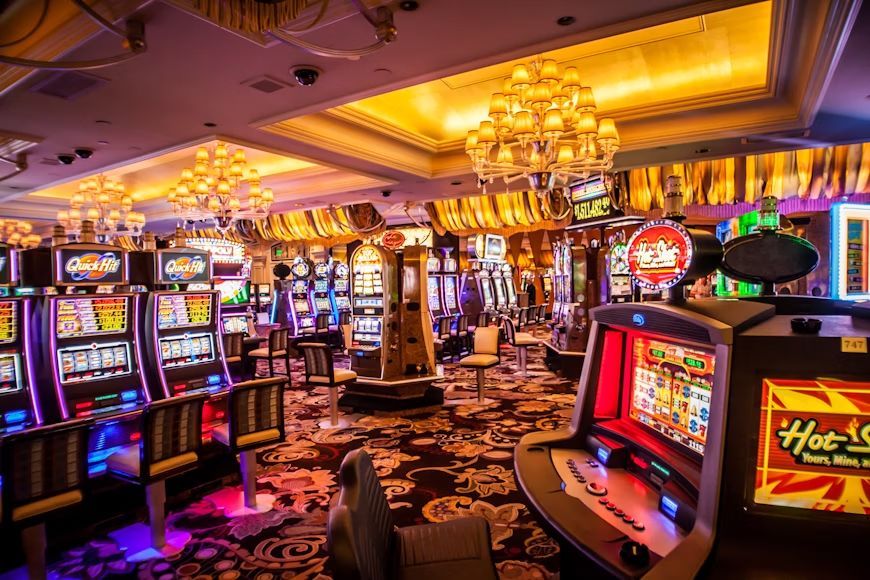
Casino carpets are ugly on purpose

Image: Kvnga

If you’ve ever thought casino carpets looked like something out of a wild kaleidoscope, you’re not wrong. Those clashing patterns aren’t just bad taste; they’re intentional. Distracting floors keep your eyes up, fixed on the machines and tables where the real money is made. The chaos underfoot is a subtle trick to keep you focused on spinning reels instead of finding the exit.

5

That "new car smell" is bottled luxury
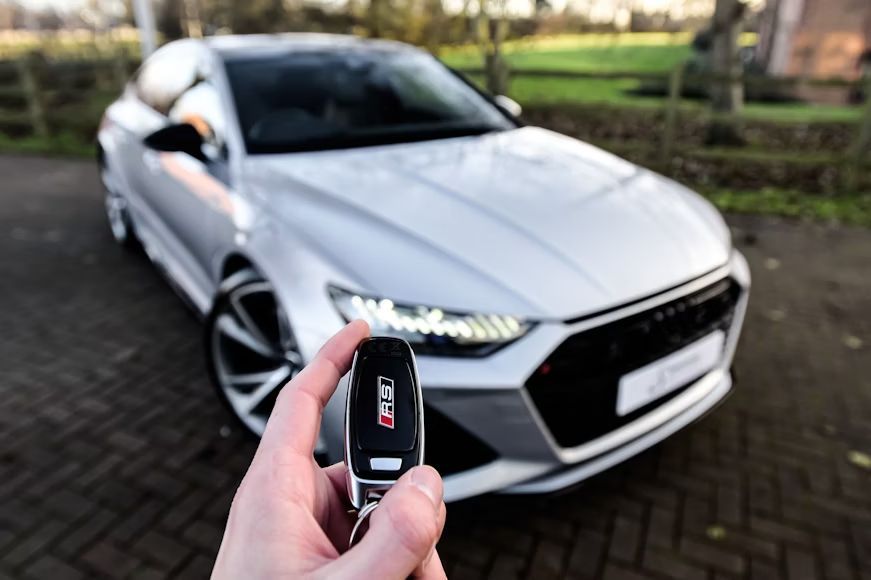
Image: Swansway Motor Group

Nothing feels quite like sliding into a car with that signature "new car smell." But here’s the secret: it’s manufactured. Car makers blend chemical scents to create the feeling of freshness and quality. Some companies even trademark their formula so rivals cannot copy it. That rich scent that says "success"? It’s as carefully crafted as the leather seats.

6

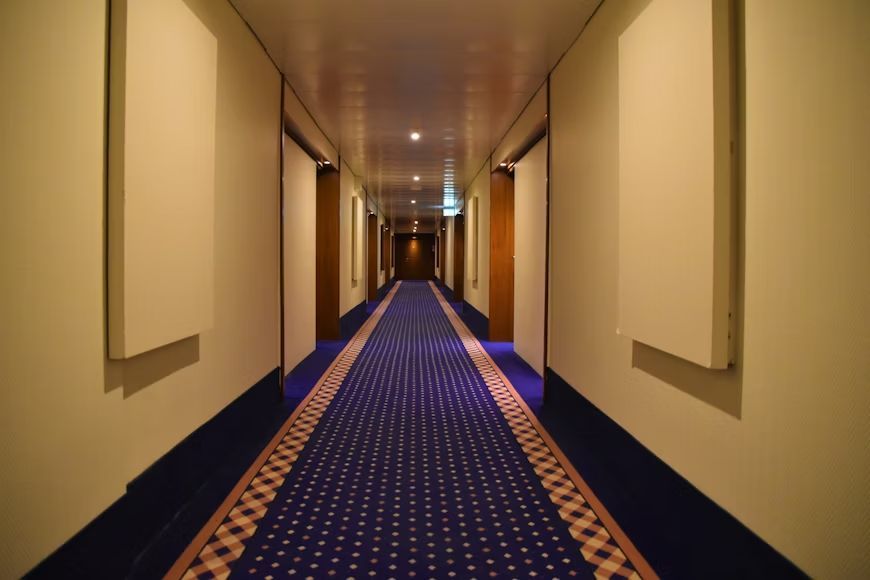
Hotel hallways stretch your patience

Image: Waldemar

Ever notice how long hotel hallways seem? Designers use repeating patterns, lighting tricks, and color schemes that subtly slow your walk. The effect isn’t just decorative; it gives you more time to notice vending machines or signage and even makes you feel less rushed. So when it feels like you’ve walked half a mile to your room, part of that marathon is design.

7

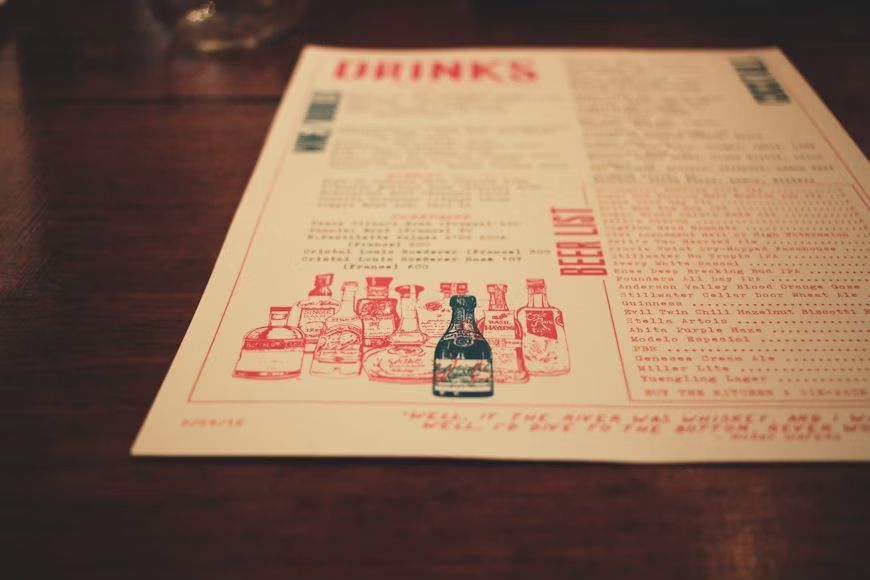
Restaurant menus play mind games

Image: Karen Z

When you see a shockingly overpriced steak at the top of a menu, it’s not really meant to sell. It’s a decoy. By comparison, the "mid-range" dishes seem like a deal, nudging you to spend more than you planned. This pricing trick has been around for decades, and chances are you’ve fallen for it without realizing.

8

Trash cans at Disney Parks aren’t random
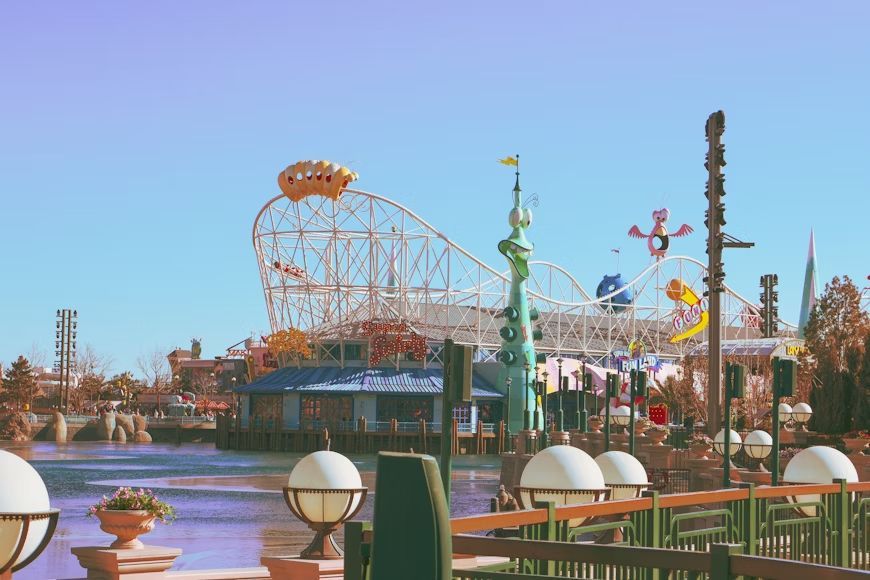
Image: Psycho Kev

Walt Disney once tested how far people would carry trash before dropping it. The answer was about 30 steps. That’s why bins at Disney parks are never far apart, and why other parks adopted the rule. It keeps the grounds clean and makes guests feel comfortable without ever thinking about litter.

9

Subway music isn’t always for your enjoyment
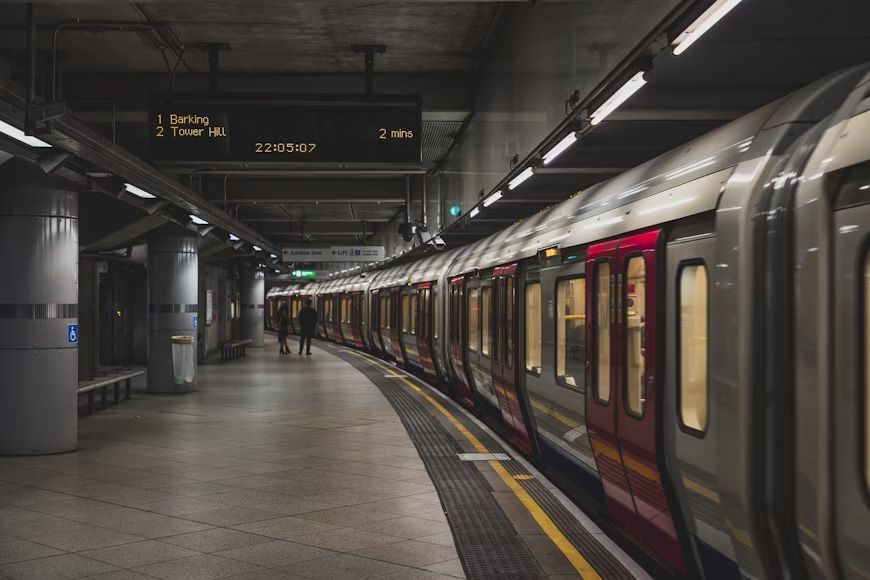
Image: Joël de Vriend

Sometimes that classical music echoing through subway speakers isn’t for ambience. Cities have discovered that playing opera or symphonies discourages loitering and can even reduce crime. Apparently, Mozart is less appealing background noise for troublemakers than for commuters just trying to get home.

10

Fresh bread smells that don’t come from bread
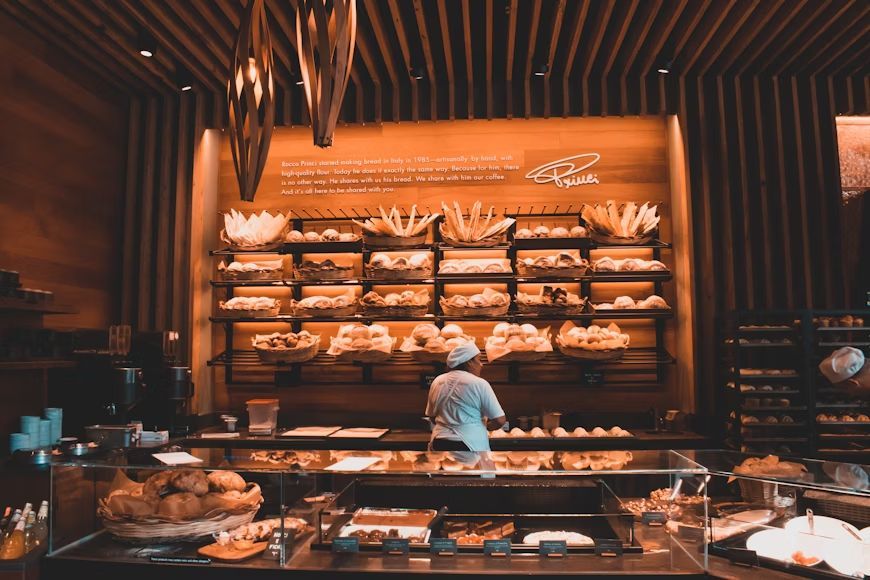
Image: Andy Li

That warm bakery smell in the grocery store might be a phantom. Some stores use scent machines to pump out the smell of baking bread, even if the ovens are cold. The aroma stirs up hunger, making shoppers more likely to toss in pastries, rolls, or cookies. Next time you catch that scent, check if there’s actually something in the oven or if it’s just clever marketing in the air.
Decoding

Being a "treasured guest" is not a compliment. This is the hidden meaning


Published on February 27, 2026


Image: Hitesh Choudhary

Have you ever heard "Code Adam" while shopping for groceries at Walmart? Or maybe you’ve heard how "Dr. Firestone" was being paged during a routine hospital visit. They sound like harmless announcements. But behind these ordinary words are secret codes staff use to signal emergencies without causing panic. From hospitals and supermarkets to airports and Disney Parks, these phrases quietly warn employees that something is happening. You hope you never hear them, but if you do, it helps to know exactly what they mean.

1

Treasured guest

Image: Helena Lopes

We all love getting special attention at airports or hotel desks, but if you hear the clerk call you a "treasured guest," don’t feel so flattered. You may not be as VIP as one could think.

In the hospitality industry, "treasured guest" has become a humorous bit of industry folklore to describe someone causing trouble. Maybe a customer yelling at staff over expired coupons, demanding impossible accommodations, or throwing a full-blown tantrum at the front desk. Whatever it is, the phrase has become the staff’s secret way to warn co-workers without escalating the situation in front of the customers. Most guests don’t realize the meaning, but once you know it, you may start hearing it more often. We just hope it’s not about you.

2

Code Adam

Image: Karsten Winegeart

Imagine you’re pushing a shopping cart through Walmart when suddenly the overhead speaker announces, "Code Adam." You can easily assume it’s some kind of employee meeting or cleanup request. But when you see them start locking the exits and moving around, you know something’s wrong.

This code was created in 1994 by Walmart in collaboration with the National Center for Missing & Exploited Children (NCMEC), in memory of the tragic case of 6-year-old Adam Walsh. Adam was abducted from a Sears department store in 1981 while shopping with his mother. His father, John Walsh, later became famous for hosting the TV program America’s Most Wanted and advocating for missing children. Even if Adam’s story ended in tragedy, Walmart created the emergency system in Adam’s memory, and other retailers soon adopted it nationwide, intending to have a quick response to missing or abducted children.

3

Code Blue

Image: Günter Valda

You’re sitting in a hospital waiting room during a routine check-up when you suddenly hear "Code Blue, Room 214." Most people immediately know it sounds serious, even if they are not entirely sure why.

The phrase "Code Blue" is used at hospitals to draw the necessary staff and equipment to perform a resuscitation. It was created in the early 1960s at Beathany Medical Center by Dr. Hughes Day. Before then, hospital resuscitations were often chaotic and poorly coordinated. In 1961, Dr. Day received a grant to build one of America’s first cardiac care centers, and he developed both the Code Blue alert system and the modern crash cart to improve survival rates during cardiac emergencies. Today, the system is used in hospitals across the country, sometimes with specialized versions like "Code Blue Pediatric" or "Code Blue Neonate."

4

Dr. Firestone

Image: Cdn Pages

Imagine visiting a loved one in the hospital when the intercom calmly announces, "Paging Dr. Firectone to the third floor." Your head surely goes, "Dr. Firestone’s probably having a busy day up there." He is, but it’s not what you think.

The phrase is actually a discreet fire alert used to warn staff about smoke, flames, or overheating equipment without frightening patients and visitors. Hospitals adopted these coded announcements after realizing that openly yelling "fire" over loudspeakers could create panic, especially among patients who aren’t able to move quickly. "Code Red" is an alternative used by many health centers today, but it also hints at the situation while keeping hallways calm.

5

Code 10

Image: Blake Wisz

You’re standing at a checkout counter when the cashier picks up the phone and quietly says, "I need a Code 10 authorization." If you think that’s just another way to get a supervisor’s approval or technical issue, think again. In reality, the cashier may suspect the credit card is stolen or fraudulent.

Code 10 was developed through a cooperative effort between major credit card companies like Visa and Mastercard, along with international standard organizations. As credit cards became more common in the 1960s and 1970s, stores needed a discreet way to alert banks about suspicious activity without directly accusing customers and potentially putting employees at danger. When a cashier requests a Code 10, the bank’s operator begins asking yes-or-no questions to assess the situation and guide the employee on what to do next.

6

Code Bravo

Image: CDC

You’ve probably experienced those long airport security lines. The wait is usually uneventful. But sometimes, you can hear "Code Bravo" over the speakers. Maybe it’s a delay, or maybe it’s an issue with luggage. Within seconds, people stop moving, the security line freezes, and exits may even close. It’s something bigger.

Code Bravo is the emergency phrase used by airport security and the Transportation Security Administration to signal a serious security threat, such as an unattended bag, a breach at a checkpoint, or someone slipping into a restricted area. The term comes from the international phonetic alphabet used in aviation and military communications, where "Bravo" represents the letter B. When this is called, security staff immediately lock down affected areas, stop screening lines, and search for the source of the threat. To passengers, it’s sudden and confusing, but to security, it’s a carefully rehearsed response.

7

Code Alpha

Image: Navy Medicine

You are heading back to your cabin on a cruise ship when the speakers announce, "Code Alpha, Deck 7." You may think Alpha is related to the captain, but that’s not the case. It means someone on board is suffering a medical emergency.

The phrase comes from the NATO phonetic alphabet, where "Alpha" represents the letter A. In maritime emergency jargon, it became shorthand for a Priority A medical situation requiring immediate response. Cruise lines such as Royal Caribbean and Disney Cruise Line commonly use the term, though some ships use variations like repeating "Alpha" three times. Once the code is announced, onboard medical teams rush toward the specified deck or cabin. If necessary, stretcher crews are mobilized, and in severe cases, the ship may even divert course toward the nearest port for emergency evacuation. Passengers are enjoying the views, but the staff is running to save a life.

8

10-33

Image: chris robert

Anyone who remembers the CB radio craze of the 1970s probably smiles when they hear "10-4." Movies, truckers, and radio fans turned those number codes into a part of American culture. So if you overhear "10-33" on a police scanner, you might assume it’s just another routine message. But it’s not as simple as it sounds.

The 10-code system was first created in 1937 by Illinois State Police communications director Charles Hopper and later standardized by the Association of Public Safety Communications Officials, better known as APCO. Officers needed short phrases they could understand clearly over crackling radio signals. The 10-33 code commonly means an officer needs emergency assistance. In some departments, it also signals radio silence so dispatchers can focus on the crisis unfolding in real time.

9

Signal 70

Image: Samuel Lopez Cruz

Disney World is amazing, the parks offer something for everyone, and there are things to see wherever you look. But that’s exactly the kind of place where a child can easily disappear into a sea of strollers, balloons, characters, and crowds. For that reason, Disney has developed the "Signal 70," which alerts cast members and security that a child has become separated from their family.

The number comes from older police and emergency radio systems, where "70" was commonly associated with missing persons. Disney adopted the phrase because it allows employees to communicate discreetly without frightening or alarming nearby guests. If a member finds the child, they gently -and magically- escort them to Baby Care Center, where they coordinate the reunion.

10

Echo, Echo, Echo

Image: Alonso Reyes

Cruises are great to relax, enjoying a good book under the sun with a nice drink by the side. Until you hear "Echo, echo, echo" on the speakers. If you do, something is happening somewhere else on the ship.

The code is used among cruise employees to signal that dangerous winds or a navigational hazard are affecting the ship. It comes from the international maritime phonetic alphabet, where "Echo" stands for the letter E. In maritime signalling, the letter traditionally means "I am altering my course to starboard." And, in time, the phrase became associated with urgent ship maneuvers and weather-related warnings. However urgent, the repetition of the word by three doesn’t represent life-threatening situations. It alerts the crew of a certain hazard to prepare while avoiding panic among passengers.

Looking for an extra scoop of literary fun?

Learn more with our Word of the day

purport

/pərˈpɔrt/