These towns are the bee’s knees

Have you ever heard about Cat Island?


Published on March 29, 2026


Image: Geranimo

Traveling to foreign cities and towns is a great way to interact with different people and their cultures, but have you ever thought about visiting an animal town? Scattered around the world, some of these places are the result of natural reserves set up to protect endangered species, while others are simply a product of life’s circumstances. Let’s take a look at 10 "animal towns" around the world!

1

Aoshima, Japan

Image: Peter Lam CH

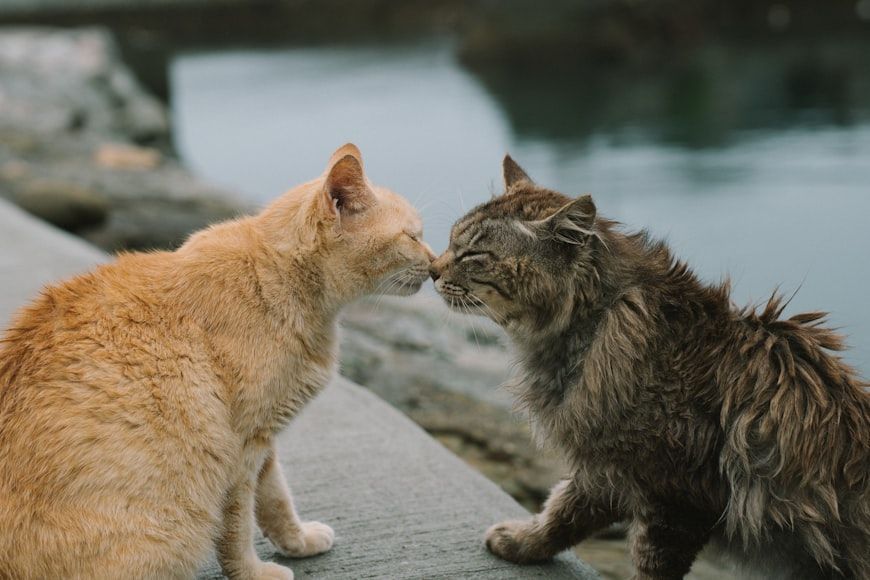
Also known as Neko no Shima, or Cat Island, this Japanese town has become a popular tourist destination for cat lovers worldwide. A former fishing town, cats were introduced to Aoshima as a means of controlling rodents, but they quickly outnumbered the human population. It is estimated that there are around 36 cats for every human on Aoshima.

2

Churchill, Canada

Image: Hans-Jurgen Mager

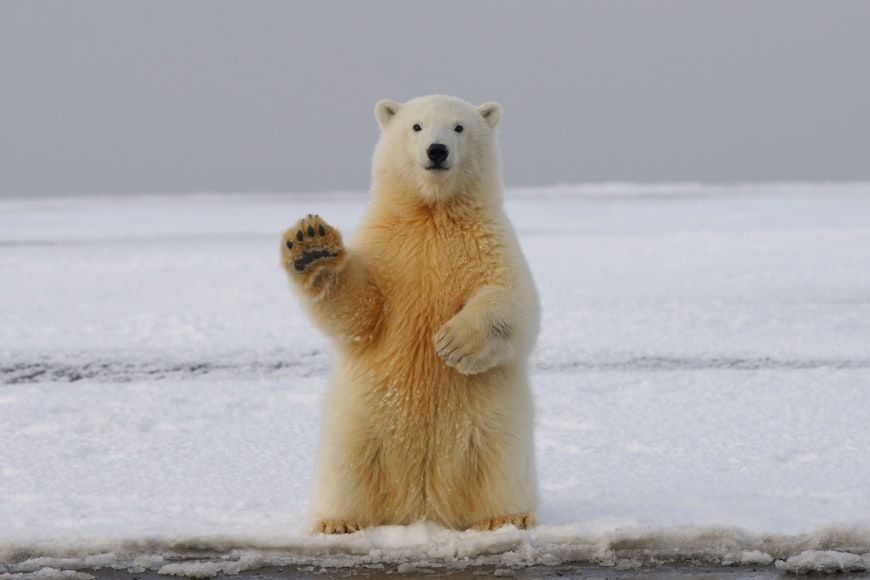
Every winter, this town in the Canadian province of Manitoba receives an influx of furry visitors when hundreds of polar bears make their way to Hudson Bay to hunt for seals. Residents do their best to avoid them, but a few curious bears still go snooping around, and some even end up in "polar bear jail" before being released back into the wild.

3

Assateague Island, USA

Image: Sara Cottle

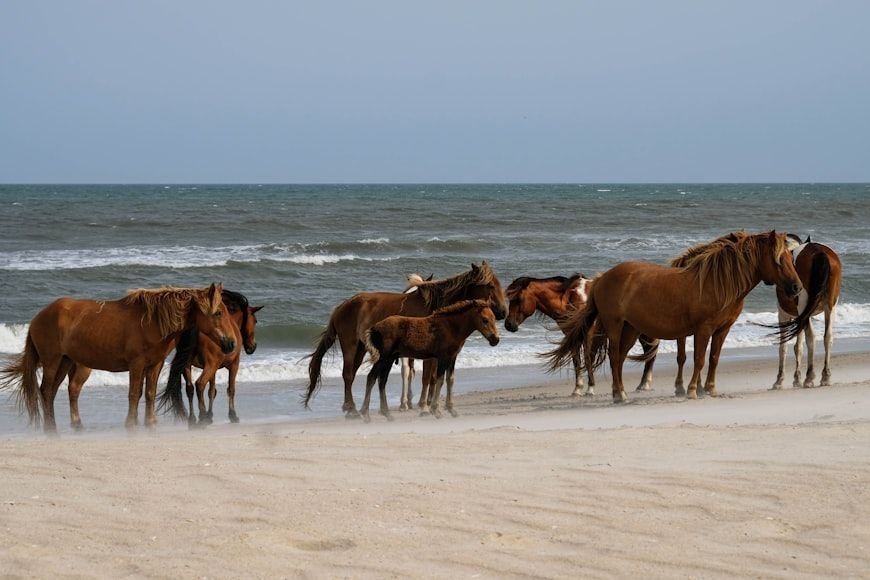
Assateague is a barrier island located along the Maryland-Virginia border on the Atlantic coast. It is famous for its population of feral horses, most likely descendants of formerly domesticated animals. Maryland and Virginia residents disagree on whether the animals should be called horses or ponies, a discussion that has not been settled because the animals have horse-like characteristics but pony-size stature, most likely due to environmental conditions.

4

Christmas Island, Australia

Image: Raphael Bick

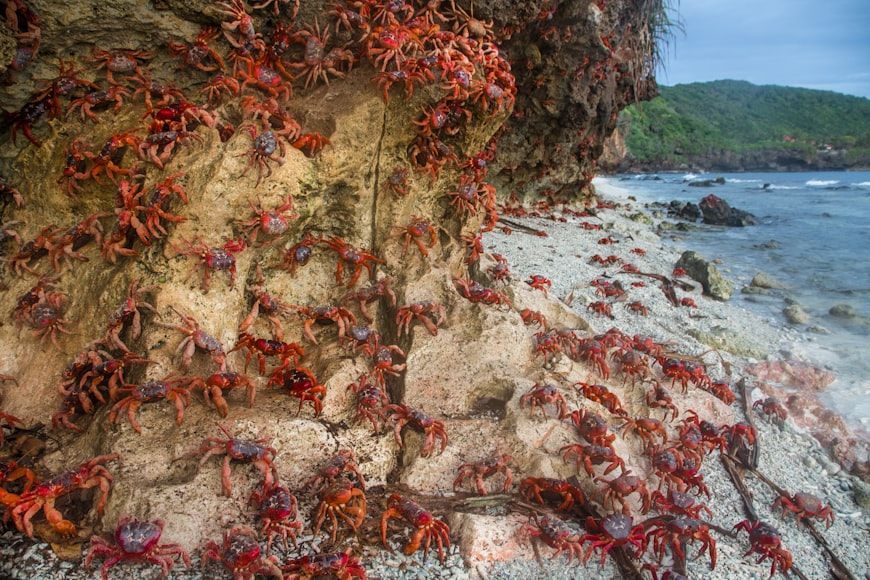
Each November, this Australian island near the coast of Indonesia becomes the setting for a natural wonder, the annual red crab migration. The island’s red crab population—estimated at around 100 million crabs—travels to the sea to lay their eggs. To allow the horde of crustaceans to safely reach the shore, authorities close off roads around the island.

5

Pig Beach, The Bahamas

Image: Roberto Nickson

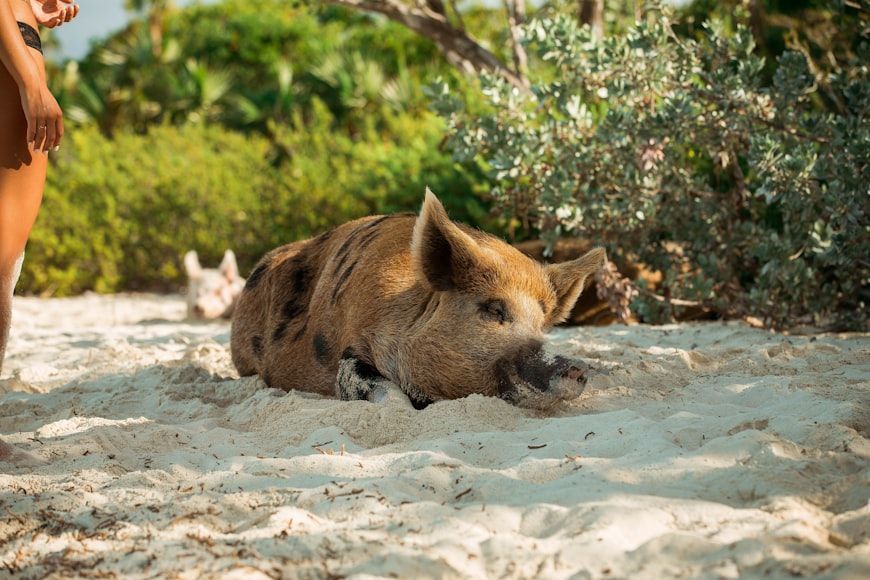
This beach on the inhabited island of Big Major Cay is not only a tropical paradise but also home to an unexpected animal community. No one knows exactly where the pigs came from, but the swimming pigs have become a popular tourist attraction, and they are often fed by the visitors of neighboring islands.

6

Pier 39, USA

Image: David Vives

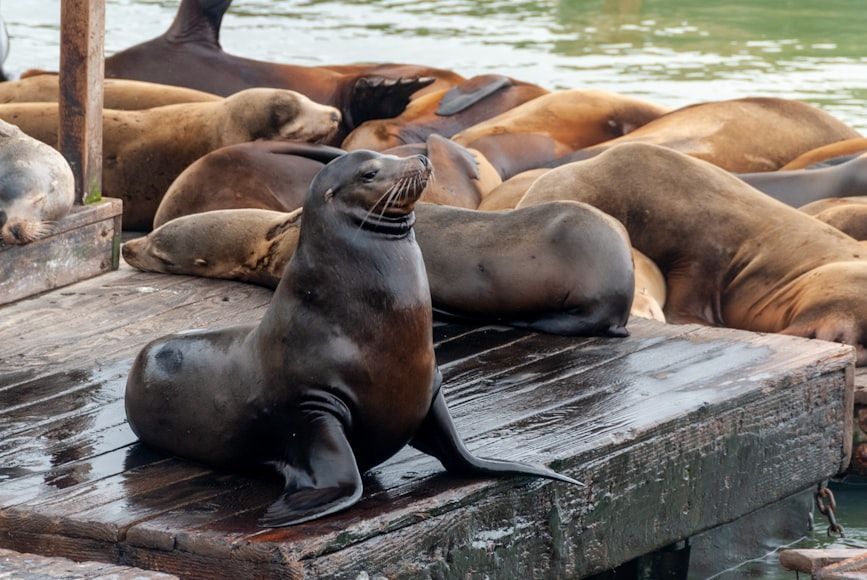
This one is not really a town, but it is home to a colony of friendly sea lions. Located at a shopping and entertainment complex on a San Francisco pier, the animals began moving in during the 1980s from a more distant colony. After an earthquake in 1989 caused residents to remove their boats while the pier was being refurbished, the sea lions made their home there and have shared the space with humans ever since.

7

Okunoshima, Japan

Image: Dave Solce

Located in Japan’s Inland Sea, Okunoshima is home to a huge population of free-roaming rabbits. These animals are descendants of domestic rabbits, so they are quite tame and will often approach humans. In order to protect the rabbits, animals like cats and dogs are banned from the island.

8

Punta Tombo, Argentina

Image: Fermin Rodriguez Penelas

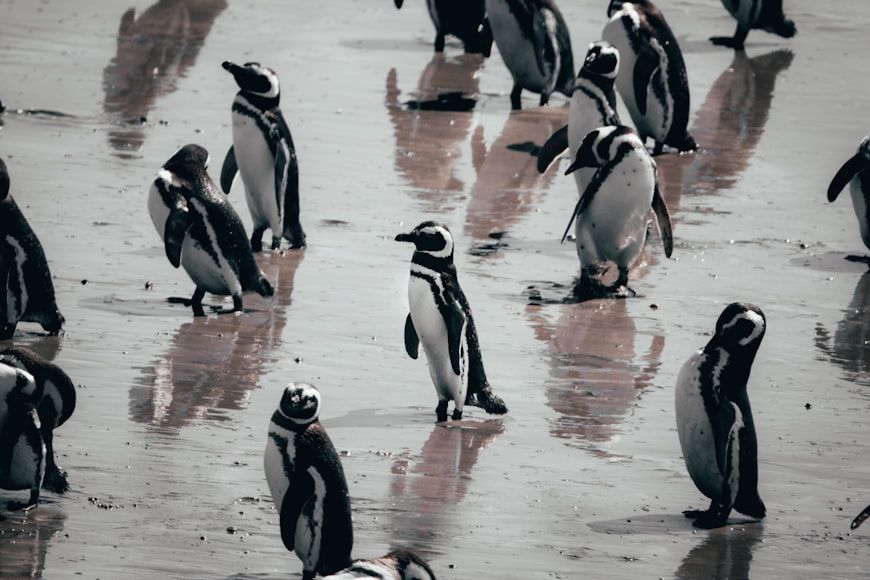
A protected reserve since the 1970s, this South American peninsula is home to the largest colony of Magellanic penguins in the world. Despite threats such as oil spills affecting the animals, the population numbers have steadily risen in the past several decades, and nowadays it’s estimated that the colony houses nearly a million birds.

9

Runde Island, Norway

Image: Sophia Becker

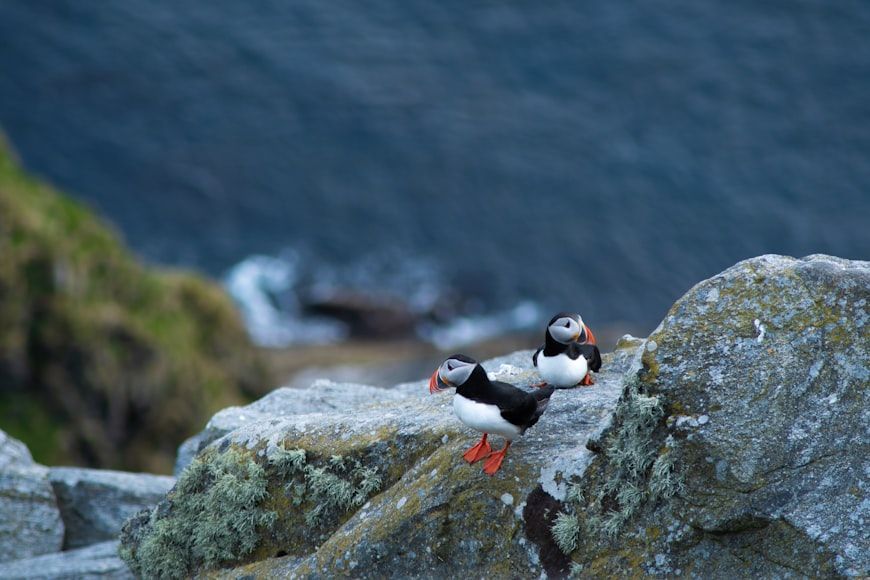
Off the coast of Norway, this island has a small human population—just a little more than 100 people—but they are greatly outnumbered by seabirds, which number between about 500,000 and 700,000. The island is considered a protected reserve and hosts many bird species, the most notable being the Atlantic puffin.

10

Polonnaruwa, Sri Lanka

Image: Timo Wagner

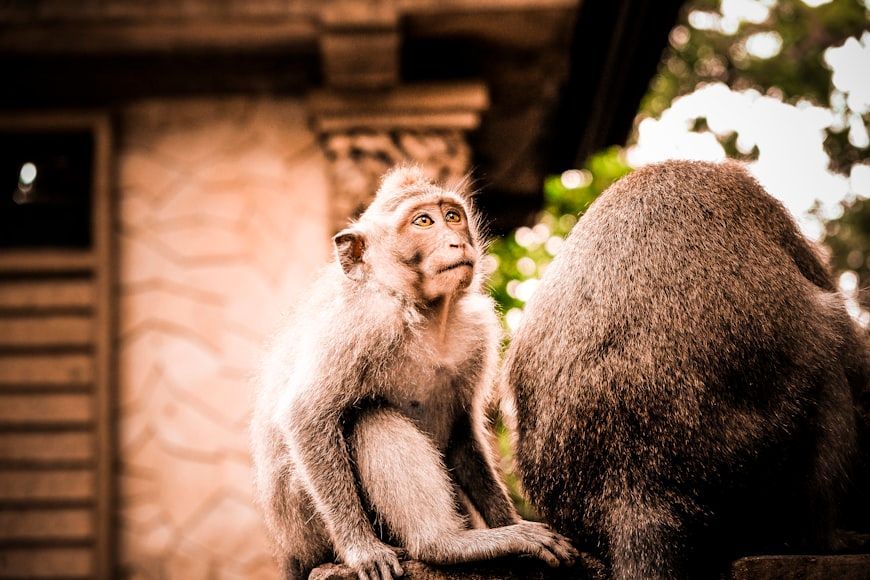
Once a royal city, Polonnaruwa is now an archaeological site near a modern town of the same name. The ruins have been declared a UNESCO World Heritage Site, but they also have an additional tourist attraction: a colony of toque macaques, residents of the ruins for centuries.


Tango, Bravo

Codewords decoded: How many did you know?


Published on March 29, 2026


Image: orso bianco

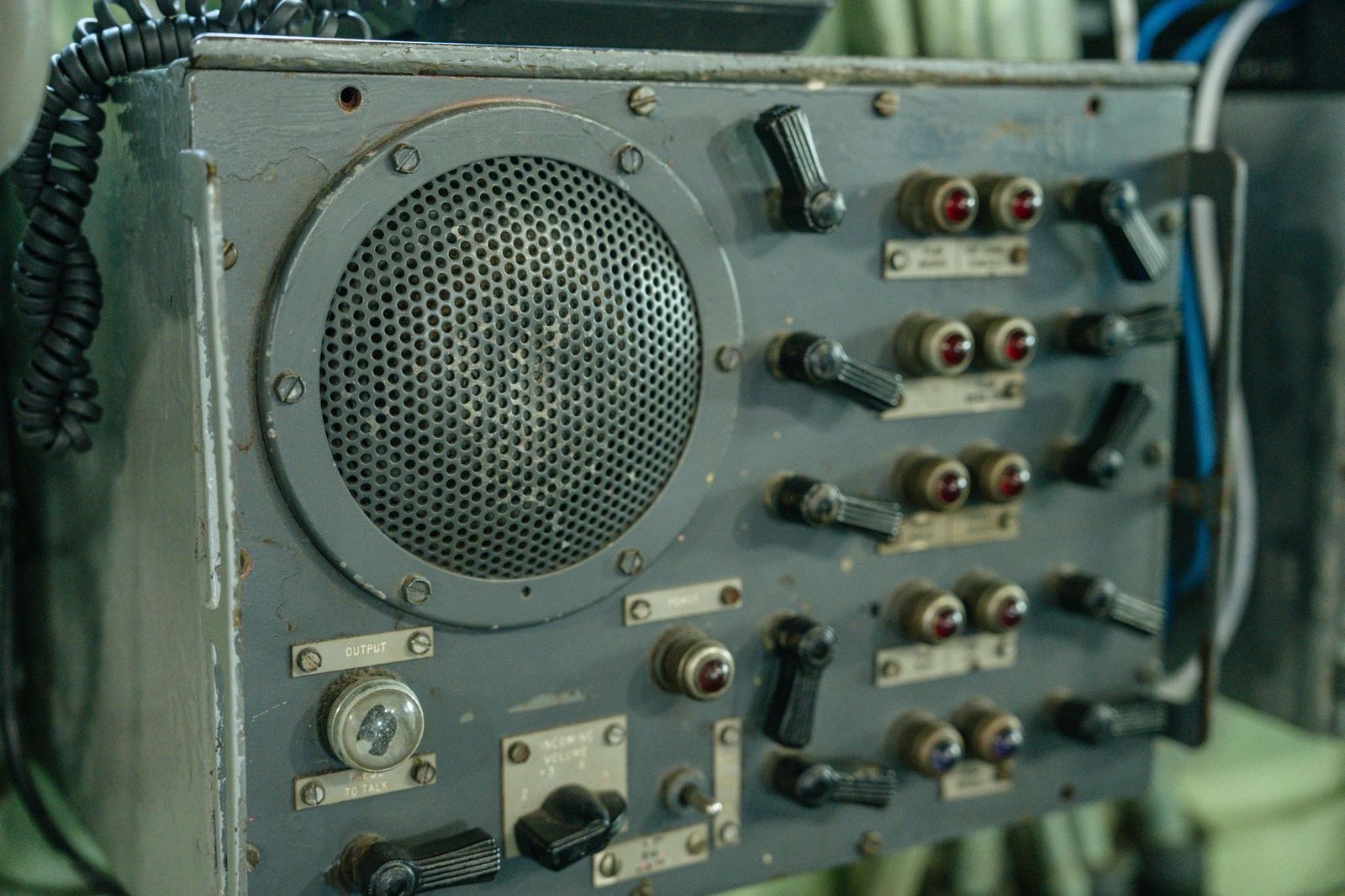
In situations where clear communication is paramount, especially when lives are at stake, professionals often rely on standardized codewords and phonetic alphabets designed to prevent confusion. Either from movies or from personal experience, it's probable that you've heard at least some of these before, and many have found their way into everyday conversation. Let's find out how many of these code expressions you can recognize.

1

Mayday

Image: Zhuravlev Andrey

Mayday is the international distress call used when the sender is in immediate, life-threatening danger. Pilots and mariners use it to signal that they require urgent assistance due to situations such as engine failure, fire, flooding, or medical emergencies.

The word was introduced in 1923 by British radio officer Frederick Stanley Mockford, who based it on the French phrase m'aider, meaning "help me," in an attempt to make it internationally recognizable. Hearing this transmission immediately alerts emergency responders that every second counts.

2

Pan-Pan

Image: DenisProduction.com

Not every emergency is severe enough to warrant a mayday call. When a crew faces a problem that is urgent but not immediately life-threatening, the appropriate codeword is Pan-Pan.

Like mayday, it comes from French: it derives from panne, meaning a breakdown or mechanical failure. A Pan-Pan call might be used if an aircraft loses an engine but can still fly safely, or if a ship experiences equipment problems while remaining under control. It tells responders that assistance is needed, but that the situation has not yet become critical.

3

SOS

Image: Grisha Bruev

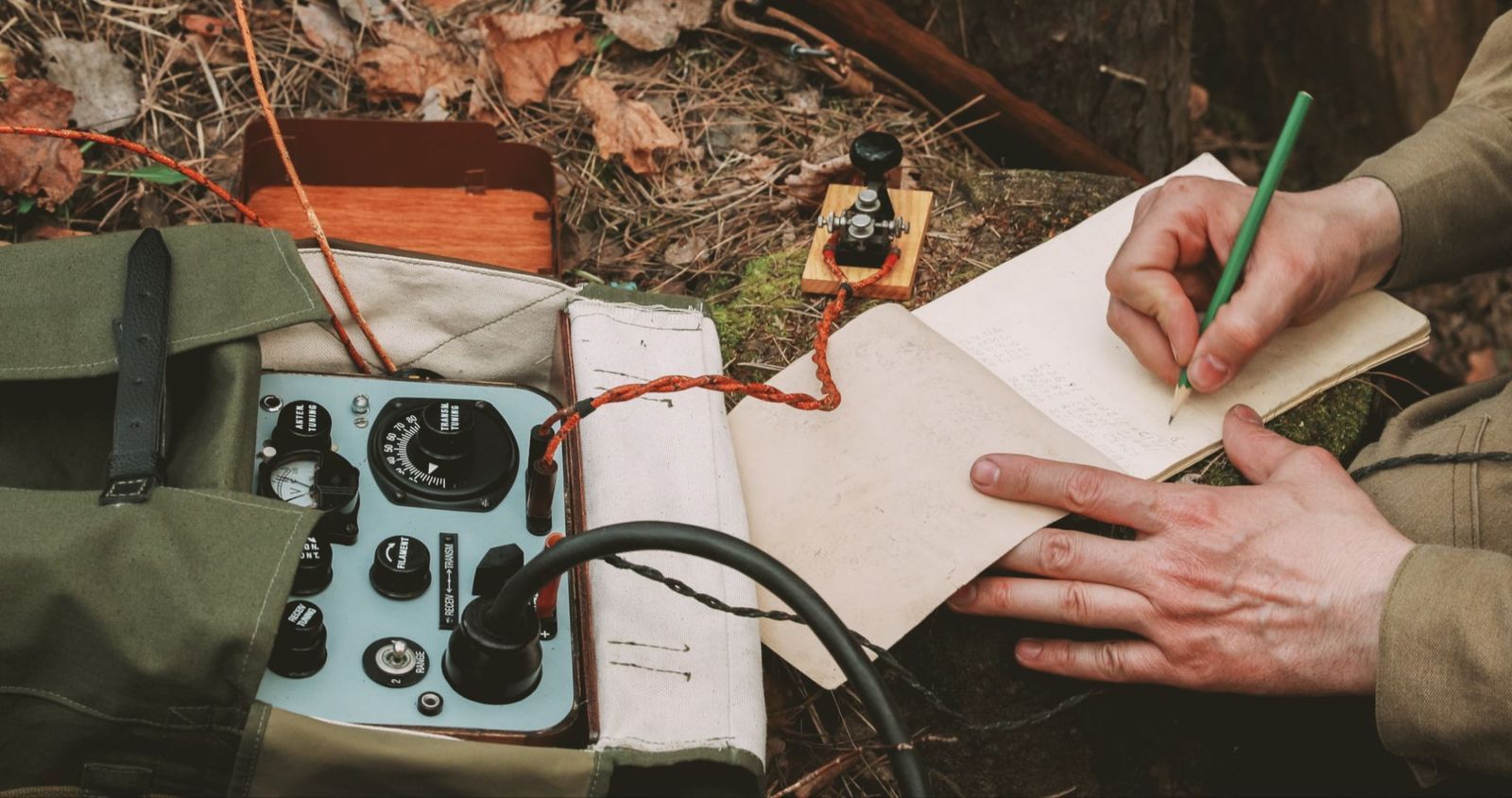
Few emergency signals are as universally recognizable as SOS. Contrary to popular belief, the letters do not officially stand for "Save Our Ship" or "Save Our Souls." It was adopted in 1906 because SOS is an extremely simple, easy-to-transmit, and unmistakable pattern in Morse code.

SOS remains one of the world's most enduring distress signals, and it's still recognized by rescue organizations all around the globe.

4

NATO Alphabet

Image: Alexandros Michailidis

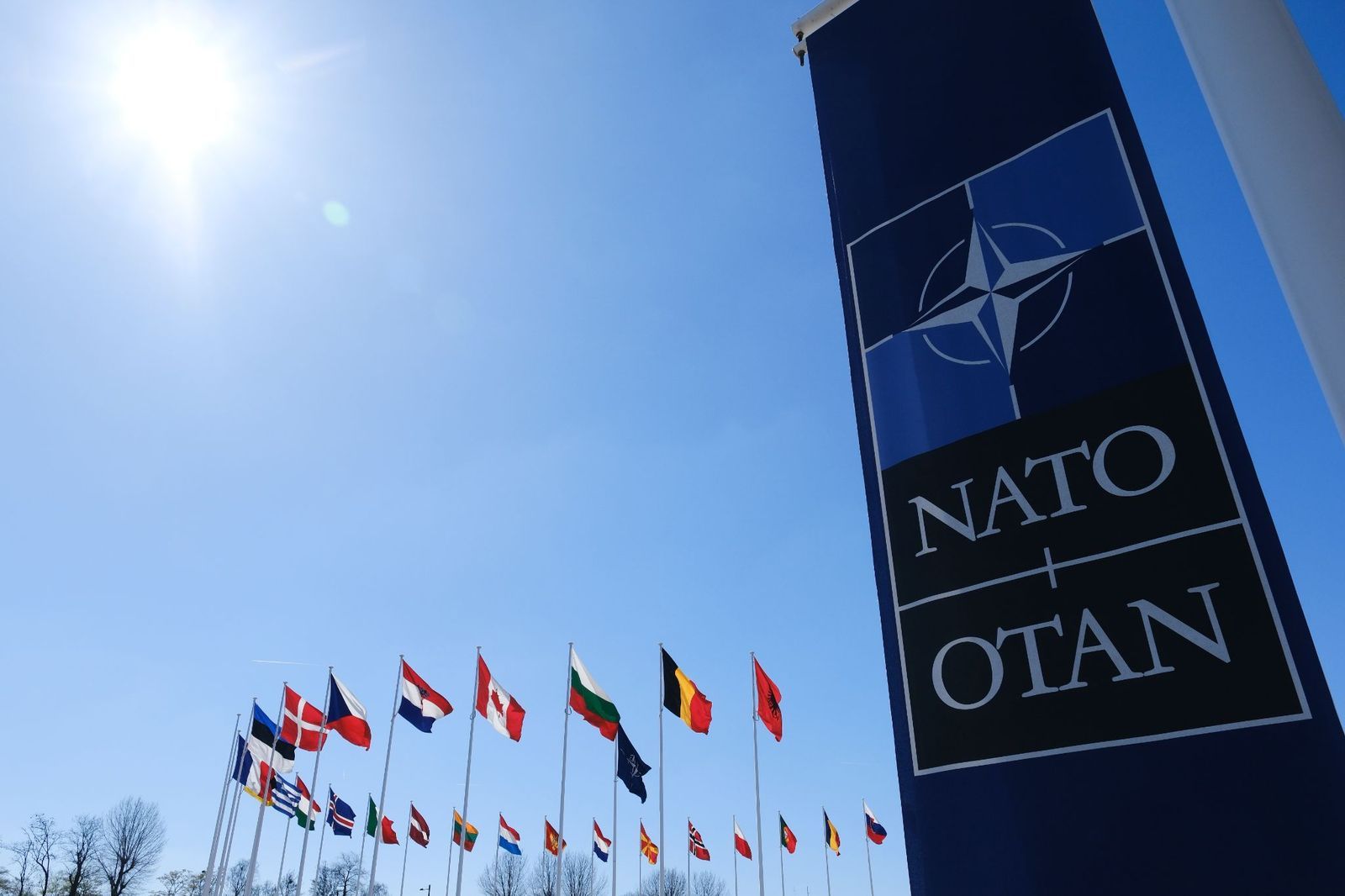
In the NATO phonetic alphabet, each letter is assigned a unique word to eliminate confusion when radio transmissions are distorted by noise or poor reception. If you've ever heard someone spell a name as "Mike Alpha Romeo Yankee," you've encountered the NATO phonetic alphabet.

The system was officially adopted by NATO in the 1950s and is now widely used by militaries, airlines, emergency responders, and many police departments worldwide. Using it greatly reduces the chance of misunderstanding important information over radio.

5

Roger

Image: nelikdulatov

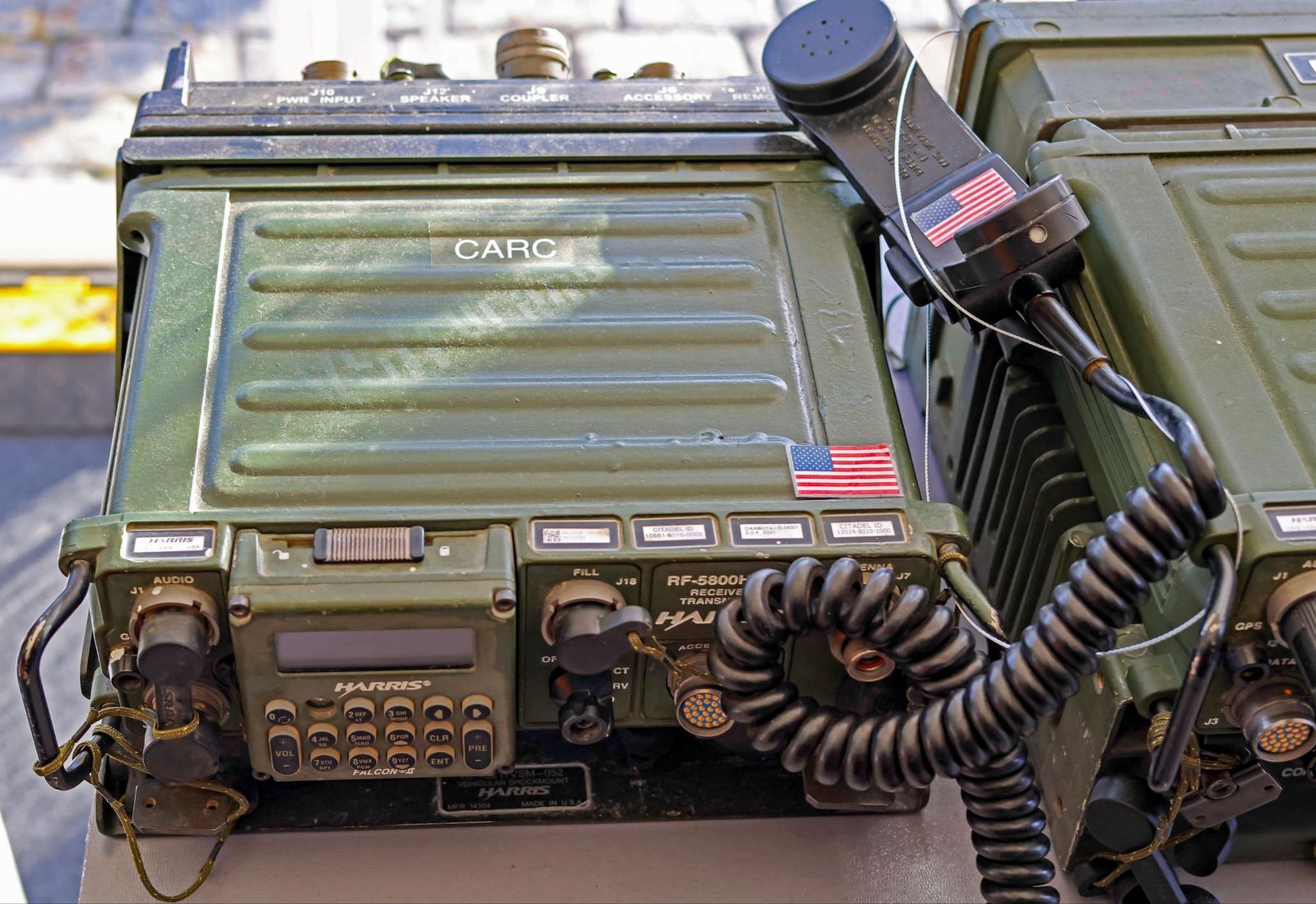
Roger dates back to the early days of radio communication, when the letter R stood for "received." Before the adoption of the NATO alphabet, the US military used Roger instead of Romeo to represent that letter_._

Although modern communications systems have changed and the US military has fully embraced the use of the NATO alphabet, Roger remains standard aviation terminology, and it's one of the best-known radio acknowledgments in the world. It conveys a very simple but important meaning: "I have received and understood your message."

6

Wilco

Image: alleks19760526

Although many people assume Roger and Wilco mean the same thing, they actually convey different messages. Wilco is short for "will comply." In other words, it tells the sender not only that the message was received and understood, but that the instruction will be carried out.

Saying both Roger and Wilco is technically redundant in proper radio communication, since complying necessarily implies understanding, but the combination is often heard in movies and television.

7

Tango

Image: Quality Stock Arts

In the NATO phonetic alphabet, Tango simply represents the letter T. However, US military personnel have also adopted it as a shorthand when referring to a target or a hostile.

This secondary meaning became widely known through military operations in the twentieth century and has since appeared in countless books, films, and video games in phrases like "We've got one Tango moving north."

8

Oscar Mike

Image: Dragos Asaftei

Oscar Mike, NATO for the letters O and M, is military shorthand for "On the Move." It's a quick way of reporting that a unit has begun moving toward its objective.

The expression is especially common in the US military and has become more familiar to the general public through documentaries, memoirs, and films. It's finding its way into civilian life, meaning simply "I'm heading out."

9

10-4

Image: Elliott Cowand Jr

Ten-codes were developed during the 1930s to allow for brevity and standardization of message traffic in radio communications. They were widely adopted by US public safety departments and by radio enthusiasts.

While the system is being slowly phased out in favor of plain language communications, many local police, fire, and sheriff departments keep using it, and it is still strongly associated with radio culture by the general public. One of the most famous ten-codes is 10-4, meaning "received and understood."

10

Code Blue

Image: PeopleImages

Hospitals around the world use color-coded announcements to communicate emergencies without causing unnecessary panic among patients and visitors. Perhaps the best known is Code Blue, indicating that a patient is experiencing cardiac or respiratory arrest and requires immediate medical assistance.

While some hospitals use their own custom color codes, Code Blue has become so widely recognized that it now appears frequently in television dramas and everyday conversation whenever someone refers to a life-threatening medical emergency.

Looking for an extra scoop of literary fun?

Learn more with our Word of the day

reify

/ˈriəˌfaɪ/