Would you change your name?

What famous actor changed his name to avoid family connections?


Published on May 3, 2025


Image: Ainur Iman

A great name can take you a long way in show business—but alas, not everyone is blessed with a glamorous or even interesting birth name. These 12 talented individuals decided to change their real names to something that—at least to them—sounded better suited for their purposes. Did you already know any of these?

1

Lady Gaga

Image: Noah Näf

While it may surprise some that certain celebrities don’t use their real names, others are quite obviously fabricated. Lady Gaga’s parents gave their daughter the more traditional name Stefani Joanne Angelina Germanotta.

Her friends later nicknamed her "Gaga," inspired by a lyric from the Queen song "Radio Ga Ga," which reminded them of her musical style—and the name stuck.

2

Snoop Dogg

Image: ZENG YILI

The West Coast rapper was born Calvin Cordozar Broadus Jr., but he grew up in a family that called him Snoopy because they thought he bore a resemblance to the animated beagle cartoon character. When Calvin launched his music career, the nickname stuck.

3

LL Cool J

Image: Chase Fade

Back in the early days of rap music, a young James Todd began calling himself LL Cool J —short for "Ladies Love Cool James"— in hopes of making a name for himself. As fame eventually found him, the name became his signature.

4

Vin Diesel

Image: Joey Banks

As you might have guessed, Vin Diesel’s parents didn’t name him that way but, instead, Mark Sinclair. Mark began going by his stage name while working as a bouncer at a New York nightclub, wanting a tougher-sounding name for his job.

5

Jamie Foxx

Image: BRUNO CERVERA

Eric Marlon Bishop decided to change his name to a unisex one upon entering the stand-up comedy business. He thought that women performers got more chances than men, and if his name sounded female, his chances of being called were greater. Right or wrong, the strategy worked, and he became famous in the end.

6

Alicia Keys

Image: Johannes Plenio

When Alicia Augello Cook was searching for the perfect stage name, she turned to the dictionary for inspiration. She was drawn to the word "Keys" because it reminded her of her favorite instrument, the piano — and because keys open many doors.

7

Nicolas Cage

Image: Lisa

Nicolas Kim Coppola changed his name to avoid being associated with his famous uncle, director Francis Ford Coppola. He chose "Cage" as a tribute to two of his inspirations: Marvel Comics’ Luke Cage, a character he admired, and avant-garde composer John Cage.

8

Eminem

Image: Janine Robinson

This one is pretty straightforward: the phonetic pronunciation of Marshall Mathers’ initials —"M.M."— is, you guessed it, Eminem.

9

Shia LaBeouf

Image: Madie Hamilton

Granted, the name does sound exotic to begin with—but the real meaning is even stranger. "Shia" means "praise God" in Hebrew, and "LaBeouf" means "beef." So, this actor’s name quite literally means "Praise God for beef."

10

Stevie Wonder

Image: Gabriel Gurrola

Stevie may be a wonder when it comes to singing and playing the piano, but he wasn’t born with that name. His real name is Stevland Hardaway Judkins. When he signed with Motown in 1961, his surname was legally changed to Morris, an old family name.

He adopted the stage name Stevie Wonder because people were astounded by his talent and called him "a little wonder."

11

Queen Latifah

Image: Church of the King

As we’ve seen so far, some names are just too great to be real—and that’s certainly the case with Queen Latifah, who was born Dana Elaine Owens. In her own words, she chose her stage name because "Latifah" means "delicate and very kind" in Arabic, and she liked the juxtaposition of that softness with the boldness of "Queen."

12

Taylor Swift

Image: Rosa Rafael

Taylor Swift’s real name is, indeed, Taylor Swift—and it was chosen because her parents were big James Taylor fans. As James himself once said: "It’s hugely flattering and was a delightful surprise when she told me that. Obviously, it wasn’t her choice; it was her mom and dad, but a great connection, I think."


Deep roots

11 everyday words with indigenous roots


Published on May 3, 2025


Image: Zoshua Colah

English is a very welcoming language in the sense that it incorporates terms from many other languages from all over the world. And, as it couldn’t be otherwise, Native American languages have lent many of their words and terms to English speakers. Some traveled through Spanish or French before settling into English, and others arrived directly through early contact and trade, helping shape the way we speak today. Did you know about these 11 terms?

1

Canoe

Image: Michael Niessl

The word "canoe" comes from the Taino term canoa, which was first used by Caribbean islanders long before Europeans arrived. Early explorers adopted it to describe the slim, sturdy boats they saw.

Over time, "canoe" became the standard English word for a small paddled craft. Today it still carries that sense of simplicity and closeness to nature.

2

Barbecue

Image: Philipp Kämmerer

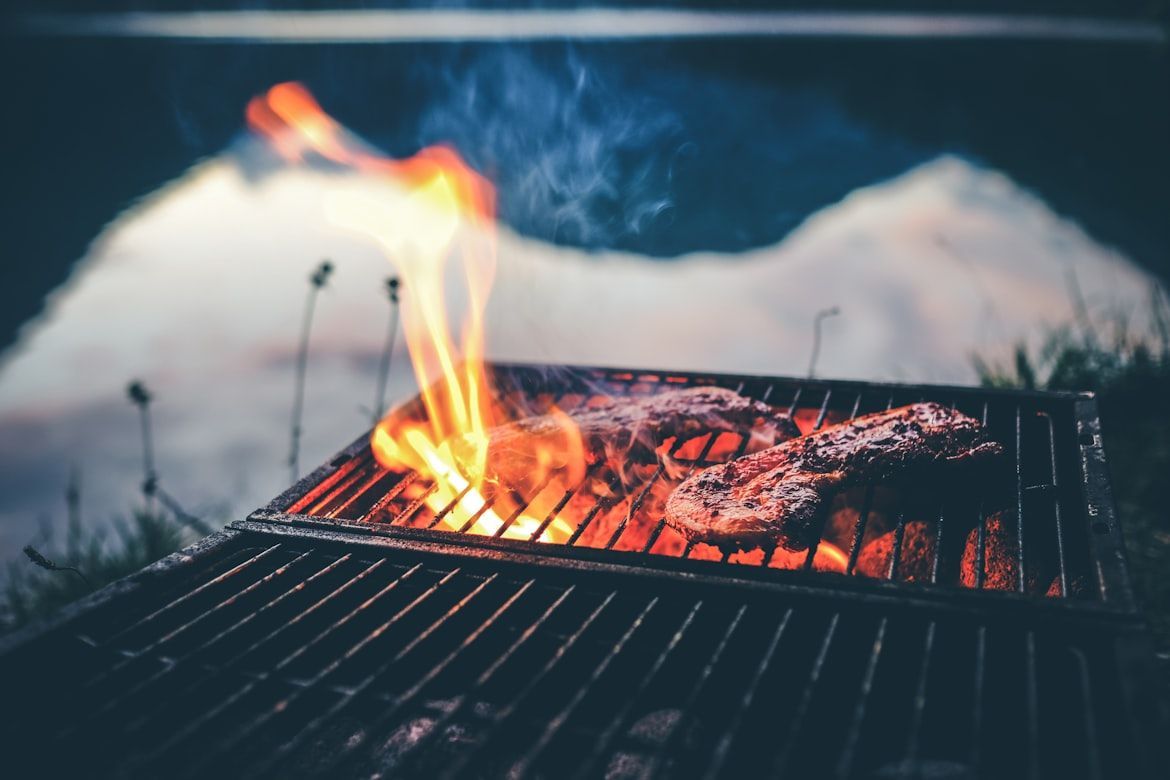
The word "barbecue" comes from barbacoa, another Taino term for a wooden frame used for cooking meat over fire. Europeans adopted it and applied it to both the method and the gathering itself.

Today, "barbecue" means everything from a backyard cookout to a regional cooking style. Its origins highlight the deep culinary influence of Native Americans in the nation's current culture.

3

Skunk

Image: Elisa Stone

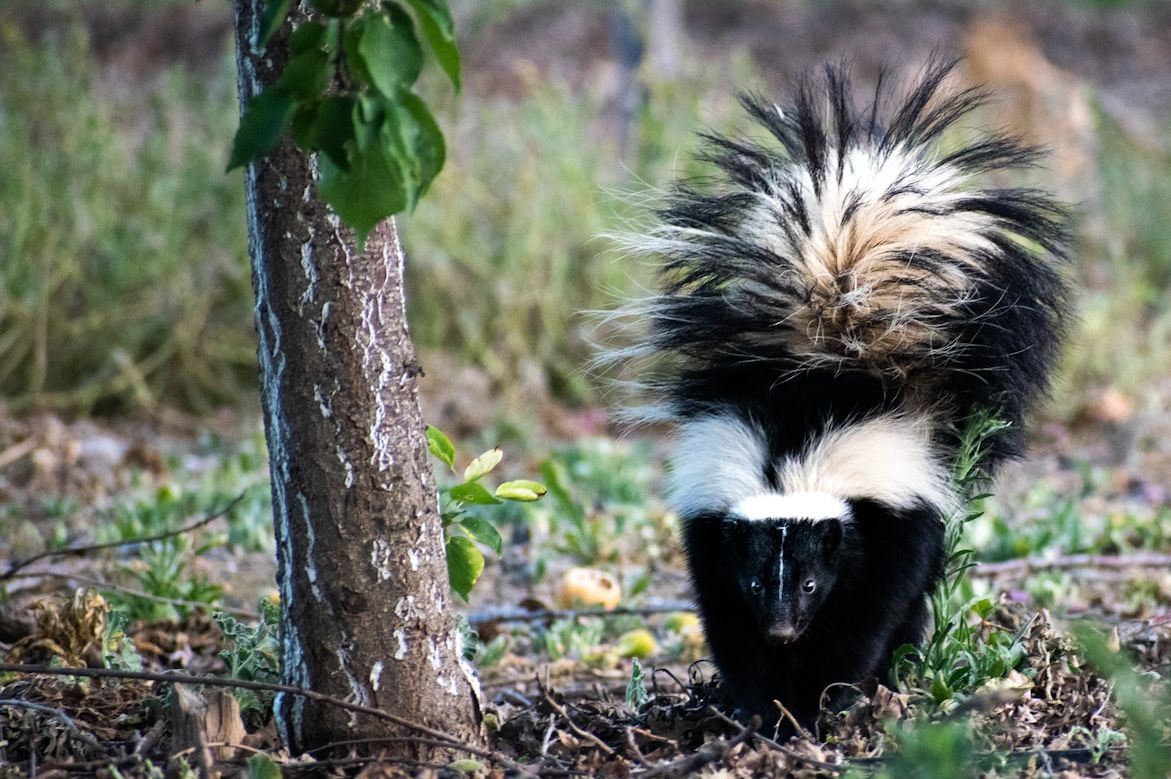
"Skunk" comes from the Algonquian word squnk, which means "urinating fox" (quite a fitting term, indeed). This was an obvious reference to the animal’s strong defensive spray. Early settlers adopted the term directly.

Since English had no better name for the creature, the Native word stuck. Today, the word skunks is also used as playful slang.

4

Moose

Image: Shivam Kumar

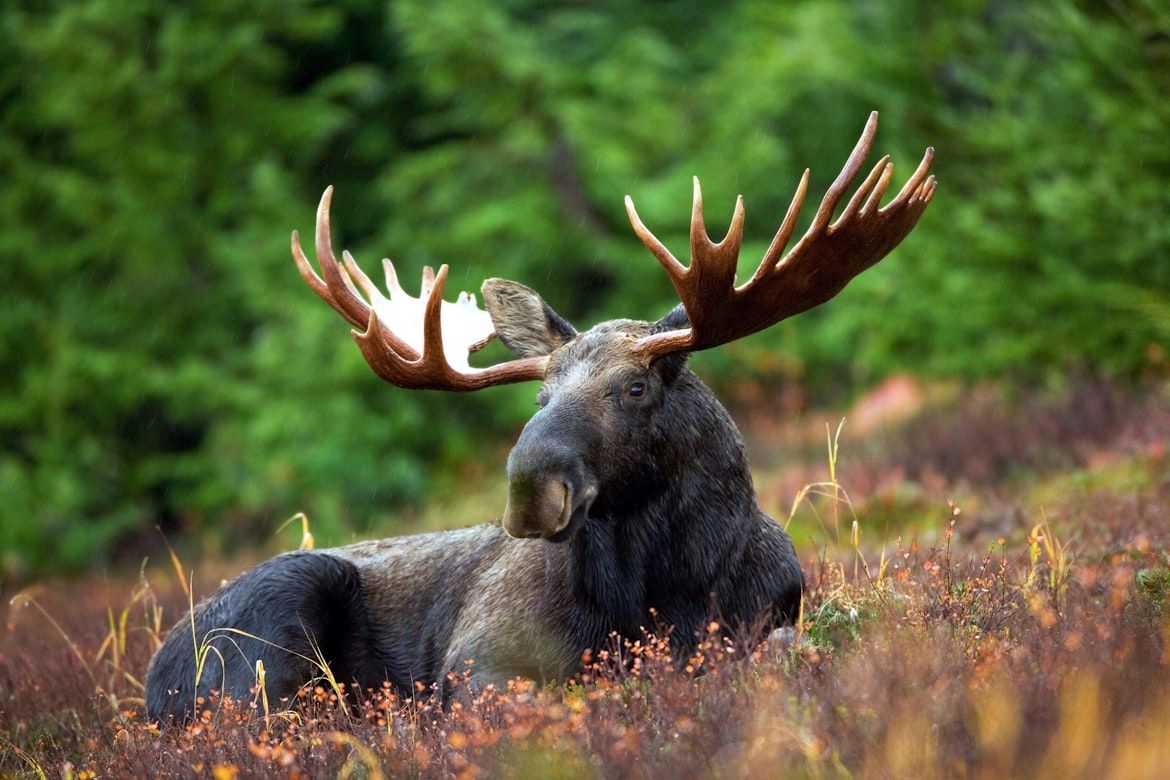
The word "moose" originates from Eastern Abenaki, a part of the Algonquian family, where it meant "he strips off bark." Yes, it described the animal’s habit of tearing bark from trees.

The name entered English quickly because settlers relied on Native knowledge of local fauna. The word remains unchanged because of its accuracy and usefulness.

5

Raccoon

Image: Gary Bendig

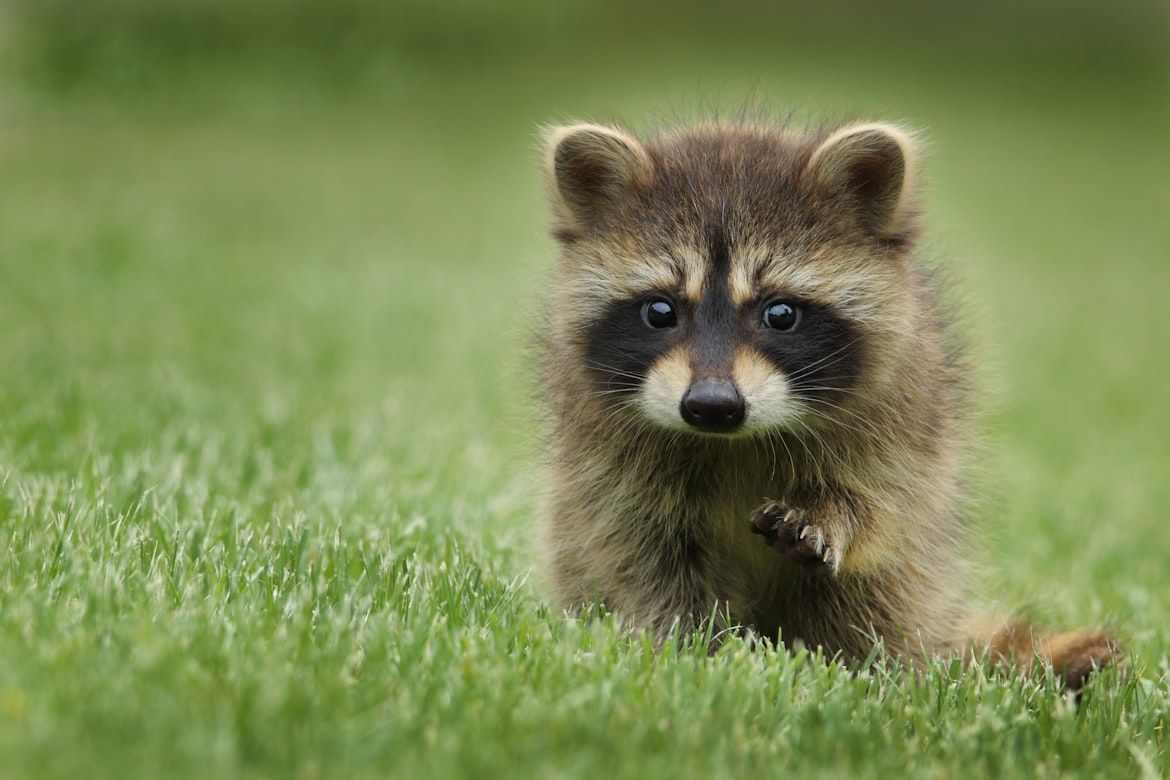
"Raccoon" comes from the Powhatan word arakun, meaning "he scratches with his hands." It described the animal’s clever, humanlike front paws.

Settlers adopted the term because it captured the creature’s behavior beautifully. Today, the raccoon is used as a household symbol of curiosity, not unlike the animal itself.

6

Chipmunk

Image: Annegret Kammer

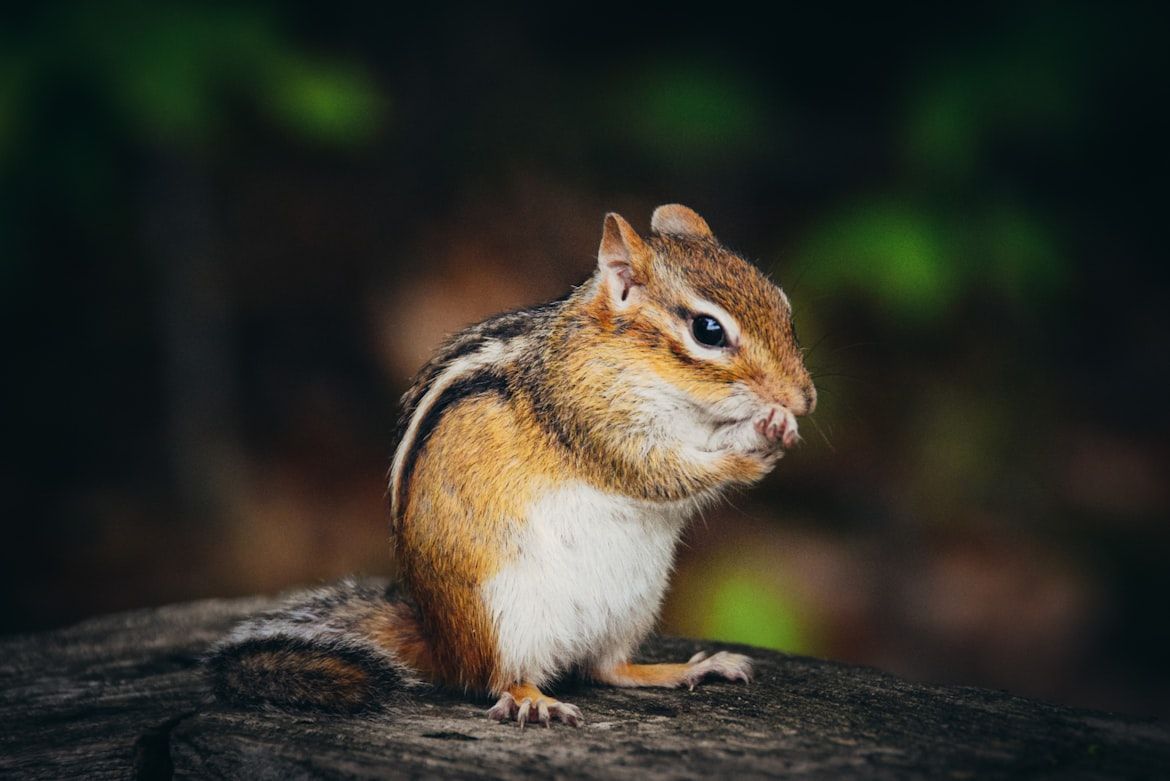
The term "chipmunk" most probably comes from the Ojibwe word ajidamoo, which means "one who descends trees headfirst." Early English settlers adapted the sound into today’s form.

Though the spelling changed over time, the lively image of a chipmunk racing down a tree face-first stayed.

7

Caribou

Image: JD-Photos

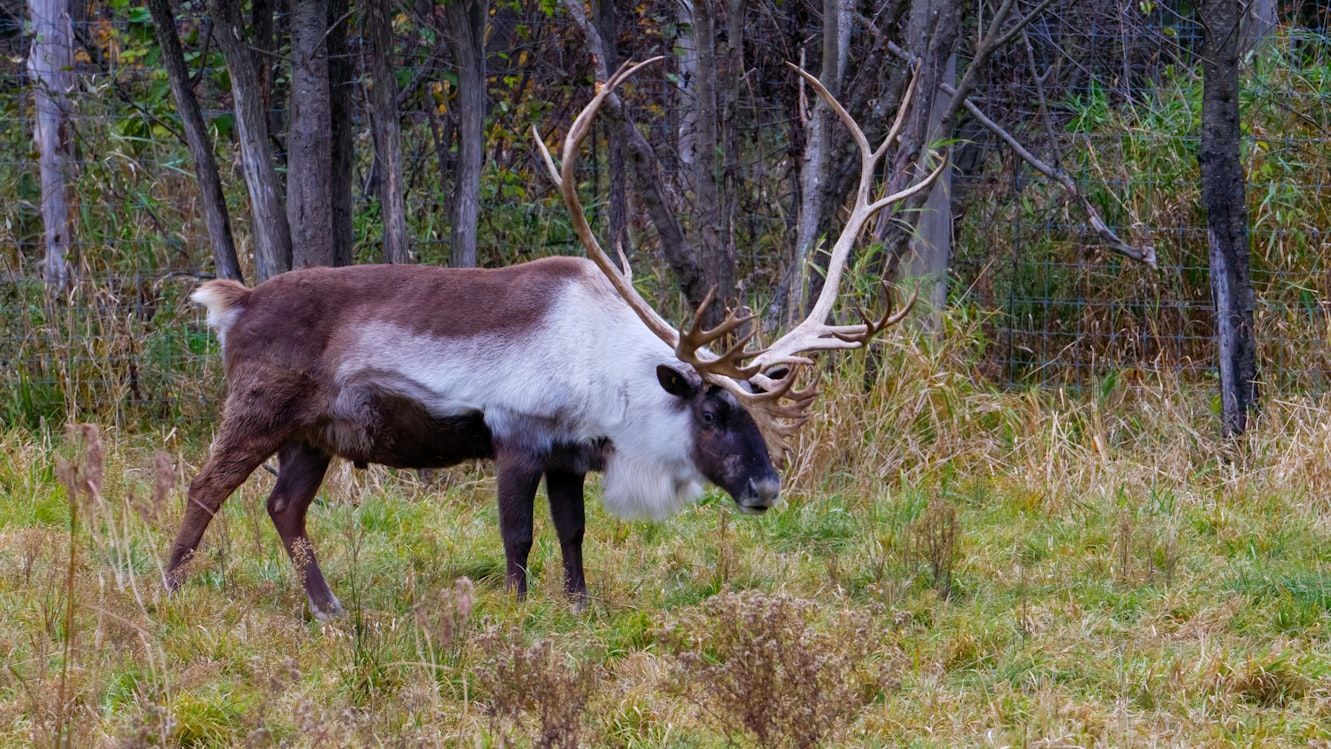
The word "caribou" comes from the Mi’kmaq term qalipu, which means "snow shoveler," referring to the animal’s habit of digging through snow for food.

French settlers brought the word into English, keeping its descriptive nature. The name still connects the modern animal to the winter landscapes it belongs to.

8

Totem

Image: Stéfano Girardelli

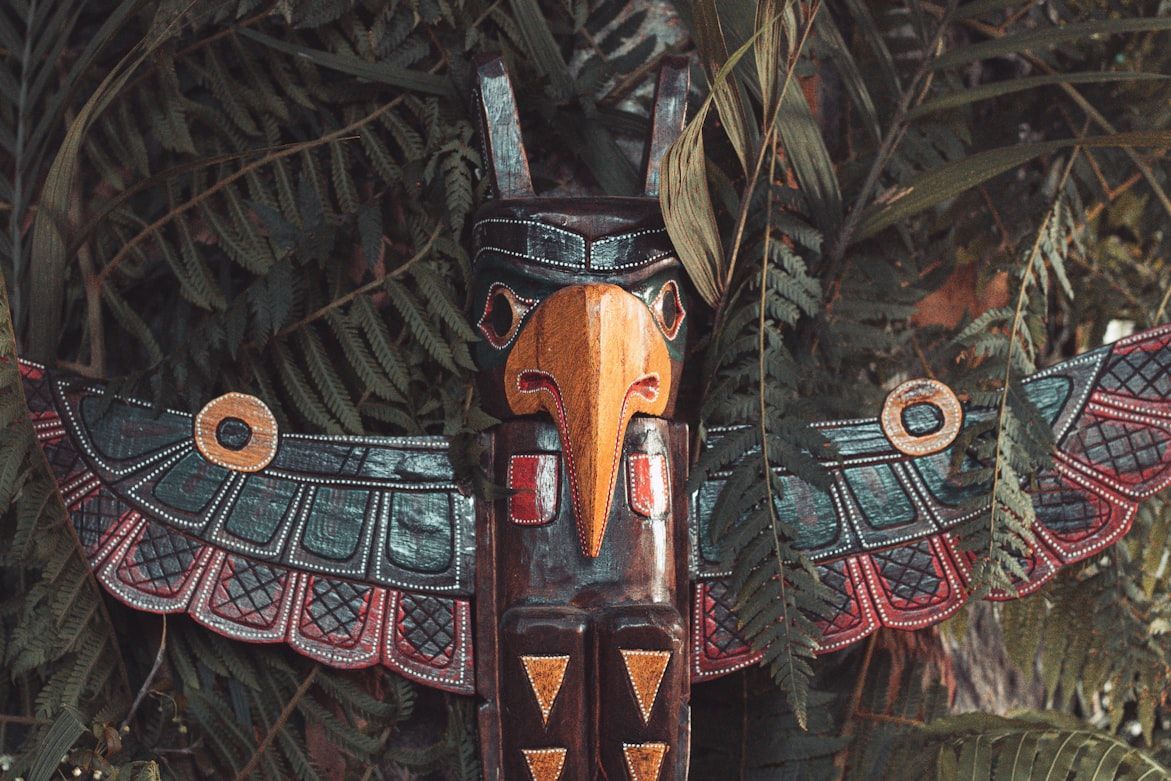
"Totem" comes from the Ojibwe word ototeman, which means "kinship group." It described symbols representing clans and shared roots.

English adopted it to describe carved poles and symbolic elements. Though broader in modern usage, it still hints at the original sense of community, identity, and heritage.

9

Coyote

Image: Dylan Ferreira

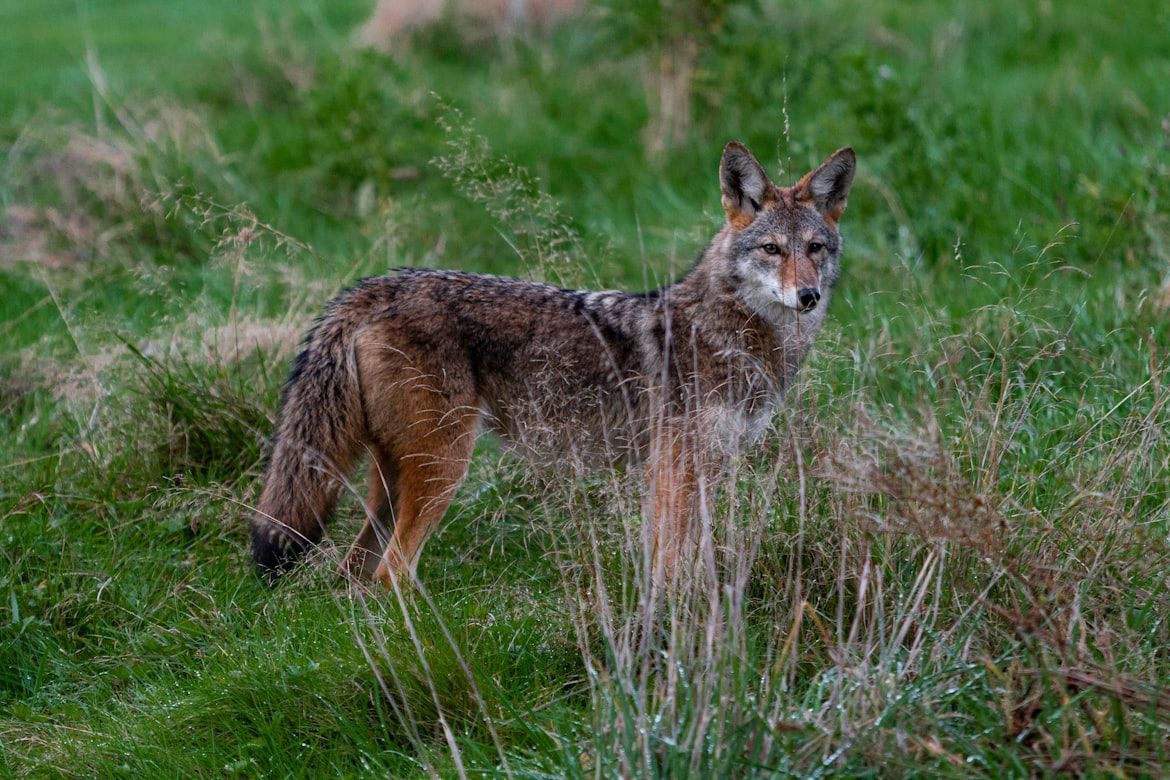
"Coyote" comes from the Nahuatl word coyōtl, which was used by Indigenous tribes of central Mexico. Spanish speakers adopted it, and English borrowed later.

The word kept its meaning, and it remains one of the most direct links between the English language and Nahuatl.

10

Avocado

Image: Gil Ndjouwou

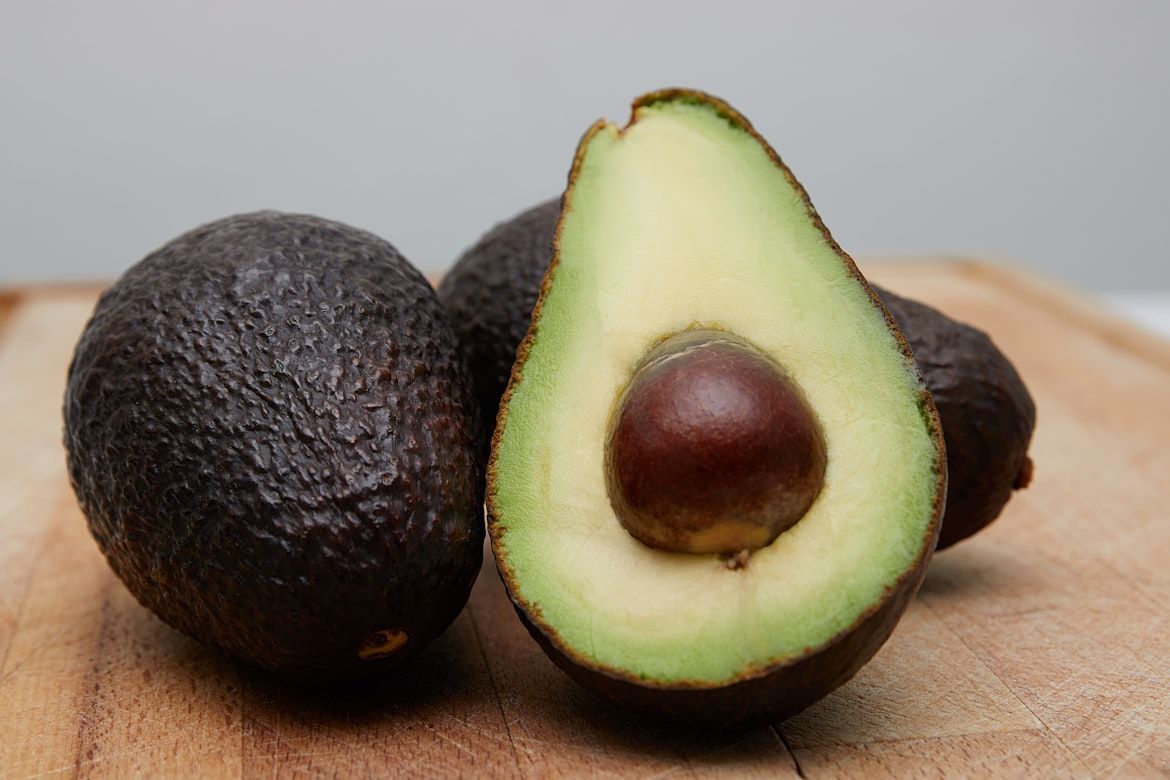
The tasty avocado’s name traces to the Nahuatl word ahacatl, which refers to the fruit and to a body part as well. Spanish speakers transformed it into aguacate.

Later on, English speakers adapted it to avocado. While the name sounds contemporary and culinary, it has ancient Native roots.

11

Chocolate

Image: amirali mirhashemian

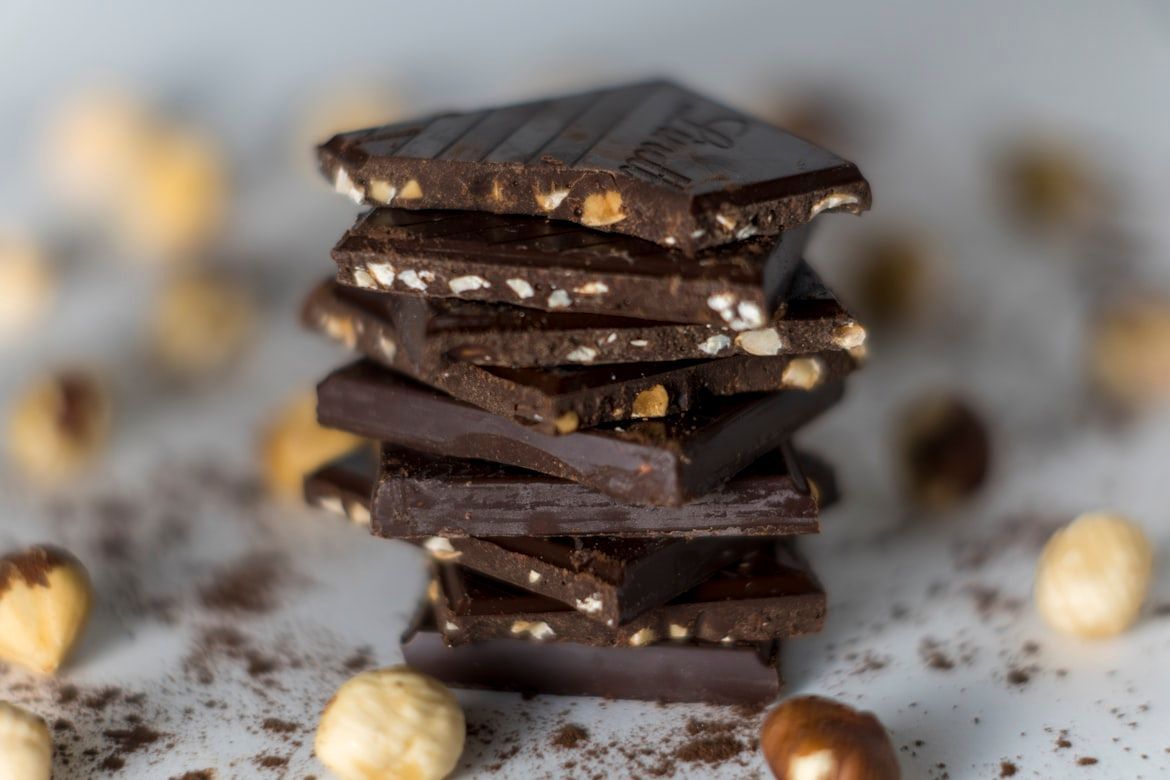
The last Nahuatl word and also the last word on the list comes from the term xocolātl, which describes a bitter cacao drink that was consumed long before Europeans arrived in America. The name traveled from Spanish to English.

Though the product changed dramatically, the word survived. Today, chocolate is a universal symbol of sweetness, with rich and deeply indigenous roots.

Looking for an extra scoop of literary fun?

Learn more with our Word of the day

sordid

/ˈsɔrdəd/